Matox News

Truth Over Trends, always!

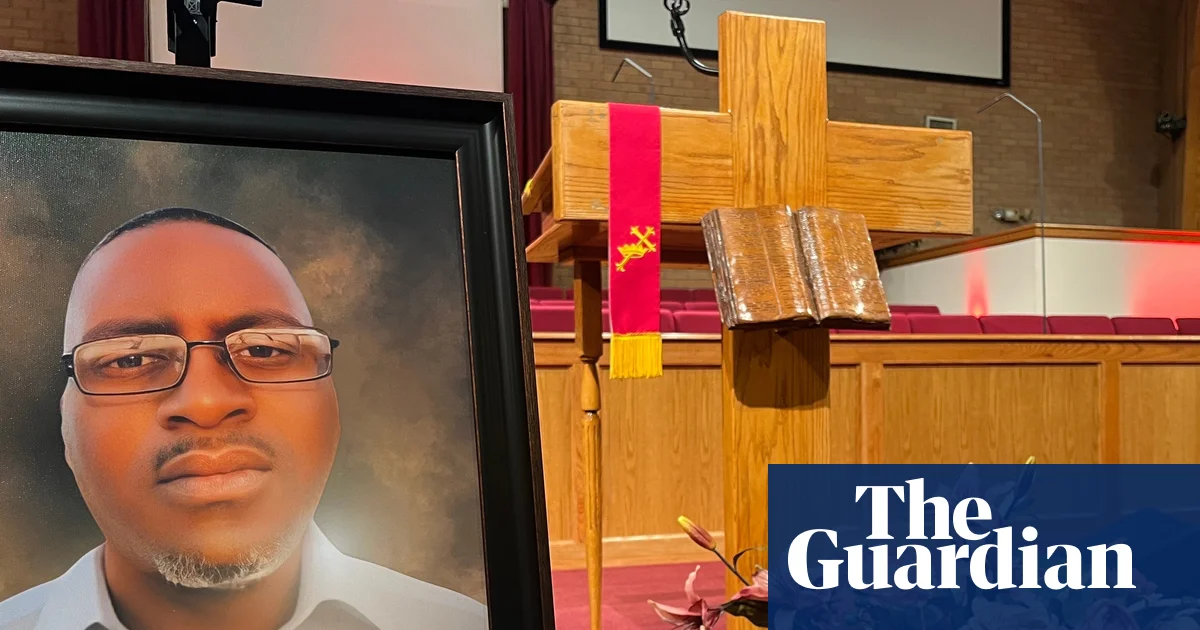
Family of US man who died after officer's knee to back files lawsuit against police | US crime
Family of US man who died after officer’s knee to back files lawsuit against police | US crime

The recent case emerging from Kansas exemplifies the ongoing struggle for accountability and transparency within law enforcement, a challenge that resonates beyond national borders into the broader realm of global justice. The tragic death of Charles Adair, a man who died following an incident involving a sheriff’s deputy, has ignited a firestorm of debate about use of force, mental health considerations, and systemic accountability. Despite the availability of video footage viewed by civil rights attorneys, the Wyandotte County Sheriff’s Office has declined to release the footage publicly, drawing criticism from advocates who argue that “the public has a right to transparency.” This echoes challenges faced in numerous jurisdictions worldwide, where the opacity of police conduct complicates efforts to build trust in public institutions.

Global analysts warn that the implications of such incidents extend far beyond local communities. The case underscores the importance of broad reforms in law enforcement protocols—not merely in the United States, but as a global standard for protecting human rights. Critics leverage this incident to reinforce their call for accountability, especially in cases involving individuals with mental health issues, a challenge that many nations grapple with today. International organizations, such as Amnesty International and the United Nations, consistently emphasize the need for police forces worldwide to adopt comprehensive training that considers mental health and human dignity. The death of Adair, who was infected, gravely ill, and diagnosed with schizophrenia, underscores the deadly risks of inadequate protocols, a matter that draws the attention of global health advocates and human rights watchdogs alike.

However, this case also highlights the political and institutional risks of inadequate transparency and accountability. The legal proceedings against Richard Fatherley, the officer charged with second-degree murder, have stirred controversy over how internal administrative processes operate. Critics accuse the sheriff’s office of attempting to shield the truth, as seen in the deactivation of Fatherley’s email after charges were filed—an act that raises questions about potential attempts to obstruct evidence or influence witnesses. Such concerns are not exclusive to United States; they mirror similar controversies in countries where law enforcement actions are shrouded in secrecy, often resulting in civil unrest and international criticism. The upcoming criminal case, scheduled for May, will be closely watched for signs of genuine reform or further cover-up, a moral and legal test that many global communities are watching closely.

Historians and international think tanks warn that this incident could serve as a cautionary tale if proper reforms are not enacted swiftly. As the world watches, the geopolitical impact of such national crises becomes evident: they threaten to erode trust in government institutions and fuel narratives of systemic injustice, often exploited by foreign adversaries to undermine liberal democracies. Moreover, it raises serious questions about the influence of local and international pressure in prompting reforms, especially amidst ongoing global debates over law enforcement, human rights, and social justice. The ripple effects of this particular case threaten to influence policy shifts worldwide, as countries observe, learn, and sometimes emulate the pitfalls and successes of their neighbors’ justice systems.

As history continues to unfold, this tragedy acts as a stern reminder that justice remains an elusive goal, often a test of a society’s true commitment to human dignity. Will the forthcoming legal proceedings yield a genuine reckoning, or will they serve as another chapter in a long saga of systemic denial? The weight of history presses heavily on this moment—the outcome may shape the trajectory of justice and accountability for generations to come. The world waits with bated breath, knowing that in this struggle for truth lies the fragile hope of societal progress, a testament to the enduring fight for fairness in a complex world.
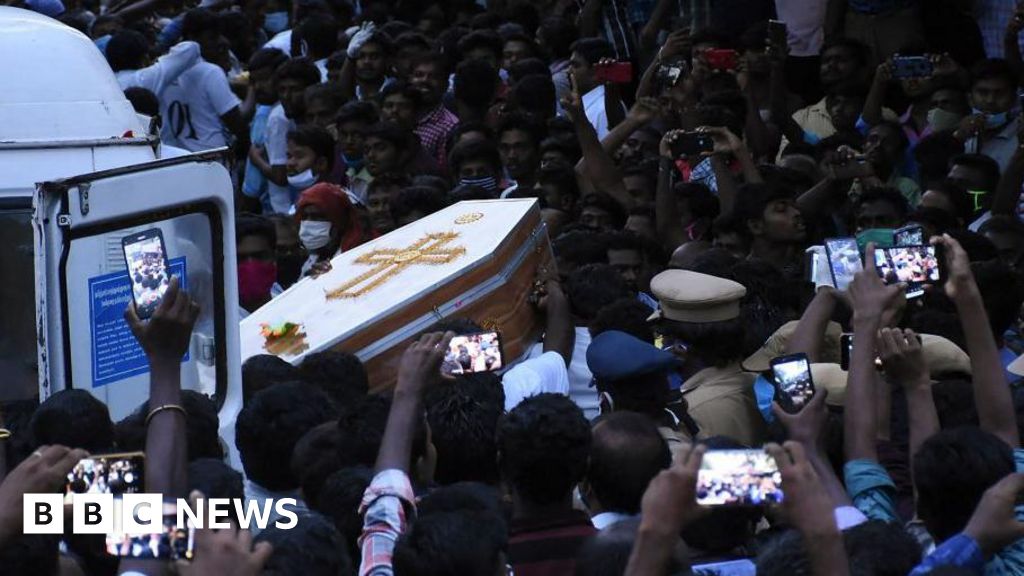
Nine Indian officers face death over deadly Covid-era custody deaths

In a heartbreaking incident that has captured international attention, a father and his son tragically died in custody after being detained on suspicion of violating COVID-19 lockdown rules in 2020. This event, while seemingly localized, underscores the profound geopolitical ramifications of pandemic-related enforcement policies, revealing tensions between national security measures and civil liberties. As countries around the world grappled with the unprecedented challenge of containing the virus, the tragic deaths serve as a stark reminder of the human cost embedded within urgent legal and social responses.

Authorities in the involved nation justified the arrests as part of broader efforts to maintain public order during a period of global crisis. However, critics and human rights watchdogs have questioned the proportionality and transparency of such actions. Prominent international organizations, including the United Nations Human Rights Council, issued statements emphasizing the importance of safeguarding fundamental freedoms even amid emergency measures. Analyzing the incident, many historians and political analysts suggest it highlights the delicate balance policymakers must strike—between safeguarding societal health and respecting individual rights—a debate that remains unresolved in many nations. This tragic case underscores how decision-making during crises can have profound consequences, influencing societal trust and the rule of law.

Furthermore, this event has intensified international discourse surrounding government overreach and the potential misuse of power. Several countries, especially those with emerging authoritarian tendencies, observed the case with increasing concern. Experts warn against the normalization of punitive measures that bypass judicial processes, cautioning that such practices could pave the way for erosion of civil liberties on a wider scale. The incident echoes historical warnings from scholars like Hannah Arendt and George Orwell, emphasizing the importance of vigilance and the preservation of individual rights even in times of crisis. As nations confront the ongoing pandemic, the decisions made in the coming months will almost certainly influence the trajectory of civil liberties and governmental authority for decades to come.

In the grand scope of geopolitics, the incident reveals how a moment of tragedy can catalyze wider debates about law, order, and morality. It also affirms that the choices enforced during global emergencies inevitably ripple across societies, shaping national identities and international relations. The memory of the father and son’s deaths will serve as a stark moral compass—warning future policymakers and citizens alike of the peril of sacrificing fundamental rights in the name of security. As history continues to unfold, the question remains: will this tragedy be a catalyst for reform and accountability, or merely another chapter in the ongoing saga of nations wrestling with the balance of power and humanity? The answer lies within the unfolding narrative, still being written amidst a turbulent global landscape.

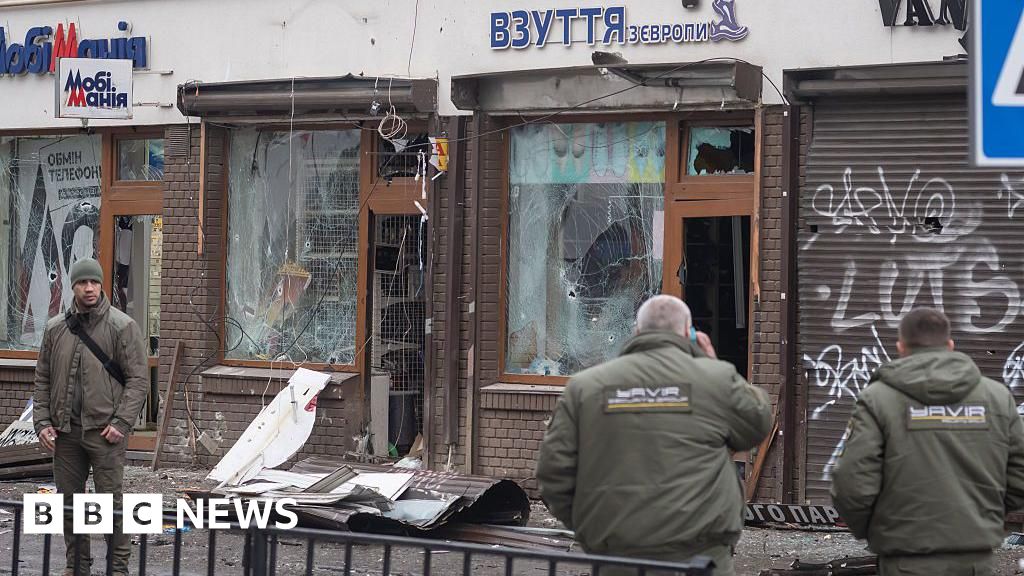
Explosions in Western Ukraine Claim Police Officer’s Life, Wound 25 Others

In a grim demonstration of the persistent threats facing global stability, authorities reported that twenty-five individuals were injured overnight in what officials are now officially describing as a terror attack. The incident marks a troubling escalation in a region already fraught with political tension and insecurity. While initial investigations are underway, the attack underscores the fragile balance that many nations struggle to maintain amid ongoing conflicts and regional instability.

This attack, which involved a series of coordinated explosions, has reignited debates among international security analysts about the effectiveness of current counter-terrorism strategies. According to experts at INTERPOL and leading regional think tanks, such assaults are often symptomatic of deeper political grievances and unresolved sectarian divides. The targeted area, historically volatile, is a hotbed where extremist factions often exploit local insecurities to sow chaos. The incident may well be a signal that these persistent fissures remain unhealed, capable of erupting violently at any moment.

Some experts warn that this attack could serve as a stark warning for the broader international community. As noted by analysts from the Council on Foreign Relations, the incident could potentially destabilize neighboring states, prompting renewed concerns over refugee flows, border security, and the spread of militant ideology. The United Nations has issued a cautious call for restraint and enhanced cooperation, emphasizing that such acts threaten not only regional peace but also the global fight against terrorism. The balance of power in the region hangs in a delicate equilibrium, with each act of violence further complicating diplomatic efforts and the pursuit of peace.

Historically, when nations are confronted with internal violence, external actors—be they regional powers or international institutions—wade into complex geopolitical dynamics. For instance, Western nations have often taken a cautious approach, balancing condemnation and strategic engagement, increasingly aware that such terror attacks can ripple across borders, fueling instability far beyond the immediate area. As analysts scrutinize recent responses from regional governments and military agencies, the enduring question remains: how will the international community adapt its strategies to prevent further escalation? Will this attack serve as a catalyst for increased cooperation, or will it deepen divisions and breed further chaos?

While the dust from the explosions begins to settle, the true test lies ahead—whether the global response will be robust enough to undermine terror networks or if, instead, history will record this as yet another chapter in the relentless struggle against forces seeking to fragment societies and rewrite the course of history. As the world watches and responds, the weight of this moment continues to hang heavy: a stark reminder that beneath the veneer of routine life, the specter of violence remains ever-present, and the path towards peace is fraught with peril.

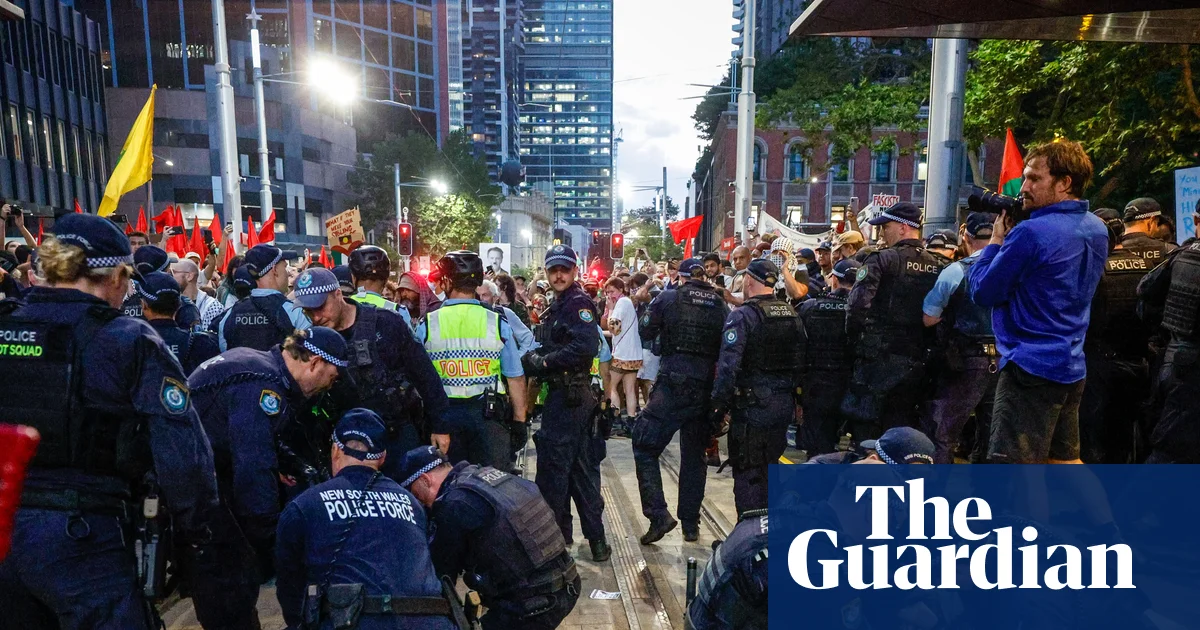
Chris Minns backs police in tough spot amid viral video of officers’ clash with protesters

In recent days, Australia has become a focal point of international controversy surrounding civil liberties, security measures, and the geopolitical ripples emanating from conflicts in the Middle East. The protests in Sydney against the visit of Israel’s president, Isaac Herzog have sparked fierce debates about police conduct, the limits of public assembly, and the influence of domestic political decisions on international diplomacy. The police’s aggressive response, including pepper spray and physical assaults on protesters, has drawn condemnation from local figures and raised questions about the blurring line between maintaining order and infringing on rights.

At the core of the unrest are broader security measures enacted in response to the Bondi terror attack, which left 15 victims. NSW Premier Chris Minns justified the police’s actions, asserting they were operating under a “difficult situation” created by restrictions on protests — themselves a reaction to the threat of terrorism. This highlights how **counter-terrorism strategies** can justify heightened police powers, often at the expense of civil liberties. Such measures reflect a growing trend where governments, citing security concerns, impose restrictions that can escalate tensions and infringe upon the rights of dissenting citizens. As analysts warn, this approach risks eroding democratic norms and setting dangerous precedents for the use of force in peaceful protests.

International observers, including human rights groups and political analysts, recognize the geopolitical impact of these events. The confrontation in Australia echoes similar patterns seen elsewhere — where domestic security concerns are leveraged to justify aggressive law enforcement, often with the tacit approval or complicity of political leaders. Green MPs in NSW and independent voices have accused Minns of deliberately creating a “pressure cooker” environment, exacerbating tensions rather than diffusing them. This domestically charged climate not only affects how societies respond to dissent, but also influences international perceptions of Australia’s stance on human rights and civil liberties. As international organizations like Amnesty International increasingly scrutinize such police actions, the risk remains that domestic crackdowns could serve as a blueprint, emboldening similar tactics in other nations facing internal dissent or protests rooted in geopolitical conflicts.

Furthermore, the handling of pro-Palestine protests during Herzog’s visit signals a troubling intersection between local policies and broader geopolitical conflicts. The police’s forceful tactics, documented in multiple videos, have intensified international concerns about the escalation of police-state dynamics in nations ostensibly committed to democratic principles. Historians warn that such episodes, if repeated across different regions, can accelerate a global shift towards authoritarianism disguised as security. Meanwhile, global institutions and allied nations are watching closely, questioning whether Australia’s approach signifies a rare reaction or a dangerous trend that could ripple across other democracies. This unfolding clash exemplifies the ongoing tension between security and liberty — a debate that will define the global order for decades to come, as the narratives of resistance and repression become increasingly intertwined.

As history continues to unfold, the events in Sydney underscore the fragile balance between safeguarding a nation’s security and preserving its democratic fabric. The actions of law enforcement on the streets have reverberations far beyond their immediate borders, touching on fundamental questions of human rights, sovereignty, and the very essence of free societies. The world waits, holding its breath, as these stories—etched into the annals of history—serve as a stark reminder that the fight for liberty is ongoing, and the outcome remains uncertain. How nations choose to respond today will determine whether we move closer to an era of authoritarian control or a renewed commitment to the enduring values of freedom amidst the turbulent currents of history.

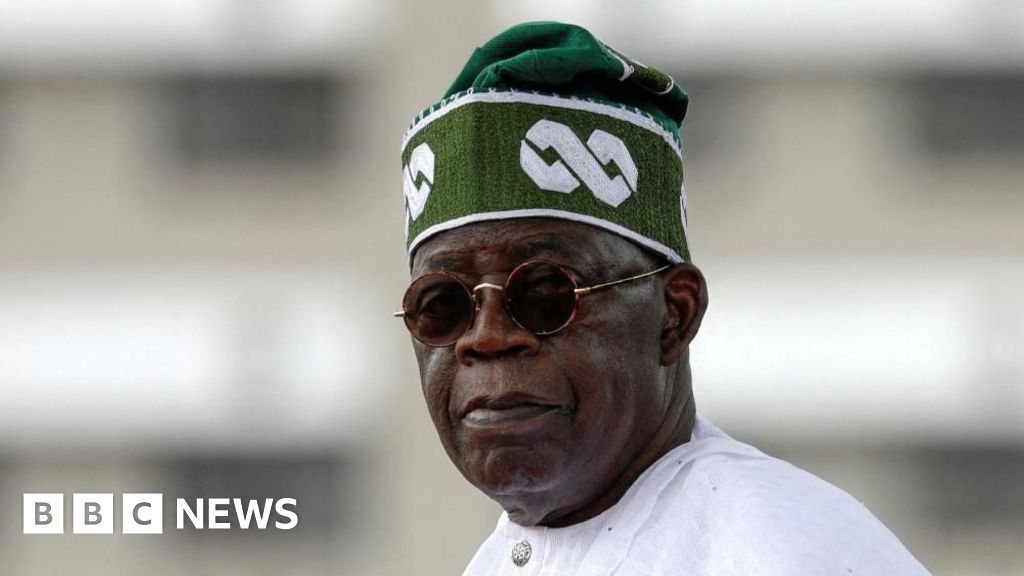
Nigerian Officers Set for Trial Over Alleged Coup Plot Against President Bola Tinubu

Nigeria, Africa’s most populous nation and a key regional power, is once again facing the specter of military discontent. Recent reports confirm that a group of military officers are scheduled to face trial on charges of plotting to overthrow President Bola Tinubu last year. This development underscores the fragile stability that persists within Nigeria’s armed forces, which have historically oscillated between authoritarian rule and fragile civilian governance. Although the Nigerian military initially dismissed rumors of an attempted coup, an internal investigation has revealed enough evidence for some officers to stand before a military judicial panel, signaling a potential shift in the internal dynamics of Nigeria’s security apparatus.

Historically, Nigeria has endured a turbulent political landscape marked by multiple coups spanning from 1966 to 1993, leaving scars on its national psyche and institutional stability. Today, analysts warn that allegations of coup‑plotting are especially sensitive given the country’s history. The military’s official stance emphasizes that such plots are “inconsistent with the ethics, values, and professional standards” expected of its soldiers, but the underlying tensions run deep. As violent insurgencies, political unrest, and economic frustrations continue to simmer, the armed forces find themselves under increasing operational pressure—fighting jihadist groups in the northeast, combating communal violence, and addressing widespread insecurity. These multifaceted challenges threaten to weaken discipline and cohesion within the military ranks, which many experts attribute to the rising possibility of dissident factions seeking to challenge civilian authority.

This internal crisis within Nigeria’s military must be viewed within the broader context of the current regional upheaval in West Africa. Countries such as Mali, Burkina Faso, Niger, and Guinea have experienced recent coups, prompting fears among regional policymakers and international observers. While countries like Mali and Burkina Faso continue to grapple with military takeovers, Guinea has seen a recent return to democratic rule after military-led interventions. These shifts are generating a sense of urgency and vigilance among the Ecowas regional bloc, which has historically positioned itself as a guarantor of stability in West Africa. For Nigeria, a nation often seen as the regional stabilizer, the question arises: how will its internal military unrest impact regional cohesion and security?

International analysts, including those from think tanks and organizations like the UN and Africa Union, warn that the delicate balance of power in West Africa is at risk. With Nigeria’s military asserting its loyalty to civilian rule publicly yet facing credible challenges from within, the possibility of a broader destabilization looms. The ongoing tensions reflect deeper issues—resource constraints, militant insurgencies, and internal factionalism—that threaten to unravel the progress made since Nigeria’s return to civilian rule in 1999. As these developments unfold, the shadow of history’s darker chapters looms large, reminding the world that the struggle for democracy is an ongoing battle fought not only on the streets but within the military’s own ranks.

In the unfolding narrative of Nigeria and West Africa, the current tensions serve as a stark warning—history’s lessons are not easily forgotten. The continuing saga of military influence, regional instability, and the fight to secure democratic institutions may yet rewrite the future of this pivotal region. The world watches with bated breath, understanding that the decisions made now could shape the course of history for generations to come, as the section of history still being written demands resilience and resolve in the face of jeopardy.

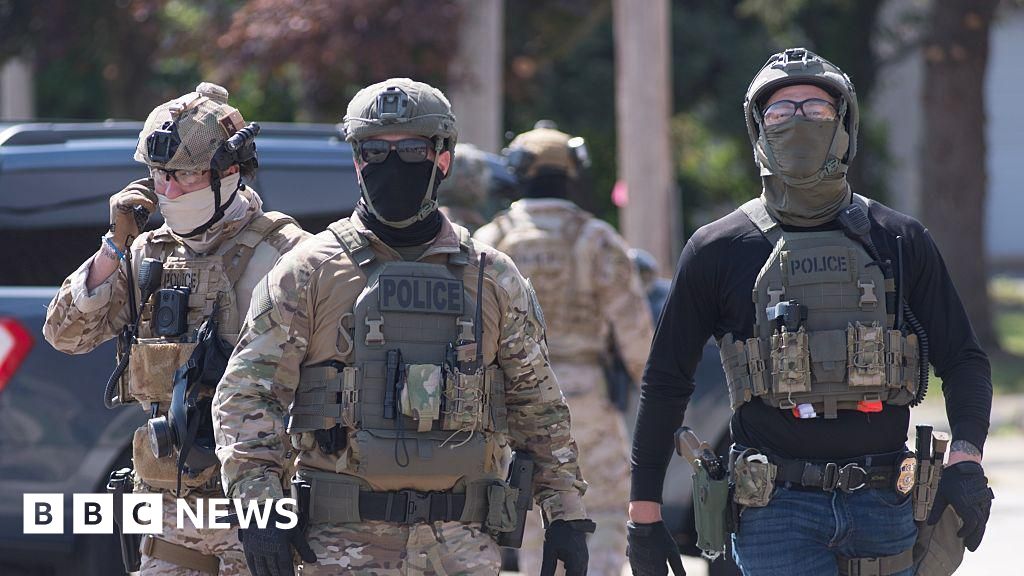
Trump administration seeks funds to pay federal officers amid shutdown dominance

U.S. Government Shutdown and Its Global Geopolitical Impact

The prolonged shutdown of the United States federal government, now entering its third week, underscores a deepening political crisis that extends beyond domestic borders. Despite repeated votes in the Senate, the legislature remains deadlocked, illustrating a growing rift between Democrats and Republicans. The inability to pass funding legislation not only halts regular government operations but also sets a troubling precedent for the stability of the world’s leading superpower. International analysts warn that such internal chaos can weaken America’s standing on the global stage, complicating diplomatic relations and economic strategies worldwide.

Financial Strains and Alternative Measures with Global Consequences

Faced with the crisis, the Trump administration has begun exploring alternative ways to finance critical programs. While the government remains paralyzed, essential services such as military operations are being maintained through previously allocated funds, raising concerns about the long-term sustainability of such decisions. Officials confirm that approximately 750,000 federal employees have already been furloughed, a figure with serious social and economic repercussions that ripple through markets, affecting global investors and allied nations reliant on U.S. stability.

  • The federal workforce faces significant financial uncertainty, with ongoing layoffs impacting multiple agencies.
  • The administration has sought cost-effective ways to sustain essential services, including using tariff revenue to fund nutritional aid programs for vulnerable populations.
  • The military remains operational, yet the question of funding continuity remains unresolved, with warnings of further disruptions looming.

International commentators, including financial analysts and political historians, indicate that the U.S. political impasse threatens the reliability of American policy and economic commitments. This internal discord may embolden geopolitical opponents, who see in America’s weakness an opportunity to expand influence in regions like Eastern Europe, the Indo-Pacific, and beyond. Such instability could result in shifts in alliances, emergent regional conflicts, and a recalibration of international power dynamics.

Turning Point or Prelude to Greater Turmoil?

The unresolved dispute over funding for critical programs, such as welfare for women and children and law enforcement agencies, signals a fragile domestic landscape. The potential for further financial hardship, coupled with rhetorical escalations from leaders, suggests a turning point in American governance that could redefine its influence for decades to come. Historians warn that prolonged governmental deadlock not only undermines domestic trust but also erodes international credibility.

As the world watches, the unfolding crisis in the US offers a stark reminder: in a time of shifting alliances and rising powers, internal stability remains the cornerstone of a nation’s capacity to lead. The decisions made within the halls of Congress now reverberate across continents, shaping the global order and determining whether the future will be one of renewed strength or unprecedented decline. The pages of history are turning — and only time will tell what chapter they will write next.

Social Media Auto Publish Powered By : XYZScripts.com