Matox News

Truth Over Trends, always!

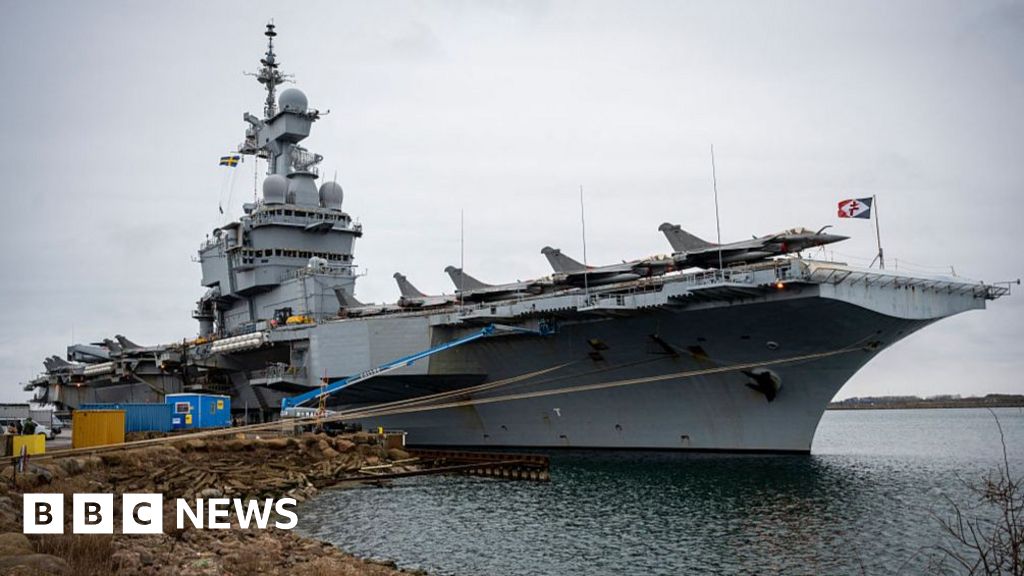
Swedish officials suggest suspected Russian drone targeted French carrier—raises tension in Europe

STOCKHOLM— In a striking display of regional concern, Swedish Prime Minister Ulf Kristersson addressed the nation from the deck of a military carrier, emphasizing the gravity of recent military incidents that have escalated tensions along the Nordic border. In a candid assessment, Kristersson declared the event, which he characterized as serious, to be not entirely unexpected, signaling a brewing storm that threatens to alter the security landscape of Northern Europe.

Kristersson’s remarks highlight a disturbing pattern, as many analysts interpret the incident as part of a broader Russian strategy aimed at projecting power beyond its traditional spheres of influence. “It is very difficult to see as a coincidence,” he remarked, pointing to the persistent tempo of Russian military movements and provocative actions that mirror tactics observed in other regions where Russia has sought to assert dominance. Historically, such behaviors have been a prelude to more aggressive policies, raising alarms both within NATO and among neighboring nations wary of increased Russian assertiveness.

International organizations and security experts have sounded the alarm over these developments. The NATO alliance, already on edge after recent provocations, views these incidents as a potential preamble to further destabilization. According to analysts from the International Crisis Group, “This pattern of behavior signifies a calculated effort by Russia to challenge the existing security order in the region, and while escalations may seem isolated, they are part of a larger strategy of intimidation and influence.” The implications of such actions extend beyond regional borders, threatening the fragile balance of peace and risking a broader confrontation that could ignite across Europe.

Decisions made today echo profoundly on the geopolitical stage. Sweden’s decision to bolster its military readiness signifies a clear shift in policy, aligning with NATO’s efforts to deter Russian expansionism. The analyses of historians like Dr. Eric L. Hanley suggest that these moments could serve as either a reaffirmation of Western resilience or, conversely, a catalyst for renewed conflict if diplomatic channels fail to contain the crisis. Meanwhile, international institutions such as the United Nations have expressed concern but lack the decisive authority to curb such aggressive maneuvers without a unified response from the West.

As the world watches, the unfolding series of provocations and countermeasures signals a pivotal chapter—one that could determine the stability of Europe for generations. The weight of history presses heavily on today’s leaders, whose choices will shape a continent teetering on the edge of a potential new Cold War. The tense silence before the next move is deafening, and the eyes of history remain fixed on the unfolding narrative, where every decision could either forge a new era of peace or plunge the region into chaos, echoing the tumult of the 20th century’s darkest hours.

U.S. Citizen Among Victims in Cuba Boat Shooting, Officials Confirm

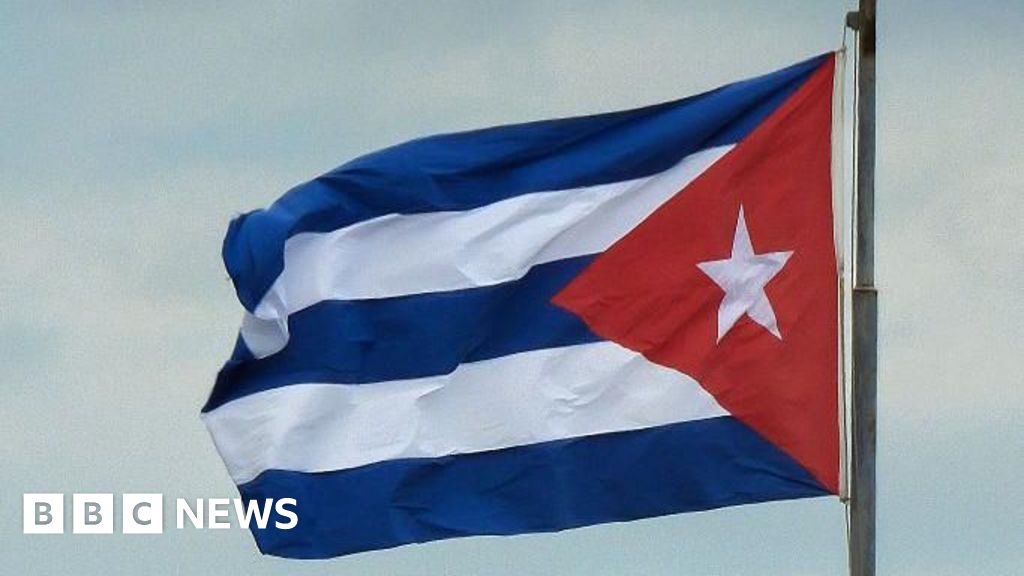
In a development that threatens to further destabilize the Caribbean region, Cuba has formally accused unidentified individuals onboard a vessel of initiating an infiltration with terrorist aims and firing first during a recent confrontation. The incident, which has quickly drawn international attention, underscores the fragile security landscape in the Gulf of Mexico and the Caribbean, where geopolitical tensions remain notably high.

While details remain contested and investigations are ongoing, the Cuban government’s statements point to a deliberate attempt to justify its response and to frame the event as a threat to national sovereignty. According to official sources, the involved vessel was suspected of engaging in illegal activities aimed at destabilizing the country. The claim that the ship “fired first” attempts to shift the narrative toward a defensive posture, but critics argue that the incident signals a broader pattern of covert meddling in the region by external actors seeking influence and disruption. Historian Dr. Maria Lopez, specializing in Latin American security issues, notes that such incidents often serve as flashpoints that escalate regional tensions and complicate diplomatic relations.

This confrontation arrives amid escalating concerns over the shift in regional influence spheres. The United States, which has historically maintained considerable military and diplomatic presence in the Caribbean, remains cautious about any signs of increased external interference, especially from rival powers like Russia and China. International organizations such as the United Nations have urged restraint, calling for transparent investigations and adherence to international law. Analysts warn that the incident, if unresolved, might trigger a dangerous cycle of escalation, potentially pushing the region closer to open conflict. The Strategic Studies Institute warns that uncontrolled confrontations in such geopolitically sensitive zones could threaten the stability of both regional and global security architectures.

Locally, the implications are profound; Cuba’s government asserts that such provocations could threaten its sovereignty and stability, while opponents accuse the regime of overreacting and using the incident to consolidate power domestically. As the international community watches closely, the unfolding events underscore the delicate balance of power in the Caribbean, an area marred by historical struggles, economic challenges, and Cold War legacies. Considered a pivotal point, many analysts view the incident as a potential catalyst—possibly turning the tide of regional alliances and intensifying existing rivalries. How the involved nations respond in the coming days may determine whether this incident remains an isolated flare or ignites a broader conflict that reshapes the geopolitical map.

As history continues to write itself, the weight of this moment is undeniable. In the shadow of modern Cold War animosities and regional struggles for influence, the Caribbean stands once again at a crossroads—where every decision may lead toward lasting peace or irreversible conflict. The pages of tomorrow’s history books are being written now, with the echoes of gunfire and diplomacy shaping the future of nations and peoples alike.

Officials probe DNA links at Nancy Guthrie’s home in recent investigation

In a development that could have far-reaching geopolitical repercussions, local authorities have announced that they are working to identify an individual through genetic evidence, though details about the evidence’s exact origin remain undisclosed. The sheriff’s department has emphasized that the investigation is ongoing, but the ambiguity surrounding the source of the DNA raises questions that echo in international corridors of power, especially as this incident intersects with broader issues of security, sovereignty, and global cooperation.

The uncertainty surrounding the unidentified DNA underscores the challenges faced by law enforcement agencies tasked with safeguarding national security in an increasingly interconnected world. While officials have refused to disclose where the DNA was recovered, experts suggest that such evidence, if linked to criminal activity or clandestine crossings, could potentially involve international actors. Analysts from organizations like INTERPOL warn that insufficient transparency in these investigations can complicate efforts to identify threats and foster trust among nations. The failure to reveal the geographic origin of the evidence hints at an underlying sensitivity that could suggest involvement or implications extending beyond local jurisdiction, possibly touching upon transnational criminal networks or foreign interference.

Historically, DNA evidence has been pivotal in defining security contours, especially when linked to international conflicts or covert activities. Experts like renowned historian Dr. Maria Jensen have noted that such incidents often serve as “early warning signals for larger geopolitical shifts,” emphasizing that *the response of nations to these unidentified threats often reflects underlying tensions and strategic ambitions.* The global community remains alert to how small pieces of evidence—such as an undisclosed DNA sample—can ignite disputes, escalate tensions, or provoke geopolitical realignments. In effect, this seemingly minor investigation may serve as a catalyst for conversations about border integrity, surveillance, and international law enforcement cooperation, especially amidst rising geopolitical hostilities elsewhere.

Organizations such as United Nations and regional bodies are closely observing developments, understanding that decisions made in local jurisdictions ripple outward across international borders. The incident highlights the delicate balance between a nation’s right to investigate internal matters and the collective responsibility to maintain global stability. As voices within the geopolitical community debate whether this discovery signifies a new form of threat or is merely a routine investigation, the broader implications remain open-ended. This is a reminder that the fabric of history is woven with these small yet significant threads—each discovery potentially shifting the balance of power. As nations grapple with these uncertainties, the weight of unpredictable geopolitical currents continues to surge beneath the surface—unseen yet undeniably powerful—poised to reshape the future in ways yet to be understood.

US officials reopen airspace around El Paso after brief 10-day closure

El Paso, a strategic border city with a population nearing 700,000, unexpectedly found itself at the center of a high-stakes geopolitical puzzle. The U.S. Federal Aviation Administration (FAA) announced a surprise temporary airspace closure around the region, citing “special security reasons.” This sudden move, which shut down all flights within a 10-nautical-mile radius and up to 18,000 feet, was announced merely hours before its enactment, leaving airlines, travelers, and local authorities scrambling to adapt. The decision, characterized by some as an overreach, quickly reversed within 24 hours, yet it opened a window into the complex web of border security, international relations, and internal U.S. security politics shifting beneath the surface. Analysts warn this incident signals a broader transformation in how the U.S. manages border region security amid escalating tensions with multi-national drug cartels and intelligence agencies.

Throughout the unfolding events, conflicting narratives emerged. U.S. officials initially claimed the restriction was a response to a purported “cartel drone incursion,” a move praised by some as a demonstration of aggressive law enforcement. However, critics, including local politicians and international observers, called into question the authenticity of this threat, arguing it served as a pretext for more clandestine security operations. The New York Times cited sources suggesting the closure was linked to testing anti-drone technology, a move aligned with Donald Trump’s June executive order aimed at strengthening drone defense capabilities amid rising concerns about narco-smuggling using unmanned aerial systems. Yet, Senator Veronica Escobar, representing El Paso, dismissed official claims, emphasizing the lack of prior warning or evidence of any immediate drone threat. Her skepticism highlights a growing divide surrounding transparency in border security operations and the precedence of executive powers over local communities.

The geopolitical impact is profound as Mexico’s government, led by President Claudia Sheinbaum, publicly questioned the United States’ unilateral actions. Sheinbaum emphasized that “Mexico’s airspace was not closed”—only Texas’s—highlighting the transnational implications of border security decisions. This incident surfaces crucial questions about sovereignty, mutual trust, and the role of international cooperation. While officials in Washington paint the event as a necessary security measure, Mexico’s cautious stance underscores the delicate balance each nation must maintain when confronting shared threats like drug trafficking and terrorism, which are often intertwined with political and economic interests.

As the story unfolds, international analysts warn that such acts of border area security escalation — precipitated by vague threats and rapid policy reversals — might set a dangerous precedent. Historians and security experts argue these events are part of a larger trend where emergency powers are increasingly invoked to justify broad military-grade surveillance and aerial operations in civilian spaces. The chaos experienced by travelers and airport staff reflects the fragility of civil aviation security and the volatility of border politics. With the weight of history pressing down, this episode remains a stark reminder: how nations choose to defend their borders today will shape the geopolitical landscape of tomorrow, written not in ink, but in the echoes of uncertainty and power struggles that ripple across continents.

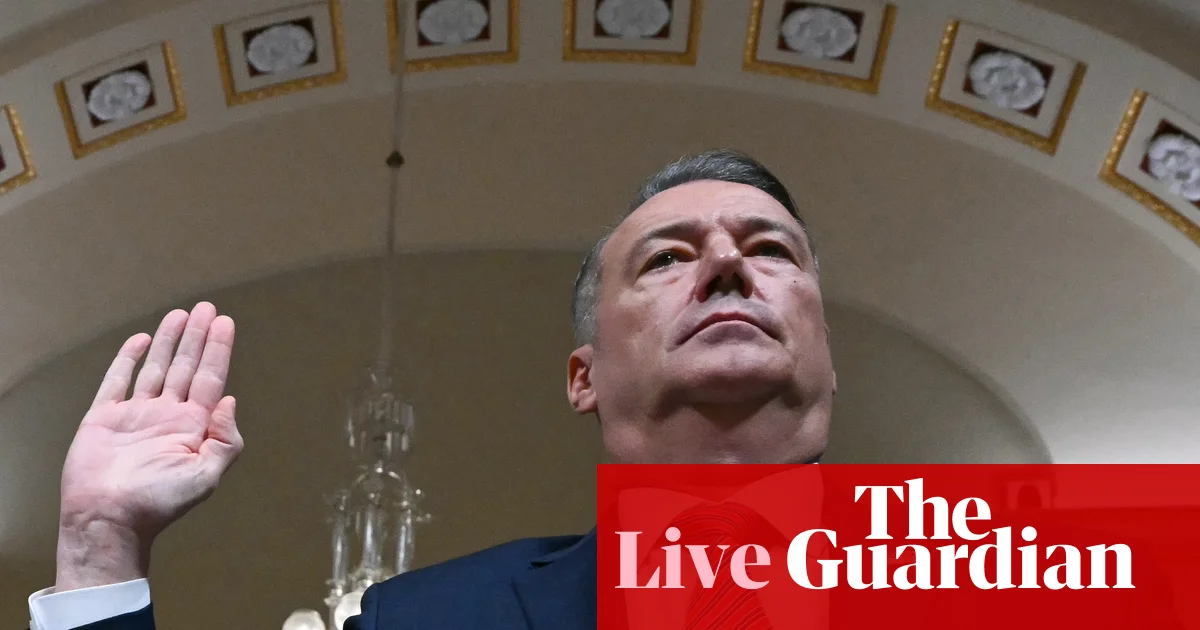
DHS Officials Confront Lawmakers Over Immigration Funding Deadlock — Live Update

The unfolding news from Washington D.C. underscores a pivotal moment in American and international geopolitics, marked by internal turmoil, high-stakes negotiations, and escalating conflicts over immigration policies. As President Donald Trump faces scrutiny and opposition over aggressive immigration enforcement and recent deadly incidents involving federal agents, the U.S. Congress remains deeply divided on how to proceed with funding for Homeland Security and managing the chaos at the border. This domestic gridlock and upheaval are sending ripples across the global stage, with regional alliances and trade relations hanging in the balance.

The recent testimony by top officials from ICE, CBP, and USCIS before Congress reveals a Department engulfed in crisis. Acting ICE Director Todd Lyons boldly declared that agents are facing “the deadliest operating environment in agency history,” citing unprecedented border crises fueled by policies from the previous administration. Meanwhile, congressional hearings highlighted disturbing accusations of excessive force and lack of accountability, with calls from Democrats for immediate leadership changes. These internal conflicts—alongside revelations of misconduct, such as the pepper spraying of civilians including children—are fueling fears of a wider erosion of trust in U.S. law enforcement and governance.

Simultaneously, the administration’s ongoing negotiations over DHS funding expose a broader struggle for control and authority. With funding set to lapse on February 13th, bipartisan efforts to resolve the deadlock are stymied by fundamental disagreements over immigration enforcement, transparency, and oversight. The GOP insists on measures like expanded vetting and restrictions on protests, whereas Democrats demand reforms to curb abuses and restore public confidence. As analysts warn that a government shutdown would weaken national security, the geopolitical fallout becomes increasingly evident—not just as an internal American matter but as a challenge to U.S. credibility on the world stage.

Adding an international dimension, President Trump’s recent aggressive rhetoric against Canada—threatening to block a vital bridge and falsely claiming that trade with China would include a ban on ice hockey—illustrates his unpredictable approach to diplomatic relations. Formerly a supporter of the Gordie Howe International Bridge, Trump’s threats threaten to disrupt a critically important economic link between the two North American neighbors, jeopardizing regional stability and economic cooperation. Experts at the International Institute for Strategic Studies warn that such provocative tactics risk reigniting old tensions and undermining longstanding alliances. As the geopolitical weight of the U.S. shifts inward amid political chaos, allies and adversaries alike are recalibrating their strategies, watching with cautious suspicion as America’s internal divisions threaten to spill over into global influence.

Historians warn that moments like these—marked by internal disputes, public unrest, and foreign policy unpredictability—are often when nations’ fates are truly decided. Whether the U.S. can address its core issues of accountability and reform will determine not only its future stability but also its standing among the free nations of the world. As the weight of history presses down, the unfolding drama in Washington promises one thing: the next chapter in America’s story is still being written, and the outcome remains painful, uncertain, and profoundly consequential for the arc of global power.

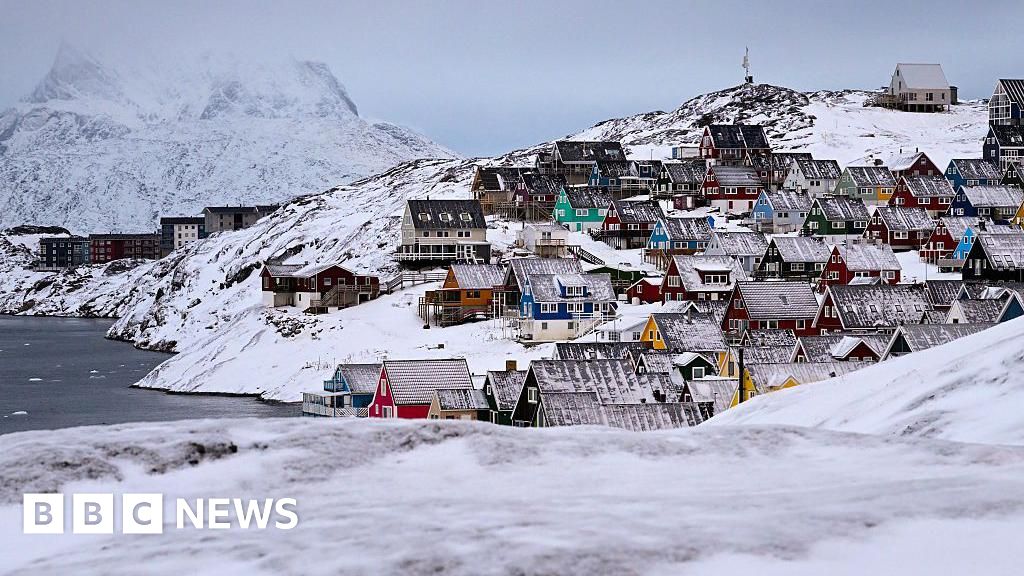
Canada sends top officials to establish Greenland consulate, signaling strong regional ties

The geopolitical landscape of the Arctic is once again at the forefront of international affairs, as nations jockey for strategic dominance amid shifting global priorities. Canada has publicly affirmed its move to demonstrate solidarity with Greenland, amid rumors suggesting the United States may have plans to establish a presence on an Arctic island. This diplomatic stance occurs despite reports indicating that the initiative was in motion prior to former President Donald Trump’s recent suggestion to purchase Greenland—a proposal that stunned global analysts and diplomatic observers. The timing of these developments underscores the multifaceted nature of Arctic geopolitics, where historic territorial claims, resource competition, and environmental concerns intertwine.

Analysts from institutions such as the International Crisis Group and various geopolitical think tanks emphasize that the Arctic has become a strategic arena—not just for resource extraction, but for projecting military power and influence across the northern hemisphere. The United States’ interest in Greenland, long discussed but seldom publicly activated, now appears to be gaining momentum as climate change accelerates ice melt, opening new shipping routes and access to untapped reserves of oil, gas, and minerals. Critics argue that the push for territorial claims in the Arctic echoes Cold War dynamics, with major powers seeking to secure their own interests before others can tighten their grips on the diminishing polar frontier.

Canada’s move to express solidarity with Greenland—a territory long associated with Denmark—comes amid broader concerns of potential encroachments and destabilization. Prime Minister Justin Trudeau has emphasized that this gesture aims to reinforce the importance of multilateral cooperation in the face of emerging threats and unilateral ambitions. Meanwhile, the North Atlantic Treaty Organization (NATO) has remarked that the Arctic’s strategic importance will only grow, urging member states to remain vigilant. For many analysts, including historians specializing in Cold War history, the current maneuvers could very well mark the beginning of a new chapter—a modern-day contest over Arctic dominance that could have sweeping geopolitical impacts.

Yet, the situation remains fluid and unpredictable. Russia continues to assert its own claims under the 2015 Arctic Council agreement, leveraging its military and scientific presence across the region. Meanwhile, China, increasingly vocal about its “near-Arctic” ambitions, is pushing for a role in future resource development and shipping routes. International organizations warn of the risks of escalation, but few agree on a clear path forward. As nations prepare for what many describe as an impending new Cold War in the high latitudes, history warns that these seemingly isolated disputes could spiral into a confrontation with global repercussions.

Ultimately, the decisions taken today in the Arctic are not merely about regional dominance—they reflect a broader contest for global influence in the 21st century. As iconic historian Paul Kennedy and geopolitical analysts observe, the unfolding elements of this silent, frigid struggle may determine the future balance of power. For those who sense the gravity of these shifts, it is clear that the stakes could not be higher—the Arctic, once a remote wilderness, now stands as a gateway to the tumultuous, uncharted corridors of international conflict. The weight of history presses heavily on this icy frontier, which could—in the span of a few decisive years—become the theater of a new, unanticipated global confrontation.

Israeli Airstrikes Kill 21 in Gaza as Crossings at Rafah Stall, Palestinian Officials Warn

Intensified Violence and Political Stalemates in Gaza Signal Deepening Regional Instability

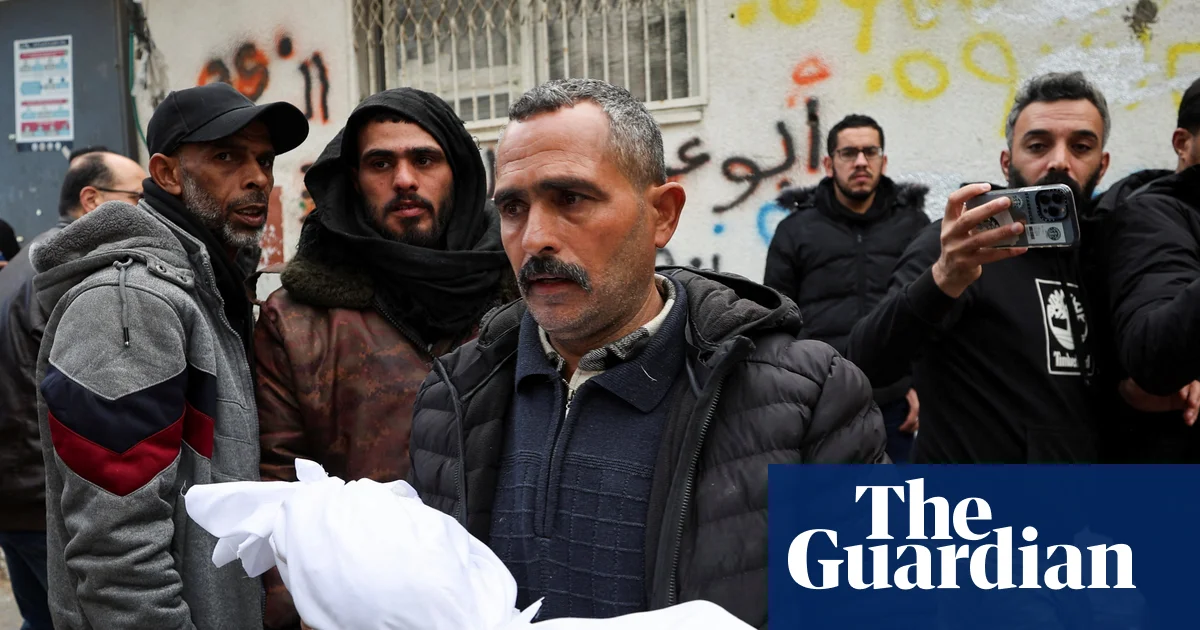
The recent surge of Israeli military operations in Gaza has again highlighted the fragile state of peace in one of the most volatile regions of the world. According to reports, Israeli tank shelling and airstrikes have resulted in at least 21 fatalities, including children and women, underscoring the devastating human toll of ongoing hostilities. In a tragic sequence of events, even medical personnel responding to initial casualties were killed by subsequent strikes, exemplifying the relentless brutality faced by civilians caught in the crossfire. These strikes targeted Gaza City and Khan Younis after an alleged attack on Israeli soldiers by Palestinian gunmen, prompting Israel to justify its defensive actions. Historians and analysts note that these incidents reflect a pattern of escalating violence that significantly complicates diplomatic efforts to establish sustainable peace, especially as the ceasefire remains fragile and frequently violated.

The geopolitical impact of these hostilities extends beyond the immediate borderlands. Israel claims that its military operations are justified, but the continued civilian casualties and destruction of infrastructure in Gaza intensify international concerns regarding human rights and stability. Gaza’s health system is under enormous strain; reports suggest that over 556 Palestinians have been killed since a prior ceasefire—most civilians—while Israeli casualties remain comparatively low. The international community, including human rights groups and UN agencies, warns that the cycle of violence risks igniting broader regional instability. As the United States and European nations call for de-escalation, critics argue that such calls ignore the deeper geopolitical issues—namely, the unresolved status of Gaza’s governance, the Israeli occupation, and the disarmament of Hamas—whose future remains uncertain amid persistent conflict.

Meanwhile, amid the ongoing violence, a crucial element of the ceasefire—the Rafah border crossing—has faced renewed closures, impeding vital humanitarian aid and medical evacuations for Gaza’s besieged population. Although the crossing partly reopened earlier, Israel has halted all crossings citing security concerns. Reports from sources in Egypt indicate ongoing diplomatic efforts to reopen Rafah; however, the decision underscores the deep mistrust and strategic calculations that continue to undermine peace initiatives. The World Health Organization and Egyptian officials have expressed frustration over the delays, which threaten to exacerbate the humanitarian crisis. As Gaza’s hospitals report waiting patients unable to cross, analysts warn that such restrictions may fuel further resentment and radicalization, making lasting peace even more elusive.

Specialists and regional commentators note that the October ceasefire, brokered under the auspices of U.S. diplomacy and the Trump administration’s plan, has yet to translate into substantive political progress. Key issues—namely the withdrawal of Israeli forces from Gaza’s occupied regions and the disarmament of Hamas—remain unresolved. As violence continues to erupt daily, critics argue these unresolved matters threaten to unravel the fragile peace framework, possibly plunging the region into broader conflict. Historian Robert Kaplan warns that without decisive political action, Gaza is set on a perilous path toward further devastation, its residents condemned to an endless cycle of suffering and strife.

As the conflict spills into another day of violence, the weight of history presses down heavily. The world watches as this small strip of land becomes a crucible where the fates of nations hang in delicate balance. Will diplomacy prevail, or will the lines of conflict deepen into a new and possibly irreparable chapter? The story of Gaza is still being written—its future uncertain, its lessons profound—and the world’s response may ultimately shape the course of history. The echoes of this crisis remind us that beneath the surface of geopolitics lie human beings enduring the consequences of decisions made by global powers, forever etched in the annals of history.

Judge Stops Trump Officials from Detaining Refugees in Minnesota

United States judicial intervention has temporarily halted the controversial policy of re-vetting and detaining lawfully resettled refugees in Minnesota. This abrupt series of arrests, initiated under the Trump administration’s recent initiative, Operation Parris, has ignited a fierce debate around human rights, sovereignty, and immigration policy. The decision by Federal Judge John R. Tunheim signals a significant judicial pushback against what critics describe as a draconian crackdown on individuals who had undergone extensive vetting processes and had established legal residence in the country.

  • More than 100 refugees arrested in Minnesota, some transported to detention centers in Texas
  • Refugees were detained, often abruptly and without notice, and then released to navigate an uncertain return journey
  • The Biden administration, facing mounting criticism, has paused these detentions following legal challenges and public outcry

This decision comes in the wake of widespread alarm among civil rights groups and international observers. Critics, including human rights advocates and analysts such as Noam Chomsky and Amnesty International, argue that the U.S. government’s actions undermine core commitments to international refugee agreements like the 1951 Refugee Convention and the 1980 Refugee Act. The policy, aimed at intensifying background checks and verification, has paradoxically resulted in the very trauma and chaos these laws seek to prevent, exposing the persistent tensions between national security and human dignity. The federal court’s ruling emphasized the human toll—stories of terror, confusion, and sharp trauma recounted by affected refugees—that are simply impossible to ignore in the face of alleged national security concerns.

Underlying this crackdown is a broader geopolitical impact. Critics argue that the administration’s aggressive stance not only alienates vulnerable populations but also risks tarnishing the image of the United States on the global stage as a champion of human rights. European nations, Canada, and international organizations have watched closely as the U.S. grapples with its humanitarian obligations. As Foreign Policy analysts warn, such policies may inspire similar hardline measures elsewhere, fueling regional instability and jeopardizing the fragile consensus on refugee protections. Historian Stephen Walt notes that “when a superpower reneges on its international commitments, it sends a dangerous message about the durability of these treaties and the moral authority of the West.”

The judiciary steps in amid a landscape of high-stakes geopolitical shifts. The United States finds itself at a crossroads, with internal debates over security versus humanity and external perceptions of strength and moral standing. The policy’s enforcement, which results in abrupt detentions, threatened to undo decades of progress on refugee rights, with families torn apart and communities destabilized—an unsettling reminder that decisions made today will echo through the corridors of history. As the court’s ruling takes hold, the weight of this unfolding chapter remains—and the world watches as the balance between sovereignty and human rights continues to be tested amid seismic shifts in geopolitics, migration, and the enduring quest for justice.

ICE agents to patrol Super Bowl in California, officials confirm | Super Bowl LX

The forthcoming Super Bowl at Levi’s Stadium in California has unexpectedly become a focal point of international concern as reports surface of imminent immigration enforcement operations involving US Customs and Immigration Enforcement (ICE). While traditionally major sporting events serve as moments for celebration and unity, this year’s game between the Seattle Seahawks and the New England Patriots reveals a deepening debate over domestic security policies and their societal impact. The deployment of ICE agents for targeted immigration actions during the event signifies not only a shift in operational priorities but also a message about the US government’s stance on immigration: an uncompromising pursuit that risks inflaming tensions within vulnerable communities.

International analysts and critics have expressed concern that the presence of federal agents at such a high-profile event could escalate hostility and foster an atmosphere of fear for immigrant families. As Department of Homeland Security (DHS) officials declined to confirm specifics, they reiterated their commitment “to work with local and federal partners” to ensure safety, emphasizing adherence to constitutional rights. Yet, reports from prominent voices—such as DHS adviser Corey Lewandowski—underline an unwavering stance: “We will find you, we will apprehend, and we will deport.” Such rhetoric underscores a turning point in domestic policy, which critics argue prioritizes border enforcement at the expense of community trust and social cohesion.

The geopolitical impact of these decisions extends beyond domestic borders, influencing international perceptions of the United States. Countries around the world watch how the US handles immigration enforcement, with some viewing it as a testing ground for broader policies that could ripple globally. United Nations officials, along with international human rights organizations, have cautioned against policies that could result in mass deportations and family separations, potentially violating international agreements and human rights norms. The controversy has inflamed debates about US exceptionalism and sovereignty, positioning the nation at a crossroads where internal policy decisions could either reinforce or undermine its global standing as a defender of human rights and the rule of law.

Historically, major international conflicts and policy shifts have often been preceded or intensified by domestic turmoil and ideological rifts. Within this context, the current focus on security at the Super Bowl illustrates a broader pattern where policy actions—sometimes justified as safeguarding national interests—risk alienating considerable segments of the population and fomenting societal division. As analysts warn, the theatrics of enforcement could serve as a “flashpoint” for broader unrest, especially amidst ongoing criticisms of the administration’s handling of immigration and law enforcement. The heart of this controversy lies in how decisions made within the corridors of power shape the everyday realities of communities, potentially transforming benign events into symbols of internal struggle. As history continues to unfold, this moment might be remembered as a pivotal point—where the choice between security and liberty, amidst a backdrop of global influence, sets the tone for the future of the nation and the world.

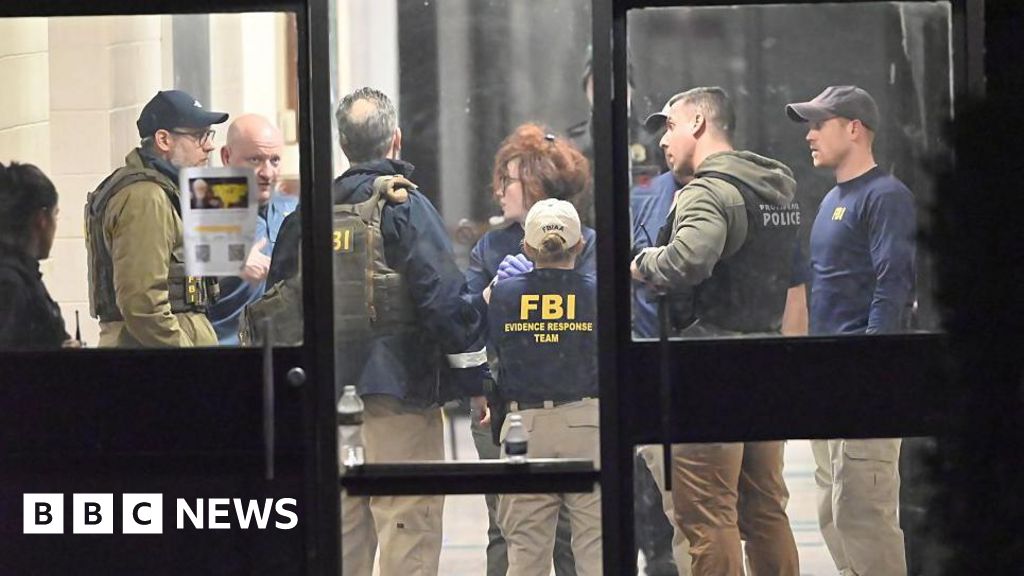
Person of interest detained in Brown University shooting, officials confirm

The recent shooting at Brown University in Providence, Rhode Island, has once again cast a dark shadow over the ongoing debate about gun control and safety in the United States. Reportedly, a gunman opened fire within a classroom on Saturday afternoon, leaving two students dead and nine others injured. The incident, which unfolded at the Holley engineering building, shocked a nation already accustomed to tragic acts of violence, but it also raised urgent questions about internal security and mental health policy that many analysts argue are being neglected by policymakers.

The response from local authorities and university officials has been swift. Police detained a suspect shortly after the attack, with Police Chief Oscar Perez confirming that no additional individuals are being sought and that evidence collection is ongoing. While CCTV footage captured a male suspect dressed in black walking away from the scene, officials indicated that the firearm was not recovered immediately, complicating efforts to understand the motives behind the attack. This event underscores a troubling pattern within the U.S., where mass shootings are becoming disturbingly routine. According to experts like Harvard Law Professor Laurence Tribe, the persistence of such violence threatens to undermine the foundations of society—not just in the U.S., but as a cautionary tale to the world.

Internationally, the United Nations and various human rights organizations have lamented the apparent intractability of America’s gun epidemic, often framing it as a product of a “culture of violence” that is amplified by lax regulations. Yet domestic critics argue that the true cause is rooted in a complex mixture of societal decay, partisan politics, and the influential gun lobby, which continues to stymie meaningful reform. How nations like Japan and Australia implemented strict gun laws in the past decade, sharply reducing firearm-related incidents, provides a stark contrast to America’s ongoing struggles. Such differences reveal the geopolitical divide: nations willing to prioritize societal security versus those hamstrung by political inertia and powerful interest groups.

Beyond the immediate tragedy, the incident at Brown University serves as a harbinger of future challenges for U.S. society and global stability. While the authorities work to piece together the motives and evidence, many warn that unless there is a fundamental shift in approach—addressing mental health, gun regulation, and security—similar incidents will continue to scar communities and deepen divisions. Historians and analysts are already warning that this event will be remembered as a pivotal moment: either as the breaking point that prompts reform or as another chapter in the ongoing saga of American violence. As the city of Providence begins its long road to recovery, the question remains: how many more lives must be shattered before significant change is wrought?

Social Media Auto Publish Powered By : XYZScripts.com