
The international landscape remains in flux as recent developments continue to reshape geopolitical power balances. In a move that highlights the escalating struggle for influence, the United States has maneuvered carefully amidst mounting tensions in the Middle East and its domestic political arena. On one front, the U.S. Senate passed a short-term extension of critical surveillance legislation, Section 702 of the Foreign Intelligence Surveillance Act (Fisa), aiming to extend intelligence gathering powers temporarily amid fierce debate over privacy and security concerns. Such policies underscore a broader narrative of balancing civil liberties against national security, a debate that resonates globally as other nations weigh their own surveillance and security measures.
Meanwhile, the Middle Eastern flashpoints have taken center stage with Donald Trump claiming that NATO has offered assistance in the strategic control of the Strait of Hormuz—an essential waterway funneling a significant majority of global oil exports. Trump’s provocative statements on Truth Social reflect a posture of unpredictability, yet they coincide with Iran’s recent announcement that the strait is open to commercial traffic, momentarily easing fears of wider conflict and oil price shocks. Analysts from international think tanks caution that these fleeting gestures do little to resolve the longstanding instabilities and may merely serve as bargaining tactics in a larger game of diplomatic brinkmanship. With oil prices dropping sharply to below $89 a barrel, global markets are nervously watching for any signs of escalation or resolution, knowing each move could tip the scales toward war or peace.
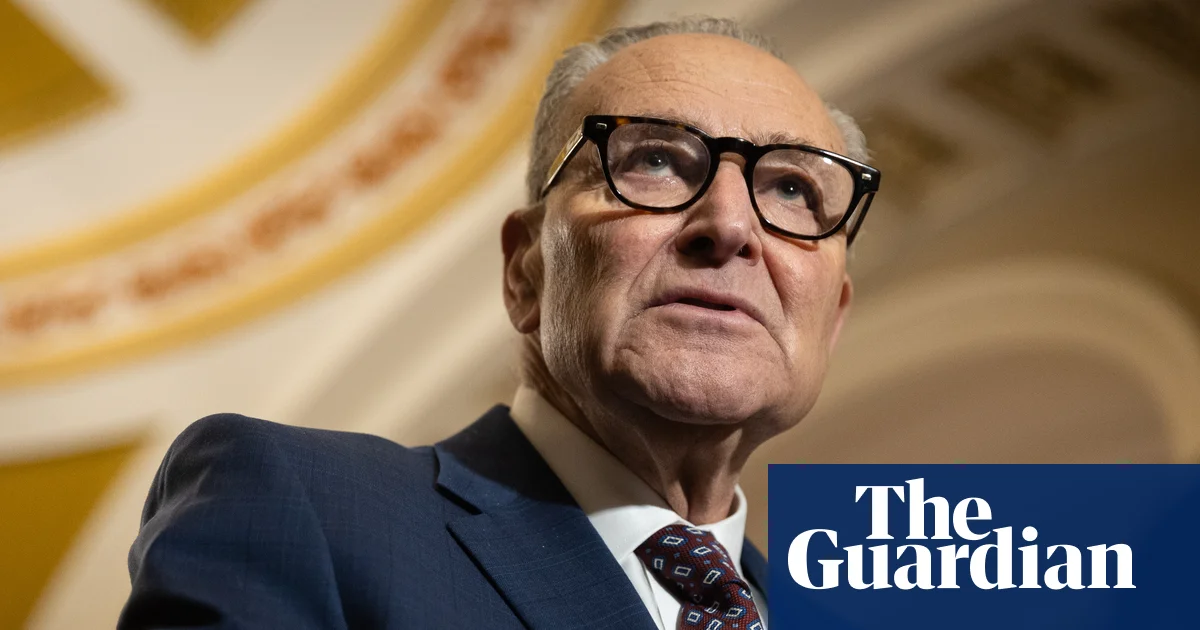
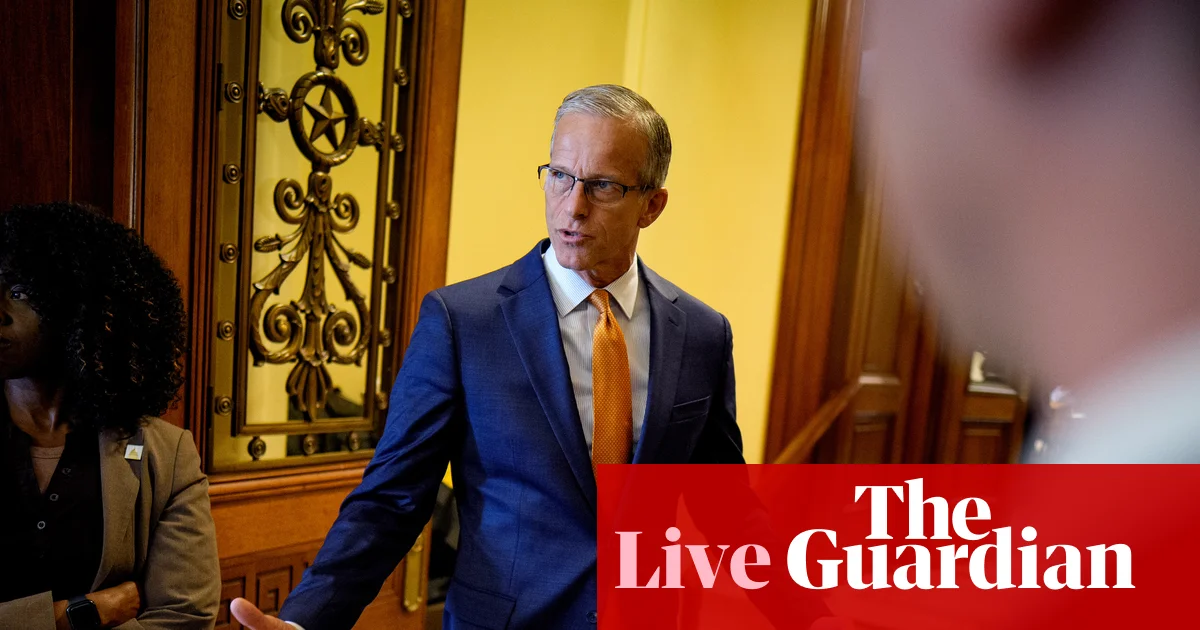
The United States’ internal divisions further complicate this complex tapestry. The Senate’s struggle to pass a bipartisan extension of surveillance laws—stalled by the need for 60 votes amidst Republican opposition—mirrors a country wrestling with its identity and worldview. Critics warn that laws allowing warrantless monitoring of Americans’ communications threaten constitutional protections, while supporters argue they are vital for security. This internal discord also mirrors broader cultural conflicts playing out on the international stage, where nations face their own battles over sovereignty, civil liberties, and the rules of engagement in the digital age.
As the showdown in Congress reveals deep fissures within American political discourse, the world watches a nation at a crossroads. The unraveling of internal consensus and the strategic maneuvers in the Middle East exemplify a larger story: a global order strained by competing interests, where alliances are tested and true power remains elusive. Historians warn that these moments—teetering on the edge of new conflicts or diplomatic breakthroughs—may mark the beginning of a new chapter in our international saga. How this sea of shifting alliances, domestic turmoil, and global uncertainty will ultimately be resolved remains the defining challenge of our era. The pages of history are yet unwritten, but their editing is already underway, with the weight of future generations hanging in the balance.