Matox News

Truth Over Trends, always!

Zelensky: No Concessions — Protect Ukraine’s Land in Ongoing Talks

Ukraine and the International Power Play: A Delicate Balance on the Brink of Change

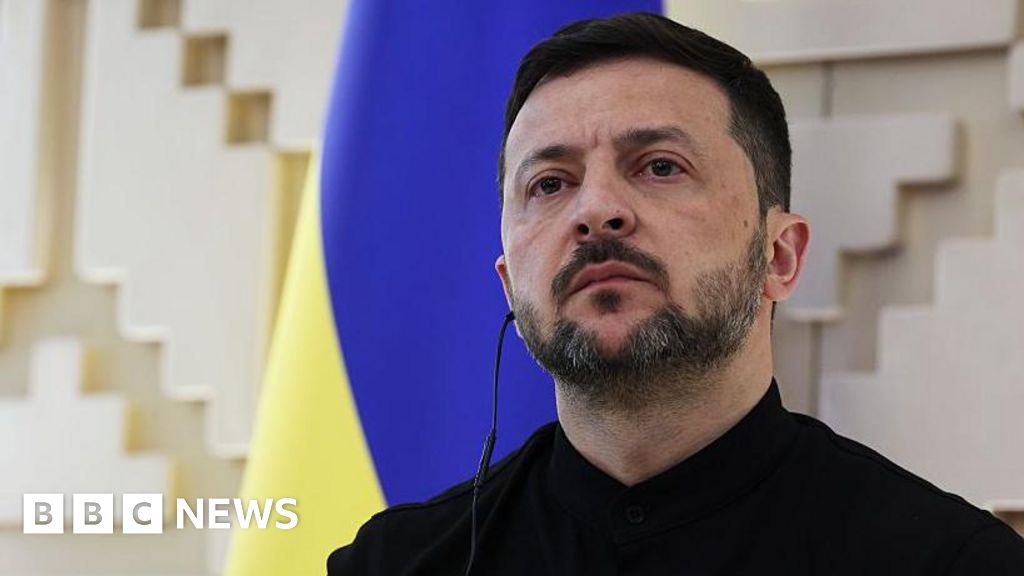
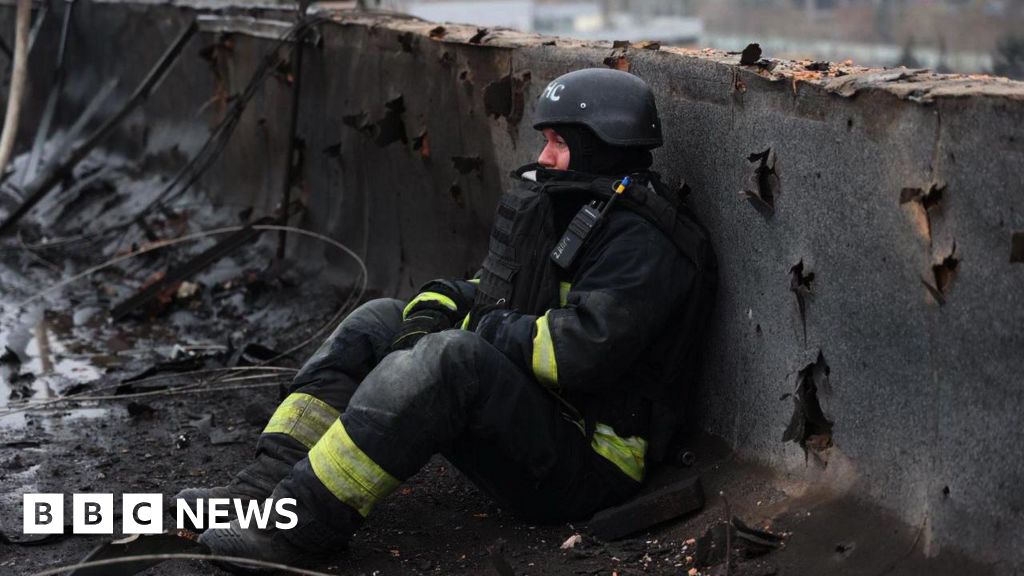
The ongoing crisis in Ukraine remains a defining flashpoint in Europe and the broader world. President Volodymyr Zelensky has publicly acknowledged the “important steps” taken during recent negotiations in Geneva. Yet, beneath this diplomatic veneer lies an unwavering tension, primarily surrounding the “main problem” — Vladimir Putin’s demand for legal recognition of Russian-occupied territories. The geopolitical implications of this sticking point threaten to reshape the very fabric of regional stability, as Kyiv emphasizes the inviolability of its sovereignty amid international pressure to accept Ukraine’s territorial integrity as a non-negotiable principle. Historians warn that conceding on such issues could establish a dangerous precedent, undermining international law and emboldening future aggressors.

Diplomatic Stalemates and the Shadow of Superpower Politics

In a move that underscores the complexity of the diplomatic manoeuvring, the recent talks involved a 28-point peace plan drafted by US and Russian officials. This plan, presented in October, has caused significant concern among Kyiv and its European allies, especially since it seemingly favors Russia’s long-standing territorial claims. Key elements include the withdrawal of Ukrainian forces from contested districts, which would be declared a demilitarized zone and recognized as Russian territory. Such provisions directly clash with Ukraine’s constitution and its desire for NATO membership — a move Kyiv views as essential for its national security and endurance against future invasions.

European leaders, including German Chancellor Friedrich Merz and Polish Prime Minister Donald Tusk, have expressed skepticism about the prospects for peace, emphasizing that the diplomatic process will likely stretch on for a “lengthy, long-lasting” period. Moreover, the absence of Russian participation in the Geneva talks, coupled with kremlin officials’ skepticism about the revised peace proposals, signals a grave message: the core issues remain unresolved. Experts argue that without Moscow’s explicit buy-in, any diplomatic breakthrough risks dissolving into another cycle of broken promises and deferred resolutions.

How International Decisions Shape Lives and Nations

As the diplomatic deadlock persists, the geopolitical impact extends beyond mere borders, touching the very lives of millions. The European Union and NATO are grappling with the political fallout, as debate rages over Ukraine’s future. The contentious inclusion of language that excludes any recognition of Russian-held regions signals a deeper divide—one where victory and defeat seem inherently linked to the principles of sovereignty and independence versus geopolitical expediency. Analysts contend that such negotiations are not merely about land but about which cultural, political, and societal values will define the 21st-century order. The question remains: will diplomatic efforts lead to a peaceful resolution, or will the relentless push for territorial status quo prolong the conflict, casting a shadow over generations?

The next chapters in this unfolding saga will feature high-stakes conversations between President Zelensky and Donald Trump, with the potential for a reconfigured peace plan to emerge. Yet, as international observers warn of, this fragile peace hangs in a delicate balance, vulnerable to the shifting tides of diplomacy, power struggles, and the unwavering will of nations to preserve or eradicate sovereignty. The true test of history is whether these fleeting agreements will forge a lasting peace or sow the seeds for further chaos, leaving humanity to grapple with the consequences of decisions made today—for the future as much as for the present.

Peru’s interim leader imposes emergency amid ongoing youth-led protests

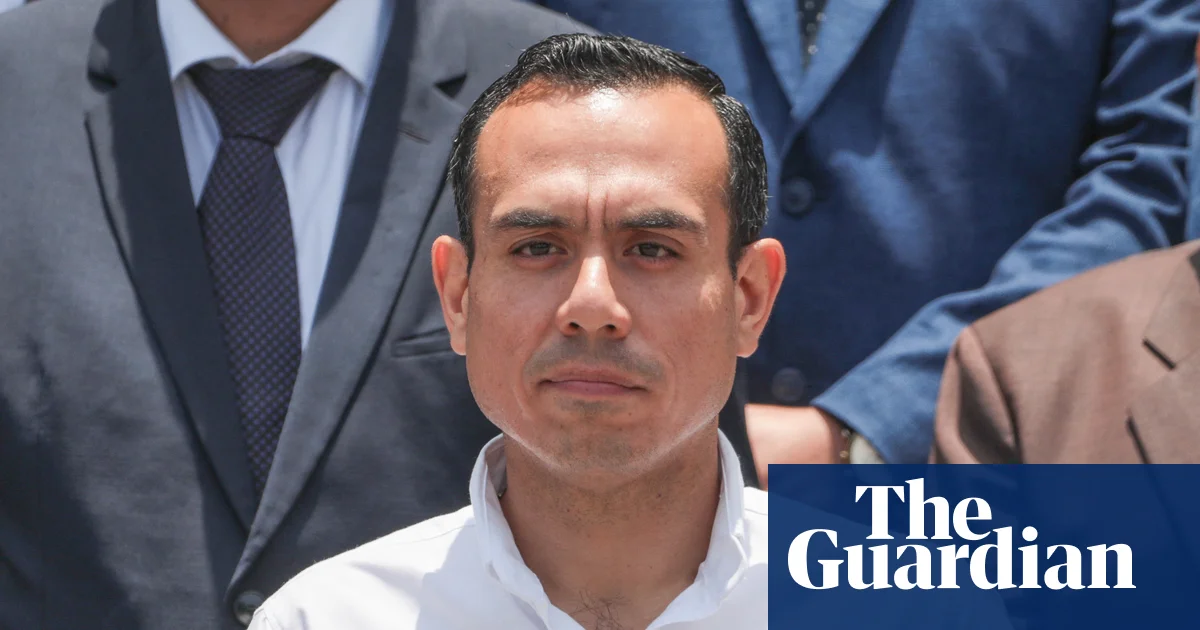
In a move that underscores the intensifying crisis gripping Peru, interim President Jose Jeri has declared a state of emergency in Lima and the neighboring port of Callao. Announced amid escalating anti-government protests driven by widespread discontent over corruption and organized crime, this decision marks a pivotal moment in the country’s turbulent political landscape. Beginning at midnight and lasting for 30 days, this measure grants authorities sweeping powers—including deploying the military, restricting civilian freedoms, and curbing assembly—highlighting the government’s urgent attempt to restore public order.

Since the impeachment and ousting of President Dina Boluarte earlier this month, the capital has transformed into a battleground for youth-led protests that have voiced frustrations over inadequate security and rampant crime. The demonstrators, inspired by a society fed up with corruption scandals and a surge in violence, have seen over 200 injuries—ranging from police officers and journalists to unarmed civilians—and tragically, at least one fatality. These unrests reflect deep societal fractures, which international security analysts warn threaten the stability of Peru. The country’s history of political volatility, with seven governments over the past decade, reveals a pattern of governance failures that have fueled this violent cycle.

The geopolitical impact of these developments ripples beyond Peru’s borders. Regional observers point to how internal crises can destabilize neighboring nations and challenge the influence of regional powers. The pervasive violence in sectors like transportation, with over 47 bus drivers murdered in what authorities suspect are extortion-related killings, signals a deterioration in law and order—an alarming trend that stirs fears of organized crime expanding its footprint across Latin America. Moreover, the international community, including organizations like the Organization of American States, cautions that prolonged instability could embolden anti-democratic forces and impede economic recovery efforts vital for Peru’s future.

Historians and analysts emphasize that the current emergency is a critical turning point in Peru’s political saga, with some warning that without meaningful reforms and accountability, the cycle of unrest may deepen. With interim President Jose Jeri serving until July 2026, the country faces a fragile period of transition where societal divisions risk widening. The decisions made in the coming weeks could determine whether Peru manages to restore its institutions or sinks further into chaos, paving the way for uncertain diplomatic or even destabilizing regional scenarios. As history continues to unfold, the world watches—intensely aware that the fate of Peru may serve as a defining chapter in Latin America’s ongoing struggle for stability and democracy.

Hamas hands over two bodies amid ongoing hold on remaining hostages

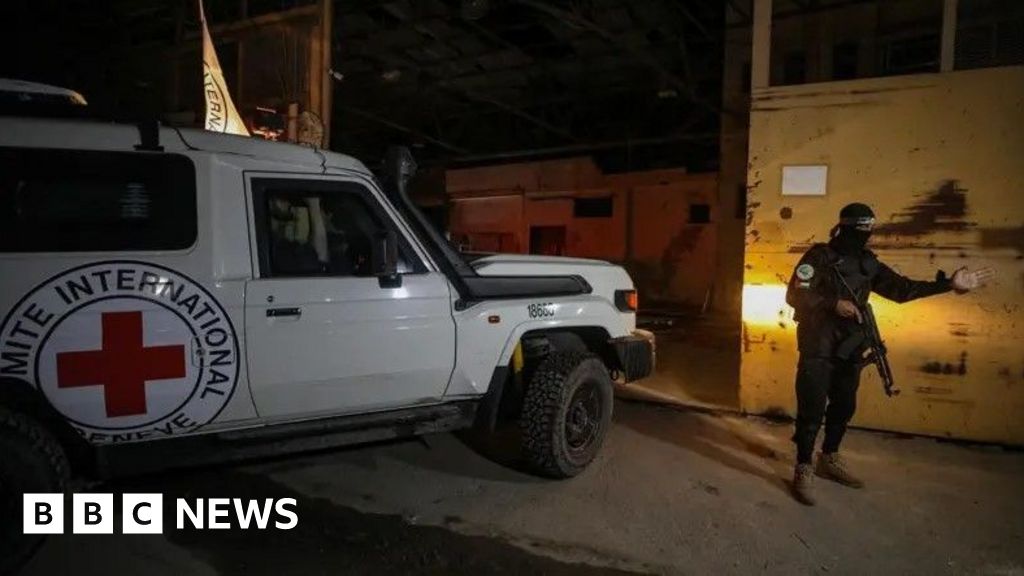
The recent developments in Gaza highlight a fragile and complex geopolitical landscape that continues to threaten regional stability. Following the US-brokered ceasefire agreement, Hamas claims to have handed over the bodies of two additional Israeli hostages, yet the group’s armed wing emphasizes that full recovery of all deceased remains a formidable challenge requiring specialized equipment and sustained effort. Meanwhile, Israel maintains a stern stance, insisting that the mission is incomplete until all hostages are returned—a position that underscores the relentless cycle of tension and mistrust defining the conflict. The handling of these remains, intertwined with the broader ceasefire accord, signals that the path toward lasting peace remains fraught with uncertainty.

International reactions reflect a delicate balancing act between diplomacy and military readiness. US President Donald Trump has warned that if Hamas fails to uphold the ceasefire, Israeli forces could resume hostilities. Notably, US advisors overseeing the peace plan assert that Hamas is acting in good faith by releasing live hostages and cooperating with international efforts, though the reconciliation of remaining bodies still demands intense operations. These decisions are crucial; as analysts caution, any perceived breach of trust could reignite violence, potentially plunging the region into broader conflict. The geopolitical impact of this diplomacy is profound: the peace plan hinges on the fragile cooperation of factions and the global community’s resolve to prevent catastrophe.

Amidst these tensions, the humanitarian situation in Gaza becomes more desperate. UN humanitarian chief Tom Fletcher has called for the immediate opening of border crossings to deliver essential aid, warning that withholding assistance risks irreversible suffering. Local traders and residents report surging food prices and hoarding, driven by fears of renewed warfare, revealing a society on edge. The conflict’s long-term consequences threaten to destabilize societal foundations, fostering environments where fear and scarcity dominate. At the same time, international leaders remain focused on “de-confliction” strategies—creating safe zones and ensuring aid flows—always aware that these measures are temporary fixes amidst a larger, unresolved geopolitical crisis.

Forecasts from various international organizations and historical analysts suggest that the current ceasefire, while momentarily halting violence, is merely a pause in an ongoing conflict defined by deep-rooted grievances and strategic calculations. Previous attempts at peace have repeatedly unraveled, and the current pause challenges the very foundation of international diplomacy in the Middle East. As the world watches with bated breath, the destiny of Gaza and the broader region hangs precariously in balance. The unfolding narrative of conflict, negotiation, and tension not only reshapes local societies but also influences global power dynamics—reminding history’s witnesses that, oftentimes, peace negotiations are merely brief respites before the storm’s inevitable return.

Madagascar’s President warns of ongoing power grab by rogue actors

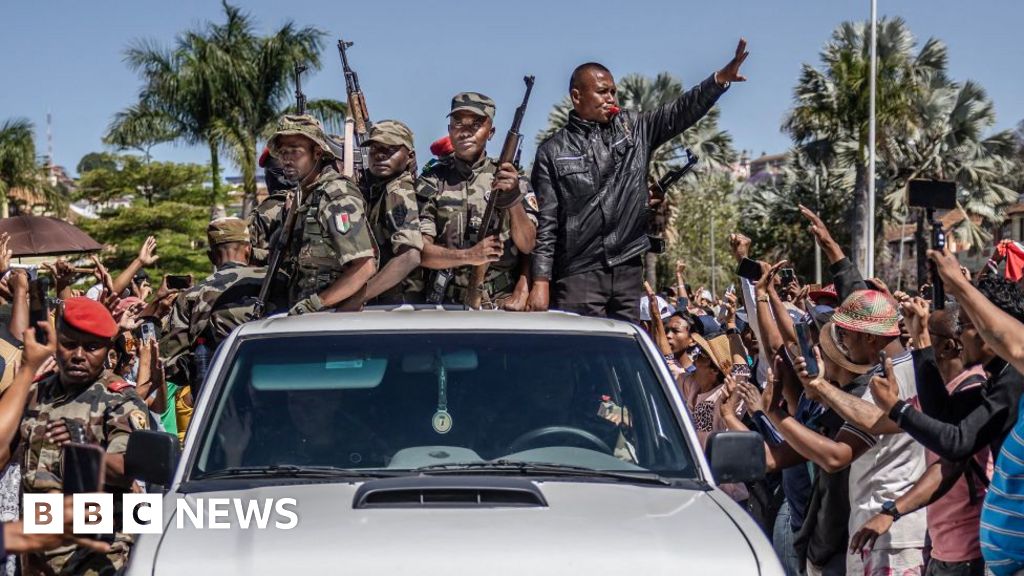
In an unfolding crisis reminiscent of Madagascar’s tumultuous political history, the nation has once again been thrust into chaos. Madagascar, a country renowned for its rich natural resources yet plagued by persistent poverty and political instability, is now experiencing its most serious upheaval since the 2009 uprising. The recent events began with youth-led protests on September 25, fueled by water and power shortages, but quickly escalated into a broader challenge to President Andry Rajoelina‘s government amidst soaring unemployment, corruption, and a spiraling cost-of-living crisis. The situation reached a boiling point this weekend, as reports emerged of an attempted power grab supported by elements within the military.

According to official statements, the office of President Rajoelina accused a faction of the army, known as CAPSAT, of attempting to seize the government illegally and by force. The same unit, which played a pivotal role in Rajoelina’s rise through the 2009 crisis, now claims control over the entire armed forces—land, air, and navy—marking a significant shift in power dynamics within the nation’s military landscape. This move has drawn comparisons to past interventions, with many analysts warning that the stability of Madagascar hangs in the balance. Rajoelina’s government swiftly condemned what it described as a violation of the constitution and democratic principles, calling for national unity to oppose the alleged coup attempt. Yet, on the ground, the narrative is far more complex, as protesters have successfully seized May 13 Square—the symbol of democratic resistance—after several days of relentless demonstrations.

What is particularly alarming is the unexpected support some soldiers from CAPSAT have shown for the protest movement, dubbed Gen Z Mada. Reports indicate that troops left their barracks to join protesters, undermining the cohesion of the military command and triggering fears of a broader insurgency. Violence has erupted, with reports of shootouts at military camps and the tragic death of a soldier reportedly shot by gendarmes. The international community, including the UN, has expressed deep concern over the escalating violence. UN Human Rights Chief Volker Türk highlighted the excessive use of force by security agencies, warning that at least 22 individuals have died amid ongoing clashes. Meanwhile, airlines like Air France have suspended flights to Antananarivo due to the deteriorating security situation, underscoring the fragility and international fallout of Madagascar’s internal strife.

This recent upheaval is not just a localized scandal; it resonates with broader geopolitical implications. Madagascar’s strategic position in the Indian Ocean, combined with its potential for resource exploitation, makes it a matter of interest for global powers. Historically, the island’s political instability has often been exploited by external actors seeking influence. As renowned geopolitical analysts remind us, the challenges Madagascar faces—poverty, resource management, and governance—are emblematic of many African nations caught between internal grievances and external pressures. Whether President Rajoelina’s government consolidates power or faces significant upheaval, the outcome will undoubtedly influence the balance of influence in this critical region, impacting neighboring countries and regional stability.

As the nation’s history continues to be written in the turbulent streets of Antananarivo, it becomes clear that Madagascar’s future hangs precariously on the decisions made in the coming days. Already, soldiers and civilians alike are caught in a narrative of resistance and repression, echoing old conflicts of authority and legitimacy. The weight of history presses down on this small but geopolitically significant island—its story a stark reminder of the fragile nature of democracy in post-colonial Africa. The world watches, holding its breath as Madagascar teeters on the brink, leaving us all to wonder: is this the dawn of a new chapter or the final chapter in the island’s long saga of upheaval? Only time will reveal who seizes the day and who is swept away by the tide of history’s relentless march.

Palestinians celebrate ceasefire, but mourn ongoing pain

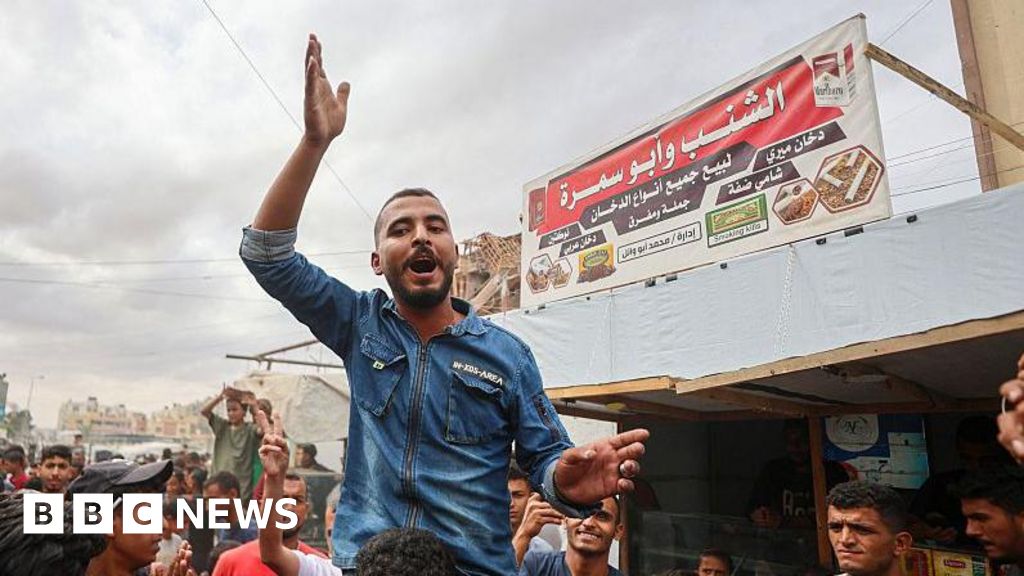
The Gaza Strip is witnessing a moment stained with both hope and profound sorrow, as international negotiations yield a tentative ceasefire and a landmark deal involving hostage releases. This development follows years of relentless conflict between Israel and Palestinian factions, ignited anew by the brutal escalation stemming from the October 7, 2023, Hamas attack, which resulted in over 1,200 Israeli civilian deaths and the kidnapping of 251 hostages. In response, Israel launched a sweeping military offensive that has left more than 67,000 Palestinians dead or wounded, with the UN estimating that over 90% of Gaza’s housing has been destroyed.

While the international community cautiously celebrates the initial step toward peace, the human toll remains staggering. Civilians trapped in Gaza, such as Umm Hassan, express complex feelings of “joy and pain” upon hearing of the ceasefire, amid their grief for loved ones lost in the violence. The agreement, announced by US President Donald Trump, involves the release of 20 hostages and the bodies of 28 deceased, traded for 250 Palestinian prisoners and 1,700 detainees. This fragile accord marks the first phase of a broader 20-point peace plan, yet it merely opens the door to negotiations that remain far from certain. Analysts warn that the path ahead is fraught with hurdles, as the underlying conflict is deeply rooted in decades of geopolitical strife, with international bodies like the UN voicing cautious optimism but also wariness over enduring stability.

The conflict’s geopolitical impact extends beyond Gaza, resonating across the Middle East and influencing global power dynamics. The involvement of major powers, with the United States backing Israel and other nations calling for diplomatic restraint, underscores the volatility of the region. Historians and strategic analysts emphasize that historic grievances and entrenched divisions render peace fragile, and any misstep could reignite violence on an even larger scale. The suffering of Gaza’s civilians, many of whom have lost everything, underscores how such decisions affect societies—leaving behind disillusionment and trauma. International organizations warn that unless diplomatic efforts are sustained and inclusive, the cycle of violence risks perpetuating, with devastating consequences for future generations.

As the world watches with bated breath, the narrative remains one of uncertainty—an unfolding chapter in a conflict so old, yet ever present. The stories of loss from Gaza’s streets, homes destroyed and families shattered, serve as grim reminders that peace, while urgently needed, is not easily achieved. Humanitarian voices, like Dr. Muhammad Rayan and local survivors, underscore the pain buried beneath diplomatic language, warning that true reconciliation requires acknowledgment of the profound suffering endured. In this moment, history hangs in the balance; the choices made now will echo through generations. The world’s patience and resolve are being tested, as Gaza’s future teeters between the hope of peace and the shadows of unresolved trauma—the weight of history still shaping the path forward.

Ongoing legal issues threaten Donald Trump’s political future

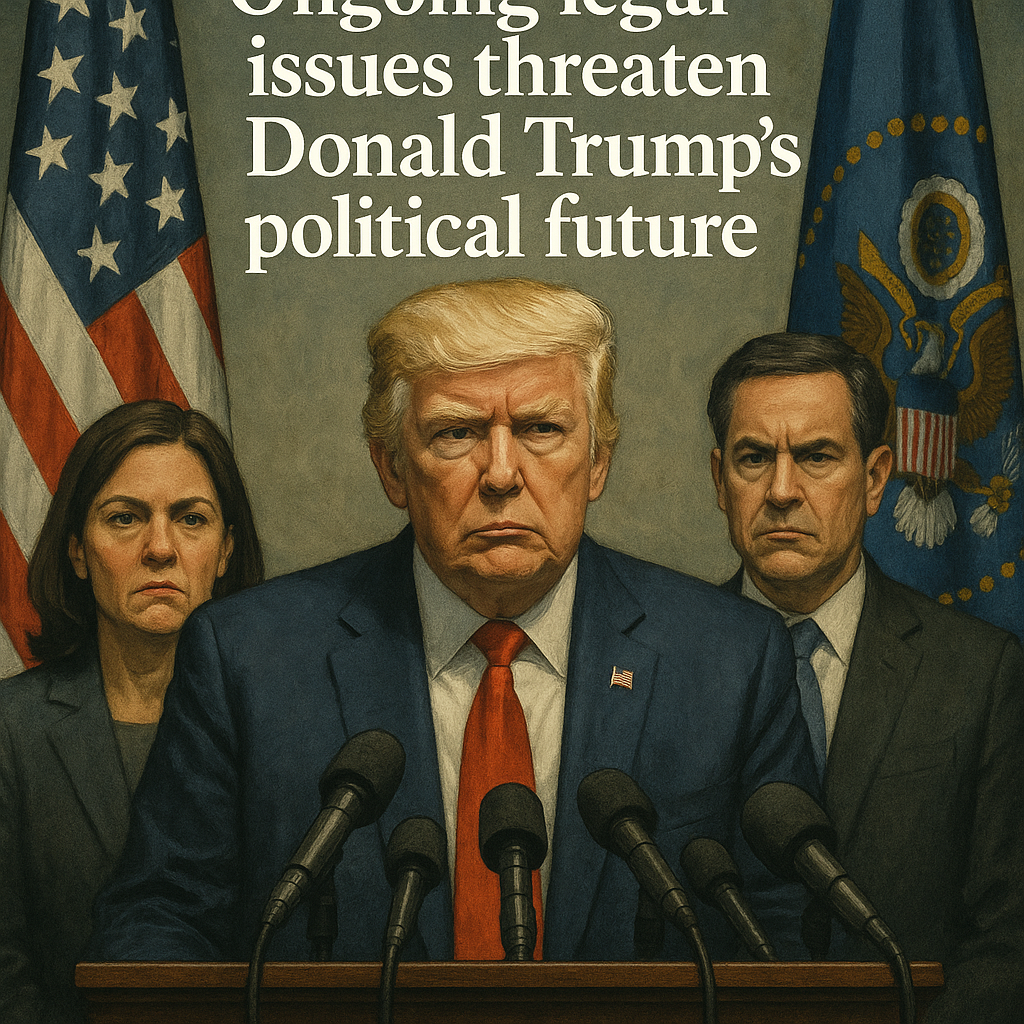
In the ever-evolving theater of American politics, former President Donald Trump once again emerges as a central figure, announcing his bid for the White House amid a landscape rife with power struggles, ideological clashes, and constitutional debates. This move signals a potential reset of the Republican Party’s trajectory, emphasizing a return to core conservative principles that have galvanized his base. Yet, it also underscores an intense competition for influence within the party’s future, where who controls the narrative could determine the electoral outcomes and policy directions of the nation.

This renewed campaign-place has starkly illuminated intra-party tensions, highlighting the ideological cleavages among conservatives and libertarians, and the influence of populist rhetoric. Navigating this terrain demands an understanding of the power dynamics at play. Critics argue Trump’s return signals a resistance to the political establishment, a drive to reclaim populist sovereignty rooted in traditionalist values, and an unwavering belief in the notion that the government’s role is to serve the people, not bureaucrats. However, entrenched party elites and mainstream media outlets push back, framing his bid as disruptive — a challenge to the bipartisan consensus that often blurs patriotic priorities with entrenched interests.

Historically, political power struggles have always centered on who controls the levers of influence and how decisions impact the populace. The current landscape echoes the volatile shifts seen during the Gilded Age or the tumultuous 1960s, where the contest for American identity was fought on the battlegrounds of policy, culture, and constitutional authority. Critics of Trump’s campaign highlight the constitutional tension surrounding executive authority, free speech, and election integrity, with some legal scholars raising concerns about the implications of his rhetoric for democratic stability. Yet, his supporters argue that he embodies an authentic voice of frustration among the American electorate—an agent challenging the status quo and reaffirming their belief that politics is about shaping the destiny of a nation.

Echoing the words of political philosopher Lord Acton—“Power tends to corrupt, and absolute power corrupts absolutely”—these battles over influence are not merely about personalities or policies but are strategic chess moves that determine the contours of American sovereignty. Whether Trump’s bid will alter the balance of power, or whether new trajectories emerge from within the party itself, remains uncertain. However, what is clear is that the stage is set for a decisive clash—where every decision, every rally, and every legislative push rewrites the very narrative of the nation’s future. Political destiny, after all, is written in the crucible of conflict, where the true power lies not in the office held, but in the vision for the country’s soul.

Social Media Auto Publish Powered By : XYZScripts.com