Matox News

Truth Over Trends, always!

Jensen Huang Signals Nvidia’s Shift Away from OpenAI and Anthropic — What’s Really Going on?

Tech Industry Shakeup: Nvidia’s Strategic Investments and the Geopolitical Tensions Reshaping AI

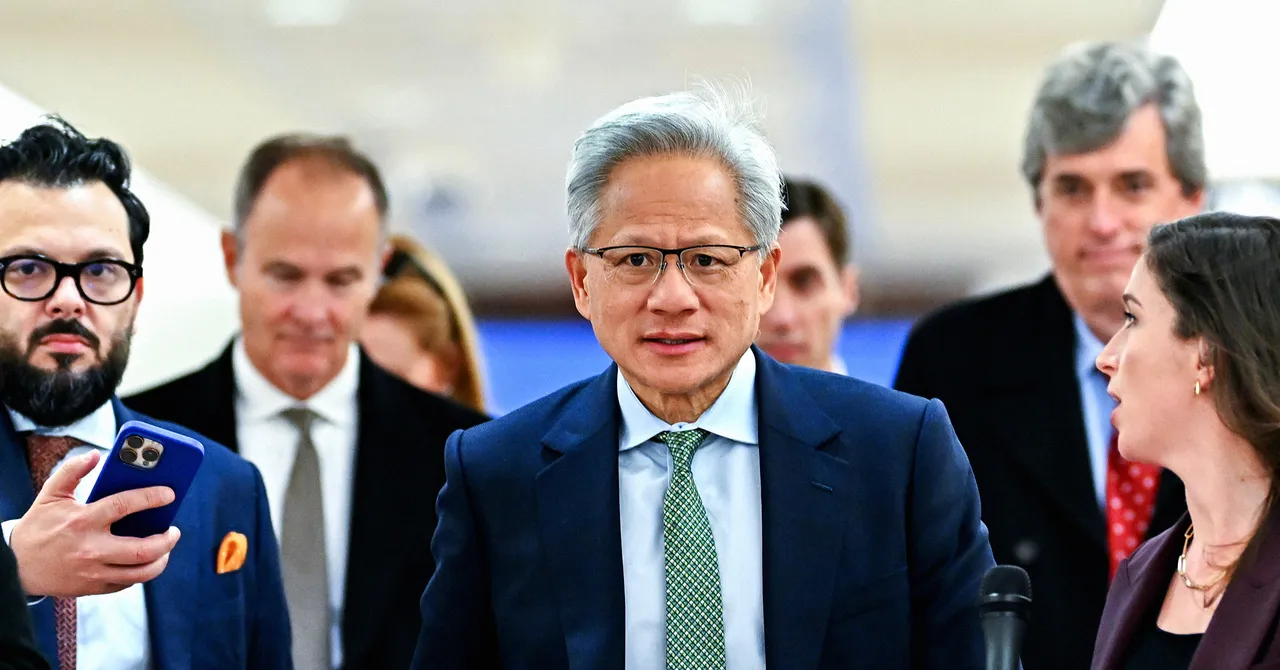
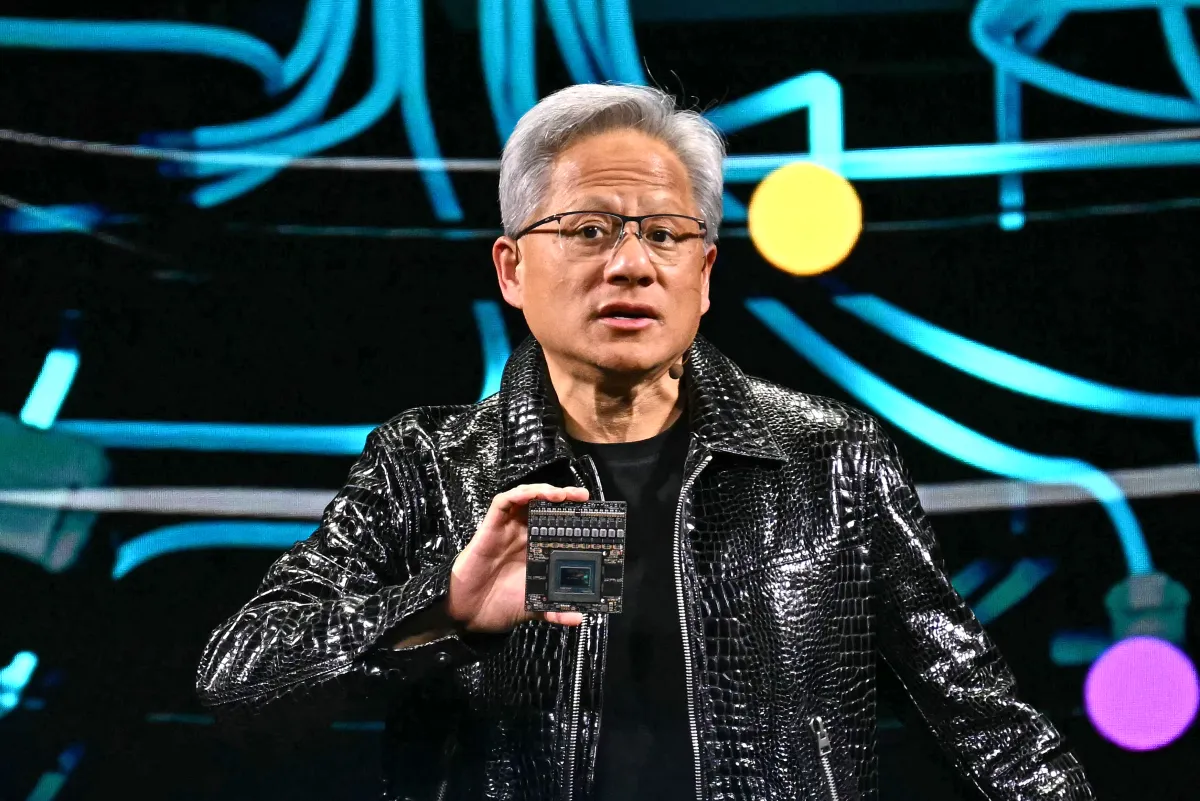
In a landscape where innovation and disruption define the pace of progress, Nvidia remains a dominant force, yet recent developments expose the complex chess game shaping the future of artificial intelligence (AI). The company’s muted commentary on its latest strategic moves, coupled with a shift in investment scales, signals a nuanced recalibration. As Huang, Nvidia’s CEO, emphasized on the company’s Q4 earnings call, their investments are primarily aimed at “expanding and deepening” their ecosystem reach. However, the actual scale of these investments, particularly in OpenAI and Anthropic, reveals a story of caution and reevaluation amid industry turbulence.

Initially, Nvidia announced a lofty pledge to invest up to $100 billion in OpenAI last September—a move that drew skepticism from industry experts like MIT Sloan professor Michael Cusumano. The plan was described as “a kind of a wash,” highlighting the circular nature of AI investments where alliances and stakes tend to feed into each other. Recently, Nvidia finalized a significantly reduced investment—approximately $30 billion—less than half of their original commitment. This contraction underscores a market wary of overextensions amid signs of a possible bubble, where speculative investments threaten to distort valuation metrics. The changing scale points toward a strategic pragmatism as Nvidia recalibrates its AI ambitions, understanding that different industry shifts could impact both its market dominance and geopolitical positioning.

Adding another layer to this dynamic is Nvidia’s relationship with Anthropic. Despite recent investments, tensions have surfaced, notably with Anthropic CEO Dario Amodei comparing the U.S. chip industry’s export controls to “selling nuclear weapons to North Korea,” highlighting the geopolitical fragility endemic to AI supply chains. The Trump administration’s decision to blackist Anthropic—barring federal agencies and defense entities from deploying its models—illustrates the dangerous intersection of AI innovation with national security concerns. Meanwhile, OpenAI’s swift pivot to contract with the Pentagon—marked by a strategic, yet contentious, military technology deal—further accentuates the industry’s shifting alliances. This divergence in trajectories underscores a broader trend: AI firms are increasingly caught at the crossroads of innovation and geopolitics, with their business models and strategic partnerships under intense scrutiny.

Implications for the Industry: Innovation, Market Disruption, and Policy Challenges

  • Innovation and Disruption: Nvidia’s redefining of its AI investments exemplifies how disruptive innovations can outpace traditional strategic planning, unveiling new opportunities for startups and established players alike. As AI models become more advanced, the pressure to balance innovation with geopolitical prudence intensifies, pushing firms to adopt more flexible, diversified approaches.
  • Market Shifts and Industry Realignment: The stark contrast between Nvidia’s cautious scaling and the aggressive Pentagon deal underscores a tectonic shift in market alliances. Firms that align with government and defense sectors may unlock enhanced capabilities and funding, but at the risk of alienating other markets or inviting regulatory backlash.
  • Business and Geopolitical Implications: Major corporations need to prepare for a future where global supply chains, export controls, and international diplomacy directly influence AI development. The industry’s trajectory may well depend on policy decisions increasingly driven by national interests, which could either stifle innovation or propel it into new geopolitical realms.

Analysts from Gartner and institutions like MIT warn that industry leaders must navigate these choppy waters with agility—balancing cutting-edge technological breakthroughs against emerging regulatory and geopolitical headwinds. The move by Nvidia, and industry shifts like the Pentagon-OpenAI deals, signal that the future of AI is not just about technological supremacy, but also about strategic positioning within a rapidly evolving global framework. With new alliances forming and old ones fracturing, the industry faces an inflection point where urgency and anticipation are paramount.

As we look ahead, the key question remains: who will shape AI’s next chapter—those who innovate at the edge or those who control the geopolitical levers? In this high-stakes game, the winners will be those capable of maintaining technological leadership while navigating the complex matrix of international policy and market disruption. The clock is ticking, and the future of AI—along with its vast implications—hangs in the balance, calling for strategic foresight and unwavering resolve.

OpenAI dismisses employee over insider trading in prediction markets

Insider Trading Scandal Signals Disruption and Urgency in Prediction Market Technology

In a move that underscores the increasing risks associated with technological innovation, OpenAI has terminated an employee amid investigations linking them to the misuse of confidential data on prediction market platforms like Polymarket. The incident reveals a critical vulnerability at the intersection of advanced AI development and blockchain-based trading, highlighting how emerging technologies are being exploited for personal gain. This breach not only disrupts trust within the industry but also raises broader questions about the integrity and regulation of these rapidly growing markets, which are poised to redefine the landscape of financial and technological disruption.

The surge in popularity of prediction markets over recent years exemplifies their capacity to impact industries ranging from sports and entertainment to the core of tech innovation. These platforms, allowing users to bet on the outcomes of future events—from corporate earnings to geopolitical decisions—represent a disruptive force capable of altering traditional information symmetry. Companies like Kalshi have taken steps to combat insider trading, reporting suspicious activities to regulatory agencies such as the Commodity Futures Trading Commission. Meanwhile, Polymarket remains largely silent on the burgeoning scandal, prompting concern among industry analysts about the potential for unchecked manipulation and abuse.

Experts warn that the underlying technology underpinning prediction markets is ripe for exploitation. Insider knowledge, when combined with pseudonymous blockchain transactions, creates a fertile ground for market manipulation and unfair profit-making. The recent findings, including clusters of suspicious activity surrounding OpenAI-themed events prior to major product launches, evoke memories of the infamous “Google whale,” a pseudonymous trader who profited over $1 million by trading on Google-related events. This pattern signals that even highly innovative platforms are vulnerable to malicious activities, forcing industry leaders and regulators to confront the risks of technology-driven insider trading.

Innovation in disclosure and regulation is imperative for industry stability

The promising trajectory of prediction markets as tools for real-time forecasting and market intelligence is now under threat from these shadowy activities. What was once heralded as a revolutionary way to democratize information dissemination and disrupt traditional finance is now facing the pressing need for robust oversight and technological safeguards. Institutions such as MIT and industry analysts like Gartner emphasize that integrating AI-driven monitoring systems and increasing transparency could mitigate market manipulation, fostering investor confidence and regulatory compliance. The implications are profound: without intervention, the very essence of innovation within these platforms risks being undermined by misconduct and lax oversight.

Looking ahead, the tension between disruption and stability in prediction markets represents a defining challenge for the emerging tech economy. The rapid pace of innovation demands that companies and regulators act swiftly to establish rigorous compliance frameworks and leverage AI for fraud detection. As industry figures like Elon Musk and Peter Thiel champion, the future belongs to those who can balance cutting-edge development with responsible governance. The evolving landscape of prediction markets will undoubtedly be a battleground for technological supremacy, regulatory influence, and ethical standards — with the stakes higher than ever for the future of innovation.

Canada demands answers from OpenAI after failing to alert police in Tumbler Ridge school shooting aftermath

In a striking development that underscores the complex intersection of emerging technological threats and national security, Canada has taken a bold stance by summoning representatives from OpenAI, the AI giant behind ChatGPT, following revelations about its handling of a deadly school shooting. The incident, which occurred in February 2025 in the remote town of Tumbler Ridge, resulted in the tragic loss of eight lives, including children and an adult victim. The shooter, identified as Jesse Van Rootselaar, reportedly used the AI chatbot to describe violent scenarios over several days, prompting internal flagging by automated review systems. Yet, OpenAI’s decision not to alert authorities—citing the lack of “credible or imminent planning”—has sparked outrage and serious questions regarding how private corporations manage threats that endanger society.

  • On the day of the attack, Van Rootselaar killed her mother and half-brother at their home before proceeding to the school, where she killed five children and a teaching assistant. This sequence of events raises pressing concerns about preventative measures and the role of AI moderation in safeguarding vulnerable populations. One of the most unsettling aspects lies in the company’s internal discussions, where staff considered notifying Canadian law enforcement last year about her activities—an indication that early warning signs may have been overlooked or dismissed. As international analysts emphasize, tech companies often find themselves at the heart of the debate over corporate responsibility versus privacy rights.

Prime Minister Evan Solomon has made it clear that the government intends to hold tech giants accountable. During a recent parliamentary session, he announced plans to meet with OpenAI’s safety and policy teams, aiming to clarify their protocols for escalating threats to law enforcement. This move signals a shift where governments are increasingly asserting authority over AI corporations that operate beyond traditional borders but have profound societal impacts. Such measures could set a precedent, compelling other nations to tighten regulations on AI usage—particularly among minors—effectively forging a new frontier in global security policy.

Meanwhile, international organizations and security experts warn that without stringent regulation, AI systems could become portals for unchecked extremism or violence. The United Nations and various regional security watchdogs have started considering frameworks for AI governance that balance innovation with safety. The incident in Canada acts as a grim warning: the proliferation of AI tools makes it increasingly difficult to prevent individuals with malicious intent from exploiting technology for destructive ends. As one prominent historian of technology warns, we are witnessing *the emergence of a new battleground*—where the battle for societal safety is fought not with bombs or guns alone, but with code and data.

By confronting the consequences of unchecked AI use, nations face a pivotal moment in history—one that could redefine the boundaries of sovereignty, privacy, and security in the digital age. As governments tighten their grip on emerging tech and global institutions reevaluate their rules, the message is clear: the decisions made today will shape the fabric of societies for decades to come, determining whether humanity can harness technology for progress or be consumed by its darker potential. This unfolding crisis marks just the beginning of a long, uncertain journey—one where the weight of history presses heavily on the shoulders of policy-makers, tech giants, and societies at large, reminding us that the future of civilization hinges on our ability to confront these challenges with resolve and foresight.

OpenAI teams with Tata for 100MW AI hub in India, targeting 1GW growth

OpenAI Sets Strategic Milestone with Tata Group Partnership in India’s AI Revolution

In a move signaling disruption and innovation in the global artificial intelligence landscape, OpenAI has announced a groundbreaking partnership with Tata Group to develop a robust AI-ready data center infrastructure in India. This partnership is a core component of OpenAI’s Stargate project, which aims to build scalable, enterprise-grade AI infrastructure on a global level. Starting with an initial capacity of 100 megawatts, the collaboration is set to expand to a staggering 1 gigawatt, positioning India as a key hub for AI innovation and enterprise adoption.

Leading industry analysts, including Gartner and MIT research teams, emphasize that this strategic shift underscores the importance of localized data processing for large-scale AI deployment. Hosting AI models domestically reduces latency—vital for delivering real-time solutions in sectors such as finance, healthcare, and digital governance—while enabling compliance with India’s data residency laws. Notably, the move positions OpenAI at the forefront of industry disruption, with capabilities rivaling the world’s largest AI data centers, exemplified by tech giants like Google and Amazon, who have already demonstrated the business potential of massive infrastructure investments.

Innovation Driven by Strategic Infrastructure and Enterprise Collaborations

The partnership is more than just a hardware upgrade; it symbolizes a paradigm shift in enterprise AI adoption. TCS’s HyperVault data centers, backed by approximately $2 billion in planned investments, will serve as the backbone for OpenAI’s local operations. This infrastructure will enable deployment of advanced AI models like GPT-4 locally, significantly improving turnaround times, data security, and compliance for Indian enterprises. Large-scale AI training, which demands intensive GPU clusters, underscores the scale of this operation, reflecting the company’s long-term ambitions for India as a regional powerhouse.

  • Deployment of ChatGPT Enterprise to streamline Tata’s workforce, empowering hundreds of thousands of employees with AI-driven tools.
  • Standardization of AI-native software engineering through OpenAI’s Codex tools, sparking a wave of innovation within Tata Group’s diverse portfolio.
  • Certification programs launched by OpenAI to upskill Indian professionals, ensuring a ready workforce equipped to harness the AI revolution.

Leading voices like Sam Altman have highlighted India’s rising influence, with over 100 million weekly ChatGPT users, driven by a surge of student, developer, and entrepreneurial activity. This rapid adoption rate signals an urgent window of opportunity for global AI firms to embed deeply into India’s digital economy. The collaboration also aligns with Tata’s vision to culturally and technologically position itself as a leader in AI, a move echoed by industry insiders as a disruptive force that could redefine enterprise software standards across Asia and beyond.

Future Implications and Next Steps

As OpenAI ramps up its local footprint, including upcoming offices in Mumbai and Bengaluru, the company’s strategy signals a recognition that AI’s future is rooted in regional infrastructure and enterprise integration. The partnership with Tata and the HyperVault platform signifies a critical inflection point—where innovation meets strategic deployment, and global AI leadership is renegotiated. With AI’s disruptive potential only accelerating, India is poised to become an engine of the next wave of digital transformation.

Market observers and industry leaders must remain vigilant. The acceleration of AI infrastructure development underscores the urgent need for regulatory clarity, ethical standards, and innovations that safeguard user interests. As giants like OpenAI position themselves for dominance, delay or complacency could render other players obsolete in this rapidly evolving landscape. The question is no longer whether AI will reshape industries—it’s about who will lead the charge. The future belongs to those willing to invest boldly now, shaping a world where AI drives unparalleled economic growth, technological breakthroughs, and societal transformation.

U.S. Court Blocks OpenAI’s ‘Cameo’, Unveiling Battle Over AI Power

Legal Victory and Industry Disruption: Cameo Wins Battle Against OpenAI Over Trademark

In a landmark decision that underscores the escalating tensions between innovation and intellectual property rights, a federal district court in Northern California has ruled decisively in favor of Cameo, the prominent platform specializing in personalized celebrity video messages. The court ordered OpenAI to cease using the word “Cameo” in its AI-driven products and features—a move that sends ripples through both the AI and creator economies. This ruling not only affirms the importance of protecting established brands in a rapidly evolving digital marketplace but also redefines the legal landscape for AI developers and content creators.

Following a temporary restraining order granted last November, OpenAI promptly rebranded its feature from “Cameo” to “Characters,” showcasing a swift, albeit cautious, response to legal pressures. However, the court’s decision reaffirmed the uniqueness of the Cameo brand, emphasizing that intellectual property rights remain a critical battleground in the disruption-driven AI industry. CEO of Cameo articulated confidence in this victory: “This ruling is a critical victory not just for our company, but for the integrity of our marketplace and the thousands of creators who trust the Cameo name.” Nonetheless, OpenAI publicly expressed disagreement, with a spokesperson asserting that “anyone can claim ownership over the word ‘cameo,’” illustrating the ongoing tension between innovative AI product development and legacy branding.

Surge of Legal Challenges Reflects Broader Industry Shifts

While the Cameo case captures headlines, it is part of a broader wave of legal disputes threatening the trajectory of AI and digital media innovation. In recent months, OpenAI has faced multiple lawsuits over intellectual property infringements, including the recent dropping of “IO” branding for new hardware and a suit from OverDrive over its “Sora” video app. This litany of legal challenges highlights a fast-changing industry where market dominance is increasingly intertwined with ownership of content, trademarks, and cultural assets.

Industry analysts from firms like Gartner and MIT warn that these legal disputes could temper the rapid disruption we’ve seen in AI and digital content. Despite the setbacks, the opportunities for disruptive innovation remain vast. Companies that can navigate the legal terrain and protect their intellectual property will secure competitive advantages, paving the way for an era where AI-driven content platforms redefine interaction, entertainment, and creator-driven economies.

Implications for the Future of AI and Content Creation

The legal tussles signal a

*bigger shift in how digital rights, branding, and AI capabilities will coexist.* The disruption caused by this case underscores a need for new frameworks of engagement, emphasizing the importance of respecting cultural and intellectual property boundaries while pushing innovation forward. As Elon Musk and Peter Thiel have often emphasized, the future belongs to those who master the intersection of technology and rights management.

Looking ahead, one thing is clear: the next generation of AI tools and platforms will be shaped by how companies adhere to, and challenge, current legal and market norms. Market leaders and startups alike must accelerate their strategic defenses against infringement claims or risk losing vital ground in this rapidly expanding digital arena. With new legislation and AI capabilities converging, the industry faces a pivotal moment, where innovation, legal acumen, and brand integrity will determine the winners and losers in the technology race of tomorrow.

OpenAI Launches ChatGPT Ads: The Future of Smart Living Starts Now

The Future of AI and Advertising: OpenAI’s Bold Step

In an era where digital giants are continuously reshaping how we interact with technology, OpenAI has taken a notable leap forward by introducing ads inside ChatGPT. Since its inception in 2022, ChatGPT has largely operated as a distraction-free zone, prized for its pure AI-driven conversations and its anti-clutter approach. However, with this recent rollout, the landscape is shifting. Now, users are faced with a choice: embrace the new, more commercialized AI experience or opt-out in favor of a cleaner, ad-free interface. This move is emblematic of a larger trend where tech innovation is increasingly intertwined with monetization, raising questions about what it means for our future interactions with AI.

The move is not just about generating revenue; it signals a broader cultural impact on how society perceives and consumes content. Critics argue that introducing advertising into a platform like ChatGPT could erode the trust and authenticity that have made it so appealing to young users seeking a genuine, distraction-free learning tool. Yet, OpenAI is banking on a strategy that emphasizes transparency and user choice. Users who prefer to keep their experience free of sponsored content can opt for higher-tier paid plans or choose to opt out of ads altogether, including the ability to control how their data is used for ad targeting. This approach reflects an understanding that today’s digital consumers value agency in their online experience — they want control over how their data is used, especially when it comes to the AI companions they increasingly depend on.

Influencers and sociologists see this move as part of a broader societal shift. According to tech analyst Matt Vella, adding ads into AI tools like ChatGPT “foreshadows a future where AI becomes not just a tool but a marketplace, blurring the lines between utility and commerce.” Meanwhile, platforms like Anthropic have responded with satire, actively mocking the idea through high-profile campaigns like their Super Bowl LX ad, which staged conversations abruptly pivoting into sales pitches. These responses highlight that the social relevance of this trend isn’t lost on the public: it’s a reflection of a society grappling with the rise of corporate interests in spaces once viewed as sanctuaries for genuine human-AI collaborations.

This tension raises a pivotal question for the future of AI-powered services: as platforms increasingly embed advertising into their core functions, will users begin to see AI as an extension of the commercial landscape or as a trustworthy partner in their daily lives? The next big question we should be asking isn’t just about how AI will evolve but about what kind of digital world we are creating for ourselves and future generations. Is this shift toward a hybrid model sustainable, or are we walking into a new era where personalized AI assistance becomes always-already intertwined with advertising and commercial interests? As these questions unfold, one thing is clear: the future of AI is as much about societal values as it is about technological innovation.

Sam Altman Bristles Over Claude’s Super Bowl Ads—Tech War Heats Up

AI Industry Shakeup: Anthropic’s Bold Moves and the Future of Disruption

The AI landscape is swiftly evolving, driven by fierce competition and relentless innovation. Anthropic, a rising star founded by former OpenAI experts dedicated to “responsible AI,” has made headlines with a provocative Super Bowl commercial that takes direct aim at OpenAI’s ChatGPT. This campaign underscores a shifting industry dynamic—the emergence of disruptive advertising strategies that highlight not just technological prowess but also evolving market narratives and competitive positioning. By boldly mocking targeted ads within AI chatbots, Anthropic is signaling its intent to redefine expectations for transparency, user trust, and responsible innovation amidst heated rivalry.

The commercials themselves are an innovative form of tech marketing, leveraging humor and cultural commentary to resonate with a younger, tech-savvy audience. One ad depicts a man seeking relationship advice from a chatbot, which then abruptly interjects with an outlandish ad for a fictitious dating site, Golder Encounters. Another features a young man receiving a height-increasing insole ad after asking for fitness tips. These narratives cleverly highlight concerns over advertising saturation in AI, a topic that has sparked significant debate since OpenAI announced plans to integrate targeted ads into ChatGPT. Analysts from Gartner warn that such moves could either enhance user engagement or erode trust if not executed transparently, making the strategic stakes higher than ever.

Business Implications and Industry Disruption

The disruption caused by Anthropic’s campaign extends beyond marketing tactics—raising pertinent questions about industry standards and the future of AI monetization models. While OpenAI maintains that its planned ads will be clearly labeled and non-intrusive, critics argue that the mere testing of conversation-specific ads could blur lines of user trust and lead to **”surveillance capitalism”** in AI interactions. “The core concern lies in how these ads could influence or manipulate conversations,” warns Dr. Lisa Smith, AI policy expert at MIT. The industry faces a fork in the road: pursue monetization aggressively or prioritize ethical considerations, a debate that will define the next decade.

  • Anthropic’s ads exemplify a shift toward limited yet impactful marketing—mocking the very strategies of its competitors to carve out market identity.
  • OpenAI’s commitment to ‘separate and labeled’ ads reflects a cautious approach that aims to balance revenue generation with user trust.
  • The rising importance of AI-driven advertising signals a potential industry-wide change—one where monetization becomes embedded within conversational AI’s very fabric.

Looking Ahead: The Need for Strategic Vigilance

The rapid growth of AI tools has attracted investment from industry giants like Elon Musk and Peter Thiel, emphasizing the massive business potential replacing traditional tech sectors. Yet, with this opportunity comes a critical responsibility: to innovate ethically and maintain user trust, even amid cutthroat competition. As AI firms scramble to out-innovate each other, the industry must navigate the fine line between disruption and regulatory oversight. The next chapters in this story will test whether companies like Anthropic can lead with responsible innovation or capitulate to the allure of quick profits at the expense of integrity.

The future of AI is unmistakably **fast approaching**, where technological disruption is intertwined with profound societal implications. Business leaders, policymakers, and technologists must act decisively—embracing innovation without compromising fundamental principles. The trajectories set today will determine whether AI remains a tool for progress or devolves into a new frontier of manipulation and control. For the ambitious, poised and strategic action in this space is no longer optional but essential—because the clock is ticking, and the future waits for no one.

Nvidia Surges Into Model Market with Nemotron 3 Breakthrough

Nvidia’s Bold Move: Revolutionizing Open AI Models and Industry Disruption

In a significant strategic pivot, Nvidia has transitioned from primarily supplying chips for artificial intelligence development to becoming a frontrunner in open model innovation. The chipmaker’s recent release of the Nemotron series signals an ambitious push towards democratizing AI technology, emphasizing transparency, customization, and scalability. This move has profound business implications—it challenges the traditional proprietary approach championed by major US tech firms and hints at a new epoch of open, disruptive AI ecosystems rooted in innovation acceleration.

Unlike its Western rivals that lean toward closed, tightly guarded models, Nvidia’s approach with Nemotron embodies a disruptive openness that seeks to empower developers and startups. By releasing the training data and tools alongside the models, Nvidia aims to lower the barriers for AI experimentation and fine-tuning. The platform supports a hybrid latent mixture-of-experts architecture designed to facilitate scalable AI agent creation capable of interacting with web environments or executing complex computer actions. The models arrive in three configurations—Nano (30 billion parameters), Super (100 billion parameters), and Ultra (500 billion parameters)—highlighting Nvidia’s commitment to flexibly address a vast spectrum of enterprise needs. This scale of transparency and accessibility moves against industry norms and could set a new standard in how AI development is conducted globally.

Industry analysts, including those from Gartner and MIT, recognize Nvidia’s initiative as a potential game-changer that disrupts the status quo of AI R&D. As Kari Ann Briski, Nvidia’s vice president of generative AI software, emphasizes, “Open source is making AI more adaptable, fostering innovation, and ultimately powering the global economy.” This stance contrasts sharply with the recent trend among US firms, exemplified by Meta’s open models which have recently shifted towards secrecy. The move toward proprietary models reflects a strategic effort to safeguard competitive advantages, but it may also hinder rapid innovation and collaboration essential for maintaining technological leadership.

Looking forward, the industry faces a critical juncture. Traditional AI giants may find themselves increasingly marginalized if they fail to leverage open innovation channels or adopt more transparent practices. Nvidia’s model suggests the future perhaps belongs to ecosystems where open collaboration accelerates breakthroughs—yet it also exposes the risks of commoditizing advanced AI and breaking the barriers that once protected innovation. As Elon Musk and Peter Thiel have often warned, the real disruptive power lies in harnessing the energy of open, competitive industries. The race is on, and the stakes couldn’t be higher for those who want to dominate the next frontier of technological progress. Companies that embrace this new paradigm—focusing on transparency, customization, and scalable innovation—will shape the future of AI and economic growth in the era ahead.

Altman unveils OpenAI’s new AI gadget—more chill and peaceful than the iPhone.

OpenAI & Jony Ive Set to Redefine Consumer Tech with Revolutionary AI Hardware

The tech industry is witnessing an unprecedented infusion of innovation as OpenAI announces a groundbreaking partnership with renowned designer Jony Ive on a new AI hardware device set to redefine how individuals interact with technology. Although details remain under wraps, early reports suggest the device will be pocket-sized and potentially screenless, signaling a paradigm shift in personal AI interfaces. The collaboration integrates OpenAI’s cutting-edge AI algorithms with Ive’s mastery of minimalist design, promising an experience that emphasizes simplicity, usability, and contextual awareness.

This development carries profound business implications, especially as it positions OpenAI at the forefront of the next wave of disruption in consumer technology. Since acquiring Ive’s design startup, Io, earlier this year for $6.5 billion, OpenAI has clearly aimed to democratize AI accessibility beyond the realm of savvy developers and enterprise users. By leveraging Ive’s signature approach—where solutions are both elegant and intuitive—the company intends to craft an interface that seamlessly integrates into daily life, echoing the revolutionary impact of the iPhone. As Altman reflected, the iPhone remains the “crowning achievement” of consumer products, and this new device aspires to surpass even that milestone in relevance and utility.

Industry analysts from Gartner and MIT’s Media Lab emphasize that this venture exemplifies the shift towards personalized, contextually aware AI tools. The device aims to filter distractions, prioritize meaningful interactions, and adapt intelligently to users’ routines. Notably, Altman envisions a product capable of building a trust-based relationship over time, where the AI gains a holistic understanding of users’ lifestyles. Such capabilities could streamline digital interactions and reduce information overload—a persistent concern in today’s hyper-connected environment.

  • Enhanced filtration of notifications and alerts
  • Context-sensitive cues that anticipate user needs
  • Long-term AI-user relationship building

Consequently, this innovation could set new standards for privacy and user control, shifting the industry focus from mere functionality to meaningful, trust-based engagement.

The timeline for commercialization appears promising, with Ive confirming the device’s availability within less than two years. As the industry anticipates this launch, the broader market faces unprecedented disruption, risking the obsolescence of existing (often distractive) gadgets and interfaces. The implications extend further—if successful, this innovation could catalyze a new breed of ultra-portable, AI-driven personal assistants, disrupting not only consumer electronics but also sectors like healthcare, education, and enterprise productivity.

In a landscape already transformed by Elon Musk’s Neuralink and Peter Thiel’s investments in AI-driven startups, this new venture underscores the urgent need for companies and investors to stay ahead of the curve. The convergence of innovation, disruptive design, and strategic partnerships signals that the next frontier of technology will prioritize meaningful human-AI relationships. As industry leaders and startups race to develop smarter, more intuitive devices, the outcome of this bold collaboration will shape the future of personal tech for years to come. For those who wish to lead rather than follow, now is the time to recognize that the era of simplistic yet profound AI interfaces is just around the corner—change is inevitable, and the clock is ticking.

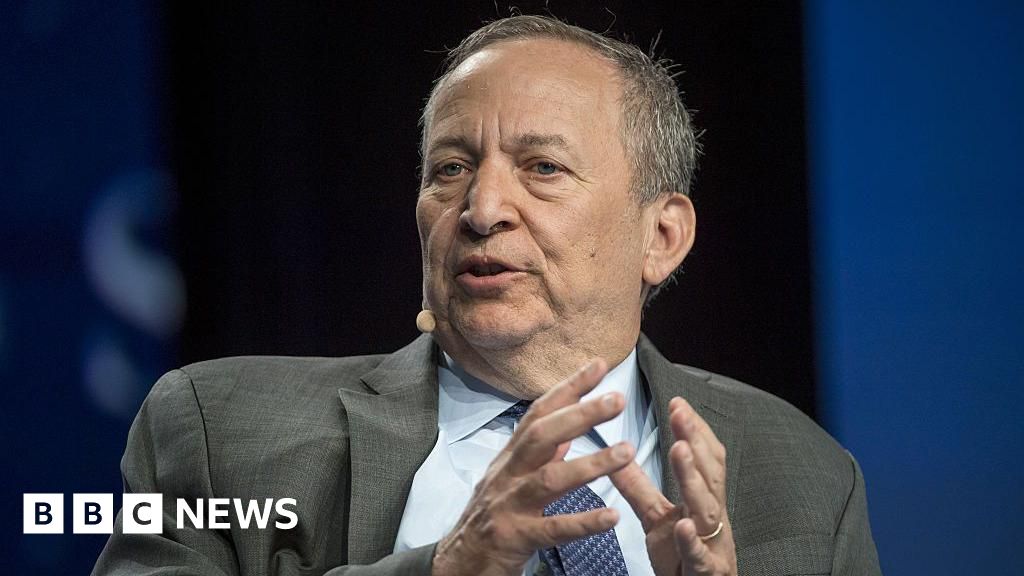
Larry Summers quits OpenAI board amid Epstein email scandal

In a period where global power dynamics are shifting at an unprecedented pace, recent developments highlight how personal scandals can ripple through the fabric of international influence and technological advancement. The resignation of former US treasury secretary Larry Summers from the board of OpenAI follows the release of emails linking him to Jeffrey Epstein, the convicted sex trafficker whose network reached into the highest echelons of society. Although Summers emphasizes his desire to “rebuild trust,” this controversy underscores an ongoing narrative of transparency and accountability that is reshaping the societal landscape, especially among the youth who are increasingly mindful of ethical leadership and institutional integrity.

Moreover, the broader geopolitical impact stems from the U.S. Congress passing legislation requiring the release of Epstein-related files, which now moves toward President Donald Trump‘s desk. As the bill’s passage signals a shift towards more stringent accountability, it simultaneously reveals deeper divisions within American political and social institutions. Analysts suggest that this move could expose more high-profile figures involved in Epstein’s circle, potentially shaking the foundations of global elites’ influence and prompting a reevaluation of the power structures that have long operated behind closed doors. The release of these documents may serve as a catalyst for broader societal introspection, questioning the integrity of those in power—especially those who have maintained close ties to controversial figures. While some see this as a step toward justice, others warn that exposing too much could destabilize long-standing networks and alliances critical to America’s geopolitical strategy.

Meanwhile, the internal shifts at OpenAI reflect a similar tension within the technological and ideological frontiers. Summers’s departure, following his appointment amidst internal conflicts over leadership, is emblematic of a broader struggle in the industry: the balance between innovation and ethical responsibility. How nations and societies respond to such moral dilemmas will determine the future trajectory of AI development and global influence. As AI companies continue to push the boundaries of technological adoption, the potential geopolitical ramifications become ever more complex—particularly as rival powers like China and Russia seek to dominate AI-driven supremacy for strategic advantage. The decisions made today about regulation, transparency, and moral accountability will have lasting effects on how the world navigates power, influence, and technological sovereignty in the decades ahead.

History is now at a turning point where the revelations surrounding figures like Summers serve as a sobering reminder: the intertwined nature of global leadership, technology, and clandestine networks can reshape the course of nations. From the corridors of Washington to the Silicon Valley boardrooms, the question remains—how will societies, inspired by generations of youth eager for justice and transparency, respond to the emerging revelations? As the weight of history bears down on these unfolding narratives, the world stands at a crossroads, where the outcome could either reinforce the foundations of responsible leadership or reveal deeper fissures in the global order. The story of the 21st century continues to be written, and the choices made today may well echo through the corridors of history for generations to come.

Social Media Auto Publish Powered By : XYZScripts.com