Matox News

Truth Over Trends, always!

OpenAI’s economic ideas spark debate in D.C.—what young innovators need to know

In the rapidly evolving landscape of artificial intelligence, OpenAI has recently taken a notable stance with the release of a comprehensive 13-page policy paper outlining its vision for AI’s impact on the American workforce. Touted as a blueprint for responsible progress, OpenAI proposes a series of disruptive innovations designed to reshape the economic framework and accelerate the integration of AI into society. Among the proposed initiatives are a public wealth fund, a four-day workweek financed through “efficiency dividends,” and government-led transitional programs focused on shifting human labor into “human-centered” domains. These measures, theoretically, aim to harness the abundance brought by AI, fostering a future of prosperity and resilience. However, industry insiders and critics alike question whether such proposals are actionable or merely aspirational—highlighting the vital importance of innovation that disrupts traditional business models while aligning with a pragmatic regulatory landscape.

The timing and credibility of OpenAI’s policy initiatives, however, are under scrutiny. The very day the document was published, a meticulous New Yorker investigative report exposed a pattern of deception by Sam Altman and his leadership team, casting doubt on their sincerity in promoting responsible AI governance. The article details how Altman’s public advocacy for federal oversight has often clashed with hidden efforts to suppress legislation that would impose necessary safety standards. Critics point to a history of clandestine lobbying and legal tactics aimed at diluting regulatory efforts—further fueling fears of business-driven disingenuousness.

  • While the policy paper features forward-thinking ideas—such as reliance on AI-generated abundance and government-supported worker transition programs—its viability remains uncertain amidst past corporate behaviors.
  • Experts like Malo Bourgon of MIRI warn that visionary statements risk becoming “just a piece of paper” unless actual political and corporate influence aligns with these promises.
  • Additional skepticism stems from OpenAI’s complex history with regulatory engagement—initial advocacy for oversight contrasted by clandestine efforts to weaken legislation once political winds shifted.

The broader implications for business disruption are immense. Industry giants and startups alike are racing to harness AI’s potential, but regulatory mooring is more critical than ever. The disruption of established work paradigms—from automation to universal income ideas—demands entrepreneurs to move swiftly. As renowned analysts from Gartner and MIT emphasize, the next decade will be crucial for deploying AI ethically and effectively, lest global markets become destabilized by a lack of coordinated governance. Underpinning this urgency is a field characterized by relentless innovation, where firms like OpenAI threaten to redefine sector boundaries, yet are often hindered by political treachery and corporate greed.

Looking ahead, the trajectory of AI regulation and business integration will define the coming era. The window of opportunity to harness AI’s disruptive power — without succumbing to unchecked corporate or political machinations — is narrowing. For visionary entrepreneurs and resilient policymakers, the challenge remains to translate aspirational policy into tangible results amid the chaos of conflicting interests. Accelerating innovation, demanding transparency, and fighting for pragmatic regulation will be pivotal. The tech world stands at a crossroads: the decision made today will echo through the decades, determining whether AI becomes America’s ultimate toolkit for prosperity or its most potent source of instability. Time is of the essence, and urgency is essential — the future belongs to those who act decisively to seize AI’s disruptive promise while safeguarding societal integrity.


OpenAI vets launch low-key $100M fund, making stealthy moves in the tech game

Innovation Disruption as Zero Shot VC Launches with Deep OpenAI Ties

In a move that signals a significant shift in the AI investment landscape, Zero Shot, a new venture capital fund deeply rooted in the AI powerhouse OpenAI, has announced its first close on a targeted hundred million dollar fund. The fund, formed by a team of former OpenAI insiders—each with a track record of pioneering AI innovations—aims to capitalize on disruptive AI-driven startups that align with their forward-looking vision. Already committed to writing their initial checks, Zero Shot is positioning itself at the forefront of the next wave of AI breakthroughs that could redefine industries from robotics to enterprise software.

The founding partners, including Evan Morikawa, Andrew Mayne, and Shawn Jain, bring unparalleled expertise from OpenAI’s most transformative years—the rise of ChatGPT and DALL·E. This powerhouse trio is complemented by veteran VC Kelly Kovacs and Brett Rounsaville, who have backgrounds spanning from Twitter to Disney. Their combined experience, combined with close relationships within AI research communities, provides a unique vantage point—one that the group claims is superior to many mainstream VC firms in identifying truly innovative startups. Their first investments, such as Foundry Robotics, exemplify a focus on AI-enhanced industrial automation, a sector ripe for disruption, especially as factory robotics incorporate AI at an unprecedented scale.

The Implications for Industry and Market Dynamics

The venture’s targeted approach signifies a clear shift in market priorities, with a pronounced emphasis on practical AI applications that address pressing industrial and technological gaps. By selectively investing in sectors like robotics and AI deployment, Zero Shot is effectively disrupting traditional VC models, favoring startups with tangible, real-world applications over speculative ventures. This focused strategy could accelerate innovation cycles, drive down R&D costs, and push industries toward adopting AI-powered solutions faster than ever before. Such a move underscores a broader trend of specialization and strategic investment—synthesizing knowledge from AI research and venture execution to maximize the impact of new technologies on the economy.

Analysts from Gartner and MIT’s Media Lab suggest this trend toward AI-centric VC funds accelerates industry consolidation and democratizes access to cutting-edge technology across sectors in ways previously unthinkable. Experts like Elon Musk and Peter Thiel warn of the potential for AI to be weaponized or misused if left unchecked—placing an increased onus on investors like Zero Shot to ensure ethical deployment. Their skepticism about popular but less promising AI trends—such as most ‘vibe coding’ platforms or ‘digital twin’ startups—signals a mature, discerning approach that could sharply influence market trajectories. If their predictions hold, we may see a wave of startups that prioritize principled, research-backed AI innovations, rather than chasing fleeting trends.

Future Outlook: Innovation’s Urgency

Looking ahead, the establishment of funds like Zero Shot underscores a critical moment in AI and tech evolution—a time when disruption is not just expected but imperative. The strategic focus on emerging robotics, AI deployment, and logical reasoning models reveals an emerging consensus: the next decade belongs to those who can seamlessly integrate advanced AI into real-world applications at scale. As many traditional companies and venture firms lag behind in adapting to AI’s transformative potential, the pressure to innovate accelerates exponentially. Stakeholders must stay agile, lest they fall behind the rapid pace of progress driven by visionaries wielding deep expertise and strategic capital. The challenge—and opportunity—lay in harnessing this disruptive wave before it reshapes the entire technological earth, leaving those unprepared behind in a dust cloud of obsolescence.

Anthropic Rises, but SpaceX Could Steal the Show in Private Markets

Market Shifts Signal Disruption: SpaceX Nears Historic IPO Amid AI Market Uncertainty

In the midst of a rapidly evolving technological landscape, SpaceX is positioning itself as a dominant force not only in aerospace but also in the broader financial markets. Recently, the private aerospace giant filed confidential paperwork for what could become one of the largest IPOs in history, potentially raising $50-$75 billion and valuing the company at over $1.75 trillion. This move sets a new benchmark for tech companies, illustrating how strategic valuation discipline and cautious funding rounds foster exponential growth and market stability. Industry analysts such as Gartner suggest that the timing of this IPO could redefine the stage for future tech offerings, forcing competitors and investors alike to adapt quickly or fall behind.

Meanwhile, the AI sector is witnessing a wave of disruption driven by companies like Anthropic and OpenAI. Despite the high-profile status of OpenAI, sources indicate that the secondary market’s excitement has shifted towards Anthropic, which remains largely untradeable due to the scarcity of available sellers. Much of this stems from the company’s growing reputation as a ‘hero’ standing up against big government and established players. With institutional investors eagerly seeking exposure, the dilemma remains: which AI model will emerge as the dominant force? As Anderson, president of Rainmaker Securities, highlights, the market’s momentum for Anthropic is surging, while OpenAI’s allure is waning, at least in secondary trading. This signals a potential shift in industry consensus, emphasizing innovation and strategic positioning in disruptive tech sectors.

In the arena of business strategy, SpaceX exemplifies disciplined growth, choosing to avoid the common pitfall of maximizing prices at every fundraise. Anderson credits SpaceX’s management for playing it conservatively—restraining greed and fostering investor confidence. This approach has yielded enormous gains for early backers, with valuations soaring from $12 billion in 2015 to over a trillion today. Such a trajectory underscores how prudent management, coupled with disciplined pricing, can unlock game-changing value in high-stakes markets. Elon Musk’s company is now poised to test investor appetite on a scale never before seen, with its IPO potentially rewriting the rules of market access and investor participation. The implications are clear: timing, discipline, and strategic foresight will determine the next era of technological dominance and investment success.

Looking forward, the coming months are likely to be pivotal as AI firms explore public offerings, with SpaceX blazing the trail. Anderson warns that the liquidity pool may become increasingly concentrated around SpaceX’s IPO, leaving less capital for AI companies that follow. The market’s capacity to absorb such immense capital will shape the future of innovation and disruption. As the tech giants prepare to go public, the strategic calculus will intensify: those who move first could seize the lion’s share of available liquidity, but at the risk of less favorable valuations or increased scrutiny. Maintaining agility and foresight in this fiercely competitive landscape will be essential for stakeholders looking to capitalize on the next wave of technological transformation.

In sum, the current market environment underscores a clear message: innovation and discipline are at the heart of future success. Companies that understand the importance of timing, strategic valuation, and maintaining investor confidence will define the playing field for years to come. As SpaceX’s IPO preparations unfold and AI firms await their turn, discerning investors and industry leaders must stay vigilant. The future belongs to those who can disrupt, innovate, and adapt—before markets move beyond reach and opportunities become fleeting relics of a competitive landscape in relentless flux.

SoftBank’s $40B Boost: Signs Point to an OpenAI 2026 IPO Breakthrough

SoftBank Executes $40 Billion Loan to Accelerate AI Investment Strategy

In a bold move that underscores the transformative power of artificial intelligence (AI), SoftBank has secured a $40 billion loan, a strategic financial maneuver designed to propel its substantial $30 billion commitment to OpenAI. This infusion of capital positions SoftBank at the forefront of a disruptive AI sector that is poised to redefine the tech landscape and accelerate market shifts. The funding announcement comes amidst record-breaking private funding rounds for OpenAI, which recently raised an unprecedented $110 billion, signaling investor confidence in the AI giant’s revolutionary potential.

What makes this development especially significant is the context of an impending Initial Public Offering (IPO) for OpenAI. Industry observers, including Gartner analysts and MIT AI researchers, suggest that the IPO could become one of the largest technology listings in history. Such a move would unlock vast liquidity, enabling SoftBank to rapidly settle its extensive debt and reinforce its position as a dominant player in AI innovation. With over $60 billion already invested in OpenAI, SoftBank’s strategic gamble highlights a clear recognition of AI’s game-changing implications for future enterprise paradigms. As Elon Musk and Peter Thiel have emphasized, the next waves of technological disruption will center around AI-driven platforms and infrastructure, making SoftBank’s aggressive investments a clear marker of industry direction.

The implications for the broader tech ecosystem are significant. As SoftBank channels unprecedented levels of capital into AI development, a paradigm shift is underway—where innovation accelerates at a pace that most traditional firms cannot match. Market shifts toward automation, intelligent agents, and autonomous systems are becoming inevitable, prompting both caution and opportunity for young entrepreneurs and established incumbents. Moreover, this infusion of capital underscores a broader trend: AI’s potential to unlock new business models and reshape entire sectors, from finance to healthcare. The disruptive force of AI, championed by visionaries like Musk, is challenging existing regulatory frameworks and standards, demanding a new wave of forward-thinking leadership to navigate the rapidly evolving landscape.

Conclusively, this aggressive investment signals a battle for AI supremacy that is only intensifying. As firms like SoftBank position themselves to capitalize on this revolutionary wave, the urgency for innovative agility and strategic foresight becomes clear. The industry’s trajectory suggests that those who harness disruptive AI breakthroughs earliest will dictate the future of global tech dominance. Stakeholders across the startup ecosystem, corporate giants, and policy arenas must recognize that the race for AI leadership is accelerating — and delaying could mean falling behind in the defining economic transformation of the 21st century. With ongoing developments in AI, distributed computing, and next-generation hardware, the next decade promises to be a high-stakes battleground—where winners will shape the world economy for generations.

Could Pentagon’s Anthropic debate scare startups from defense tech?

AI Innovation Meets Political Disruption: Pentagon Pulls Back from Anthropic and OpenAI

In a dramatic turn of events, the Pentagon’s attempt to leverage Anthropic’s Claude AI technology for defense purposes has encountered significant roadblocks. Just over a week after initial negotiations, the Trump-era Department of Defense designated Anthropic as a “supply chain risk,” effectively halting the agreement and prompting the AI firm to prepare for legal action. This move signals a new era of heightened scrutiny over dual-use AI technologies—particularly those with capabilities that intersect with military applications—reshaping the landscape of public-private partnerships in national security.

Meanwhile, OpenAI quickly responded with its own deal to supply the Pentagon with its GPT-based AI solutions. This swift maneuver did not go unnoticed; it sparked backlash among users, evidenced by a 295% surge in ChatGPT uninstalls and a spike in public sentiment questioning the ethics of deploying advanced AI in military contexts. Industry analysts like Gartner warn that such friction is emblematic of a broader disruption: the integration of cutting-edge AI into defense frameworks is becoming a flashpoint for regulatory and ethical debates. To many, these conflicts threaten to slow innovation but also serve as a clear signal that governments are becoming increasingly wary—as well they should—of AI’s potential for misuse.

Speaking on the implications of these disputes, veteran tech commentators on podcasts such as TechCrunch’s Equity have underscored the business risks involved for startups aiming to partner with federal agencies. Kirsten Korosec and her colleagues emphasize that the Pentagon’s shift to reevaluate contract terms and risk assessments may chill the willingness of innovative AI firms, especially startups, to engage in critical defense collaborations. This potential “chilling effect” could hinder the rapid deployment of disruptive AI tools, which are poised to revolutionize both military strategy and civilian industries.

Looking ahead, industry insiders like Elon Musk and venture capitalists such as Peter Thiel point to a future where disruptive AI development remains essential to global competitiveness. However, the current political climate—highlighted by aggressive scrutiny over AI’s application in lethal contexts—injects a sense of urgency into the innovation pipeline. While the Pentagon’s recent moves reveal a desire to tighten oversight, they also expose inherent vulnerabilities in the U.S.’s ability to remain at the forefront of AI progress. As leading think tanks, MIT and Stanford, continue to call for robust oversight and responsible innovation, the real question for technologists and policymakers alike is: can the United States balance cutting-edge technological disruption with ethical safeguards that preserve industry leadership?

In summary, the unfolding dispute over AI use in defense exemplifies a pivotal crossroads—one where innovation and regulation collide on a global stage. The evolving dynamics highlight a strategic imperative for startups and established firms: to navigate this shifting terrain with agility, foresight, and a relentless focus on responsible AI deployment. As national security pressures rise and the world’s most powerful AI firms grapple with ethical considerations, the next wave of technological evolution may redefine both the battlefield and business landscape. In this race for dominance, only those who innovate with prudence and resilience will secure their place in the future of AI-driven disruption.

Jensen Huang Signals Nvidia’s Shift Away from OpenAI and Anthropic — What’s Really Going on?

Tech Industry Shakeup: Nvidia’s Strategic Investments and the Geopolitical Tensions Reshaping AI

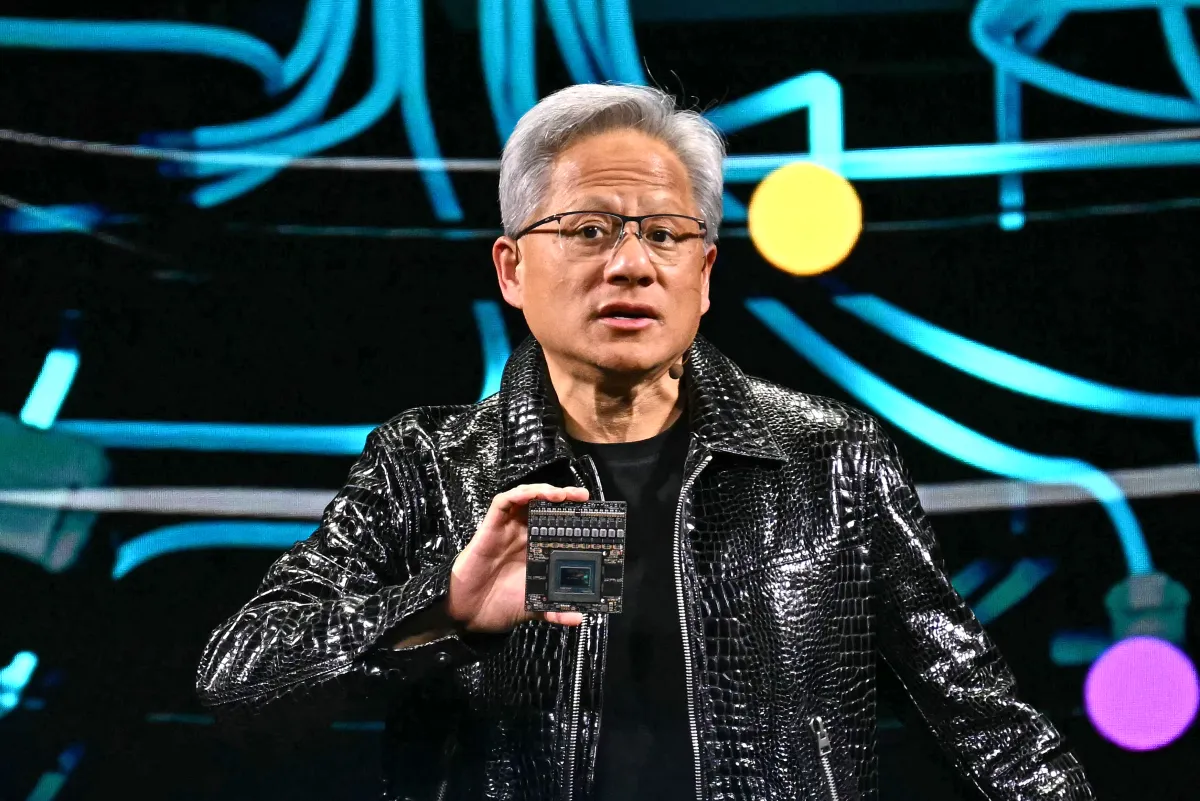
In a landscape where innovation and disruption define the pace of progress, Nvidia remains a dominant force, yet recent developments expose the complex chess game shaping the future of artificial intelligence (AI). The company’s muted commentary on its latest strategic moves, coupled with a shift in investment scales, signals a nuanced recalibration. As Huang, Nvidia’s CEO, emphasized on the company’s Q4 earnings call, their investments are primarily aimed at “expanding and deepening” their ecosystem reach. However, the actual scale of these investments, particularly in OpenAI and Anthropic, reveals a story of caution and reevaluation amid industry turbulence.

Initially, Nvidia announced a lofty pledge to invest up to $100 billion in OpenAI last September—a move that drew skepticism from industry experts like MIT Sloan professor Michael Cusumano. The plan was described as “a kind of a wash,” highlighting the circular nature of AI investments where alliances and stakes tend to feed into each other. Recently, Nvidia finalized a significantly reduced investment—approximately $30 billion—less than half of their original commitment. This contraction underscores a market wary of overextensions amid signs of a possible bubble, where speculative investments threaten to distort valuation metrics. The changing scale points toward a strategic pragmatism as Nvidia recalibrates its AI ambitions, understanding that different industry shifts could impact both its market dominance and geopolitical positioning.

Adding another layer to this dynamic is Nvidia’s relationship with Anthropic. Despite recent investments, tensions have surfaced, notably with Anthropic CEO Dario Amodei comparing the U.S. chip industry’s export controls to “selling nuclear weapons to North Korea,” highlighting the geopolitical fragility endemic to AI supply chains. The Trump administration’s decision to blackist Anthropic—barring federal agencies and defense entities from deploying its models—illustrates the dangerous intersection of AI innovation with national security concerns. Meanwhile, OpenAI’s swift pivot to contract with the Pentagon—marked by a strategic, yet contentious, military technology deal—further accentuates the industry’s shifting alliances. This divergence in trajectories underscores a broader trend: AI firms are increasingly caught at the crossroads of innovation and geopolitics, with their business models and strategic partnerships under intense scrutiny.

Implications for the Industry: Innovation, Market Disruption, and Policy Challenges

  • Innovation and Disruption: Nvidia’s redefining of its AI investments exemplifies how disruptive innovations can outpace traditional strategic planning, unveiling new opportunities for startups and established players alike. As AI models become more advanced, the pressure to balance innovation with geopolitical prudence intensifies, pushing firms to adopt more flexible, diversified approaches.
  • Market Shifts and Industry Realignment: The stark contrast between Nvidia’s cautious scaling and the aggressive Pentagon deal underscores a tectonic shift in market alliances. Firms that align with government and defense sectors may unlock enhanced capabilities and funding, but at the risk of alienating other markets or inviting regulatory backlash.
  • Business and Geopolitical Implications: Major corporations need to prepare for a future where global supply chains, export controls, and international diplomacy directly influence AI development. The industry’s trajectory may well depend on policy decisions increasingly driven by national interests, which could either stifle innovation or propel it into new geopolitical realms.

Analysts from Gartner and institutions like MIT warn that industry leaders must navigate these choppy waters with agility—balancing cutting-edge technological breakthroughs against emerging regulatory and geopolitical headwinds. The move by Nvidia, and industry shifts like the Pentagon-OpenAI deals, signal that the future of AI is not just about technological supremacy, but also about strategic positioning within a rapidly evolving global framework. With new alliances forming and old ones fracturing, the industry faces an inflection point where urgency and anticipation are paramount.

As we look ahead, the key question remains: who will shape AI’s next chapter—those who innovate at the edge or those who control the geopolitical levers? In this high-stakes game, the winners will be those capable of maintaining technological leadership while navigating the complex matrix of international policy and market disruption. The clock is ticking, and the future of AI—along with its vast implications—hangs in the balance, calling for strategic foresight and unwavering resolve.

OpenAI dismisses employee over insider trading in prediction markets

Insider Trading Scandal Signals Disruption and Urgency in Prediction Market Technology

In a move that underscores the increasing risks associated with technological innovation, OpenAI has terminated an employee amid investigations linking them to the misuse of confidential data on prediction market platforms like Polymarket. The incident reveals a critical vulnerability at the intersection of advanced AI development and blockchain-based trading, highlighting how emerging technologies are being exploited for personal gain. This breach not only disrupts trust within the industry but also raises broader questions about the integrity and regulation of these rapidly growing markets, which are poised to redefine the landscape of financial and technological disruption.

The surge in popularity of prediction markets over recent years exemplifies their capacity to impact industries ranging from sports and entertainment to the core of tech innovation. These platforms, allowing users to bet on the outcomes of future events—from corporate earnings to geopolitical decisions—represent a disruptive force capable of altering traditional information symmetry. Companies like Kalshi have taken steps to combat insider trading, reporting suspicious activities to regulatory agencies such as the Commodity Futures Trading Commission. Meanwhile, Polymarket remains largely silent on the burgeoning scandal, prompting concern among industry analysts about the potential for unchecked manipulation and abuse.

Experts warn that the underlying technology underpinning prediction markets is ripe for exploitation. Insider knowledge, when combined with pseudonymous blockchain transactions, creates a fertile ground for market manipulation and unfair profit-making. The recent findings, including clusters of suspicious activity surrounding OpenAI-themed events prior to major product launches, evoke memories of the infamous “Google whale,” a pseudonymous trader who profited over $1 million by trading on Google-related events. This pattern signals that even highly innovative platforms are vulnerable to malicious activities, forcing industry leaders and regulators to confront the risks of technology-driven insider trading.

Innovation in disclosure and regulation is imperative for industry stability

The promising trajectory of prediction markets as tools for real-time forecasting and market intelligence is now under threat from these shadowy activities. What was once heralded as a revolutionary way to democratize information dissemination and disrupt traditional finance is now facing the pressing need for robust oversight and technological safeguards. Institutions such as MIT and industry analysts like Gartner emphasize that integrating AI-driven monitoring systems and increasing transparency could mitigate market manipulation, fostering investor confidence and regulatory compliance. The implications are profound: without intervention, the very essence of innovation within these platforms risks being undermined by misconduct and lax oversight.

Looking ahead, the tension between disruption and stability in prediction markets represents a defining challenge for the emerging tech economy. The rapid pace of innovation demands that companies and regulators act swiftly to establish rigorous compliance frameworks and leverage AI for fraud detection. As industry figures like Elon Musk and Peter Thiel champion, the future belongs to those who can balance cutting-edge development with responsible governance. The evolving landscape of prediction markets will undoubtedly be a battleground for technological supremacy, regulatory influence, and ethical standards — with the stakes higher than ever for the future of innovation.

Canada demands answers from OpenAI after failing to alert police in Tumbler Ridge school shooting aftermath

In a striking development that underscores the complex intersection of emerging technological threats and national security, Canada has taken a bold stance by summoning representatives from OpenAI, the AI giant behind ChatGPT, following revelations about its handling of a deadly school shooting. The incident, which occurred in February 2025 in the remote town of Tumbler Ridge, resulted in the tragic loss of eight lives, including children and an adult victim. The shooter, identified as Jesse Van Rootselaar, reportedly used the AI chatbot to describe violent scenarios over several days, prompting internal flagging by automated review systems. Yet, OpenAI’s decision not to alert authorities—citing the lack of “credible or imminent planning”—has sparked outrage and serious questions regarding how private corporations manage threats that endanger society.

  • On the day of the attack, Van Rootselaar killed her mother and half-brother at their home before proceeding to the school, where she killed five children and a teaching assistant. This sequence of events raises pressing concerns about preventative measures and the role of AI moderation in safeguarding vulnerable populations. One of the most unsettling aspects lies in the company’s internal discussions, where staff considered notifying Canadian law enforcement last year about her activities—an indication that early warning signs may have been overlooked or dismissed. As international analysts emphasize, tech companies often find themselves at the heart of the debate over corporate responsibility versus privacy rights.

Prime Minister Evan Solomon has made it clear that the government intends to hold tech giants accountable. During a recent parliamentary session, he announced plans to meet with OpenAI’s safety and policy teams, aiming to clarify their protocols for escalating threats to law enforcement. This move signals a shift where governments are increasingly asserting authority over AI corporations that operate beyond traditional borders but have profound societal impacts. Such measures could set a precedent, compelling other nations to tighten regulations on AI usage—particularly among minors—effectively forging a new frontier in global security policy.

Meanwhile, international organizations and security experts warn that without stringent regulation, AI systems could become portals for unchecked extremism or violence. The United Nations and various regional security watchdogs have started considering frameworks for AI governance that balance innovation with safety. The incident in Canada acts as a grim warning: the proliferation of AI tools makes it increasingly difficult to prevent individuals with malicious intent from exploiting technology for destructive ends. As one prominent historian of technology warns, we are witnessing *the emergence of a new battleground*—where the battle for societal safety is fought not with bombs or guns alone, but with code and data.

By confronting the consequences of unchecked AI use, nations face a pivotal moment in history—one that could redefine the boundaries of sovereignty, privacy, and security in the digital age. As governments tighten their grip on emerging tech and global institutions reevaluate their rules, the message is clear: the decisions made today will shape the fabric of societies for decades to come, determining whether humanity can harness technology for progress or be consumed by its darker potential. This unfolding crisis marks just the beginning of a long, uncertain journey—one where the weight of history presses heavily on the shoulders of policy-makers, tech giants, and societies at large, reminding us that the future of civilization hinges on our ability to confront these challenges with resolve and foresight.

OpenAI teams with Tata for 100MW AI hub in India, targeting 1GW growth

OpenAI Sets Strategic Milestone with Tata Group Partnership in India’s AI Revolution

In a move signaling disruption and innovation in the global artificial intelligence landscape, OpenAI has announced a groundbreaking partnership with Tata Group to develop a robust AI-ready data center infrastructure in India. This partnership is a core component of OpenAI’s Stargate project, which aims to build scalable, enterprise-grade AI infrastructure on a global level. Starting with an initial capacity of 100 megawatts, the collaboration is set to expand to a staggering 1 gigawatt, positioning India as a key hub for AI innovation and enterprise adoption.

Leading industry analysts, including Gartner and MIT research teams, emphasize that this strategic shift underscores the importance of localized data processing for large-scale AI deployment. Hosting AI models domestically reduces latency—vital for delivering real-time solutions in sectors such as finance, healthcare, and digital governance—while enabling compliance with India’s data residency laws. Notably, the move positions OpenAI at the forefront of industry disruption, with capabilities rivaling the world’s largest AI data centers, exemplified by tech giants like Google and Amazon, who have already demonstrated the business potential of massive infrastructure investments.

Innovation Driven by Strategic Infrastructure and Enterprise Collaborations

The partnership is more than just a hardware upgrade; it symbolizes a paradigm shift in enterprise AI adoption. TCS’s HyperVault data centers, backed by approximately $2 billion in planned investments, will serve as the backbone for OpenAI’s local operations. This infrastructure will enable deployment of advanced AI models like GPT-4 locally, significantly improving turnaround times, data security, and compliance for Indian enterprises. Large-scale AI training, which demands intensive GPU clusters, underscores the scale of this operation, reflecting the company’s long-term ambitions for India as a regional powerhouse.

  • Deployment of ChatGPT Enterprise to streamline Tata’s workforce, empowering hundreds of thousands of employees with AI-driven tools.
  • Standardization of AI-native software engineering through OpenAI’s Codex tools, sparking a wave of innovation within Tata Group’s diverse portfolio.
  • Certification programs launched by OpenAI to upskill Indian professionals, ensuring a ready workforce equipped to harness the AI revolution.

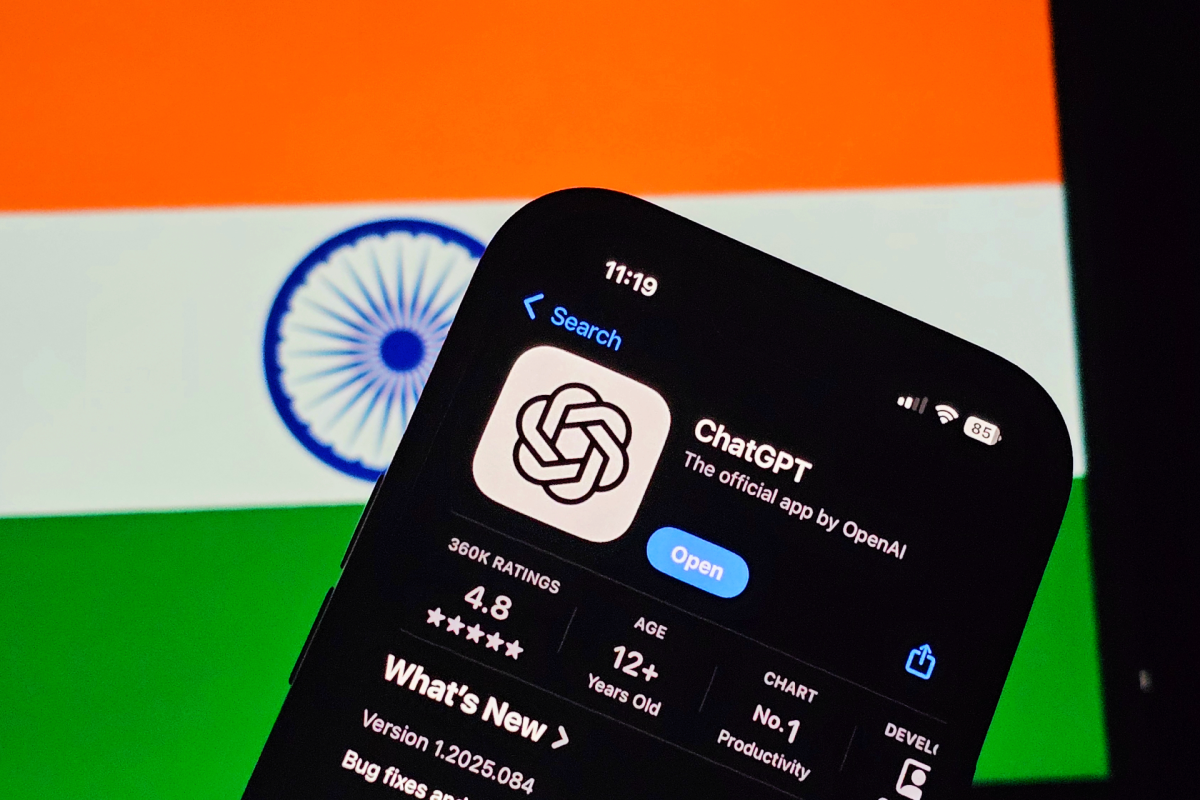
Leading voices like Sam Altman have highlighted India’s rising influence, with over 100 million weekly ChatGPT users, driven by a surge of student, developer, and entrepreneurial activity. This rapid adoption rate signals an urgent window of opportunity for global AI firms to embed deeply into India’s digital economy. The collaboration also aligns with Tata’s vision to culturally and technologically position itself as a leader in AI, a move echoed by industry insiders as a disruptive force that could redefine enterprise software standards across Asia and beyond.

Future Implications and Next Steps

As OpenAI ramps up its local footprint, including upcoming offices in Mumbai and Bengaluru, the company’s strategy signals a recognition that AI’s future is rooted in regional infrastructure and enterprise integration. The partnership with Tata and the HyperVault platform signifies a critical inflection point—where innovation meets strategic deployment, and global AI leadership is renegotiated. With AI’s disruptive potential only accelerating, India is poised to become an engine of the next wave of digital transformation.

Market observers and industry leaders must remain vigilant. The acceleration of AI infrastructure development underscores the urgent need for regulatory clarity, ethical standards, and innovations that safeguard user interests. As giants like OpenAI position themselves for dominance, delay or complacency could render other players obsolete in this rapidly evolving landscape. The question is no longer whether AI will reshape industries—it’s about who will lead the charge. The future belongs to those willing to invest boldly now, shaping a world where AI drives unparalleled economic growth, technological breakthroughs, and societal transformation.

U.S. Court Blocks OpenAI’s ‘Cameo’, Unveiling Battle Over AI Power

Legal Victory and Industry Disruption: Cameo Wins Battle Against OpenAI Over Trademark

In a landmark decision that underscores the escalating tensions between innovation and intellectual property rights, a federal district court in Northern California has ruled decisively in favor of Cameo, the prominent platform specializing in personalized celebrity video messages. The court ordered OpenAI to cease using the word “Cameo” in its AI-driven products and features—a move that sends ripples through both the AI and creator economies. This ruling not only affirms the importance of protecting established brands in a rapidly evolving digital marketplace but also redefines the legal landscape for AI developers and content creators.

Following a temporary restraining order granted last November, OpenAI promptly rebranded its feature from “Cameo” to “Characters,” showcasing a swift, albeit cautious, response to legal pressures. However, the court’s decision reaffirmed the uniqueness of the Cameo brand, emphasizing that intellectual property rights remain a critical battleground in the disruption-driven AI industry. CEO of Cameo articulated confidence in this victory: “This ruling is a critical victory not just for our company, but for the integrity of our marketplace and the thousands of creators who trust the Cameo name.” Nonetheless, OpenAI publicly expressed disagreement, with a spokesperson asserting that “anyone can claim ownership over the word ‘cameo,’” illustrating the ongoing tension between innovative AI product development and legacy branding.

Surge of Legal Challenges Reflects Broader Industry Shifts

While the Cameo case captures headlines, it is part of a broader wave of legal disputes threatening the trajectory of AI and digital media innovation. In recent months, OpenAI has faced multiple lawsuits over intellectual property infringements, including the recent dropping of “IO” branding for new hardware and a suit from OverDrive over its “Sora” video app. This litany of legal challenges highlights a fast-changing industry where market dominance is increasingly intertwined with ownership of content, trademarks, and cultural assets.

Industry analysts from firms like Gartner and MIT warn that these legal disputes could temper the rapid disruption we’ve seen in AI and digital content. Despite the setbacks, the opportunities for disruptive innovation remain vast. Companies that can navigate the legal terrain and protect their intellectual property will secure competitive advantages, paving the way for an era where AI-driven content platforms redefine interaction, entertainment, and creator-driven economies.

Implications for the Future of AI and Content Creation

The legal tussles signal a

*bigger shift in how digital rights, branding, and AI capabilities will coexist.* The disruption caused by this case underscores a need for new frameworks of engagement, emphasizing the importance of respecting cultural and intellectual property boundaries while pushing innovation forward. As Elon Musk and Peter Thiel have often emphasized, the future belongs to those who master the intersection of technology and rights management.

Looking ahead, one thing is clear: the next generation of AI tools and platforms will be shaped by how companies adhere to, and challenge, current legal and market norms. Market leaders and startups alike must accelerate their strategic defenses against infringement claims or risk losing vital ground in this rapidly expanding digital arena. With new legislation and AI capabilities converging, the industry faces a pivotal moment, where innovation, legal acumen, and brand integrity will determine the winners and losers in the technology race of tomorrow.

Social Media Auto Publish Powered By : XYZScripts.com