Matox News

Truth Over Trends, always!

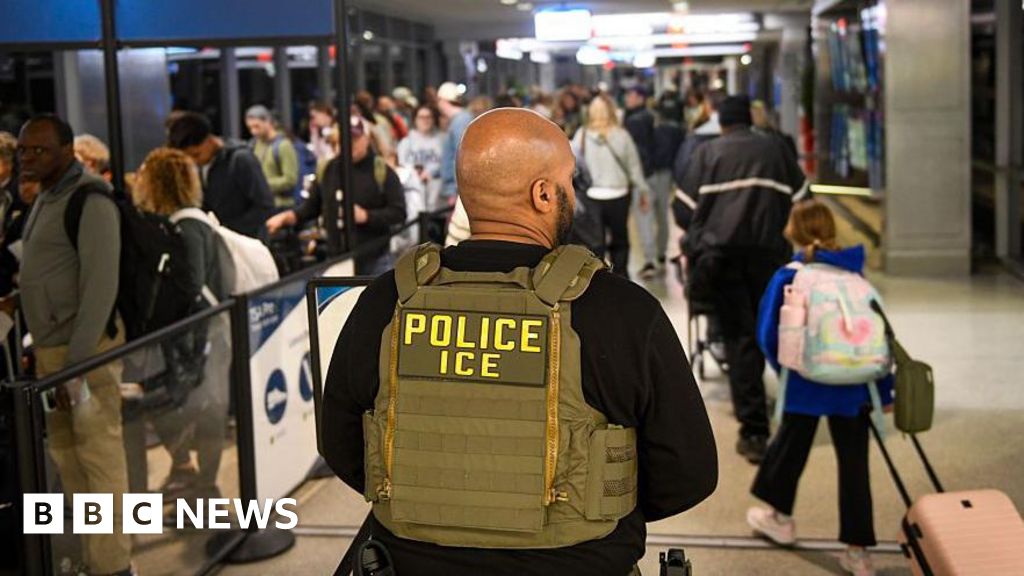
DR Congo Opens Doors to US Deportees, Young Voices Watch Closely

In an era marked by increasing migration crises and shifting geopolitical alliances, the recent decision by Democratic Republic of the Congo (DR Congo) to accommodate third-country migrants signals a complex interplay of humanitarian values and international strategy. According to an official statement, the decision affirms DR Congo’s commitment to human dignity, international solidarity, and the protection of migrant rights. This move comes amid mounting pressure from global organizations and emerging regional dynamics, positioning Kinshasa on a new geopolitical footing as a sympathetic refuge for displaced populations crossing borders from non-neighboring nations.

What makes this decision particularly noteworthy is its adherence to a broader pattern of international cooperation driven by both moral imperatives and pragmatic geopolitical calculations. Analysts suggest that DR Congo is aligning itself with a global narrative emphasizing humane migration policies, possibly to bolster its international standing and foster diplomatic goodwill. This stance is reinforced by the involvement of major UN agencies and regional powers, who see in such commitments a means to stabilize fragile border regions and mitigate the risks associated with uncontrolled migration flows. According to experts like Dr. Martin Collins, a senior analyst at the International Migration Institute, this development could redefine Central Africa‘s role in global migration landscapes, turning the nation into a key player in regional security and cooperation initiatives.

However, the decision also carries significant geopolitical implications. Critics warn that embracing third-country migrants might ignite internal debates about sovereignty, resource allocation, and social cohesion. Historically, migration can be both a catalyst for economic renewal and a source of social strain, especially in nations already grappling with internal challenges. The shift signals a broader push by some governments to leverage migration policies as a soft-power tool in their diplomatic arsenal. Meanwhile, neighboring countries watch closely, wary of potential spillovers that could destabilize already volatile regions. As China and Russia expand their influence across Africa, local decision-makers are increasingly caught between aligning with global standards and safeguarding national interests.

International organizations like the International Organization for Migration (IOM) have applauded DR Congo’s move, describing it as an important step towards a more humane and coordinated migration framework in Africa. Nevertheless, the global community remains divided over migration policies, often reflecting deep ideological rifts. For instance, the European Union continues to grapple with externalizing migration control, while the United States debates immigrant integration policies at home.

As the world watches this unfolding chapter, the true weight of history begins to crystallize. Nations are no longer isolated actors but interconnected entities whose decisions about migration, sovereignty, and humanitarian responsibility echo across continents. The decision by DR Congo might seem a modest act at first glance, but in the grand chessboard of international diplomacy, it signals a potentially transformative shift—one that could redefine regional alliances and influence global migration narratives for decades to come. The sweep of history remains unwritten, yet its next movement seems toward a future where sovereignty and solidarity collide on an ever-expanding international stage.
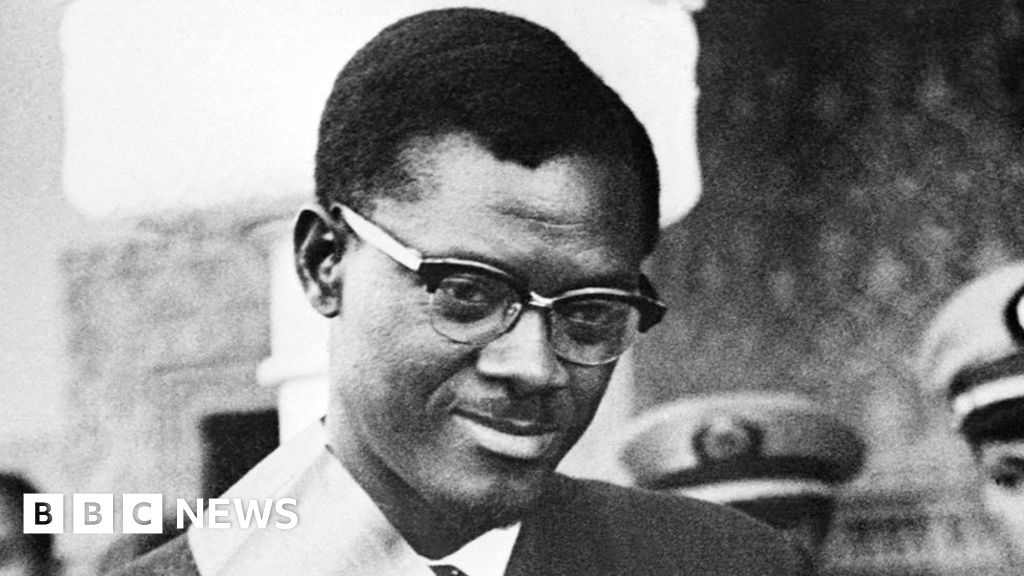

Belgian Court Opens Path to Justice in 1961 Congo PM Lumumba’s Murder

Echoes of Power: The Unfolding Legacy of a 93-Year-Old Diplomats’ Alleged Role in a Pivotal Assassination

In a development that has revitalized debates on transnational diplomacy and the lingering shadow of colonial-era conflicts, Etienne Davignon, a venerable 93-year-old ex-diplomat, faces serious accusations linked to the assassination of a revered independence hero. While decades have passed since those turbulent times, recent disclosures threaten to unravel long-held narratives, prompting analysts and history scholars to reexamine the geopolitical architecture that defined and, in some cases, secretively shaped the destinies of nations.

Historically, Europe and international institutions have often operated behind closed doors, navigating complex alliances and conflicts. Despite his age, the allegations against Davignon underscore a controversial truth: the machinery of diplomacy sometimes entailed shadowy dealings that impacted the course of independence struggles across continents. Such accusations inevitably stir questions about how much influence individual actors wielded in decisions that would resonate through generations. According to prominent historical analysts and reports by International Criminal Court officials, the accusations rest upon supposed secret communications and covert operations aimed at destabilizing the independence movement, revealing a darker facet of diplomatic conduct during the era.

Geopolitical Impact and Societal Reverberations

The implications of these allegations extend far beyond individual responsibility. If proven true, they could redefine the historic narrative of sovereignty and external influence. The accused’s involvement might confirm fears that powerful nations and their representatives manipulated regional conflicts, prioritizing strategic interests over genuine independence. This threatens to rekindle debates on the morality of realpolitik and the extent to which imperial powers compromised the sovereignty of nascent nations. Furthermore, these revelations have already caused ripples in international institutions dedicated to safeguarding human rights and historical transparency, challenging their neutrality and prompting calls for a reassessment of past diplomatic secrecy.

Several key events now aggregate around the debate:

  • Revelations about alleged covert operations targeting independence leaders
  • Increased scrutiny on European diplomatic archives
  • Calls for accountability from intergovernmental bodies
  • Growing discontent among nations seeking to uncover the truth about foreign influence

Notably, many experts argue that these developments reflect a critical turning point in international accountability. As nations demand transparency, some analysts, like Professor Helena Schmidt of the European Institute of History, warn that uncovering historical truths might unearth uncomfortable realities about the true cost of independence. Such disclosures could serve as a catalyst for a broader reassessment of diplomatic ethics, forcing the global community to confront the shadows lurking behind historic treaties and agreements. The potential consequences for contemporary diplomacy are profound: trust in international processes could be shaken, and new demands for oversight might emerge.

The Fight for the Future

As the saga continues to unfold, the balance of power and morality remains at stake. Nations and citizens alike are watching closely, realizing that decisions made decades ago continue to shape present-day geopolitics and societal structures. The weight of history presses heavily: are we merely uncovering the past, or are we rekindling conflicts that threaten to redefine regional and global order? History’s shadows are long, and their lessons, if heeded, could forge a new path — or trap us in old, unresolved struggles.

In the end, the story of Davignon and the alleged conspiracy becomes more than a single case; it embodies the ongoing dialogue of justice, sovereignty, and international morality. The world stands at a precipice, gazing into the depths of its own past, daring to ask whether the pages of history are truly closed or if they are, in fact, waiting to be rewritten under the watchful eyes of an uncertain future. As the echoes of this political drama resonate across continents, history continues to be written — one revelation at a time — leaving humanity to grapple with the enduring legacy of its choices.

US Opens the Door to Easing Russian Oil Sanctions Amid Rising Global Prices Over Iran Tensions

The geopolitical landscape is once again trembling under the weight of empire and ambition, as the United States signals potential shifts in its approach to Russian energy sanctions. Secretary of the US Treasury, Scott Bessent, publicly indicated on Friday that Washington is weighing the possibility of lifting sanctions on more Russian crude oil. This strategic move comes shortly after the US authorized India to purchase Moscow’s oil, a policy adjustment that has coincided with an almost unprecedented surge in global oil prices, which rose over 8.5% in a single day and nearly 30% over the week.

Underlying this volatility is the ongoing conflict in the Middle East, ignited by the resurgent hostilities between the US, Israel, and Iran. The escalation has crippled vital transport routes, most notably the Strait of Hormuz, the world’s most critical energy chokepoint, effectively shutting down a significant fraction of global oil flow. As heavy armored ships of Iran and allied forces threaten international shipping lanes, the price of crude continues its relentless climb, with analysts warning that such instability could push crude above the $100 per barrel threshold, igniting fears of inflationary spirals across economies.

The price surge has not gone unnoticed by international observers. Leading historians and supply-chain analysts warn that this latest escalation could redefine global power structures. The International Energy Agency and other international bodies have expressed concern over the potential for sustained market disruption, with some experts suggesting that the US’s loosening of sanctions could herald a new phase of geopolitical risk. President Donald Trump’s inflammatory remark—claiming that only the “unconditional surrender” of Iran would resolve Middle Eastern hostilities—further fuels instability, making clear that diplomatic solutions remain elusive.

  • Amid this chaos, Washington’s strategic calculus unfolds—balancing between exerting pressure on Moscow through sanctions and maintaining global energy stability.
  • The US Treasury’s recent negotiations aim to prolong relief for global markets by allowing the sale of Russian oil stranded at sea, mostly destined for India, with sanctions eased temporarily until April 2026.
  • Meanwhile, Moscow perceives these maneuvers as Western efforts to undermine its economy, with Kremlin economic adviser Kirill Dmitriev criticizing the sanctions’ impact on the world economy and stating that these measures are detrimental and ultimately counterproductive.

Geopolitical Impact and Societal Consequences

The decisions taken by Washington and its allies carry profound geopolitical implications. By hinting at easing sanctions, the US seeks to introduce a semblance of stability amidst the chaos, but critics argue that such moves could embolden Russia and Iran, further complicating the international order. The intersection of rising oil prices, regional conflicts, and strategic sanctions highlights a new chapter where global powers are willing to recalibrate alliances and economic controls—a clear challenge to a unipolar world dominated by Western interests.

International organizations warn of the societal repercussions, recasting economic pressure as a tool that could lead to increased inflation, energy shortages, and social unrest in vulnerable nations. As the Organization of Petroleum Exporting Countries and other stakeholders grapple with this upheaval, the world watches with wary eyes, contemplating whether this turbulent phase signals a new multipolar era or the beginning of a prolonged conflict that could reshape the global order for decades to come.

As history continues to unfold in this complex geopolitical theater, the decisions made today could reverberate through generations. With each shift in policy, the foundation of international stability is tested—reminding us that in the theater of global power, the outcome remains anything but certain. The weight of history presses down, signaling that the unfolding drama may yet lead to an epoch defining brink—where the true battle for global influence and security is only just beginning.

Ukraine Museum Opens in Berlin Air-Raid Bunker, Showcasing Resilience and Heritage

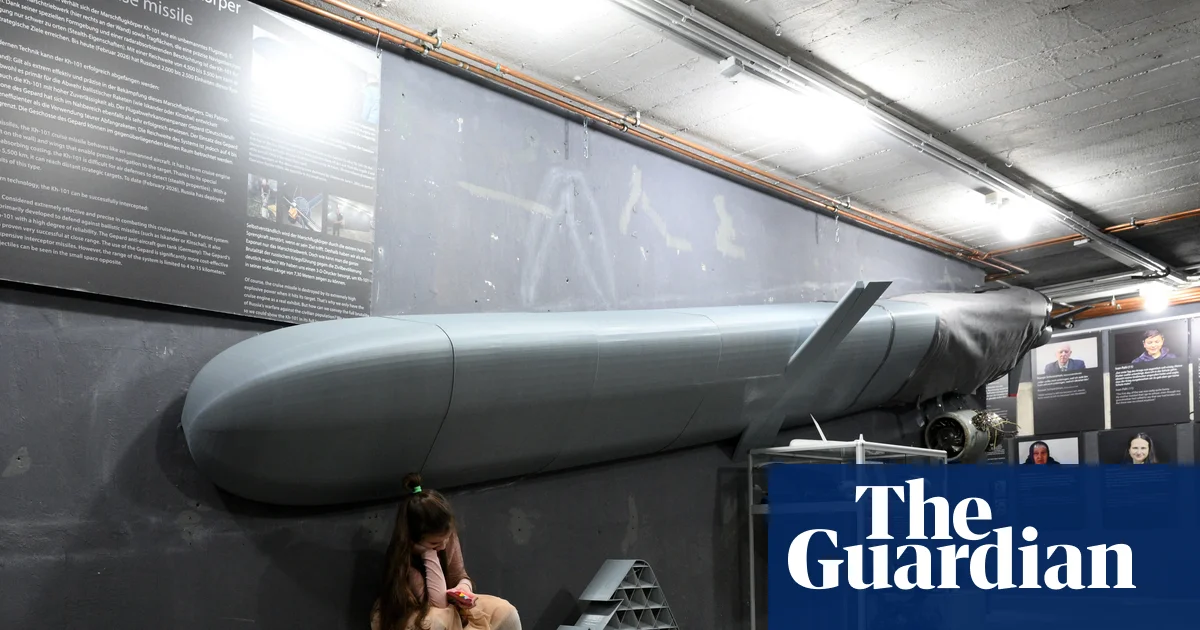
As Russia’s ongoing invasion of Ukraine enters its fourth year, the geopolitical landscape in Europe remains sharply divided over the appropriate response. The newly inaugurated Ukraine Museum in Berlin serves as a stark reminder of the conflict’s brutal reality, exposing visitors to the physical remnants and harrowing stories from the battlefield. Curated from war remnants and built in collaboration with Ukrainian frontline troops and historical institutions, the museum aims to combat growing fatigue and apathy among Western populations. It underscores an essential warning to the West: ignoring this war risks destabilizing the entire security architecture of the continent.

This museum’s presence in Berlin symbolically signifies Germany’s pivotal role as a major supporter of Kyiv, providing substantial military aid and shelter for millions of Ukrainian refugees. Yet, this support is not without controversy. Domestic political divisions threaten to weaken the unified front necessary to counter Putin’s expansionist ambitions. Critics argue that wavering in commitments—whether through resistance to increased arming or skepticism over continued aid—embolden Russia’s narrative of Western disinterest or weakness. According to analysts from the European Council on Foreign Relations, such factions are playing into Putin’s strategic aims to destabilize Western cohesion, emphasizing that European unity remains fragile and crucial for Ukraine’s survival and the broader confrontation with authoritarian expansion.

International observers, including historians and military strategists, emphasize that support for Ukraine goes far beyond humanitarian concern—it is a defining element of geopolitical stability in the 21st century. The war’s brutal reality, vividly exposed by the museum’s displays—such as a missile reconstructed via 3D printing and wreckage of a Russian T-72 tank—serves as a stark reminder that the stakes are existential for Ukraine and the West alike. The museum also draws attention to the dehumanizing propaganda—images of aid worker Oleg Salnyk, killed after the deliberate targeting of his ambulance by a Russian drone, are intended to forge a visceral understanding of the war’s toll. Such visceral representations seek to awaken Western audiences to the fact that timid complacency could lead to far greater catastrophe.

In response to the conflict, Germany and other Western nations face difficult questions: How long can they sustain military and economic support without internal discord? As Hanna Maliar, a former Ukrainian deputy defense minister, warns, “My advice to Germany is whatever you do, don’t get rid of your bunkers.” The metaphor resonates—without resilient defenses, the risk of destabilization extends beyond Ukraine into Euro-Atlantic security. Meanwhile, the Ukrainian resistance, exemplified through stories of aid workers targeted in front-line attacks, continues to symbolize the tenacity of a nation fighting to preserve sovereignty amidst a concerted effort by Russia to erode Ukrainian identity and independence. As history unfolds in real time, the question remains: will the powerful Western alliance recognize that the cost of indifference may be the very fabric of freedom itself?

School opens its doors to girls for the first time in 500 years—historic step toward equality

Educational Institutions and the Shaping of Societal Future

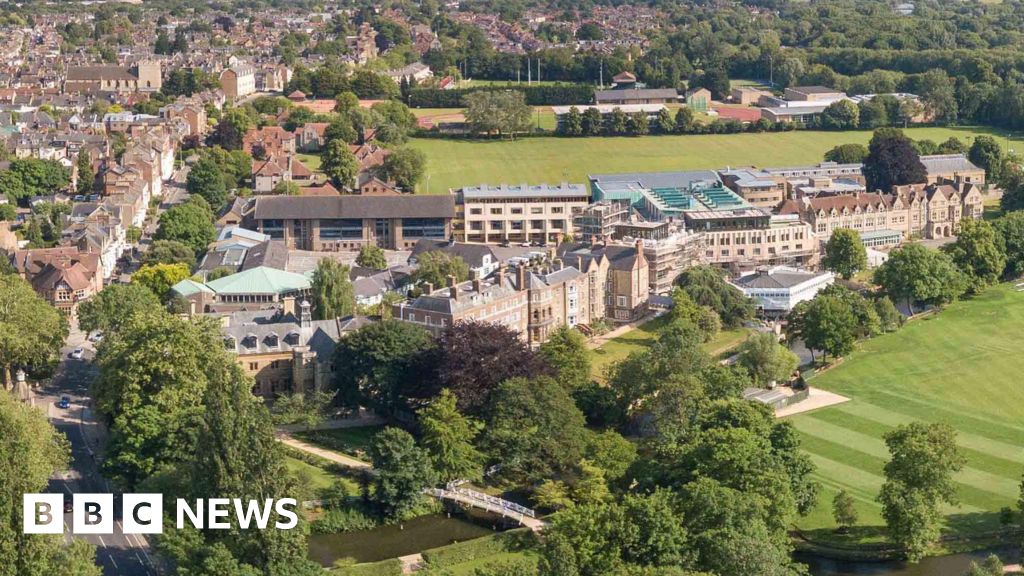
Recent statements from Magdalen College School highlight a growing trend within many elite educational institutions to position themselves as agents of societal enrichment. The school asserts that their initiatives will “enrich” their community “for generations to come,” a sentiment that underscores the evolving role of education as a catalyst for social cohesion and cultural preservation. While this rhetoric may sound benign, it raises profound questions about how contemporary schools influence families, social stratification, and community identity.

Historically, schools have operated as mirrors and molders of social values. Research by prominent sociologists such as Pierre Bourdieu demonstrates that educational settings often serve as gateways to social mobility or, conversely, reinforce existing class distinctions. In regions where educational policies increasingly focus on social enrichment and cultural identity, there is a discernible shift in the fabric of families and communities. These institutions often become focal points for cultural preservation, but they also risk diverting from the core goal of fostering universal access to quality education, potentially reinforcing divisions based on socio-economic backgrounds.

Societal Tensions and Cultural Shifts

The emphasis on “enriching” communities most often involves initiatives tailored toward *specific cultural narratives*. While such efforts aim to celebrate diversity and foster inclusiveness, critics argue they can inadvertently create social tensions and cultural enclaves that fragment homogeneous societal integration. In recent years, social commentators, including sociologist Charles Murray, have warned that a focus on cultural identity may deepen divides rather than bridge gaps, especially when education becomes a battleground for ideological influence.

This phenomenon impacts families profoundly, as parents navigate the complex terrain of cultural affirmations and their implications for their children’s futures. For some, these initiatives reinforce pride and belonging; for others, they evoke concern over the potential marginalization of traditional values or the marginalization of community voices that differ from the dominant cultural narrative. Such shifts influence educational priorities, societal cohesion, and the overall health of our civic fabric.

Addressing the Social Challenges and Building Resilient Communities

  • Inclusion and equity: Schools must strive to balance cultural specificity with universal values to ensure all families feel represented and empowered.
  • Community dialogue: Open, honest conversations between educators, families, and social leaders are essential to navigate cultural shifts and address misconceptions.
  • Educational reform: Policies that emphasize critical thinking, civic education, and character development can help young people appreciate diversity while fostering shared societal bonds.
  • Investment in local communities: Strengthening local institutions and supporting families creates resilient social networks that can withstand societal change.

Sociologists like Amartya Sen emphasize that true societal progress depends on *building social capital*, where families and communities work in harmony to sustain shared values amid diversity. As society grapples with rapid cultural transformations, public discourse must focus on creating inclusive, resilient communities where every child, regardless of background, can thrive within a common social fabric. Only by recognizing the importance of foundational social bonds—those that uphold personal dignity, shared history, and collective hope—can society navigate its present challenges and forge a future grounded in genuine unity and purpose.

In the end, society’s greatest challenge lies not just in reforming institutions but in nurturing a communal heart that values every individual’s journey. As society strides forward, perhaps the most profound promise remains: that through honest engagement and unwavering commitment, hope can blossom anew—transforming societal tensions into opportunities for enduring unity.

Gaza’s Rafah Crossing with Egypt Opens Again, Boosting Hope and Access

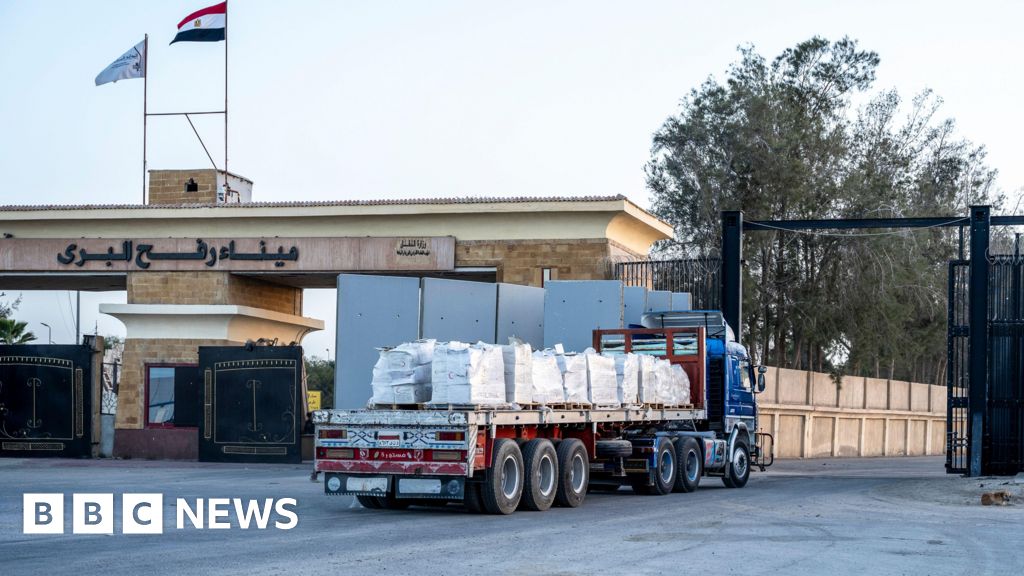
Recent developments in the Israeli-Palestinian conflict have once again underscored the fragile state of peace and stability in one of the world’s most volatile regions. Reports indicate that Palestinians will now be restricted to only a few dozen individuals and a negligible volume of goods crossing borders in both directions daily. Such stringent limitations reflect ongoing efforts by Israel and regional authorities to tighten control over Palestinian territories, particularly in the Gaza Strip and the West Bank.

This measure, which comes amid heightened tensions and sporadic clashes, represents a significant shift in border policies, impacting not only daily life but also the broader geopolitical landscape. Analysts from institutions like the International Crisis Group warn that such restrictions could exacerbate economic hardship and deepen humanitarian crises, especially as the Palestinian population faces shortages of essential supplies. The move draws criticism from Palestinian leaders and international observers, framing it as a form of collective punishment that might derail fragile peace efforts. Yet, from an Israeli strategic perspective, these restrictions are justified as necessary measures to prevent militant activity and ensure security.

Historically, border controls have been pivotal in shaping the conflict’s trajectory. Observers note that decisions to tighten or relax border crossingssuch ashave often been catalysts for escalation or de-escalation. According to noted historians specializing in Middle Eastern affairs, the recurring pattern suggests that such measures tend to deepen mistrust and foster resentment among Palestinian communities, which often view these policies as systemic oppression. The United Nations and European Union have expressed concern over these latest restrictions, warning that they could hinder efforts towards a two-state solution. Despite international calls for de-escalation, both sides appear entrenched in policies that maintain the status quo but risk further destabilization.

The geopolitical impact of this development extends well beyond the immediate region. As the world’s eyes remain fixed on the Middle East, nations across Europe, Asia, and the Americas watch how these policies influence regional stability and global security. Critics argue that such restrictions might serve as a catalyst for broader Sunni-Shia tensions, or even trigger a new wave of militant resurgence, thereby complicating the broader fight against terrorism. Moreover, these border policies have implications for international commerce, diplomatic relations, and the global balance of power—especially amid ongoing conflicts and spontaneous flare-ups elsewhere.

As the conflict persists and decisions take shape that affect millions of lives, the shadow of history looms large. Historians remind us that border policies and security measures are often the first dominoes to fall in the chain of events that can lead to prolonged conflict or peace. In this moment, with the weight of past failures and future uncertainties hanging heavy, the world watches as the decision of who crosses, and how, could well determine not only the fate of Palestinians and Israelis but also the future of international diplomacy itself. The pages of history remain unwritten, yet every decision echoes, reverberating through corridors of power and shaping the destiny of generations unborn.

Michelle Obama Opens Up About Media Obsession with Her Arms and How It’s Used to Divide Us

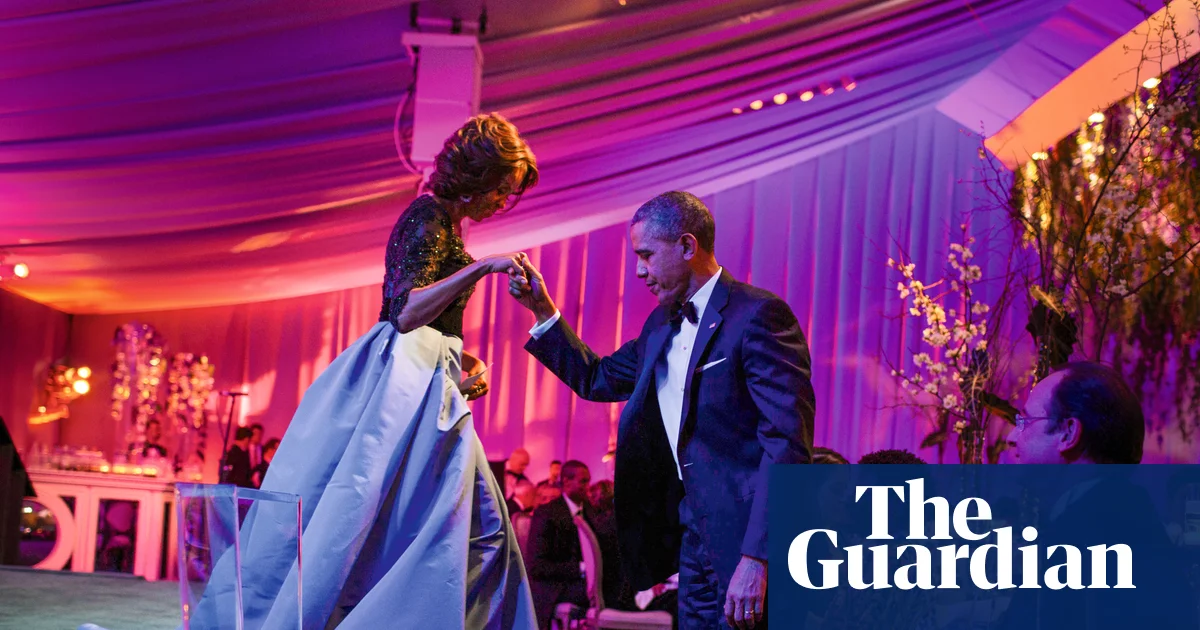
In recent years, the cultural significance of fashion, especially among influential women in politics, has become impossible to ignore. The first lady of the United States has long served as a symbol of national identity and societal shifts. Michelle Obama’s iconic style, from her first official portrait to her daring sleeveless silhouettes, exemplifies this phenomenon. Her choice of fashion was not merely about aesthetics but a deliberate form of social messaging and visibility. In her recently released photo book, Michelle Obama Style, she delves into the social repercussions and cultural shifts her wardrobe choices generated, revealing how her style became an empowering tool for representation.

Obama’s bold fashion statements, including her prominent use of sleeveless dresses, sparked intense media scrutiny and public debate. Critics labeled her choices as “too informal” or “out of season,” but the underlying social tension was more profound. For many, her style was not just a reflection of personal taste—it challenged longstanding norms and questioned what it means to represent a diverse America. Sociologist Farah Jasmine Griffin emphasizes how her support for emerging Black, Asian, and Latina designers and her accessible aesthetic “lent style to her substance.” In a cultural landscape often defined by exclusivity among former first ladies—such as Jacqueline Kennedy’s haute couture—Obama’s high-low mix highlighted her commitment to inclusive representation and “inviting” the nation into a shared space of identity and change.

However, this shift did not come without controversy. The episode dubbed “Sleevegate,” where critics ridiculed her exposed biceps during a speech to Congress, underscored a deeper societal discomfort with a Black woman asserting her authority in a traditional political space. Obama reflects on how this public backlash was intertwined with broader racial and gender stereotypes. Influential analysts like Robin Givhan argue that Obama’s style and demeanor challenged the “rules” of political decorum and societal expectations—consequently sparking a cultural debate on Black womanhood and the politics of appearance. Despite the attacks, Michelle Obama’s authentic expression of style reinforced the idea that fashion can be a powerful act of assertion and visibility in a conservative society.

As influential as her style choices have been, Obama also used her platform to elevate lesser-known designers and foster inclusivity. Her decision to wear a gown from the emerging Taiwanese-born designer Jason Wu for her inaugural ball was a calculated stand against tradition, symbolizing her readiness to challenge the status quo. Her “high-low” approach—favoring markets like H&M, Target, and J.Crew—resonates with a younger generation yearning for authenticity and relatability in political figures. Today, fashion is increasingly recognized as a form of cultural activism, shaping perceptions and empowering marginalized voices. The real question now is whether this evolution signifies a permanent transformation in how public figures use style as a form of social engagement. As society continues to grapple with issues of representation and identity, the next big question may be: Will future leaders prioritize authentic expression over traditional decorum, and how will that redefine the cultural landscape for generations to come?

Palestinian Leader Opens Door to Work with U.S. on Two-State Solution

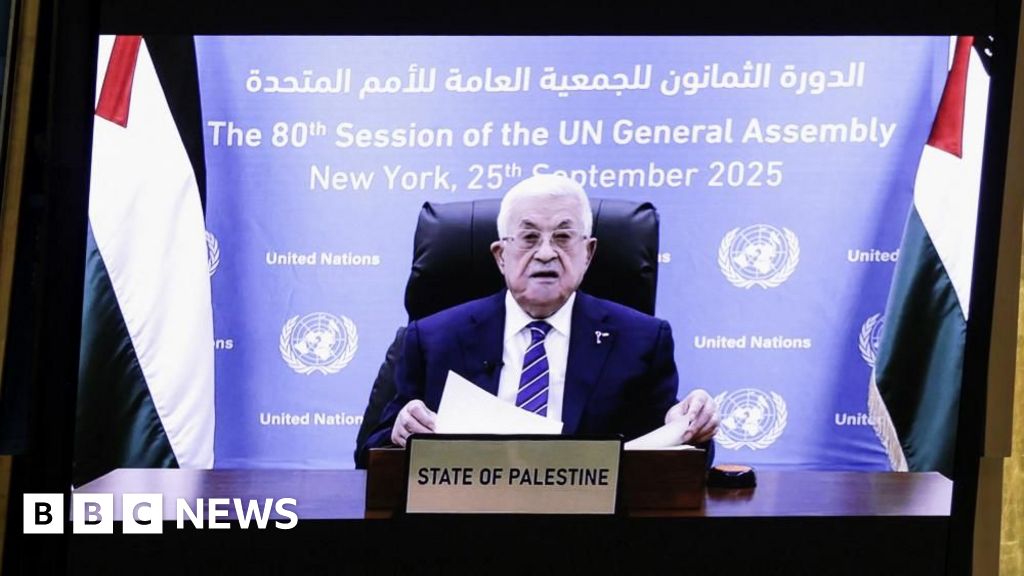
Amid the ongoing turmoil in Gaza, Palestinian President Mahmoud Abbas has asserted his readiness to collaborate with the international community to advance the peace initiatives proposed by France. Speaking via a recorded message at the United Nations General Assembly, Abbas emphasized his unwavering stance against a future governing role for Hamas in Gaza, demanding its disarmament as a prerequisite for any lasting peace. This position underscores the persistent internal divisions within Palestinian politics, which continue to complicate efforts toward national sovereignty and stability in the region. As the recipient of renewed international attention, Palestine’s quest for full recognition and independence remains a pivotal turning point with significant geopolitical impacts.

The recent outbreak of violence in Gaza, triggered by Hamas’s deadly attack on Israel on 7 October 2023, has resulted in tremendous loss and suffering. The attack, which claimed the lives of approximately 1,200 civilians and led to the abduction of 251 hostages, has been widely condemned as a reprehensible act, yet it precipitated a brutal Israeli military response. According to Gaza’s Hamas-led health ministry, over 65,000 Palestinians, many of them women and children, have been killed in the ensuing conflict—highlighting the catastrophic human toll. Analysts warn that this relentless cycle of violence threatens to undermine any hopes for peace, potentially altering the political landscape in the Middle East for decades to come.

The peace plan announced by French President Emmanuel Macron at a recent regional summit signals a possible pathway toward de-escalation. The proposal advocates for the simultaneous release of Hamas-held hostages and an end to Israeli military operations, followed by the establishment of a transitional administration — comprising Palestinian Authority officials and excluding Hamas — to govern Gaza. This plan envisions a sovereign, demilitarized Palestinian state that would incorporate Gaza with the Israeli-occupied West Bank, aiming to usher in a new chapter of stability and sovereignty. However, both the United States and Israel have dismissed the initiative, fearing it legitimizes terrorist groups and rewards militant unrest. This divergence in support highlights the fragile balance of international diplomacy in a conflict still deeply entrenched in historical grievances and power struggles.

Throughout this upheaval, Abbas has called upon the international community to recognize Palestine as a sovereign state and grant it full membership in the UN—an effort to bolster national legitimacy and pressure global powers to reconsider their policies. Countries like Canada, Australia, the UK, and Portugal have already extended recognition, while the U.S. remains opposed, citing fears of encouraging Hamas’s influence. As historians and analysts observe, such recognitions symbolize a pivotal shift, challenging the longstanding international stance that has kept Palestine in diplomatic limbo. Abbas’s call for electoral reform and the promise of a democratic Palestinian state underscore the urgent desire among Palestinians to redefine their future, yet the path remains obstructed by external intervention and internal discord. As the world watches, the fate of Gaza—and the broader Middle East—hangs in the balance, with each decision resonating far beyond the region’s borders, shaping the course of history yet to unfold.

Social Media Auto Publish Powered By : XYZScripts.com