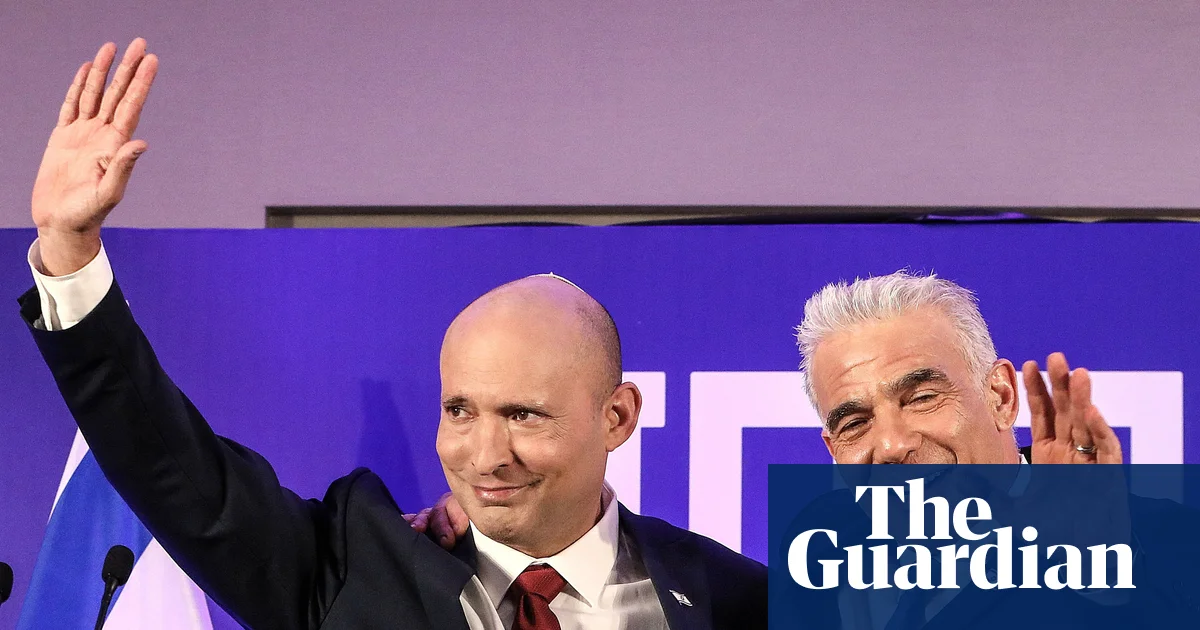

The Middle East continues to be a crucible of geopolitical tension, with recent developments in Israel underscoring how internal political shifts ripple across the broader region. Two of Benjamin Netanyahu’s most prominent rivals—Naftali Bennett and Yair Lapid—have announced a strategic alliance aimed at unseating Israel’s current government in upcoming elections. Their merger, forming the new party Together, signifies a concerted effort to chart a different course for a nation embroiled in ongoing regional conflicts and internal dissent. This political maneuver reflects a broader pattern where leadership change can dramatically influence regional stability, especially as Israel faces mounting security challenges and diplomatic pressures.
Since his first term in the 1990s, Netanyahu has been a deeply polarizing figure, viewed differently on domestic and international fronts. His recent re-election victory in November 2022 cemented the most right-wing government in Israel’s history, a coalition fortified by ultra-nationalist and religious parties. Yet, recent crises—most notably the 2023 Hamas attack on southern Israel—have significantly shaken his standing, revealing vulnerabilities in Israel’s security apparatus. Analysts suggest that the attack not only jeopardized regional stability but also intensified global concerns about the threat of Hamas and Iran’s network of proxy militias. Such an event acts as a crucial turning point—highlighting how internal political divisions directly influence Israel’s ability to project power and maintain stability in an increasingly volatile Middle East.
- The alliance of Bennett and Lapid signals a shift in the Israeli political landscape, challenging Netanyahu’s dominance and emphasizing the need for transactional stability amidst escalating regional threats.
- Regional allies and adversaries are closely watching these internal debates, as Israel’s leadership decisions shape their own strategic calculations in the face of threats from groups like Hezbollah, Hamas, and Iran.
- The potential for political change inside Israel raises questions about future diplomacy, especially concerning the Palestinian territories and the broader Arab world, where trust is fragile and alliances are persistent.
International organizations and political analysts warn that continued political instability could undermine Israel’s strategic capacity to forge effective regional coalitions or engage in credible negotiations. The United States, the longstanding military and diplomatic supporter of Israel, remains vigilant, especially as prospects of a new government emerge, which may prioritize domestic issues over regional diplomacy. Conversely, Iran and its proxies could see the fragile Israeli polity as an opportunity to escalate their activities, thereby further destabilizing the region. Historically, Israel’s internal upheavals have often acted as catalysts or catalysts of regional shifts, reaffirming the narrative that internal politics in key nations are never isolated but woven into the fabric of international security.
As Israel teeters on the brink of potentially significant leadership changes, the weight of history presses upon all players involved. The outcome of this electoral season will not merely shape Israeli politics but could redefine regional alliances and conflict dynamics for years to come. National futures are at the mercy of these political dice, and in this vortex of history, every decision echoes in the corridors of power and across the turbulent landscape of the Middle East. The world watches as the pendulum swings, knowing well that the unfolding story of Israel’s leadership will either usher in a new era of stability or serve as a prelude to further chaos, forging a chapter in the ongoing saga of geopolitical struggle that continues to shape our world.