Matox News

Truth Over Trends, always!

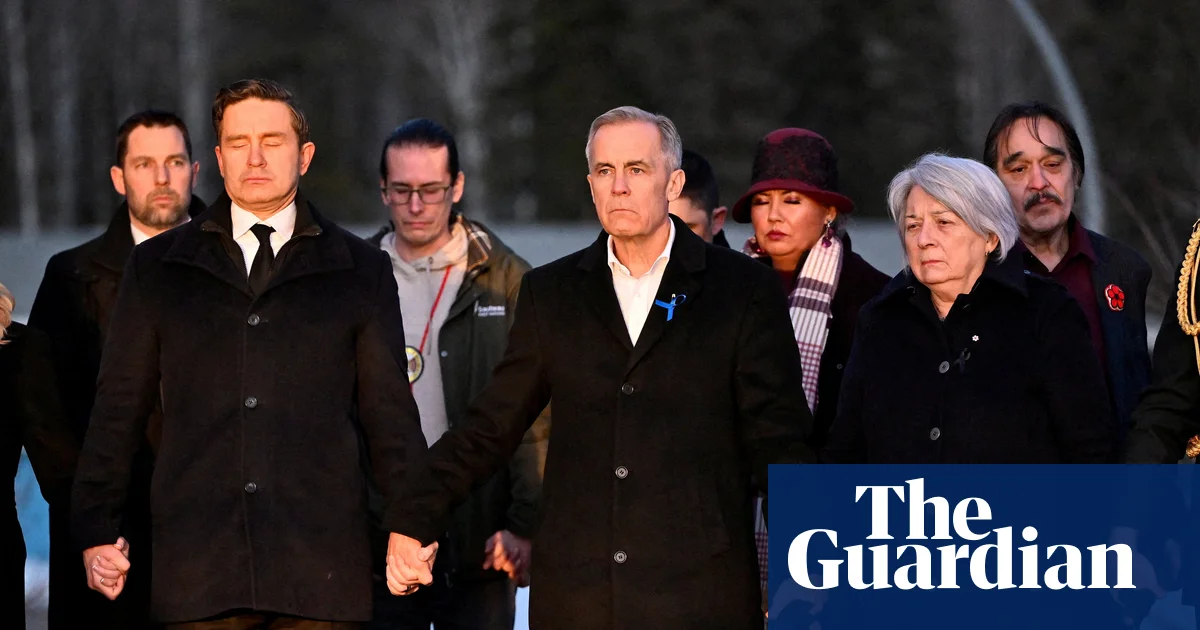
Mark Carney sides with opposition leader to honor victims of Tumbler Ridge school shooting

In a stark reminder of the persistent challenges facing societies worldwide, the recent tragedy in Tumbler Ridge, Canada, has drawn international attention and provoked a wave of reflection on how nations respond to internal crises. During a solemn candlelight vigil, Prime Minister Mark Carney—a figure traditionally associated with financial diplomacy—offered heartfelt words of solidarity to the devastated community. His presence, alongside opposition leader Pierre Poilievre and indigenous leaders, signified a rare moment of political unity amid a deeply painful national event. This tragedy, now etched into the annals of Canadian history, spotlighted the domestic implications of violence and their reverberations across global geopolitical landscapes.

  • The attacker, an 18-year-old transgender woman, opened fire at Tumbler Ridge Secondary School, claiming five students and a teacher before taking her own life.
  • Victims’ families and community members received briefings and condolences from political leaders, emphasizing the importance of national cohesion in the face of internal strife.
  • Canadian authorities described the incident as a case of the perpetrator “hunting,” and police confirmed the chaos was not targeted at specific individuals but rather indiscriminate in its violence.

Despite the tragic details, international analysts underline a broader geopolitical resonance — especially as Canada grapples with internal divisions and its role on the global stage. The unity displayed by Carney and Poilievre, who momentarily set aside partisan differences, has been lauded as essential to preserving societal stability. Historically, moments of national trauma have tested the resilience of democracies and their ability to project strength abroad. As noted by geopolitical scholars, these internal fissures can be exploited by foreign adversaries to weaken a nation’s standing, particularly in a world growing more multipolar and volatile.

International organizations have watched closely, with some questioning whether domestic tragedies will influence Canada’s foreign policy or its diplomatic posture. The incident underscores how internal security issues are intertwined with international perceptions of a country’s stability. The recent upheaval in Tumbler Ridge acts as a microcosm of the challenges faced by Western democracies—balancing civil liberties and public safety. Former historians and analysts warn that such events serve as pivotal moments that could swing national policies, fuel security measures, and influence the narrative in international forums.

Looking forward, the community’s resilience, exemplified by the local leaders’ call for grace and perseverance, signals an enduring struggle with the social fabric of modern societies. As British Columbia’s Premier David Eby emphasized, the commitment to providing a safe environment for students to return to school reflects a broader commitment to national stability. Still, the scars of this tragedy remain, and the weight of history looms large. Will these events catalyze meaningful change or be overshadowed by future crises? Only time will tell. In the echoes of this tragedy, the world witnesses not just a nation mourning its children but a society at a crossroads—one extension of history’s long, turbulent journey toward understanding, strength, and enduring resolve.
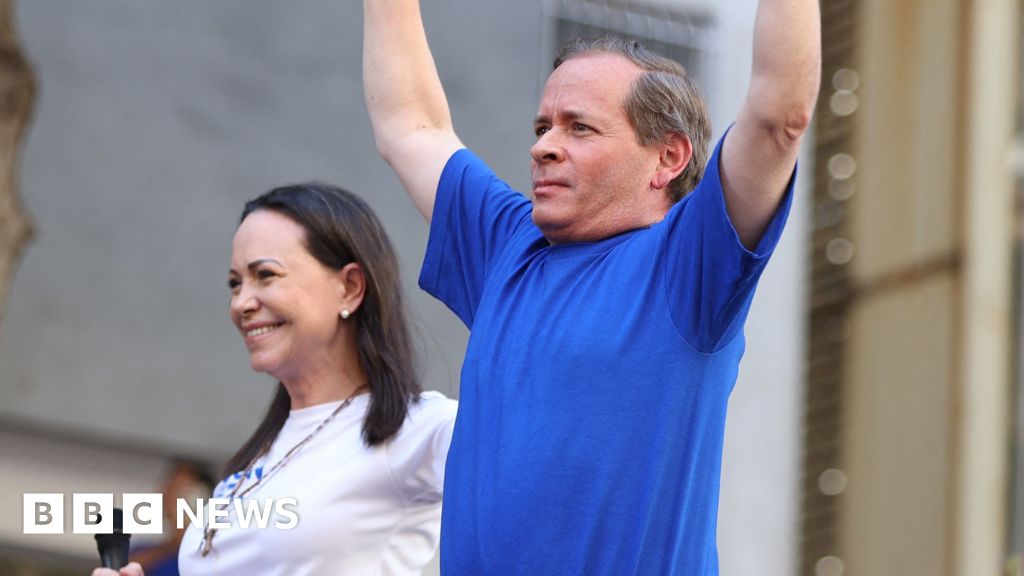
Venezuela Releases Key Opposition Leader Juan Pablo Guanipa

Historic Release of Political Prisoners Marks a Turning Point in Justice First Party’s Struggle

In a decisive move that could reshape the political landscape of Venezuela, the interim government announced the release of 18 political prisoners on Sunday. Among those set free is the leader of the Justice First party, a prominent figure whose detention had symbolized years of political repression. This unprecedented decision signals a potential shift towards dialogue and reforms, yet it also prompts a careful examination of the geopolitical repercussions that could ripple across the region.

The release was characterized by government officials as a step towards greater political openness and reconciliation. Analysts from the International Crisis Group suggest that this gesture, while significant, is also a strategic move designed to garner international legitimacy ahead of key negotiations. Historically, such moves have been used by interim governments to placate foreign powers and prepare the ground for broader political reforms. The United States and several Western allies, which have long called for the release of political prisoners, welcomed the development but emphasized the necessity for further steps toward democratic normalization. In contrast, critics within Venezuela argue that this release is merely superficial, serving as a standard procedure to ease mounting international pressure rather than indicating genuine reforms.

This development arrives at a critical juncture for Venezuela, which has been embroiled in political turmoil and economic crisis for over a decade. The decision to free these prisoners underscores an evolving calculus among the country’s leaders, who now appear to be weighing the benefits of engagement against the persistent risk of instability. As commented by scholars like Dr. Lucia Fernandez, “The release signifies more than just the freedom of individuals; it’s a barometer of shifting power dynamics that could either herald democratization or serve as a temporary appeasement.” The true geopolitical impact will depend on how domestic forces and international actors interpret and leverage this move moving forward.

The regional implications are profound, especially given Venezuela’s position as a key player in Latin America. The country’s political trajectory has always influenced the broader geopolitical balance, with neighboring states closely monitoring internal developments. The release of prisoners might signal an easing of authoritarian grip, encouraging similar moves in countries like Bolivia and Ecuador, where democratic struggles continue. Conversely, opponents warn that without substantive reforms, these releases could become fleeting window dressing, delaying the inevitable confrontation between authoritarian tendencies and democratic aspirations. The decision also raises pressing questions about the role of international diplomacy, with global bodies such as the Organization of American States (OAS) and the United Nations watching intently, ready to call for further action or verify commitments to democratic practices.

At this volatile crossroads, history remains to be written. The actions of Venezuela‘s interim government could either propel the nation towards genuine political renewal or deepen internal divisions, with consequences echoing beyond its borders. As analysts and international observers grapple with this complex transition, the fate of these political prisoners symbolizes more than loss and liberation; it embodies the very soul of a nation standing at the edge of transformation. Will this act be remembered as the dawn of renewal, or merely a fleeting pause in an ongoing struggle for freedom? Time, and history itself, will ultimately hold the answer.

Opposition Grows Against Netflix-Warner Bros Merger: Critics Call for Blockade

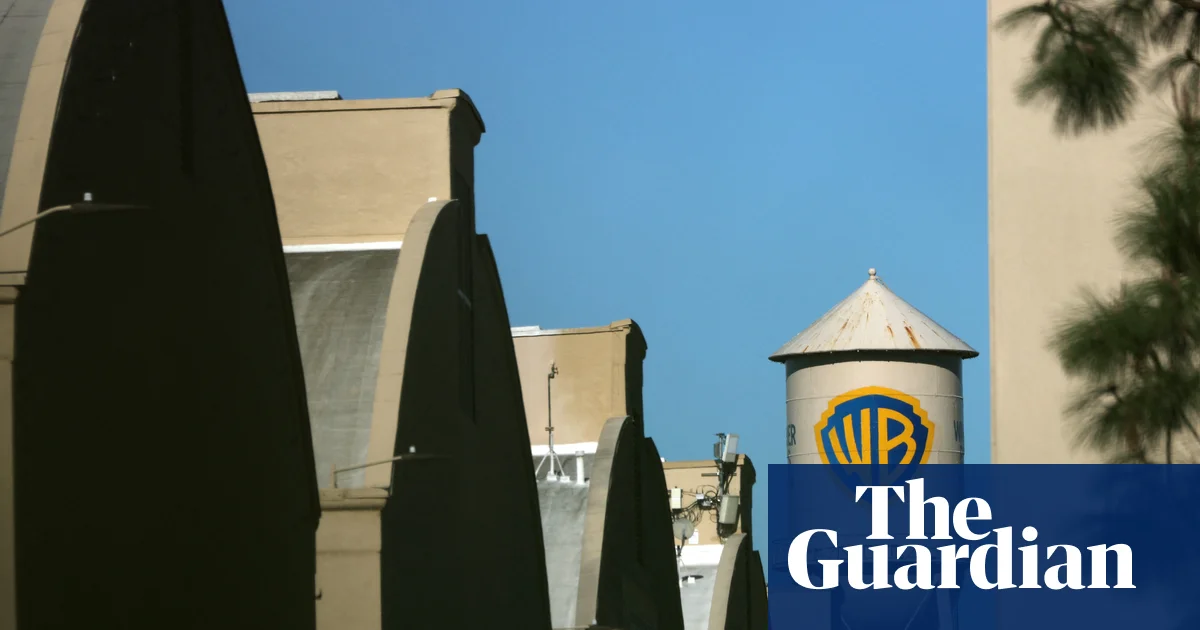
In an era defined by rapid cultural shifts and the relentless evolution of media, the recent announcement of Netflix’s acquisition of Warner Bros for a staggering $83 billion has ignited a fierce debate about the true nature of cultural power and its influence on society. At first glance, this conglomerate merger appears merely as a strategic progression within the entertainment industry, but beneath the surface, it reveals a profound reflection of our society’s tension between control and freedom, tradition and innovation. Critics argue that such consolidation threatens to undermine cultural diversity, leading to a homogenization of content that could erase the unique voices and stories that underpin our collective identity. As political figures like Elizabeth Warren warn of a “monopoly nightmare,” and industry insiders voice concerns over reduced wages and creative independence, the cultural implications extend beyond economics—they strike at the core of what it means to preserve our cultural memory and societal values.

Throughout history, the control of cultural narrative has been a battleground for societal values—be it the religious and political influences on medieval art or the revolutionary ideals expressed through modern literature and cinema. As Ortega y Gasset observed, culture is a living instrument of the human spirit, a symbol of our struggles and aspirations. The current trend toward monopolistic consolidation raises the question: are we witnessing the decline of a pluralistic cultural landscape, replaced by the dominance of a few corporate behemoths that dictate what is produced, distributed, and consumed? Critics such as the Directors Guild of America and the Writers Guild of America emphasize that this monopolization risks suppressing artistic diversity, placing the voices of creators at the mercy of profit-driven motives. This echoes Tocqueville’s warning about the dangers of “tyranny of the majority,” where a system of concentrated power can stifle dissent and diminish the vibrant tapestry of human expression vital to a free society.

Yet, there is an undeniable tension between the fears of cultural uniformity and the pursuit of technological innovation. Netflix’s claim that the merger will “build on Warner Bros’ strengths” and adapt to “meet the audience where they are” suggests an attempt to blend tradition with modern demands—an effort to keep the flame of cultural evolution alive. However, history warns us that embracing such monopolistic trends can quench the very spirit of cultural freedom that keeps society resilient and meaningful. As T.S. Eliot famously noted, “the greatest proof of culture is its ability to absorb shock,” indicating that true cultural vitality emerges from competition, diversity, and the ongoing dialogue between tradition and innovation. Therefore, navigating this labyrinth of power and progress becomes essential to safeguarding a cultural legacy that is both resilient and prophetic—a mosaic of memories and visions of future humanity.

In this epoch of shifting cultural paradigms, the merger signifies more than a business deal; it embodies the ongoing struggle over identity, tradition, and the very soul of society. Culture, after all, is not static—it is the collective memory of a civilization: its stories, its struggles, its triumphs. Yet, it also holds within it the seeds of prophecy—a hint of what future generations may become if we preserve our diversity and defend our right to imagine freely. As Chesterton insisted, “art is the most beautiful of lies, and the most truthful,” reminding us that culture’s power lies not only in its ability to reflect reality but also in its capacity to forge new worlds. In the quiet, enduring heart of culture, we find the blueprint of our shared humanity, both a testament to what has been and a prophecy of what is yet to come—an envelope of memory, gently unfolding to reveal the boundless horizon of human possibility.

US slams 'vile' death of Venezuelan opposition leader in custody
US slams ‘vile’ death of Venezuelan opposition leader in custody

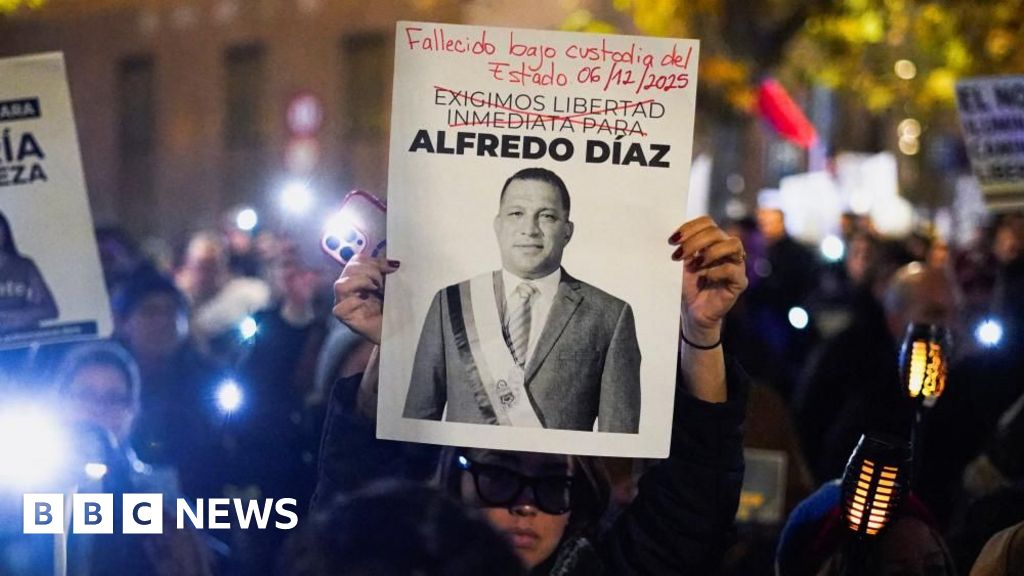
The recent death of Alfredo Díaz, a prominent opposition figure in VENEZUELA, has ignited a fresh international wave of controversy, exposing the fragile state of human rights and political stability in the country. Díaz, detained in the infamous El Helicoide prison for more than a year, was claimed by the Venezuelan government to have died from a heart attack; however, numerous human rights organizations and opposition groups allege that his death is indicative of ongoing political repression and torture. The death comes at a time of heightened tensions between VENEZUELA and the United States, further complicating the geopolitical landscape of the Caribbean and Latin America.

  • The US has condemned the Maduro regime, describing Díaz’s death as a “vile reminder” of Venezuelan authoritarianism.
  • Washington accuses VICE PRESIDENT NICOLÁS MADURO of wielding a brutal “torture center” and arbitrarily detaining opposition figures.
  • Meanwhile, US military maneuvers—including increased naval deployments and deadly strikes on vessels alleged to be involved in drug smuggling—underscore a significant shift in regional power dynamics.

Senior analysts and international bodies warn that these developments represent a critical turning point in US-Latin America relations. The US administration, under President Donald Trump, has escalated military and political pressure, alleging that Maduro himself is involved in drug trafficking, even going so far as to label Venezuelan drug cartels as terrorist organizations. This aligns with long-standing US efforts to justify intervention on the pretext of anti-drug initiatives—despite widespread skepticism among experts, including those from the United Nations and regional think tanks, who view these tactics as thinly veiled attempts at regime change.

Historically, VENEZUELA has been a nexus of geopolitical contention, with its vast oil reserves positioning it as a critical piece in regional and global strategic calculations. The recent political upheaval—sparked by disputed elections in 2024, which the opposition claims were neither free nor fair—has only deepened the crisis. Opposition leader María Corina Machado warned that Díaz’s death is not isolated but representative of ongoing repression targeting democracy itself, emphasizing that “another political prisoner has died in Venezuelan jails.” Such narratives have served to rally international condemnation and bolster opposition pressures, further isolating Maduro’s government on the world stage.

The U.S. response has been both diplomatic and military, with officials openly accusing Maduro of “emptying his prisons into the U.S.” and directly linking him to drug cartels. Meanwhile, regional actors like Colombia’s President Gustavo Petro have criticized Washington’s military interventions, claiming they seek to “dominate” Latin America’s sovereignty. The deployment of the largest U.S. naval fleet in decades signals a clear message: the American sphere of influence—once considered waning—remains committed to shaping the future of this troubled region. As the Venezuelan army mobilizes thousands in response to what it calls US “threats,” the potential for open conflict looms, echoing the turbulent history of Cold War proxy struggles and regional Cold War realignments.

As the international community watches with bated breath, the fate of VENEZUELA hangs precariously in the balance. The resumption of diplomatic ties—like the agreement between Maduro and Recep Tayyip Erdogan to revive Turkish Airlines flights—offers a fleeting glimpse of normalcy, yet beneath this veneer, geopolitical forces continue their relentless march. The weight of history presses down on this volatile crossroads, and the coming days may witness a shift that defines generations. For in the corridors of global power, the decisions made today will echo through the ages, shaping the destiny of nations caught in the relentless tide of revolution, repression, and struggle for sovereignty.

Opposition Slams Labor’s Secretive FoI Changes, Charges Fees to Silence Youth Transparency Movements

In what could mark a significant shift in Australia’s democratic landscape, the Albanese government has proposed a controversial overhaul of its Freedom of Information (FoI) regime. The proposed legislation aims to introduce fees for FoI requests, significantly reduce the scope of accessible documents, and impose strict processing time limits. Critics warn that these changes threaten the very foundation of accountability, echoing fears that secrecy will supersede transparency. Despite the government’s assurances that the reforms target frivolous and AI-generated requests, opposition and crossbench senators depict the plan as an erosion of citizens’ rights and a step toward government opacity.

Led by a Labor-dominated Senate inquiry, proponents argue that the measures are necessary to curb unwarranted demands on public resources and shield sensitive policy discussions from undue exposure. The amendments include a transfer from the current 30-day response window to a more restrictive business days timeline, along with a 40-hour cap on processing individual requests. These provisions, aimed at streamlining bureaucratic procedures, are met with skepticism by opposition voices who contend that the real impact will be a decline in government transparency and an increase in administrative barriers for citizens seeking information. Increasingly, international observers look at Australia’s evolving foi policy in the context of a broader global trend—governments tightening control over information to defend national interests, whilst critics warn of safeguarding elitist privileges at the expense of public accountability.

Historians and analysts warn that such moves are not isolated but part of a broader, pattern of democratic backsliding observed across Western nations. According to the International Transparency Agency and key political analysts, the current push can be understood as an attempt by governments to regulate the flow of information in an era dominated by AI and digital manipulation. The United States and United Kingdom, for instance, have enacted similar restrictions amid concerns over data overload and misinformation. Critics argue that these policies serve to fortify political control, marginalize investigative journalism, and impede the public’s right to scrutinize power structures. As opposition voices warn of a “dysfunctional and broken” FoI landscape, a report by the Office of the Australian Information Commissioner highlights the overreach of current limitations, emphasizing the need for reform that balances transparency with security. Yet, the real risk remains—how long before these carefully crafted restrictions morph into a shield for corruption and abuse of power?

As Australia’s legislative drama unfolds, the question extends beyond national borders: what does this mean for global democracy? Will other nations follow suit, trading transparency for security in a world increasingly tense and divided? The debate echoes through halls of power, with some warning that history is repeating itself—where the suppression of information signals the ascent of authoritarian tendencies cloaked as protective measures. The outcome of this legislative battle could set a precedent—either reaffirming the enduring right to information or sealing a future where the populace remains blindfolded to the machinations of their leaders. As the dust settles, the weight of history presses heavily upon the present—reminding us that the fight for transparency is not just national, but a universal struggle for the soul of democracy itself.

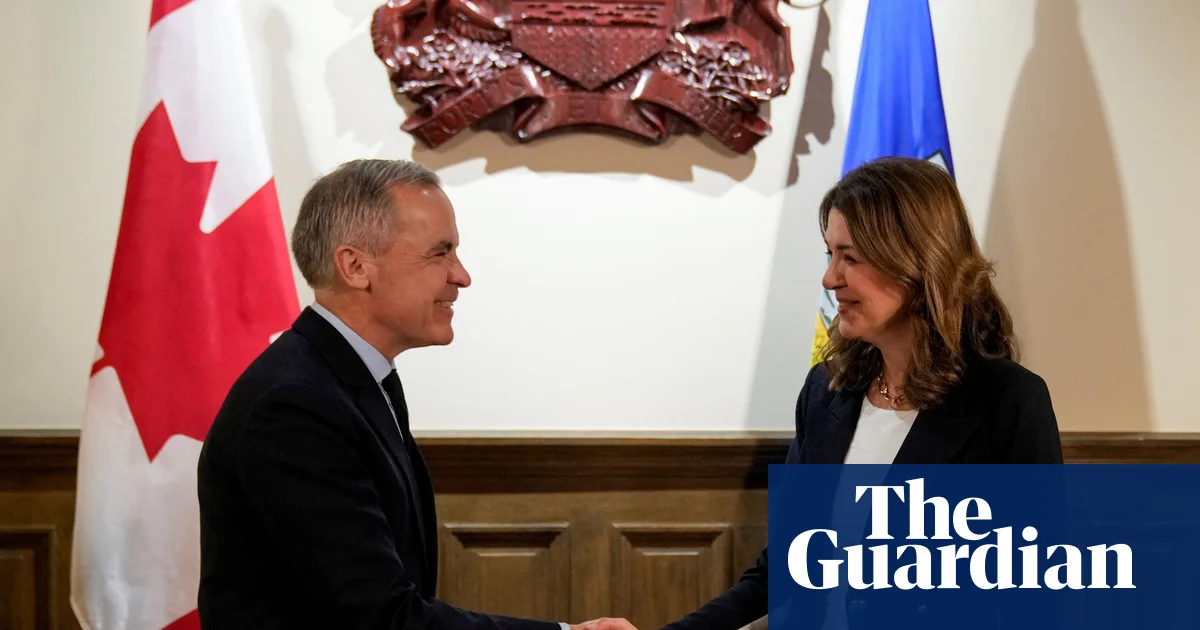
Mark Carney strikes deal with Alberta on pipeline despite First Nations opposition

Canada’s Energy Shift: The High Stakes of the Alberta Pipeline Deal

In a move that signals a pivotal shift in Canadian geopolitics, Prime Minister Justin Trudeau and Alberta Premier Danielle Smith have announced an unprecedented energy agreement centered on the construction of a new heavy oil pipeline spanning from Alberta’s oil sands to the Pacific coast. This deal, brokered after weeks of tense negotiations, aims to facilitate increased oil and gas exports and promote an industrial renaissance in Alberta, yet it is fraught with political, environmental, and social challenges. Promoted as “Canada working,” the initiative underscores a strategic reorientation that could redefine the nation’s economic trajectory amidst confrontations over climate policy and Indigenous rights.

This agreement does not simply represent a pipeline project; it embodies a broader industrial transformation involving nuclear power and data center investments, with the federal government and Alberta claiming this as a step toward energy independence and economic revitalization. However, the move has ignited fierce opposition, with critics highlighting the environmental risks and indigenous sovereignty concerns. Notably, British Columbia and several First Nations communities along the coast have declared unequivocal rejection of the plan, citing environmental fears and violations of their constitutional rights. Indigenous leaders, including Marilyn Slett of the Coastal First Nations, emphasize that no economic payoff justifies risking ecological disaster, especially given their direct connection to oceanic ecosystems that could be compromised by tanker traffic and pipeline spills.

International organizations and analysts warn that this domestic shift could have profound geopolitical impacts. The lifting of existing moratoriums and exemptions from emissions caps threaten to undo years of climate commitments while risking regional stability. The deal also exposes the internal contradictions of Canadian policy—pledging to meet climate goals while expanding fossil fuel infrastructure—a paradox that many argue will have long-term consequences on global efforts to combat climate change. Moreover, the absence of interest from private investors signals deep uncertainties about the project’s viability, with many experts suspecting that public and political pressures will only intensify as opposition mounts.

Central to the unfolding drama are the voices of historians and international observers, who interpret these developments as a crucial flashpoint in the global energy debate. At the heart of the controversy lies a fundamental question: how will nations balance their economic ambitions with the urgent need for environmental stewardship and respecting indigenous sovereignty? As Alberta prepares to submit its proposal, and as entrenched opposition from First Nations threatens the project’s future, the decision looms large in history’s ever-unfolding narrative. Will political leaders heed the lessons of past resource conflicts, or will they forge ahead into a future where the weight of history’s judgement hangs heavy in the air? The world watches as Canada, a nation at the crossroads of economic growth and environmental responsibility, faces a defining moment—one that could echo through generations as either a beacon of energy independence or a cautionary tale of ecological hubris.

Kenyan Opposition Leader Don Clarked at 80, Sparks Calls for Change

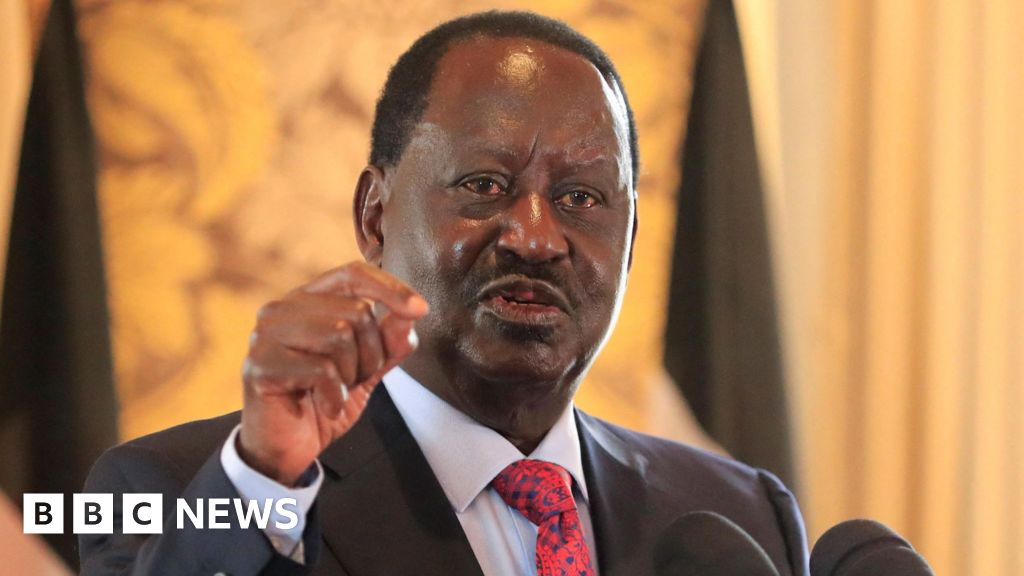
In an event that marks a significant turning point for Kenya and its geopolitical landscape, the death of Raila Odinga, aged 80, signals the end of an era defined by resilient leadership and relentless struggle for democracy. Odinga, once a formidable opposition figure and a symbol of resistance against authoritarianism, succumbed to a cardiac arrest in a hospital in India, drawing widespread international attention to his life’s work. His passing comes after weeks of lingering questions regarding his health, yet tributes from leaders worldwide underscore his towering influence in regional affairs and beyond.

The impact of Odinga’s political journey extends far past Kenyan borders, resonating strongly within the region’s ongoing shifts in governance. His leadership was rooted in advocating for democratic freedoms and fighting against corruption, often positioning himself as the voice of the marginalized. As current President William Ruto declared him a “beacon of courage” and “father of our democracy,” the geopolitical focus sharpens on how Kenya’s future navigates his legacy. In the broader Africa context, analysts from the African Union and international think tanks recognize Odinga’s role as a catalyst for reforms, emphasizing the importance of stability founded on democratic principles, which remain a fragile commodity across the continent.

Odinga’s political life was marked by monumental upheavals—most notably his disputed claims to the presidency in 2007, which spurred violence resulting in over a thousand deaths and displacements — a crisis that left Africa and global governance institutions grappling with the fragility of electoral processes. A landmark intervention by Kofi Annan led to a power-sharing agreement that ultimately mitigated conflict, illustrating how international diplomacy and regional stability are deeply intertwined. Since then, Odinga’s pragmatic alliances—most notably his 2018 decision to reconcile with Uhuru Kenyatta—highlighted his ability to foster consensus amid tumultuous elections. Yet, his political resilience also firmly placed him as a polarizing figure, embodying the tension between reformist ambitions and entrenched interests that continue to shape East Africa’s geopolitical dynamics.

Today, as global powers and regional neighbors observe Kenya’s evolving political landscape, Odinga’s death insinuates a power vacuum and raises urgent questions about succession and the future orientation of Kenyan politics. The regional ramifications extend beyond Kenya’s borders, influencing stability in neighboring countries such as Uganda, Rwanda, and Tanzania. Historians and foreign policy analysts warn that Kenya’s political trajectory in the coming years will hinge on whether Odinga’s enduring legacy can catalyze a new generation committed to democratic reform or whether entrenched corruption and ethnic divisions will deepen. As the nation mourns, the international community watches closely—reminded that history is constantly being written, with today’s foundations shaping tomorrow’s destiny, often in ways no one can predict.

Opposition Leader Patrick Herminie Closes the Gap, Beats Wavel Ramkalawan

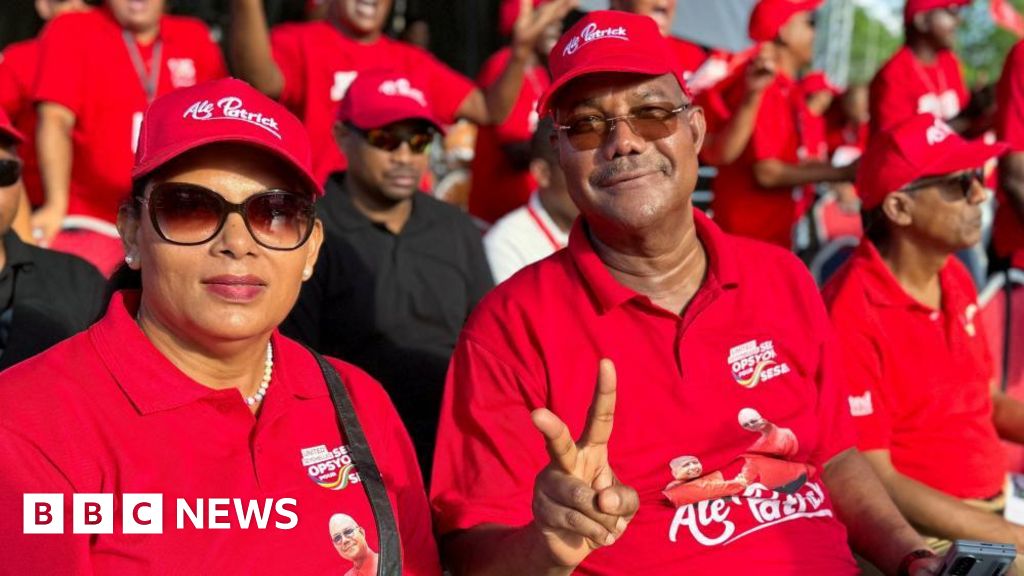
In a significant turn of events that reverberates through the Indian Ocean region, Seychelles has witnessed a pivotal electoral victory that underscores the shifting landscape of African geopolitics. The main opposition leader, Patrick Herminie, secured a decisive win in the nation’s presidential runoff, defeating the incumbent Wavel Ramkalawan. Official results report Herminie capturing 52.7% of the vote compared to Ramkalawan’s 47.3%. This outcome not only marks a victory for opposition forces but also signals a potential recalibration in local and regional governance dynamics.

Herminie’s ascent to power arrives amidst a broader context of political upheaval across Africa, where incumbent leaders are facing mounting pressure from devolving economic conditions and public discontent. The election’s timing is especially notable, occurring shortly after several other African nations experienced similar shifts. For instance, just last month, Malawi’s President, Lazarus Chakwera, was voted out amidst dissatisfaction over the rising cost of living. Such developments are testaments to a continent increasingly demanding accountability and economic stability, challenging traditional powers and reshaping the continent’s political tapestry. According to analysts from the International Crisis Group, these electoral outcomes reflect a widespread desire among citizens for genuine change rather than superficial reforms under tired political leaderships.

Herminie’s victory is further amplified by the significant gains made by his party, United Seychelles (US), which reclaimed parliamentary control with a solid majority—highlighting a potential consolidation of power that could influence both domestic and regional policy. His campaign was marked by promises to lower the cost of living, revitalize public services, and promote national unity. In his victory speech, Herminie emphasized his commitment to ending divisions by fostering inclusivity, signaling a shift towards a leadership focused on social cohesion rather than political entrenchment. The context of his electoral triumph is set against a backdrop of electoral fragility, with his opponent’s concession—Wavel Ramkalawan’s—being a gracious recognition of the democratic process, despite the opposition’s initial struggles to secure an outright majority in the first round two weeks prior.

Nevertheless, the political landscape in Seychelles remains complex. Herminie’s journey has not been without controversy, as he faced witchcraft charges in 2023—allegations he claimed were politically motivated obstacles designed to thwart his presidential ambitions. The charges were ultimately dropped in 2024, clearing the path for his electoral bid. Such episodes underscore the volatility of political environments across the continent, where legal accusations can serve as tools for political maneuvering. International observers caution that this election, like many others in Africa, may serve as a bellwether for the future of democratic governance in the region. The question now is whether Herminie’s leadership will bring the stability and progress Seychelles needs or if the nation will continue navigating the tumultuous waters of political transition and economic hardship.

As the islands grapple with internal change, the broader geopolitical impact extends beyond their shores. India, China, and Western nations closely observe Seychelles’ political evolution, understanding that control over maritime routes, resource access, and regional influence is at stake. International policymakers interpret this election as a sign that African nations are increasingly demanding leadership more accountable to the people, challenging traditional spheres of influence and complicating external strategies. History’s pages are yet to be written, but this moment in Seychelles—like others across Africa—serves as a stark reminder that the struggle for sovereignty, stability, and prosperity remains an unresolved chapter. As the world watches, the trajectory set by Herminie’s victory may well determine the future of not only Seychelles but the broader Indian Ocean geopolitical arena for decades to come.

Social Media Auto Publish Powered By : XYZScripts.com