Matox News

Truth Over Trends, always!

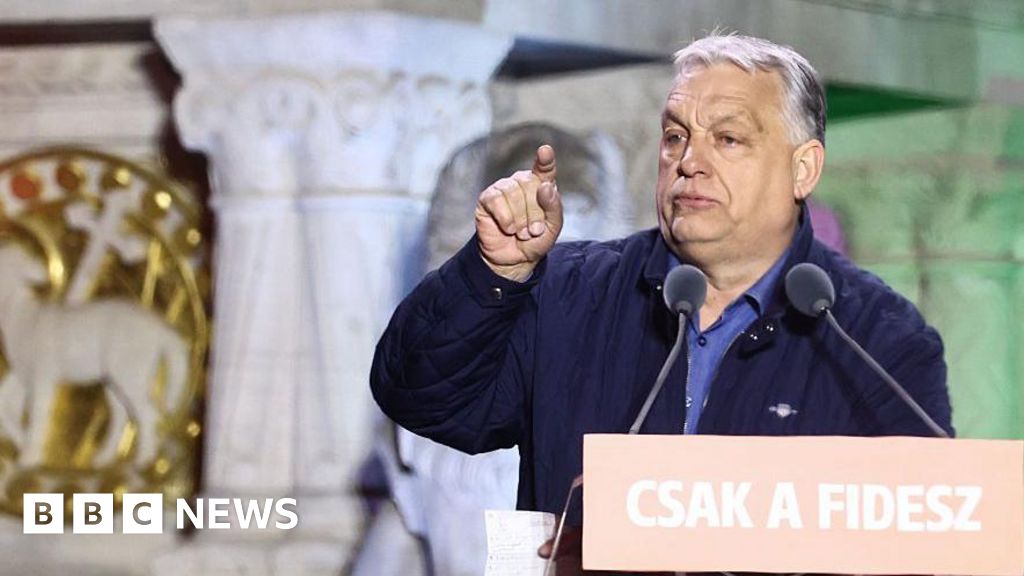
Hungarian Youth Opt to End 16 Years of Orbán with New Leadership

As the upcoming elections in Hungary draw nearer, the country finds itself at a pivotal crossroads. Polls currently favor Péter Magyar, a candidate representing a burgeoning grassroots movement that seeks to challenge the long-standing dominance of Prime Minister Viktor Orbán. Magyar’s campaign resonates with a youthful electorate yearning for change, emphasizing transparency, social justice, and economic reform targeted at revitalizing Hungary’s societal fabric. However, despite these promising signs for Magyar, Orbán remains defiant, rallying his traditional support base with a resilient nationalist narrative that emphasizes Hungary’s sovereignty and cultural identity.

This electoral showdown is not just a domestic affair; it carries significant geopolitical ramifications. Orbán’s government has, in recent years, cultivated a complex relationship with Brussels. His administration’s occasional pushback against EU legislation, particularly concerning migration and judicial independence, has raised alarms among international institutions and Western allies. Conversely, Magyar’s rise is viewed by some analysts as a potential shift towards more integrative policies aligned with European norms, promising to restore Hungary’s standing within NATO and the European Union. These internal dynamics are critical, as the outcome could influence Hungary’s future trajectory along the broader European geopolitical landscape, especially amidst ongoing tensions with Russia and the US.

Historian and international observers warn that the choice in Hungary embodies more than just national politics; it signals a clash of values at the heart of Europe. Experts from the International Crisis Group have emphasized that Hungary’s political orientation could serve as a bellwether for the continent’s ideological direction—either reinforcing a wave of populist nationalism or steering towards renewed engagement with Western institutions. As the world watches, the decisions made in Budapest may reverberate far beyond its borders, impacting alliances, trade, and regional stability. Viktor Orbán’s margins of victory, or Magyar’s potential victory, will undoubtedly serve as a potent indicator of where the European project is headed, and whether the continent is prepared to confront its future with unity or division.

With history hanging in the balance, the unfolding drama in Hungary remains a compelling narrative—one that continues to shape the course of European, and indeed global, geopolitics. The world stands at a critical juncture, where the fight for national identity, sovereignty, and the future of international cooperation is more intense than ever. As the election nears, the weight of history presses down on Budapest’s streets—every vote a stake in the destiny of nations, echoing through time as a testament to the enduring struggle for sovereignty and societal renewal.
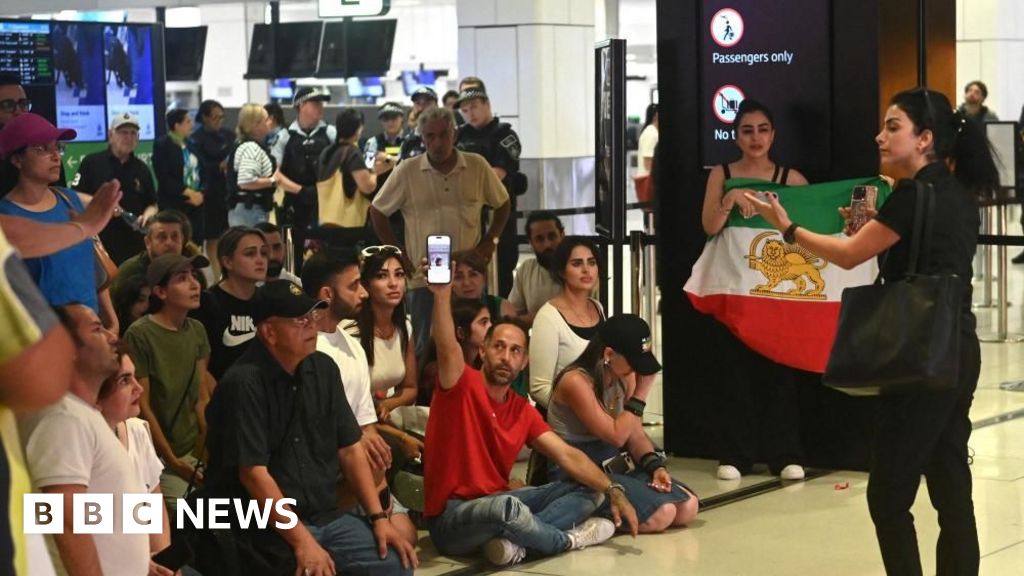
Two Iran football affiliates opt to stay in Australia, signaling shifting loyalties

In a decisive development that underscores the complex interplay of sports, politics, and international diplomacy, reports indicate that most of Australia’s national team departed the country on Tuesday night amid mounting tensions. However, the situation remains under close scrutiny as a small contingent—including a player and a member of the support staff—have elected to stay behind, joining five other team members who have chosen to remain in Australia. This dissonance within the team exposes deeper geopolitical strains that are now resonating through the sporting world, reaffirming the arena’s increasingly prominent role in global conflicts.

The decision for the remaining members to stay involves not only considerations of personal safety but also strategic positioning amidst ongoing international pressures. Experts like Dr. Caroline Matthews, a senior geopolitical analyst at the International Policy Institute, argue that this split reflects broader tensions between national identity and international diplomacy. The departure of most team members coincides with a period of heightened diplomatic friction, potentially influenced by recent treaties, sanctions, or visa restrictions rooted in regional conflicts or geopolitical realignments. As sports often serve as a mirror of national patriotism and geopolitical interests, this episode highlights the way in which decisions made on the field ripple outward, affecting international perceptions and alliances.

Major organizations such as the International Olympic Committee and World Sports Federation are now watching closely, as these internal conflicts threaten to undermine the delicate balance of global sports diplomacy. Historically, sporting events have been arenas for international influence; the Cold War-era Olympic boycotts exemplify how athletic competition can morph into political battlegrounds. Analysts warn that these recent developments in Australia could herald a new phase where sports are irrevocably intertwined with national security considerations, especially as clashes over sovereignty, human rights, or regional dominance intensify. Statements from officials suggest that this moment may redefine how nations engage with international sporting bodies, emphasizing sovereignty and national interests over international consensus.

Among global institutions, there is a rising concern about how these internal team conflicts could set dangerous precedents. The United Nations Security Council and EU Foreign Policy have both issued calls for diplomacy and restraint, emphasizing that the impact of such actions extends beyond sport—contributing to destabilization, international mistrust, and a fracture in global cohesion. Historians and policy analysts compare this situation to historical flashpoints, where sporting disputes escalated into broader conflicts, highlighting the potential for escalation when external geopolitics influence internal team dynamics. This tense atmosphere underscores a disconcerting reality: in an increasingly interconnected world, the sites of national pride are becoming conduits for political assertion and international friction.

As this chapter of Australia’s sporting saga unfolds, the weight of history remains palpable—each decision echoing through the corridors of power and shaping the next chapter of global diplomacy. The internal split within the team is more than a mere matter of logistics; it is a stark reminder that the weights of sovereignty, national identity, and international rivalry are now woven into the fabric of what was once purely a game. In that fog of uncertainty, the world waits—watching whether this fissure will widen into a fracture or serve as a catalyst for renewed dialogue. The future of international sport hangs in the balance, a mirror to the enduring struggles that define the 21st century, holding the promise and peril of history still in the making.

NSW scores an extra holiday for Anzac Day, but other states opt out

Responses to national traditions in Australia continue to reflect rising considerations around identity, history, and geopolitics. Recently, the government of New South Wales announced the extension of Anzac Day observances by adding public holidays for 2026 and 2027 when the April 25 holiday falls on weekends. Such measures are not merely local politics but are intertwined with broader international reflections on military history, national sovereignty, and the symbolic weight of honoring wartime sacrifice. The announcement aligns with a conscious effort to preserve Australia’s national identity within the global arena, and analysts see it as an attempt to bolster national unity amid evolving geopolitical challenges.

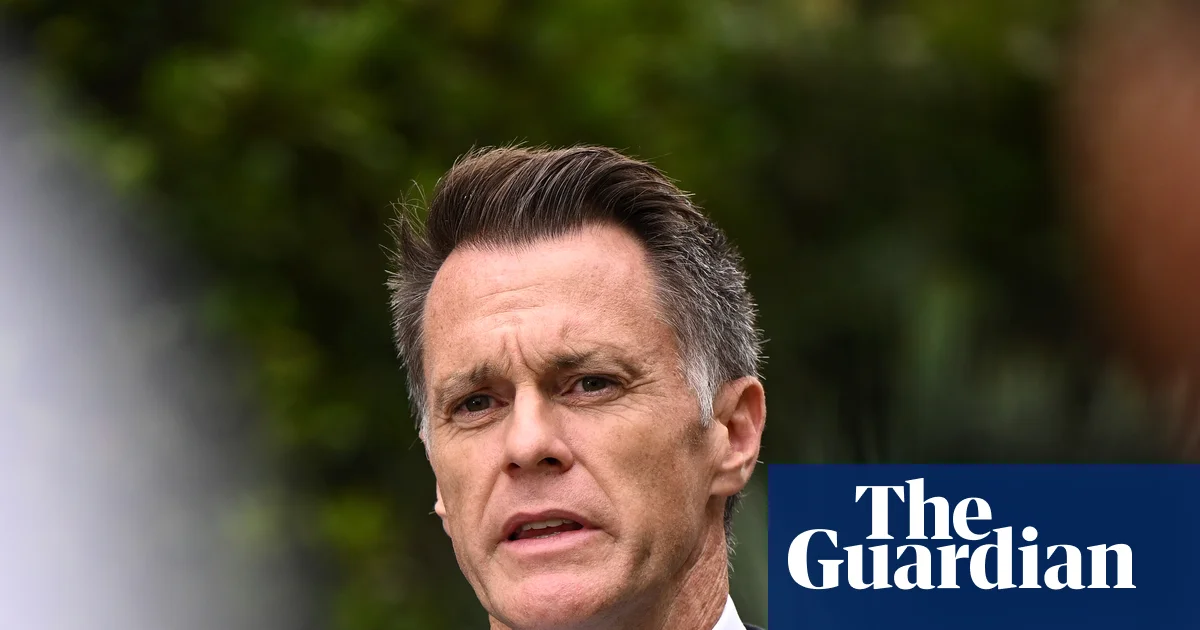
The decision comes amid delineations of tradition and modern societal needs, with Premier Chris Minns emphasizing that the extended holiday does not diminish the solemnity of Anzac Day. In fact, it serves to enhance the recognition of service members and their contributions, acknowledged as foundational to Australian sovereignty and cultural resilience. However, critics, mainly small business associations, warn that such changes could introduce economic strain, especially on local commerce. The Returned and Services League of Australia (RSL) has expressed support, underlining the societal importance of allocating time for families of defense personnel. Yet, the move also underscores a deeper, bigger geopolitical discussion about how nations choose to commemorate history—balancing tradition with the realities of a rapidly changing world.

Across Australia, not all states are following suit. Queensland and Victoria will maintain their existing public holiday configurations, reflective of regional variance in societal priorities. The broader geopolitical impact of such decisions extends beyond mere calendars; it signals the political weight placed on national identity and historical memory amid global disorder. Historians and international analysts note that these commemorative practices are not static but are subject to political contestation—serving as symbols that maintain societal cohesion in uncertain times. Indeed, in a world increasingly fragmented by conflicts and ideological divides, nations like Australia are carefully crafting ceremonies that reaffirm their sovereignty while navigating external pressures, such as China’s rising influence in the Indo-Pacific or the lingering shadow of great-power rivalry.

As moderate right-wing youth-driven voices scrutinize these developments, questions about how history shapes present policies gain greater urgency. The debate over public holidays is more than ceremonial; it is a mirror of a society grappling with its past while facing an uncertain global future. For historic students, foreign policy experts, and citizens alike, every decision echoes across the corridors of international relations. Today, Australia’s move to extend its commemorative holidays may seem small, but it echoes a profound truth: that in the theater of geopolitics, history’s weight can influence the future in ways both overt and subtle. As the world observes, the unfolding narrative of Australia’s national remembrance continues to write itself into the broader story of nations striving to preserve their identity amidst relentless change—an enduring testament that history, like the tides of the current, is never truly finished.

Students Opt Out of Mossbourne Federation Schools in Essex—What's Behind the Trend?
Students Opt Out of Mossbourne Federation Schools in Essex—What’s Behind the Trend?

The Impact of Educational Reforms on Families and Community Dynamics

In recent months, several communities have grappled with the tumultuous effects of a major shift in their local educational landscape. The takeover of two prominent secondary schools in Essex by the Mossbourne Federation, a highly structured and historically successful institution, has illuminated deep-seated tensions regarding educational philosophy, discipline policies, and community engagement. For many families, the upheaval signals more than administrative change; it threatens the delicate fabric of their daily lives, safety, and trust in the institutions designed to nurture future generations.

Initially lauded for decades of academic success in Hackney, the federation’s expansion into Essex promised continued excellence. However, sociologists such as Dr. Lisa Feldman and social commentators have observed that ‘strict discipline policies and rigid accountability structures often alienate families and marginalize students with additional needs’. Parents across Thurrock and Stanford-le-Hope are now voicing concerns that the schools’ new environment fosters fear and punitive practices rather than support and growth. The reported exodus of over 150 pupils since the transfer, along with accounts of inadequate communication and mishandling of individual needs, poignantly underscores how such social issues extend beyond the classroom and deeply impact family cohesion and community stability.

Social Tensions and Challenges Faced by Vulnerable Pupils

Particularly troubling are the stories of families of children with special educational needs. Becky, a mother from Stanford-le-Hope, recounts that her daughter, previously thriving, experienced support reductions under the federation’s new regime, leading to heightened anxiety and a sense of abandonment. This pattern aligns with broader concerns raised by social critics that ‘overemphasis on uniform discipline and control undermines the welfare of vulnerable students’. Likewise, Louise Butcher’s account of her son’s severe allergies being mishandled and subsequent disciplinary sanctions circulating a narrative where human health and dignity appear secondary to strict adherence to school policies.

  • Families report increased incidents of punitive measures for minor infractions, marginalizing pupils’ mental health and fostering a climate of fear.
  • Communication gaps between parents and school staff leave concerns unaddressed, creating mistrust and leading to home tutoring and withdrawal.
  • Special needs provisions are often reduced or inconsistently applied, threatening the inclusive ethos that schools should promote.

Experts have long warned that such rigid policy enforcement, especially when inadequately communicated or adapted, can exacerbate existing inequalities and fracture the vital relationship between families and educational institutions. Sociologist Dr. Margaret Stevens highlights that ‘schools, as societal microcosms, reflect and amplify broader social tensions, especially when disciplinary regimes overshadow human-centric approaches’.

Pathways Towards Societal and Educational Renewal

Despite the stark realities faced by many, there exists a hope for societal renewal rooted in community resilience, honest dialogue, and reform. The federation claims to be committed to addressing communication failures and improving individual support plans, yet the challenge remains: how can these institutions rebuild trust and ensure that families are supported, children are safe, and communities are restored? The answer hinges on adopting flexible, transparent, and human-centered policies that prioritize collective well-being over rigid control.

As historian Dr. Keith Miller notes, ‘True societal transformation requires humility and openness from those wielding authority, and a recognition that social stability is rooted not in uniformity but in diversity, compassion, and participation.’ The stories emerging from Essex serve as a poignant reminder that behind every statistic, every withdrawal, familial concern, and social tension is a human story waiting for compassion and understanding. Society’s enduring challenge—and its greatest hope—is to foster environments where social justice, moral integrity, and community cohesion can flourish from the ashes of discord, guiding society towards a future driven by shared purpose and renewed trust.

Social Media Auto Publish Powered By : XYZScripts.com