Matox News

Truth Over Trends, always!

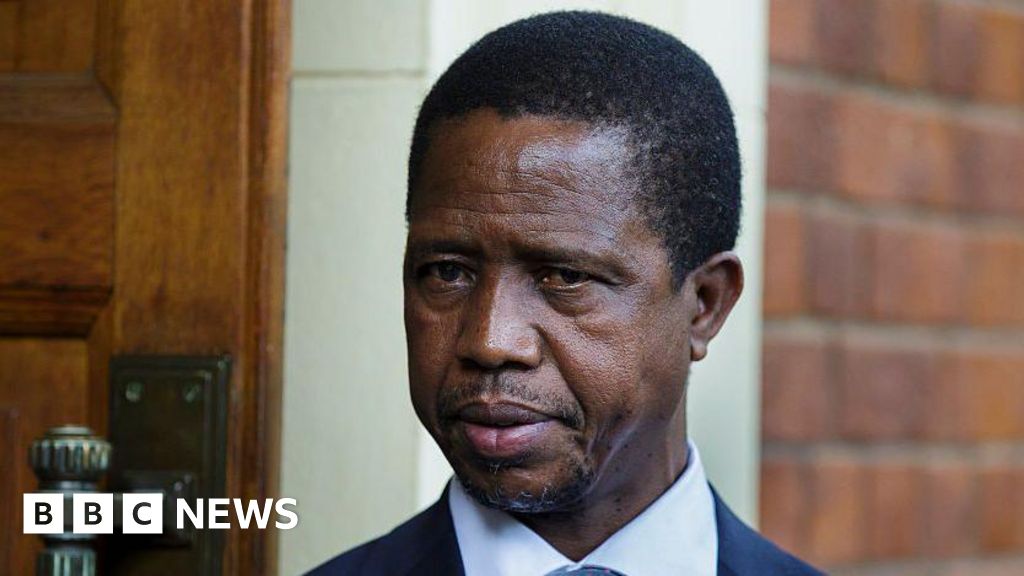
South Africa Orders Zambia to Return Ex-President’s Body

In a sharply unfolding chapter of Zambia’s political saga, authorities are embroiled in a tense dispute with the family of Edgar Lungu regarding the final resting place of the former president. As Zambia navigates this sensitive phase of national mourning, the controversy underscores the broader geopolitical currents and internal divisions that ripple through the country’s leadership and society. The clash over burial arrangements represents more than personal sentiment: it is a reflection of the nation’s struggle to reconcile its past with its future, amidst a shifting regional landscape.

The decision on where Edgar Lungu’s remains should be laid to rest is fraught with symbolic and political implications. Authorities favor a site rooted in government tradition, signaling an attempt to consolidate state authority and forge a unifying narrative that links Lungu’s legacy with the institution of the presidency. Conversely, Lungu’s family advocates for a burial site of personal or ancestral significance, emphasizing the importance of individual legacy and cultural identity. This discord accentuates a broader theme resonating across many nations: how do societies honor their leaders without exacerbating internal divisions?

International observers and analysts have noted that this localized dispute echoes regional patterns. South Africa’s recent debates on historical memorials, or Nigeria’s contentious remembrance of past leaders, serve as cautionary examples. Such disputes often serve as flashpoints for larger societal debates about history, identity, and governance. The United Nations and regional bodies like the SADC Economic Community have called for restraint, emphasizing that national unity must take precedence. However, critics warn that the resolution—or lack thereof—could influence not just sensitive national perceptions but also regional stability, especially with China’s expanding influence in Africa and the strategic importance of Zambia’s mineral resources.

As historians and security analysts dissect these developments, they highlight the potential for such seemingly isolated disputes to escalate into larger conflicts or factions. The geopolitical impact extends beyond presidential memorials; it touches on how leadership legacies are constructed and contested in post-colonial Africa. The choices made in moments like these can shape national identity for decades, with implications for diplomatic relations, internal cohesion, and economic stability. For Zambia, the outcome of this burial debate could serve as a critical juncture—either fostering reconciliation or deepening divides at a time when Africa’s political landscape is rapidly evolving.

In a moment of heightened sensitivity, the decision on where Lungu’s remains will be interred remains unresolved, leaving the country teetering on the edge of yet another chapter in its complex history. History shows that the wounds of leadership and memory extend long beyond the grave, often leaving communities fractured or united. As Zambia faces this pivotal choice, the world watches — aware that history’s pen is seldom silent, and that each generation’s decision writes the next chapter of a nation’s destiny.


Family Court orders return of Aboriginal child moved 1,700km from remote NT community

Australia’s Indigenous Custody Saga: A Mirror for Global Cultural Sovereignty and Governance

In a landmark decision, Australia’s family court has ordered that an Aboriginal child, known as X, be returned to his traditional community after being moved approximately 1,700 kilometers away. This case, while rooted in local legal and cultural contexts, highlights a broader international debate over the sovereignty of indigenous tribes and the influence of national authorities over traditional societies. The decision underscores the profound controversies surrounding jurisdiction, cultural rights, and modern state governance, echoing similar conflicts across the globe where colonial histories and sovereignty collide with contemporary legal systems.

The case’s geopolitical significance extends beyond mere parental disputes, touching on the ongoing tension over Indigenous self-determination and cultural preservation. Australian authorities and international organizations have been scrutinized for their historic and ongoing intervention into indigenous communities. The court’s rationale—that X needed to learn and participate in his culture through direct engagement with elders and community rituals—challenges the notion that state-controlled care can adequately replace traditional kinship systems. Expert analysts and historians emphasize that such legal rulings can either empower indigenous sovereignty or, if mishandled, serve as tools of cultural erosion. The court’s recognition of the pivotal role of “on-country” engagement symbolizes a push back against assimilation policies that have historically marginalized indigenous peoples.

Furthermore, the case sparks vital questions about how decisions made in the courtroom influence societal structures and cultural continuity. The court’s appraisal of whether Hronn has the cultural competence to care for X reflects a nuanced understanding of indigenous kinship and law. Justice Richard Schonell’s endorsement of X’s return underscores the importance of cultural integration, asserting that the boy’s connection to his community — including language and rituals — is essential for his development. Critics argue that this legal victory is emblematic of a shifting paradigm that recognizes the importance of indigenous traditions in governance, providing hope that future policies will respect sovereignty rather than subjugation, with international institutions monitoring adherence to such principles.

Historically, critics from global human rights organizations warn that mishandling such cases risks setting dangerous precedents for indigenous communities worldwide. The United Nations and other international bodies have called for respecting indigenous rights, emphasizing that sovereignty and cultural integrity are fundamental to just governance. As the world watches Australia’s ongoing negotiations over indigenous rights, historians and analysts warn that these local disputes are part of a broader narrative unfolding across continents—where colonial legacies confront the imperative of respecting cultural diversity. This story of X is not merely about custody; it is a mirror reflecting humanity’s ongoing struggle to reconcile sovereignty, tradition, and modern law.

The Weight of History and the Unfolding Future

As the echoes of this case reverberate through the international arena, the question remains: whose cultural heritage ultimately prevails—the nation’s or the community’s? The resolution to these complex issues will shape the future of indigenous sovereignty worldwide. Sometimes, history’s most defining moments are born in small courtrooms, where the weight of cultural survival is measured against the might of state authority. Today, Australia’s decision joins a rising tide of global recognition: that authentic cultural identity is a right worth fighting for, a legacy worth preserving amid the relentless march of modern governance. With each ruling and each voice raised in defense of sovereignty, the international community steps closer to understanding that in the intricate web of history and law, the future remains unwritten, yet profoundly consequential.

Egypt Orders Shops and Eateries to Close Early Amid Growing Energy Crisis

In a decisive move triggered by an urgent need to address escalating energy shortages, several governments around the world are implementing strict measures to reduce power consumption. Notably, retail and dining establishments are now mandated to close by 21:00 for the next month. This directive, introduced in the name of national security and economic stability, underscores the profound shift in energy policy and the far-reaching implications for societies entrenched in consumer-driven economies.

The decision to curtail operating hours reflects a broader crisis underscored by global analysts, who warn that rising energy costs, supply chain disruptions, and geopolitical tensions are converging into a perfect storm. International organizations, including the International Energy Agency, have issued statements acknowledging that the measures are a short-term response to prevent more profound economic collapse. However, critics argue this move signals a turning point—a departure from previous norms that could have lasting repercussions on societal norms, employment, and the fabric of daily life.

Historically, such draconian measures have been seen in periods of national crisis, often preceding major geopolitical shifts. From wartime rationing to economic austerity, governments have used restrictions like these to demonstrate resilience and control. Yet, modern economies built on consumerism and extended operational hours now face an unprecedented challenge: balancing energy security with maintaining economic vitality. Prominent sociopolitical analysts, including Dr. John Matthews, emphasize that these policies likely herald a new period of government intervention, where the state’s role in everyday life becomes more intrusive and impactful.

Indeed, geopolitical impact extends beyond the immediate economic sphere. Countries enforcing such measures may experience altered international relations, especially if their energy shortages are perceived as stemming from geopolitical conflicts or manipulations. As nations grapple with scarcity, they may adopt protectionist policies, favoring domestic industries and disadvantaging foreign counterparts. The decision to impose cutoff times on retail and dining could also be a precursor to more stringent restrictions, which might include rationing, supply prioritization, or even border controls — all mechanisms that reshape global trade and diplomacy.

In this unfolding chapter of history, where energy scarcity threatens to reshape the socio-economic landscape, the implications for the future of globalization are profound. As the world watches how nations respond—some with cooperation, others with confrontation—the stage is set for perhaps the most pivotal geopolitical contest of our times. The silence of shuttered shops by night masks a burgeoning conflict not only over resources but over the very structure of modern society. As history unfolds, it begs the question: are these temporary measures the harbinger of a new order, or will they ignite resistance that redefines power and resilience in the centuries to come?

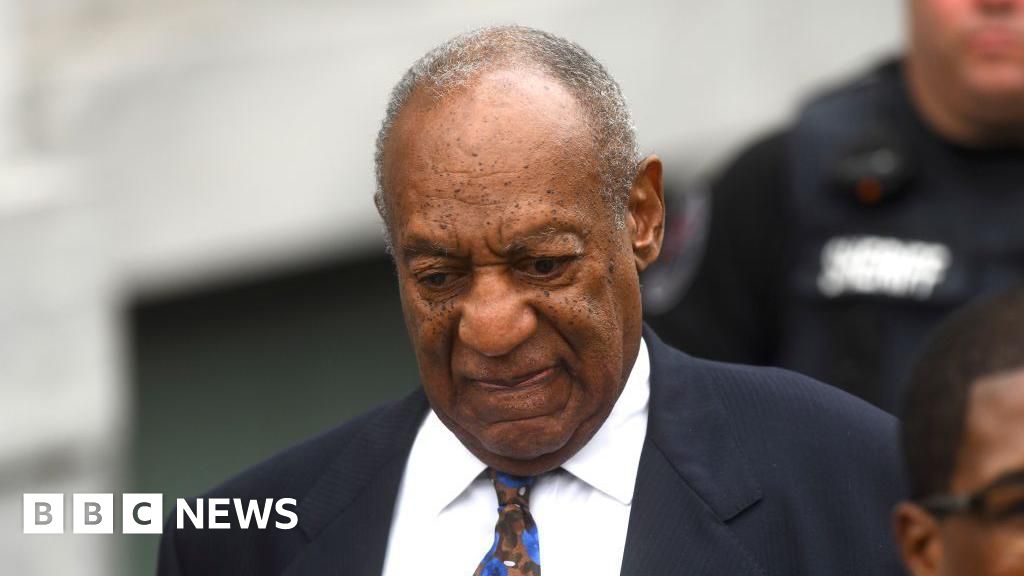
Jury orders Cosby to pay $19M to ex-waitress for 1972 abuse—Justice for victims, finally.

In a startling development reminiscent of decades-old allegations, Donna Motsinger has come forward with new claims that Bill Cosby administered wine and a pill to her in 1972, which left her incapacitated after being picked up in a limousine. This revelation, although rooted in a personal account, carries significant implications that ripple across the spheres of justice, societal perception, and geopolitical stability. As prosecutors and legal authorities revisit the case, the incident underscores the persistent challenges faced in addressing allegations of misconduct involving prominent figures, especially those with influence extending beyond entertainment into cultural spheres.

From an international perspective, this renewed scrutiny complements a broader debate happening within the United States—a country grappling with the legacy of powerful figures accused of misconduct. Historians like Dr. Christopher Beale have long analyzed how public figures’ claims of innocence or guilt influence societal norms and judicial processes. Meanwhile, global observers monitor to see if the case signifies a turning point—whether justice will serve as a potent reminder that no one is above the law, or whether entrenched power structures will continue to obfuscate accountability. The potential legal fallout has already stirred discussions about legal precedent, victim rights, and the cultural shifts necessary to combat systemic issues of abuse.

International organizations like the United Nations and various human rights bodies have issued remarks on the importance of addressing misconduct transparently, especially when it involves figures with cross-national influence. The case also exemplifies how public reckonings of historical allegations could reshape diplomatic relations, foster global conversations on accountability, and influence policies aimed at protecting vulnerable populations worldwide. Ultimately, the outcome may set a precedent, highlighting the importance of safeguarding justice irrespective of temporal distance or societal status. As lawmakers and activists brace for what might come, the case underscores a fundamental truth: that history — and its dark chapters — remains an ongoing narrative, waiting for justice to be fully realized.

In the end, this story is more than just a personal recount or a legal case; it encapsulates the persistent struggle between power and accountability, revealing how past injustices can resurface with the potential to redefine societal values and international relations. As history continues its relentless march forward, the weight of unresolved truths presses heavily on the conscience of nations, reminding us that in the pursuit of justice, no chapter is truly closed, and the echoes of yesterday’s shadows often dictate the course of tomorrow’s history.

Minnesota Judge Calls Out Acting ICE Director, Warns of Consequences for Ignoring Court Orders

Judicial Authorities Push Back Against Federal Immigration Policies in Minnesota

The escalating tensions between federal immigration authorities and the judiciary in Minnesota underscore a rising confrontation that threatens to reshape the landscape of U.S. immigration enforcement. At the heart of this conflict is the recent intervention by the state’s top federal judge, Patrick Schiltz, who summoned the acting head of Immigration and Customs Enforcement (ICE), Todd Lyons, warning of contempt of court charges for defying judicial orders. This dramatic stance highlights an emerging crisis of authority, where individual judges are actively contesting federal directives, raising profound questions about the rule of law versus executive overreach.

The core issue stems from Operation Metro Surge, a sweeping and aggressive immigration crackdown initiated under the previous Trump administration. The operation has responded with a series of controversial and often unlawful detention practices targeting immigrants in Minnesota. Many detention cases have entered the judicial pipeline with emergency lawsuits filed on behalf of individuals claiming wrongful arrest and extended detention, often without proper legal process. Judge Schiltz and other federal judges have voiced concern that the administration’s disregard for court orders is causing “significant hardship,” with detainees being moved far from their homes or held in states like Texas despite clear court directives to keep them in Minnesota.

Legal Resistance Reflects Broader Geopolitical and Societal Shifts

  • Judicial rebukes have set the stage for potential *legal challenges* that could either restrain or halt federal immigration enforcement efforts in Minnesota entirely.
  • These developments symbolize a broader *conflict between state and federal authority*—a phenomenon that resonates beyond the borders of Minnesota and into the heart of U.S. sovereignty.
  • Internationally, critics interpret this clash as a reflection of America’s internal struggles over national identity, immigration policy, and the constitutional separation of powers, echoing debates that many analysts compare to volatile shifts currently unfolding in other global democracies.

Leading international organizations and senior analysts warn that ongoing resistance against federal directives could weaken the fabric of international rule of law, especially as the United States serves as a model for judicial independence and constitutional governance. Historians remind us, through echoes of past conflicts, that such internal disputes often signal profound societal transformations—sometimes for better, sometimes for worse. The ongoing confrontation in Minnesota is unlikely to remain isolated, with the potential to inspire or suppress similar resistance in other states facing federal immigration policies.

Implications for the Global Power Balance

As President Biden’s administration seeks to implement more humane immigration reforms, these legal battles expose a complex interstate power dynamic. The pushback from Minnesota’s judiciary complicates the *administration’s efforts* to craft a cohesive national immigration strategy, especially when faced with states that prioritize local policies like sanctuary jurisdictions. The potential for federal-state conflicts to escalate already hints at a fragmented approach to governance that could weaken U.S. credibility abroad. Many international observers see the situation as emblematic of a broader weakening of American institutional authority, which might undermine the country’s ability to project power and stability in the global arena.

This unfolding chapter in U.S. domestic politics bears resemblance to rising sovereigntism observed in other nations, where regional entities challenge centralized authority. The clash over immigration enforcement reveals a society fractured over the very definition of justice and national sovereignty—a duel that could define the United States’ future as a beacon of rule of law or a divided union struggling with internal discord. The weight of history hangs heavily as courts and federal agencies navigate this uncertainty, their decisions shaping the legacy of a nation facing its most defining test yet.

Experts demand release of boat strike footage as US admiral claims no ‘kill them all’ orders | US military

In a sharply escalating confrontation on the global stage, the United States has come under intense scrutiny over its recent military operations against suspected narcotics vessels in the Caribbean. The controversy erupted following reports that a U.S. military strike, ordered during the Trump administration, resulted in the death of survivors—an action that has ignited debates over legality, ethics, and the very nature of American military engagement in conflict zones. The attack, which took the lives of 11 individuals, is now a flashpoint in discussions about the use of force in international waters, especially when linked to the ongoing war on drugs and fentanyl trafficking from Venezuela.

This recent wave of strikes marks a paradigmatic shift from traditional interdiction efforts, moving toward a more aggressive and controversial strategy. Defense officials claim that the operations are intended to curb the flow of illegal narcotics into the U.S., but critics—including prominent human rights organizations and congressional investigators—argue that these actions breach international law and principles of due process. According to Sarah Yager of Human Rights Watch, the U.S. cannot legally justify killing presumed vesseľ operators without a formal declaration of war, warning that the current approach risks setting a dangerous precedent where extrajudicial killings become normalized without accountability, especially as the Biden administration faces mounting calls for transparency.

The controversy substantially deepened when allegations emerged that Secretary of Defense Pete Hegseth had issued explicit orders to “kill them all,” including survivors attempting to surrender or escape the wreckage. This claim has ignited bipartisan concern in Washington, as lawmakers from both parties question whether such directives violate rules of engagement and international humanitarian laws. During congressional hearings, military officials vehemently denied the existence of any explicit “kill all” orders, although some senators, such as Thom Tillis, expressed alarm at the possible implications of targeting defenseless individuals. The debate underscores the geopolitical impact of America’s expanding latitude for military action, which threatens to undermine the perceived legitimacy of U.S. foreign policy while risking new conflicts in fragile regions.

Analysts warn that, beyond its immediate legal and ethical questions, this campaign could have profound repercussions on global stability. Historian John Jones from the International Security Council states that when a superpower resorts to extrajudicial strikes, it risks eroding international norms that safeguard human rights and sovereignty. Critics contend that the U.S.’s aggressive tactics may fuel anti-American sentiments across Latin America and the Caribbean, fostering instability and empowering hostile actors. As the global community watches, the West’s confidence in its moral authority hangs in the balance, with the forces of geopolitics and justice colliding in a tumultuous contest for influence and moral legitimacy. The unfolding controversy leaves the world on edge, as history’s pen continues to chart a new chapter—one that might forever redefine the boundaries of military authority and the moral boundaries of intervention.

Airbus orders software update for thousands of planes over solar radiation safety concerns

Airbus A320 Fleet Recall Sparks Industry-Wide Disruption and Innovation Push

The aviation industry faces a significant upheaval after Airbus announced a proactive recall affecting approximately 6,000 of its flagship A320 series aircraft. The move, prompted by recent safety concerns linked to advanced solar radiation effects, exemplifies how emergent environmental factors are forcing technological innovation and regulatory adaptation at an unprecedented scale.

According to The Guardian, the recall follows a detailed analysis of a recent incident where a JetBlue A320 lost altitude mid-flight—a situation connected to data corruption caused by solar radiation interference. Airbus’s statement highlights a deliberate effort to **disrupt traditional aviation safety protocols** by integrating more resilient, radiation-hardened systems into their fleets. The move signals a major paradigm shift leveraging **cutting-edge materials engineering** and **software robustness** to disrupt existing standards.

This technical breakthrough is not just a safety upgrade but an industry disruptor poised to redefine fleet management and aircraft certification processes. As Gartner analysts note, such environmental vulnerabilities will accelerate innovation cycles in aerospace and push regulatory bodies to update standards rapidly, fostering a more agile response to emerging threats. The Federal Aviation Administration (FAA) has reportedly mandated an emergency airworthiness directive requiring affected aircraft to revert to older software versions before resuming service, with a subset of planes needing hardware replacements. This layered approach to risk mitigation exemplifies proactive technological transition and points to a future where **fleet safety is tightly integrated with adaptive digital systems**.

Implications for Business and Industry Disruption

  • Operational Delays: The recall has initiated widespread flight cancellations and delays globally, underscoring vulnerability within digital control systems and challenging airline logistics networks.
  • Cost and Supply Chain Impact: The hardware replacements and software rollback will place immense pressure on Airbus’s manufacturing and maintenance ecosystems, likely reshaping procurement strategies and accelerating investments in **digital resilience technologies**.
  • Market Shifts: Industry insiders speculate that this event could accelerate efforts by competitors and startups to develop **more radiation-resilient avionics**, potentially catalyzing a wave of innovation and market disruption in aerospace technology.

Environmental factors such as intense solar radiation—previously underestimated—are now recognized as significant market disruptors, prompting companies like Elon Musk’s SpaceX and Blue Origin to consider broader applications of radiation-hardening technologies. MIT researchers are also exploring hardware innovations that could significantly mitigate these environmental risks, illustrating a convergence of academic and commercial efforts driven by urgent industry needs.

Looking Ahead: Innovation as a Necessity in a Changing Environment

This incident is a clear warning to the entire transportation sector: adaptation is no longer optional but an imperative. As climate-related phenomena grow more unpredictable, the integration of disruptive innovations in digital safety systems will likely become a standard industry requirement rather than an exception. With companies like Airbus leading the charge, the transportation industry is poised at the cusp of a technological revolution that not only enhances safety but also fundamentally transforms how aerospace security and reliability are conceived.

In conclusion, the Airbus A320 recall embodies a broader narrative of **disruption fueled by climate-induced vulnerabilities**—a compelling call to action for industry leaders, policymakers, and innovators alike. The urgency to develop resilient, adaptive technology is paramount if the industry hopes to navigate the turbulence ahead and harness new opportunities in a rapidly changing world.

Debate heats up as ‘Illegal Orders’ video sparks clash with Democrats over American patriotism

In an era defined by increasingly polarized politics, the dialogue surrounding patriotism has taken on new and contentious dimensions. Last week, a short yet provocative video emerged from six Democratic lawmakers—each with military or national security backgrounds—challenging the very notions of loyalty and obedience within the American military. By emphasizing the right—and perhaps the obligation—to disobey “unlawful orders,” these representatives sparked a firestorm in the political landscape. Their critique, whether seen as a call to uphold constitutional principles or as an act of political provocation, underscores a broader debate about the meaning of service, patriotism, and duty in contemporary America.

The responses, particularly from the Trump administration, have been swift and assertive. With Secretary of Defense Pete Hegseth and other officials scrutinizing whether these lawmakers violated military law, the situation has unfolded into a compelling example of America’s ongoing struggle over loyalty and loyalty’s limits. Legal experts like Rachel VanLandingham dismiss the possibility of a military law violation, describing efforts to recall lawmakers to active duty as “dead on arrival”—highlighting, perhaps, the disconnect between political rhetoric and the realities of military regulation. This controversy demonstrates that, in today’s climate, patriotism isn’t merely a matter of waving flags or attending rallies—it’s now intertwined with questions about the loyalty of those in power and their interpretations of the truth.

Meanwhile, the broader cultural narrative frames patriotism as a core element of American identity, especially within the Republican base. Popular icons like Donald Trump have long championed a vision of the United States as an exceptional nation, emphasizing strong national pride, military strength, and unwavering loyalty to the Constitution. His rallies, often set against the backdrop of patriotic anthems and American flags, serve as a reminder of the cultural importance of tradition and a sense of purpose—concepts that resonate with millions who believe that America’s greatness is rooted in a shared national pride. On the opposite side, polls reveal a stark divergence: only about 36% of Democrats consider themselves “extremely” or “very” proud to be American, compared to over 90% of Republicans. Such statistics underscore the cultural divide—the growing chasm between two visions of American identity.

In response to these shifts, many Democrats are attempting to reframe patriotism through a more inclusive lens—highlighting the importance of fighting for the country’s core ideals rather than a blind loyalty to leadership. Speeches by figures like Vice President Kamala Harris and the recruiting of military veterans into politics suggest that, on their side, patriotism is linked to ideals and the defense of constitutional values. Even as partisan sparks fly, the underlying reality remains: the journey toward understanding what it means to serve, to honor, and to be truly patriotic is increasingly a personal internal voyage, illuminated by the enduring desire to be part of something greater than oneself.

Ultimately, contemporary American lifestyle—shaped by the ongoing tension between tradition and change—invites a reflection: what will it take for the next generation to embrace their role as stewards of their nation’s legacy? It may be in embracing those disputed narratives and complex truths that young Americans can forge a meaningful, resilient identity. In a nation where symbols of unity are sometimes used more as battlegrounds than bonds, the challenge lies in cultivating a sense of purpose rooted not in division but in a shared vision of self-reliance, duty, and hope. As citizens and future leaders step into this ongoing story, they are invited to ask themselves: how will I carry the torch of patriotism without losing sight of my own authenticity and principles? The path forward is less about blind allegiance and more about heartfelt commitment—a journey that begins within us all, grounded in the indomitable spirit of American resilience.

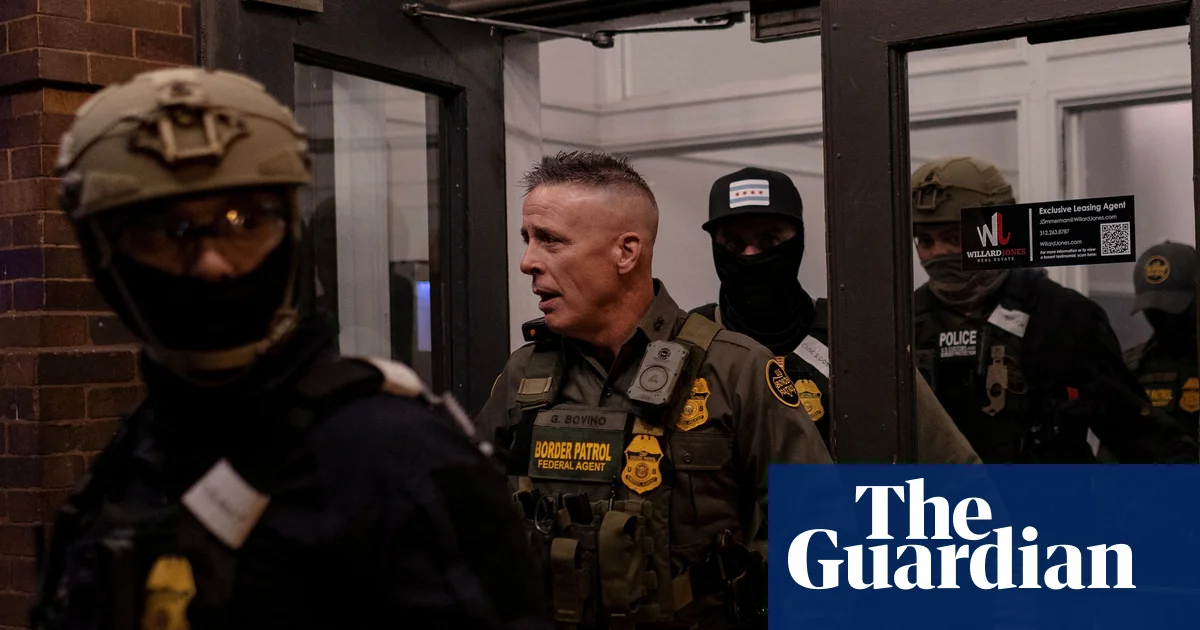
Judge orders release of hundreds detained in Chicago immigration crackdown

Legal Ruling Challenges Federal Immigration Policies in Chicago

The recent judicial intervention into President Trump’s controversial immigration raids highlights the ongoing tensions between federal enforcement agencies and judicial oversight. A US district court, presided over by Judge Jeffrey Cummings, has ordered the immediate release of hundreds of individuals detained during what critics call an overreach of federal authority under the guise of immigration enforcement. This case exemplifies how international concerns over sovereignty and law enforcement transparency are increasingly intertwined with domestic policy struggles.

This development follows the aggressive “Operation Midway Blitz,” a series of raids that swept through the Chicago area with claims of crackdown on undocumented migrants. However, widespread accusations have emerged of excessive and even abusive tactics, including the use of tear gas and pepper spray against protesters, raising alarm among human rights advocates and international organizations. The judicial decision to release detainees with minimal bonds, contingent on no criminal record or prior removal orders, underscores a broader debate about the limits of federal authority and the importance of adhering to legal protocols—particularly when rights are at stake.

Legal and Political Ramifications of Federal Immigration Enforcement

  • The court’s orders come amidst a lawsuit filed by the ACLU of Illinois, which claims that the federal agents violated a 2022 consent decree prohibiting warrantless arrests. This legal move signals a crucial battleground in the ongoing debate over state versus federal authority in immigration enforcement, with many interpreting it as a pushback against potential overreach by the Biden administration’s predecessor policies.
  • Federal officials, represented by William Weiland, have pushed for a halt to these releases, citing potential security risks posed by at least 12 individuals under review. The ongoing tension reveals the fragile balance between public safety and individual rights, set against the backdrop of a deeply divided nation where immigration remains a highly politicized issue.
  • The impact of international perspectives on immigration cannot be ignored, especially as global reactions to similar enforcement policies continue to shape public perception. Analysts suggest that such judicial rulings may serve as a precedent for other cities, influencing how federal agencies operate under the rule of law.

How International and National Actors Respond

According to historians and legal analysts, this case reflects a wider paradigm shift where judicial oversight becomes a vital mechanism to check executive power in immigration matters. While critics decry certain federal tactics as infringements on civil liberties, others view these decisions as critical to maintaining democratic accountability in a matter that directly affects societal cohesion. The involvement of organizations like the ACLU and the National Immigrant Justice Center underscores the significance of legal battles in shaping policy outcomes, with the potential to influence legislation and executive action at the highest levels.

As the courts continue to scrutinize these enforcement tactics, history’s pen is poised to record whether this confrontation between law and order will yield a new precedent of accountability or mark a turning point towards more unchecked federal authority. With each ruling, the fabric of a nation built on law and liberty is tested, revealing that the final chapter in this saga remains unwritten, yet undeniably profound in its implications for **geopolitical stability** and how societies worldwide will interpret the rule of law in immigration policies.

Trump orders Pentagon to ramp up nuclear tests to rival Russia and China | Donald Trump

In a **dramatic escalation** of international tensions, Donald Trump has ordered the Pentagon to begin testing U.S. nuclear weapons in direct response to recent advances by Russia and China. This move, announced via social media, marks a **noteworthy shift** from years of US efforts to de-escalate nuclear tensions and cements a stark new reality—one where the world’s leading powers are engaging in a **dangerous game of nuclear one-upmanship**. Trump’s directive coincides with a backdrop where Moscow and Beijing have demonstrated their willingness to modernize and expand their nuclear arsenals, with Russia’s successful test of the Burevestnik cruise missile and Poseidon super torpedo exemplifying a clear intent to project power and undermine existing global stability.

Russia’s recent nuclear tests, including the Burevestnik nuclear-powered cruise missile and the Poseidon super torpedo, signal an **assertive posture** by the Kremlin amidst *breakdowns in diplomatic dialogue* with the West, particularly over the ongoing conflict in Ukraine. These developments are viewed by many analysts as a **deliberate display of strength**, intended to *deter Western interference* and reinforce Russia’s position as a formidable nuclear power. In response, Vladimir Putin has emphasized the need to ensure Russia’s national security, framing these tests as a necessary countermeasure in a new era of uncertainty. Meanwhile, the United States—despite a self-imposed moratorium since 1992—appears poised to re-engage in **nuclear testing**, threatening to ignite a new arms race. The move has sparked alarm among international organizations like the United Nations, which emphasize the catastrophic consequences of an escalated nuclear conflict and warn that such actions risk undoing decades of arms control efforts.

The **geopolitical impact** of Trump’s decision is profound and multifaceted. Not only does it **destabilize regional security architecture**, but it also threatens to undermine *existing treaties* such as the New START Treaty. The historic significance is clear: the revival of nuclear testing signals a departure from *diplomacy and mutual restraint*, opening a dangerous corridor leading toward a potential **nuclear crisis**. As traditional alliances and treaties waver, nations like India and Pakistan watch with concern, aware that a new arms race could destabilize a fragile global order. Leading international scholars, including arms control experts and historians, warn that such decisions “could unleash an era of instability and violence” that the world has sought to avoid since the Cold War’s conclusion.

Amidst this chaos, the **weight of history** looms heavy. The last full nuclear test conducted by the US was over three decades ago, and the silence that followed was seen as a *hope* for eventual disarmament. However, recent incidents suggest that the **axis of nuclear powers** is once again in motion, bringing the world closer to the “shadow of annihilation”. With *each test, each threat, and each escalation*, humanity edges toward an uncertain future. As nations grapple with the choice between peace and war, the question remains: will diplomatic efforts prevail, or will history once again be rewritten on the backdrop of nuclear shadows—a narrative where the clash of titans threatens to define the destiny of civilization itself?

Social Media Auto Publish Powered By : XYZScripts.com