Matox News

Truth Over Trends, always!

Hamnet | Dissecting the Power of a Moment in Youthful Storytelling

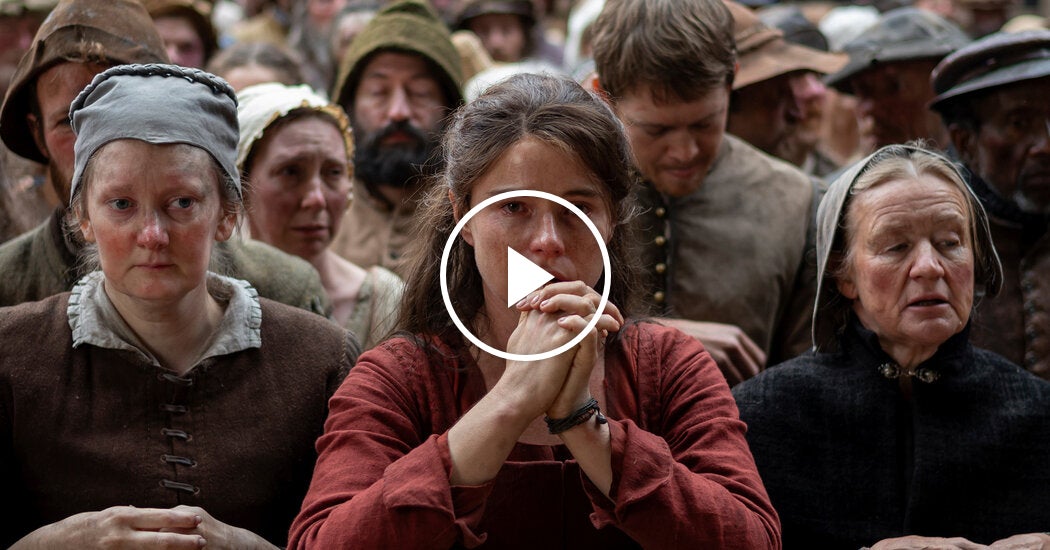
In the intricate dance of human history, culture functions as both our collective memory and a prophetic whisper of what the future may hold. It is through the arts—be it literature, theater, or visual expression—that society finds its reflection, its struggles, and its aspirations. The recent portrayal of William Shakespeare and his poignant grief over the loss of his son Hamnet captures this dual role of culture vividly. Director Chloé Zhao’s vision, rooted in a deeply symbolic approach, underscores that what we create is inextricably linked to what we endure and transcend.

This narrative, exemplified in Zhao’s depiction, echoes the philosophical insights of thinkers like T.S. Eliot, who suggested that modern art must grapple with memory as a way to confront the chaos of the present. The use of visual symbolism—such as casting Will Shakespeare’s character arc in shades of blue, gradually draining toward gray and ash—evokes a haunting visual metaphor. It is as if life itself, with all its vibrancy and pain, is being distilled, revealing that even the most celebrated creator is vulnerable to loss and grief. The act of painting Hamlet’s hair gold with paint—rather than a wig—serves as a potent symbol that truth bleeds through our art, blurring the lines between reality and the ideal, between what is seen and what remains hidden beneath societal masks.

Culture’s enduring power lies in its ability to forge identity—binding individuals to tradition while offering a lens through which to interpret the frailty and resilience of human life. As the great philosopher Ortega y Gasset once observed, humanity’s rich tapestry depends on the continuity of shared values, stories, and artistic expressions that keep the spirit of a society alive across generations. Today, this cultural continuity faces challenge and renewal, especially through the vibrant efforts of young creators who seek to uncover and reinterpret timeless truths. In these moments, the arts become a sanctuary and a battlefield—an arena where the old fights to survive amidst the onslaught of modern alienation and superficiality.

Ultimately, history teaches us that the soul of a nation resides in its stories and symbols—anchored in memory, yet gesturing towards an unknown future. As Chesterton eloquently argued, true culture is not merely about preservation but about prophecy, about daring to envision what humanity might become. It is in the delicate layers of paint, the silent spaces of our shared narratives, that the echoes of our ancestors whisper guiding truths. Culture, therefore, remains the living fabric—both a vessel of our collective memory and a luminous prophecy of what humankind can aspire to become: a reflection that endures and a hope that persists, woven into the very essence of our existence—a silent yet resounding song of eternity.
Train Dreams: Unveiling the Power Behind the Scene

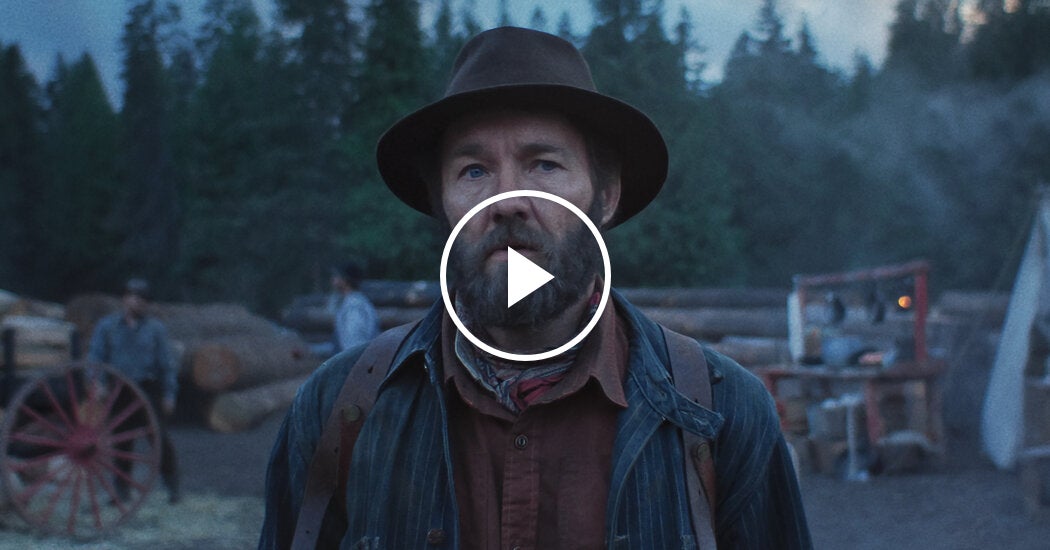
In the quiet elegance of cinema, we find a mirror to our souls—a mirror that reveals the intricate tapestry of memory, tradition, and identity. The recent final scene of “Train Dreams” exemplifies this truth, illustrating how visual storytelling transcends mere entertainment to engage with fundamental questions about what it means to be human. As Joel Edgerton’s character, Robert Grainier, embarks on a flight that becomes a voyage through his memories, we are reminded of the profound power of cultural memory to shape individual and collective identity. These fleeting moments in the sky serve as a poetic reflection on how history, personal and societal, are stitched together by the threads of remembrance, forging a sense of continuity amid chaos.

Filmmakers today, much like historians or philosophers of the past, play a vital role in preserving and interpreting our cultural heritage. Ortega y Gasset emphasized that “a people that forgets its past is condemned to relive it”. This scene’s meticulous construction—combining practical effects with cutting-edge VFX—underscores an essential truth: the craft of filmmaking is itself a form of cultural memory, a preservation of moments that might otherwise vanish into obscurity. The deliberate choice to recreate the antique plane and craft seamless transitions between past and present aligns with the timeless human pursuit of meaning through storytelling. Just as T.S. Eliot argued that tradition is the anchor of innovation, contemporary cinema—particularly in its focus on memory—serves as both a custodian and a prophet of our cultural identity.

Furthermore, the scene’s meditative narration guides us through the layered landscape of personal history, echoing the insights of Chesterton who extolled the importance of tradition as the vital link between our ancestors’ sacrifices and our present lives. The visual montage of memories—some seen earlier in the story, others new—mirrors the ongoing dialogue between individual memory and societal narratives. The flickering images, like the legends passed down through generations, affirm that culture is neither static nor mere relic. It is a dynamic force that animates our sense of __who we are__ and propels us forward, providing a moral and spiritual compass amid the upheavals of modernity.

As the final shot captures Grainier’s face, suffused with a myriad of emotions, there is a poignant reminder of philosopher Tocqueville’s assertion that democracy and culture are intertwined; both require active remembrance and participation to flourish. The scene’s culmination—Grainier’s feeling of connection—resonates universally: that through art and memory, humanity glimpses a glimpse of a transcendent order, a poetry in the cosmos of our collective soul. Culture, in its essence, is not merely a reflection of the past but an unfolding prophecy of our future, whispered across the ages in the silent language of human creativity. And in this symphony of fleeting images and enduring memories, we find a glorious testament—that culture is an indelible part of our identity, anchoring us in the wisdom of tradition while guiding us toward an unknowable yet inevitable horizon.

‘Marty Supreme’ | Exploring a Defining Moment in Modern Cinema

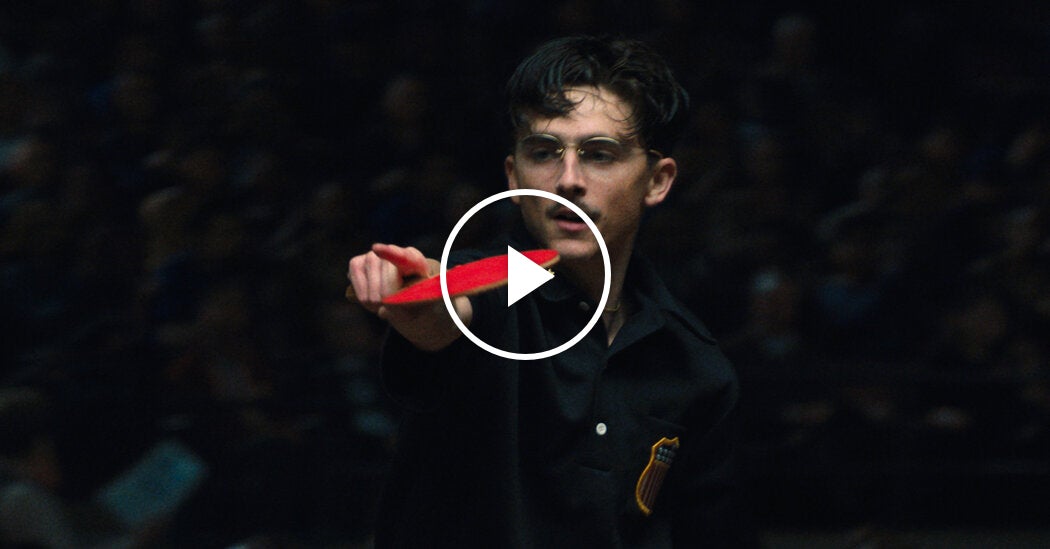
In an era saturated with fleeting digital spectacle, the enduring power of culture as a vessel of identity, tradition, and societal memory remains vital. The creative process, exemplified vividly in the work of filmmakers like Josh Safdie, underscores that beneath the veneer of modern entertainment lies a profound dialog with history, human aspiration, and collective identity. Safdie’s meticulous craftsmanship—integrating evocative imagery, layered soundscapes, and carefully choreographed performance—recalls the insights of Ortega y Gasset, who argued that society’s true strength resides in its cultural fabric, a tapestry woven through shared stories and artistic ethos. It is through these stories that we preserve our history and plant the seeds of future meaning, uniting generations in a dialogue that transcends time.

Safdie’s depiction of iconic moments—such as the cinematic reference to billiards champion Bela Kletzki or the stylized presentation of Kay Stone, played with tragic grace by Gwyneth Paltrow—serves as a reminder that artistic expression is inherently political. The scene’s orchestration—grounded in visual and sonic symbolism, from the heavenly choir to the iconic apple—becomes a reflection of cultural rituals surrounding triumph, failure, and the fleeting nature of fame. This echoes T.S. Eliot’s view that “what we call the beginning is often the end,” reminding us that culture is not only a reflection of where we come from but also a prophecy of where humanity may go. It acts as both mirror and lamp, capturing our historical desires while illuminating the path forward.

  • Memory as foundation: Culture preserves the echoes of the past, giving voice to tradition across generations.
  • Creativity as rebellion: Artistic innovation often challenges the status quo, fostering societal renewal.
  • Shared stories as identity: Our collective narratives form the bedrock of cultural unity, mitigating chaos and inspiring hope.

Such reflections align with the thoughts of thinkers like Chesterton, who championed the idea that the true function of art is to affirm life in its full richness. In Safdie’s meticulous attention to detail—capturing the glory of 1949 newsreel championships or the subtle joy of Timmy’s laughter—there is an affirmation of life’s grandeur, its nobility, and its tragedy. Not simply entertainment, these moments serve as cultural touchstones, anchoring society in a shared sense of purpose and aspiration. As Tocqueville observed, democracy and culture are intertwined; both flourish in a landscape where the populace values tradition as a means of collective self-realization. Culture thus becomes both shield and sanctuary, a means to uphold the values that forge common ground amid societal tumult.

In the end, the essence of culture manifests as a poetry of memory and prophecy. It whispers of who we are and warns of who we might become, whispering through the ages the enduring melody of humanity’s quest for meaning. Like a well-composed film or a timeless song, our cultural heritage reminds us that we are both heirs and prophets—stewards of an ongoing story that, in its most profound expression, is both a reflection of our past and a blueprint for our future. It is within this silent dialogue—between memory and hope—that we find the true vitality of our human spirit, forever reaching toward the horizon of what is yet to come.

Social Media Auto Publish Powered By : XYZScripts.com



