Matox News

Truth Over Trends, always!

Top Meta Glasses of 2026: Ray-Ban, Oakley, and the Future of AR Tech

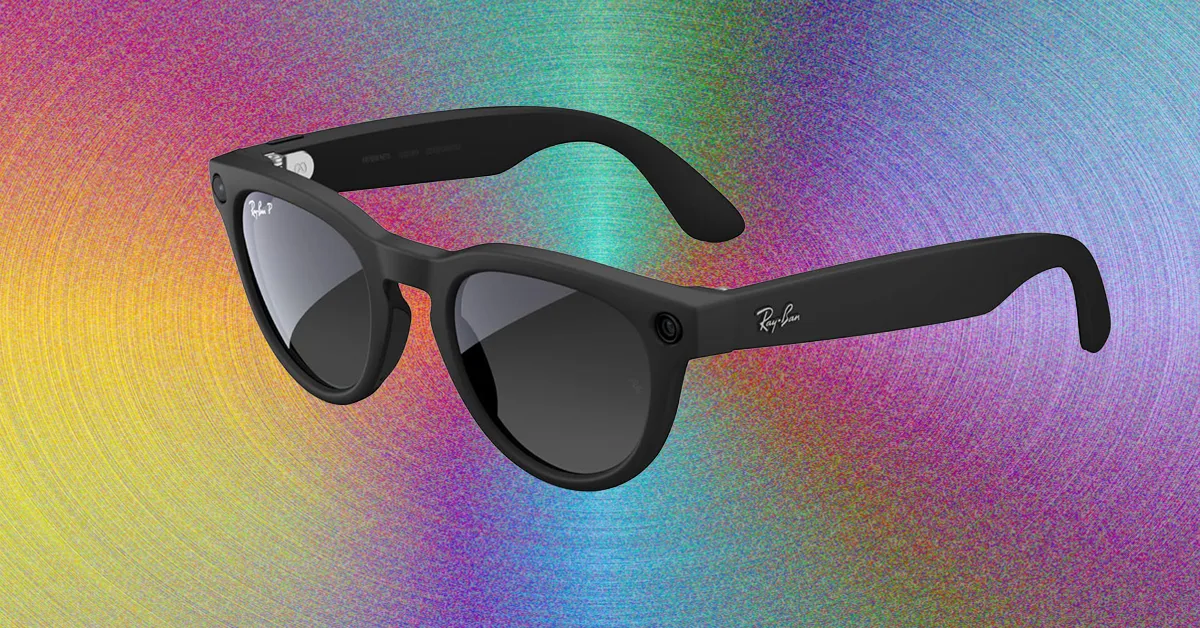
Meta’s Oakley Meta HSTN: Disrupting Wearable Tech Market with Innovation & Disruption

In a bold move that exemplifies the relentless push for innovation in wearable technology, Meta has unveiled a new line of high-performance smart glasses—the Oakley Meta HSTN. These devices are not just another iteration of augmented eyewear; they represent a strategic disruption targeting outdoor enthusiasts, athletes, and social influencers alike. By seamlessly integrating with platforms like Strava and Apple Music, Meta is demonstrating that the future of wearable technology hinges on robust ecosystem integration—an essential for capturing consumer loyalty in an increasingly competitive landscape.

Meta’s move signals a clear industry shift, emphasizing versatility and immersion in outdoor and sports activities. The Oakley Meta Vanguard smart glasses, introduced last year, are designed as multifaceted devices—combining high-end sports sunglasses, workout headphones, and even action cameras. Unlike traditional devices constrained by single-functionality, these glasses embody the ongoing trend of disrupting standalone device markets. Analysts from Gartner emphasize that such convergence of functionalities can redefine consumer expectations, forcing incumbents to innovate or risk obsolescence. The Vanguard’s innovative camera placement—on the bridge of the nose—eliminates fisheye distortion, signaling Meta’s focus on enhanced user experience through technical refinement.

The business implications are significant. As Meta continues to craft devices tailored for athletes, content creators, and influencers, the market approach appears to favor disruption through high-end hardware paired with intelligent AI integration. Features like auto-capture enabled via Garmin watches showcase an emerging trend: smart devices that automate and streamline content creation, empowering users to produce professional-quality material effortlessly. This convergence creates an ecosystem where hardware and AI work symbiotically—a strategy that none of the Big Tech companies previously masterfully executed at this scale. Such innovations threaten traditional camera and audio markets and signal new revenue streams rooted in subscription services, platform lock-in, and data monetization.

Looking forward, industry leaders like Elon Musk and Peter Thiel are watching this evolution closely, recognizing that the integration of AI and hardware is fundamentally transforming consumer behavior and commerce. MIT researchers have highlighted how these disruptions accelerate adoption of AR/VR workflows, with Meta’s advancements setting a new benchmark in wearable tech design and functionality. Time is now for competitors to adapt or face being left behind. As the race for dominance in smart wearables intensifies, the real question is how fast these innovations can scale and integrate into our daily lives—raising both opportunities and urgent calls for strategic agility within the tech sector.

Fi Mini for Cats: The Smart Gadget Every Pet Parent Needs to Stay Connected

Progress in Pet-Tech: How Fi Is Disrupting the Monitoring Market

In an era where technological innovation continues to reshape industry standards, the emergence of advanced pet-tracking solutions such as Fi‘s latest devices signals a significant disruption within the broader health and safety technology sector. Priced competitively with flexible subscription plans—ranging from monthly to biennial options—Fi leverages streamlined business models and aggressive discounting strategies to capture a growing segment of tech-savvy pet owners. As industry leaders like Gartner predict, companies that integrate smart connectivity and user-centric design will dominate emerging markets. This presents an opportunity for incumbents and startups alike to harness innovation for competitive advantage.

At the core of Fi’s disruptive appeal is its focus on device innovation and system disruption. The tracker utilizes a USB-C charge port, promoting ease of use and quick energy replenishment, with battery life extended through a dedicated Base module that reduces power drain by connecting via Bluetooth. Such features exemplify disruptive innovations that can redefine hardware standards, as analyzed by MIT’s latest research on IoT device energy efficiency. The device’s ability to last up to six weeks on a single charge represents a milestone in pet-tech, although user experiences suggest three-week operational norms—highlighting a need for ongoing refinement.

Business implications of these developments extend beyond hardware. By integrating subscription models, discounting, and multi-pet discounts, Fi is innovating how pet safety services are packaged and sold. The companion app, which requires user setup of pet profiles—detailing factors like breed, weight, and photo—epitomizes a broader trend of data-driven personalization. Given the ascendancy of connected devices, the market shift towards comprehensive, app-enabled solutions reflects a fundamental transformation in how consumers value real-time location accuracy. However, notable limitations persist; for example, the tracker’s minimum safe zone size may limit effectiveness in densely populated urban environments, as experienced by users in Brooklyn with indoor-only cats. Such gaps underscore both the promise and the challenges faced by the industry—challenges that companies like Fi must navigate to maintain leadership and innovate further.

Future Outlook: From Pet Tracking to Broader Disruption

As disruption continues to ripple through the pet-tech industry, the implications for other sectors poised at the nexus of AI, IoT, and connectivity are profound. Industry analysts endorse the perspective of visionaries like Elon Musk and Peter Thiel, who emphasize the importance of rapid innovation and market agility. Incremental improvements in hardware and software, combined with strategic business models, are expected to catalyze new revolutions. The question remains: Will companies like Fi pioneer the next wave of connected health and safety solutions—spanning personal security, smart cities, and beyond?

In this dynamic landscape, staying ahead requires relentless innovation, strategic deployment, and an acute understanding of user needs. The race for dominance in the connected device market is not just about hardware but also about fostering ecosystems that anticipate future demands. Tech leaders and entrepreneurs must act swiftly—timing is critical. For those who succeed, the future will be defined by disruption, opportunity, and the relentless pursuit of smarter, safer solutions for consumers worldwide.

Top Merino Wool Gear for 2026: Base Layers, Hoodies & Jackets for the Modern Explorer

Revolutionizing Outdoor Apparel: The Disruption of Natural Fibers in Tech-Driven Brands

The outdoor apparel industry is experiencing a significant paradigm shift, driven by pioneering companies harnessing biologically-based, sustainable fibers and redefining what rugged, high-performance gear means for a new generation of enthusiasts. At the forefront, companies like Paka and Darn Tough are pushing the boundaries of innovation in material science, challenging traditional synthetic and untreated wool products. Their focus on natural fibers such as Merino wool and alpaca, combined with advanced engineering, demonstrates an industry ripe for disruption — one that emphasizes both environmental responsibility and peak performance. Analysts from Gartner have highlighted this segment as “one of the most promising early-stage innovations in consumer textiles,” signaling a business climate poised for rapid evolution.

The technical merits are undeniable: merino wool and alpaca fibers—such as the 65% royal alpaca blend combined with recycled nylon—offer natural thermoregulation, odor resistance, and lightweight warmth, making them an attractive alternative to synthetics. Industry experts, including MIT researchers, note that such materials enable products to deliver “disruption on both a consumer and environmental level,” aligning with a broader shift toward eco-conscious consumption. These companies are not just making clothing; they are engineering a new value proposition built upon versatility, sustainability, and durability. The recent release of the Furlong sweater, crafted from Irish Donegal yarn, exemplifies this ethos—offering a rugged, rustic aesthetic for the eco-aware youth seeking authenticity coupled with innovative comfort.

Additionally, the private sector’s response has been brisk.

  • High-performance base layers—merino socks, underwear, and bras—are rapidly replacing traditional synthetics due to superior softness, durability (often backed by unconditional lifetime guarantees), and natural odor eradication.
  • Durability and longevity—products like Darn Tough socks exemplify how natural fiber blends, around 50/50 nylon and merino wool, achieve enduring performance, often lasting years under intense conditions without wear.
  • Market leadership—such as Paka offering alpaca tops at approximately $159, boasting environmentally friendly production and broad color ranges—demonstrates the profit potential in blending **luxury appeal with sustainability**. Such brands are transforming the outdoor sector from a niche into a lucrative, disruptible business frontier.

Business analysts, including those from Gartner and Elon Musk’s venture firms, emphasize that these innovations are merely the surface of a much deeper transformation rooted in material science, consumer behavior, and societal values. The integration of recycled nylon and other eco-friendly materials reflects a societal demand for responsible manufacturing without compromising performance, opening pathways for traditional brands to be displaced by agile, innovation-driven startups. In a landscape dominated by rapid technological advancement and a conscious consumer shift, the traditional textile industry risks being left behind unless it adapts swiftly to this disruptive wave of bio-based materials.

Looking ahead, the development of natural fiber technology signals a future where performance, sustainability, and youth culture converge. Industry leaders and investors must recognize that timing is critical: the brands that invest in cutting-edge bio-fibers and sustainable manufacturing processes will set the tone for the next decade. The question remains—will established giants embrace this innovation as a core business strategy or await being rendered obsolete by agile disruptors? The industry must prepare for a future where sustainable, high-performance apparel is not just a selling point but a defining characteristic of global outdoor and athletic sectors. In essence, the race is on—those who innovate earliest stand the best chance of capturing the next wave of consumer loyalty and market leadership.

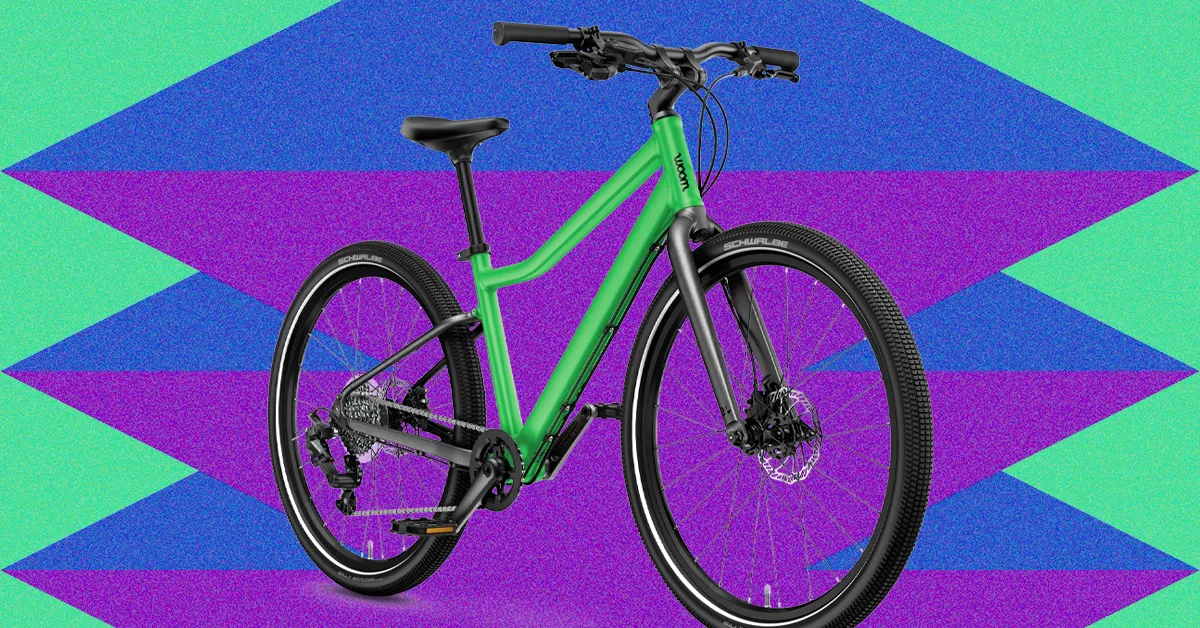
Top Kids’ Bikes of 2026: Woom, Prevelo, Guardian & More for Young Riders

The global market for children’s bicycles is experiencing a rapid wave of technological innovation that signals broader industry disruption. Leading brands are integrating advanced safety features such as Mips technology, an in-helmet system designed to combat rotational impact and reduce concussions, and embedded digital access—like Twiceme chips—allowing instant access to critical medical data via smartphones. These developments reflect an imminent shift akin to the broader tech revolution, with safety and connectivity prioritized at the forefront. Industry analysts, including Gartner and MIT’s Media Lab, acknowledge that such smart safety innovations could set new standards, forcing traditional manufacturers to pivot or risk obsolescence.

Meanwhile, the competition is further disrupted by innovative form factors and manufacturing approaches that challenge the status quo. Companies such as Linus and ByK are pushing the envelope with lightweight alloy frames, vegan leather accents, and sleek, minimalist designs that appeal to both parents and children—leading to a renaissance in aesthetic and functional design. This wave of premium features comes with a price tag—around $400—but is justified by durability, safety, and style, which are increasingly valued by a new generation of consumers. The industry’s digitization also fosters a burgeoning secondary market—via platforms like eBay and Facebook Marketplace—highlighting a shift from linear purchase models to circular economies, a pattern experts like Peter Thiel have long predicted as vital for sustainable business models.

However, the most significant market implications are observable in emerging features that set the foundation for an integrated mobility ecosystem. For instance, the adoption of lightweight, pedal-enabled bikes like Nüdl’s Unicorn Helmet with Mips goes beyond safety, embedding social and health data that foster community and emergency responsiveness. Such innovations anticipate a future where bicycles are not just toys but connected, intelligent devices—a trend seen in broader tech giants’ ventures into wearable and IoT-enabled devices. As industry leaders like Elon Musk and disruptors inspired by insights from institutions like MIT and Gartner emphasize, the convergence of IoT, AI, and edge computing will redefine mobility solutions across all age groups, including children. This transformation creates both opportunities and challenges, demanding manufacturers innovate quickly to maintain competitive advantage or risk getting pushed aside by agile, tech-savvy startups.

Looking forward, the potential for disruption in children’s mobility markets signifies a broader narrative of technological revolution that could — within a few short years — overhaul entire sectors. The integration of safety, connectivity, and design indicates a clear trajectory toward smart, adaptive, and personalized transportation options. Industry giants and startups alike are racing to secure their positions in this fast-evolving space, driven by the primal demand for safety, style, and environmental consciousness among a new generation of consumers. As Peter Thiel’s principles of technology leverage emphasize, foundational shifts in markets usually precede exponential growth—making now the critical moment for investors, entrepreneurs, and policymakers to act with urgency. The next wave of innovation is approaching swiftly, and those who adapt first will shape the future of mobility, for children and beyond.

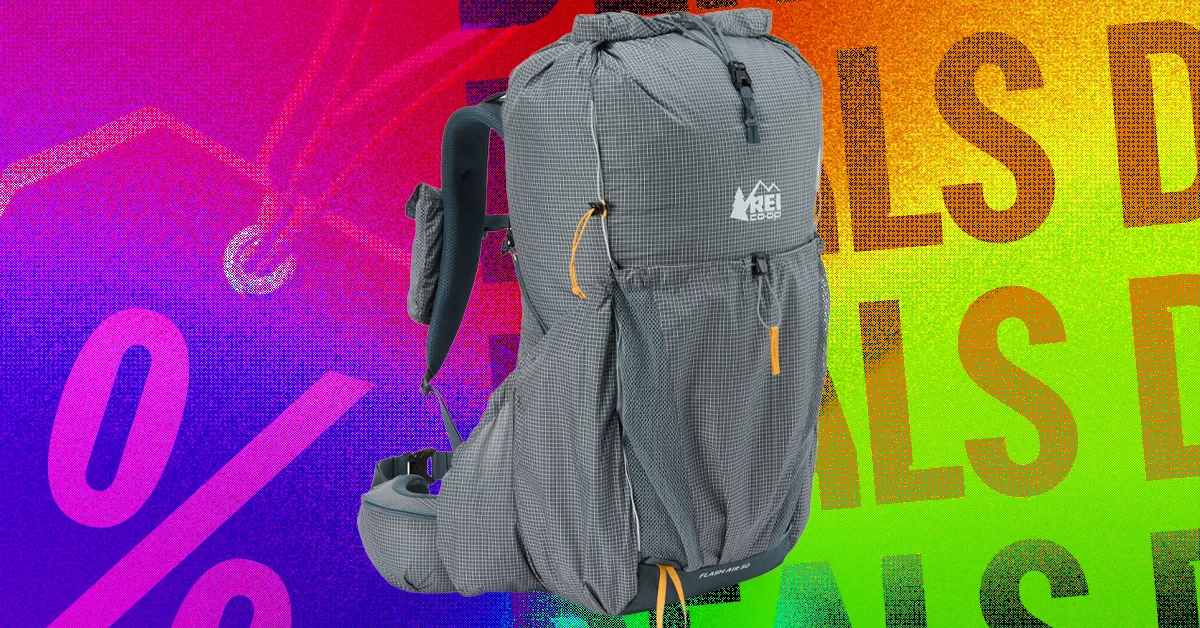
Top Outdoor Gear Deals for Young Adventurers: REI Member Days 2026

Outdoor Gear Industry Transformed: How Innovation and Market Disruption Drive Business Evolution

In an era marked by rapid technological advancement and consumer-driven disruption, the outdoor gear industry is experiencing a seismic shift. Major players like REI are leveraging innovative sales strategies—exemplified by their multi-year Member Days events—to foster loyalty while simultaneously transforming the retail landscape. This approach not only disrupts traditional margin models but also showcases how digital engagement and exclusivity can act as catalysts for business expansion. As analyst firms such as Gartner highlight, the retail ecosystem is increasingly gravitating toward experiential and community-centered initiatives, blending online and off-line channels for maximal impact.

The elevation of product innovation is vividly demonstrated through groundbreaking gear offerings. For example, Big Agnes’s Copper Spur HV UL Tent redefines ultralight shelter with its minimalist design, weighing just 2 pounds 10 ounces, yet delivering uncompromised stability and livability. Such advancements exemplify the industry’s move toward disruption, emphasizing weight reduction without sacrificing durability. Similarly, Therm-a-Rest’s NeoLoft Sleeping Pad offers a revolution in sleep comfort, combining lightweight portability with rugged durability—an essential shift indicating that industry players are now prioritizing multifunctionality and efficiency in product development. These innovations serve as strategic business differentiators, setting new benchmarks aligned with the changing demands of tomorrow’s outdoor enthusiasts.

Business implications of this innovation surge are profound. The competitive landscape is shifting towards agile brands capable of rapid product iteration. Companies like REI Co-op are capitalizing on this trend through exclusive deals and strategic partnerships, making the marketplace a hub for high-value, limited-availability items—such as Yeti’s Hopper Flip 8 Cooler and Sea to Summit sleeping pads—that cater to the burgeoning ultra-light, high-performance camping segment. The trend signifies a rising market dominance of brands that successfully blend innovation, sustainability, and community engagement. Industry giants and startups alike are now recognizing that disruption is no longer optional—it’s imperative for survival and growth in a fiercely competitive environment.

Looking ahead, the landscape suggests a future where disruption will accelerate through emerging technologies such as smart gear, eco-friendly materials, and AI-driven personalization. This momentum compels industry stakeholders to act with urgency, investing in R&D and digital transformation to stay ahead. As Elon Musk and venture capitalists like Peter Thiel emphasize, fostering a culture of relentless innovation is essential to capture the value of industry-wide disruption. For young entrepreneurs and established players alike, the message is clear: the next wave of market leadership hinges on embracing innovation and disruptive business models—those who adapt swiftly will shape the future, while the rest risk obsolescence.

In conclusion, the outdoor gear sector exemplifies a broader trend: innovation and disruption are now fundamental to industry evolution. With new products redefining performance standards and strategic marketing reshaping customer relationships, those willing to push boundaries will dominate the next generation of outdoor pursuits. The urgency is unmistakable—businesses that prioritize agility, innovation, and community are poised to lead this dynamic transformation into an unpredictable yet promising future.

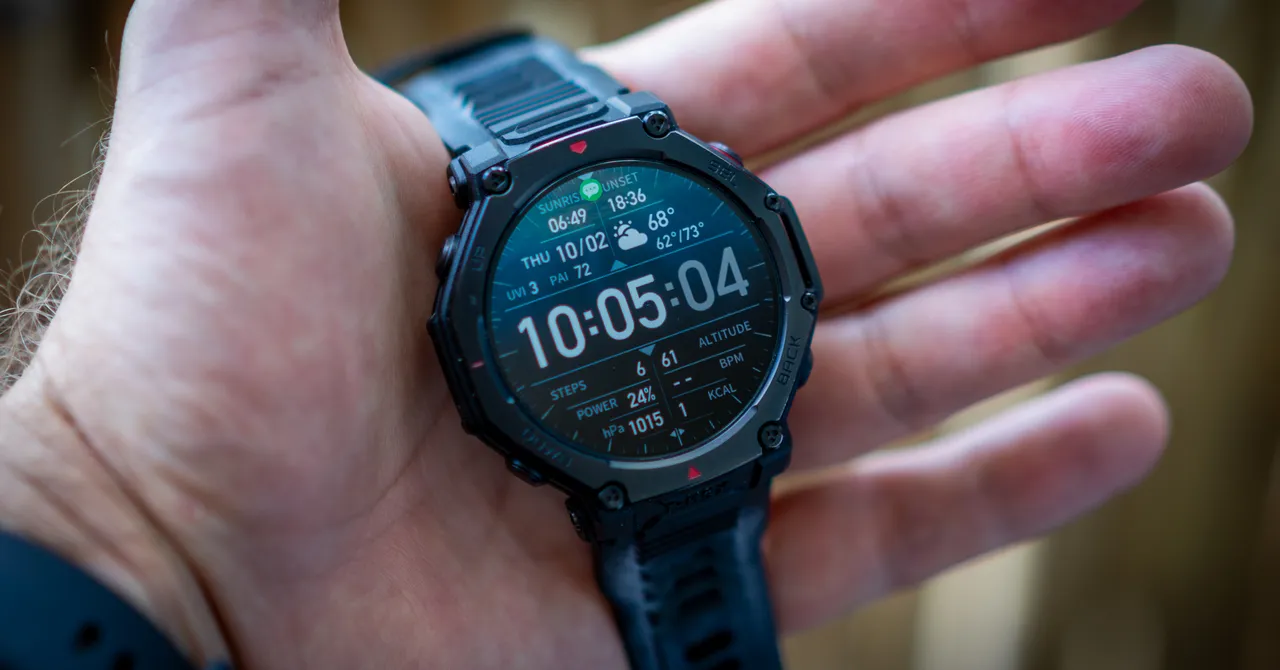
Amazfit T-Rex 3 Pro: Tough Outdoor Gear That Just Doesn’t Coast

Tech Disruption Continues: Amazfit TRex 3 Pro Fails to Meet Expectations in Market-Defining Wearable Segment

In the rapidly evolving world of wearable technology, innovation is often touted as the main driver of competitiveness. However, recent reviews of the Amazfit TRex 3 Pro reveal that despite its promising feature set, the device struggles with implementation, casting a shadow over the company’s perceived market leadership in outdoor and sports watches. While touted for offline routing and outdoor activity metrics, user experiences highlight significant shortcomings that threaten its disruptive potential in this segment. Analysts note that this underscores a broader industry trend — rapid feature proliferation without ensuring core functionality, leading to consumer skepticism and operational risks, especially as competitors like Garmin and Apple refine their offerings.

The device’s offline routing capability epitomizes the gaming industry’s push towards seamless, high-precision navigation tools for adventure-seekers and fitness enthusiasts alike. However, the reality falls short of expectations. Reviewers detail persistent failures in route creation—often limited to short distances—and bizarre recommendations such as running on one of the country’s busiest highways, Interstate 405. This exposes a critical gap in disruption-driven innovation—the promise of smart features that integrate smoothly with user needs remains unfulfilled. For industries betting on the next wave of wearable tech, such gaps may deter early adopters, risking market share erosion when competitors deliver truly reliable solutions.

Beyond navigation, the device faces industry-wide challenges related to software completeness and interface polish. Despite the hype around fitness and activity tracking, features such as strength training recognition remain unreliable, as surfacing issues highlight a disconnect between R&D ambitions and product execution.

  • Incomplete translation and interface bugs
  • Limited activity recognition
  • Questionable usability in real-world scenarios

These shortcomings come at a crucial time when market leaders like Samsung and Fitbit continue to push comprehensive, integrated platforms that combine hardware prowess with enhanced AI-driven insights. The lesson for emerging players: innovation alone cannot substitute for meticulous testing and user-centered design. Disruption only occurs if new entrants can deliver on their promises without compromise.

Nevertheless, not all is lost for the Amazfit brand in this segment. Notable features such as an LED flashlight, basic notification display, and quick-response messaging for Android users highlight that the company is attuned to evolving consumer needs. Experts from MIT and industry analysts like Peter Thiel suggest that a strategic focus on niche, high-impact innovations—such as durable ruggedness and advanced battery life—may yet carve a competitive edge. The key takeaway for the youth market and innovators is the emphasis on “finish the job”: iteration, testing, and aligning features with genuine user needs — crucial for disrupting entrenched giants.

Looking ahead, this case exemplifies a broader market imperative: the race to redefine what wearables can do is far from over. As Elon Musk frequently warns, “speed isn’t enough; reliability is everything.” The future belongs to those who can marry cutting-edge features with rock-solid dependability, all while disrupting traditional paradigms. For the tech-savvy youth and fast-moving startups alike, the message is clear—disruption demands more than buzzwords and early prototypes. It requires relentless execution, user trust, and a keen eye on practical utility. As industry giants continue to innovate, those who master the fine balance between innovation and execution will ultimately dictate the future landscape of wearable technology. Time is of the essence; the next leap forward is just around the corner.

Social Media Auto Publish Powered By : XYZScripts.com