Matox News

Truth Over Trends, always!

Trump questions Iran deal, warns Tehran hasn't paid enough price in US-Israel stance
Trump questions Iran deal, warns Tehran hasn’t paid enough price in US-Israel stance

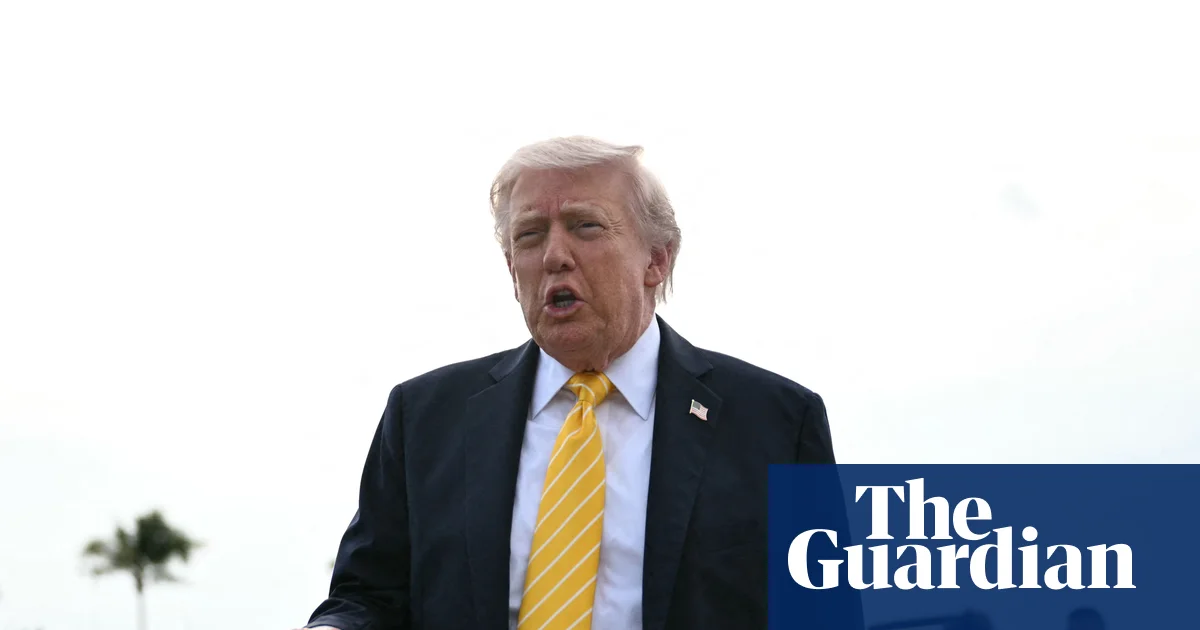
In a high-stakes game of geopolitical chess, United States President Donald Trump is once again asserting a hardline stance against Iran, signaling potential escalation in a rapidly deteriorating crisis that threatens global stability. Despite publicly reviewing a new peace proposal from Tehran, Trump cast doubt on its viability, emphasizing that Iran has not yet “paid a big enough price” for its actions over the past decades. This rhetoric signals not only the potential for renewed hostilities but also underscores a broader strategic objective: maintaining maximum economic and military pressure on Iran to surrender its nuclear ambitions and regional influence.

The complex web of u-s-iran tensions is further convoluted by the intertwining of economic levers and military posturing. The Strait of Hormuz, the vital conduit for around 20% of the world’s oil and gas supplies, has become a flashpoint as both sides impose parallel blockades, risking catastrophic disruptions to global energy markets.

  • The US has threatened to escalate sanctions against shipping companies facilitating Iranian exports.
  • Iran, on its part, issued a 14-point counteroffer via Pakistan, demanding the lifting of sanctions and the end of hostilities, while emphasizing the importance of control over the strait’s management.

International analysts, including those affiliated with the International Crisis Group, warn that prolonged stalemates and aggressive posturing could trigger a regional crisis with repercussions extending far beyond the Middle East.

Meanwhile, Iran remains defiant, with its Islamic Revolutionary Guards Corps explicitly warning that Trump must choose between an “impossible operation” or a “bad deal.” This statement highlights the ongoing internal debate within Iran’s political establishment about how far to escalate or compromise. Recent shifts in tone from Russia, China, and European powers suggest a multifaceted chessboard, with each actor weighing their interests carefully. The US’s refusal to lift sanctions and its aggressive stance threaten to deepen Iran’s resolve, pushing the country ever closer to acquiring a clandestine nuclear capability—an outcome that independent security analysts warn could destabilize the entire region and undermine non-proliferation efforts that have been the cornerstone of international diplomacy for decades.

The U.S. military’s repositioning in Europe, including the plan to cut troop numbers in Germany, adds another layer of tension. Trump has indicated an intent to escalate confrontations with European allies, especially over criticisms regarding the Iran policy. The planned troop reduction signals it will be a test case for transatlantic unity, with some experts concerned that weakening US military posture in Europe may embolden adversaries and diminish NATO’s collective deterrence. Historians like Andrew Bacevich warn that such unilateral moves threaten to unravel decades of diplomatic consensus and could accelerate a shift towards a more fragmented and hostile international order.

As history reaches another critical juncture, the unfolding events threaten to reshape geopolitical realities—where economic sanctions, military showdowns, and diplomatic failures converge on the brink of a new Middle Eastern crisis. The weight of history presses heavily upon all involved, with each decision reverberating across continents, economies, and societies. While leaders negotiate and threats echo through corridors of power, the world watches in silence, acutely aware that the next chapter in this unfolding drama could either herald a fragile peace or ignite a conflict that reshapes the global order for generations to come.

Support Worker Fights to Get Paid Amid Disability Scheme Delays Hurting Youth Accessibility

Growing Delays in Access to Work Scheme Strain Disabled Communities

Recent reports indicate a concerning increase in delays to the Access to Work scheme, a government initiative designed to provide vital support for disabled individuals to participate fully in the workforce. These delays are not merely administrative hiccups but represent deeper societal challenges—hampering families’ economic stability, disrupting educational opportunities, and fragmenting communities intended to foster inclusion. As social commentators and sociologists warn, such setbacks threaten to undermine the very fabric of a society striving for equity and productivity.

The delays in processing leave many disabled people without the necessary assistive support, often for extended periods. This reality is painfully felt by families relying on these services; parents and caregivers find their children deprived of essential accommodations needed for learning and development. For many young people, especially those in educational institutions, such disruptions hinder their right to pursue an independent and fulfilling life. The societal implications are profound—when families are stretched thin trying to compensate for systemic failures, the community’s cohesion suffers and the promise of social mobility diminishes.

The social fabric of communities with high rates of disability is particularly strained as public institutions struggle to keep pace with the demand for support. Historians and social theorists have long observed that social issues rarely exist in isolation; rather, they compound, creating a cycle of disadvantage that affects not only individuals but entire neighborhoods as well. This phenomenon underscores the need for urgent reforms—streamlining administrative processes, increasing funding, and fostering a societal culture that values inclusive participation. Failing to act risks consolidating divisions, marginalizing those who are often already vulnerable.

Ultimately, these delays serve as a stark reminder of the ongoing moral and ethical challenge faced by society: to ensure that vulnerable populations are not left behind in the pursuit of economic growth. Social justice advocates emphasize that support systems like Access to Work are not optional but fundamental to realizing a truly equitable society. As the nation navigates these challenges, the hope remains that collective effort, compassionate policy reform, and societal awareness can turn setbacks into opportunities—transforming societal neglect into a renewed commitment to inclusion. If society can recognize and rectify these flaws, it may yet forge a future where no one is left to struggle in silence, and where every individual’s potential is celebrated as integral to the collective good.

Trump Orders Pentagon to Keep Troops Paid Amid Shutdown

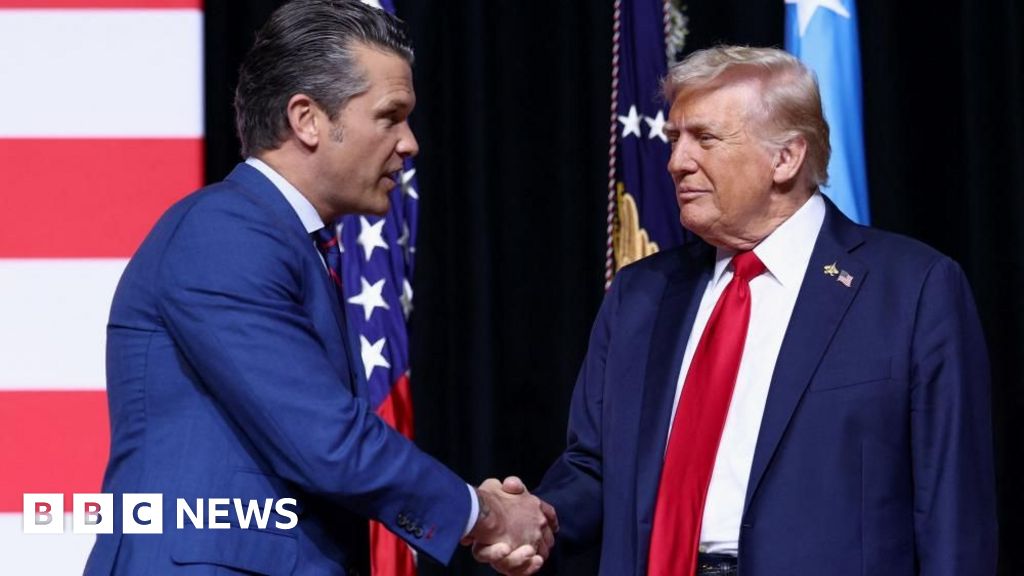
The United States faces an escalating political crisis as a prolonged government shutdown enters its third week, highlighting deep partisan divisions that threaten the stability of American institutions. President Donald Trump has issued a direct order to Defense Secretary Pete Hegseth to prioritize military personnel’s pay despite the shutdown, which began on October 1st. This decision underscores the importance of military readiness in the face of political gridlock, as the administration seeks to prevent a crisis within the armed forces. It also signals a tactical move to shield troops from financial hardship, even as other federal departments face significant layoffs and budget cuts. The decision’s geopolitical impact could ripple across international security dynamics, especially as allies monitor Washington’s fragile political resolve.

The shutdown stems from a standoff between Republicans and Democrats, with each side blaming the other for failing to reach a compromise. The Democrats have demanded the preservation of expiring tax credits aimed at lowering healthcare costs and reversing cuts to Medicaid, which primarily affects vulnerable populations. Conversely, Trump and his party accuse Democrats of obstructing national security and economic stability to achieve political goals. As analysts warn, this impasse not only endangers domestic policies but also risks weakening America’s global image as a reliable superpower. The measure to ensure military pay reflects a strategic calculation: maintaining military morale while politicians remain deadlocked, but it also raises questions about the long-term implications of political brinkmanship on international alliances.

Meanwhile, the administration has initiated unprecedented layoffs of thousands of government workers, an aggressive tactic designed to pressure Democrats to cave. Disaster response teams, health agencies, and security services have been affected, with over 4,000 employees laid off within just days. White House officials claim these layoffs are temporary, yet union representatives, including leaders from the American Federation of Government Employees and AFL-CIO, argue that these actions are not only illegal but also detrimental to public safety and national well-being. The potential for widespread government paralysis exposes the fragile foundations of America’s internal stability, as factions dig deeper into their trenches. International observers and organizations are watching with concern, recognizing that such political confrontations could embolden external adversaries or destabilize sectors such as cybersecurity, healthcare, and infrastructure—areas already strained by the ongoing crisis.

This critical juncture underscores a broader truth: the decisions made within the halls of power now will echo through history, shaping the **geopolitical landscape** for generations. As foreign nations assess Washington’s internal struggle, they scrutinize whether the American political system can withstand internal strife or if it risks falling into disarray. Historians warn that prolonged governmental shutdowns—if left unresolved—have profound consequences, weakening America’s power projection and eroding trust among allies and adversaries alike. The dark clouds of uncertainty loom as essential services teeter on the brink, leaving humanity to wonder if this chapter marks a temporary crisis or the prologue to a much darker era of American decline. With the pen in the hands of divided leaders, the weight of history presses heavily on the present, yet the story remains unwritten, waiting to be shaped by the choices of those still in power.

Social Media Auto Publish Powered By : XYZScripts.com