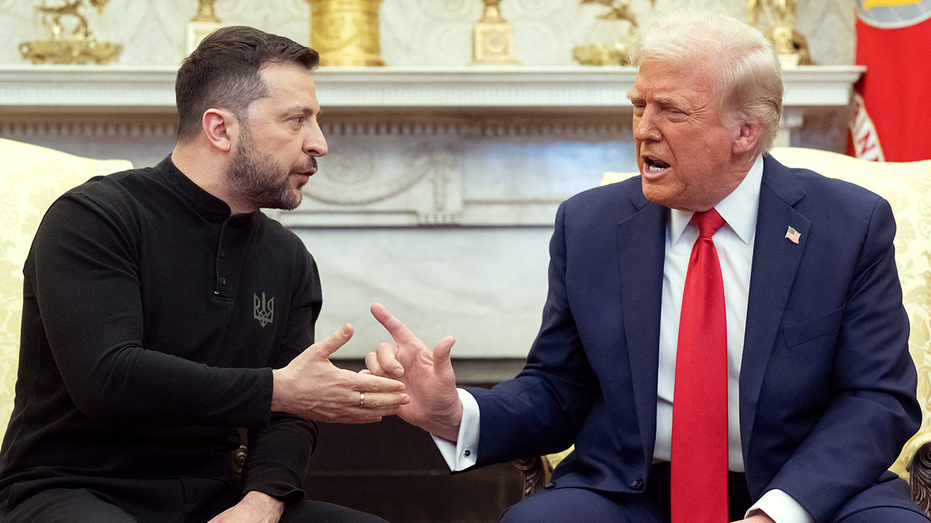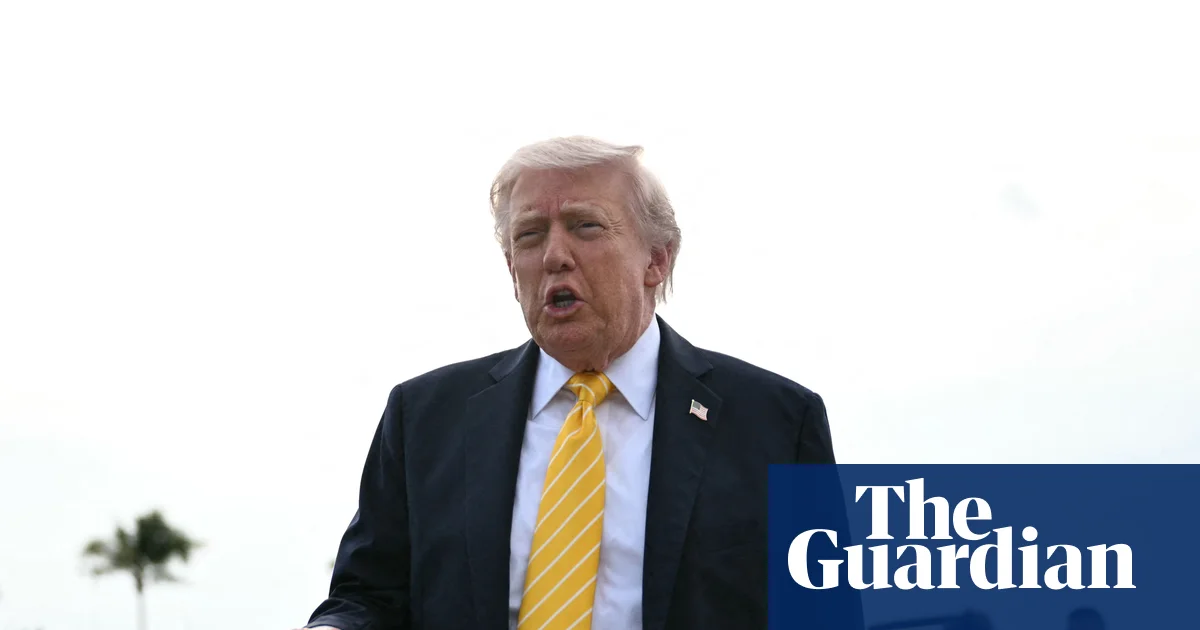
In a high-stakes game of geopolitical chess, United States President Donald Trump is once again asserting a hardline stance against Iran, signaling potential escalation in a rapidly deteriorating crisis that threatens global stability. Despite publicly reviewing a new peace proposal from Tehran, Trump cast doubt on its viability, emphasizing that Iran has not yet “paid a big enough price” for its actions over the past decades. This rhetoric signals not only the potential for renewed hostilities but also underscores a broader strategic objective: maintaining maximum economic and military pressure on Iran to surrender its nuclear ambitions and regional influence.
The complex web of u-s-iran tensions is further convoluted by the intertwining of economic levers and military posturing. The Strait of Hormuz, the vital conduit for around 20% of the world’s oil and gas supplies, has become a flashpoint as both sides impose parallel blockades, risking catastrophic disruptions to global energy markets.
- The US has threatened to escalate sanctions against shipping companies facilitating Iranian exports.
- Iran, on its part, issued a 14-point counteroffer via Pakistan, demanding the lifting of sanctions and the end of hostilities, while emphasizing the importance of control over the strait’s management.
International analysts, including those affiliated with the International Crisis Group, warn that prolonged stalemates and aggressive posturing could trigger a regional crisis with repercussions extending far beyond the Middle East.
Meanwhile, Iran remains defiant, with its Islamic Revolutionary Guards Corps explicitly warning that Trump must choose between an “impossible operation” or a “bad deal.” This statement highlights the ongoing internal debate within Iran’s political establishment about how far to escalate or compromise. Recent shifts in tone from Russia, China, and European powers suggest a multifaceted chessboard, with each actor weighing their interests carefully. The US’s refusal to lift sanctions and its aggressive stance threaten to deepen Iran’s resolve, pushing the country ever closer to acquiring a clandestine nuclear capability—an outcome that independent security analysts warn could destabilize the entire region and undermine non-proliferation efforts that have been the cornerstone of international diplomacy for decades.
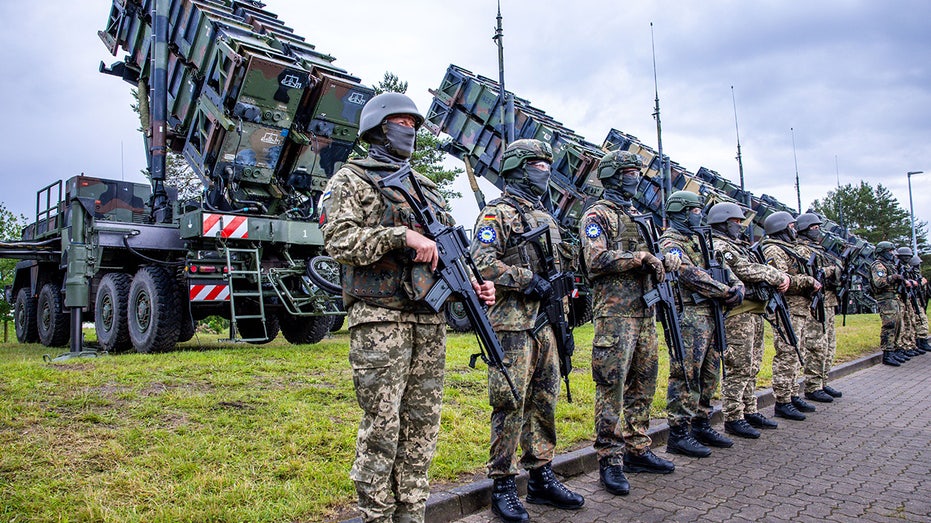
The U.S. military’s repositioning in Europe, including the plan to cut troop numbers in Germany, adds another layer of tension. Trump has indicated an intent to escalate confrontations with European allies, especially over criticisms regarding the Iran policy. The planned troop reduction signals it will be a test case for transatlantic unity, with some experts concerned that weakening US military posture in Europe may embolden adversaries and diminish NATO’s collective deterrence. Historians like Andrew Bacevich warn that such unilateral moves threaten to unravel decades of diplomatic consensus and could accelerate a shift towards a more fragmented and hostile international order.
As history reaches another critical juncture, the unfolding events threaten to reshape geopolitical realities—where economic sanctions, military showdowns, and diplomatic failures converge on the brink of a new Middle Eastern crisis. The weight of history presses heavily upon all involved, with each decision reverberating across continents, economies, and societies. While leaders negotiate and threats echo through corridors of power, the world watches in silence, acutely aware that the next chapter in this unfolding drama could either herald a fragile peace or ignite a conflict that reshapes the global order for generations to come.