Matox News

Truth Over Trends, always!

Tensions flare as Pakistan and Afghanistan clash again

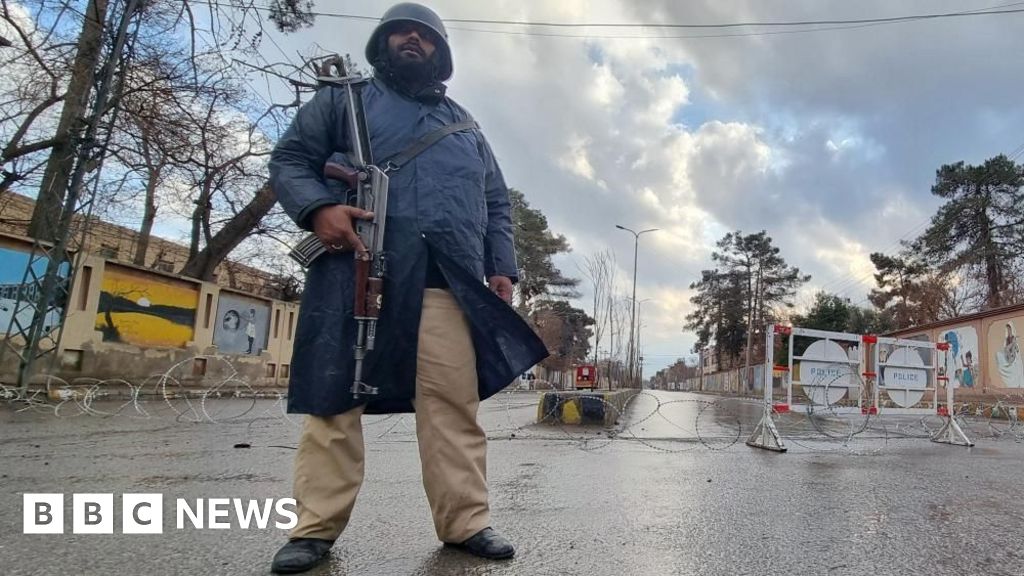
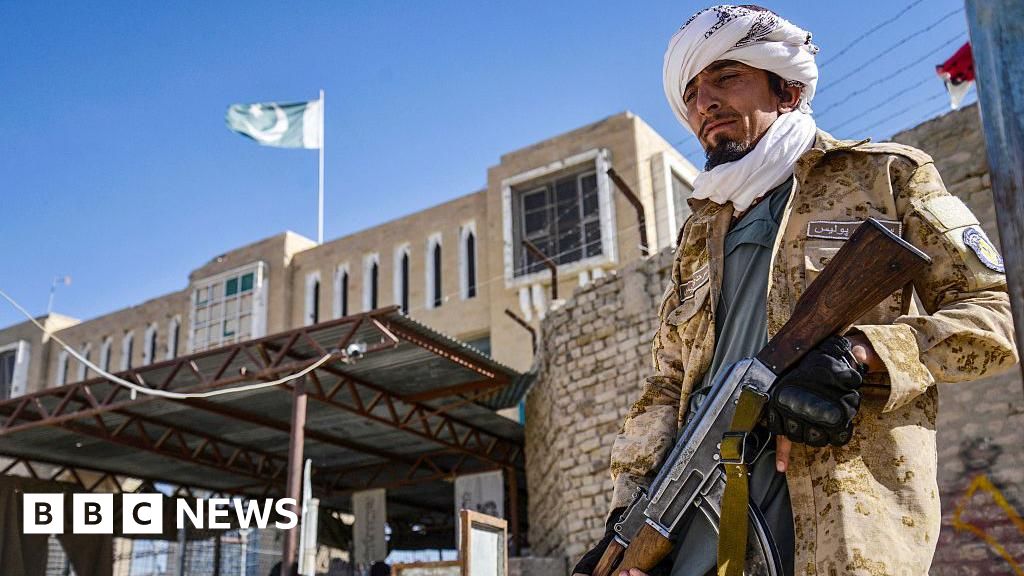
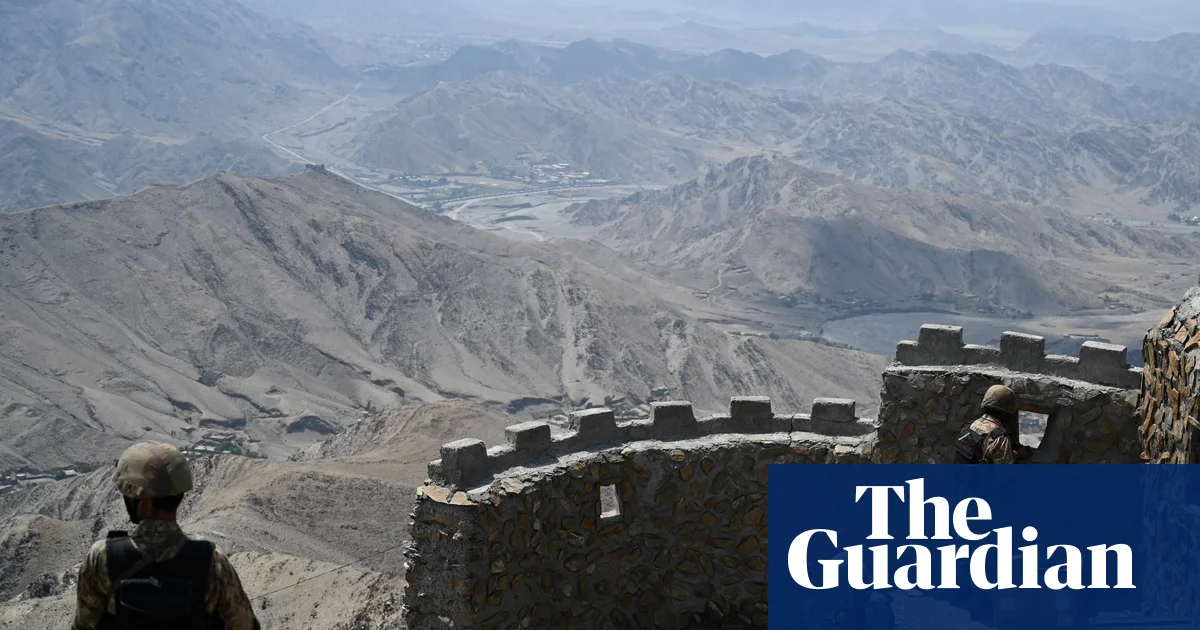
Recent border clashes between Pakistan and Afghanistan’s Taliban regime have once again underscored the fragile nature of peace in this volatile region. Despite international efforts to broker calm, hostilities erupted overnight along the nearly 1,600-mile frontier, resulting in casualties and mass civilian displacement. Both sides accused each other of initiating the confrontation, with sporadic fighting and accusations of air strikes igniting fears that longstanding tensions are reaching a boiling point. This flare-up highlights the complex interplay of security concerns, geopolitical interests, and deeply rooted mistrust that has persisted since the Taliban’s return to power in 2021.

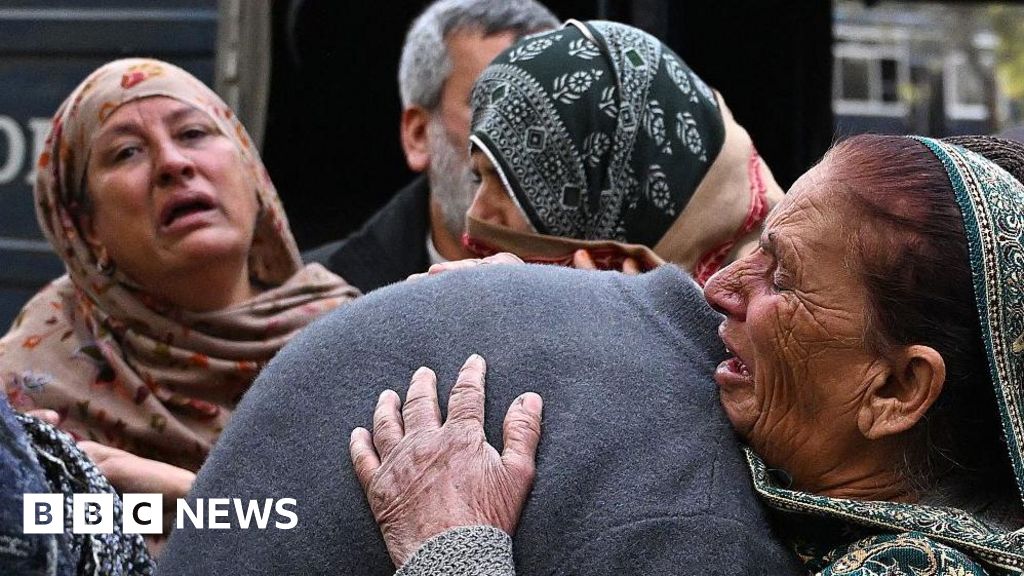
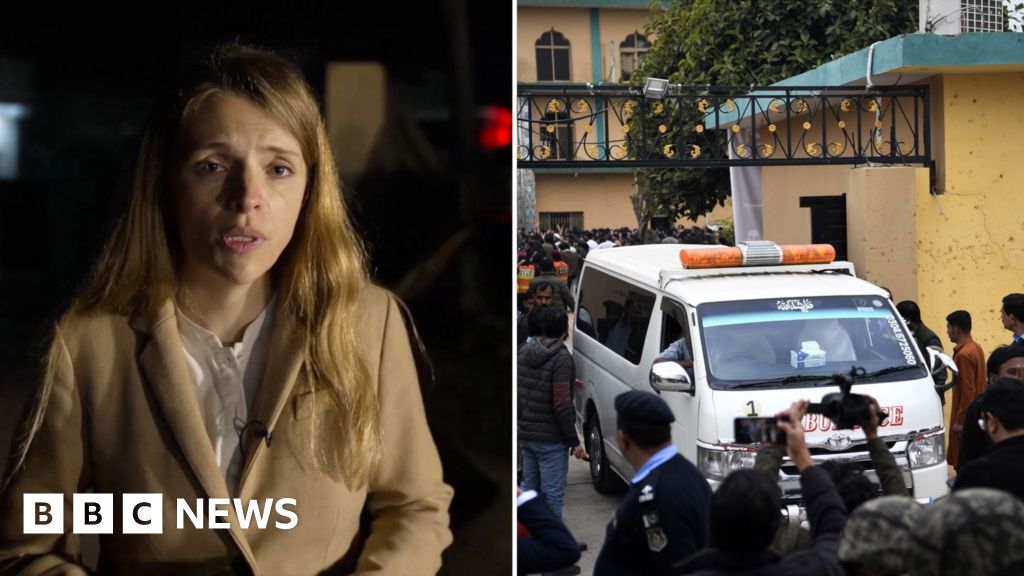
The immediate aftermath saw residents fleeing in terror, with reports of mortar fire damaging civilian homes — a tragic reminder that regional conflicts often spill into innocent communities. Surgeons and aid workers describe a grim scene of the wounded arriving at hospitals, with at least four dead on the Afghan side and additional casualties reported across both nations. Analysts warn that these clashes threaten to undo recent diplomatic progress, casting doubt on prospects for a sustainable peace settlement sustained by mediators from Qatar, Turkey, and regional actors. Despite a ceasefire agreement inked less than two months prior, tensions flared anew, revealing how fleeting and fragile this diplomatic window has proven to be.

  • The Pakistan government accuses the Taliban of sheltering armed groups responsible for numerous attacks in Pakistan, cultivating a cycle of violence and suspicion.
  • The Taliban deny these accusations, asserting that Pakistan’s security failures and provocations are unprovoked and unjustified.
  • Both sides have engaged in repeated negotiations, including recent talks in Saudi Arabia, but a conclusive agreement remains elusive amid mutual accusations and geopolitical rivalries.

The geopolitical impact of these border conflicts extends well beyond Kabul and Islamabad. With international powers carefully watching shifts in influence, the ongoing violence complicates regional stability, especially considering the strategic interests of China, India, and the United States. Historians and global organizations warn of a potential escalation if unresolved grievances deepen, emphasizing the importance of balanced diplomacy and the dangers of allowing insurgency and militancy to flourish unchecked. As the world witnesses this tense chessboard, the future of centuries-old border lines—and the societies they divide—hangs in a delicate balance, their fates intertwined with decisions made in distant capital cities and hidden corridors of power.

Afghanistan Withdraws from Cricket Series in Protest Over Pakistan Airstrike Killings

International Tensions Reach Boiling Point as Afghanistan Cuts Ties in Sport and Peace Talks Show Fragility

The international community faces a precarious moment marked by escalating violence and fragile diplomacy between Afghanistan and Pakistan. In a dramatic display of national grief, Afghanistan’s cricketing authorities have announced their withdrawal from a tri-nation T20 series scheduled for November, after three young Afghan cricketers were tragically killed in an air strike. The attack, described by Afghanistan’s Cricket Board as targeted and carried out by Pakistan’s regime, underscores the deeply intertwined nature of regional conflict and cultural identity.

This incident not only devastates Afghanistan’s burgeoning sports scene but also highlights the profound impact of military conflicts on societal cohesion. As noted by international analysts, the deaths of Kabeer Agha, Sibghatullah, and Haroon—who did not even represent the national team—are emblematic of how conflict permeates every facet of life, from sports to national morale. The International Cricket Council expressed deep sadness and condemned the violence, framing it as a tragic loss for the entire cricketing family. Yet, beyond the sporting arena, the violence has broader geopolitical implications, threatening the stability of a region already scarred by decades of conflict.

Amid these tragic events, efforts are underway to forge some semblance of peace through diplomatic channels. A temporary truce has been announced, extending for 48 hours to facilitate negotiations in Qatar, as Afghan and Pakistani delegations meet to address border tensions and cross-border terrorism. Former Afghan President Hamid Karzai called for reconsideration of Pakistan’s policies, urging a move toward civil and cooperative relations—an appeal echoed by regional observers who see the current approach as a cycle of provocations and reprisals. However, Pakistan’s official stance remains defensive, with Defense Minister Khawaja Asif emphasizing ongoing efforts to curb militant activities, claiming that recent strikes targeted militants and not civilians.

This fragile diplomacy comes at a crucial moment when Islamabad’s claims of counterterrorism efforts clash with local reports of civilian casualties, fueling mutual accusations. The situation on the border remains tense, with casualties reported on both sides, further complicating prospects for peace. Historians and security experts warn that unresolved border disputes and cross-border militancy threaten to unravel hard-won diplomatic advances, risking another cycle of violence with profound regional and global repercussions. As international powers watch nervously, the region’s trajectory hangs in a delicate balance, where each decision could either pave the way for reconciliation or thrust the region into renewed chaos.

As the shadows of war lengthen across this borderland, the voices of youth and hope within Afghanistan and Pakistan seem drowned out by the relentless echo of violence. The deaths of promising cricketers symbolize far more than a tragic loss—they are a stark reminder of how war’s destructive hand reaches into every corner of society, dismantling dreams and futures. As historians speculate on the unfolding chapters of history, the weight of tension presses heavily on the shoulders of nations eager for peace but unable to escape their turbulent past. The world watches as this fragile peace hangs by a thread, its next move potentially sealing the fate of an entire region, where the echoes of conflict threaten to drown out the possibility of coexistence—leaving history still in the making, with the future uncertain and the stakes higher than ever.

Border tensions flare between Pakistan and Afghanistan amid escalating clashes

In a dramatic turn of events, Pakistan and Afghanistan find themselves embroiled in a dangerous cycle of violence that threatens regional stability and the delicate balance of power in South Asia. Clashes along their shared border erupted with alarming intensity after a series of provocations and accusations that underscore how fragile the peace process has become. The recent escalation was triggered by an attack on Pakistani military posts allegedly carried out by Taliban forces in response to Pakistani airstrikes in Kabul, sparking fears of a wider regional conflict that could have devastating consequences for neighboring nations and international security.

Initial reports reveal that Taliban militants launched armed reprisals against Pakistani troops, claiming that their territory was violated by Islamabad’s air operations. Senior Taliban officials from several provinces accused Pakistan of conducting strikes inside Afghan borders, leading to increased violence and the seizure of border posts, notably in the strategic Helmand province. Pakistani security officials confirmed exchanges of fire at multiple border points; a Pakistani government spokesperson described the situation as “an act of aggression” that warranted a forceful response involving artillery, tanks, and assorted weaponry. This tit-for-tat escalation emphasizes the volatile nature of bilateral relations under stress, where miscalculations could spiral out of control.

International analysts, including security expert Michael Kugelman, warn that these recent hostilities reflect a fundamental breach in trust and a dangerous potential for regional destabilization. Kugelman emphasized that the convergence of cross-border attacks, Pakistani strikes into Afghanistan, and Taliban retaliation form a “perfect storm” that could rapidly escalate. Furthermore, the ongoing refusal of the Taliban regime in Kabul to acknowledge the international borders or crack down on terrorist groups like Tehreek-e-Taliban Pakistan (TTP) complicates diplomatic efforts. Observers point out that Islamabad’s demand for Kabul to cease harboring the TTP, a terrorist organization linked to numerous attacks within Pakistan, has been met with silence or dismissiveness. Without concerted intervention, the danger of an expanding conflict appears imminent, risking further destabilization across South Asia.

Historians and policy analysts warn that these tensions are no isolated incidents but symptoms of deeper geopolitical struggles. Pakistan and Afghanistan have long been entangled in a complex web of alliances, rivalries, and conflicting interests, with India and China also playing influential roles. The situation is compounded by Kabul’s lack of official recognition of international borders, which fuels ongoing disputes. As U.S. and European organizations urge restraint, regional powerbrokers recognize that the outcome of this confrontation could reshape borders, alliances, and national identities for decades. In this precarious moment, every military stance, diplomatic gesture, or misstep could rewrite the narrative of the region, sending shockwaves across the global stage.

As the night falls on a tense border, the ominous shadow of history looms large, reminding the world that peace in this part of the world remains fragile, elusive, and profoundly vital. The question now is whether diplomacy can outmaneuver hostility before the tinderbox ignites into a full-scale conflict, forever altering the geopolitical landscape. With each passing hour, the risk of a broader war grows—not as a distant threat but as a stark reality awaiting in the wings, a testament to how fast the currents of history can turn and how devastating their consequences may be for generations to come.

Social Media Auto Publish Powered By : XYZScripts.com