Matox News

Truth Over Trends, always!

US and Iran at Deadlock: Pakistan Urges Diplomatic Breakthrough

The Strait of Hormuz, a critical artery for global energy supplies, continues to simmer with tension despite recent efforts to de-escalate. The extension of a ceasefire agreement, announced by United States and regional allies, has temporarily subdued open conflict between opposing factions vying for control over strategic waterways. However, analysts and international observers warn that this pause is fragile and unlikely to resolve the underlying geopolitical rifts that have long plagued the region.

As the world watches, the ongoing volatility in the Middle East illustrates a broader struggle for regional dominance. The decision by President Trump and coalition partners to extend the ceasefire is viewed by some as a tactical pause rather than a strategic resolution. Historians like Michael O’Hanlon from the Brookings Institution suggest that this temporary measure “may buy time, but it does not address the core issues fueling conflict in the Gulf.” The local factions and international powers are engaged in a complex chess game, with control of the Strait as both a strategic objective and a bargaining chip. The risk remains high that unresolved tensions could reignite hostilities, especially with the region’s complex web of alliances and rivalries.

The geopolitical impact of recent developments extends far beyond local skirmishes. Since the 2019 attacks on Saudi oil facilities, which several intelligence reports attribute to Iran, the international community has been on alert. These incidents underscored the vulnerability of global supply chains and prompted NATO and the United Nations to call for diplomatic solutions. Yet, deep-seated mistrust persists, fueled by decades of hostility, sanctions, and proxy conflicts.

Meanwhile, regional powers such as Iran, the United Arab Emirates, Saudi Arabia, and Israel are moving carefully within this volatile environment. Their actions are influenced by both internal political pressures and external security alliances. International organizations warn that any miscalculation could trigger a broader regional conflagration, threatening global economic stability. The U.S.-led coalition’s strategic realignments and the recent ceasefire extension are viewed as attempts to contain escalation, but they do little to eliminate the underlying causes—namely, competition for influence, resource control, and ideological divides.

As analysts from the Council on Foreign Relations highlight, the next few months are critical. The fragile ceasefire—while a welcome respite—must be backed by tangible diplomatic efforts and confidence-building measures. Otherwise, the looming threat of renewed conflict in the Strait of Hormuz reminds the world that history is often a fragile tapestry, easily torn. The choices made today will influence the course of geopolitics for decades to come. In this unfolding saga of control, power, and survival, the world must confront yet again that peace is often an elusive mirage in a desert of strategic interests—until, perhaps, history makes its final, devastating judgment.

Live: Iran considers Pakistan talks with US amid rising tensions—claims ‘new battlefield’ cards in US-Israel standoff

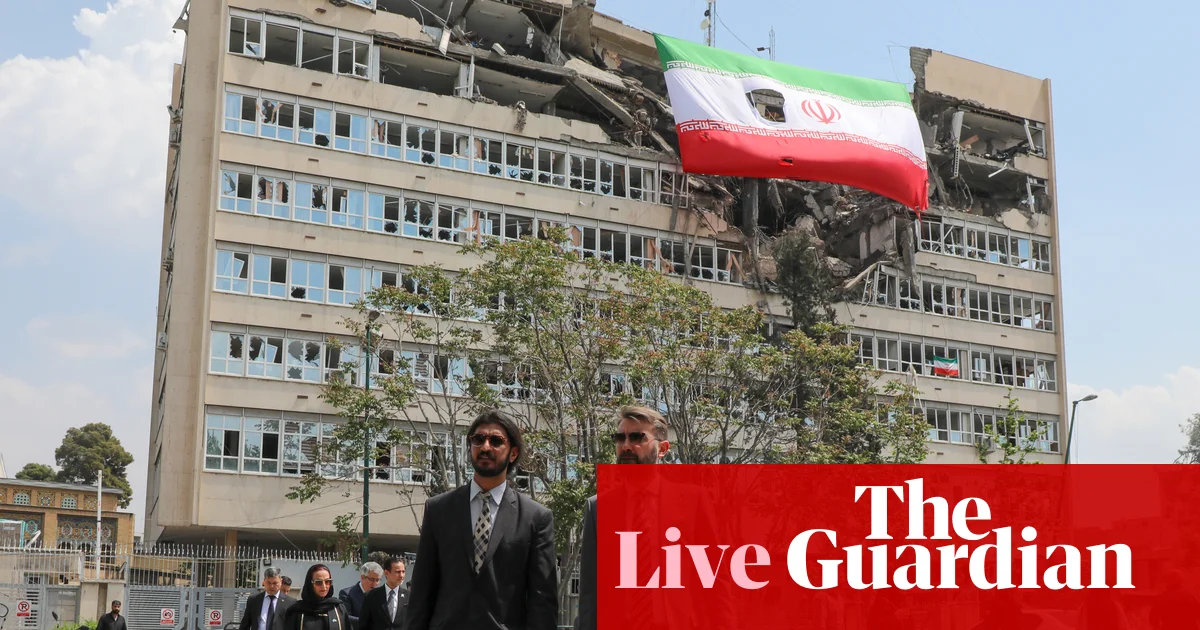
In an unfolding series of high-stakes confrontations in the Middle East, Iran has condemned recent US military actions, labeling the seizure of an Iranian-flagged cargo ship as “maritime piracy” that exacerbates existing tensions in the region. This incident, accompanied by the US Navy’s deployment of marines onto the vessel, has thrown diplomatic efforts aimed at de-escalation into disarray. Iran’s foreign affairs ministry has called for the immediate release of the ship and its crew, asserting that the act violates international law and breaches earlier ceasefire agreements with the United States. Such moves not only threaten to derail fragile negotiations but also deepen fears of broader regional conflict, potentially impacting the global flow of oil and commodities through the vital Strait of Hormuz.

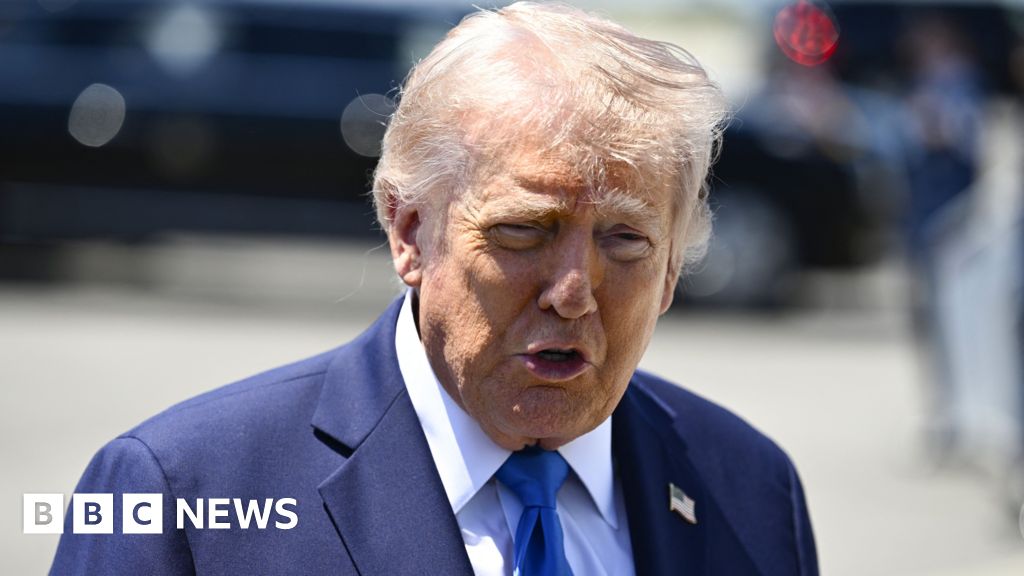
Officials in Washington remain committed, at least officially, to the pursuit of diplomatic solutions. Donald Trump has asserted that “a deal with Iran would happen relatively quickly,” reinforced by his declaration that the US would not lift its blockade until Iran agrees to negotiate on its nuclear program. Such statements underscore the complex and precarious nature of international diplomacy amid escalating military threats and economic sanctions. Meanwhile, US Vice-President JD Vance remains in the US, fueling uncertainty about the upcoming second round of talks. Despite Islamabad’s efforts, led by Pakistani military and diplomatic officials, to host meaningful negotiations in Islamabad, the outlook remains grim. Both Iran and the US are entrenched in a cycle of accusations and retaliatory measures, with Iran warning of “new cards on the battlefield” as the ceasefire deadline looms.

Beyond the naval standoff, the broader geopolitical impact resonates globally. Oil markets have reacted with a dip in prices amid hopes that peace talks will succeed and the Strait of Hormuz will be reopened, a critical corridor through which a significant portion of the world’s oil supply passes. Notably, Russia and Iran maintain ongoing discussions, emphasizing the strategic importance of maintaining passageways and stability in the region. Yet, this fragile calm is threatened by reports of violence escalating in Gaza, where Palestinian casualties continue to rise due to Israeli strikes, and clashes between Hamas fighters and Israeli-backed militias threaten to ignite a wider conflict. Historians and analysts warn that these developments could set the stage for a prolonged regional upheaval with far-reaching consequences for international security and economic stability.

At the core of this volatile situation lies the posturing over Iran’s nuclear capabilities. Donald Trump claims that the US has “obliterated” Iran’s nuclear dust sites during last year’s strikes—an assessment questioned by experts who highlight that underground facilities in Isfahan and Natanz remain largely intact, capable of resuming nuclear activities. Iran’s leadership, meanwhile, continues to assert its right to develop nuclear energy while warning that continued blockade and military threats only reinforce their resolve to reveal “new cards” on the battlefield. As diplomatic efforts flounder, the world faces a stark reality: the unfolding decisions and retaliations in the Middle East are not just about regional power — they are about who ultimately controls the future of global geopolitics. The unfolding drama echoes the words of historians who have long warned that the Middle East’s persistent conflicts are intertwined with the world’s strategic interests, often resulting in chaos that echoes far beyond its borders. Today, as each move is scrutinized and claims are made, the weight of history presses upon us—reminding us that the sands of this conflict are indeed shifting beneath our feet, with the potential to reshape the very fabric of global order.

US and Iran meet in Islamabad as Pakistan pushes for peace — tensions rise amid US-Israel pressure

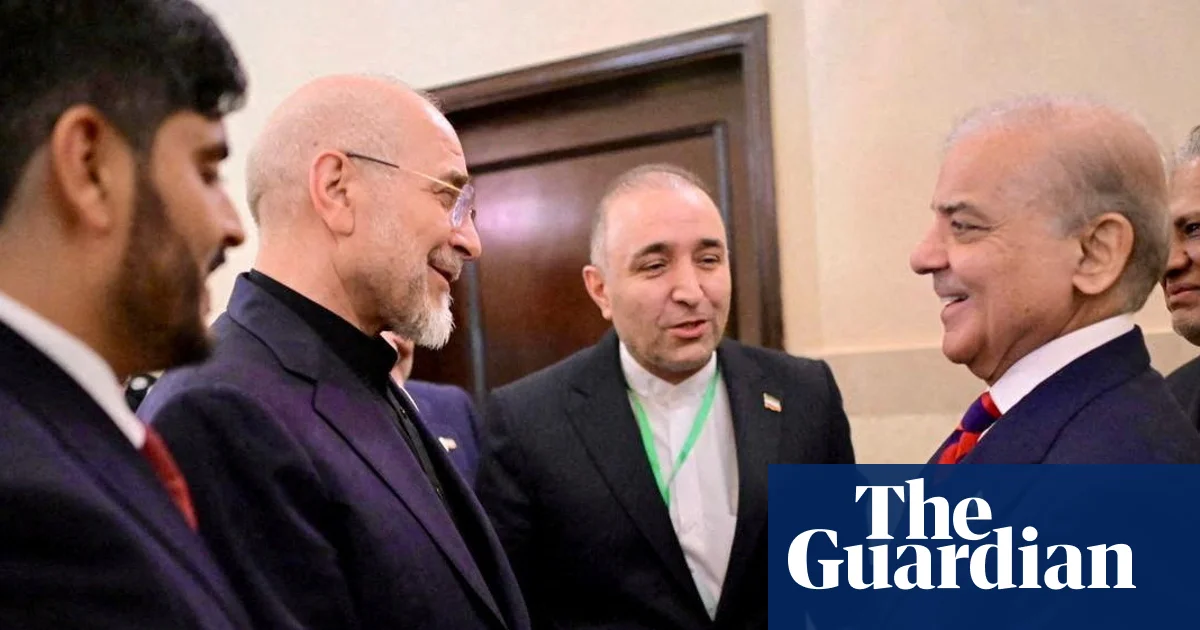
In an unprecedented turn of events, Iran and the United States have initiated direct peace negotiations in Islamabad, marking a historic moment since 1979 when diplomatic ties sharply severed. The talks, conducted under the aegis of Pakistan, aim to recalibrate decades of mutual hostility and regional instability. This diplomatic breakthrough was confirmed by both sides, with senior negotiators, including US Vice President JD Vance, and Iran’s parliamentary speaker Mohammad Bagher Ghalibaf, sitting at the same table for substantive discussions. The presence of Pakistani Army Chief Asim Munir underscores Islamabad’s pivotal role as a neutral mediator striving to foster dialogue amid ongoing regional conflict, notably in Lebanon.

  • The initial two-hour session focused on security, financial reparations, and the strategic importance of the Strait of Hormuz.
  • Iran’s demands included a ceasefire in Lebanon and unblocking frozen assets, while the US expressed outright skepticism about Iranian intentions, warning Tehran against manipulation.
  • Regional violence persisted outside the negotiations, with Israel’s military conducting extensive strikes on Hezbollah positions in southern Lebanon, killing ten overnight, amplifying the proxy war.

Despite optimism from Pakistani officials, who see the talks as a *glimmer of hope* amid regional chaos, questions remain about the ultimate viability of such negotiations. Analysts warn that how decisions are made now will significantly influence the geopolitical landscape. American and Israeli policymakers, emboldened by recent military successes—including the sinking of Iranian mines in the Gulf and the destruction of Hezbollah targets—are prepared to assert dominance over Tehran. President Donald Trump publicly declared that the US is “starting the process of clearing out the Strait of Hormuz,” with US navy assets repositioning to guarantee “freedom of navigation,” a move denounced by Iran as a provocative escalation.

Meanwhile, regional actors such as Israel and Hezbollah stand at the brink of a new phase of confrontation. Israel’s recent bombing of Lebanese targets and rocket exchanges signal an entrenched conflict that could unravel the fragile thread of diplomacy. Reports of a potential *U.S.-brokered* ceasefire between Lebanon and Israel remain tentative, as internal divisions deepen—especially with Hezbollah supporters rallying against diplomatic negotiations—highlighting the volatile intersection of local and global power struggles. Historians and analysts warn that flashpoints in Lebanon and the Gulf embody the broader contest for regional dominance, where every move has the potential to ignite a larger conflagration with catastrophic consequences.

As the world watches with bated breath, the unfolding chapters in the Iran-US saga may yet shape history’s verdict. Will these negotiations signal a genuine thaw or merely a pause in a relentless confrontation? With powerful regional players determined to shape the future on their terms, the next steps—regardless of diplomatic surface appearances—may seal the fate of an entire generation. In the shadows of these tense negotiations, the question remains: are we approaching a new era of peace, or are we merely witnessing the lull before a storm that could redefine the Middle East’s destiny for generations to come?

Afghanistan Blames Pakistan for Deadly Hospital Attack in Kabul

Escalating Tensions in South-Central Asia: Cross-Border Conflict and Humanitarian Crisis

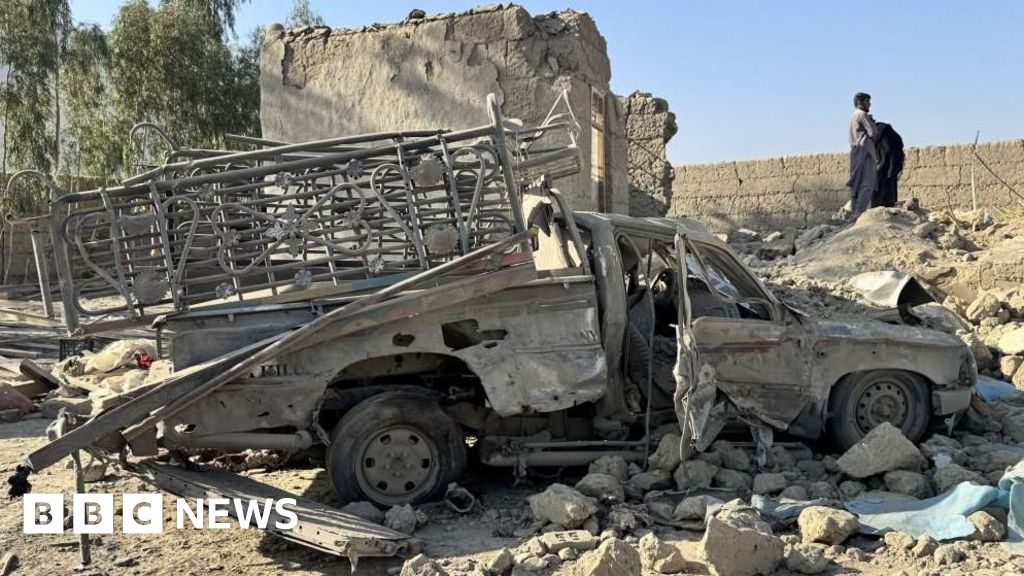
The recent escalation of hostilities along the Afghanistan-Pakistan border has alarmed international observers and reignited fears of a broader regional conflict. Reports of airstrikes targeting a hospital in Kabul, reportedly causing hundreds of casualties, have fueled accusations and denials, with Afghanistan alleging Pakistani military strikes as the cause of the devastating attack. Conversely, Pakistan has dismissed these claims, asserting that its military operations only targeted militant infrastructure without causing civilian casualties. This diplomatic standoff underscores a deeper geopolitical crisis, where accusations of cross-border terrorism and territorial infringements threaten to destabilize an already fragile region.

International organizations and analysts are raising alarm over the potential for a wider conflict that could destabilize the entire South Asian subcontinent. The UN Security Council recently adopted a resolution urging Taliban-ruled Afghanistan to combat terrorism more effectively while condemning all forms of terrorist activity. However, the underlying accusations of harboring militant groups such as the Pakistani Taliban continue to poison bilateral relations. Experts warn that persistent cross-border clashes—fueled by a complex web of militant networks, historical grievances, and strategic interests—could lead to an all-out regional war if not managed swiftly and judiciously. The breaking point remains fragile, and the lines between warfare and diplomacy are dangerously blurred.

History studies and international analysts like those at the International Crisis Group highlight that such tensions are not new but are exacerbated by recent political shifts. The Taliban’s return to power in Afghanistan, coupled with Islamabad’s persistent accusations of Kabul providing safe havens for militants, creates a perfect storm of mistrust. Additionally, Pakistan characterizes its military operations as necessary measures against terrorist threats, asserting that their target sites are precise and without collateral damage. Meanwhile, Afghanistan responds with devastating images of hospital ruins and mass casualties, which further galvanize internal outrage and international concern. As both sides dig in, the risk of unintentional escalation grows—a dangerous game that could ignite a much larger conflict with unpredictable consequences for global security.

Ultimately, this crisis exemplifies the dangerous intersection of geopolitics, militant extremism, and national sovereignty shaping the 21st century landscape. The world watches with mounting trepidation as the consequences of diplomatic failures threaten to spiral into the chaos of prolonged warfare and human suffering. The weight of history hangs heavily on the shoulders of international leaders, who must navigate these treacherous waters—not merely for regional stability but for the future of global peace itself. As the shadows deepen over Kabul and Islamabad, the unfolding story continues to write itself in the blood of innocents and the decisions of nations—an ominous reminder that in this shattering era, history remains an unfinished, all-consuming narrative, waiting for its next chapter.

Pakistan Tells Afghanistan: Enough Is Enough—Declares Open War After Border Attack

Escalating Tensions Between Pakistan and Afghanistan: A New Chapter in Geopolitics

The serene yet volatile relationship between Pakistan and Afghanistan has spiraled into a dangerous new phase, shaking the stability of South Asia and reverberating across global geopolitics. Just months after a fragile ceasefire brokered by Qatar and Turkey aimed to halt the deadly border clashes, both nations now find themselves embroiled in what many analysts are calling an “unprecedented escalation.” The situation echoes the historical tensions over the disputed Durand Line, but recent events mark a stark departure—the direct military engagement between the two neighboring powers.

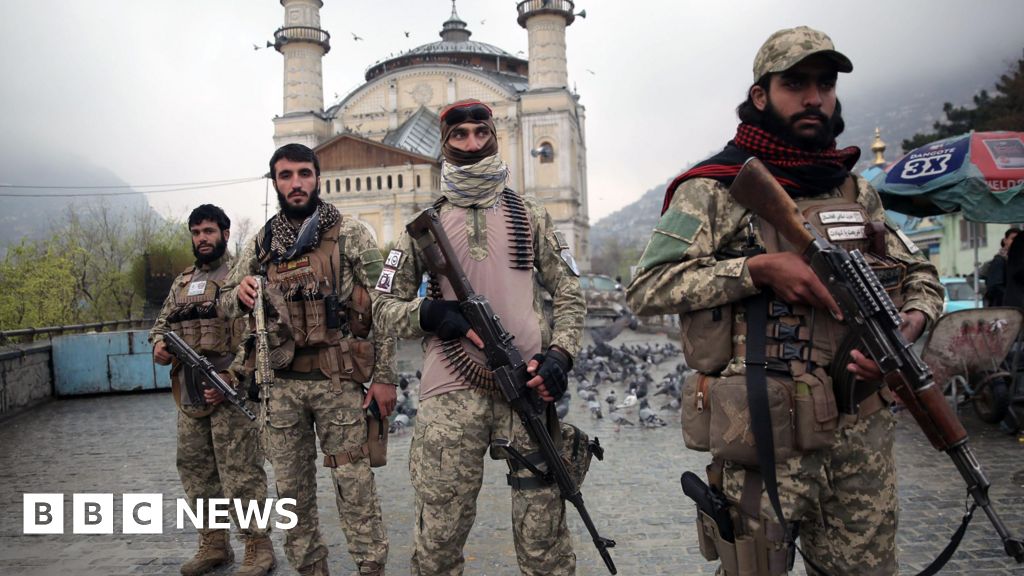
On February 27, 2026, Pakistan declared an “open war” following alleged unprovoked cross-border firing from Afghan territories. In a decisive move, Pakistani forces launched Operation Ghazab lil-Haq (“Righteous Fury”) targeting Afghan military positions, including Kabul, Kandahar, and Paktia—an unprecedented escalation that risks destabilizing the entire region. Khawaja Mohammad Asif, Pakistan’s defense minister, openly articulated the nation’s grim new stance: “Our patience has now run out. Now it is open war between us.” Such rhetoric signals a dangerous departure from diplomacy, reflecting mounting frustrations over what Islamabad claims are harboring Afghan Taliban and militant groups within Afghan borders.

Meanwhile, Afghanistan’s Taliban government has responded with retaliatory attacks, including claims of drone strikes targeting Pakistani military sites. Afghan officials have asserted that their military retaliated after Pakistani airstrikes, with reports of casualties reportedly both statistical and conflicting, as each side leaks vastly different figures. Official statements from Afghanistan speak of over fifty Pakistani soldiers killed, whereas Pakistani authorities claim significant Taliban casualties in the thousands, emphasizing the opaque and chaotic nature of today’s conflict. Many international organizations, including the United Nations, have expressed grave concern over the rising civilian toll—highlighting that the true human cost remains hidden amid diverging narratives.

  • The escalation begins as analysts point out it is the first time Pakistan has directly targeted Afghanistan’s Taliban rather than solely militant TTP positions.
  • Examining the wider geopolitical impact, this conflict threatens to undo the tentative peace processes and threatens regional stability.
  • Global powers, from Russia to China, are calling for restraint, but their diverging interests complicate swift resolution.

International responses continue to underscore the gravity of this evolving crisis. The UK, through Foreign Secretary Yvette Cooper, urges both sides to engage in de-escalation and mediated dialogue, echoing widespread calls for restraint. Conversely, Russia, the only country with formal recognition of the Taliban government, has urged both Afghanistan and Pakistan to return to diplomatic negotiations, warning that further escalation risks catastrophe. China, a regional powerhouse and key player in mediating through its channels, has expressed deep concern, calling for a swift ceasefire to prevent further bloodshed and chaos.

Within this tempest of military exchanges and diplomatic appeals, the destiny of South Asia hangs precariously in the balance. The recent direct confrontations breathe new life into a long-standing conflict that could ignite larger regional confrontations, involvingierleaning nations wrestle with the brutal realities of sovereignty, militant sanctuaries, and geopolitical dominance. As historians and analysts observe, “This moment may very well be the defining juncture of the 21st century’s regional order,” and the decisions taken in these tense days will undoubtedly echo through history’s halls for generations to come.

The unfolding chapter of this crisis leaves the world with a haunting question:

Will diplomacy prevail, or are we witness to the very brink of a wider, perhaps even catastrophic, regional war?

Pakistan targets Afghan cities as border tensions escalate

The recent escalation between Afghanistan and Pakistan marks a critical turning point in South Asian geopolitics, inviting global scrutiny and raising concerns about regional stability. According to reports, the Afghan Taliban has officially announced that it responded to recent Pakistani military strikes, which targeted Afghan cities including Kabul and Kandahar. This development underscores a spectrum of complex intertwining issues—territorial disputes, security threats, and the fragile balance of power—that have long defined the relationship between these two nuclear-armed neighbors.

The Pakistani military entered Afghan territory, citing counter-terrorism operations against militant groups operating across the border. However, the Taliban’s claim of response signifies a shift from previous Taliban neutrality, hinting at a broader escalation that could destabilize the entire region. Military analysts warn that such exchanges risk fueling a cycle of retaliation, pushing South Asia closer to outright conflict. The recent moves come amid an increased militant threat and growing tensions over Afghanistan’s future political landscape following NATO’s withdrawal and the Taliban’s return to power.

The regional implications of these strikes are far-reaching. Pakistan, a key U.S. ally during the Cold War and in the ongoing war on terror, now finds itself entangled in an unpredictable crisis that challenges its strategic interests. The Taliban, supported by elements within and outside Afghanistan, has reiterated its stance of defending its territorial integrity, implicitly warning Pakistan against further military incursions. Meanwhile, China and Russia observe cautiously, understanding that prolonged instability could undermine their interests in Central Asia and beyond. The United Nations calls for restraint but remains deeply concerned about the possibility of escalation leading to a wider regional conflict, jeopardizing prospects for peace in a volatile part of the world.

Historians and foreign policy analysts point to these events as a pivotal moment. Dr. Samuel Peterson, a senior researcher at the International Institute for Strategic Studies, notes that “the response of the Taliban indicates a potential shift in their approach to regional security, possibly signaling a more assertive stance in defending their borders, which could destabilize the fragile peace in the region.” The aftermath of these military actions could reshape alliances, influence internal politics, and determine whether South Asia will step into a new era of conflict or find pathways toward diplomacy. The interplay of national sovereignty, militant insurgency, and international interests continues to hang in the balance, with the world watching closely.

In this unfolding narrative of conflict and diplomacy, history is again being written. The decisions taken by Pakistan and the Taliban at this critical juncture could have enduring consequences, echoing through generations. As diplomats scramble for solutions and military tensions simmer dangerously, the fate of millions remains uncertain. The shadow of history looms large, reminding us that in the high-stakes game of regional power, one misstep could ignite a conflagration that reshapes the geopolitical landscape forever. The weight of this unfolding story underscores the harsh reality: in the theatre of international relations, peace is often the fragile exception in a world driven by conflict and national interests.

Pakistan strikes Afghanistan; Taliban reports dozens dead amid rising tensions

In a swift and forceful response, Pakistan announced that its military conducted targeted strikes in regions they allege harbor insurgents responsible for recent terrorist activities. The Pakistani government characterized these actions as an act of retaliation for the devastating suicide bombings that recently struck the nation. This escalation highlights the ongoing and deeply complex security challenges faced by South Asian nations amidst rising extremism and unresolved regional tensions.

According to statements from Pakistani authorities, the military launched air and ground operations ostensibly aimed at dismantling militant hideouts in border areas adjacent to Afghanistan. These operations underscore the persistent instability within Pakistan’s tribal regions, where militants often take refuge and orchestrate attacks across the border. Analysts note that Islamabad’s calculus appears rooted in a desire to project strength and deter future assaults, while critics warn of the risk of broader escalation in a volatile geopolitical landscape.

This confrontation has significant geopolitical impact, as regional powers watch closely, wary of the potential for renewed conflict to spill beyond national borders. International organizations, including the United Nations and regional players like India, have expressed concern over the cross-border tensions. Historically, these areas have been a flashpoint for instability, complicating diplomacy and peace initiatives that seek lasting resolution. Experts argue that such military responses, while perhaps pragmatic or necessary from a security perspective, often risk intensifying a cycle of violence that hampers diplomatic progress.

Leading international analysts and academicians caution that, without comprehensive strategies addressing the root causes of militancy and socio-economic grievances, conflicts like these threaten to deepen divisions within societies and destabilize neighboring nations. The decision by Pakistan to escalate military action thus marks a pivotal moment, illustrating how countries under threat must balance the imperatives of security with the broader goal of stability. As history continually unfolds in this troubled region, the world remains captivated — and cautious — about whether this cycle of violence will eventually give way to dialogue or descend further into chaos.

Pakistan Mosque Blast: Locations of the Attack Revealed

The recent suicide bombing at a Shia mosque in Islamabad, Pakistan, which claimed at least 31 lives and injured nearly 170 others, underscores a troubling escalation of sectarian violence that continues to destabilize the region. According to local authorities and eyewitness accounts, the blast was preceded by gunfire, indicating a coordinated attack aimed at targeting the religious minority. This incident has not only caused immediate humanitarian crises—prompting urgent hospital responses and blood donation appeals—but also reverberates with profound geopolitical implications that extend beyond Pakistan’s borders.

As international analysts scrutinize the attack, it draws attention to the broader regional sectarian tensions and extremist threats that plague South Asia. Experts such as regional security strategist Dr. Lisa Ferguson emphasize that such violence perpetuates a cycle of radicalization, often fueled by militant groups seeking to deepen sectarian divides. The Pakistani government’s response—condemning the attack and calling for justice—underscores its commitment to combating internal extremism. However, outside observers warn that without addressing underlying issues such as political marginalization and ideological radicalization, these incidents may become a recurring menace with the potential to destabilize neighboring countries, including Afghanistan and India, which are already wrestling with their own complex security challenges.

International organizations, including the United Nations, have issued statements condemning the attack, emphasizing the importance of protecting religious minorities and pursuing justice. Yet, the attack also highlights the fragile state of broader bilateral and regional relations. For instance, Pakistan’s neighbor, India, faces heightened concern over cross-border terrorist links, complicating diplomatic efforts toward peace and stability in South Asia. Simultaneously, China maintains economic and strategic interests in the region through initiatives like the Belt and Road, walking a tightrope between supporting Pakistan and managing regional instability. Meanwhile, United States policymakers are watching closely, evaluating how Pakistan’s internal security issues influence broader U.S. strategic objectives in Asia.

Historians and security analysts warn that this attack signifies a turning point in Pakistan’s ongoing struggle with extremism. According to noted geopolitical scholar Dr. Rajiv Malhotra, such acts of violence threaten to fracture societies and hinder efforts at reconciliation. The broader global narrative echoes these concerns: the rise of religious and ideological violence adheres to a dangerous pattern that tests the resilience of nations committed to democracy and pluralism. As the dust settles in Islamabad, the world must grapple with the realization that history is still unfolding, and that the outcomes of these tragic events will define regional stability for years to come. With the shadows of extremism lengthening across borders, the necessity for vigilant, coordinated international action has never been more apparent. The weight of history presses down—what course will the world choose amidst this chaos remains to be seen, but the stakes could not be higher.

Over 30 Dead in Pakistan Mosque Blast—A Tragic Reminder of Security Gaps

In a tragic and shocking event that has sent shockwaves through the international community, nearly 170 individuals were injured in an explosion that occurred during Friday prayers in Islamabad. The attack, which struck the core of Pakistan’s capital, has ignited fears of increasing instability in the region, with wide-reaching implications for regional security and global diplomacy. As investigators scramble to determine the origins and motives behind this deadly assault, global leaders and institutions are weighing their responses amidst a backdrop of mounting tensions.

Analysts suggest that this act of violence is not merely a tragic incident but a stark manifestation of the deep-seated conflicts and geopolitical struggles in South Asia. Many experts, including officials from the United Nations and regional security think tanks, view this attack as potentially linked to ongoing insurgencies, extremist factions, or even covert international interventions. The repercussions are profound: a destabilized Pakistan risks further fraying the fragile balance of power in a region already fraught with nuclear-armed neighbors and rivalries. This event underscores the fragility of peace in a geopolitically pivotal country caught between the interests of larger powers like China and India.

  • Pakistan, amid internal political turmoil and economic struggles, faces heightened security challenges that threaten its sovereignty and stability.
  • The attack occurs at a time of rising regional tensions over border disputes, trade alliances, and influence pacts, which could be further exacerbated by this violence.
  • International bodies, including Carnegie Endowment for International Peace and Security Council, have called for restraint and increased intelligence cooperation, emphasizing the need to address underlying grievances.

Historical perspectives from leading scholars such as Professor Ayesha Siddiqa and Dr. Peter R. Neumann warn that such attacks could be precursors to broader escalation unless urgent de-escalation and dialogue are prioritized. This event may serve as the latest chapter in a series of incidents that threaten to ignite wider conflicts in the region if not contained. For Pakistan, the consequences are dire: increased *internal security measures*, public fear, and strained diplomatic ties with neighboring states. The attack also raises grave questions about the efficacy of existing counterterrorism efforts and intelligence-sharing frameworks, which many analysts argue are insufficient to prevent such tragedies from recurring.

As the world watches with tense anticipation, the question remains: will this tragedy galvanize international efforts for peace or escalate into a broader conflict? The weight of history presses heavily on leaders’ shoulders. The unfolding aftermath of the Islamabad explosion will determine whether this is a fleeting horror or the harbinger of a new, more dangerous chapter in regional geopolitics. With each failed attempt at peace, the danger grows—an uncertain future still shaped by decisions made in the corridors of power, where the echoes of yesterday’s violence may either forge pathways to reconciliation or plunge the world deeper into chaos.

Pakistan Military claims destruction of 92 militants in Balochistan crackdown

The recent wave of militant violence in Pakistan has ignited alarm across the international community, revealing an escalating security crisis that threatens regional stability. According to reports, a brutal series of attacks has claimed the lives of at least 15 security personnel and 18 civilians, with militants launching coordinated assaults across multiple cities within the province. These violent episodes underscore the persistent challenge Pakistan faces from extremist factions that continue to operate with reckless abandon, exploiting vulnerable security conditions and expanding their influence amid ongoing political and economic turbulence.

Analysts and international security experts have expressed concern over the rising complexity and frequency of militant operations across Pakistan’s urban centers. The attacks, characterized by strategically timed assaults on military outposts, public spaces, and government buildings, demonstrate a disturbing level of planning and coordination. Historians contextualize these events as part of a long-standing pattern of insurgency fueled by regional rivalries, ideological extremism, and unresolved socio-political grievances. The situation has prompted calls from organizations such as the United Nations for greater regional cooperation to counteract militant networks that often operate with impunity along porous borders, especially attaching to Afghanistan’s unstable terrain.

The geopolitical impact of this violence extends beyond Pakistan’s borders. As a nuclear-armed nation, its internal security directly influences the stability of South Asia and the broader Indo-Pacific region. India has long maintained that Pakistan’s assistance in counter-terrorism efforts remains inadequate, blaming Islamabad for harboring militant groups that threaten regional peace. Meanwhile, the United States and allied Western nations continue to monitor the situation closely, although geopolitical priorities shift amid rising tensions with China and Russia. The stability of Pakistan, which is a critical player in the global fight against terrorism, depends heavily on internal security and the capacity of its government to suppress extremist elements and restore order.

This ongoing turmoil underscores a pivotal turning point: the fragile balance between combating militant insurgencies and maintaining civil authority. Critics argue that current policies are insufficient and that broader reforms—ranging from military measures to socio-economic development—are urgently needed. The stability of Pakistan is intricately linked with international security; a failure to contain the insurgents will only deepen regional conflicts and embolden terrorist networks, risking a broader chain reaction of instability. As history continues to unfold, nations stand at a crucial crossroads – one that could determine whether the region slides into further chaos or finds a path toward renewed stability. For now, the specter of violence persists, serving as a stark reminder that the fight against extremism is far from over, and the world must remain vigilant as the storm of instability continues to swell on the horizon.

Social Media Auto Publish Powered By : XYZScripts.com