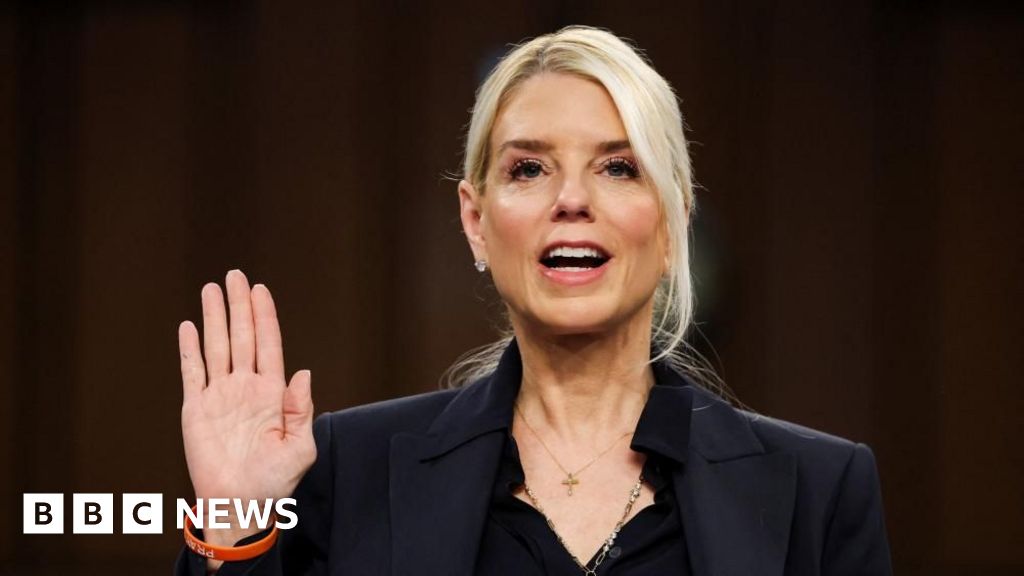

The United States continues to be a battleground where partisan perceptions and internal conflicts shape its geopolitical stance. The recent Senate Judiciary Committee hearing centered on Attorney General Pam Bondi’s contentious testimony, further revealing the deep fissures within America’s political landscape. As Bondi launched into aggressive defense tactics, many international analysts noted that this spectacle was not just an intra-national affair but a vivid reflection of the how internal US conflicts can influence global perceptions of election integrity, rule of law, and diplomatic stability. Historians of U.S. politics warn that such polarized displays risk delegitimizing American institutions, thereby impacting America’s ability to project soft power on the international stage.
At the heart of the hearing was the issue of judicial integrity and the weaponization of justice. Bondi’s refusal to answer questions regarding the ongoing investigations into Jeffrey Epstein and other sensitive matters, coupled with her rhetorical attacks on Democratic figures, exemplifies deeper ongoing struggles within the American justice system. These internal battles have repercussions that extend well beyond borders. The North Atlantic Treaty Organization (NATO) partners, and allied nations closely monitor the stability of U.S. institutions, often questioning America’s capacity to uphold its commitments when its leaders appear mired in politicized conflicts. The warning signs are clear: the world’s oldest democracy, once a beacon for rule of law, now faces questions that could diminish its moral authority on the global stage.
Meanwhile, international organizations and foreign governments observe how the partisan skewing of justice influences diplomatic relations. The Republican-led critique of the Biden administration’s handling of investigations into Biden family’s business dealings echoes beyond the borders, fueling narratives within authoritarian regimes about Western internal chaos. Conversely, Democratic accusations of selective justice and political weaponization further deepen the divide. Analysts from the European Council on Foreign Relations state that these internal conflicts could complicate efforts to build unified policies on critical issues such as cybersecurity, climate change, and trade — areas where American credibility is paramount. As Senator Lyndsay Graham and others echo concerns about the legitimacy of FBI and DOJ actions, the question persists: how much longer can America maintain its leadership without internal unity?
As history continues to be written in these turbulent moments, the weight of decisions made within these hallowed halls will echo across generations. The question remains: is this internal chaos the prelude to a transformation or the unraveling of the American dream? Each legislative strike, each partisan accusation, adds a new chapter to a story still unfolding. The global community watches, knowing that the outcome of this internal American conflict will inevitably shape the future of international order, alliances, and the very nature of democracy itself — a story still being written in the shadows of history’s unyielding march forward.