
Matox News

Truth Over Trends, always!

‘Baywatch’ Tryouts Ignite Ambitions to Follow in the Footsteps of Pam Anderson and Jason Momoa

In an era defined by relentless spectacle and instant gratification, the phenomenon of thousands answering an open casting call to embody the next “Baywatch” swimmer reveals more than mere superficiality. It underscores a profound cultural dynamic: the yearning of a society to connect with symbols of vitality, health, and youthful vigor — elements that serve as tangible representations of national identity and collective aspiration. The casting process, ostensibly trivial, becomes a mirror reflecting our cultural values, where beauty and heroism intertwine, echoing the timeless human desire to be part of a story larger than ourselves.

This phenomenon brings to mind the philosophical insights of Ortega y Gasset, who argued that modern identity is rooted in the continuous act of participation in cultural life. As thousands line up with hopes of fame or recognition, they engage in a public performance of self-creation, affirming that our societal fabric is woven from shared images and myths. Similarly, Tocqueville’s observations about American individualism highlight how the pursuit of such roles contributes to a collective narrative—not merely about physical beauty but about embodying spirited ideals of vitality, resilience, and optimism. These casting calls, while seemingly trivial, are emblematic of our society’s persistent belief that the real essence of culture resides in its ability to inspire, to animate the human spirit with images of strength and heroism.

Yet, in this pursuit of fleeting glory, there lurks the danger of elevating superficial appearances over enduring cultural values—a tendency that critics like G.K. Chesterton might describe as the era’s obsession with shallow spectacle. Culture, after all, is not merely a surface phenomenon; it is the bedrock of identity, a vessel of tradition that sustains society’s moral and spiritual continuity. As T.S. Eliot asserted, true culture embodies the collision of tradition and innovation—a continuous dialectic where the old informs the new, and vice versa. The scramble for a role as “Drowning Swimmer No. 2” may seem trivial on the surface, but it is symptomatic of a broader craving: the need to define oneself within an ongoing narrative, a story that links the spectacle to the profound, the ephemeral to the eternal.

Ultimately, the culture we cherish is both memory and prophecy—a testament to where we have been and a signpost to where we might go. The vibrant imagery of athletic youth and heroic daring encapsulates a longing for resilience, for community, and for a shared patriotic pride that outlives fleeting fame. As the tides of popular culture continue to shape and reshape society, it remains vital that we remember: **culture is the soul’s ancient song, echoing through time, guiding humanity’s steps through memory and prophecy alike—a continual reminder that beneath the surface of fleeting images lies the enduring truth of who we are**.
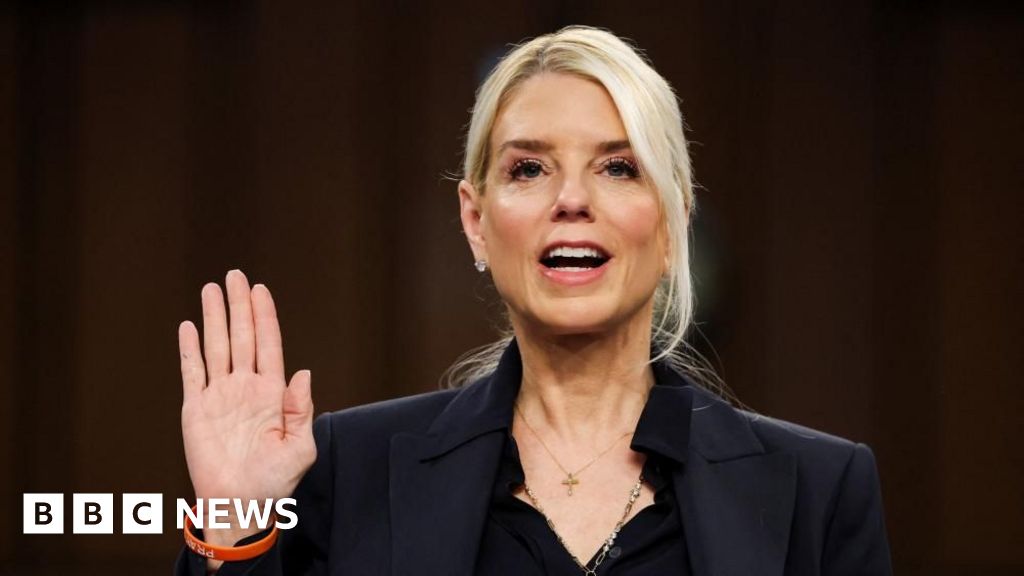
Top 5 Highlights from Pam Bondi’s Heated Senate Testimony

The United States continues to be a battleground where partisan perceptions and internal conflicts shape its geopolitical stance. The recent Senate Judiciary Committee hearing centered on Attorney General Pam Bondi’s contentious testimony, further revealing the deep fissures within America’s political landscape. As Bondi launched into aggressive defense tactics, many international analysts noted that this spectacle was not just an intra-national affair but a vivid reflection of the how internal US conflicts can influence global perceptions of election integrity, rule of law, and diplomatic stability. Historians of U.S. politics warn that such polarized displays risk delegitimizing American institutions, thereby impacting America’s ability to project soft power on the international stage.

At the heart of the hearing was the issue of judicial integrity and the weaponization of justice. Bondi’s refusal to answer questions regarding the ongoing investigations into Jeffrey Epstein and other sensitive matters, coupled with her rhetorical attacks on Democratic figures, exemplifies deeper ongoing struggles within the American justice system. These internal battles have repercussions that extend well beyond borders. The North Atlantic Treaty Organization (NATO) partners, and allied nations closely monitor the stability of U.S. institutions, often questioning America’s capacity to uphold its commitments when its leaders appear mired in politicized conflicts. The warning signs are clear: the world’s oldest democracy, once a beacon for rule of law, now faces questions that could diminish its moral authority on the global stage.

Meanwhile, international organizations and foreign governments observe how the partisan skewing of justice influences diplomatic relations. The Republican-led critique of the Biden administration’s handling of investigations into Biden family’s business dealings echoes beyond the borders, fueling narratives within authoritarian regimes about Western internal chaos. Conversely, Democratic accusations of selective justice and political weaponization further deepen the divide. Analysts from the European Council on Foreign Relations state that these internal conflicts could complicate efforts to build unified policies on critical issues such as cybersecurity, climate change, and trade — areas where American credibility is paramount. As Senator Lyndsay Graham and others echo concerns about the legitimacy of FBI and DOJ actions, the question persists: how much longer can America maintain its leadership without internal unity?

As history continues to be written in these turbulent moments, the weight of decisions made within these hallowed halls will echo across generations. The question remains: is this internal chaos the prelude to a transformation or the unraveling of the American dream? Each legislative strike, each partisan accusation, adds a new chapter to a story still unfolding. The global community watches, knowing that the outcome of this internal American conflict will inevitably shape the future of international order, alliances, and the very nature of democracy itself — a story still being written in the shadows of history’s unyielding march forward.

Social Media Auto Publish Powered By : XYZScripts.com



