

In a development that underscores the geopolitical ripples of climate diplomacy, Australia has officially pulled out of its bid to co-host the upcoming United Nations Climate Conference (COP31), ceding the opportunity to Turkey. This decision marks a significant departure from Australia’s previous plans to position itself as a regional leader in climate action, especially in collaboration with Pacific island nations already on the frontlines of climate change. Such a move sends a *powerful message* about the current priorities of key global players: economic interests and national sovereignty still reign supreme in the face of mounting environmental crises.
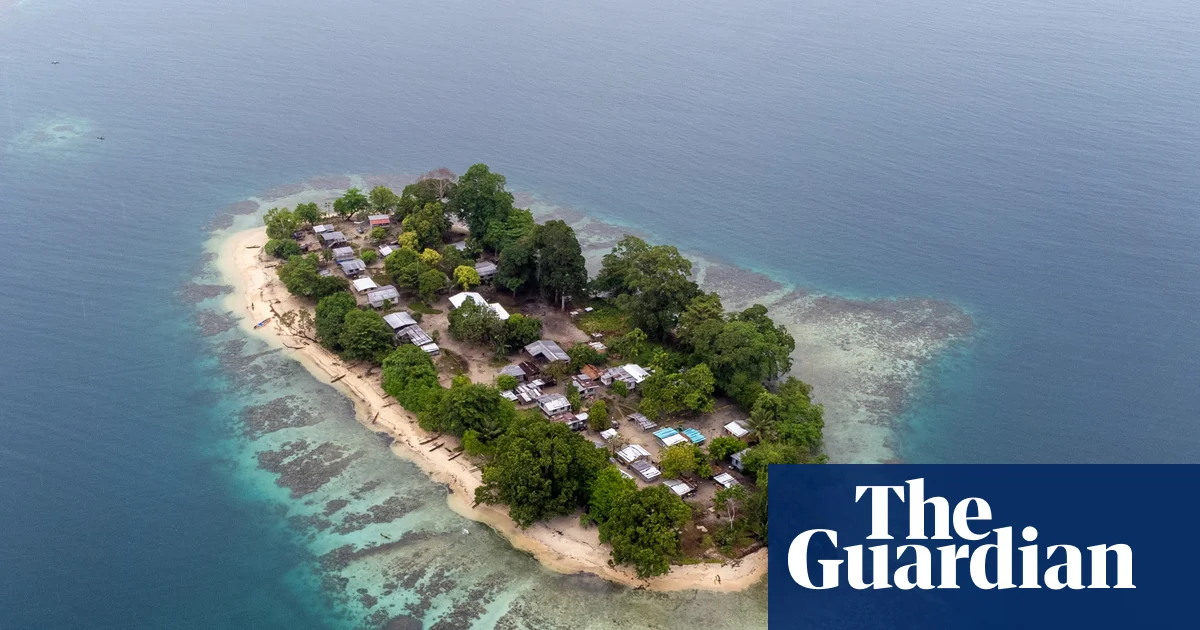
Historically, the Pacific islands have been among the most vocal critics of international climate policies, arguing that COP summits frequently marginalize their voices while prioritizing the interests of major polluters. Leaders from nations like Tuvalu and Kiribati have long emphasized the existential threat that rising sea levels pose to their very existence. These nations hoped that co-hosting the summit, in partnership with Australia, would catalyze meaningful commitments and practical solutions. Instead, Australia’s retreat — driven by diplomatic friction with Turkey over hosting rights — exemplifies how geopolitical tensions can overshadow urgent climate needs. Critics, including prominent international analysts such as Dr. William Brown of the Global Climate Institute, warn that the decision reflects a broader reluctance among major Western nations to confront their larger carbon footprints and assume leadership.
Unity within the international community appears fragile as climate diplomacy becomes increasingly intertwined with geopolitics. As Australia steps back, the current plans have a *new compromise*: Turkey will host the summit, while Australia assumes a significant role in steering negotiations. This arrangement, brokered at recent talks in Brazil, highlights the shifting alliances and compromises that typify today’s climate diplomacy. Yet, the Pacific nations remain skeptical about the effectiveness of this compromise, with many questioning whether the international community is truly committed to addressing their plight or merely engaging in empty diplomatic gestures. These tensions reflect a *wider reckoning* about the effectiveness of COP summits; critics argue that the gatherings are more talk than action, often failing to deliver the tangible changes necessary for vulnerable populations.
Meanwhile, the geopolitical narrative is layered with economic and strategic considerations. Australia’s long-standing profits from fossil fuels, paired with political reluctance to face the climate implications of its resource exports, reveal a *conflict of interests* that complicates the pursuit of genuine climate justice. For small island nations, this reluctance is felt acutely; as one leader from Tuvalu remarked, the decision was evidence of “Australia’s non-commitment to climate justice.” Such disparities threaten to deepen divisions on the global stage, risking a future where the most vulnerable are left to fend for themselves amid the relentless advance of climate change. As history unfolds, the question remains whether the international community will prioritize real action or perpetuate the cycle of diplomatic theater, all while millions face the destructive consequences of a warming planet. With the weight of the future pressing down, the world stands on the brink, watching as the pages of history continue to be written in the shadows of political indifference.





