Matox News

Truth Over Trends, always!

French Parties Scramble for Alliances Ahead of Crucial Local Election Runoff

As France prepares for the upcoming final round of its pivotal local elections this weekend, the country’s political landscape is experiencing a seismic transformation that echoes far beyond its borders. The strong performance of both the far right and radical left across key cities like Marseille, Lyon, and Paris reflects a broader undercurrent of societal discontent and a profound contest over the nation’s identity. These municipal contestations are not mere local affairs but are emblematic of potential shifts in the national and even European geopolitical fabric. With the presidential election looming in 2027, political strategists and international analysts are keenly watching how alliances are forming — or fracturing — in this volatile climate.

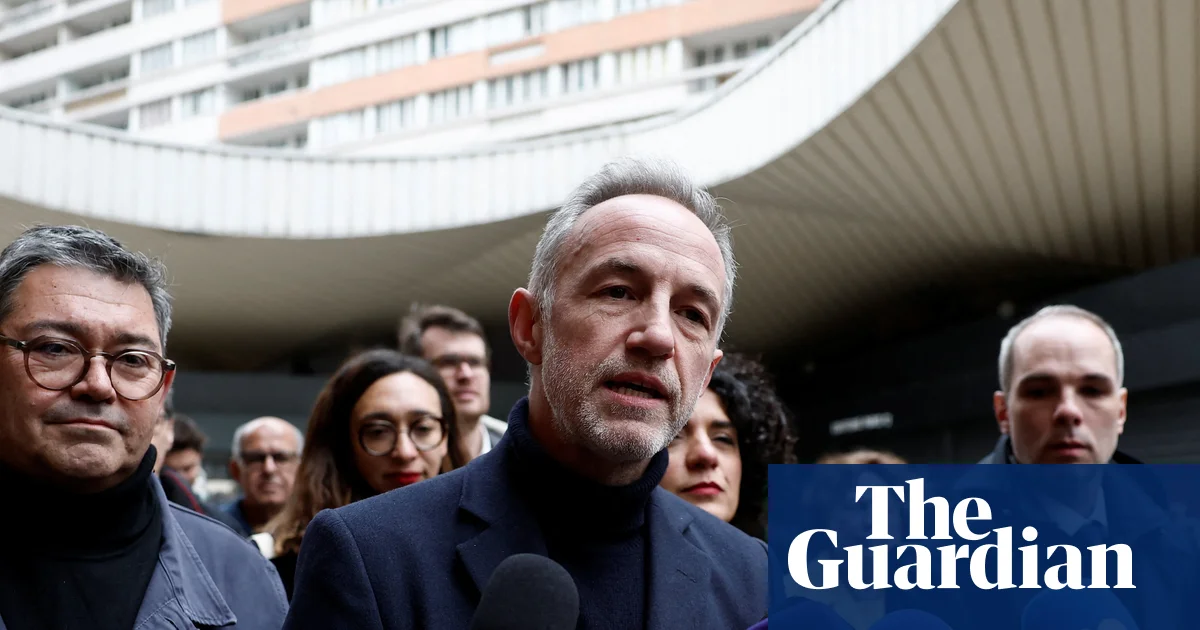
The race for Paris’s mayoralty illustrates the intensifying ideological battle lines, with Emmanuel Grégoire leading the socialists and Rachida Dati seeking to capture the capital for the right, despite bitter internal conflicts. Dati, a former culture minister, faces an upcoming trial for alleged corruption, yet her campaign persists as a symbol of the growing populist and nationalist movements threatening to reshape France’s political landscape. Her alliance negotiations with centrist figure Pierre-Yves Bournazel underscore the fluidity of political lines and the increasingly pragmatic, if fragile, blockades forming amidst accusations and personal insults. Notably, analysts warn that such alliances, often driven by tactical considerations, could produce unpredictable outcomes, potentially empowering factions with xenophobic and nationalist agendas. The historical significance is clear — these local sparks could ignite broader waves of political realignment, undermining traditional centrist and leftist dominance that has persisted for decades.

The far right, once dismissed as a fringe element, is now gaining unexpected ground in major urban centers, with Sophia Chikirou representing La France Insoumise and making headway in the north, while Sara Knafo of the Reconquest party secured a notable 10% in wealthy districts of Paris. The latter, linked to Éric Zemmour, a controversial figure convicted of racial incitement, signals a dangerous shift: the emergence of far-right influence in constituencies historically resistant to such ideas. The fact that Knafo’s campaign managed to break traditional voting patterns in Paris’s affluent areas is a vivid reflection of how the decline of cultural cohesion and the rise of anti-immigration sentiments are reshaping the political map of one of Europe’s most cosmopolitan cities. International observers, including the European Parliament and many think tanks, warn that these developments threaten to destabilize the social fabric and challenge the EU’s core principles of integration and pluralism.

Meanwhile, the National Rally and its candidate Franck Allisio look poised to make a major breakthrough if Marseille’s runoff favors him, which could mark a landmark moment in urban nationalist politics. Historically plagued by electoral setbacks in large cities, the RN’s ability to come within striking distance of controlling France’s second-largest metropolis is seen as a harbinger of a new political epoch. As France’s traditional political institutions face mounting pressure to adapt or collapse, the implications stretch across the continent, energizing populist movements and challenging the EU’s cosmopolitan order. Such a shift portends a future where the battle for urban hearts and minds could redefine regional alliances and influence the global balance of power. The city that France built — a crucible of democracy, culture, and innovation — now stands at the crossroads of history, its future being written in the ballots of a restless electorate. As the votes are cast and counted, the world waits with bated breath, aware that this election is not only a French affair but a chapter in the ongoing saga of sovereignty and national identity that will shape the geopolitical landscape for generations to come.
Guinea Opposition Leader Diallo Urges Youth to Stand Firm After Parties Dissolved

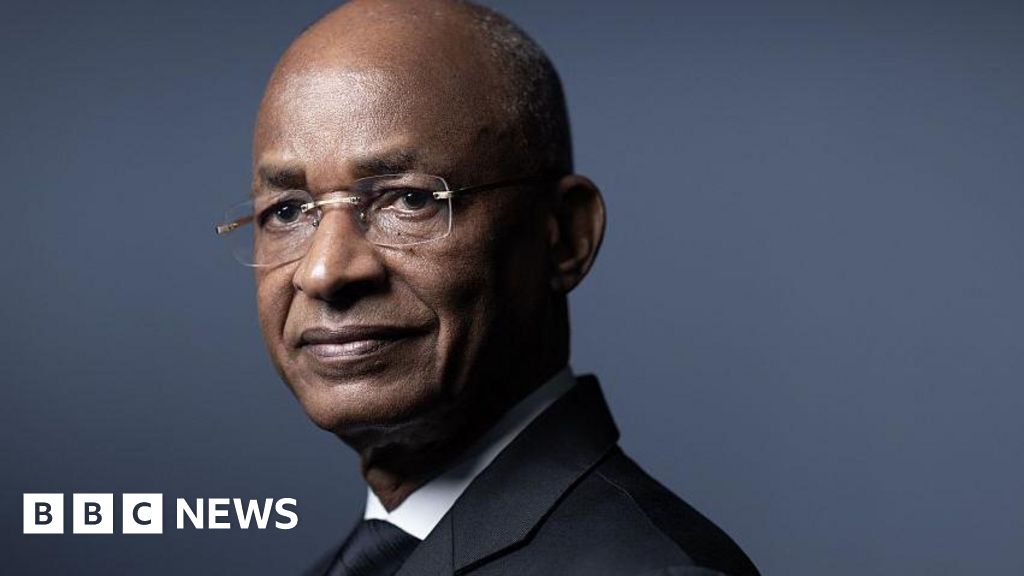
In a decisive move, Guinea has embarked on a relentless campaign targeting its political landscape, with the announced closure of headquarters and local offices for 40 political parties. This decree, issued late last Friday by the country’s ministry of territorial administration and decentralisation, also bans the use of party logos, acronyms, and symbols—an overt effort to curtail political pluralism and manipulate the electoral terrain. By stripping parties of their organizational presence and branding, the government aims to tighten its grip on political dissent amid ongoing instability.

The geopolitical impact of this crackdown extends beyond just Guinea, resonating across West Africa and raising concerns among international partners and regional entities. Analysts warn that such measures, which threaten to silence opposition voices, may undermine democratic processes and escalate tensions at a time when the nation is already grappling with ethnic divisions and economic hardship. For instance, the African Union and the Economic Community of West African States (ECOWAS) have expressed trepidation over these developments, emphasizing the importance of political pluralism in maintaining regional stability. These organizations frequently observe that governmental overreach during fragile political moments can either pave the way for enhanced authoritarian control or ignite cycles of unrest.

Within Guinea, the immediate implications of the decree are profound. Opposition leaders and civil society groups argue that this move constitutes an attempt by the authorities to manipulate upcoming elections and prevent marginalized voices from participating. Historians and political analysts cite Guinea’s turbulent history of military coups and authoritarian rule—highlighting the critical juncture at which the nation now stands. As Dr. Aisha Conteh, a West African political historian, emphasizes, “Suppressing political organizations often signals a retreat from democratic norms, and history shows that such actions tend to deepen divisions rather than heal them.”

In the broader international context, the decision underscores the fragile state of governance in many parts of Africa, where governments often prioritize consolidating power over respecting democratic principles. Scholars warn that the closing of political offices and banning symbols serve as warning signs of authoritarian drift—a pattern seen in other regions where populist leadership exploits crises to dismantle institutional checks and balances. The world watches with wary eyes as Guinea navigates this perilous path, knowing that the repercussions will ripple far beyond its borders. As the global community debates whether external pressure can sway such internal decisions, the unfolding tension continues to shape the continent’s political destiny.

Ultimately, history repeatedly demonstrates that the sawing of political roots—no matter how convenient in the short term—often bears the bitter fruits of long-term instability. With the specter of political repression looming large in Guinea, the question remains: how will this act of suppression redefine the nation’s trajectory? Will it serve as a catalyst for renewed unity, or will it deepen divisions that threaten to unravel Guinea’s fragile democracy? As the pages of history turn, the voices of countless young citizens and resilient opposition figures echo the urgent call for justice and transparency, their hopes intertwined with the fate of their nation—a story still being written, with consequences that will resonate for generations to come.

Andrej Babiš Relaunches Government Talks with Czech Parties

Rallying for Power: Czech Republic’s Political Future in Flux

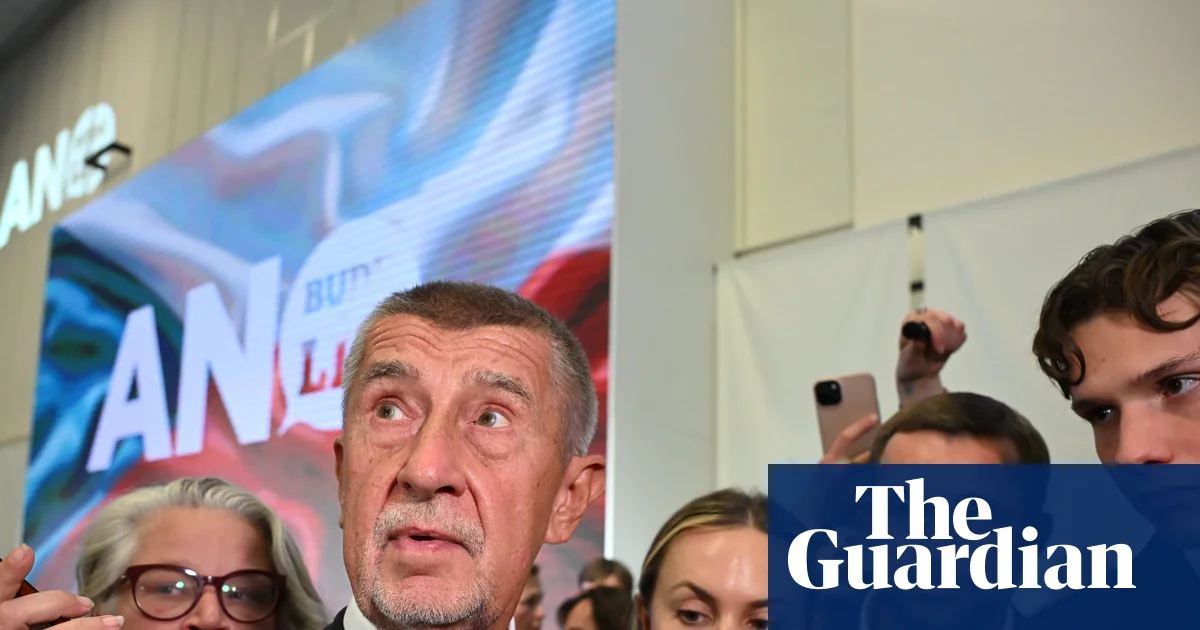
In a critical moment of European politics, Andrej Babiš, the billionaire populist and former prime minister, is maneuvering through the intricate parliamentary landscape of the Czech Republic. Following the recent elections, Babiš’s ANO party emerged as the largest bloc, capturing 34.5% of the vote—an impressive victory that nonetheless fell short of an outright majority in the 200-member parliament. This electoral outcome underscores the persistent divide within Czech society, where populist sentiments and traditional European values collide amid the ongoing reshuffling of the continent’s political order. With opposition parties ruling out coalition with ANO, Babiš’s task becomes a high-stakes game of diplomacy and political brinkmanship involving fringe right-wing groups such as SPD and the Motorists.

As President Petr Pavel holds meetings with party leaders, the broader geopolitical impact becomes increasingly evident. Pavel has signaled his intent to steer the nation in a “pro-western direction” and uphold the core democratic institutions that it shares with the European Union and NATO. Importantly, Pavel’s stance reflects a strategic counter to the populist rhetoric of Babiš, who has publicly vowed to oppose EU migration policies and green initiatives, advocating instead for a more nationalist, sovereignty-focused approach. This impending power struggle is pivotal not just for the Czech Republic but for the stability of the EU, especially considering the recent comments from European factions and the warnings from international analysts about how domestic politics can influence EU cohesion.

The international community remains vigilant as Babiš seeks to solidify his position. European far-right leaders like Orbán of Hungary and Marine Le Pen of France have rushed to praise Babiš, framing his success as a broader surge of patriotic parties across Europe. This wave of nationalism risks further fracturing the European project, especially if Babiš manages to form a government that echoes anti-EU sentiment—despite his repeated protests of being “pro-European” and “pro-Nato.” The analysts from the European Parliament and think tanks warn that such alliances could threaten the unity of the bloc, challenging its collective response to external threats and migration crises.

According to historians and geopolitical analysts, the future of Czech politics could significantly reshape regional alliances and influence EU strategy. The possible emergence of a minority government supported by fringe right-wing parties may destabilize Czech deliverables on European and Atlantic commitments. The risks extend beyond domestic politics; a shift towards more nationalist, Eurosceptic policies could embolden similar movements in neighboring states, fostering uncertainty in a critical corner of Europe. As the nation’s leaders scramble for power, the corridors of European influence are echoing with cautionary warnings. This internal clash, rooted in contrasting visions for national sovereignty versus European integration, signals a tense prelude to what could be a defining chapter for Czech society and its role within the broader international order.

This unfolding drama is more than a local political saga; it is a microcosm of the ongoing battle over the soul of Europe. The decisions made in Prague will reverberate across continents, testing the resilience of alliances and the resolve of democratic institutions. As history continues to unfold with the weight of consequence, the world watches—standing at the precipice of change, where the future is forged not just in elections but in the enduring struggles over identity, sovereignty, and the path of nations on the global stage.

Fiji's HIV Surges as Blue-tooth Parties, Chemsex & Needle Sharing Fuel Rise
Fiji’s HIV Surges as Blue-tooth Parties, Chemsex & Needle Sharing Fuel Rise

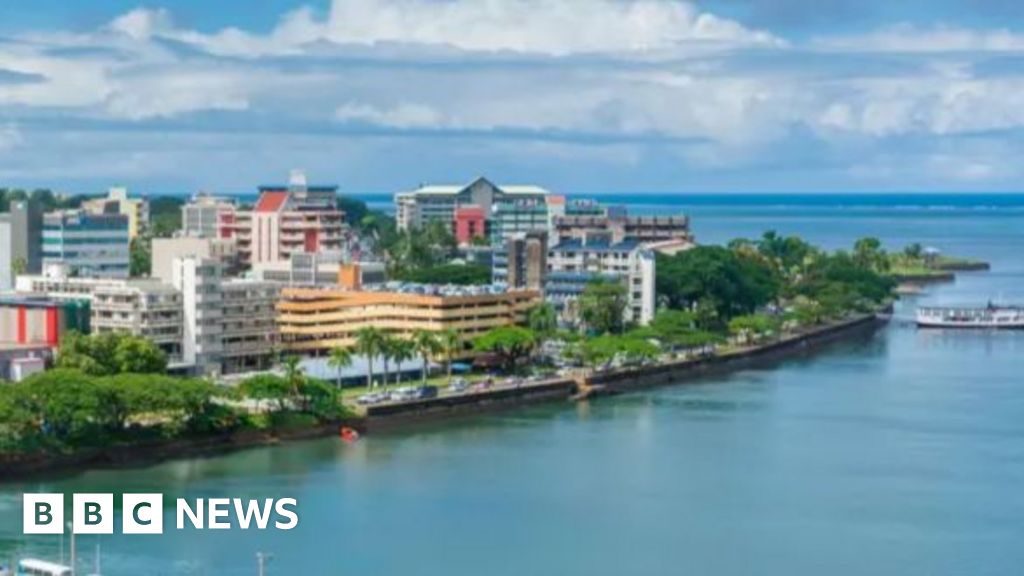
In the remote and strategically positioned Pacific island of Fiji, a devastating health crisis is unfolding at an alarming rate. Once a nation with relatively modest HIV prevalence, Fiji now faces an epidemic on the brink of catastrophe, with official figures indicating a thirteenfold increase in cases over the past five years. From fewer than 500 infected individuals in 2014 to nearly 6,000 in 2024, the nation exemplifies how poorly managed drug policies, social stigma, and illicit trafficking can combine to unleash a humanitarian disaster that threatens regional stability. The global health community has sounded the alarm, warning of the “avalanche” approaching Fiji—a metaphor that international analysts like José Sousa-Santos from New Zealand’s University of Canterbury describe as “a perfect storm brewing.”

The core drivers of this crisis are deeply rooted in rising intravenous drug use, unsafe sexual practices, and a cultural phenomenon known as bluetoothing, where blood is shared during drug injections, facilitating the rapid spread of bloodborne viruses like HIV. Frontline advocates and NGOs, such as Drug Free Fiji, have documented firsthand evidence of these dangerous practices. Despite social stigma diminishing, the illegal circulation of drugs such as methamphetamine and the absence of adequate harm reduction programs, including needle-syringe exchanges, have exacerbated the epidemic. Fiji’s geographic vulnerability as a trafficking hub between East Asia and Australasia further fuels the crisis, culminating in a surge of young users, with children increasingly falling victim—some as young as ten. Such alarming trends have aligned with the international community’s concerns over the country’s capacity to manage the burgeoning outbreak, with official projections estimating over 3,000 new HIV cases by the end of 2025.

This crisis, however, extends far beyond Fiji’s borders. It exposes the broader geopolitical implications of drug and health security in the Indo-Pacific region. Countries like Australia and New Zealand, with their significant Pacific refugee populations and strategic interests, face the direct repercussions of an unstable Fiji—one where infectious diseases could jump borders if not contained. Historians and regional security experts note that Fiji’s governance and healthcare system are under immense strain, hampered by shortages in medical supplies, insufficient staffing, and outdated communication infrastructure. The Global Alert and Response Network has highlighted that these logistical failures undermine the entire regional effort to contain infectious diseases, allowing the epidemic to metastasize into a regional threat. As analysts warn that the current measures are insufficient, many fear an irreversible slide into widespread societal destabilization that could take generations to recover from.

The unfolding story of Fiji’s HIV epidemic is a stark reminder of how fragile stability is when neglected by international policymakers and local authorities alike. As the international community debates solutions, the ticking clock remains—the infection rate has already surged, and the support systems necessary to reverse this trend are critically inadequate. The experts warn that this is not merely a local tragedy but a harbinger of widespread instability across the Indo-Pacific. The weight of history presses heavily upon the shoulders of Fiji and its neighbors, as they teeter on the brink of an unprecedented health and security crisis. The unfolding chapters of this story will determine whether the tide will turn or whether Fiji, with its rich culture and resilient people, will succumb to the mounting chaos. In this crucible of national peril, the world watches—as lives hang in the balance, and history awaits its next decisive act.

Social Media Auto Publish Powered By : XYZScripts.com