Matox News

Truth Over Trends, always!

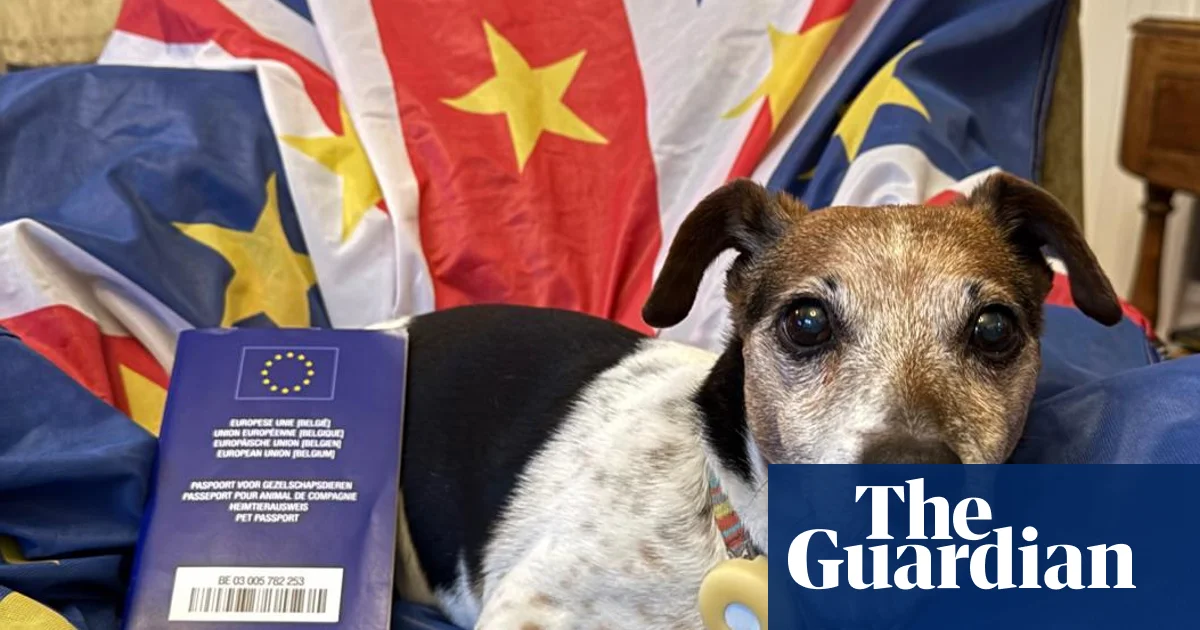
Britain’s pet owners warned: EU passport ‘loophole’ could land you in hot water

Post-Brexit Pet Travel: New Regulations Rewrite the Rules for British Owners

Following the United Kingdom’s departure from the European Union, the landscape of international pet travel has undergone significant shifts, revealing the tangible consequences of geopolitical recalibrations. Britain’s decision to exit the EU has not only reshaped trade and diplomacy but has also starkly impacted everyday life, including the simple act of taking a beloved furry companion abroad. Recent warnings issued to British pet owners underscore the complex and costly new requirements—primarily the transition from traditional pet passports to the animal health certificate (AHC)—a move designed to tighten borders and ensure biosecurity, but which also raises questions about practicality and enforcement.

The geopolitical impact of this change extends beyond alphabetic bureaucracy. Since 2021, pet owners seeking easy access to Europe must navigate a convoluted process involving an AHC issued within 10 days of travel—a document valid for four months within the EU. This new procedure adds a layer of expense and complexity, with vet fees sometimes exceeding £250, making pet travel less accessible for many. Consequently, some owners, especially those engaged in mobile lifestyles like van living, have begun bypassing regulations by obtaining EU pet passports through veterinarians within the bloc—an act emblematic of how individual decisions can subtly challenge national policies. Analysts warn that such workaround might backfire, as EU guidance clarifies that pet passports are exclusively for residents within the EU, and British residents attempting to use such documents risk legal and logistical penalties.

This shift underscores how international treaties, or the lack thereof, directly influence the social fabric of nations. The European Commission has made it clear that EU pet passports issued to non-residents, including those in Great Britain, are invalid for travel into the EU. As Dr. Elizabeth Mullineaux of the British Veterinary Association notes, this “risks confusion and possible refusals at borders,” emphasizing that adherence to new protocols is crucial for compliance. Meanwhile, the soaring costs associated with the AHC—ranging from under £70 to over £250—highlight how geopolitical decisions ripple into economic hardship for individuals. Veterinary professionals and regulatory bodies are now caught in a balancing act: enforcing compliance and safeguarding borders while dealing with the economic and emotional toll on pet owners.

International organizations and security analysts observe that these procedures are part of a broader strategic recalibration—aimed at reinforcing sovereignty and tightening border controls amid ongoing geopolitical tensions. Further complicating the picture is the prospect of the UK rejoining the pet passport scheme, a move that could restore some ease and reduce burdens on travelers. However, the social and political implications remain stark: as nations reevaluate their borders and sovereignty, small daily interactions—like a family pet traveling abroad—serve as modern battlegrounds for larger geopolitical debates. As history continues to unfold, the question remains whether these measures will ultimately serve the greater good or create new layers of friction and division.

In this unfolding chapter of international relations, the simple act of a pet crossing a border embodies the complex, often bitter realities of a world where control, security, and sovereignty are fiercely redefined. The story of Britain’s pet travel regulations is but a mirror to the larger narrative—how borders are redrawn, laws rewritten, and societies reshaped amid a turbulent geopolitical landscape. The future remains uncertain; the weight of history presses heavily on the present, leaving global citizens to ponder how tomorrow’s borders will define not only nations but the very essence of everyday life.
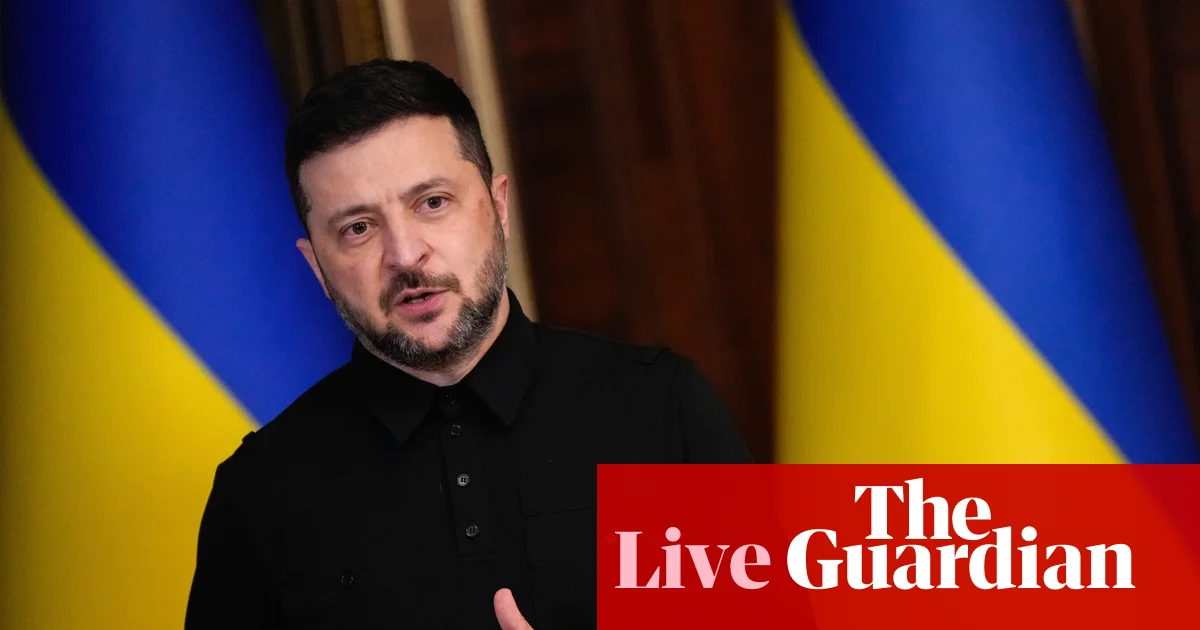

Zelenskyy names new Odesa leader after mayor’s Russian passport scandal – Europe updates | NATO

In the heart of Eastern Europe, Ukraine continues to be a focal point of geopolitical tension, with the recent appointment of Sergiy Petrovich Lysak as the new head of Odesa’s city military administration signaling an escalation of the Ukrainian government’s efforts to strengthen its regional security measures. This move follows the Ukrainian president Volodymyr Zelenskyy’s announcement on Tuesday to establish a dedicated military administration in the strategic port city, citing a critical need for increased protection amidst ongoing hostilities. Zelenskyy emphasized, “Odesa deserves greater protection and greater support,” highlighting the nation’s commitment to fortifying its vital Black Sea corridor against persistent threats.

The political upheaval in Odesa is part of a broader, tumultuous battle for sovereignty, as Kyiv revokes the citizenship of local officials suspected of dual loyalties. The dismissal of Hennadiy Trukhanov, who denies holding a Russian passport, underscores Ukraine’s rigid stance against dual citizenship, aiming to eradicate divisive figures potentially compromised by Moscow. This domestic strategy unfolds amid escalating military confrontations on multiple fronts, where Russian forces have claimed control over settlements like Oleksiivka and Novopavlivka, signaling a persistent push to consolidate territory amid mounting international support for Ukraine’s resistance.

All Eyes on NATO and Russia’s Rising Threat

As the Russian invasion enters its second year, NATO’s defense ministers convened in Brussels to address the rising threat of Russian airspace violations and the Kremlin’s ongoing aggression. NATO Secretary General Mark Rutte and other allies discussed intensifying their support for Ukraine, with the US contemplating the deployment of long-range missiles such as the Tomahawk to Kyiv—a move that, if realized, could significantly alter the dynamics of the conflict. US Defense Secretary Pete Hegseth indicated a collective commitment to bolster Ukraine’s defenses, emphasizing that more military aid, including advanced drones and weaponry, is forthcoming. Meanwhile, Russia’s military efforts have persisted, with reports of attacks on Ukrainian energy infrastructure—targets like power plants and gas facilities—aimed at debilitating Ukraine’s war effort and sowing chaos in civilian life.

Notably, Russia’s largest petrochemical complexes in Bashkortostan sustained attacks by Ukrainian drones, yet regional officials assert they continue to operate normally, illustrating the resilience of Moscow’s industrial backbone amidst setbacks. Yet, intelligence from Finland’s defense minister indicates that Russian forces are amassing anew and becoming more reliant on China—a sign that Moscow’s military resource pool might be primarily preoccupied with Ukraine, but still remains a formidable threat to NATO’s eastern flank. The gathering of NATO defense ministers highlighted concerns that Russia’s strategic posture could persist long after Ukraine’s war ends, cementing its role as a persistent destabilizer in the region.

Shifts in International Power and the Waning Kremlin Influence

Meanwhile, in the Middle East, Vladimir Putin’s attempt to project influence through the postponed Russia-Arab World summit backfired spectacularly, with only a handful of leaders attending, underscoring Moscow’s declining influence in the region. Instead, global attention shifted to Egypt, where a Gaza peace summit, attended by Donald Trump and regional leaders, signaled a geopolitical shift away from Moscow’s long-standing regional dominance. Pjotr Sauer of The Guardian notes that this diplomatic retreat reflects the reality: as the war in Ukraine presses on, Russia’s influence in the Middle East diminishes, revealing the limits of Putin’s strategy to assert global leadership.

Furthermore, the European Union is moving to confront its own internal crises, with Brussels set to propose regulations tackling short-term rentals—a social matter that, if unaddressed, could fuel populist discontent and threaten the unity of the bloc. As European nations grapple with economic stagnation, demographic declines, and social tensions, the trajectory of their resolve on international issues remains uncertain. The coming months could define whether Western alliances remain resilient or fragment under the weight of economic and geopolitical pressures.

In this unfolding chapter of history, decisions made in the corridors of power—whether in Kyiv, Brussels, or Moscow—will resonate well beyond their borders. As Ukraine’s struggle persists and NATO faces its future, the shadow of Russia’s resurgence lingers, hinting at a protracted contest that will test the resolve of Western unity, the resilience of Ukrainian sovereignty, and the shifting sands of global influence—a story that is still being written, as the world watches with bated breath, the weight of history pressing down on an uncertain horizon.

Social Media Auto Publish Powered By : XYZScripts.com


