
Matox News

Truth Over Trends, always!

Young researcher uncovers rare flower after 13-year quest—proof that dedication pays off

In a landmark discovery that has captivated the natural world, UK and Indonesian scientists have announced the re-emergence of the elusive Rafflesia hasseltii within the lush rainforests of West Sumatra. After over a decade of persistent searching, botanists Septian Andriki and Chris Thorogood confirmed the first wild sighting of this rare floral species since its disappearance from the wild, signaling a potential turning point in conservation efforts in the region. The find underscores the resilience of Indonesia’s biodiversity amid ongoing environmental challenges and highlights the importance of international scientific collaboration in safeguarding endangered species.

The arduous search commenced days prior when the team embarked on a challenging trek through dense, uncharted rainforest territory. Such expeditions are increasingly vital, as Indonesia’s vital tropical ecosystems face threats from deforestation, illegal logging, and climate change. According to conservation experts, this rediscovery could have profound geopolitical implications—not only emphasizing Indonesia’s critical role on the global biodiversity stage but also urging international stakeholders to bolster support for conservation initiatives. Notably, the United Nations Environmental Programme and other multinational bodies have been pressuring countries to protect their natural heritage, yet tangible results remain elusive. The latest breakthrough in West Sumatra now injects new hope—yet also a stark reminder—of the ongoing struggle to preserve such natural treasures against mounting threats.

Historians and environmental analysts warn that the reappearance of Rafflesia hasseltii could symbolize a broader shift in how nations approach conservation and sustainable development. With Indonesia now demonstrating its capacity to restore and protect vulnerable species, regional neighbors and global powers may reevaluate their priorities. The discovery also casts a spotlight on the *underlying tensions* surrounding land use policies in Indonesia, where economic development often clashes with ecological preservation. Such conflicts threaten to undermine international efforts; nonetheless, experts argue that discoveries like this serve as a wake-up call—a reminder of what is at stake if the world fails to act decisively. The implications extend beyond biology, touching the core of how nations balance growth with environmental responsibility.

As history continues to unfold, the sighting of this rare flower has become more than a botanical first—it is a symbol of resilience in a world increasingly at odds with nature. The moment resonates globally, hinting at a future where cooperation and dedicated conservation may still preserve our planet’s most endangered treasures. Yet, the shadow of uncertainty lingers, and the question remains: will this victory be enough to turn the tide of ecological decline, or will it merely serve as a fleeting glimpse of hope in the face of mounting crises?
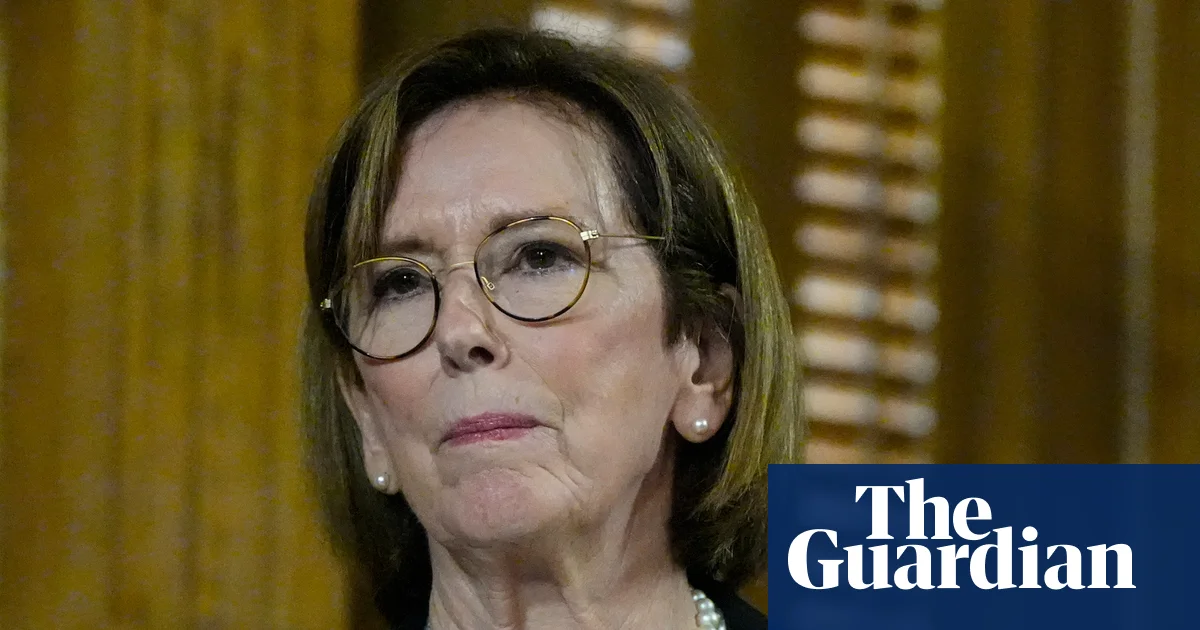

Georgia Election Board Pays $50K to Settle Ethics Lawsuit Over Private Emails

Georgia Election Board’s Transparency Bid Sparks National Debate

In a notable development that underscores ongoing tensions over election integrity and transparency, the Georgia state election board recently settled a lawsuit brought by American Oversight, a watchdog organization. The lawsuit revealed that key officials within the Republican-controlled board had been conducting official matters through private email accounts and ephemeral messaging platforms, bypassing established public records laws. The settlement, amounting to $50,000, mandates the board to implement stricter protocols requiring members to use official email accounts for all correspondence, and to cease reliance on private messaging apps such as Snapchat and Signal with disappearing messages. This case exemplifies the increasing scrutiny faced by election authorities to adhere to transparency standards in an era marred by skepticism over electoral processes.

Critics argue that such violations, particularly amidst the ongoing debate over the 2020 presidential election results, threaten the foundational trust in democratic institutions. The lawsuit was initiated after it was discovered that Janice Johnston, a member of the board, had been conducting business via her personal Gmail account and refused to produce those emails despite a public records request. The controversy intensified when the Georgia attorney general, Chris Carr, declined to defend the board, signaling a significant divergence within state authorities regarding transparency and accountability. Historians and legal analysts warn that political actors leveraging secretive communications threaten the integrity of electoral oversight, potentially fueling division and undermining democratic legitimacy in vital swing states like Georgia.

This incident is part of a broader international trend where democratic institutions are increasingly scrutinized for hidden agendas and opaque decision-making. The inclusion of ephemeral messaging in the settlement highlights the modern challenge of digital transparency, with authorities being urged to retain and produce all forms of communication consistent with *open records laws*. As American Oversight continues to pursue related litigation, many fear this case exemplifies the ongoing struggle to balance political influence with the principles of an open democracy. The international community watches as the U.S. grapples with these domestic conflicts, their outcomes carrying potential ramifications for US geopolitical credibility, especially as allies and adversaries alike decode the signals sent by America’s democratic processes.

The geopolitical impact of such internal disputes cannot be overstated. In a world where trust in democratic institutions is often leveraged as a tool of soft power, the degree to which the U.S. can uphold transparent governance influences its standing abroad. The rising tide of partisan accusations and legal battles, exemplified by Georgia’s election controversies, risks sowing disillusionment both in the U.S. and amongst international allies seeking reassurance of American stability. For nations observing from afar, these internal conflicts serve as a stark warning about the fragility of democratic systems that allow, or fail to prevent, corruption and opacity at critical levels of governance—an issue that toughens ideological divides and makes international diplomacy more complex.

As history beckons, the ongoing courtroom battles and political turbulence in Georgia serve as a stark reminder of the *unfinished story of democracy*. How these legal and institutional reforms evolve could anchor a new chapter—one where the principles of openness and accountability are no longer just ideals, but established norms enshrined in law. Yet, beneath the surface lies the somber truth: the balance of power and the integrity of election systems remain fiercely contested. As the nation stands at a crossroads, the weight of history presses down, waiting to see whether American democracy will emerge more resilient or if it will succumb to its internal divisions, forever marked by these turbulent landmark moments.”

Social Media Auto Publish Powered By : XYZScripts.com


