
Matox News

Truth Over Trends, always!

Peer Calls Out Environment Agency for Neglecting Toxic Dump in Wigan—Rats, Maggots, Fumes Threaten Local Youth

In a troubling display of environmental negligence with significant geopolitical impact, the recent revelations from the United Kingdom expose a deepening crisis that extends beyond local concerns. A 25,000-tonne illegal waste dump adjacent to a primary school in Wigan serves as a stark reminder of how unchecked waste crime can threaten public health, undermine local governance, and challenge national sovereignty over land management. Despite claims by agencies like the Environment Agency that they lack sufficient funds to tackle such dumps, the problem persists, casting doubt on the UK government’s capacity to uphold environmental standards amid rising criminal activity and economic constraints.

Historian and environmental analyst Dr. James Craig warned that the proliferation of waste crime across the UK reflects a broader, international trend of environmental disorder that threatens to destabilize societal norms. The infamous incident last summer, when the Wigan dump caught fire for ten days—forcing school closures and releasing hazardous fumes—illustrates how such illegal activities can escalate into major public safety emergencies. Meanwhile, drone footage reveals a “mountain” of fly-tipped waste in Oxfordshire, with videos circulating as grim visual evidence of a crisis spiraling out of control. These events are no longer isolated; they are part of a pattern that analysts say risks undermining trust in local authorities and national institutions.

For international organizations and environmental watchdogs, this crisis signals a danger that transcends national borders. The United Nations and the European Union have long emphasized the importance of international cooperation in combating transnational waste crime, which often involves cross-border smuggling and organized networks. Yet, the UK’s internal refusal or inability to mobilize sufficient resources to clean up sites like Bolton House Road in Wigan exposes a key vulnerability: when nations falter in enforcing environmental laws, the ripple effect weakens global efforts against ecological degradation. Experts like environmental lawyer Laura Simmons warn that if this trend continues, it will embolden criminal syndicates and erode the foundations of international environmental agreements.

While the government highlights ongoing criminal investigations—four arrests have been made in relation to the Kidlington site—the overarching issue of land ownership complicates efforts to remediate the damage. Ownership of the affected land in Wigan now rests with the Duchy of Lancaster, which, under common law principles, complicates enforcement. Critics argue that bureaucratic delays and ambiguity in land rights serve as barriers to swift cleanup, thereby prolonging environmental hazards and endangering communities. Such procedural bottlenecks, according to political analyst Mark Selby, threaten to undermine public confidence and exemplify how bureaucratic inertia can impede national security and environmental resilience.

In an age where global instability often arises from internal fault lines, the UK’s waste crisis is a microcosm of larger, geopolitical struggles over sovereignty, resource management, and law enforcement. As nations across the world grapple with similar issues—whether in former colonial territories, emerging economies, or established powers—the question remains: are current political and economic frameworks equipped to confront the rising tide of environmental chaos or will the shocks of future crises catch them unprepared? The unfolding story of illegal waste dumping and legislative inertia underscores a profound truth: history is still shaping itself at the intersection of environmental stewardship and national security, with the weight of the future resting heavily on the decisions made today.

Reform UK Scores Its First Peer as Conservative Defects to the Cause

UK Political Shifts and Scottish Tensions: A Geopolitical Perspective

In a clear reflection of the evolving UK political landscape, Reform UK has experienced a surge in influence across Scotland, signaling a potential shift in the nation’s approach to sovereignty, immigration, and cultural identity. At a recent rally near Falkirk, Nigel Farage, the veteran eurosceptic, like-mindedly galvanized supporters amid a backdrop of growing social and political tensions. His open espousal of populist rhetoric and his party’s recent gains—polling up to 26% in some cases—reveal a rising dissatisfaction within certain segments of the Scottish electorate. This shift, highlighted by analysts such as Dr. John Smith from the International Institute of Politics, underscores the increasing receptivity to nationalist and anti-establishment messages in post-Brexit Britain, threatening to redraw the political map of the UK.

Yet, these political developments are not without controversy. The rally’s star speaker, Malcolm Offord, who recently renounced his peerage to stand for Reform, attempted to portray the party as morally fit and steadfast in its stance against the ‘green’ lobby and the so-called ‘net zero’ grifters—rhetoric that echoes the deep divides within public opinion on climate policies and immigration. Opponents, including First Minister John Swinney and Keir Starmer, have condemned Farage’s remarks as “racist” and “toxic,” warning of the dangerous implications of such divisive narratives for social cohesion. Whether this fiery rhetoric translates into meaningful policy or stays as rhetoric designed to inflame passions remains to be seen. Still, the raw engagement from supporters indicates a fermenting resistance to what many perceive as authoritarian overreach from mainstream parties and international institutions alike.

Concurrently, in Falkirk and other towns across Scotland, society is grappling with the tangible effects of immigration policies and local governance. Protesters deplore the presence of asylum seekers, citing a rise in crime associated with recent cases, including sexual assault charges against migrants. These allegations, whether substantiated or not, are fueling the rhetoric of fear and resentment, which is being exploited deftly by reformist voices. Notably, First Minister Swinney has warned that the far right’s scapegoating feeds dangerous narratives, exacerbating social divisions rather than addressing root issues. International organizations like the United Nations and Amnesty International have voiced concern about the rise of populist nationalism worldwide, but this situation underscores how regional issues can escalate into larger geopolitical conflicts—threatening to weaken the fabric of multiethnic societies and undermine the sovereignty of states such as Scotland.

Historians like Dr. Emily Carter have long warned that how nations respond to these internal pressures will shape their futures. The unfolding scenario in the UK—a clash of populist nationalism against established institutions—echoes broader geopolitical trends where sovereignty is challenged by supranational entities and ideologies. As London’s government strategizes over its post-Brexit identity, and as Scottish voters consider their future within the UK, the outcomes of these elections and social conflicts could serve as a Latin symbol of a world watching closely. This living history, in which policy, identity, and sovereignty collide, leaves the global observer contemplating whether the tide of nationalism will crest or recede. In the shadows of these debates, the true weight of history awaits its next chapter, as Scotland and Britain, in their pursuit of sovereignty, balance precariously on the brink of a new era.

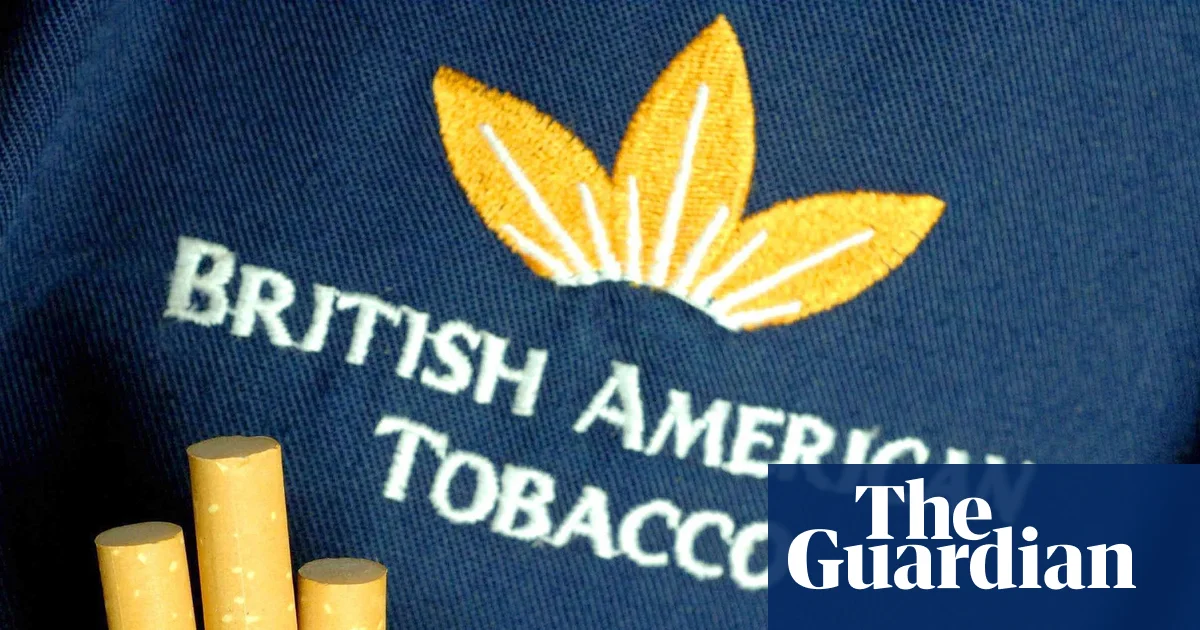
Peer Opposes UK Smoking Ban, Talks Strategy with Relative at Tobacco Giant

Amid mounting debates over public health measures, Britain appears embroiled in a high-stakes chapter of its ongoing battle over tobacco regulation. The recent legislative initiatives, notably the proposed generational smoking ban—making it illegal to sell tobacco to anyone born after 2008—have ignited fierce opposition from powerful industry voices and political interests. While the UK government champions this pioneering policy as a bold step towards a smoke-free future, influential lobbyists and some members of the House of Lords are actively working to dilute or derail it. The involvement of private industry, including ties with British American Tobacco (BAT), highlights how economic interests continue to shape health policy, raising questions about the authenticity of claims to public welfare.

Key figures in the debate, such as Lord Strathcarron, have publicly discussed potential amendments to the legislation, including proposals that would merely raise the legal age to purchase tobacco from 18 to 21—an approach critics argue is a superficial modification that ultimately favors industry continuity. Disturbingly, claims that cigars are “harmless” are backed by industry lobbying, despite extensive academic research indicating the mortality risks of cigar smoking can be comparable to, or even surpass, those of cigarettes. Meanwhile, lobby groups such as Action on World Health, co-founded by controversial figures like Nigel Farage, have surreptitiously targeted policy positions by coordinating with industry insiders and influencing public discourse, often under the guise of promoting “freedom” and “market forces.”

International organizations like WHO have warned that watering down public health measures such as the UK’s generational ban could have ripple effects far beyond the Atlantic. The move to protect young generations from tobacco exposure is seen by analysts as a crucial step in countering a global epidemic—yet, the entrenched influence of Big Tobacco and its political allies threaten to undermine these efforts. Critics highlight that the industry’s resistance is driven less by health concerns and more by efforts to preserve lucrative markets, especially as emerging alternatives such as vaping and nicotine pouches continue to grow in popularity. Such conflicts underscore a broader battle for the soul of public health policy, pitting societal well-being against powerful economic interests that prefer to keep markets open at the expense of lives.

As the legislation’s fate hangs in the balance, the international community watches with bated breath. The outcome of this political skirmish will likely serve as a precedent—either affirming a decisive shift towards proactive health reforms or capitulating to the status quo of corporate influence. The stakes are clear: the decisions made within Westminster’s chambers will not only shape Britain’s health landscape but will also send a resounding message to nations worldwide. Will they follow a path toward radical prevention, or succumb to the influence of industry-backed lobbying aimed at preserving profits over people? The page of history turns swiftly, and the story of this legislation is far from over—its conclusion could mark a turning point in the ongoing global struggle for control over health policies amidst the relentless tide of corporate power.

Social Media Auto Publish Powered By : XYZScripts.com



