Matox News

Truth Over Trends, always!

Bad Bunny breaks barriers as Trump laments ‘terrible’ Super Bowl performance

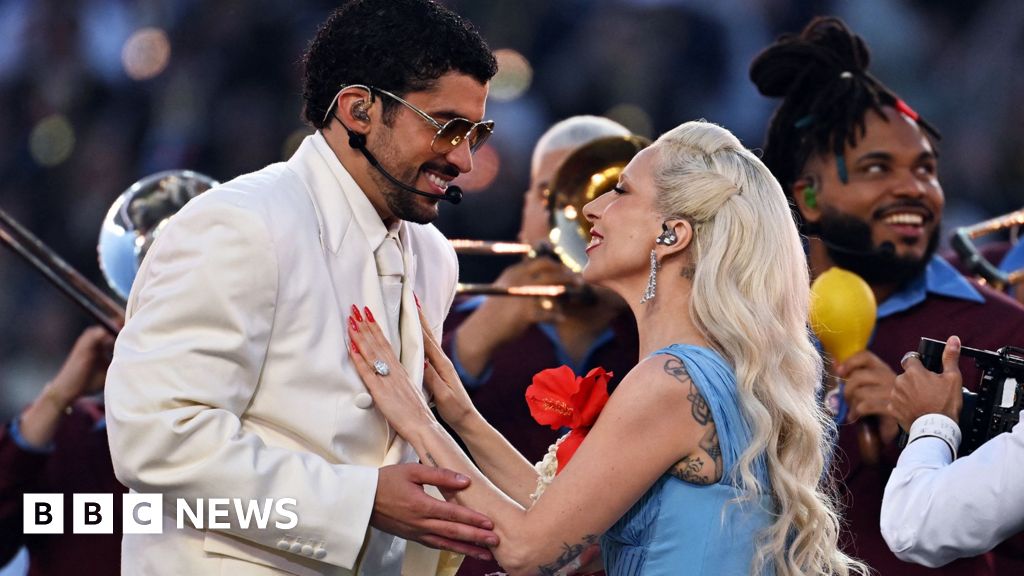
The latest chapter in the global cultural landscape was written not through traditional political declarations, but via the unprecedented presence of Puerto Rican artist Bad Bunny on the world’s biggest sporting stage. Breaking the mold of language barriers, Bad Bunny’s performance, entirely conducted in Spanish, marks a significant milestone in the ongoing cultural shift within international sports and entertainment. As global audiences tuned in, this act of artistic assertion transcended entertainment, signaling a broader undercurrent of regional influence gaining prominence in a landscape often dominated by English-language narratives.

International organizations and sports forums, long viewed as symbols of global unity, have historically favored English as the lingua franca to facilitate communication across diverse nations. However, in recent years, there has been a palpable push towards greater inclusion of diverse cultures and languages, driven by burgeoning regional markets and an increasingly interconnected world. The Tension between globalization and regional identity is now palpable; Bad Bunny’s historic performance exemplifies how this cultural assertiveness challenges the traditional dominance of Anglo-American influence. Historians like Dr. Marco Ríos, a noted analyst of Latin American cultural movements, assert that this moment marks a turning point where “regional voices are asserting their rightful place on the world stage, reshaping cultural dominance.”

From a geopolitical perspective, the rising prominence of Spanish-language entertainment figures directly impacts the economic and political balances within the international arena. As nations like Spain and Latin American countries enhance their soft power, their cultural exports become not just sources of pride but strategic tools—particularly in regions of the world seeking alternatives to Western-dominated narratives. Experts from organizations such as the United Nations have acknowledged this cultural shift as part of a broader reassertion of regional identities. The implications are profound; geopolitical influence, economic prowess, and even diplomatic leverage are increasingly intertwined with cultural production, making events like Bad Bunny’s historic performance a symbolic battleground of influence.

How nations and societies respond to these shifts will shape the future of international relations. The decision of a single artist or event to embrace and elevate regional identity can rally millions, challenge established power structures, and redraw the cultural map of the world. As history continues to be written in this new era, the importance of such moments cannot be overstated. Ultimately, the unfolding narrative suggests that the struggle for cultural supremacy remains at the heart of geopolitics—a contest that can no longer be ignored but demands acknowledgment, for it carries the weight of history yet to be fully realized.
Super Bowl 2026: How to Catch Bad Bunny’s Epic Live Performance and Ride the Trend Wave

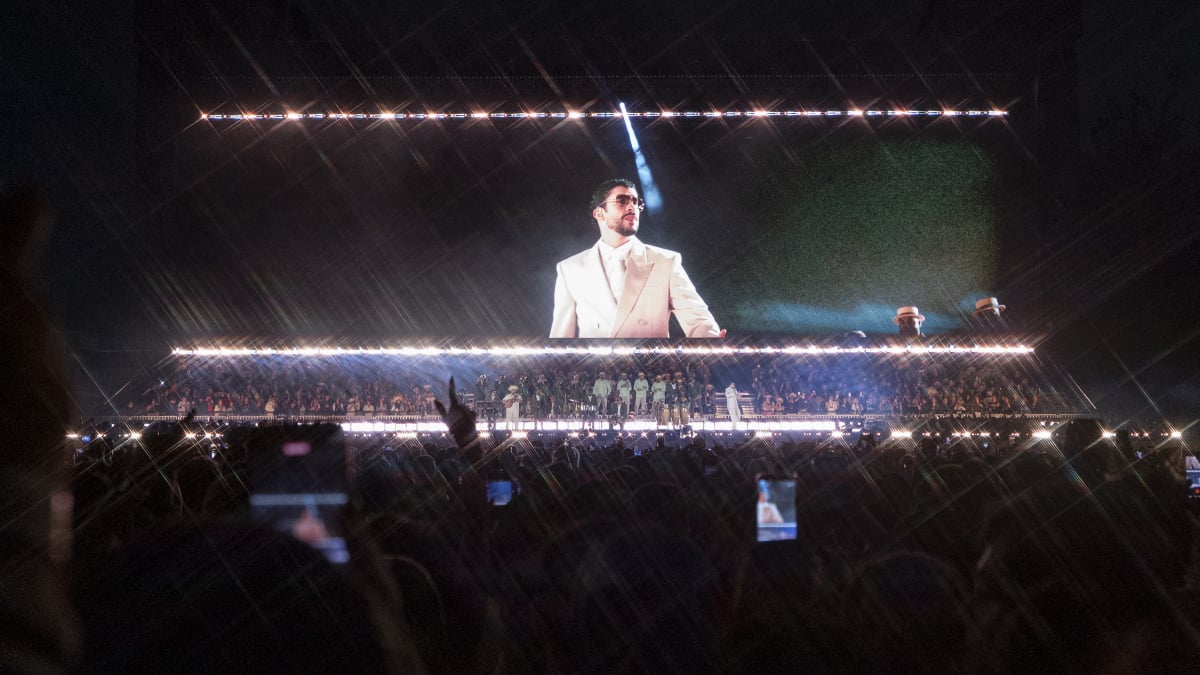
While football may not be everyone’s cup of tea, one universal language that continues to captivate diverse audiences worldwide is music. And this year, the spotlight is squarely on Bad Bunny, whose upcoming Super Bowl LX halftime show is poised to be more than just a musical performance — it’s a cultural event that bridges generations and demographics. As the reigning king of Latin trap and reggaeton, Bad Bunny has morphed beyond music into a social force, embodying shifting attitudes among youth and influencing mainstream trends.

The Super Bowl, long celebrated as a sporting spectacle, has also become a canvas for cultural icons and social commentary. With its _cultural impact_ increasingly rooted in diverse performances, the halftime show is now a key moment for social relevance. This year’s lineup featuring Bad Bunny highlights a broader societal shift towards embracing multicultural and cross-genre influences. Influencers like TikTok creators and music analysts emphasize how his presence not only boosts viewership but also signals an ongoing _shift in social norms_ — where youthful, globalized voices are gaining prominence in traditional arenas.

Moreover, the social relevance of this trend isn’t just about entertainment but about identity and representation. Bad Bunny has consistently challenged stereotypes by integrating gender-fluid fashion, outspoken advocacy for social justice, and a rebellious attitude that resonates with young audiences seeking authenticity. Sociologists note that his rising popularity exemplifies a _redefinition of masculinity and cultural expression_ among the youth, making him more than a music icon — he’s a movement catalyst. As the cultural landscape continues to evolve, the question arises: how will this influence future trends in entertainment and societal norms?

From influencers to sociologists, there’s a consensus that Bad Bunny‘s appearance at the Super Bowl is a sign of things to come — a merging of sport, music, and social activism that could redefine what it means to be a cultural icon in the digital age. Yet, the next big question remains: is this shift sustainable or just a passing wave driven by viral moments? As audiences grow more socially conscious and craving authenticity, the answer to that question could shape the next era of youth-driven cultural influence. Regardless, the world will be watching, and for many, this Super Bowl halftime will be remembered as much for the spectacle as for its emblematic role in this ongoing societal shift.

Japanese singer Maki Otsuki halts performance over China controversy

Embattled Diplomacy: How Japan and China Are Fighting Beyond Borders

The recent cancellation of Japanese music events in Shanghai, including a concert by pop icon Ayumi Hamasaki and a partial performance by anime singer Maki Otsuki, marks a significant escalation in the underlying strains between Tokyo and Beijing. These sudden withdrawals, characterized by disruptions mid-performance and restrictions on cultural exchanges, are not mere inconveniences but symbolic manifestations of deeper geopolitical conflicts simmering beneath the surface. The public reactions—ranging from social media memes to nationalistic outcries—underscore the profound impact of diplomacy on societies and how cultural exchanges have become casualty of political discord.

At the core of this confrontation lies Japan’s assertive stance on regional security, notably articulated by Prime Minister Sanae Takaichi. Her confidant declaration that Tokyo might consider military action should Beijing attack Taiwan marks a sharp departure from years of cautious diplomacy. Given China’s unwavering claim over Taiwan, this statement fuels perceptions of escalating militarization in East Asia. Notably, Beijing perceives Taiwan as part of <u>its</u> territory, vehemently opposing any foreign military influence in the region, a stance articulated in recent military drills and diplomatic protests. It has prompted a vigorous response from Chinese authorities, who have not only issued official protests but also resorted to censorship and suppression—such as halting Japanese entertainment—thus shaping how societies perceive this intense geopolitical standoff.

Analysts and international observers emphasize the broader geopolitical impact of these actions. The cultural restrictions placed on Japanese artists in China symbolize more than diplomatic petulance; they serve as a strategic tool to impact Japan’s soft power. The postponement of Japanese anime films, the abrupt halting of music events, and the viral memes comparing the cancellation to the sudden removal of Hu Jintao in October 2022 highlight how China is weaponizing its cultural sphere. Meanwhile, U.S. ambassador to Japan, George Glass, publicly expressed disappointment—a reminder that, despite regional tensions, Washington continues to wield influence over the geopolitical chessboard, allied with Tokyo. These developments underscore a critical juncture where culture, diplomacy, and military posturing converge, and where the world watches as the next moves are quietly yet strategically prepared.

As nations such as Japan and China navigate a landscape fraught with historical grievances, territorial disputes, and the ever-present specter of military escalation, the symbolic power of cultural expression takes on renewed significance. In shutting down concerts and censoring films, Chinese authorities aim to project strength and control, but they also risk alienating a generation that views entertainment as more than just escapism—it’s a bridge fostering understanding and connection. Meanwhile, the echoes of these cultural battles extend beyond the immediate region, influencing alliances and shaping the future of international stability. Historical commentators warn that such tensions, if left unresolved, could spiral into broader conflicts that irrevocably change the geopolitical order—reminding us all that history is an ongoing narrative, written anew with each decisive action and each silent cultural silence.

Rising Star Delivers Game-Winning Performance in Thrilling Last-Minute Showdown

The Dawn of Training Camps: Navigating Superstar Salaries and On-Court Adjustments

As the sports world gears up for a thrilling new season, training camps are set to become the focal point for teams and fans alike. With rosters being finalized and high-profile trades shaking the landscape, anticipation is building over how coaches will harness their squad’s potential. From significant changes in player salaries to tactical on-court adjustments, this season promises to be one for the books.

One of the primary factors at play is the dramatic rise in superstar salaries. Teams are more willing than ever to invest heavily in marquee players, aiming to secure championship aspirations. As noted by ESPN analyst Mark Jackson, “Teams understand that elite talent is not just a luxury; it’s increasingly a necessity in the pursuit of winning.” For instance, contracts exceeding the $40 million per year mark are becoming more common, triggering shifts in how teams manage their overall payrolls. This surge in salaries has led to deeper discussions about roster depth, salary cap implications, and the strategic allocation of resources.

Equally important is the adaptation of playing styles and tactical strategies as teams ready themselves for the season. Coaches are facing the crucial challenge of blending new talents with existing frameworks. Head Coach Steve Kerr of the Golden State Warriors emphasized this during a recent press conference, stating, “Understanding how to instill a winning culture while adapting to the evolving dynamics of the game is vital. Training camp is where we find that balance.” The integration of rookies and traded stars into cohesive units during practice sessions will undoubtedly play a pivotal role in determining their early success.

  • Injury Updates: Teams are cautiously managing player conditioning and recuperation.
  • Tactical Shifts: Expect innovative plays and new formations as coaches test strategies in real-time.
  • Rising Stars: Keep an eye on rookies who may disrupt the status quo.

As fans witness the unveiling of fresh strategies and high-stakes competition, it’s important to remember that sports extend beyond the scoreboard. Each season, athletes unite us through shared experiences, fostering a sense of community and pride. This upcoming training camp is not just about preparing for victory; it is about building connections, inspiring each other, and reviving the age-old spirit of sportsmanship that unites us all.

Source link

BBC Concedes Some Concerns Over Bob Vylan's Glastonbury Performance
BBC Concedes Some Concerns Over Bob Vylan’s Glastonbury Performance

The International Echoes of Cultural and Political Controversy: A Step into the Turbulent World of Global Power Dynamics

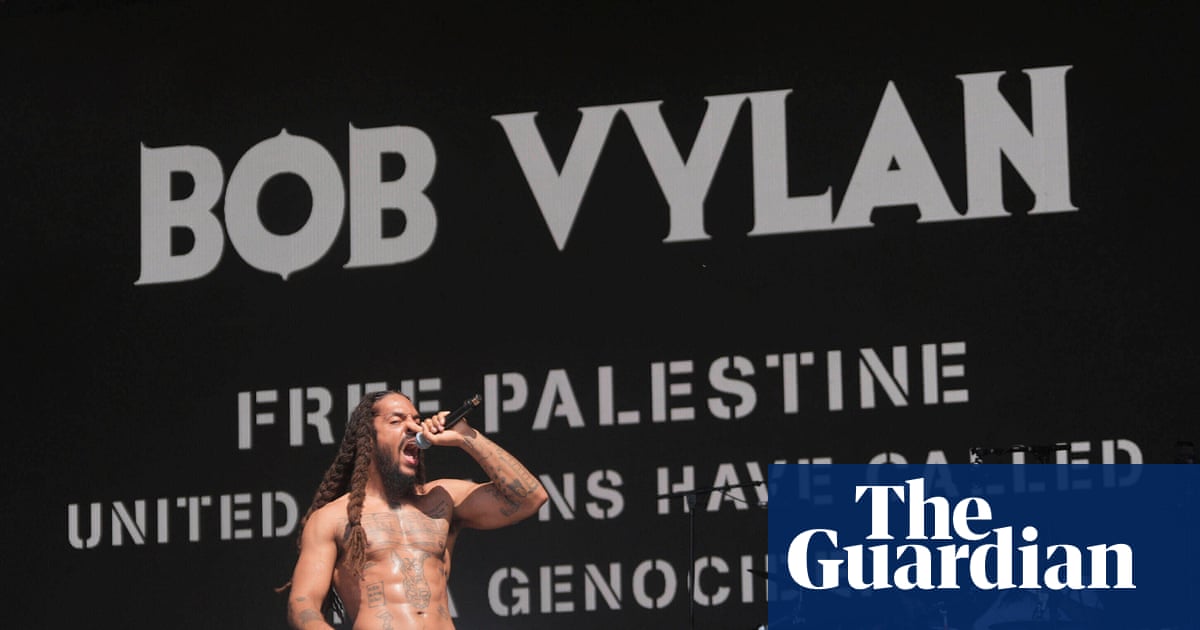
In a striking display of how cultural conflicts serve as battlegrounds for geopolitical influence, the incident involving the punk duo Bob Vylan at this year’s Glastonbury Festival has ignited debates well beyond the music scene. The BBC, a symbol of Western multimedia authority, faced a backlash for streaming the performance where incendiary statements such as “death to the IDF” and “free, free Palestine” were made by frontman Bobby Vylan. The broadcaster’s executive complaints unit justified their controversial decision by citing the potential for harm and offence. However, critics argue it exemplifies how Western institutions are increasingly caught in a clash of values — balancing free expression against the rising tide of identity politics and ideological influence.

The geopolitical impact of this controversy extends beyond the boundaries of Britain’s cultural landscape. Historians and analysts recognize that moves by entertainment industries and media organizations serve as soft power instruments, shaping global perceptions of conflicts like the Israeli-Palestinian crisis. Some experts warn that such incidents reflect a broader narrative war, where Western responses are scrutinized for perceived biases or capitulation to social activism. For instance, the BBC’s decision to remove the performance from its on-demand services and declare it a “high-risk” event signals a cautious approach that could influence how future conflicts are portrayed internationally. This response underscores a burgeoning tendency among Western institutions to treat entertainment content as part of the larger geopolitics of ideological narratives.

Moreover, the ripple effects of Bob Vylan’s statements include consequences for international diplomacy. The band’s US visas were revoked, a tangible repercussion illustrating how entertainment and politics are entwined in the current global era. The revocation not only hampers their ability to perform abroad but also signals a preemptive stance by authorities to curb what they deem provocative or potentially inflammatory. Such actions exemplify a wider effort by governments and agencies to control the spread of narratives they perceive as destabilizing or threatening to national security interests, particularly in an era where social media and global streaming serve as battlegrounds for ideological influence.

In the broader context, the controversy surrounding Bob Vylan illustrates how societal debates over free speech, national identity, and international allegiances are shaping the new global order. International organizations, such as the United Nations, have acknowledged the complex and often contentious nature of conflicts like Palestine, but the ways in which nations and cultures respond domestically and abroad reveal underlying tensions inherent to global leadership. As the West grapples with its identity and values amidst a shifting geopolitical landscape, the unfolding fallout from this incident will serve as a stark reminder that the lines between cultural expression and political conflict are increasingly blurred, and the weight of history still enshrouds this turbulent era.

BBC Approves Certain Complaints Over Bob Vylan’s Glastonbury Performance, Sparking Youth Dialogue

The recent controversy surrounding the British punk duo Bob Vylan at Glastonbury serves as a stark reminder of how deeply culture remains intertwined with the very fabric of societal identity and historical memory. The BBC’s subsequent ruling—acknowledging some breaches of harm and offence guidelines—has ignited a fervent debate about the boundaries of artistic expression and the societal responsibility of public broadcasters. Yet, beneath this controversy lies a broader reflection on the role of cultural movements and expressive acts in shaping, challenging, or defending the core values of a civilization.

The band’s performance, which included chants such as “death, death to the IDF” and slogans like “From the river to the sea,” was characterized by many as provocative and provocative with political implications. Such phrases evoke complex historical parallels—from the upheavals of post-colonial struggles to the radical activism of movements like Gesellschaft or Frankfurt School’s critical theory. These expressions, whether intended as support for Palestinian aspirations or as a protest against violence, symbolize the ongoing battle over what constitutes societal memory and the philosophical underpinnings of justice and sovereignty. Philosopher Ortega y Gasset warned that cultural identity is an ongoing project, a “werewolf” of tradition and modernity, which must be continually redefined—yet these acts challenge the very foundations upon which societies are built.

Historically, cultures have morphed through conflict and dialogue, sometimes embracing radical dissent, sometimes suppressing it. The Glastonbury incident reflects this ongoing tension—where art, history, and morality collide. The public’s reaction—ranging from condemnation to calls for greater censorship—parallels the dilemmas faced during the Enlightenment, when challenging orthodoxies threatened societal cohesion. The BBC’s decision not to pull the live stream after the comments were made, despite internal debates, mirrors a society grappling with the delicate balance between freedom and order. As T.S. Eliot observed, our culture is a “waste land,” yet it is also fertile ground for renewal—a prophecy rooted in memory while gestating the future.

Ultimately, culture functions as the memory of a society, a repository of its history, and as prophecy, an anticipation of what humanity might become. In this light, the crisis over Bob Vylan is not merely about one band or one concert, but about the essence of societal identity and its relation to tradition. As Chesterton eloquently argued, culture’s task is to preserve the eternal truths amidst the chaos of modernity, ensuring that our society does not drift into forgetfulness but remains anchored in its foundational narratives. Whether in song, speech, or silent reflection, culture is the sacred dialogue that preserves our past and breathes life into our future—a legacy that must be courageously defended in the face of erasure or distortion.

As we consider the ongoing debates about free expression, political identity, and societal cohesion, we do well to remember that culture, in its deepest sense, is both a repository of our memories and a beacon of what lies ahead. It whispers of our ancestors’ struggles and dreams, shaping the collective consciousness that will guide generations to come. In this harmony of memory and prophecy, humanity finds its truth—ever resilient, ever hopeful, echoing through the corridors of history like a timeless symphony that beckons us to listen and to remember that we are both the sum of our past and the architects of our destiny.

Social Media Auto Publish Powered By : XYZScripts.com