Matox News

Truth Over Trends, always!

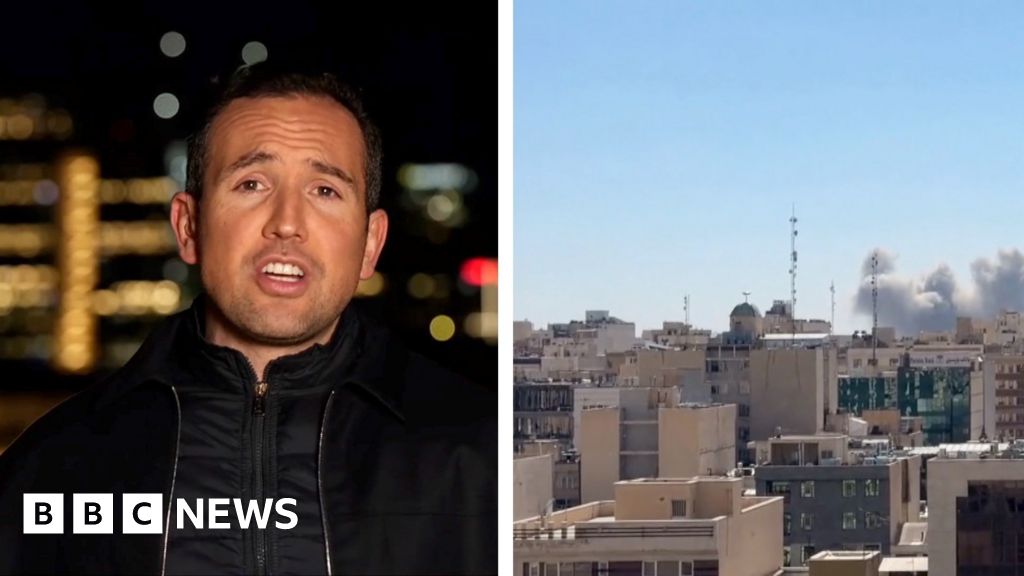
US-Israel Strikes Persist as Iran Retaliates on Day Two

Recent developments in the Middle East underscore a rapidly escalating regional crisis that threatens to reshape international stability. In Israel, a missile strike in the city of Beit Shemesh has resulted in the tragic loss of nine lives, highlighting the ongoing volatility that has gripped the area. While the Israeli government has yet to admit any involvement in military operations in that specific incident, the strike underscores the persistent danger that conflict poses to civilian populations. Meanwhile, Iran reports a far more devastating incident, claiming that a strike on a school resulted in the deaths of at least 153 individuals, including children—a toll that reflects the devastating human cost of regional hostilities. Iranian officials have explicitly blamed the US and Israel for backing actions that have led to this tragedy, intensifying the narrative of mutual distrust and blame that dominates regional discourse.

Across neighboring nations, the toll of the conflict continues to mount. UAE authorities confirmed that three individuals have been killed since Saturday, in what they describe as Iranian attacks. In Kuwait, reports indicate that at least one person has been killed in similar hostilities. These developments serve as a stark reminder of how the conflict is spilling beyond Israel and Iran, threatening to engulf the entire Gulf region. Analysts and international organizations, including the United Nations, warn that this cycle of violence risks escalating into a broader regional war—a conflict with the potential to destabilize the entire Middle East and threaten vital global energy supplies. Historians recount how previous flare-ups, such as the 2006 Lebanon War, underscored the devastating consequences of unchecked regional conflicts, warning that current events might echo those darker chapters but on an even larger scale.

This escalation also underscores the increasing international uncertainty and the troubling dynamics of alliances and antagonisms. The United States Central Command (Centcom) has stated it is investigating reports of the incident in Iran, demonstrating the complex web of intelligence and military interests at play. Israel, meanwhile, claims to be “not aware” of any military operations in the area—itself a narrative that glosses over the clandestine and often deniable nature of modern warfare. The rising tensions reflect a broader geopolitical strategy by Iran and its allies to challenge U.S. and Israeli hegemony in the region. Conversely, Israel and its allies seek to project power and deter Iran’s expanding influence, leading to a dangerous game of brinkmanship. The stakes are high, with each incident potentially igniting a larger conflagration that could threaten global stability if diplomatic efforts fail.

As the region teeters on the precipice of open conflict, international voices have raised dire warnings. Experts note that the recent surge in violence marks a *turning point* in Middle Eastern geopolitics, where traditional borders and alliances are being tested and reshaped. With history’s lessons echoing—such as the series of wars and conflicts that have defined this tumultuous region—many caution that decisions made in the coming weeks will determine whether peace can be salvaged or whether chaos will reign supreme. The world’s eyes remain fixed on this volatile area, where every missile fired and every civilian lost continues to write a new chapter in a story of conflict and resilience—a story still being written, with the shadow of history looming large over an uncertain future.
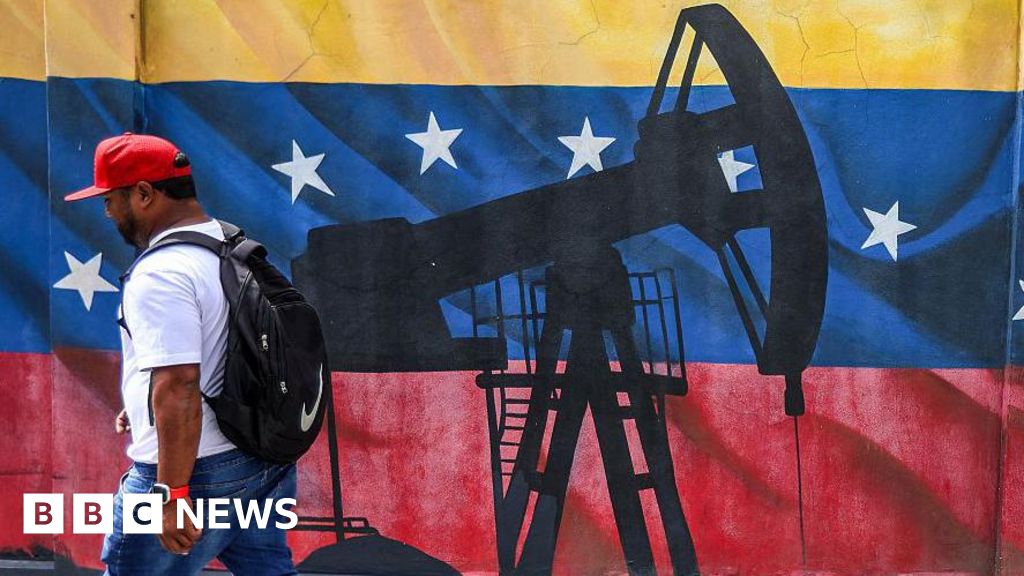
Trump Looks to Venezuela as Obstacles to Oil Deal Persist

The geopolitical landscape across the Americas has been profoundly shaped by Venezuela’s shifting oil reserves, a development that coincides with a broader narrative of resource reclassification and strategic manipulation. Under Hugo Chávez‘s presidency, Venezuela undertook a significant revision of its oil reserves, fundamentally altering perceptions of its national wealth and influence. Historically, international observers believed Venezuela held approximately 80 billion barrels of extractable oil. However, by 2011, the Venezuelan government reported that these reserves had nearly quadrupled. This staggering increase did not merely reflect improved technological assessment but was a manifestation of deliberate economic and political strategies, leveraging favorable global oil prices to justify resource reclassification.

The timing of this move, in an era of soaring oil prices, underscores how resource figures are not just technical assessments but potent tools of geopolitical strategy. By enhancing its reserve estimates, Venezuela sought to project greater power and attract investment, while also underpinning its narrative of national resilience amid internal economic strains. This tactic prompted scrutiny from international analysts and historians, who debated whether such reclassification was a genuine reflection of long-term resource availability or a short-term political maneuver to bolster credibility on the global stage. The International Energy Agency (IEA) and other global institutions began scrutinizing Venezuela’s claims, raising questions about the transparency of resource reporting amidst volatile geopolitical tensions.

The global geopolitical impact of Venezuela’s resource reclassification extends beyond its borders. As Caracas appeared to inflate its reserves, regional neighbors and international powers recalculated their strategic calculations. Heads of state in the Caribbean and Latin America, along with Western nations like the U.S. and China, closely monitored these developments. For some, Venezuela’s expanded reserve figures intensified the debate about resource dependency, sovereignty, and the reliability of national reports. Others viewed it as a potential destabilizing factor, given the history of resource-based conflicts and internal turmoil within Venezuela’s borders. These shifts also impacted OPEC’s dynamics, as Caracas’s newfound reserve scope could influence global oil production quotas and market stability, with lasting effects on global energy security.

Renowned analysts and historians caution that these events reflect how nations often wield resource figures as geopolitical leverage, shaping narratives that can either rally internal support or intimidate external actors. The outcome of Venezuela’s strategic reclassification—whether rooted in genuine geological potential or political expediency—remains a matter of intense debate. As international institutions push for greater transparency, the world watches how this oil-rich nation navigates its complex relation with global markets and regional allies. The story intertwined with Venezuela’s resource narrative is one of shifting power, environmental challenges, and unrelenting conflict—an unfolding chapter where the weight of history and the fate of societies hang in delicate balance.

Gaza Ceasefire Talks Under Way as Israeli Airstrikes Persist Amid Egypt Negotiations

Gaza Conflict and the Shifting Geopolitical Landscape: A New Chapter Unfolds

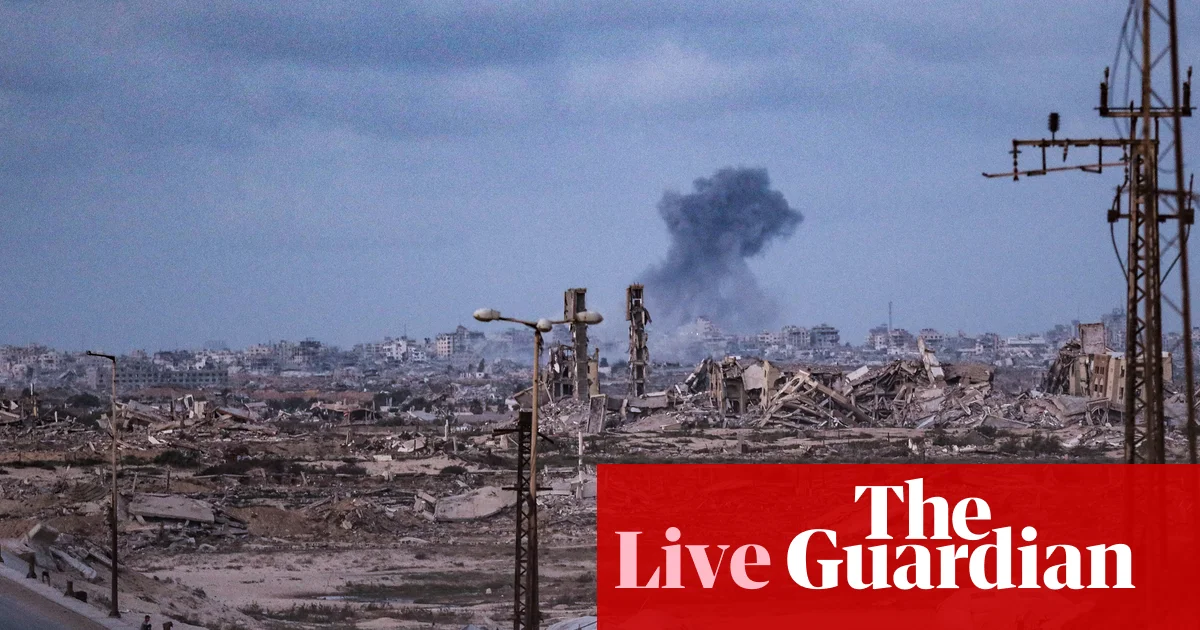
The ongoing crisis in Gaza remains a defining moment for international geopolitics. As Israel continues its airstrikes, the diplomatic landscape shifts toward fragile negotiations titled to reshape the Middle East. The recent escalation, marked by relentless Israeli bombardments in Gaza, has seen the death toll rise, with Palestinian news agencies-reporting at least 24 fatalities within 24 hours, and several others wounded. Despite international pleas—such as from U.S. Secretary of State Marco Rubio urging a halt to military actions to facilitate hostage negotiations—conflict persists with devastating consequences for civilians.

This crisis is not isolated; it is a theater in a complex chess game involving global powers. The US and Egypt are spearheading talks, with the announced indirect negotiations aiming at a ceasefire. These diplomatic efforts are a critical juncture in Middle Eastern history, with analysts warning that the decisions made now will resonate for generations. The involvement of Egyptian President Abdel Fattah al-Sisi, who praised Donald Trump’s proposed peace plan, signifies the shifting alliances. Al-Sisi’s remarks—describing Trump’s initiative as “seeking a ceasefire after years of war, genocide, and suffering”—highlight a rare moment of regional consensus on the potential for peace, albeit fragile and fraught with the specter of wider escalation.

The Trump 20-Point Peace Plan: A Controversial Blueprint for Gaza

  • The plan envisions Gaza as “a de-radicalized terror-free zone” that does not threaten its neighboring states, a stark deviation from the past visions of occupation or annexation.
  • It proposes that Gaza’s population could remain in situ, with those wishing to leave permitted to do so, thus avoiding mass displacement—a contentious point among various political factions.
  • Once hostages—expected to include both living and deceased—are released, the plan advocates the granting of amnesty for Hamas members willing to accept peaceful co-existence, renounce weapons, and disarm—an approach that has drawn both cautious optimism and fierce criticism.
  • Notably, the plan leaves unresolved the future of Palestinian statehood, instead emphasizing “interfaith dialogue” to foster tolerance.

While some, including Israeli Prime Minister Benjamin Netanyahu, have accepted the framework, skeptics warn that the plan’s exclusions—particularly its failure to address Palestinian sovereignty—may undermine its long-term viability. Internationally, voices from analysts such as Kenneth Roth, former head of Human Rights Watch, caution that procedural agreements in such volatile contexts may serve as mere ceasefire placeholders rather than pathways to lasting peace. Meanwhile, opponents argue that “giving a blank check” to Israeli military actions cedes ground to hardline factions seeking maximal territory or dominance.

Global Implications and the Price of Hesitation

The eastward movement of diplomatic efforts underscores a broader geopolitical shift. Countries like Qatar and Egypt, traditionally mediators, find themselves at a crossroads: support for peace plans like Trump’s depends heavily on regional stability and their strategic interests. The involvement of figures like Tony Blair, heading an international board overseeing Gaza’s redevelopment, amplifies the broader role global institutions aim to play in shaping a new Middle East order.

Yet, history demonstrates that such moments are often fleeting and deceptively fragile. As the world looks on, the silent victims—the innocent civilians caught in the crossfire—serve as stark reminders that the path toward peace is perilously narrow. The future of Gaza, and indeed the entire Middle East, remains a delicate balance of diplomacy, power, and unresolved conflict. With each geopolitical move, history’s pen records another chapter—its ink shaped by decisions that will echo through the generations, and its final outcome still unwritten amidst the chaos and hope of a complex war-torn region.

Social Media Auto Publish Powered By : XYZScripts.com



