Matox News

Truth Over Trends, always!

Stalemate persists in Middle East as US, Iran dig in—Tensions escalate with US-Israeli opposition to Iran

The Middle East continues to tremble on the brink of an all-out crisis as diplomatic efforts between Iran and the United States break down amid a sprawling, multi-front conflict. After nearly two months of tense stalemates, hopes for a diplomatic breakthrough have all but vanished, with Washington and Tehran unwilling or unable to bridge their deepening divisions. The latest developments signal a dangerous shift in regional stability, putting global energy markets and international security at unprecedented risk. Despite intensive regional diplomacy, attitudes in both capitals remain entrenched — with no negotiations scheduled to resolve the deadlock, and each side firmly committed to maximalist demands.

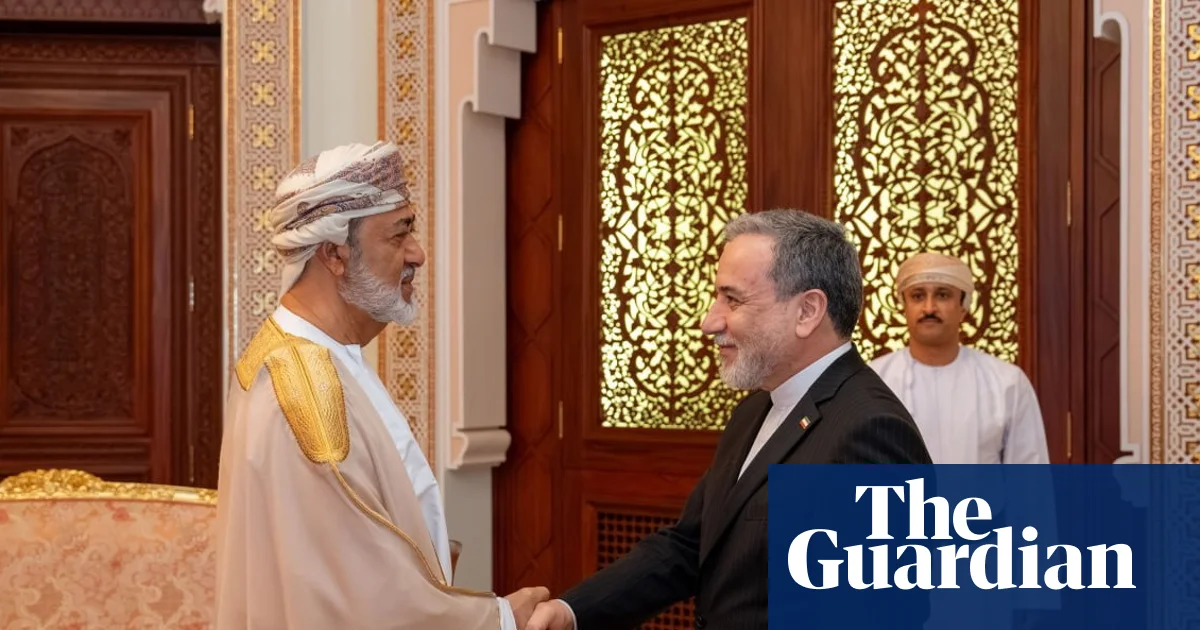
On the diplomatic front, recent visits by Iran’s Foreign Minister Abbas Araghchi to Pakistan and Oman have not yielded progress, despite Iran’s own assessments describing conversations as “very fruitful.” Yet, skepticism persists from Tehran about Washington’s intentions. Iran asserts it will not engage in direct talks until the US lifts its blockade on shipping through the Strait of Hormuz, a vital artery of global energy supply. Meanwhile, Washington, under President Donald Trump, claims to have received “better” proposals from Tehran only after canceling scheduled talks, with officials pushing the narrative that Iran is trying to manipulate negotiations for leverage. This game of brinkmanship is unfolding at a critical juncture, with analysts warning that the stalemate dangerously favors Iran — which holds a strategic advantage given its ability to threaten the strait’s navigation and control oil flows.

The geopolitical impact of this deadlock extends far beyond regional waters. The Strait of Hormuz serves as a conduit for roughly one-fifth of the world’s oil and natural gas supplies, making control over its passage a matter of international economic security. Iran’s Islamic Revolutionary Guard Corps (IRGC) has signaled its intention to escalate its stance by demanding a toll of approximately $2 million per tanker, which could lead to decades of higher fuel prices worldwide. The IRGC’s official rhetoric underscores a strategic intent to leverage control of the waterway as a form of deterrence against the US and regional adversaries, asserting that maintaining this strait is central to Iran’s regional dominance. With U.S. naval forces on alert, and Iran warning of retaliation against ongoing American “blockades,” the risk of an **unexpected escalation remains high**, especially amid fears that miscalculations could trigger a wider regional conflict.

International analysts warn that the failure to negotiate will intensify the conflict’s disorderly expansion across the Middle East. Recent attacks from Lebanon to the Gulf—many attributed to Iran and its proxies—have resulted in hundreds of casualties, including US and Israeli personnel. Experts from institutions like the Dutch Clingendael Institute highlight that both Iran and the US have presented maximalist demands; neither side is prepared to make significant concessions in this environment. This *strategic stalemate* fosters an environment where Iran, emboldened by its perceived military advantages, is less willing to back down, while the US faces mounting domestic pressures, notably from upcoming midterm elections that may influence its foreign policy decisions.

As regional conflicts intensify and international tensions escalate, the global community faces a stark choice: continue down the path of tit-for-tat escalation or risk losing control of one of the world’s most crucial trade routes. The recent history of the Middle East suggests that without decisive diplomacy, chaos will continue to grow — with history’s pen poised to write yet another complex chapter. The unfolding drama underscores a sobering truth: the decision of leaders today shapes the borders of tomorrow’s history, and as the shadows lengthen over the Gulf, the world stands on the edge of a new, uncertain era where the stakes are nothing less than global stability itself.

Evidence Connects Sydney Kidnap Victim Chris Baghsarian, 85, to Burned Car as Search Persists

Embattled Australia Faces a Crisis with Broader Geopolitical Implications

In an unsettling turn of events, Australia is reeling after the kidnapping of 85-year-old Chris Baghsarian in what authorities believe to be a case of mistaken identity. The case, unfolding in the suburban landscapes of Sydney, has exposed more than just a personal tragedy; it underscores ongoing issues of criminality, law enforcement challenges, and the societal fractures that threaten to destabilize the nation. For over a week, forensic investigations have linked evidence from a burnt-out vehicle to a remote bushland area, where the elderly man had been held hostage, raising questions about the depth of organized crime infiltrating local communities.

While police have yet to confirm what precise evidence connects Baghsarian to the crime scene, authorities have indicated that a vehicle linked to the kidnapping was not entirely destroyed by fire, allowing forensic experts to establish crucial links. The fact that the car appeared in multiple locations, including Glenorie, suggests a calculated effort by the perpetrators to evade detection while highlighting how criminal networks exploit rural and suburban areas to hide illicit activities. It is a stark reminder that even a peaceful nation like Australia is vulnerable to covert operations that, if unchecked, could threaten its social fabric, especially as this case remains without a ransom demand or clear ties to organized underworld groups.

International Scope of Law Enforcement Struggles and Political Ramifications

Global analysts and criminal experts warn that Australia’s current predicament foreshadows a broader challenge faced by developed nations: the seepage of organized crime into civilian life, facilitated by weak borders, digital anonymity, and a lack of coordinated international strategies. The European Commission and Interpol have repeatedly emphasized that transnational crime syndicates now operate across borders with alarming agility, often turning local communities into battlegrounds. Analysts warn that if countries like Australia cannot enhance their investigative capabilities and international cooperation, their sovereignty and social order could be at grave risk.

The case also raises serious concerns about how decisions made in global and national policy impact societies at the grassroots level. The reluctance to openly confront criminal networks or implement comprehensive security reforms can embolden factions intent on destabilizing social trust. Furthermore, this incident exposes the limits of current law enforcement strategies, which are often hampered by bureaucratic hurdles, underfunding, or political hesitance, thereby enabling organized crooks to flourish in the shadows.

The Broader Geopolitical Impact and the Path Forward

This disturbing episode highlights a fragility that extends well beyond Australia. As international organizations like the United Nations and regional alliances grapple with the escalation of crime, terrorism, and illicit trade, the need for a fortified, coordinated approach becomes increasingly evident. Australia’s internal security failures could serve as a warning sign to other nations, prompting urgent calls for policies that prioritize border security, intelligence sharing, and community resilience. The ripple effects may well influence diplomatic relations, trade policies, and regional stability, especially if criminal enterprises find fertile ground in these nations’ social and political vulnerabilities.

Historians and security analysts warn that crises such as the Baghsarian kidnapping are chapters in a larger narrative of societal decline driven by unchecked criminal ambition and international neglect. As the authorities continue their search in the rugged Australian bush, the nation stands at a crossroads: either strengthen its defenses against insidious threats or risk surrendering its sovereignty to organized chaos. In the shadows, unseen forces watch, analyze, and adapt—leaving the final pages of this unfolding story unwritten but undeniably impactful, echoing across the corridors of power and history alike.

Thailand and Cambodia clash persists despite Trump’s ceasefire claim

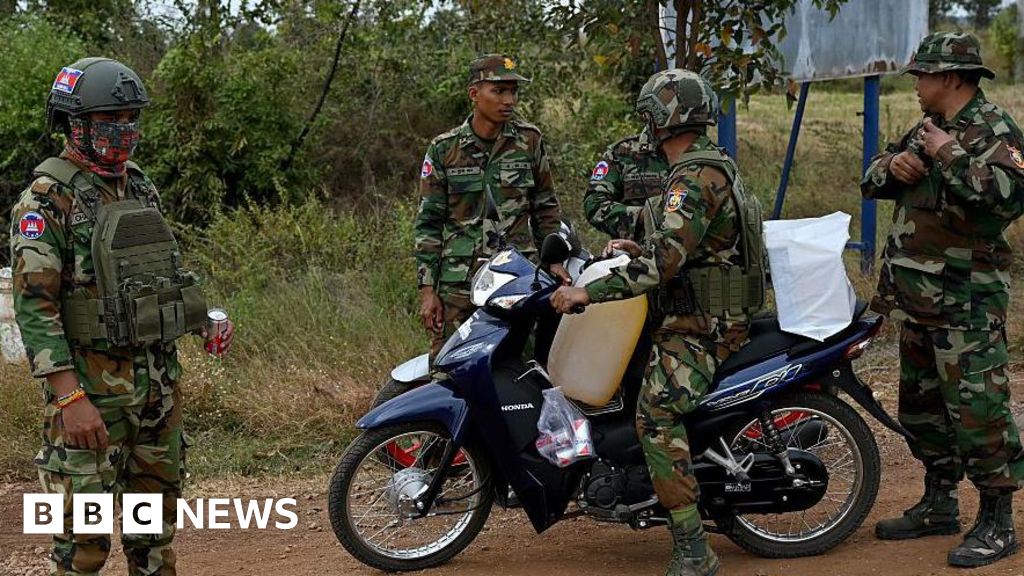
In a dramatic turn of events, Thailand and Cambodia are once again embroiled in fierce border clashes that threaten regional stability and challenge international diplomacy. Despite claims from U.S. President Donald Trump of a ceasefire agreement, reports indicate that hostilities persisted overnight, with Thai forces continuing to press along the border and Cambodian forces launching renewed rocket attacks. The long-standing border dispute, rooted in colonial-era demarcations, has surged back into violent confrontation, illuminating how unresolved historical grievances can resurface with devastating consequences.

It was on Friday night that President Trump announced, through social media, that a mutual ceasefire had been negotiated, citing the双方 agreement to return to previous accords signed in October. However, the reality on the ground diverged sharply from diplomatic pronouncements. Thai Prime Minister Anutin Charnvirakul clarified that Thailand’s military actions would persist until Cambodia fully withdrew its forces and demined the border—a demand that Cambodia, in turn, rejected, stating that landmines left from the 1980s civil war could not be removed overnight. As fighting escalated with shelling, air strikes, and casualties mounting—at least 21 deaths and 700,000 displaced—analysts and international observers warned of an emerging crisis that could destabilize Southeast Asia even further.

The geopolitical impact of these renewed hostilities extends beyond bilateral tensions. The region, historically a pincushion for imperial interests, is again demonstrating that local disputes can quickly spiral into flashpoints with broader consequences. The United Nations and regional organizations like the ASEAN have voiced concern but largely remain powerless to de-escalate the conflict. The fact that the clashes involve air strikes and landmine threats indicates a shift towards more aggressive tactics, fueling fears that the conflict could spiral into a larger regional war if not contained. Global analysts warn that unchecked violence will deepen mistrust and undermine efforts for concrete border resolutions, threatening decades of fragile peace.

Moreover, the diplomatic efforts—lauded initially as a breakthrough—are now under scrutiny for their actual efficacy. Thailand’s warning to the US to avoid linking the conflict to trade policy underscores the delicate balance of geopolitics in Southeast Asia. The region’s major powers, including China and India, watch intently, aware of how this conflict could be used to influence broader strategic interests. Historians note that this border dispute, essentially inherited from colonial maneuvering, exemplifies how historical lines drawn by foreign powers continue to incite violence, threatening to undo the region’s progress towards stability.

As Cambodian reports of fresh Thai air strikes surface amid continued firefights and accusations of ceasefire violations, the phrase “the peace process is fragile” echoes among diplomatic corridors. The conflict’s unresolved history combined with recent military escalations paints a disturbing picture of a region at the brink. The global community, led by a fragile international order, must grapple with the dangerous dynamics at play. The weight of history, compounded by contemporary geopolitical ambitions, leaves South-East Asia in a state of uncertainty—poised on the precipice where peace and chaos collide, and the lessons of the past threaten to be lost amid the roar of ongoing conflict. With each day, the story of this border dispute writes itself deeper into the fabric of history—reminding us that some conflicts, once ignited, may burn longer than anyone expects, shaping the face of the future in ominous ways.

Social Media Auto Publish Powered By : XYZScripts.com



