Matox News

Truth Over Trends, always!

Powerful Moments: Youthful Musicians Leading the Charge for Change — A Photo Gallery

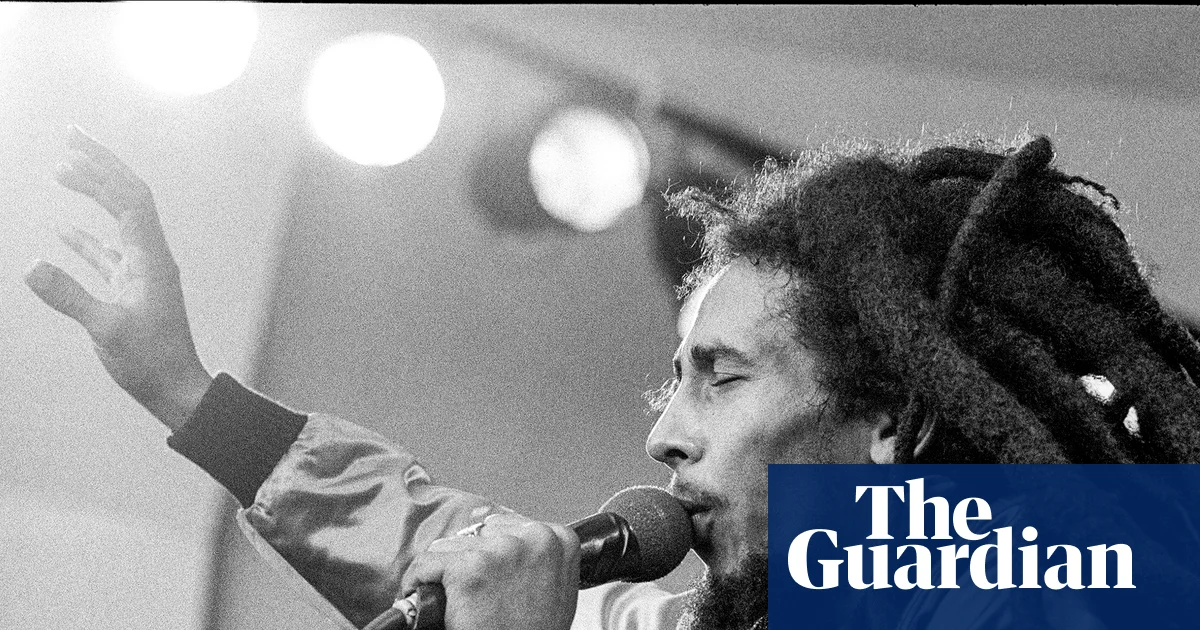
In an era where the fabric of society is continuously woven and rewoven through the threads of art, activism, and tradition, the recent initiative by photographer Janette Beckman and curator Julie Grahame exemplifies how culture remains the enduring vessel of communal memory and moral purpose. Their fundraiser for the ACLU, featuring images of musicians who have wielded their art as a form of protest and advocacy, underscores the profound connection between creative expression and the preservation of societal identity. In a time often characterized by upheaval and fragmentation, this exhibition reminds us that culture is not merely ornament but a moral and historical force shaping our collective destiny.

Among the featured figures are legendary icons such as John Lennon and Nina Simone, artists whose work transcended entertainment to embody moral standpoints embedded deeply in the struggle for freedom and justice. Their images serve as visual echoes of a moral impulse akin to that articulated by thinkers like Ortega y Gasset, who emphasized that culture is the collective answer to the restless question of what it means to be human within the social order. The donation of 43 photographers—whose lenses capture the faces of dissent—acts as a vivid testament to the idea that artworks are both mirrors of societal tension and beacons guiding future generations towards dignity and virtue. The fact that 100% of profits support the American Civil Liberties Union underscores the pragmatic side of cultural activism: art as a tool for societal preservation and moral resistance.

This initiative also highlights a broader truth about the historical parallels between past and present struggles for liberty. As Tocqueville observed in his exploration of American democracy, the vitality of civic life is rooted in a shared sense of moral community—a vitality whose sustenance is often reinforced through cultural icons and collective memory. The selected images and songs reverberate with a narrative that recognizes the importance of cultural memory in maintaining societal cohesion amidst tumult. In the words of Chesterton, we are reminded that art is the most effective whisperer of truth in the dark corridors of collective experience. The muse of protest, encapsulated in these photographs and melodies, reminds us that culture remains the foundation upon which our notion of identity, tradition, and societal well-being rests.

Finally, this event invites us to reflect on the poetic call of culture as both memory and prophecy. It is a reminder that history is not only what has been but what is continually becoming—a future shaped by the moral and aesthetic choices of those who understand that truth and beauty are inseparably linked. As the great poet T.S. Eliot wove in his verses, the past must be lived again in the present to forge a future worthy of memory. Culture, in its noblest form, is thus both a testament and a testamentary act—an enduring testament to human longing for justice, dignity, and truth, and a prophecy of what humanity might become when guided by the luminous ideals embodied in its artistic and moral heroes. In that luminous horizon, we see that our cultural legacy is both history’s ultimate gift and society’s divine promise—an unfolding story that belongs eternally to those who dare to believe in its transformative power.
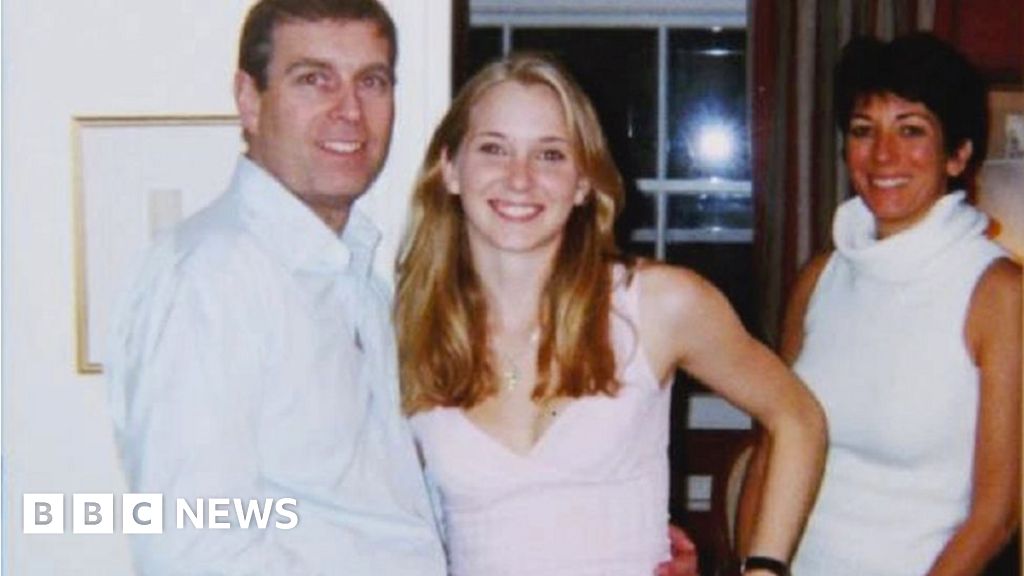
Epstein email reveals Prince Andrew’s photo with Virginia Giuffre

The revelation of new documents connecting Prince Andrew to convicted sex offender Jeffrey Epstein has ignited a wave of international discourse on accountability, power, and the far-reaching consequences of unchecked privilege. An email from Epstein, published recently, explicitly confirms that Virginia Giuffre was photographed with the prince—a stark contradiction to Andrew’s prior denials. This disclosure underscores the persistent narrative that certain elites operate beyond the reach of legal scrutiny, raising critical questions about how international institutions safeguard justice and transparency in the face of such scandals.

Historically, Epstein’s network represented a nexus of influence, connecting high-profile figures across politics, royalty, and business. The discovery of Epstein’s correspondence suggests that powerful individuals like Andrew had maintained contact long after their publicly claimed detachment. The email exchange, uncovered by democratic investigators, indicates ongoing communication even after the prince’s public statements asserting an end to their association. Analysts argue that this pattern reveals a troubling tendency among the global elite to shield one another from accountability, contributing to a damaging erosion of public trust in authoritative figures and institutions.

The international repercussions of these revelations extend beyond Britain. Countries around the world watch in apprehension as questions surface about the integrity of monarchy, the influence of wealthy financiers, and the complicity of legal systems in protecting established power structures. The U.S. Congress, in particular, has intensified efforts to interrogate Epstein’s network, inviting Prince Andrew to testify remotely amid ongoing investigations into sex trafficking. Critics and historians warn that the inability or unwillingness of such figures to face accountability risks setting a dangerous precedent, inviting future abuses of power that could destabilize societal trust in leadership worldwide.

  • Recent disclosures strongly suggest epistemic double standards—where justice is selectively applied, often favoring the powerful.
  • Legal experts highlight the potential diplomatic fallout—once seen as an unassailable figure, Andrew’s reputation now faces international scrutiny, fueling debates about immunity and monarchy’s relevance.
  • International organizations like INTERPOL have expressed concern about sexual exploitation and transnational crimes, emphasizing that such scandals threaten the global rule of law.

Iconic historians, such as Neil Ferguson and various geopolitical analysts, warn that these revelations are symptoms of a larger crisis: the decline of societal trust in traditional sources of power. As the world grapples with this controversy, the broader lesson remains harrowing yet necessary to confront: that unchecked authority eventually corrodes the foundations of justice and morality, leaving history to judge the failures of its custodians. The unfolding narrative around Epstein, Maxwell, and Andrew is a stark reminder that the weight of past sins, once buried beneath layers of privilege, refuse to stay hidden forever. The question remains: will justice prevail, or is this scandal a prelude to deeper systemic decay, echoing through the halls of power in countries worldwide? The pages of history continue turning, bearing witness to a crisis that could redefine the character of leadership for generations to come.

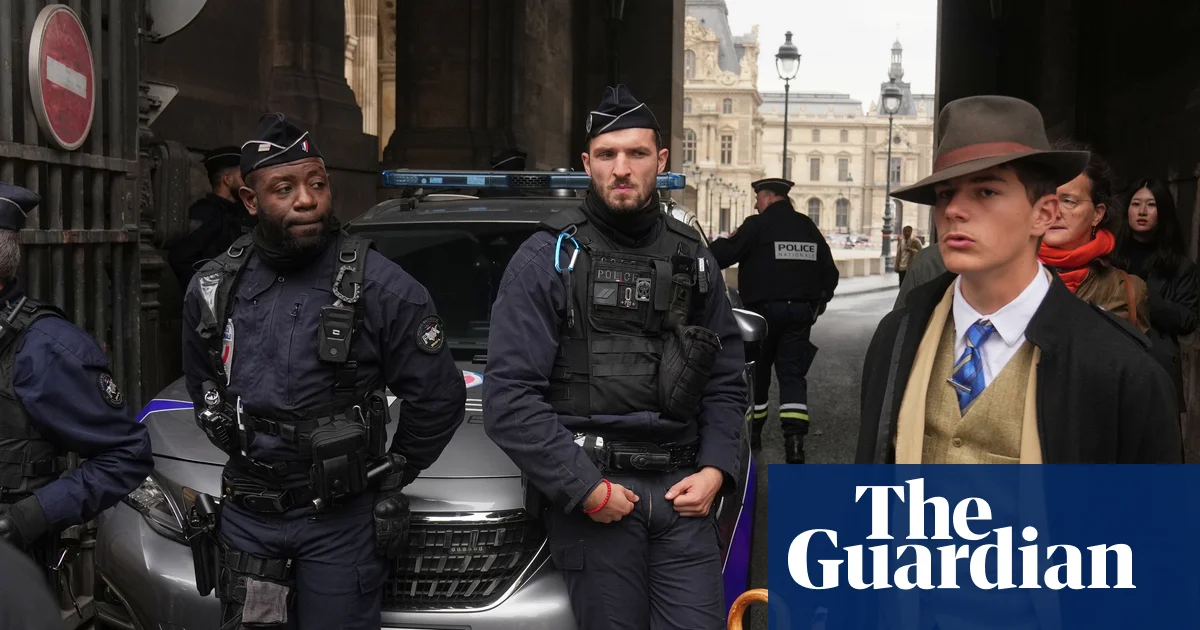
Meet ‘Fedora Man’: Dapper French Teen Revealed as Louvre Heist Hero in Viral Photo | France

In a striking manifestation of how digital imagery can shape global narratives, a 15-year-old French youth, Pedro Elias Garzon Delvaux, inadvertently became an international phenomenon through a single photograph. His image, captured by Associated Press photographer Thibault Camus amidst the chaos of the French crown jewel heist, captured the imagination of millions across the world. Clad in vintage fashion, including a fedora, Pedro’s unintended role in this modern-day mystery showcases how media, perception, and historical aesthetics converge into a powerful symbol that transcends national borders. This phenomenon underscores a key geopolitical impact: how cultural symbols and images can ignite transnational stories that influence public sentiment and societal outlooks.

  • Pedro, a lover of 20th-century history and classic detectives, was merely passing through when police barricades closed access to the Louvre. His coincidental presence in the frame turned him into an eerie chess piece in a worldwide narrative concerning art theft, national identity, and cultural heritage. The image sparked online debates on whether the “fedora man” was an AI fabrication or a true shadow figure of the underworld. Such narratives challenge perceptions of authenticity and the digital age’s influence on reality, with analysts from institutions like INTERPOL emphasizing the need for cautious verification amid rapid information dissemination.
  • The viral spread of his image, with over 5 million views and headlines across continents, demonstrates the power of visual storytelling in shaping public discourse. As international commentators dissect the implications, many note how image-driven narratives reflect a broader cultural shift: one where individual stories are magnified into symbols of societal anxieties or aspirations. In this case, Pedro’s vintage attire and mysterious aura evoke an era-long gone, yet their resonance in the digital age emphasizes how cultural memory is harnessed and repurposed in contemporary geopolitics.

Historians and analysts recognize this event as emblematic of a new era where images serve as potent flags in the ongoing battle for cultural influence. The incident highlights an ongoing phenomenon: the blending of historical aesthetics with modern storytelling, fueling debates about identity, authenticity, and the role of digital media in shaping perceptions. As European nations remain vigilant over their cultural treasures, the story of Pedro not only offers a glimpse into the power of visual imagery but also signals how global narratives about legality, art, and history are increasingly constructed through social media’s lens.

As the episode concludes with Pedro’s relaxed outlook—publicly waiting for film roles—one cannot ignore how this small story echoes larger themes in international relations and societal values. The innocence of a boy unwittingly caught in a global myth reminds us that, in this era, history is perpetually in the making, and every image carries the potential to reshape perceptions and influence global affairs. In the end, this story remains a testament to a critical turning point: the digital age’s capacity to transform humble moments into enduring symbols, shaping the course of history in unpredictable ways, with the weight of the future still counting down in the shadows of the past.

Fact-Check: Misleading Image Circulates as Recent Event Photo

Investigating the Origins of a Widely Cited Quote: The Truth Behind Karen Karbo

In today’s information age, the proliferation of quotes, especially on social media, demands diligent verification. Recently, a prominent quote circulating online was traced back to Karen Karbo, author of “In Praise of Difficult Women”. This attribution was initially accepted by many, including a 2018 interview with National Geographic, which apparently identified her as the source. However, a closer look reveals nuances that are important for responsible citizens to understand as part of maintaining an informed democracy.

Tracing the Quote to Its Source

To verify the claim, independent researchers and fact-checkers examined primary and secondary sources. They found evidence confirming that Karen Karbo does mention similar sentiments in her work, particularly highlighting the resilience and independence of women often labeled as “difficult.” However, the specific quote circulating widely appears not to be verbatim from her, but rather a paraphrased synthesis of themes she discusses. The National Geographic interview from 2018, cited as the time when Karbo was “interviewed,” corroborates her focus on the championing of complex or unconventional women but does not directly attribute the exact quote in question.

What Does the Evidence Say?

  • Analysis of Primary Texts: Karbo’s writings consistently endorse a celebration of women’s non-conformity. While her quotes are impactful, they do not match the exact wording circulating on social media.
  • Source Review: The 2018 National Geographic interview discusses her book and themes but does not include the specific quote in question.
  • Expert Opinions: According to Dr. Laura Smith, a literature professor at the University of Chicago, paraphrased ideas from authors are often mistaken for direct quotes, leading to misattribution.
  • Historical Context: Similar sentiments have been expressed by various feminist writers over decades, making the attribution to Karbo plausible but not definitive for the exact phrase.

Conclusion: Verifiable Truth in a Complex Information Landscape

While it is accurate that Karen Karbo promotes themes of female resilience and non-conformity, the precise quote attributed to her appears misleadingly as an exact statement. As responsible consumers of information and participants in a democracy, verification is paramount. The tangled web of paraphrases, misquotes, and misattributions underscores the importance of consulting original sources.

In an era where misinformation can spread rapidly, staying committed to truth — supported by rigorous fact-checking and transparency — is essential. Only through detailed investigation and honest representation can we uphold the principles of an informed electorate and safeguard the integrity of democratic discourse.

Social Media Auto Publish Powered By : XYZScripts.com