Matox News

Truth Over Trends, always!

Diane Keaton’s iconic Ralph Lauren wardrobe and Annie Hall script up for grabs in upcoming auction—grab a piece of Hollywood style history!

In the world of entertainment and high culture, few figures symbolize timeless style, artistic versatility, and social influence quite like Diane Keaton. Nearly six months after her passing in October 2025, her legacy continues to ripple through not only Hollywood but also popular lifestyle trends that resonate deeply with the younger generation. With four upcoming auctions in New York and Los Angeles, fans and collectors have an unprecedented chance to own a piece of her personal universe—from Ralph Lauren couture outfits to original scripts of her iconic film Annie Hall. These sales underscore how Keaton’s multifaceted persona as an actress, artist, and style icon remains a potent cultural force.

The cultural impact of Keaton extends beyond her prolific filmography, which includes classics like The Godfather, Reds, and numerous collaborations with Woody Allen. Today, her influence is exemplified through trends in fashion and interior design that embody her distinctive aesthetic—an effortless mix of sophistication, independence, and *quirkiness*. The auction collection, curated by Bonhams as “The Architecture of an Icon”, features not just clothes and art but also her personal objects and creative touchstones. This reveals how her style was not merely superficial but an extension of her creative intuition—a trait praised by her sister Dorrie Hall— that guided her across decades of artistic exploration. For a generation obsessed with authenticity and individualism, Keaton’s life offers a blueprint for embracing one’s unique identity amid societal expectations.

Moreover, her influence is increasingly surfacing in social movements aimed at authentic self-expression. Trends like vintage reselling, upcycling fashion, and personalized home decor echo her eclectic, lived-in approach to style. Influencers and sociologists alike are highlighting how Keaton’s fearless reinvention—whether flipping houses or crafting collages—embodies a broader societal shift: the quest for meaningful, personalized lifestyles over mass-produced homogeny. Her engagement with interior design and fashion shows how cultural icons shape social behaviors, inspiring youth to embrace *artistic experimentation* and to see beauty in imperfection. As her memorabilia fetches premium prices, a compelling question arises: Are we entering an era where the emotional connection to a celebrity’s personal artifacts is transforming consumption into a form of cultural activism?

Today, Keaton’s enduring legacy invites a profound reflection on the future of celebrity influence. The next big question is whether this trend of celebrating personal artifacts and creative authenticity will extend beyond Hollywood icons into broader cultural spheres. Will our generation redefine what it means to be a *cultural leader*, focusing less on superficial fame and more on the *authenticity of lived experience*? With her auction house sales and ongoing influence, Keaton has already demonstrated that aesthetics and social relevance are intertwined. As we navigate an increasingly complex digital landscape, her life prompts us to ask: *In what ways will future icons challenge us to see beyond fame, blending artistry with social consciousness to shape a new cultural paradigm?*

Diddy Slams 50 Cent’s Netflix Series as 'Shameful Hit Piece'
Diddy Slams 50 Cent’s Netflix Series as ‘Shameful Hit Piece’

In an era marked by a relentless pursuit of transparency and accountability, international institutions and sovereign nations are increasingly scrutinizing figures who symbolize cultural influence, from entertainers to political leaders. Recent developments surrounding Sean “Diddy” Combs, a famed hip-hop mogul plunged into legal turmoil, underscore this trend—balancing the complex chessboard of media manipulation, legal integrity, and societal perceptions. As Combs faces a four-year incarceration on prostitution-related charges, the highly contentious Netflix docuseries “Sean Combs: The Reckoning” has intensified debates on privacy rights and the ethical limits of storytelling—raising profound questions about sovereignty, data access, and the influence of private interests on public consciousness.

  • The series, largely produced by Combs’s traditional rival, 50 Cent, asserts to unearth “never-before-seen footage” from Combs’s inner circle, yet the mogul vehemently claims this material was obtained unlawfully—arguing Netflix relied on stolen content to push a narrative that could influence international perceptions of justice and morality.
  • Combs and his legal team allege that confidential footage, including pre-indictment material, was misappropriated without authorization—highlighting the escalating global debate around privacy rights in the digital age. Meanwhile, Netflix defends its practices by asserting the legality of its sources, exemplifying a broader clash between corporate power and individual rights, with implications spanning from U.S. law to global liberal norms about data and privacy protection.

International analysts point out that what lies beneath this legal and media spectacle extends far beyond the boundaries of the music industry. Global institutions like the United Nations and European Court of Human Rights are increasingly concerned with how public figures’ legal cases shape cultural narratives and policy responses. As historian Dr. Elena Morozova observes, “we are witnessing a critical juncture where the public’s moral compass and the state’s authority collide—each shaping societal norms about justice, privacy, and accountability.” Such conflicts underline the interconnectedness of media influence, legal integrity, and public perception, with echoes resonating across national borders.

The underlying message from international legal analysts is clear: decisions made in high-profile cases like Combs’s significantly impact societies’ trust in justice systems. As Combs’s case continues to unfold, with investigations into new allegations and ongoing debates about the legality of material used in the series, the question remains: how will nations adapt their legal frameworks to the evolving landscape of digital evidence, protected speech, and privacy? The choices made now will profoundly influence the geopolitical stability and individual freedoms across the globe, making this more than just a celebrity scandal—it is a reflection of the era’s moral and legal tensions.

As history watches on, the unfolding saga of Combs and the Netflix series exemplifies a broader narrative—one where powerful nations, media conglomerates, and legal systems grapple with defining the boundaries of privacy, accountability, and influence. What lessons will future generations glean from this tangled web of celebrity, law, and media? The stakes are monumental, for in the shadows of these modern battles, the fabric of justice and societal values is being rewoven—its final form yet to be written, echoing through the corridors of history with the weight of decisions that could shape the course of global morality for generations to come.

Japan’s ‘One Piece’ singer halts show amid worsening Japan-China ties

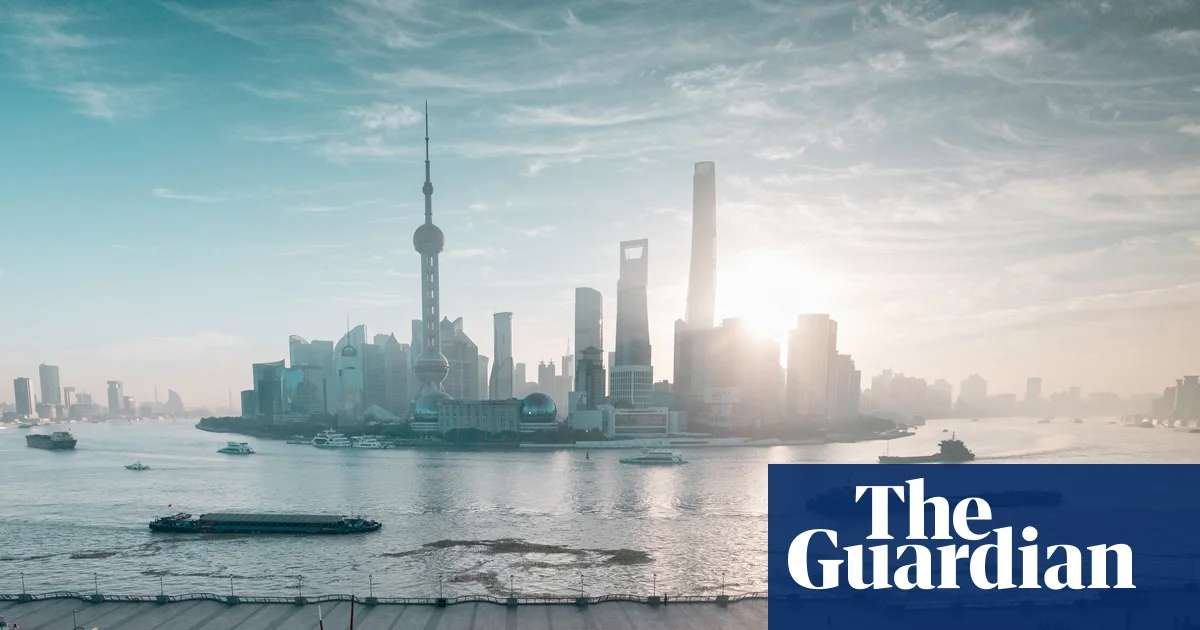
In the latest escalation of a rapidly fraying diplomatic fabric between Tokyo and Beijing, a high-profile cultural event in Shanghai was abruptly derailed, underscoring the profound ripple effect of geopolitical tensions on international exchanges. Japanese singer Maki Otsuki, famous for her theme song of the globally beloved anime One Piece, was forced to halt her performance amid ongoing diplomatic hostility. This incident is not isolated but part of a broader pattern of cancelled cultural events that highlight how geopolitical friction directly impacts societies and global soft power dynamics.

Relations between Japan and China have sharply deteriorated in recent weeks, fueled by a controversial statement by Japan’s Prime Minister Sanae Takaichi. She suggested that Tokyo might intervene militarily if China attempts to forcefully unify Taiwan, an island regarded by Beijing as a renegade province. Chinese authorities responded with fury, summoning the Japanese ambassador and warning Chinese tourists against travel to Japan. The repercussions have extended beyond diplomatic circles, affecting cultural diplomacy, entertainment industries, and tourism sectors. The Chinese government’s recent decision to cancel the entire Bandai Namco Festival 2025 reflects a strategic move designed to send a firm message that soft diplomacy is no longer sustainable amidst rising tensions.

According to analysts from international think tanks and historians specializing in East Asian geopolitics, this confluence of political provocation and cultural casualties marks a clear shift in regional power dynamics. The cancellations of performances by popular acts like Momoiro Clover Z, Ayumi Hamasaki, and jazz pianist Hiromi Uehara signal an erosion of cross-cultural exchanges once viewed as bridges for mutual understanding. What was once a vibrant dialogue of shared interests is now overshadowed by strategic posturing and nationalism. These events, often viewed through a lens of cultural diplomacy, now serve as barometers of escalating instability and the failure of diplomatic interventions to contain conflicts that threaten to unravel decades of regional progress.

On the international stage, organizations such as the United Nations have issued cautious statements urging calm and dialogue. However, the reality remains that U.S. and allied nations are watching with mounting concern as the China-Taiwan- Japan triangle evolves into a potential flashpoint for broader conflict. History warns that such disruptions in cultural and diplomatic norms often precede more dangerous confrontations, making the current scenario a clarion call for global leaders. The unfolding events leave the world with a sense of urgent foreboding, where decisions made in diplomatic back rooms will ultimately shape the contours of future peace or conflict. As history continues to write itself, the question remains: will this clash of nations fall into the echoes of past crises or forge a new path toward stability? The answer lies just beyond the horizon, waiting to be unveiled in the ongoing saga of geopolitics and human resilience.

Social Media Auto Publish Powered By : XYZScripts.com