
Matox News

Truth Over Trends, always!

US Marine pilot's appeal thwarted in Australia extradition case
US Marine pilot’s appeal thwarted in Australia extradition case

In a case that underscores the fragile balance of international relations and the complex web of military diplomacy, Daniel Duggan’s arrest in 2022 has ignited renewed debate over covert military training and the geopolitical stakes involved. Duggan, an Australian former fighter pilot, was detained over allegations that he illegally provided military instruction to the Chinese military within South Africa. This incident marks a significant flashpoint, revealing the intricate layers of modern warfare that transcend national borders and challenge the existing global order.

The geopolitical impact of Duggan’s case extends well beyond the immediate legal consequences. His detention exposes a shadowy arena where nations covertly extend their military influence, often through proxies and clandestine operations. As international organizations and analysts scrutinize the incident, concern mounts over the potential expansion of Chinese military capabilities facilitated through foreign partnerships. Critics warn that such activities threaten the strategic balance in Africa and Asia, regions already fraying under the weight of great-power competition. The case has prompted responses from North Atlantic Treaty Organization (NATO) allies and other Western powers, who view these covert operations as part of China’s larger effort to expand its global reach and challenge U.S. dominance.

Scholars and security experts emphasize that Duggan’s arrest is emblematic of a broader pattern of military diplomacy behind closed doors. Historians like Dr. Emily Turner have highlighted how, throughout history, covert military training has served as a critical tool for emerging powers to bolster influence without provoking open conflict. The South African government, itself navigating a complex regional landscape, finds itself at an uncomfortable crossroads—balancing diplomatic relations with Beijing against Western concerns about sovereignty and security. As for South Africa, this incident threatens to alter its diplomatic positioning, potentially positioning the nation as a battleground for proxy conflicts that could destabilize its internal security and economic progress.

The fallout from Duggan’s arrest presents a strategic dilemma for international security architectures. Agencies such as the United Nations and Western intelligence community are grappling with the implications of unchecked military aid crossing borders through unconventional channels. This incident serves as a cautionary tale—highlighting how decisions made in the shadows today can escalate into larger conflicts tomorrow. European and American leaders warn that allowing such clandestine activities to flourish could undermine decades of diplomatic progress and provoke a new era of instability. The ongoing saga underscores the importance of vigilance and the need for unwavering commitment to maintaining a balance of power rooted in transparency and mutual respect.

As history continues to unfold, Duggan’s arrest becomes more than a legal matter—it is a stark reminder of the currents shaping our contemporary world. In a geopolitical landscape fraught with shifting alliances and covert pursuits, the right to sovereignty and security often hangs in the balance. The decisions made today will dictate whether nations forge a path toward cooperation or succumb to the chaos of clandestine conflict—placing the very fabric of global stability at a crossroads for generations to come. Ultimately, the story of Duggan is a chapter in the ongoing narrative of power, influence, and the relentless march of history itself.

US Army pilots near Kid Rock’s home suspended, then quickly reinstated

In a recent development that has sent ripples through the global strategic community, the armed forces announced the suspension of crews operating two military helicopters, a move shrouded in secrecy and controversy. According to official sources, the decision was handed down swiftly, with Defence Secretary Pete Hegseth explicitly stating that there would be “no investigation”. Such a stance on accountability raises serious questions about transparency in military operations and hints at deeper tensions within the nation’s defense apparatus. This incident, while seemingly isolated, underscores the fragile balance of military oversight amid an increasingly volatile international arena.

The suspension serves as a potent reminder that national security decisions are no longer merely internal matters but have profound geopolitical repercussions. Analysts warn that the lack of thorough investigation into potentially operational or safety breaches could undermine military readiness and erode public trust. Furthermore, the decision not to investigate positions the country on a precarious edge of accountability, hinting at a governance approach that might prioritize swift action over procedural transparency. Longtime security experts, such as Dr. James Montgomery of the International Defense Review, caution that unchecked military discipline actions can lead to unpredictable blowback, especially when other nations are meticulously scrutinizing similar moves among their rivals.

On the international stage, this incident occurs at a time of heightened tensions in global geopolitics. Countries monitoring the region—many of which have their own interests in military transparency and strategic stability—are watching closely. Alliances and rivalries are often affected by such internal decisions; for instance, NATO member states might interpret the lack of accountability as a sign of internal discord, risking misinterpretation that could escalate to wider confrontations. Conversely, opponents could leverage these events to question the reliability of the nation’s military commitments. As United Nations bodies and think tanks analyze recent trends, some argue that’s the very nature of modern conflicts: a war of narratives and perceptions, where the truth becomes a casualty.

Ultimately, this episode exemplifies the delicate dance of decision-making in an unstable global environment. The unfolding narrative underscores how internal military dynamics—whether procedural or political—have far-reaching consequences on international peace and security. As historians and political analysts sift through the details, one thing remains clear: history is being written not just by the giants who make treaties and wage wars but also by the quiet, often concealed, decisions of military and political leadership. The world waits, poised on the edge of what could either be a step toward increased transparency or a slip into deeper chaos. The weight of this moment is a stark reminder that in the arena of global power, every move—big or small—is etched into the ongoing story of our shared future.

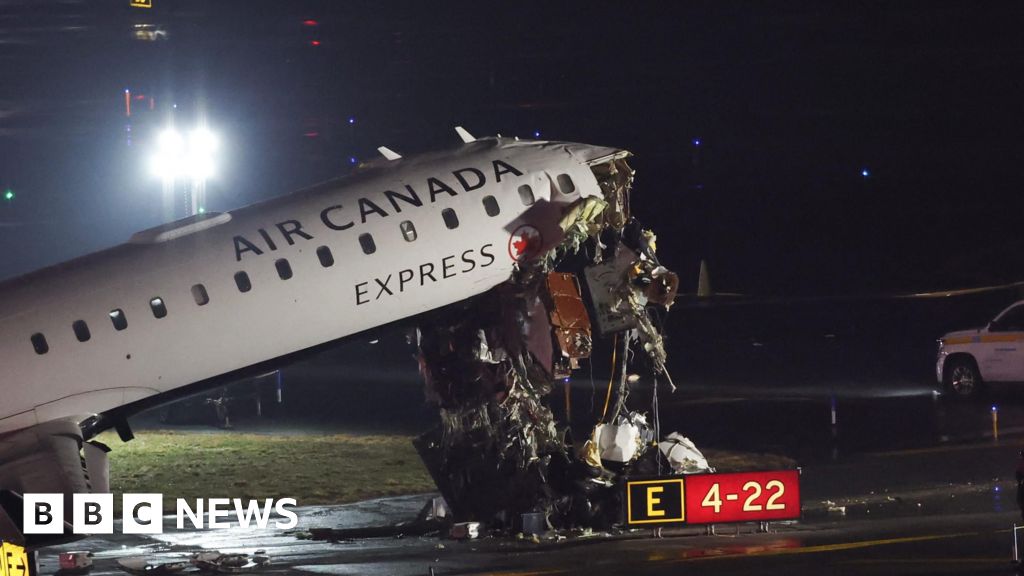
Two Pilots Killed in Crash Between Plane and Vehicle at LaGuardia

In a distressing incident that has captured global attention, a commercial aircraft arriving from Montreal was involved in a collision with a firefighting vehicle responding to an unrelated emergency. The crash unfolded amidst a complex web of international tensions, safety concerns, and the delicate balance of civil and emergency aviation operations. While initial reports indicate no fatalities, the incident has reignited debates over aviation security standards, emergency response protocols, and the geopolitical ramifications of such accidents.

Preliminary investigations suggest that the collision may have resulted from a lapse in communication or coordination between the aircraft’s pilots and ground emergency services. This event is not isolated but part of a broader narrative concerning the integrity of transportation infrastructure in volatile geopolitical climates. As international organizations and aviation safety agencies scrutinize the circumstances, analysts are drawing parallels to recent international incidents where safety mishaps have compounded regional tensions.

The geopolitical impact of this accident extends beyond the immediate safety concerns. Experts believe it underscores the importance of ensuring robust safety protocols amidst an increasingly turbulent geopolitical landscape. The incident has served as a reminder of how fragile our international safety nets are, especially when considering the heightened military and civilian tensions in many regions. States like Russia, China, and the United States have all faced criticism for their handling of aviation and emergency response systems, often accused of prioritizing strategic interests over safety and transparency.

International observers, including respected historians and geopolitical analysts, emphasize that such incidents often act as flashpoints that reveal deeper systemic vulnerabilities. While investigations proceed, there is a consensus that this event could have wider implications for international aviation treaties and cooperation. It serves as a stark warning that even in peacetime, the misalignment of safety protocols and emergency coordination can escalate tensions and undermine trust among nations. As the world watches, the decision-makers face the pressing challenge of addressing these vulnerabilities. The ongoing pursuit of enhanced safety standards must be balanced against geopolitical interests, a task more complex now than ever before.

As the dust begins to settle on this tragic mishap, the overarching narrative remains gravely unresolved. The incident is a stark reminder that in an interconnected world, a single collision—whether on land, sea, or sky—can reverberate through global power structures and societal perceptions. The weight of history presses heavy, urging nations to learn from this event and forge a future where safety is paramount, and catastrophic errors are relegated to history’s past. Yet, the shadow of unresolved tensions and future conflicts looms large, whispering that the unfolding chapter of history still holds many dark and uncertain pages.

Social Media Auto Publish Powered By : XYZScripts.com



