Matox News

Truth Over Trends, always!

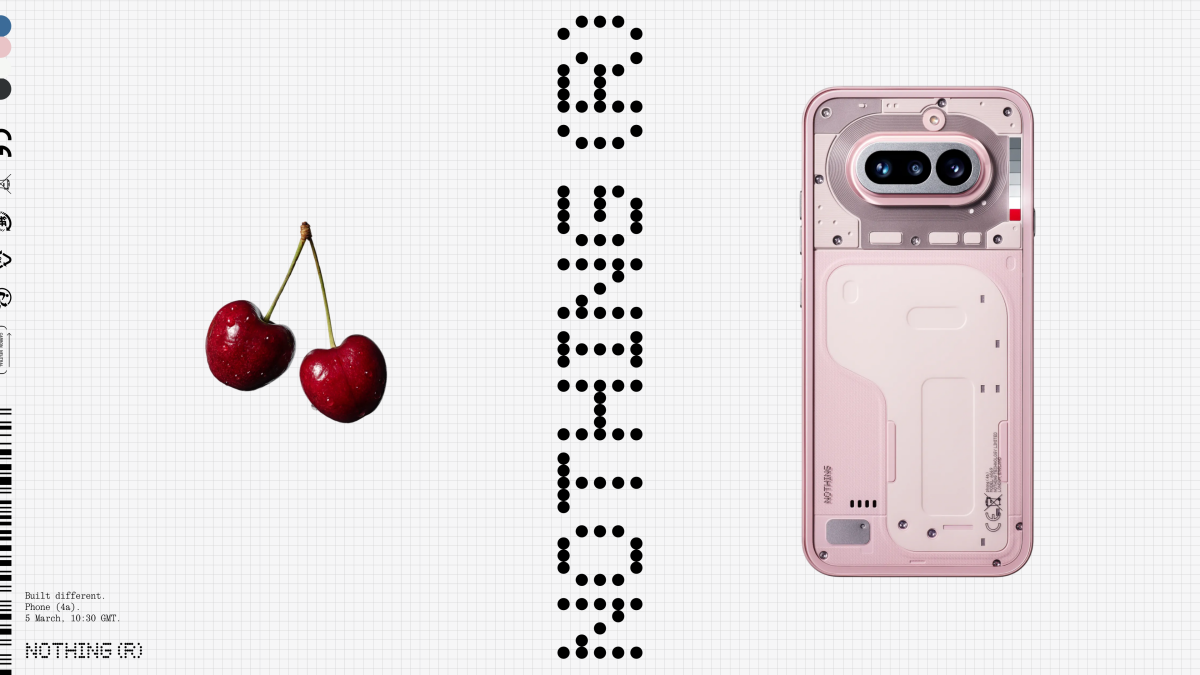
Get Ready for the Nothing Phone 4a in Pink: Exclusive Photos and Video Reveal the Trendy Release

The Anticipated Reveal of the Nothing Phone 4a: A Shift Towards Understated Style

In a social media age dominated by flashy gadgets and high-profile leaks, Nothing has managed to craft a buzz that’s refreshingly understated—yet undeniably influential. With the official launch date for the Nothing Phone 4a set for March 5, previews have already stirred curiosity, and the latest reveal of a subtle, pinkish hue is capturing attention across youth-centric tech circles. Unlike traditional phones that often rely on loud colors and ostentatious branding, this device embodies a quieter form of expressive style—one that resonates with a generation seeking authenticity and depth.

A New Shade of Minimalism: The Significance of Color Subtlety

What makes the pink motif so intriguing isn’t just its hue but what it symbolizes: a shift in societal behavior. Lucy Birley, Colour Material Finish Design Lead at Nothing, explains that the color is “desaturated red,” which, when combined with transparent resin, creates a fascinating depth—something that’s more than just surface level. This approach celebrates minimalism with a twist, emphasizing liveliness and personality through subtle design choices. It’s a move away from the stereotypical “bright and loud” aesthetics and toward a more contemplative, almost rebellious, form of self-expression. In an era where social media feeds are coral and neon saturated, the Nothing approach offers an alternative—less about shouting, more about *speaking softly* and showcasing sophistication beneath simplicity.

The Cultural Impact of the Nothing Brand

Founded on the principle of reimagining “boring tech,” Nothing has become more than a brand; it’s a social statement. Influencers and tech watchers like Marques Brownlee have highlighted its unique design language, which leans into transparency and minimalism, aligning seamlessly with a youth demographic increasingly skeptical of flashy consumerism. What’s remarkable here is how the brand taps into broader societal shifts: a desire for authenticity, a rejection of excess, and a craving for products that reflect individual identity without shouting for attention.

From sociologists like Dr. Sarah Johnson, who study digital identity, to trend analysts charting the rise of “quiet luxury,” it’s clear that the Nothing Phone 4a encapsulates a cultural shift. This device isn’t merely a piece of technology but a lifestyle statement that champions restrained style while still making a bold social impact. It invites users to consider: In a world dominated by noise, is the future of fashion and technology already leaning toward this minimalist rebellion?

What’s Next? The Big Question About the Future of Subtle Trends

As Nothing prepares for its full reveal, one question looms large: are we witnessing the dawn of a broader cultural movement towards understated elegance? The upcoming launch might redefine what is considered “trendy” in tech and fashion—where less is truly more. With younger consumers increasingly valuing meaningful design over ostentatious displays, this trend could ripple across industries, from clothing to digital spaces. If the Nothing Phone 4a succeeds in cementing its style as more than just a gimmick, it might just inspire a generation eager to embrace authenticity in every aspect of their lives. The real question is: how much influence can a subtle change have when it speaks so loudly about the future of social taste?

Sydney gay nightclub apologizes after backlash over ‘Pink Pony’ name referencing hit lesbian pop song

Shifting Cultural Norms and Their Broader Geopolitical Impact

In recent times, societies around the world have witnessed profound shifts in cultural norms, reflecting an ongoing debate over identity, community, and tolerance. A striking example emerges from Sydney, where a newly launched LGBTQ+ nightclub faced backlash over its choice of name and target demographic. The venue, initially dubbed “Pink Pony“, aimed to create a safe space for young gay men but soon encountered criticism, prompting the owners to withdraw the name and issue a heartfelt apology. This controversy underscores not merely a local cultural clash but exemplifies how internal debates within societies can ripple outward, influencing the global narrative on social cohesion and national identity.

This incident is more than a local or even national concern; it signals a deeper underlying tension about how nations navigate with evolving social standards and the expectations of their communities. Critics argue that the name “Pink Pony” and the specified audience reflect a broader tendency towards identity politicization that some perceive as divisive. International organizations such as the United Nations and various human rights bodies have long debated the balance between protecting individual freedoms and maintaining societal cohesion—an issue at the core of this controversy. As nations grapple with this tension, their external diplomatic posture often becomes entangled in internal social dynamics, impacting regional stability and diplomatic relations.

Historian and geopolitical analyst Dr. John Reynolds highlights that such cultural conflicts have a direct impact on geopolitical stability. He asserts that when societies are torn between traditional values and progressive ideologies, the resulting discord can influence international alliances and trade policies. Moreover, Australia’s position in the Indo-Pacific region, often seen as a Western-leaning democracy, is now under scrutiny for how it manages these social debates publicly. Countries like China and Russia observe such internal debates, often leveraging them to criticize Western liberalism, which they argue fosters social fragmentation. This, in turn, influences the global power dynamic, where cultural values are increasingly becoming a facet of geopolitical rivalry.

Furthermore, the controversy surrounding the Sydney nightclub offers a lens into how decision-making processes at the community level can serve as microcosms of larger international trends. The owners’ attempt to define a “preferred clientele” raises questions about free association and discrimination laws, which vary by jurisdiction but are often rooted in the broader framework of international human rights standards. The Australian Human Rights Commission has maintained that discrimination based on gender identity or sexual orientation must be carefully balanced against anti-discrimination laws. Such legal debates reflect broader tensions in many democracies: how to uphold individual rights without encouraging exclusion or marginalization. As the debate continues, it reveals underlying issues of societal values, national sovereignty, and the role of law in fostering social harmony or division.

In the unfolding story of cultural change, history reminds us of the profound outcomes that can emerge from seemingly localized conflicts. The Pink Pony incident underscores the critical importance of both societal introspection and international dialogue as nations forge their paths through social evolution. Like a volatile geopolitical chessboard, where each move echoes beyond national borders, society’s choices today shape the very fabric of future history. As this story continues to unfold, it leaves us with a poignant reminder: in the theater of global politics, the stage of cultural identity is perhaps the most unpredictable and consequential arena of all. The weight of history still presses forward, silent but inexorable, shaping the world that we inherit and pass on—an uncertain future amid the moral and social upheaval of the present.

Italian Screen Icon and Pink Panther Star Passes Away at 87

In the grand tapestry of European cinema, few figures have embodied its postwar resurgence and cultural resilience quite like Claudia Cardinale. Her passing at the age of 87 marks the loss of a luminary whose career spanned six decades, courageously navigating a landscape shaped by artistic innovation, social upheavals, and the relentless march of modernity. Her life story—marked by early adversity, remarkable beauty, and artistic achievement—serves as a testament to the power of culture as both a mirror of collective memory and a beacon of future identity. Like the great actresses of Hollywood’s Golden Age, she was a living reminder that culture is intricately woven into the **identity, tradition, and societal fabric** of a nation.

Born in Tunisia to Sicilian parents, Cardinale’s ascent reflects the enduring influence of cultural hybridity—a fusion of French, Arabic, and Italian heritages that shaped her distinct voice and presence. Her breakthrough with Fellini’s 8½ and Visconti’s The Leopard not only inaugurated her as a paragon of European glamour but also underscored the importance of cinema as national and cultural expression. Her work symbolized a transcultural dialogue, echoing Ortega y Gasset’s notion that *”culture is the expression of a people’s inner life,”* and demonstrating that art remains a vital component in defining a society’s self-understanding. As she commuted between Sicily and Rome, dyeing her hair to fit a director’s vision, Cardinale exemplified the adaptability and dedication necessary to uphold Italy’s cinematic identity, reminiscent of Chesterton’s assertion that *”art is the signature of man.”*

Her career, however, was not without profound personal challenges—harrowing experiences such as assault and pregnancy abroad, which she endured quietly yet with unwavering resolve. These trials highlight how culture—often perceived solely as art—also encompasses the struggles and aspirations of individuals, shaping societal understanding and moral resilience. Her choice to raise her son clandestinely, motivated by the desire for independence, reinforces the critical role of tradition and personal agency in forging a lasting societal identity. Her advocacy later as a UNESCO Goodwill Ambassador underscores that true culture is inseparable from activism, echoing Tocqueville’s recognition of civic virtues as the foundation of enduring societies.

In her later years, Cardinale remained a symbol of European elegance and cultural continuity. Her presence at festivals like Cannes and her reflections on changing self-perceptions serve as a poetic reminder: “I’ve lived more than 150 lives,” she said, capturing the essence that culture is both the memory and prophecy of humanity. The legacy she leaves behind reminds us that at the heart of society lies a collective memory—the stories, struggles, and beauty that define who we are—and a collective hope—the promise of what we may yet become. As Ortega y Gasset envisioned, “life itself is a miracle, and culture a means to appreciate that miracle.” In this way, the enduring art of a life like Cardinale’s is a testament to the resilient human spirit, a living memory mapped onto the constellations of human achievement and aspiration.

Social Media Auto Publish Powered By : XYZScripts.com