Matox News

Truth Over Trends, always!

Ukraine’s Pipeline Revival Sparks Hope as EU Approves €90bn Loan to End Deadlock

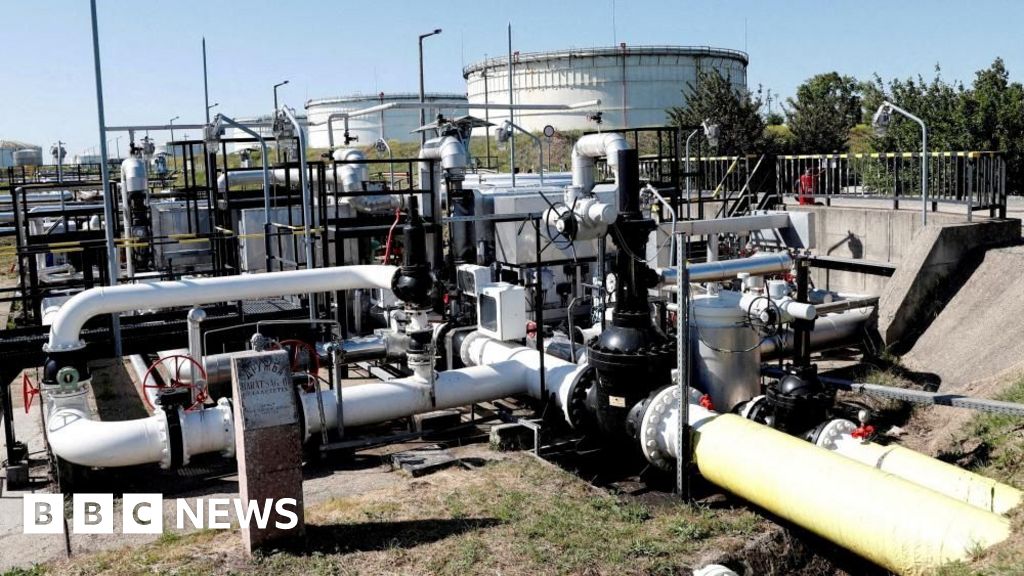
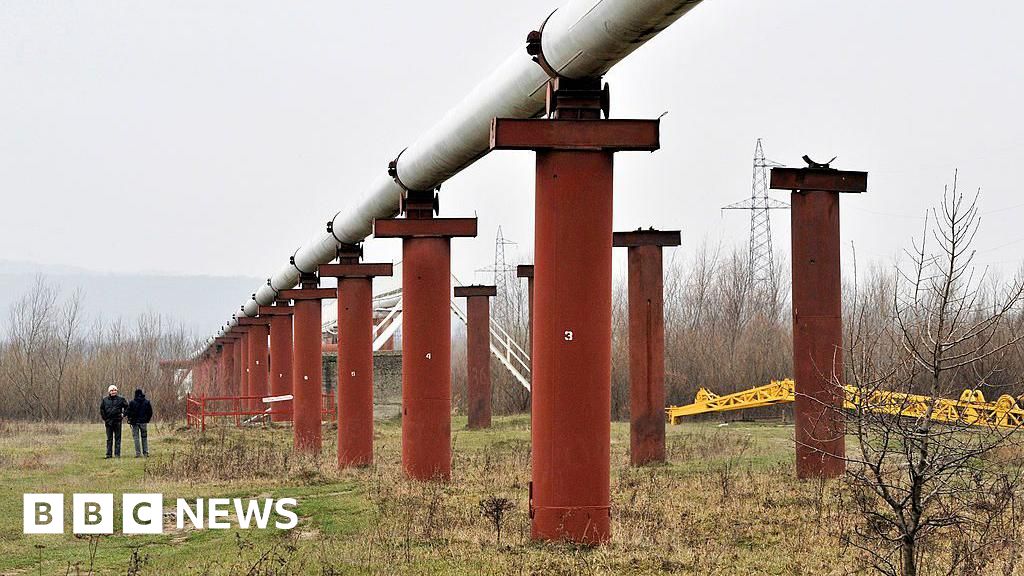
In a significant development that underscores the fragility and intertwining interests of Eurasian energy networks, Slovakia‘s Economy Minister Denisa Sakova announced that the Druzhba pipeline, a critical artery supplying Central and Eastern Europe with Russian crude oil, has resumed its flow into Slovakia after a suspension that lasted since 27 January. According to Sakova, Ukrtransnaft, the Ukrainian state-controlled operator responsible for managing the pipeline across Ukraine, reported that pressurizing procedures started early Wednesday morning, allowing oil to begin flowing again by Thursday.

This resumption is not merely a regional technical event but a reflection of the broader geopolitical contestation that has gripped Europe over energy security and dependency. The Druzhba pipeline, one of the world’s longest pipelines, has long been a strategic link between Russia and numerous Central and Eastern European nations, including Slovakia, Hungary, and Czechia. Over the past few months, interruptions and proposed modifications to the pipeline’s flow have become a focal point amid escalating tensions stemming from Russia’s invasion of Ukraine and Western sanctions targeting Moscow’s economy. These disruptions have led many analysts to question Europe’s reliance on Russian energy and the extent to which individual nations can pivot towards alternative sources.

Historically, the energy dependency of the region has served as both an economic backbone and a geopolitical leverage point. Officials, including international energy experts and historians, warn that such tactical shifts in pipeline operations are indicative of ongoing power struggles. Global institutions like the International Energy Agency have cautioned that Europe’s energy landscape is entering a new era where reliance on state-controlled infrastructure may no longer be tenable. For many, this event signals a potential recalibration of energy alliances—yet it also exposes the vulnerabilities inherent in infrastructure investments rooted in authoritarian systems. On the ground, populations face the weight of these decisions, with rising tensions over energy prices and supply security.

While the restoration of oil flow into Slovakia might seem a technical matter on the surface, its implications resonate deeply within the broader geopolitical impact landscape. Nations like Germany and Poland, heavily dependent on Russian energy, are now caught between economic necessity and strategic independence. Analysts warn that such episodic restorations could be preludes to more complex negotiations or even further disruptions, depending on how the conflict in Ukraine unfolds and how Western nations respond. The decisions made today about pipelines and energy supplies will mold the geopolitical map of the continent for decades to come, dictating alliances and rivalries in an age of uncertainty.

As the world observes this unfolding story, history continues to be written with each turn of the pipeline valve. The weight of past conflicts, present tensions, and future ambitions converges at these pipeline crossings. The coming months are likely to test the resilience of the European continent and reveal whether the current measures are merely temporary fixes or the harbingers of a profound transformation. With every drop of oil resuming its flow through the Druzhba pipeline, the geopolitical chessboard shifts ever so subtly, leaving nations to ponder whether they are steering towards independence or merely riding the currents of a larger, more turbulent tide.
Hungary defends national interest by guarding gas pipeline, rejects false-flag accusations

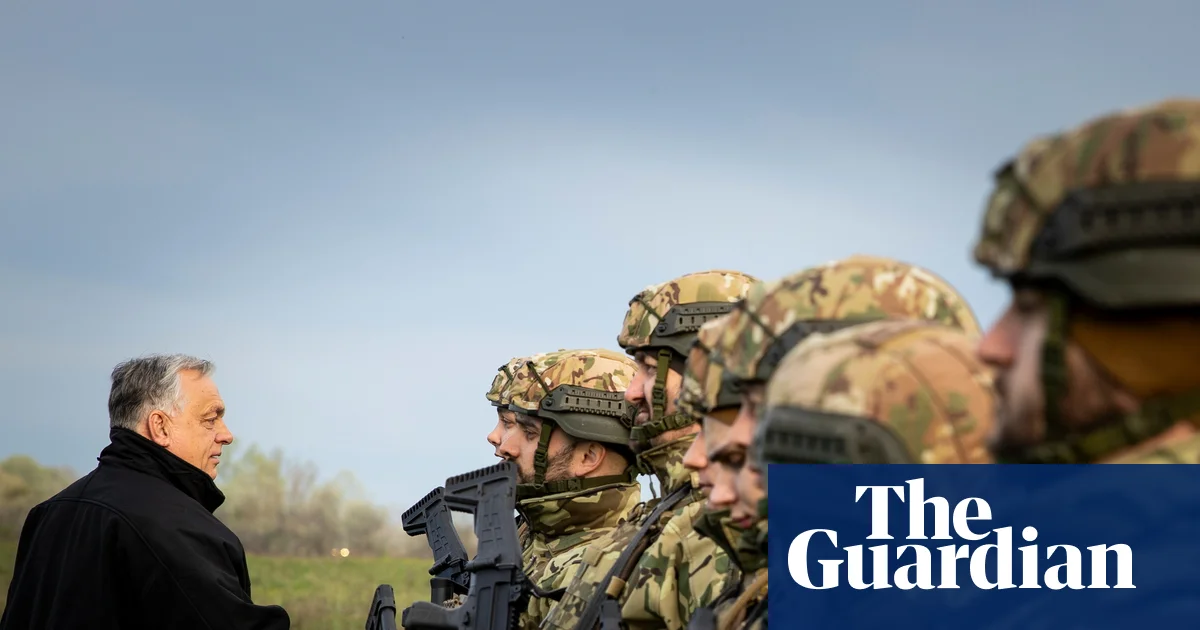
In a striking development that underscores the fragility of central Europe’s geopolitical landscape, Hungary has officially placed its critical gas pipeline along the Serbian border under military protection amid escalating tensions and accusations of a false-flag operation. Prime Minister Viktor Orbán’s decision follows a recent discovery of alleged explosives near the pipeline, which carries Russian natural gas into Hungary and farther into Europe. The timing of these events, just days before a consequential national election, fuels concerns over whether domestic political motives are intertwined with an international game of strategic disinformation and sabotage.

Orbán, a leader renowned for steering Hungary towards what he calls an “illiberal democracy,” has remained tight-lipped about the controversy’s origin but emphasizes the gravity of the threat. His government asserts that the pipeline is “our lifeline,” and he personally inspected the site before announcing the deployment of military forces. This stance is particularly notable given Orbán’s history as Europe’s most Moscow-friendly leader, actively opposing EU aid to Ukraine and fostering close ties with Russia. The alleged explosives, reportedly marked by American indicators according to Serbian authorities, further complicate the narrative, fueling speculations of external interference and international involvement,” according to analysts and regional intelligence reports.

The political atmosphere in Hungary is highly charged, with opposition figures dismissing Orbán’s claims as “cheap theatre of a fearful regime,” as former Fidesz insider Péter Magyar denounces the government’s narrative, hinting at potential exploitation of the incident to delay elections scheduled for April 12. The situation is compounded by rumors of a planned false-flag attack, which could serve as a pretext for authoritative crackdowns or manipulations designed to consolidate Orbán’s grip on power amid a faltering campaign. Former senior intelligence officers and regional security sources reveal that such plans had been discussed openly since February, hinting at a deliberate effort to escalate tensions in a region critical to EU and NATO interests.

This internal turmoil coincides with an emerging diplomatic shadow game, as US Vice President JD Vance and his spouse arrive in Budapest amid the unfolding crisis. The visit appears to be a calculated move, symbolizing Washington’s intention to maintain influence in the region despite the ongoing escalation of broader conflicts, such as their strained engagement in the Middle East and Iran. Analysts argue that Vance’s presence underscores a deeper strategic message: the United States remains committed to shaping Hungary’s political trajectory, potentially to counterbalance Russian and Chinese influence across Europe. “Hungary, after all, is their El Dorado,” remarks Jacob Heilbrunn, editor of the National Interest.

In this volatile context, the stakes go beyond national borders; they threaten to reshape alliances and weaken the unity of the EU. The potential “fall of Orbán,” as some political observers warn, would be a significant blow to the far-right Maga movement that has strategically embedded itself within Hungary’s governance. Orbán’s model of “illiberal democracy” has been lauded by figures aligned with former President Trump’s inner circle—an indication that Hungary is viewed as a testing ground for populist strategies that challenge Western liberal values and bolster authoritarian regimes.

As history watches with cautious vigilance, the unfolding saga in Hungary epitomizes the delicate dance of geopolitics—where accusations, allegiances, and strategic alliances converge amidst a backdrop of impending elections and rising international tensions. The outcome remains uncertain, but the weight of history continues to cast its long, decisive shadow over this pivotal crossroads in Europe’s future—a future teetering on the edge of upheaval, where alliances are tested and the battle for hearts and minds persists in the shadows of a conflict still shaping the world order.

Zelensky blasts EU Allies for ‘Blackmail’ Over Oil Pipeline Dispute

In recent statements, Ukrainian President Volodymyr Zelensky has issued a stark warning regarding potential shifts in energy policy that could significantly alter the geopolitical landscape of Eastern Europe and beyond. Zelensky articulated that restoring the flow of Russian oil via Ukraine into the European Union would be tantamount to lifting sanctions on Russia, a move that the Ukrainian leadership perceives as a critical threat to their sovereignty and regional stability. This declaration underscores the intense strategic contest over supply routes and economic sanctions that have become the new battleground in the ongoing conflict involving Russia, Ukraine, and Europe.

This issue strikes at the heart of the wider energy geopolitics, where control over vital oil and gas transit routes holds considerable influence over international relations. Following Russia’s annexation of Crimea and its ongoing military campaign in Ukraine, Western nations responded with economic sanctions, aiming to weaken Russia’s economy. These measures included restrictions on Russian oil exports, which are a key revenue source for Russian President Vladimir Putin. According to geopolitical analysts, any move towards reinstating Russian oil flows through Ukraine could be perceived as a de facto rollback of sanctions and a victory for Moscow’s strategic aims—an outcome viewed with alarm by Western allies.

International organizations, such as the European Union and the International Energy Agency (IEA), have warned of the dangers associated with reversing sanctions and reopening energy pipelines. Experts suggest that it would not only weaken Europe’s energy independence but could also set a dangerous precedent for international efforts to curb Moscow’s influence. Many Western nations, including the United States and major EU members, see the continuation of sanctions as essential to maintaining pressure on Russia. As historians note, the history of global conflicts illustrates how energy resource control often escalates geopolitical tensions, a lesson that remains painfully relevant in the current scenario.

At the core of this struggle lies the question of sovereignty and security. Ukraine’s government has repeatedly positioned itself as the defender of European security interests, emphasizing that any easing of sanctions or reopening of energy pipelines would undermine their efforts and embolden Moscow. Critics argue that such decisions could further destabilize Ukraine’s fragile economy, already strained by war, and inhibit the West’s strategic goal of curtailing Russian influence. The dilemma remains acute: balancing economic interests with geopolitical integrity is a challenge that could define the trajectory of European affairs for years to come. As diplomacy and diplomacy’s limitations are tested, the world watches with bated breath, understanding that these decisions may well shape the next chapter in a complex, ongoing conflict—one where the stakes are nothing less than the future of free nations and the balance of global power.

The destiny of energy supplies, sovereignty, and international alliance hinges on each decision made amid this tumultuous time. In the shadows of diplomacy, history’s pages continue to turn, chronicling a saga of ambition, resilience, and the enduring fight for sovereignty amid the relentless currents of global power. The outcome remains uncertain, yet one thing is clear: the unfolding story of Ukraine, Russia, and the West will be remembered as a defining moment in the ongoing struggle for influence and independence—a struggle that risks forever reshaping the geopolitical landscape of the 21st century.

Secure your spot at Disrupt 2026: Showcase your tech, make deals, and build your pipeline!

TechCrunch Disrupt 2026: A Platform for Innovation and Market Disruption

From October 13–15, TechCrunch Disrupt 2026 is poised to serve as a crucible for the world’s most influential startups, investors, and industry leaders. Held at San Francisco’s Moscone West, this premier event is not just an exhibition; it represents a vital convergence point for over 10,000 decision-makers seeking to catalyze rapid growth through strategic deals and innovation. As the technology landscape accelerates into new paradigms, the event underscores a crucial trend: the shift towards immersive, deal-driven networking that echoes the disruptive spirit of the digital age.

At its core, TechCrunch Disrupt symbolizes a disruptive force shaping the future of tech markets. Startups are increasingly leveraging exhibit opportunities to convert visibility into tangible business metrics—namely, customer acquisition, strategic partnerships, and investor funding. The event’s exhibit hall serves as an incubator for innovation, granting direct access to decision-makers and enabling lead generation through integrated tools such as the Disrupt app. This model—focusing on measurable growth rather than fleeting awareness—signals a broader industry shift: a move towards performance-driven, high-impact engagement that shortens time-to-market and fundraising cycles. According to Gartner analyst Alice LaPlante, such event-driven ecosystems will become indispensable for startups seeking to establish a competitive foothold in rapidly evolving markets.

Disruption in Business Models and Industry Implications

The market implications of this convergent ecosystem extend beyond single deals. As startups showcase breakthrough technologies—ranging from AI-powered automation to next-generation blockchain solutions—they collectively challenge traditional industry incumbents. Innovation is no longer an incremental process but a disruptive force capable of reshaping entire sectors. This is exemplified by emerging ventures that are challenging established players through decentralized platforms, AI innovation, and green technology. For instance, Fye Labs, a recent exhibitor at Disrupt 2025, pioneered a blockchain-enabled supply chain solution that has redefined transparency standards, forcing traditional logistics firms to rethink their operational models.

The event’s emphasis on multi-channel ROI—incorporating media exposure, sponsor branding, and direct investor engagement—further underscores the shift towards integrated, strategic growth efforts. Companies that can leverage this opportunity will not just survive but thrive amid disruption, drawing on the insights of industry visionaries like Elon Musk and Peter Thiel, who have consistently championed innovation-driven market dominance. As industry observers note, these shifts are setting the stage for a new normal—where agility, disruptive innovation, and strategic partnerships become the defining metrics of success.

Strategic Opportunities and the Future of Tech Ecosystems

With limited exhibit space and an emphasis on curated interaction, disruptors must act quickly to secure their place in this high-stakes arena. The benefits of participation—ranging from face-to-face investor contact to multi-channel marketing—are clear: faster deals, stronger collaborations, and access to high-quality opportunities. For companies aiming to lead in next-generation markets, the event offers an unrivaled platform to showcase breakthrough innovations and strategically position themselves for rapid growth. Forward-looking industry analysts warn that neglecting such opportunities could leave firms vulnerable to more disruptive competitors wielding new, game-changing technologies. As the industry pivots sharply towards digital disruption, the urgency for startups to align their business models with these emerging paradigms has never been greater.

Looking ahead, the trajectory is unmistakable: innovation is accelerating, competition intensifies, and success hinges on one’s ability to harness disruptive technologies and strategic ecosystem engagement. The window for strategic action is narrow. Tech companies and startups that embrace this new paradigm—focusing on measurable, high-impact growth—will shape the industry’s future. As Disrupt 2026 approaches, the imperative for speed and disruption becomes ever clearer: those who seize the moment will not just participate in the future—they will define it.

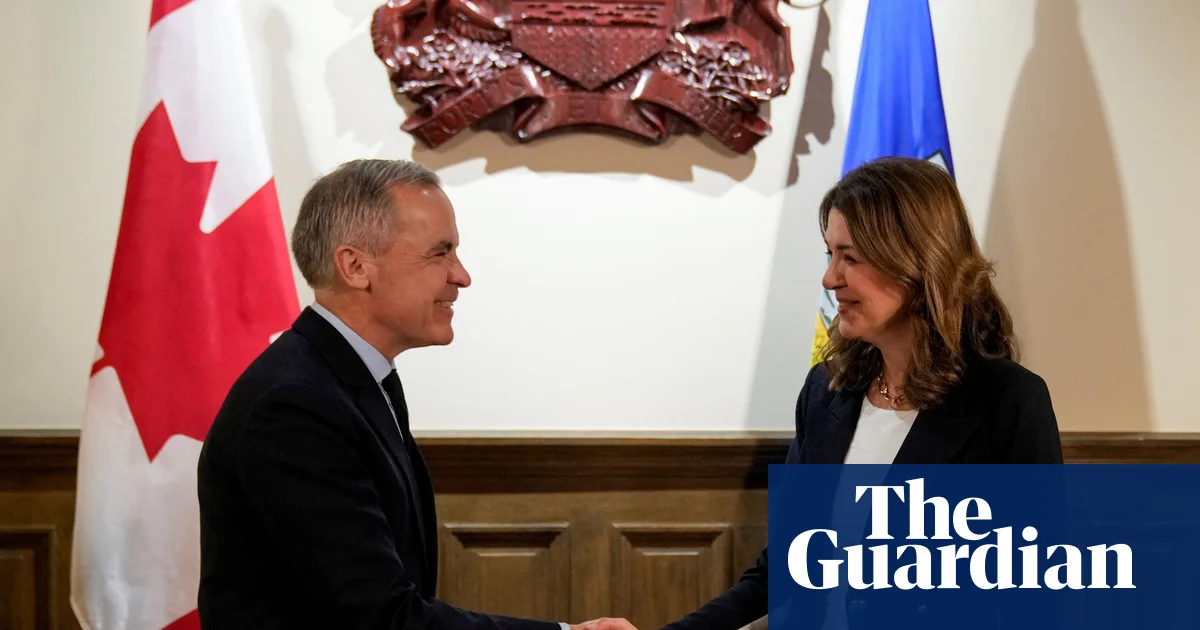
Mark Carney strikes deal with Alberta on pipeline despite First Nations opposition

Canada’s Energy Shift: The High Stakes of the Alberta Pipeline Deal

In a move that signals a pivotal shift in Canadian geopolitics, Prime Minister Justin Trudeau and Alberta Premier Danielle Smith have announced an unprecedented energy agreement centered on the construction of a new heavy oil pipeline spanning from Alberta’s oil sands to the Pacific coast. This deal, brokered after weeks of tense negotiations, aims to facilitate increased oil and gas exports and promote an industrial renaissance in Alberta, yet it is fraught with political, environmental, and social challenges. Promoted as “Canada working,” the initiative underscores a strategic reorientation that could redefine the nation’s economic trajectory amidst confrontations over climate policy and Indigenous rights.

This agreement does not simply represent a pipeline project; it embodies a broader industrial transformation involving nuclear power and data center investments, with the federal government and Alberta claiming this as a step toward energy independence and economic revitalization. However, the move has ignited fierce opposition, with critics highlighting the environmental risks and indigenous sovereignty concerns. Notably, British Columbia and several First Nations communities along the coast have declared unequivocal rejection of the plan, citing environmental fears and violations of their constitutional rights. Indigenous leaders, including Marilyn Slett of the Coastal First Nations, emphasize that no economic payoff justifies risking ecological disaster, especially given their direct connection to oceanic ecosystems that could be compromised by tanker traffic and pipeline spills.

International organizations and analysts warn that this domestic shift could have profound geopolitical impacts. The lifting of existing moratoriums and exemptions from emissions caps threaten to undo years of climate commitments while risking regional stability. The deal also exposes the internal contradictions of Canadian policy—pledging to meet climate goals while expanding fossil fuel infrastructure—a paradox that many argue will have long-term consequences on global efforts to combat climate change. Moreover, the absence of interest from private investors signals deep uncertainties about the project’s viability, with many experts suspecting that public and political pressures will only intensify as opposition mounts.

Central to the unfolding drama are the voices of historians and international observers, who interpret these developments as a crucial flashpoint in the global energy debate. At the heart of the controversy lies a fundamental question: how will nations balance their economic ambitions with the urgent need for environmental stewardship and respecting indigenous sovereignty? As Alberta prepares to submit its proposal, and as entrenched opposition from First Nations threatens the project’s future, the decision looms large in history’s ever-unfolding narrative. Will political leaders heed the lessons of past resource conflicts, or will they forge ahead into a future where the weight of history’s judgement hangs heavy in the air? The world watches as Canada, a nation at the crossroads of economic growth and environmental responsibility, faces a defining moment—one that could echo through generations as either a beacon of energy independence or a cautionary tale of ecological hubris.

Italy to Extradite Pipeline Blast Suspect to Germany—Justice on the Move

The Nord Stream pipelines, crucial maritime conduits carrying natural gas from Russia to Germany, have become a focal point of international contention following a clandestine attack in 2022. The pipelines, running beneath the Baltic Sea, have long symbolized the intertwined energy dependencies between Europe and Russia. Their sabotage not only disrupted European energy supplies but also ignited a fierce debate over who bears responsibility for undermining European stability and unity. Recently, Italy’s highest appeals court authorized the extradition of Serhiy Kuznetsov, a suspected Ukrainian national, to face charges of sabotage in Germany. This case exemplifies how individual acts, allegations, and international legal proceedings are now deeply enmeshed with broader geopolitical ramifications, pushing nations into complex alliances and divisions.

  • Italy’s top appeals court’s decision to extradite Serhiy Kuznetsov underscores the intensified scrutiny on Ukraine’s role in the pipeline attacks, which Kyiv has vehemently denied orchestrating. Prosecutors in Germany believe Kuznetsov, a former Ukrainian military officer, allegedly coordinated the operation, planting explosives deep beneath the Baltic Sea, an act believed to have potentially altered the trajectory of European energy politics. Though evidence remains classified, the implications for Ukrainian-German relations are profound, revealing the delicate balance between military aid support and accusations of offensive covert actions.
  • Simultaneously, a second Ukrainian suspect, Volodymyr Zhuravlyov, was detained near Warsaw, only to be released by Polish courts which saw his actions as a form of legitimate self-defense amid Russia’s ongoing, brutal invasion of Ukraine. His case highlights contrasting perceptions: some nations view Ukrainian involvement in sabotage as justified resistance, while others see it as an escalation of conflict.

How international decisions and legal proceedings shape geopolitical landscapes

As analysts and history scholars observe, the indictment and extradition of Kuznetsov mark an escalation in how the West perceives and politically navigates the Ukraine crisis. Critics argue that such cases are used to intensify diplomatic pressure on Ukraine and its Western allies, predominantly Germany, which is among Kyiv’s most significant supporters. The narrative surrounding the attack on Nord Stream has become a symbol of the broader struggle between Western interests and Russian influence. Meanwhile, international organizations warn that this legal confrontation could further fracture European unity at a critical juncture, especially as Russia continues its strategic influence campaigns in the region.

The decision to extradite Kuznetsov, viewed by supporters as a step towards justice, is criticized by many Ukrainians and their advocates who see the attack as a hero’s deed to destabilize Russian economic power—an act they celebrate. Yet, other nations worry about the precedent it sets: the criminalization of acts of resistance, which could spiral into wider conflicts or arbitrary prosecutions. The fate of this case remains uncertain, but its repercussions extend far beyond Italy or Germany, emphasizing how individual acts of sabotage now carry the weight of international diplomacy.

As history continues to unfold, the battle over truth and justice in the Nord Stream case underscores a reality where every decision echoes through the corridors of power, affecting societies and the course of nations. In a world teetering on the edge of new alliances and confrontations, it is clear that the recent actions are not just about pipelines or legal technicalities but about the extreme stakes of global influence. The penultimate chapter remains unwritten, and the weight of history presses heavily upon the shoulders of the current generation—witnesses to a pivotal moment where the future of European stability, and perhaps the entire continent’s destiny, hangs perilously in the balance.

Social Media Auto Publish Powered By : XYZScripts.com