
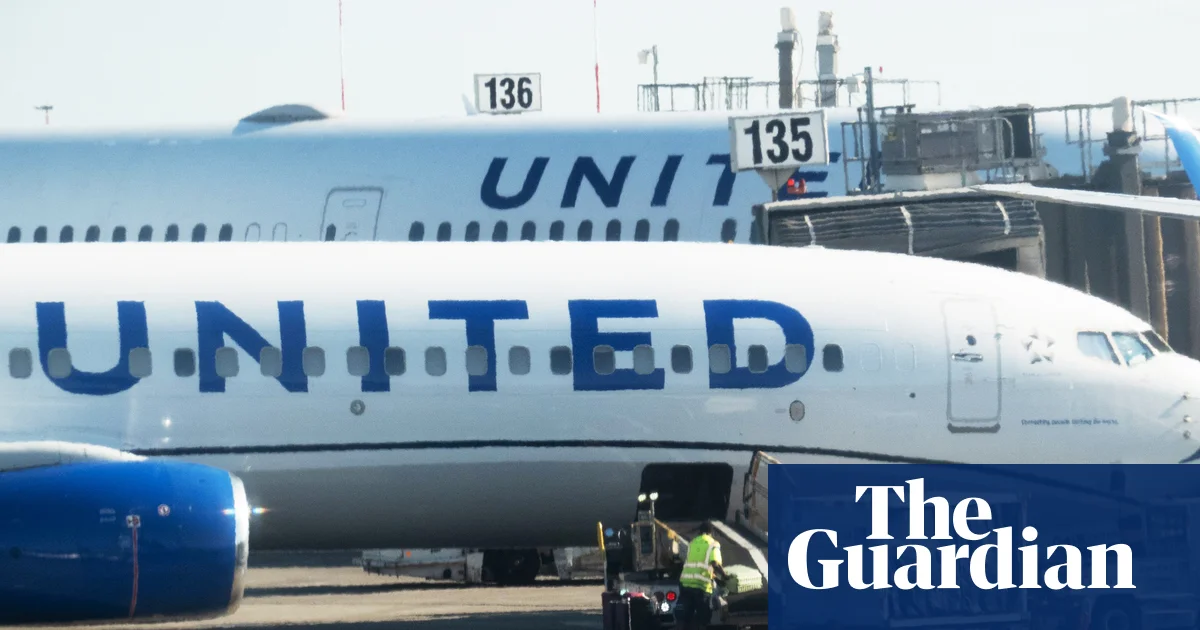

Uncertainty and Tensions: Security Threat Shakes U.S. aviation
In a stark reminder of the persistent threats looming over the United States, a United Airlines flight en route to New York City was diverted to Pittsburgh International Airport after crew members identified a “possible security issue”. The incident, which occurred on Saturday morning, has sent ripples through the global security landscape, highlighting the fragile state of international and domestic air travel in a climate of heightened terrorism fears. Despite the prompt response by authorities, the incident underscores the ongoing challenges faced by nations amid evolving threats, with federal agencies mobilized into action.
The flight, United 2092, originated from Chicago O’Hare and was headed for LaGuardia Airport when it was forced to divert. Passengers evacuated via emergency slides, with footage circulating online capturing the tense moments amid the uncertainty. The swift deployment of bomb technicians, FBI agents, and canine units trained in explosives reflects the readiness of U.S. law enforcement to respond effectively, yet the incident raises wider questions about security protocols and potential vulnerabilities within the sprawling network of American aviation.
Analysis from security experts and international organizations suggests that such threats are not isolated incidents but part of a broader pattern aimed at destabilizing nations and intimidating populations. Dr. James Thornton, a senior analyst at the Global Security Institute, warns that these disruptions serve as a “wake-up call” for Western governments to strengthen their defenses and enhance intelligence-sharing. The incident also underscores the importance of international cooperation, with allied nations closely monitoring similar threats that could cascade across borders, further complicating the geopolitical landscape.
This specific threat remains unclarified by authorities, with officials declining to comment on whether any suspects have been apprehended or the precise nature of the security concern. The fact that the scene was cleared and the airport resumed normal operations indicates that no imminent danger was found — but the message remains clear: the battle against terrorism continues to challenge the might of the modern state. As global leaders grapple with a shifting geopolitical canvas, incidents like this reinforce the reality that security measures are increasingly intertwined with broader international conflicts, influencing not only national policy but affecting societal perceptions of safety and sovereignty.
History has demonstrated that moments of crisis often mark turning points — whether they lead to enhanced security protocols, diplomatic realignments, or societal shifts. As nations grapple with these threats, the tension between individual freedoms and collective security becomes more pronounced. The incident at Pittsburgh is a stark chapter in this ongoing story, illustrating that in an interconnected world, decisions made today will ripple into tomorrow’s geopolitical fabric. With threats morphing and expanding beyond conventional boundaries, the weight of history presses down on political leaders worldwide, warning that we stand at a crossroads where complacency is a luxury we cannot afford.






