Matox News

Truth Over Trends, always!

Trump’s new tariff refund plan kicks off way to pay back billions—US Politics Update

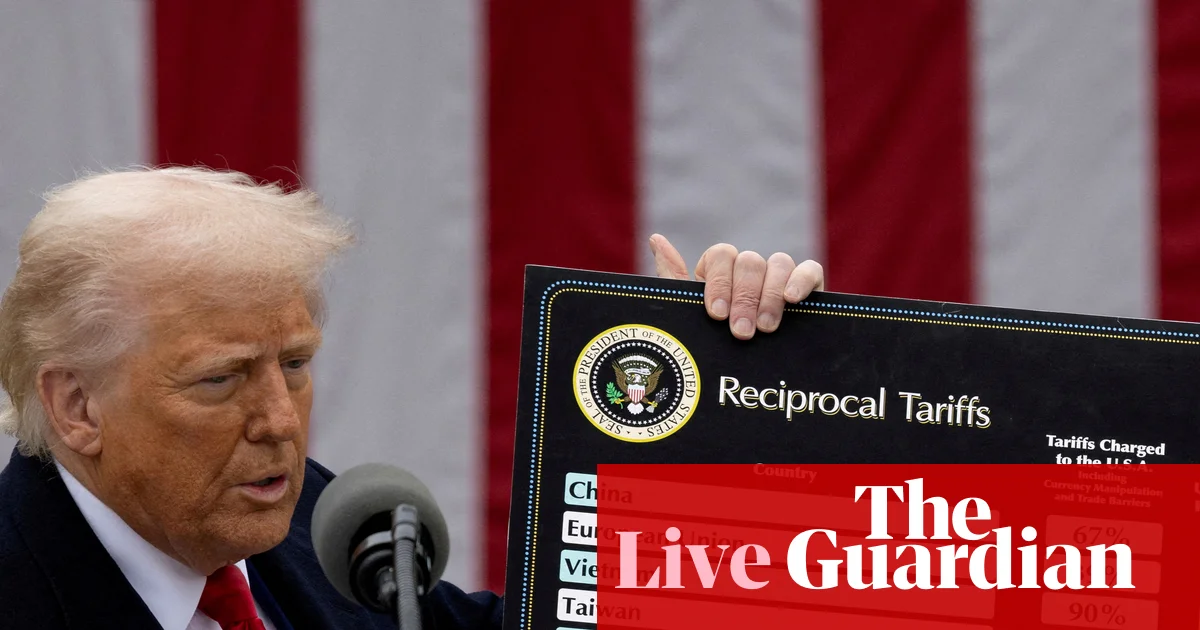
The United States continues to exert profound influence on the global stage through its evolving policies, particularly under the recent actions of the Trump administration. The administration’s decision to establish a portal for tariff refunds represents a significant legal and economic shift, following the Supreme Court’s ruling that questioned the constitutional authority of the government to impose over $166 billion in tariffs. This move, aimed at reimbursing American importers who paid tariffs later invalidated, signals a contentious redefinition of trade and fiscal policy that resonates far beyond U.S. borders. International observers, including analysts from the International Monetary Fund and seasoned historians, warn that such unilateral policy adjustments could unsettle global trade networks and diplomatic relations, especially in volatile regions like the Middle East and Asia.

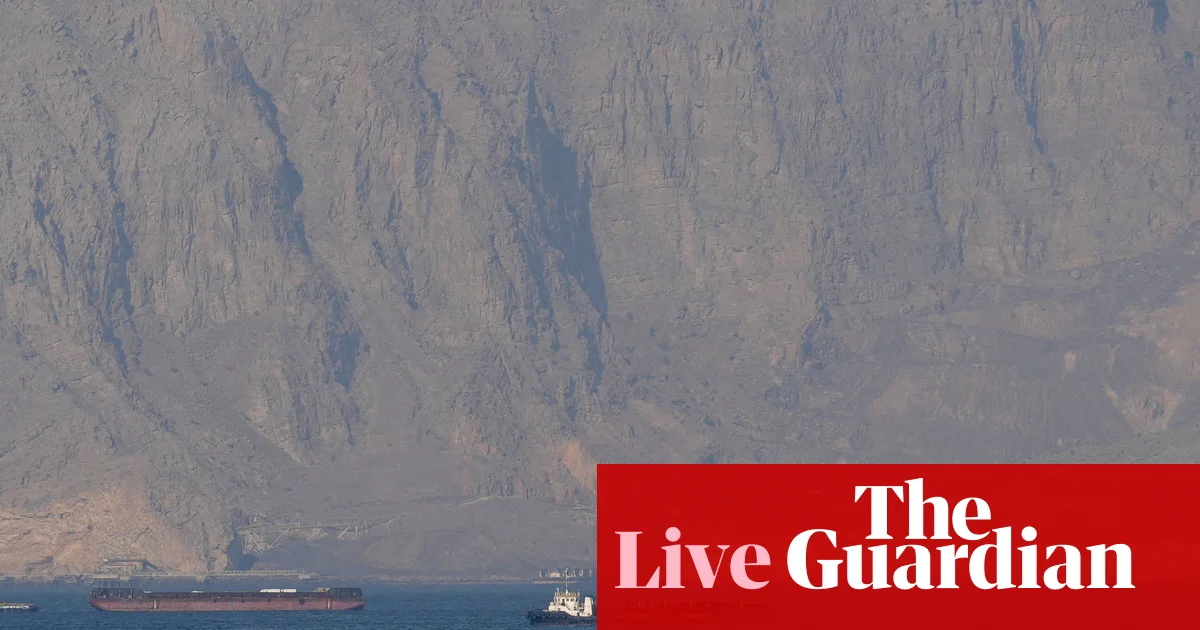
In an era punctuated by rising geopolitical tensions, the recent U.S. seizure of an Iranian cargo ship near the Strait of Hormuz sent ripples through worldwide markets. Oil prices surged by 4.8%, reaching nearly $95 a barrel, as markets responded to the U.S. assertion of authority in the strategically vital shipping lane. This move, compounded by escalating U.S.-Iranian hostilities, has cast shadows over the prospects of a lasting ceasefire and encouraged countries dependent on Middle Eastern energy supplies to reconsider their energy strategies. European stock markets faltered as traders grappled with the unstable outlook, illustrating a direct geopolitical impact caused by the U.S. demonstration of military and economic resolve. The decision underscores how power struggles and strategic military acts in the Middle East are driving global economic volatility, further destabilizing a fragile world economy seeking equilibrium amid the wave of new alliances and fractures.

Meanwhile, domestic U.S. political debates regarding Section 702 of the Foreign Intelligence Surveillance Act (Fisa) highlight ongoing concerns about privacy and national security. Both chambers of Congress faced a tight deadline to negotiate reforms on this contentious provision, which permits the collection of foreign communications without warrants. Such debates are reflective of broader geopolitical tensions: American lawmakers grapple with balancing civil liberties in an era of aggressive foreign surveillance, especially as impacts ripple into international relations. The inability of leaders like John Thune and Mike Johnson to reach consensus indicates a polarized environment, with implications that extend well beyond U.S. borders. As commentators like analysts from the Council on Foreign Relations suggest, these internal policy disputes could influence global perceptions of U.S. stability and strategic consistency, thus shaping alliances and deterrence capabilities for years to come. The narrative unfolding in Washington and beyond leaves the world perched on the edge of further upheaval, as the history of this era remains unwritten but profoundly consequential.

Ministers Launch ‘Right to Try’ Plan to Boost Disabled Youth Employment

In a move that underscores the ongoing struggle for disability rights and social security reform, the government of the United Kingdom has announced a new initiative aimed at removing barriers for disabled individuals seeking employment. This policy, dubbed the right to try, will allow claimants of employment and support allowances to venture into work or volunteer roles without the immediate fear of losing their benefits, marking what officials describe as a notable step toward fostering greater social inclusion.

Despite this development, critics—ranging from disability campaigners to independent analysts—warn that much remains unresolved. While the measure could mitigate some of the systemic disincentives that discourage disabled people from attempting employment, comprehensive reforms addressing hostile workplaces, employment inflexibility, and social prejudices are conspicuously absent. As James Taylor of Scope articulates, “The odds are stacked against disabled people when it comes to finding suitable work.” The international impact of such policies is profound, influencing how social welfare systems worldwide are perceived and reformed in the context of economic recovery and social justice.

In analyzing this policy within a broader context, it is vital to consider the turning point this represents amidst mounting economic strain. The universal credit system, a flagship social safety net, is simultaneously undertaking controversial cuts—most notably halving and freezing the health element for new claimants unless more stringent criteria are met. International organizations and economists have warned that these austerity measures risk further marginalizing the most vulnerable, especially in times of global economic upheaval. The geopolitical impact echoes across policymakers’ assessments, with some viewing the approach as emblematic of a broader global trend: deploying social welfare as a tool not just for support but as leverage in economic reform and political stability.

Much like the debates surrounding trade treaties and international commitments, the decisions made on social policy reveal deep divisions over the role of government—whether it should serve as a protective force or as an austerity-driven mechanism pushing societal segments into hardship. Historians such as Eric Hobsbawm have long argued that social policies are mirror images of what civilizations value. Today’s policy shifts reveal a nation caught between economic pragmatism and moral imperative, with the global community keenly watching. Will the UK’s approach serve as a blueprint for international policies aimed at empowering disabled citizens, or will it reinforce a pattern of austerity that deepens social divides?

The unfolding narrative leaves a haunting question in its wake: in a world increasingly driven by economic uncertainties, how will societies balance the moral responsibility to protect the vulnerable with the pressing need for fiscal responsibility? The choices made today may well define the course of history’s ongoing story, shaping the legacy of social justice and economic resilience for generations to come. As history continues to unfold across global borders, the true impact of these reforms remains undecided—yet undeniably monumental in their implications for humanity’s collective future.

Small Town Stands Up as ICE’s Detention Center Plan Gets Rejected

Amidst ongoing debates over national immigration policies, residents in a small community have voiced a complex stance that underscores the deep-rooted tensions shaping today’s geopolitical landscape. While the local populace largely supports the broader goals of immigration reform—such as bolstering economic growth, fostering multicultural integration, and fulfilling international commitments—they have expressed firm resistance to specific implementation measures, notably the proposed construction of a detention center within their neighborhood. This nuanced community response exemplifies how domestic policies are often entangled with local concerns, revealing a layered geopolitical impact.

According to local residents, their ambivalence stems from a pragmatic recognition of the need for effective immigration controls, yet they are deeply concerned about the consequences of detention infrastructure on community safety, property values, and social cohesion. Critics argue that such facilities symbolize a broader clash between sovereignty and human rights, with international organizations sounding alarms over potential violations of global norms. Analysts from prominent think tanks have pointed out that these tensions highlight the delicate balance policymakers must strike between upholding national security and respecting human dignity.

The government, meanwhile, maintains that the detention center is a necessary component of their comprehensive immigration strategy. They emphasize that the facility would operate under strict regulations designed to ensure humane treatment and that it would help streamline immigration processing, ultimately serving both national interests and international obligations. However, these assurances have done little to quell local unrest. Instead, debates have intensified among international observers and geopolitical scholars who warn that such infrastructure projects become flashpoints for latent geopolitical tensions. Critics assert that these localized conflicts are microcosms of larger global struggles—highlighting issues of sovereignty, human rights, and migration policies under unprecedented strain.

  • Historian Samuel Peterson highlights how detention policies have historically shifted public perceptions and affected diplomatic relations, warning that “the construction of detention centers often signals a nation’s retreat from international human rights standards.”
  • International organizations such as the United Nations continue to advocate for humane treatment of migrants, emphasizing that how a nation manages migration reflects its geopolitical identity and values.
  • Political analysts believe that these domestic controversies could have ripple effects, destabilizing diplomatic ties and fueling nationalist sentiments across regions.

As the debate rages on in the community halls and political chambers, the world watches, aware that these localized decisions often scale to define a nation’s stance in an interconnected global order. Will the government maintain its push for detention infrastructure, or will community resistance succeed in shaping a more humane approach? History remains poised at this decisive crossroads, waiting to record whether this confrontation becomes a turning point or simply another chapter in the continuing saga of migration and national sovereignty.

AI Device Plan Leaks: Smart Glasses and Earbuds on the Horizon for the Youthful Tech Crowd

London’s Nothing Eyes Disruption with Upcoming Smart Glasses Launch

The smartphone and audio gear startup Nothing, renowned for its sleek design and innovative approach, is gearing up to revolutionize wearable technology with the imminent release of its first pair of smart glasses. According to Bloomberg, the company plans to debut these devices as early as next year, positioning itself to shake up the market once again. While initial resistance from CEO and co-founder Carl Pei was evident—initially dismissing smart glasses as a niche—the company’s strategic pivot reflects a broader industry trend: hardware companies must innovate with AI and multi-device ecosystems to stay competitive.

The move toward integrated wearables is further underscored by Nothing’s upcoming release of AI-enhanced earbuds, slated for later this year. This aligns with Pei’s renewed vision to diversify beyond traditional smartphones and audio products, embedding AI deeply into Nothing’s hardware and software architecture. Historically, industry leaders like Apple and Google have set the precedent for multi-device ecosystems—Now, emerging players like Nothing are looking to disrupt this paradigm by combining accessible design with cutting-edge AI capabilities. This approach taps into consumer demand for seamless, AI-driven experiences, transforming ordinary devices into intuitive, context-aware tools.

Strategic innovation in hardware and disruptive AI functionalities are critical themes anticipated to define the cutting edge in consumer technology. Companies that fail to adapt risk obsolescence, warned Gartner analysts in their recent reports, emphasizing the accelerating pace of disruption brought about by AI integration in everyday devices. As Nothing explores the frontier of AI-powered mini apps and smart accessories, the industry is witnessing a decisive shift: hardware is becoming the new software battleground. Industry insiders note that the company’s recent launch of AI tools for creating mini apps exemplifies its innovation momentum. Such features could unlock new revenue streams and elevate user engagement, forcing established giants and startups alike to rethink their own strategies.

Looking forward, experts like Elon Musk and Peter Thiel emphasize the urgency for businesses to adopt AI-driven hardware to unlock disruption at scale. With Nothing demonstrating a clear roadmap—combining sleek hardware, sophisticated AI, and multi-window ecosystems—the industry is on the cusp of a new era. The market shift toward integrated, AI-enabled wearables signals a competitive landscape where speed, innovation, and agility will determine winner-takes-all dominance. As competitors scramble to innovate, the next 12-24 months will be critical for organizations seeking to carve out their niche in the evolving tech ecosystem. Those that embrace AI-driven hardware acceleration and multi-device synergy will not only survive but lead the charge into the future of consumer electronics.

Teaching union blocks new Year 8 reading test plan, sparking debate among future leaders

In contemporary society, the debate around the role of assessments in education continues to evoke passionate discussion among educators, policymakers, and communities alike. The government maintains that these assessments are “vital tools” for identifying the specific needs of pupils and tailoring support accordingly. However, beneath the surface, this emphasis on standardized testing reveals deeper social challenges that directly influence families, educational institutions, and the fabric of our communities.

At the heart of this debate lies a profound tension between meritocratic ideals and the realities faced by students from diverse backgrounds. Critics argue that assessments, while seemingly neutral, often serve as gatekeepers that reinforce existing social inequalities. Researchers such as Dr. Lisa Delpit have highlighted how testing practices tend to favor those with access to better educational resources and supportive environments, thus perpetuating a cycle of disadvantage for children in disadvantaged communities. This has serious implications for families striving to secure better futures for their children, as they find themselves entrapped in a system that may favor privilege over potential.

Within the broader societal context, the demographic shifts of recent decades—including increasing immigration and urbanization—have further complicated the landscape of education. Sociologists like Dr. Pierre Bourdieu have emphasized how cultural capital, often lacking in marginalized groups, intersects with education policies rooted in assessments. Families from diverse backgrounds frequently face additional hurdles when navigating an evaluative system that does not always accommodate linguistic, cultural, or socio-economic differences. Consequently, children from these communities risk being labeled as underperformers, not because of innate ability, but due to systemic shortcomings that ignore the multicultural realities of modern society.

Amidst these complexities, the societal challenge is fostering an educational environment where assessments do not merely serve as barriers but become opportunities for genuine growth and equality. To achieve this, policymakers must consider approaches that balance standardized evaluation with community-based support systems. Suggested solutions include increased investment in

  • multilingual teaching staff
  • culturally responsive curricula
  • holistic student well-being programs

—all aimed at addressing the root causes of educational disparities. By doing so, the goal is to rebuild a society where families are empowered, communities thrive, and children from all backgrounds have the chance to realize their full potential.

As society stands at this crossroads, the path forward demands reflection on the true purpose of education—not merely as a means of assessment, but as a vital instrument of social cohesion and moral development. In each classroom, in each community, the hope resides that with concerted effort and genuine understanding, we can transform a fractured system into a foundation of hope, opportunity, and resilience. The question remains: will society summon the courage to redefine its standards and foster an environment where every child’s potential is recognized and nurtured? Only time will tell, but the enduring promise of a better future lies in our collective resolve to confront these social challenges head-on — for the sake of the generations yet to come.

FCA to Reveal Compensation Plan for UK Car Finance Scandal—Protecting Young Drivers’ Rights

Millions of Drivers Await Compensation in the Wake of the UK Car Finance Scandal

The United Kingdom is currently embroiled in a high-stakes financial controversy that echoes beyond its borders, with regulators set to announce the details of a compensation scheme impacting approximately 14 million consumers. This scandal, rooted in controversial commission payments between car lenders and dealerships, has revealed the vulnerabilities within longstanding finance systems. The Financial Conduct Authority (FCA) has outlined an £11 billion scheme intended to address the overcharging of borrowers, a figure significantly lower than some analysts’ estimation of £44 billion in total damages. Nonetheless, this move underscores a broader international debate about consumer protection, regulatory oversight, and financial accountability.

Key to understanding the geopolitical impact is recognizing how economic decisions within a nation resonate globally. The UK’s move to implement a compensation scheme surfaces as one of the largest instances of financial redress in recent history, raising fears of ripple effects in the global car financing market. Industry stakeholders, including lenders and the Finance and Leasing Association (FLA), have expressed concern that the scheme’s generosity could destabilize the sector, leading to fewer loans or increased borrowing costs for consumers. As analysts from international financial watchdogs warn, such measures could set alarming precedents, encouraging other nations to adopt similar overregulation or, worse, risking financial instability. This is not merely a domestic issue; it offers a cautionary tale on the delicate balance between consumer protection and free-market economics, a debate echoing from Washington to Brussels and beyond.

Legal Challenges and Political Tensions Signal a Broader Struggle for Sovereignty and Economic Autonomy

The UK government and industry players are now preparing for potential legal battles that threaten to delay or circumvent the scheme’s implementation, with claims law firms and lenders signaling their readiness to challenge outcomes. Notably, a major claims law firm, Courmacs Legal, is planning a £66 million omnibus lawsuit representing thousands of borrowers, effectively pre-empting the FCA’s scheme and asserting a collective defense of consumer rights. This legal showdown is unfolding amidst strong political rhetoric that warns against excessive payouts, especially from the Chancellor Rachel Reeves, who has cautioned judges and warned against potential “overreach” in protecting consumers. Such actions illuminate how internal political tensions and industry lobbying are intertwined, revealing a broader struggle for sovereignty over financial regulation that could set precedents far beyond the UK’s borders.

International observers and historians warn that this is more than just a scandal confined to car finance; it’s a microcosm of rising tensions around global economic sovereignty. As regulatory agencies tighten controls in response to economic crises and consumer threats, the potential for conflict between national interests and international financial markets intensifies. The decisions made here—whether to uphold or challenge the scheme—will influence how nations manage similar crises and balance the scales of justice with economic stability. In this unfolding chapter of financial history, the UK’s resolve to redress a decade-long scandal will determine whether the world shifts towards empowered consumers or volatile markets prone to unchecked overreach.

As history continues to be written in the corridors of power, the forces of regulation, industry, and politics collide. The weight of this moment will echo into the future, shaping the balance of power, sovereignty, and societal stability in the face of a turbulent global economy. The question lingers: will justice be served, or will the costs of reform tip the scales towards chaos? The answer remains elusive, resonating as a stark reminder that history — like finance itself — is a delicate and uncertain dance, forever teetering on the brink of change.

Middle East Tensions: Iran Attacks US Bases Amid Oil Drop and Trump Peace Plan Revealed

Global Tensions Surge as Iran Dismisses US Ceasefire Attempts Amid Middle East Escalation

In a dramatic display of defiance, Iranian military spokesperson Lt. Col. Ebrahim Zolfaghari dismissed recent American efforts to broker peace in the ongoing Middle East crisis. During a prerecorded address aired on state television, Zolfaghari derided the US’s ceasefire negotiations as emblematic of American strategic failure, asserting that Washington is only negotiating with itself. His pointed declaration—“The one claiming to be a global superpower would have already gotten out of this mess if it could”—underscores Iran’s rejection of Washington’s recent diplomatic overtures, which included a 15-point ceasefire plan sent through Pakistan. Analysts note this exchange marks a pivotal moment: Washington’s diplomatic attempts seem to have little traction amid Tehran’s outright rejection, exacerbating an already volatile region.

This escalating rhetoric comes at a time when oil markets are reacting sharply. Following President Donald Trump’s claims that negotiations with Iran are progressing and that Tehran has committed to never acquire nuclear weapons, global markets exhibited sudden volatility. Early Wednesday, Brent crude oil plummeted nearly 6%, with trading at $98.30 per barrel, while the West Texas Intermediate fell 5% to $87.72. Asian markets responded with optimism; Tokyo’s Nikkei 225 rose 2.8%, KOSPI gained 3.1%, and other regional indices followed suit. This market bounce, however, belies the underlying tension—analysts from the International Crisis Group warn that these optimistic surges could be short-lived if diplomatic efforts continue to falter.

Amid the diplomatic deadlock, the military actions on both sides escalated dramatically. Iran’s Revolutionary Guards launched missile strikes targeting locations in Israel—including Tel Aviv and Kiryat Shmona—as well as US bases in Kuwait, Jordan, and Bahrain. Iranian state media reported these attacks, which came shortly after Iran’s authorities claimed responsibility for firing a projectile at the Bushehr nuclear power plant, an incident managed without damage but indicative of a widening conflict. In Lebanon, Israeli strikes continued to inflict significant humanitarian toll—killing over a thousand civilians and displacing more than a million—while Iran’s alliances in the region, notably Hezbollah, remain poised to expand hostilities further. The U.N. reports that Iran’s military campaign has resulted in the deaths of approximately 1,500 Iranians, adding more fuel to the regional inferno.

On another front, American troop deployment remains on high alert. President Trump reportedly approved the movement of over 1,000 soldiers from the elite 82nd Airborne Division into the Middle East to bolster US presence, undermining earlier claims of a peace process. Meanwhile, Iran’s response to this increased military presence has been hostile, with fears that Iran might resort to mining the Gulf or seizing more strategic assets, threatening global energy supplies. As the war’s stakes extend beyond borders, international organizations such as the WTO issue warnings about the impending global food crisis. The agency’s deputy director general, Jean-Marie Paugam, has highlighted that the closure of the Strait of Hormuz by Iran—a critical route for nearly a third of the world’s fertiliser supplies—has already begun affecting food security, particularly in West and North Africa. Paugam warns of a subsequent reduction in harvests and rising food prices, prognosticating a devastating impact on world agriculture in the coming years.

This turbulent convergence of geopolitics, military confrontation, and economic upheaval underscores a profound chapter in the unfolding history of the 21st century. As historians and analysts observe, decisions made today will resonate across generations, shaping the geopolitical landscape with consequential weight. The region’s fragile stability hangs in the balance; with each side entrenched in their resolve and outside powers inching closer to escalation, the world watches as the pages of history continue to turn—an epoch defined by conflict, diplomacy, and the unpredictable march of fate. The next move remains uncertain, but its consequences are bound to echo through the annals of history, reminding future generations that in the theater of nations, every act carries the weight of eternity.

Lack of Iran War Plan Sparks Chaos, Threatens U.S. Military Future, Critics Warn

Escalation in the Middle East: A Turning Point in Global Power Dynamics

The recent conflict between the US and Iran has erupted into one of the most significant military interventions in the Middle East since the 2003 Iraq invasion. Under former President Donald Trump, the US launched overwhelming strikes aimed at toppling Iran’s leadership, marking a decisive shift from prior diplomatic efforts. Yet, as the military campaign unfolds, critics and analysts alike are warning that the aftermath could reshape the geopolitical landscape for decades to come, with ripple effects touching societies from Tehran to Washington, and extending globally.

The initial strikes caused devastating casualties, including the tragic death of 175 civilians in a girls’ school—an incident attributed to flawed targeting data, emphasizing how chaotic and unpredictable modern warfare has become. Iran’s military swiftly responded with a barrage of missile attacks, some of which disrupted regional stability by targeting US military assets in Kuwait and provoking firefights with drone strikes. The US military’s response, including the loss of six personnel, underscores the unexpected intensity and volatility of this conflict. Military analysts like Philip Gordon have noted that comprehensive planning was absent or incomplete at best, and the chaos seen thus far is consistent with the tactics Iran has historically employed—targeting neighbors and closing the Strait of Hormuz, a choke point vital to global oil supplies.

One of the most concerning turning points is the US decision to shift strategies from eliminating Iran’s nuclear ambitions to focusing heavily on opening the Strait of Hormuz. This strategic pivot, driven by economic imperatives—namely soaring oil prices—has injected an unpredictable element into an already complex conflict. As Michael Singh of the Washington Institute points out, each of these shifting objectives would require distinct military plans. Now, with Iran exercising its sovereign rights to blockade and threaten maritime trade, the risk of a protracted, globalized war looms large. The geopolitical impact here is profound—potentially dragging the US into a long, costly conflict that could diminish its military dominance and reshape alliances overnight.

Internally, US decision-making has been marred by prioritization of operational security over strategic coherence. The Trump administration’s efforts to bypass traditional diplomatic channels and excluded extensive planning with key agencies reflect a reckless approach, critics argue. This approach risks spreading resources thin, straining military capabilities across Asia and the Middle East—areas where adversaries like China and North Korea remain formidable threats. As Jennifer Kavanagh warns, the long-term consequences will likely include a significant erosion of US military power projection—an outcome that could alter global power balances for generations. The situation, as noted by historians and security analysts, resembles a critical historical juncture—one where decisions taken in the heat of momentous conflict could either cement US dominance or hasten its decline amid a shifting world order.

As this chapter in history continues to unfold, it leaves the international community at a crossroads—facing moral dilemmas, strategic ambiguities, and uncertain futures. The echoes of past interventions linger, warning that the pages of history often mark the beginning, not the end, of long-lasting global transformations. In the shadows of this chaos, the weight of present choices determines the course of the future—whether nations will find themselves embroiled in decades-long conflict or forge a new path toward stability. Time will tell if this is yet another turning point or the prelude to a darker chapter in the saga of international power.

UK drops plan to cut benefits for Ireland’s mother and baby home survivors

UK and Ireland Reach Breakthrough in Historical Justice for Mother and Baby Home Survivors

The recent decision by Downing Street to drop plans to cut benefits for survivors of Ireland’s notorious mother and baby homes marks a significant turn in the ongoing effort to address a dark chapter in Irish history. This move follows intense international pressure and underscores the geopolitical significance of the relationship between Britain and Ireland. As a result, survivors living in the UK—estimated at up to 13,000—will retain access to essential benefits regardless of whether they accept compensation from Dublin, thereby protecting their dignity and social wellbeing. This decision signals a shift across the transnational landscape, with implications for the future of justice, reconciliation, and the role of historical accountability within the broader UK-Irish dynamics.

The government’s initial plans to restrict survivors’ benefits stemmed from concerns over the financial implications of Ireland’s redress scheme. Introduced after a 2021 inquiry exposed systemic cruelty, neglect, and the unnecessary death of hundreds of infants, Ireland’s compensation effort sought to provide recognition and redress to tens of thousands of victims. However, officials in Britain had feared the scheme’s classifications—particularly regarding savings—could jeopardize means-tested benefits like universal credit and social care funds, creating fear and distress among survivors. Campaigners such as Patricia Carey and community organizations like Irish in Britain warned that such policies risked re-traumatizing a community still seeking justice. Their advocacy and international diplomatic engagement—highlighted during the recent Anglo-Irish summit—culminated in recognition of the deep ripple effects these policies could have on society and the geostrategic alliance between the two nations.

At the heart of this corporate and diplomatic endeavor lies the geopolitical impact, which cannot be understated. The Irish government’s redress scheme aims to confront a painful legacy, yet its initial economic framing threatened to isolate survivors within a system of social stigma—one that historians and analysts suggest has long been a barrier to true reconciliation. The decision to disregard Ireland’s payments for survivors in Britain signifies a nuanced approach by both governments, emphasizing acknowledgment and solidarity over fiscal austerity. This alignment not only reflects renewed diplomatic cooperation but also signals to the rest of the international community that resolving historic injustices requires more than monetary compensation; it demands a moral commitment that transcends borders. As Liam Conlon, a Labour MP who championed Philomena’s law, articulated, the effort is about “tackling stigma, shame, and ensuring dignity,” embodying a moral blueprint with wider implications for how nations confront their pasts and aim for healing.

In a broader sense, these developments echo the ongoing evolution of international justice and the role of societal memory. As historians caution, these moments are pivotal; they serve as benchmarks for how societies reckon with historic trauma while balancing political, economic, and social interests. The survivors’ stories—like that of Philomena Lee, whose decades-long search for her son inspired the Oscar-nominated film—are emblematic of a collective yearning for acknowledgment and redemption. Yet, the fight continues, and as this chapter closes with meaningful progress, the path ahead remains fraught with challenges. The weight of history presses on, reminding the global community that the true cost of injustice is paid not just in monetary terms, but in the dignity and lives of those who suffered in silence. As the world watches, it is yet to be seen if this moment will be remembered as a turning point—or if, in the shadows of unresolved pain, history’s most profound lessons will still go unheeded.

Iran tensions unsettle China’s ambitions—what’s the game plan?

As conflicts rage across the Middle East, notably the recent escalations involving Israel and Palestinian factions, China remains notably unshaken by the immediate chaos—yet its position is evolving rapidly due to the profound geopolitical ripples emanating from this volatile region. While Beijing has traditionally maintained a cautious stance in Middle Eastern affairs, recent developments have begun to influence China’s strategic calculations as global powers scramble for influence and security prerogatives in an increasingly unstable world order.

According to international analysts and historians specializing in Asian geopolitics, China’s leadership is observing the unfolding crisis with careful intent rather than direct engagement—at least for now. Nevertheless, the economic and diplomatic impacts are unmistakable. China’s longstanding partnerships with regional stakeholders, including countries like Iran, Syria, and Turkey, place it at a unique crossroads. Many experts argue that the ripple effects threaten to destabilize broader regional stability, which could complicate China’s expansive Belt and Road Initiative (BRI) projects stretching into the Middle East, Africa, and Central Asia, thus threatening to undermine its economic interests. The global criticism of Western interventionism in such conflicts also makes China’s position more complex, forcing it to navigate a delicate path between diplomacy and strategic assertiveness.

Global institutions such as the United Nations are increasingly caught in the crossfire of international powers’ interests. China’s recent call for restraint and dialogue underscores its desire to position itself as an advocate for peace—yet many observers question whether this rhetoric reflects genuine resolve or a tactical delay in shaping a new geopolitical reality. Notably, Chinese officials and state media have emphasized the importance of non-interference, subtly echoing their broader strategy of resisting Western-led interventionism where it conflicts with China’s sovereign interests. Meanwhile, some analysts warn that if the conflict persists or escalates, it could expedite a reordering of alliances—favoring those who reject Western dominance and bolster China’s push for a multipolar world.

In this tense atmosphere, the geopolitical impact of the Middle East conflict extends beyond mere regional destabilization. Historically, periods of upheaval in critical regions have served as catalysts for shiftings of global power. Contemporary figures in international security circles suggest that China’s response—or lack thereof—may set a precedent for how emerging powers counterbalance Western influence amidst global chaos. As history often warns, the initial calm amid chaos can quickly give way to profound transformations. Whether China will emerge as a diplomatic balancer or influence mediator remains to be seen, but the unfolding crisis underscores the fragile scaffolding of current international order—one federal decision away from a potentially transformative upheaval that could shape the future of global diplomacy for generations to come.

Social Media Auto Publish Powered By : XYZScripts.com