Matox News

Truth Over Trends, always!

Travel chaos deepens in India as hundreds of flights are grounded—disrupting millions' plans
Travel chaos deepens in India as hundreds of flights are grounded—disrupting millions’ plans

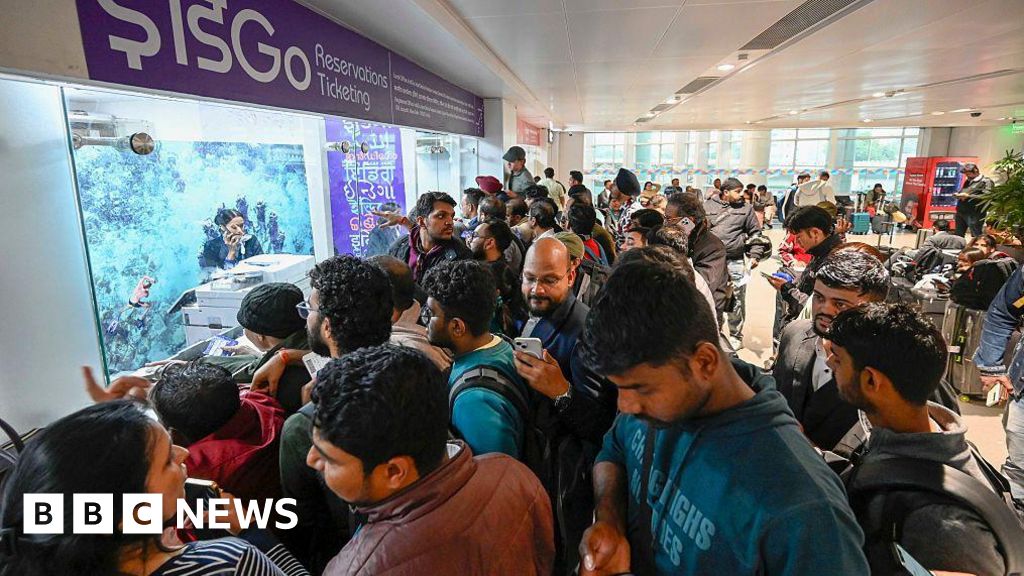
The recent turmoil within India’s aviation sector underscores the profound internal challenges facing one of the world’s fastest-growing economies. The shutdown of IndiGo, the nation’s largest airline, has triggered widespread travel disruptions at a critical time—India’s peak travel season—highlighting systemic vulnerabilities rooted in recent regulatory reforms. As thousands of passengers remain stranded amid a backdrop of domestic chaos, India finds itself at a crossroads where domestic policy decisions could ripple across geopolitical lines.

Over the past week, IndiGo canceled hundreds of flights, leaving major airports in Delhi and Mumbai overwhelmed with unprepared travelers. The airline’s leadership indicated that complete operational recovery might not occur until 10 February, citing increased rest rules and night-duty restrictions as key factors. The new regulations, intended to improve pilot safety, have instead exposed critical planning gaps, which the Indian aviation regulator bluntly attributed to “misjudgment and planning gaps.” The regulator, alongside the government, has demanded detailed restructuring plans from IndiGo, emphasizing the urgency of aligning safety with operational efficiency—an effort to appease both safety advocates and economic stakeholders.

This crisis comes amid acute domestic unrest over the impact of recent policy shifts, which have faced sharp criticism from pilot associations, safety experts, and even international observers. The Airline Pilots Association of India warns that any easing of duty regulations risks “gravely” compromising safety, emphasizing that the balance between flexible regulation and public security remains precarious. At the same time, the government’s visible displeasure reveals an attempt to assert control amidst *public outrage* and operational breakdowns. These developments, analysts argue, threaten to undermine India’s global reputation as a reliable air travel hub, with potential consequences for foreign investment, tourism, and diplomatic relations.

On the geopolitical front, India’s internal strife in its aviation sector signals a broader narrative. As India asserts itself on the world stage through ambitious economic initiatives, such as the Make in India campaign and regional infrastructure projects, domestic instability may serve as a cautionary tale. Historically, rapid economic growth combined with regulatory missteps can serve as vulnerabilities exploited by rivals or destabilized by external shocks—be it regional conflicts or global economic downturns. The international community, including institutions like the International Civil Aviation Organization, closely monitors such crises, understanding that internal challenges in a rising power can influence geopolitical stability.

As passengers voice their frustration—the Singaporean High Commissioner even lamenting lost personal milestones—the incident leaves a stark reminder: the decisions made today in policymaking and crisis management will reverberate across the region and beyond for decades to come. The unfolding story in India is more than an aviation crisis; it is a reflection of a nation striving to balance rapid growth with the complexities of governance, safety, and international reputation. The weight of history presses down as the world watches, knowing full well that in these turbulent times, a single misstep can threaten to rewrite the trajectory of a nation’s rise—leaving future generations to grapple with the consequences of decisions shrouded in the fog of uncertainty.

Texas centenarian bus driver, 95, defies age with no plans to stop

Age, Work, and Societal Shifts: The Lifelong Dedication of Raymond Hager Sparks Broader Reflections

In an era marked by mounting economic pressures and evolving social norms, the inspiring story of Raymond Hager, the 95-year-old bus driver from Texas, resonates as a microcosm of a worldwide phenomenon. Recognized by Guinness World Records as the oldest active bus driver, Hager’s unwavering dedication to his career exemplifies the changing landscape of work and retirement across nations. While his personal story focuses on individual perseverance, it also underscores the broader implications of demographic shifts, economic realities, and societal values, influencing international debates on aging, labor policies, and economic resilience.

Hager’s commitment to his profession reflects a broader trend—an aging workforce that challenges conventional retirement norms. In the United States, economic stagnation, soaring living costs, and stagnant wages are pushing individuals to extend their working years well beyond traditional retirement age. According to international labor analysts, this trend is not isolated; many advanced economies face similar realities, prompting policymakers to reconsider social security systems and labor laws. Experts point out that this shift could reshape national economies, strain social safety nets, and influence societal perceptions of aging. Nations such as Japan and Germany are already grappling with these complexities as their populations age at unprecedented rates, threatening to redefine productivity parameters and social cohesion on the global stage.

The international community observes such individual stories with mixed emotions. On one hand, they highlight resilience and personal purpose; on the other, they raise questions about how societies can sustain economic vitality and social stability amid demographic transformations. Global institutions like the United Nations and the World Bank have issued reports emphasizing the importance of adaptable socio-economic policies that address the aging phenomenon. These organizations warn that unprepared societies risk increased healthcare costs, labor shortages, and diminished economic growth if they fail to implement reforms that encourage lifelong employment and flexible work arrangements.

The geopolitical impact of these demographic trends extends further when considering international migration, workforce mobility, and shifting power dynamics. Countries with youthful populations, such as India and parts of Africa, could find themselves at the cusp of new economic opportunities by attracting aging professionals from the West. Meanwhile, nations with declining populations may become increasingly dependent on foreign labor, potentially fueling migration debates, diplomatic negotiations, and geopolitical alliances. These shifts will unquestionably influence global power balances, economic alliances, and even cultural perceptions of aging and productivity.

As this chapter of history continues to unfold, the story of individuals like Raymond Hager serves as a symbol of perseverance and an indicator of systemic change. His story is a reminder that societal progress demands adaptability—not only in laws and policies but also in cultural attitudes towards aging and work. With the weight of emerging demographic realities pressing down on national leaders worldwide, the legacy of such figures warns us that the future hinges on our ability to redefine aging—transforming it from a symbol of decline into one of enduring contribution. In the ongoing narrative of human history, the choices made today will resonate for generations, leaving an indelible mark on how societies will navigate the uncharted territories of aging and economic resilience.

Marjorie Greene Plans to Exit Congress Amid Feud with Trump

Internal Strife in United States: The Fall of Marjorie Taylor Greene and Its Broader Implications

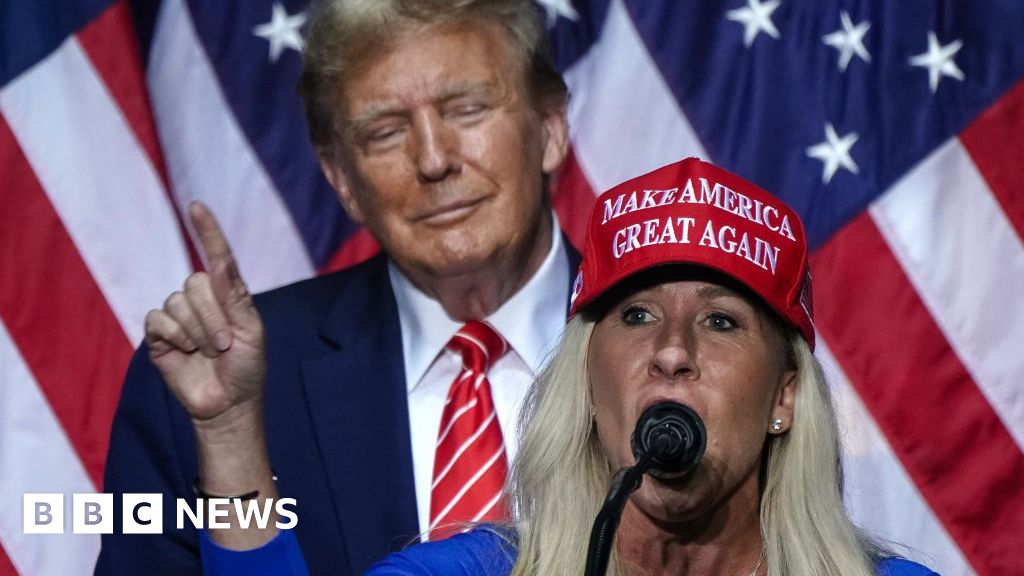
The recent announcement by Georgia Congresswoman Marjorie Taylor Greene that she will resign from the House of Representatives marks a significant escalation in the ongoing internal strife within the Republican Party. Greene, a high-profile supporter of former President Donald Trump and a representative of the America First movement, has become emblematic of the party’s ideological divides. Her departure, set for 5 January 2026, signifies not just a personal decision but a reflection of the shifting power dynamics and ideological battles shaping U.S. politics. The timing coincides with a public fallout with Trump himself, who publicly labeled Greene a “traitor” and vowed to endorse a challenger for her seat, signaling a seminal moment that could influence the upcoming 2026 midterm elections.

This internal rupture underscores a crucial geopolitical impact: the fragility of America’s political cohesion at a critical juncture in its global leadership. Greene’s vocal demands for transparency related to Jeffrey Epstein’s file releases drew her into direct confrontation with Trump, exposing divisions over how to address controversial, high-profile issues. Analysts suggest that this split may weaken the American right’s unity, which has traditionally served as a cornerstone of its geopolitical stance. As the US grapples with domestic divisions, global allies question the stability of American leadership, which has historically been anchored in bipartisan consensus on key foreign policy issues. The international community, especially nations relying on US security commitments, watches with concern as internal discord threatens to weaken the nation’s strategic resolve and decision-making consistency.

How Decisions in Washington Reshape Global Power Dynamics

The ripple effects extend well beyond the USA. The internal political shake-up potentially complicates efforts to project American strength abroad. The US remains a pivotal actor in global security and economic stability; however, with the polarization exemplified by Greene’s departure, international partners face increased uncertainty. The recent backlash and shifting alliances within the Republican Party highlight a broader trend of Persistent national division—a weakness that adversaries such as Russia and China are quick to exploit. As historian and geopolitical analyst Dr. Catherine Johnson notes, “When the United States experiences internal upheaval, the global balance of power is destabilized, providing openings for rival states to advance their interests.”

Meanwhile, the White House and security analysts are closely monitoring the renewed debate over classified documents and transparency, which has been a contentious issue both within and outside the country. The recent signing of legislation requiring the Justice Department to release Epstein-related files signals an internal effort to address grievances, yet it also underscores the nation’s ongoing struggle with transparency and accountability. As American society remains fractured and its leadership uncertain, the world watches intently—aware that this internal turmoil could influence global alliances, trade policies, and conflict management in the years ahead.

While the World watches, the story remains unwritten

As Greene prepares to step down amid the turbulence, the broader battle for America’s future continues to unfold. Her departure may serve as a catalyst for realignment within the Republican Party, but it also signals the deepening fissures in a nation that once stood as an unshakable superpower. In the shadows of these political upheavals, international actors brace for the next chapter in a saga of internal discord and global consequence. With each twist in the tale, history’s pen writes anew, leaving us to wonder: will the United States emerge united or fractured, and how will this tumult shape the course of the 21st century?

England’s reform plans delayed again—now set for 2026, fueling youth skepticism.

Society Faces Critical Crossroads in Supporting Communities with Special Educational Needs

The recent postponement of reforms to the Special Educational Needs and Disabilities (Send) system in England underscores deep-rooted social and institutional inequities that continue to afflict families and communities. Originally slated for release in the autumn, the Schools White Paper, which aimed to address pressing issues within Send provisions, has been pushed back until early next year. By delaying this vital policy overhaul, the government risks perpetuating a broken system that fails to meet the needs of vulnerable children and their families, thereby deepening societal divides.

Social commentators and historians have long argued that large-scale social shifts require systemic change rooted in active listening and genuine engagement. Yet, critics warn that the government’s decision to extend the consultation period—despite clear calls for urgent action—sends a troubling message: the needs of families with children who have Send are being sidelined. The delays compound existing frustrations among parents, educators, and advocacy groups who have described the system as “in crisis.” The National Audit Office has even declared that the Send system is “not financially sustainable” and “failing” in delivering better outcomes. As local authorities face potential deficits in the billions, this crisis underscores the urgent necessity for comprehensive reform.

Families, often caught in the crossfire of bureaucratic inertia, bear the brunt of this stagnation. According to Anna Bird, chair of the Disabled Children’s Partnership, the uncertainty surrounding Send provision leaves parents feeling overwhelmed and dismissed, with many children waiting months or years for essential support. The moral and human stakes are high: children with Send are entitled to a society that recognizes their potential, yet systemic neglect erodes that promise. Meanwhile, local authorities warn that without root-and-branch reforms, they could face insolvency, further jeopardizing services for the most vulnerable. The County Councils Network points out that inaction could lead to a £6bn deficit by next March, placing enormous pressure on already strained resources.

Opposition voices, including the Liberal Democrat spokeswoman Caroline Voaden, decry the delay as a “betrayal” that only prolongs the suffering of children and families trapped within a broken system. Meanwhile, policymakers emphasize “co-creation,” engaging stakeholders through listening sessions and ministerial meetings, in hopes of crafting more informed reforms. Yet, some suggest that this process may be too little, too late, risking further erosion of public trust and worsening disparities in support for children with Send. The ongoing battles over funding and policy direction reveal a society grappling with moral questions: how long can a nation ignore its moral imperative to protect its most vulnerable?

As society stands at this crossroads, the question remains: will it heed the call for swift, meaningful action, or allow inequity and neglect to deepen? The lingering shadows cast by delays serve as a somber reminder of society’s moral obligation to foster inclusive, equitable communities. The hope is that, despite the obstacles ahead, a renewed collective commitment will emerge—one that transforms social policy into a beacon of hope and change. Society’s true strength lies in its ability to confront its challenges with unwavering resolve, guiding future generations toward a future where every child, regardless of their needs, is embraced with dignity, support, and opportunity.

Trump slams 'wasted meeting' after Putin summit plans fall apart
Trump slams ‘wasted meeting’ after Putin summit plans fall apart

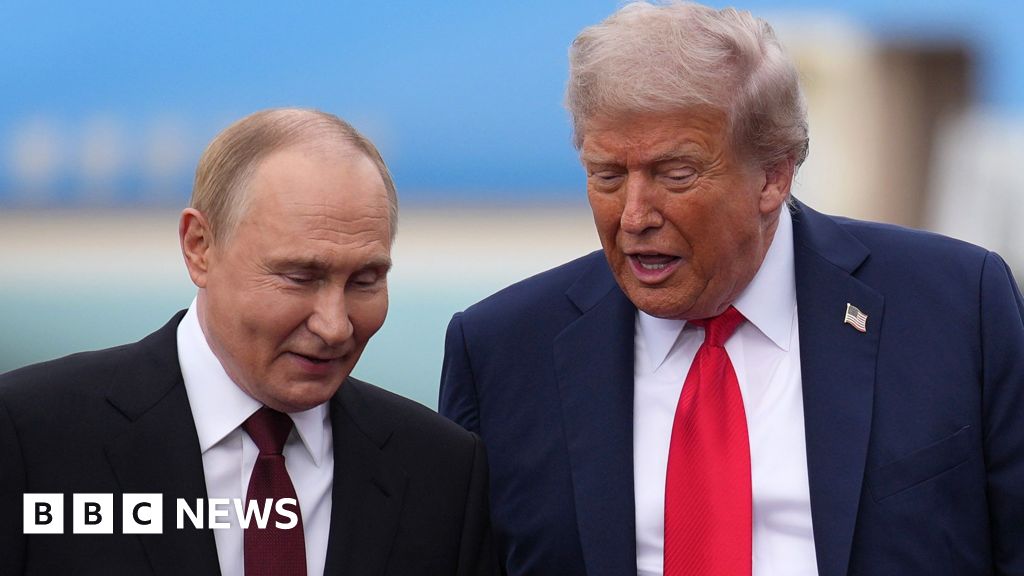
The geopolitical landscape surrounding the ongoing Ukraine conflict has entered a new, critical phase, with American and Russian leaders signaling escalating tensions and diplomatic deadlock. President Donald Trump, who recently engaged in high-stakes diplomatic maneuvers, emphasized the importance of meaningful dialogue but appeared to acknowledge the persistent divisions: “I don’t want to have a wasted meeting,” he stated, reflecting frustration over Moscow’s refusal to cease fighting along the current front lines. This reluctance from Moscow is viewed as a clear indication that the Kremlin’s demands remain maximalist, demanding full Russian sovereignty over the Donbas and the demilitarization of Ukraine—conditions unacceptable to Kyiv and its allies. The refusal to de-escalate has effectively shut down hopes for a face-to-face summit with Vladimir Putin, further stagnating diplomatic efforts and intensifying the risk of wider conflict.

International analysts warn that

the failure to reach a mutually acceptable peace deal could lead to prolonged instability, with serious consequences not only for Ukraine but for global security. The breakdown of negotiations, exemplified by the shelving of planned talks in Budapest, signals a broader realignment of international priorities. Pan-European leaders, allied with Kyiv, have condemned Russia’s unyielding stance, accusing Moscow of not being “serious” about peace and instead pushing for a “long-term, sustainable peace” that would uphold their maximalist demands. Meanwhile, Sergei Lavrov has underscored Russia’s intent to confront *the root causes of the conflict*, insisting on the recognition of Russian sovereignty over parts of Ukraine and a demilitarized Ukraine—a position met with fierce resistance from Kyiv and Western partners. These divergences accentuate the strategic depth of the current impasse, with stalemates threatening to entrench the war.

Historical perspectives and emerging risks

suggest that the crisis could redefine international alliances and the future of Eurasian stability. Experts like political analysts or think tanks like the Council on Foreign Relations warn that, if unresolved, this conflict might ignite a new era of proxy confrontations and regional power struggles. The United States, emphasizing a policy of supporting Ukraine’s sovereignty, has also pursued strategic military enhancements, notably discussing the potential delivery of long-range Tomahawk missiles to Kyiv—an issue that Russia claims almost provoked a direct engagement with Washington. Moscow’s initial silence was broken by an unscheduled call from Putin to Trump, a rare move that underscores how close the lines of diplomacy are to breaking. The question remains whether diplomacy can salvage the situation or whether this hardening of positions will plunge the world into a prolonged, multi-layered conflict.

In this pivotal moment, history writes itself through decisive yet uncertain actions, leaving the international community on the brink of a new chapter of instability. As the European Union and NATO brace for possible escalation, the weight of unresolved grievances and conflicting demands underscores a dire truth: the foundation for peace must be built on mutual respect, but the current path seems doomed to instability. The long shadow of this crisis looms large, with the future of Ukraine, Europe, and perhaps the entire global order hanging in the balance—destined to be shaped by choices made in rooms where history’s next chapter is quietly but profoundly unfolding.

Trump plans White House gathering with GOP senators amid shutdown and construction chaos

In a landscape defined by relentless internal strife and mounting geopolitical challenges, the actions of the United States under President Donald Trump continue to reverberate across the global stage. Recent developments reveal a nation embroiled in constitutional crises, military deployments, and economic confrontations, which threaten to reshape the international order.

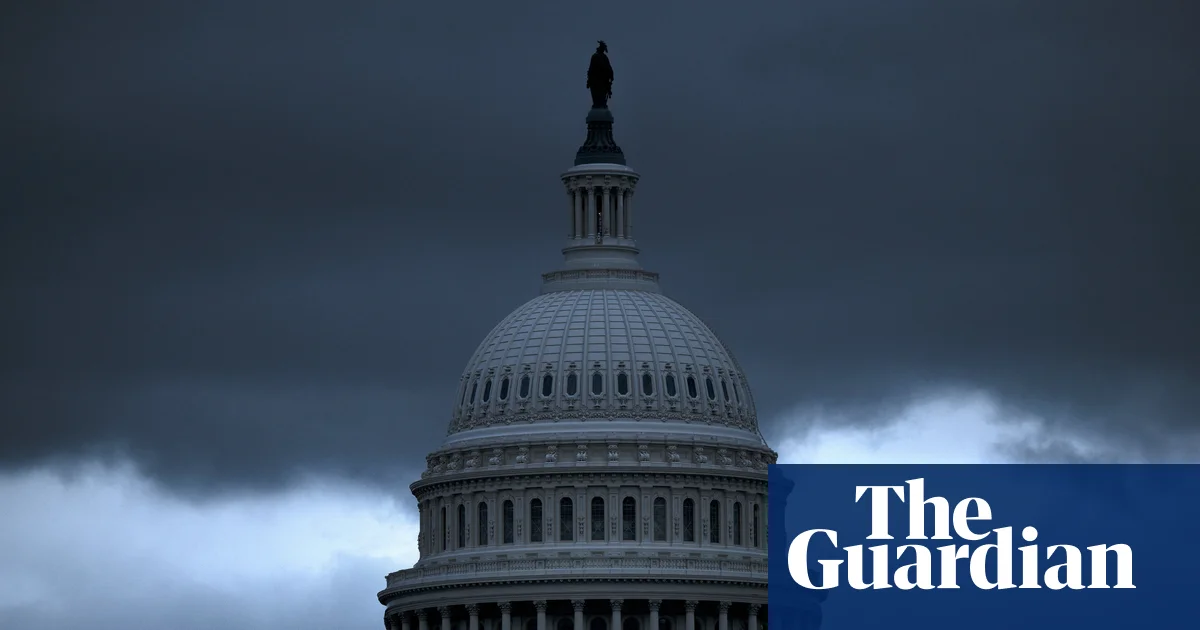
The internal chaos reached a new peak as the US government extended its longest shutdown in history into its 21st day, with no resolution in sight. As the Senate repeatedly failed to pass a funding resolution, millions of federal workers and critical services remain disrupted. Prominent Republican figures, such as House Speaker Mike Johnson, defend the shutdown as a strategic move against Democratic opposition—particularly over healthcare policy. Meanwhile, grassroots protests erupt nationwide, pressuring lawmakers and fueling political polarization. Many analysts view this as a critical turning point—a test of the resilience of American institutions amid turbulent times.

Amid the domestic turmoil, President Trump has taken decisive steps with undeniable geopolitical impact. Construction crews have begun demolishing parts of the White House East Wing to make way for a $250 million ballroom, stirring widespread controversy. Critics decry the renovation as a blatant indulgence at a time of national crisis, while opponents argue it symbolizes a deeper neglect of national priorities. Trump’s active engagement in this internal renovation underscores a broader trend—the consolidation of power and the spectacle of showmanship, often at odds with the global responsibilities the U.S. bears.

  • In a legal victory that further consolidates his authority, Trump’s administration secured a ruling allowing federal troops to deploy to Portland, Oregon, amidst ongoing protests.
  • Oregon’s governor, Tina Kotek, has called on the courts to review this decision, emphasizing concerns over federal overreach and the erosion of local sovereignty.
  • The tensions escalate as the Ninth Circuit Court of Appeals considers whether to rehear the case, a move that could broaden the legal framework permitting federal intervention in domestic protests—a concerning precedent with long-lasting consequences for civil liberties.
  • Simultaneously, in a disturbing display of partisan divergence, figures like James Comey seek to dismiss serious charges, exemplifying the judiciary’s partisan battleground and stripping away the veneer of legal impartiality.

Amidst these developments, international reactions are shaping the new geopolitical landscape. Trump’s endorsement of the AUKUS pact with Australia and PM Anthony Albanese signals a strategic pivot in alliance politics. The deal, emphasizing nuclear submarine cooperation and critical mineral exports—especially aligned against China’s tightening grip—underscores the shift toward militarized diplomacy and economic brinkmanship. While Trump praises Albanese’s leadership, behind closed doors, American military and diplomatic officials are reportedly seeking to clarify ambiguities in the controversial nuclear deal, reflecting an era of high-stakes stratagems.

Across the Atlantic and Eurasia, the postponement of President Trump’s planned Budapest summit with Vladimir Putin hints at mounting tensions with Russia—an indicator of how internal instability in America cascades outward, destabilizing international diplomacy. As nations watch with a mixture of skepticism and trepidation, the world faces an uncertain future where the decisions made within American borders echo across continents, sparking new alliances, rivalries, and conflicts—destined to influence the course of global history.

In this epoch of uncertainty, historians and international analysts warn that the choices made by U.S. leaders today will either sustain or fracture the fragile global order. As the nation faces unprecedented internal battles, the wheels of history continue to turn—often unnoticed by the masses—yet undeniably shaping the future of nations and societies alike. The unfolding drama remains a stark reminder that beneath the spectacle of power, the course of history is written with the ink of decisive, often tumultuous, action—a story still being authored, with humanity’s future hanging in the balance.

University of Staffordshire plans to slash almost 70 jobs, sparking concern among students and staff

Societal Strain and the Future of Education: The Impact of University Job Cuts on Communities

The financial stability of our educational institutions faces mounting pressures that ripple far beyond the campus gates. Recently, the University of Staffordshire announced a plan to eliminate nearly 70 jobs amid ongoing economic challenges. This decision, driven by a necessity to save approximately £6.4 million, underscores the <crisis in higher education funding>—a crisis that threatens to undermine the very fabric of our learning communities. With 31.2 academic and 35.5 professional service roles on the line, the repercussions extend well into the lives of students, families, and the wider community.

While the university asserts that 95% of its staff will remain unaffected, the human toll of these cuts cannot be ignored. Such reductions do not merely delete jobs; they erode the integrity of student support systems and academic quality. As noted by social commentators, a diminished faculty can lead to larger class sizes, decreased access to mentorship, and a decline in innovative research. These shifts threaten to compromise the educational experience for the next generation—who are already grappling with an uncertain economic climate and changing job markets. The community’s strength is rooted in its shared investments in knowledge and growth, and when institutions weaken under fiscal strain, the ripple effects threaten families’ future stability and societal progress.

Historically, the expansion of higher education has played a crucial role in shaping resilient societies. As sociologist Dr. Alice Freeman notes, the stability of post-secondary institutions is intertwined with broader societal health. When those institutions falter, families are often forced to bear the brunt—either through increased costs, reduced access, or compromised quality—altering the very foundation of community cohesion. The challenges facing universities today reveal a shift in priorities: where once they were viewed as engines for social mobility, today they appear vulnerable to economic austerity, risking the degradation of the social contract between education and society. This cultural shift demands urgent reflection on our collective values and the societal cost of economic retrenchment.

Amidst these struggles, various proposed solutions emerge—from increased government support and targeted funding, to innovative collaborations that sustain jobs and academic integrity. Yet, the core issue remains: how do we ensure that the next generation of students receives not just an education, but an experience that prepares them to face the future? As history teaches us, real societal renewal often begins with communities rallying around their institutions—rebuilding resilience through shared sacrifice and renewed purpose. In a world where the social fabric is stretched thin by economic uncertainty, the hope lies in rekindling our collective commitment to fostering strong, inclusive, and well-supported communities. The challenge is formidable, but within it also lies the opportunity: the chance to transform societal values, prioritizing genuine growth over short-term savings, and nurturing a society where no student, family, or community member is left behind.”

White House plans layoffs as federal shutdown drags into third week—America’s government at risk

U.S. Government Shutdown: A Crisis with Far-Reaching Geopolitical Ramifications

The recent announcement by the White House of federal layoffs exemplifies a pivotal moment in America’s internal crisis. As the government persists through a third week of shutdown, the decision to initiate a reduction-in-force (\RIF) process signals not only domestic instability but also a potential shift in international influence and security stability. While officials remain opaque about affected departments, the impact resonates across essential sectors such as cybersecurity, food safety, and public safety — critical pillars that hold the foundation of both economic strength and geopolitical standing.

Analysts herald this situation as more than just a partisan squabble; it underscores a deeper erosion of trust and stability in the U.S. political system. Historically, such gridlock hampers America’s ability to project power and maintain its alliances. The union leaders’ condemnation, claiming these layoffs are “illegal” and “devastating,” encapsulates a wider ripple effect that transcends national borders. Uncertainty regarding the federal workforce’s future directly threatens America’s capacity for rapid response and diplomatic leverage, especially at a time when global rivals like China and Russia continue their strategic pursuits, often exploiting American domestic vulnerabilities.

Domestic Political Standoff: How Decisions within Washington Shape the Future

The core of the crisis stems from a deadlock between Republican and Democratic leaders over funding. The GOP’s insistence on a narrow funding proposal, coupled with Democratic demands for social policy safeguards, exemplifies the legislative impasse. This standoff doesn’t merely threaten the livelihoods of federal workers; it jeopardizes the U.S.’s ability to uphold international commitments and operational readiness. The refusal to reconcile these differences jeopardizes the paycheck of 700,000 federal employees and continues to erode public confidence in government institutions. Historically, protracted shutdowns have spurred unpredictable geopolitical consequences, as internal weakness invites external adversaries to test American resolve and commitment.

With the Senate functioning as a choke point—requiring at least 60 votes to pass legislation—the situation intensifies. The Democratic opposition’s demands for extending health subsidies and safeguarding public media echo broader societal divisions. Experts like Max Stier warn that such internal disarray hampers essential services, from air traffic control to veteran care, strengthening the narrative that America’s internal vulnerabilities are exposing weaknesses to the world. Strategists globally perceive that ongoing chaos at home could significantly diminish America’s leadership during critical moments, hampering future diplomacy and military coordination.

The Unfolding Narrative of Discontent and Power

As the crisis deepens, the public and military faces an uncertain future; many service members and federal workers are on the brink of missing multiple paychecks. This internal strife carries a stark warning: how political decisions ripple outward, threatening societal stability and international standing. The government, historically a symbol of strength and resilience, now appears fractured, as legal battles erupt over the legality of firings and layoffs. According to recent reports by organizations like the Center for American Progress, the timing and extent of these layoffs are constrained by complex legalities, yet the administration’s threats persist, casting a long shadow over the nation’s internal cohesion.

The precise weight of this internal crisis extends far beyond the borders of the United States. With traditional allies watching cautiously and rivals such as China and Russia eager to exploit perceived weaknesses, the global geopolitical chessboard shifts ominously. The parallels with past moments of American internal discord serve as a stark reminder: history often records the passage of internal chaos as a prelude to broader international recalibration. As the final pages of this chapter remain unwritten, the world braces for the next move—aware that the true impact of Washington’s turmoil may well define the global order for generations to come.

US plans to deport 11 to Eswatini amid legal and NGO backlash

The ongoing wave of authoritarian-driven deportations orchestrated by the United States under the Trump administration marks a significant shift in international migration policy—one that poses profound geopolitical impacts across Africa and beyond. This movement, characterized by accelerating efforts to send migrants to third countries such as Eswatini, is viewed by critics as a dangerous departure from international norms and human rights standards. The decision to deport at least 11 migrants to Eswatini—an economically fragile, landlocked kingdom—raises urgent questions about the morality and legality of such actions, with implications far beyond the immediate recipients.

Since early 2022, the US has engaged in a controversial strategy that involves striking deals with third nations like Rwanda, Uganda, El Salvador, and South Sudan. These agreements aim to circumvent traditional asylum pathways, effectively outsourcing the “problem” of migration to nations with questionable human rights records. Analysts warn that this approach shifts responsibility onto countries that are often unequipped or unwilling to uphold basic protections for migrants. It’s a clear manifestation of how geopolitical leverage is being wielded in service of right-wing political goals, portraying immigration as a threat to national sovereignty and security.

Significantly, these deportations have already led to alarmingly inhumane conditions for migrants. For example, five men from Cambodia, Cuba, Jamaica, Vietnam, and Yemen were deported in July and initially placed in a maximum-security prison in Eswatini—an institution ill-equipped to meet international standards for humane treatment. Critics contend that such actions demonstrate a blatant disregard for … human rights, as many of these migrants face fears of torture, persecution, or other forms of inhumane treatment upon return. The case of Orville Etoria, who served 24 years in US prisons before being deported to Jamaica, exemplifies the complex and often tragic outcomes of this driven—yet morally ambiguous—migration policy.

Meanwhile, the international community, including ethics-focused organizations and legal advocates, has voiced alarm over what they see as a blatant abdication of moral responsibility. Amnesty International and other NGOs have called on governments to respect international treaties, such as the 1951 Refugee Convention, emphasizing that mass deportations with little regard for individual circumstances violate the very core of international human rights law. Meanwhile, legal proceedings in Eswatini are tangled in delays, with NGOs challenging the legality of these deportations and pressing for transparency. The ongoing legal battles underscore how these government actions threaten to destabilize the fragile legal frameworks designed to protect migrant rights.

In the backdrop, historians and geopolitical analysts warn that the prevalent trend reveals a broader pattern of authoritarian consolidation and geopolitical realignment. As Western powers fragment their commitment to international law, smaller nations are increasingly caught in the crossfire, forced to serve as pawns in a larger game of geopolitical dominance. The story of Eswatini, under the thumb of Africa’s last absolute monarch, King Mswati III, embodies this dangerous power dynamic—where sovereignty becomes a container for silence, and human rights are sidelined in the pursuit of political expediency.

In the end, the unfolding saga of US-led deportations and the resultant strain on nations like Eswatini reminds us that history is not static; it is fiercely contested and deeply consequential. The decisions made today echo through the corridors of international law and morality, shaping the future of global migration policy. As the tides of political calculation continue to shift, humanity must confront whether the players in this game truly serve justice or merely perpetuate a cycle of cruelty—a narrative still being written on the dark pages of history.

Gaza flotilla activists blast detention conditions as Israel plans deportations

In a significant escalation of geopolitical tensions, Israel recently intercepted the Global Sumud Flotilla, a coalition of over 40 vessels attempting to breach the longstanding maritime blockade of Gaza. This incident underscores the ongoing international struggle over the fate of the Palestinian enclave and the strategic approaches nations are taking to influence regional stability. The flotilla aimed to deliver humanitarian aid to Gaza, a territory submerged under a 16-year-long blockade justified by Israel and its allies as a security measure. However, critics argue that such actions perpetuate suffering and hinder prospects for peace, with Western nations divided on how to address this crisis. The interception, which occurred in international waters, resulted in the arrest of dozens of activists—among them citizens from New Zealand, Sweden, France, Greece, and Italy. These nations now grapple with diplomatic repercussions, as families and international observers question the treatment of detainees and the broader implications of Israel’s aggressive stance.

  • Israeli forces seized all vessels in international waters and detained 437 activists, including parliamentarians and legal advocates, sparking an international debate about sovereignty and humanitarian responsibilities.
  • The detentions have been accompanied by allegations of mistreatment, including inadequate access to water, medical care, and legal counsel, raising serious concerns about human rights abuses amid an already tense regional context.
  • Notably, environmental activist Greta Thunberg was among those detained, and reports indicate she faced harsh conditions—including being held in a cell infested with bedbugs and denied basic necessities. Her case, along with others, has ignited a wave of protests and diplomatic protests worldwide.

The international community, including human rights organizations and historians, has sharply criticized Israel’s actions. Many analysts interpret the interception as a significant marker of how the Gaza conflict continues to be a flashpoint for global polarization. Israel’s foreign ministry has dismissed allegations of mistreatment, asserting that “all detainees’ legal rights were fully upheld,” despite reports from Adalah, an Israeli legal center, of abuses and physical violence. Meanwhile, governments of affected nations have issued calls for the safe release of their citizens, with New Zealand’s government publicly expressing concern over the wellbeing of their nationals, who reportedly remain in detention without proper access to water or legal expertise. The political rhetoric is heating up, as opposition voices from countries like New Zealand demand decisive action and greater accountability from their governments, who are caught between diplomatic pragmatism and moral responsibility.

Beyond the immediate human rights concerns, this incident holds profound geopolitical impact. It reveals how regional conflicts are multilateral crises, involving a web of alliances, strategic interests, and ideological divides. The interception exemplifies the precarious balance of power, with Israel asserting its security measures amid international pressure. At the same time, the incident underscores the global stakes—where activism, sovereignty, and humanitarian aid collide in a theatre of geopolitical chess. Some analysts warn that such unilateral actions threaten to deepen divisions, potentially fueling further instability and resistance in the region. As historians and international observers watch closely, the question remains: how much longer can the world ignore the toll of impasse and the echoes of history, still being written, on the shores of Gaza?

In these turbulent waters of diplomacy and conflict, the true weight of history presses down with undeniable force. The fate of those detained, and the international response to such challenges, will shape the narrative of an era defined by ideological clashes and human resilience. As silent witnesses to history, we are left to ponder: will this be a turning point that sparks meaningful change, or merely another chapter in a cycle of unresolved conflict? The answer, elusive as ever, remains embedded in the unfolding story of a world struggling to reconcile security with justice, power with morality, and the present with the enduring legacy of history’s most profound struggles.

Social Media Auto Publish Powered By : XYZScripts.com