Matox News

Truth Over Trends, always!

Government plans to ban phones in English schools to protect students and improve learning environment

Social Policies in Education: Balancing Innovation and Tradition

Recently, the House of Lords approved significant amendments to ongoing educational legislation, reflecting a broader societal debate on the balance between progressive reforms and traditional educational values. At the heart of this discussion is the recognition of diverse needs among students and the importance of accommodating individual circumstances. The proposal, championed by shadow education minister Baroness Barran, suggests providing exemptions for certain student groups—including sixth form students, students in boarding schools, and those who rely on phones for medical reasons. While ostensibly a step toward inclusivity, the move raises critical questions about the social fabric of educational communities, and its potential ripple effects on families and local institutions.

This legislative development demonstrates how policymakers are grappling with the complex intersection of social needs and educational standards. Allowing exemptions can be viewed as a recognition that not all students are the same and that a rigid approach may inadvertently marginalize vulnerable groups. For example, children with medical conditions that necessitate phone use face a moral dilemma: should technological adaptation be seen as a barrier or a bridge? Sociologists like Charles Murray argue that society’s success depends on flexible structures that empower families rather than impose blanket rules that may alienate or stigmatize certain demographics. Yet, critics contend that too many exemptions could undermine the uniformity necessary for social cohesion within schools, risking a fragmentation of shared values that hold communities together.

On a broader societal level, these debates mirror larger cultural tensions over tradition versus progress. Parents are often caught in a crossfire—struggling to uphold the moral fabric of their families while navigating an increasingly technologized world. For many, the family remains the primary unit of moral development and social stability; yet, legislation that accommodates individual needs could also be misconstrued as diluting the collective responsibility schools once held. Historical voices, including sociologists like Peter Berger, warn that societal cohesion is fragile and must be actively maintained, especially as younger generations redefine notions of discipline, privacy, and mutual respect within educational spaces.

Furthermore, this development underscores the urgent need to address broader issues such as educational equity, digital divide, and family engagement. Challenges persist for families living in socio-economically disadvantaged areas where access to technological resources remains limited. In such contexts, legislation that recognizes individual medical needs is vital, yet it must be balanced with strategies to ensure that schools serve as equitable environments—places fostering shared purpose rather than division. Urban sociologists have long observed that community cohesion hinges on equitable access and the shared cultural norms that frame public education. Any policy shift, therefore, must be accompanied by initiatives aimed at strengthening these norms across diverse social landscapes.

As society continues to evolve, the question remains: can we forge a path that respects individual differences while fostering a unified community? The challenge lies in maintaining the moral and social backbone of education amidst rapid technological and demographic change. As communities grapple with these issues, the hope endures that through conscious dialogue and purpose-driven policies, society can build a future where families, institutions, and the youth they nurture work symbiotically toward a shared destiny—one rooted in resilience, moral clarity, and respect for human dignity. Society’s true transformation may well depend on our collective resolve to nurture this hope amidst complexity, ensuring that no child is left behind in the pursuit of progress.

Youth Likely to Skirt New Healthy Lunch Plans, Pilot Shows

Social Shifts and Challenges in the Realm of School Nutrition

The recent implementation of England’s new school food standards highlights a critical juncture in the ongoing debate over how best to nurture the health and well-being of the nation’s youth. While the government and advocates such as Jamie Oliver and Emma Thompson have championed these reforms for their aims to promote healthier eating habits, initial results from a six-week pilot suggest that the intended benefits may be slipping through the cracks due to unintended social consequences. In a Brighton primary school, a 15% decline in meal uptake has been observed, with many pupils opting for packed lunches featuring crisps and chocolate bars, rather than participating in the revamped, healthier school menu. This trend underscores a larger societal tension: the challenge of balancing nutritional goals with the realities of children’s preferences and family influences.

Experts and caterers warn that this shift could have wider implications for families, educators, and communities. Luke Consiglio, chief executive of The Pantry, emphasizes the importance of understanding the social dynamics at play: “Despite these good intentions, there’s a real risk that this will actually have a negative impact on children’s health.” The data indicates that children may reject healthier options if they perceive them as less appealing. From a sociological perspective, such preferences are deeply rooted in cultural shifts and longstanding dietary habits. Children’s food choices are shaped not only within schools but also by family routines and societal norms, creating a complex web of influence that policy reforms must navigate.

Concurrently, the financial sustainability of school meal programs is under threat. Catering companies such as Philippa Terry’s have raised concerns about the funding disparity within the UK. The current government allocation of just £2.61 per free meal falls significantly short of actual costs, especially when compared to Wales, Scotland, and Northern Ireland, where funding exceeds £3.00. This funding shortfall hampers schools’ ability to deliver nutritious, satisfying meals that meet new standards, risking a cycle of declining meal quality and further drops in participation. As Terry notes, “If children do not enjoy or trust the food, they will opt out, and that will lead to more packed lunches with little to no nutritional value.” The consequences extend beyond individual institutions, threatening the integrity of community cohesion and parental trust in public education’s role as a protector of child health.

At the heart of the debate lies a pressing concern: how can the government ensure compliance and effective implementation? Andy Jolley, a former school governor and campaigner, emphasizes that without proper oversight and dedicated resources, standards will remain aspirational rather than enforced. “It’s positive that action is being taken,” he states, “but unless there’s proper monitoring, the standards will be ignored, and the social issues will persist.” The challenge of monitoring and accountability becomes a mirror of larger questions about societal priorities — whether to invest in the oversight necessary for meaningful reform or to accept superficial changes that fail to address core issues.

In the face of these challenges, some schools are demonstrating that excellence is possible within constraints. Russell Ball, head chef at Pokesdown community primary school, boasts of tripling meal uptake through seasonally sourced, cost-effective cooking methods. His success exemplifies the potential for positive cultural shifts in school nutrition — driven by dedicated educators and a community-focused mindset. As society grapples with how to nourish the young amidst competing demands, it remains essential to recognize that **the true challenge lies not just in food standards but in societal commitment to nurturing resilience, health, and dignity from the ground up.** Perhaps, in the quiet kitchens and bustling classrooms, lies an unspoken hope: that society’s most precious resource, its children, will one day be fed more than just meals — but also the promise of a healthier, more equitable future.

This Thursday’s Buzz: Space Missions, Big Plans, and Who’s Having a Meltdown? | Life & Style

In a world obsessed with personal impact—health, leisure, and the pursuit of inspiration—our lifestyle choices shape not only our own lives but also the cultural and economic landscapes we inhabit. As the digital age expands, cultural shifts toward wellness and independent thinking are becoming crucial for young individuals eager to define their path. Whether it’s through engaging in trivia, exploring new music, or contemplating broader societal issues, embracing a lifestyle of curiosity and resilience serves as a compass toward a more empowered existence.

Recent headlines demonstrate that staying informed prepares youth to navigate complex social and political terrains. For example, the appointment of Ian Cheshire as the new head of Ofcom exemplifies how leadership positions remain influential in shaping public discourse in media and communications. Similarly, government measures such as capping interest rates on student loans at 6% signal an acknowledgment of the ongoing challenge many young people face regarding financial literacy and economic independence. These developments emphasize the importance of understanding the interconnectedness of policy, economics, and personal growth—tools that empower individuals to make informed decisions about their futures.

Beyond politics and economics, there’s a vibrant cultural scene that encourages young adventurers to explore arts, music, and global perspectives. The upcoming Meltdown festival, curated this year by Harry Styles, exemplifies how influential figures in entertainment help foment a sense of community and inspiration. Engaging with the arts fosters a sense of identity rooted in creativity and a refusal to conform to passivity. Whether contemplating the symbolism behind a national flag, or pondering the historical significance of Spain’s Expulsion of the Moriscos, youth are encouraged to look beyond surface appearances and develop critical viewpoints that shape a better understanding of the world.

In a time where literal and metaphorical borders are constantly challenged, embracing a journey of life that blends curiosity with resilience remains vital. The digital age, with its mountains of trivia and cultural references, is less a distraction and more an invitation to deepen understanding—be it about the depths of classical art, or the complexities of international relations. Every question posed, every headline decoded, is an opportunity to refine one’s worldview, to stand grounded in fact, and to move forward with purpose. As the narrative of our lives unfolds, they remind us that the voyage toward self-awareness and impactful living is an ongoing adventure—precisely what makes life fascinating and worth mastering.

Greece Plans to Ban Social Media for Under-15s Next Year, Emphasizing Youth Protection

In recent developments that signal a significant shift in European geopolitical strategy, several nations are adopting measures that mirror the evolving landscape of international power dynamics. Following in the footsteps of prominent European Union member states such as France and Spain, countries across the continent are reevaluating their policies on security, economic alliances, and diplomatic engagement amidst the growing influence of China, Russia, and the United States. Analysts warn that these movements, although characterized by some governments as cautious responses, are in reality part of a broader realignment that could redefine European sovereignty and global standing.

The trend was marked by a series of recent policy announcements that underscore a deeper strategic shift. Governments are increasingly emphasizing military modernization and participation in international alliances, signaling a desire to protect national interests amid a volatile international environment.

  • Several nations are strengthening their defense budgets and pledging commitments to NATO, reflecting a response to perceived threats from Russia’s military assertiveness.
  • New economic agreements aimed at diversifying supply chains and reducing dependency on foreign powers are gaining prominence.
  • Diplomatic initiatives are also underway to bolster regional cooperation, while balancing relationships with both the EU and external players like China.

Historians and geopolitical analysts warn that such shifts could produce divergent consequences. Some argue that these moves are a pragmatic response to growing instability and an attempt to safeguard national sovereignty in an increasingly interconnected world. According to recent reports by the International Institute for Strategic Studies, the underlying motive appears to be a pursuit of strategic autonomy, resisting what many see as an encroaching orientation towards multilateral institutions that may limit national decision-making power. Nonetheless, critics contend that these policies risk exacerbating existing tensions, particularly if they lead to a new arms race or undermine longstanding alliances.

Underlying these developments are key questions about the future of European unity and the role of international institutions. As nations recalibrate their positions on security and trade, the continent stands at a crossroads. Some experts suggest that this era of upheaval could either foster a broader resilience or unravel the fragile fabric of cooperation that has defined the post-Cold War order. With each decision made today, the course of history is subtly but inexorably being rewritten, painting a portrait of a Europe in flux—its destiny shaped by the choices of governments and the emerging face of global power.

As history continues its unyielding march forward, the question remains: will Europe rise to meet the challenges with renewed strength and clarity, or will it become a battleground in the larger struggle for global dominance? Only time will tell if these strategic shifts mark the dawn of a new era—one forged in uncertainty, tension, and the relentless pursuit of national sovereignty amid the shifting tides of international power.

House Plans DHS Funding Deal to End Partial Shutdown—Stay Tuned, Youths

In a time marked by rapid geopolitical upheaval, the United States is retrenching its influence while forging new alliances and strategies in a complex international landscape. Following a partial government shutdown and fractious debates within Congress, the Biden administration appears to be pivoting towards a more assertive posture in the Middle East, especially concerning the Iran conflict. Reports suggest that JD Vance, the Vice President, has emerged as a key figure in negotiations aiming to de-escalate tensions with Iran, signaling a potential shift away from the previous confrontational stance. This pivot comes amidst a backdrop of ongoing diplomatic stratagems, economic pressures, and military posturing, with global repercussions that extend far beyond the narrow corridors of Washington or the Middle East.

Meanwhile, Saudi Arabia has increased its calls for intensified U.S. action against Iran, reportedly urging President Donald Trump to escalate military strikes. A Saudi intelligence source revealed that Crown Prince Mohammed bin Salman advocates for not only continuing but intensifying confrontations, viewing the ongoing campaign as a “historic opportunity” to reshape the Middle East. The recent assertions by Trump, claiming Iran is *”begging to make a deal”* and allowing oil tankers to pass through the Straits of Hormuz, signal a critical juncture where rhetorical bravado masks the underlying strategic stakes. These developments highlight a fragile balance, where international actors’ decisions directly influence regional stability and global energy markets.

In the European sphere, the G7 foreign ministers convened in Paris to discuss the crisis, amid indications that America’s allies remain skeptical of U.S. ambitions. Secretary of State Marco Rubio emphasized that the U.S. prioritizes the interests of its citizens, dismissing efforts to appease allies as secondary. This stance underscores an emerging rebellion against traditional multilateral diplomacy, where the West grapples with redefining its role and influence. The ripple effects are compounded by economic markets reacting sharply—U.S. stocks plummeted in the largest slump since the Iran-Israel conflict escalated, revealing investor anxiety over the stability of energy supplies and broader geopolitical risks. Analysts warn that these financial tremors could presage a more profound global economic downturn, as confidence in international stability wanes.

Furthermore, the Biden administration’s recent actions—such as the decision to feature President Trump’s signature on U.S. currency and proposed calls to overhaul voting processes—signal a broader shift towards a more domestically focused, nationalist posture. These decisions, coupled with legislative impasses over immigration reforms, reflect a nation redefining its core principles and confronts internal divisions that threaten to weaken its global standing. Historians and geopolitical strategists warn that such internal turbulence, if left unaddressed, could accelerate America’s decline from a unipolar superpower to a nation struggling to maintain its influence amidst rising powers like China and Russia.

As the dust settles over these critical debates and shifting alliances, the world stands at a crossroads where each decision could unleash either a new era of cooperation or the chaos of conflict. The unfolding drama, marked by geopolitical chess moves and national introspection, leaves the global community with a stark warning: that history’s most significant transformations often arrive unannounced, shaping the future in ways that few can fully comprehend. The pages of history are still being written, and the next chapter promises to test the resilience of nations and the resolve of civilizations.

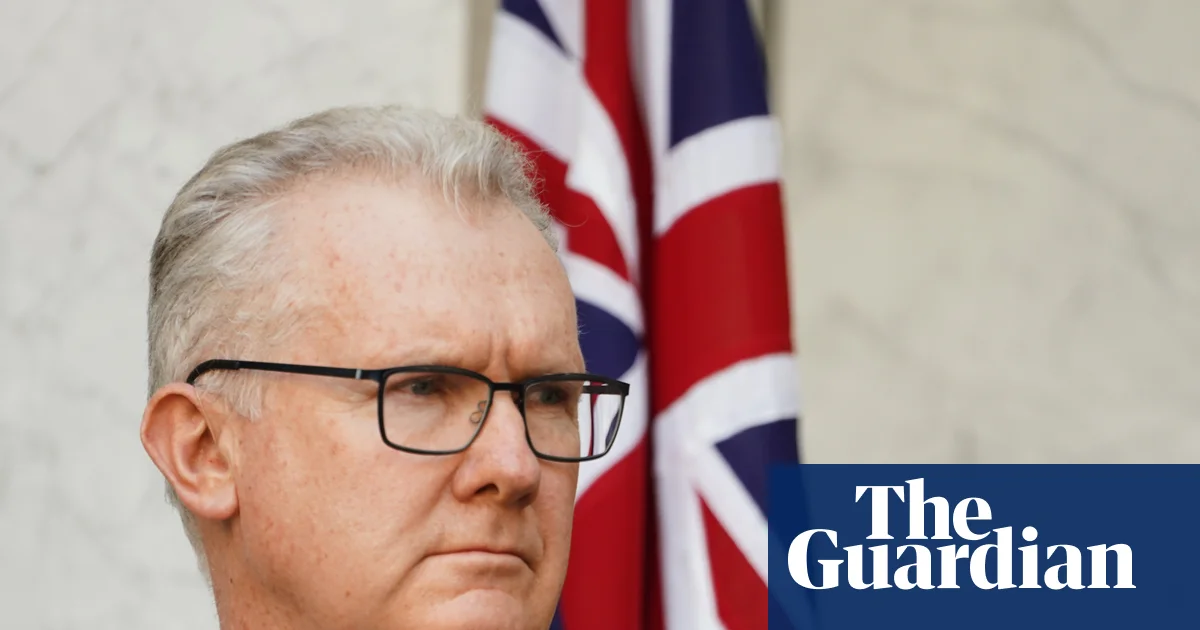
Labor Plans to Restrict Temporary Visa Holders from Entering Australia Amid Middle East Conflict, Says Tony Burke

Australia’s Immigration Shift Amid Middle East Crisis: Strategic Moves or Racial Targeting?

In the face of escalating violence and political turmoil in the Middle East, Australia is amping up its immigration policies, heralding a new era of tightening restrictions aimed at curbing the influx of temporary foreign nationals from conflict zones. The recent legislative maneuver, spearheaded by Assistant Citizenship Minister Julian Hill and facilitated by Home Affairs Minister Tony Burke, signals a decisive pivot toward controlling potential threats posed by nationals from regions embroiled in war. Yet, critics and international watchdogs argue that these measures are not solely about national security—they are also fostering a climate of racial discrimination and undermining Australia’s long-standing values of fairness and refuge.

Geopolitical Impact of Australia’s New Immigration Legislation

Specifically, the legislation introduces an “arrival control determination” mechanism that grants government ministers the power to restrict temporary visa holders from specified regions based on swiftly shifting geopolitical circumstances. If enacted, this bill could, for example, block Iranian tourists who received their visas prior to potentially escalating conflicts involving U.S. and Israeli actions against Iran. Such measures demonstrate how Australia’s domestic policy is increasingly linked to broader international conflicts, exemplifying a strategy that is less about immigration management and more about aligning national security in accordance with global geopolitical shifts.

According to international security analysts and historians, these policies reinforce the narrative that Australia is responding not only to immediate threats but also to the larger, complex web of alliances and conflicts that define contemporary geopolitics. The move has the potential to shape the future of international relations, compelling nations to weigh their diplomatic stances carefully. With approximately 7,200 Iranians and over 40,000 individuals from the region holding temporary visas in Australia, any disruption or restrictions could significantly impact societal cohesion and international solidarity.

How Decisions Affect Nations and Societies

While the government argues these restrictions are necessary to protect Australia’s sovereignty and public safety, opposition voices, including the Greens and independent members, accuse the legislation of targeting specific communities and eroding the integrity of the country’s visa system. Critics contend that the law could be exploited by future administrations to target any group under the guise of security, thus raising questions about racial bias and human rights violations. The Refugee Council and Asylum Seeker Resource Centre have condemned the move as a step backwards, emphasizing that such policies threaten Australia’s reputation as a nation that upholds humanitarian values and international law.

Throughout history, legislation driven by fear and prejudice has often led to societal divisions and enduring injustices. Analysts warn that in an increasingly interconnected world, policies that marginalize and exclude can foment long-term social fragmentation, complicating diplomatic and community relations both domestically and abroad. As the legislative process unfolds, the debate continues—will Australia’s leaders prioritize security over human rights, or will global opinion and internal conscience steer a different course?

Concluding Reflections: The Weight of an Unfolding History

As Australia navigates the turbulent waters of international conflict and internal policy transformation, the path it chooses today will resonate through generations. The decision to tighten borders in response to a regional war signals the complex interplay between national security, international diplomacy, and moral responsibility. History has often judged such moments as pivotal—where nations either uphold their foundational principles or succumb to fear-driven policies. In the shadow of ongoing conflicts and the specter of future unrest, the question remains: will Australia forge a legacy rooted in compassion and justice, or will it become another chapter in the story of nations torn between safeguarding borders and honoring universal human rights? The answers lie in the choices made in these critical moments—a saga still unfolding, with the weight of history hanging heavy on every decision.

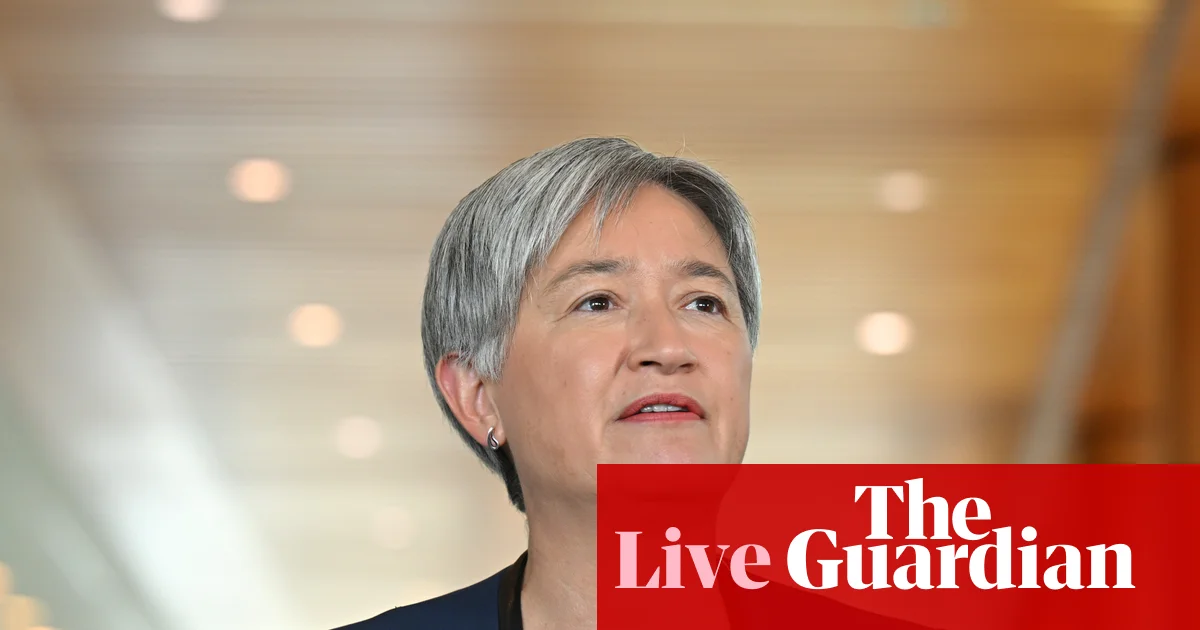
Australia updates: Wong hints at military aid in Middle East — no plans for offensive action against Iran, Victoria

Geopolitical Impact of Middle East Conflict and Domestic Unrest: Australia’s Strategic Position

In an era marked by escalating international conflicts, Australia is carefully recalibrating its foreign and military policies amidst a complex web of regional tensions. Penny Wong, the nation’s foreign minister, has clarified that Australia will not engage in offensive actions against Iran, emphasizing instead Australia’s potential role in providing defensive military support to countries under threat. As regional powers like Iran ramp up missile and drone attacks, and non-participating nations face attacks through proxy tactics, the geopolitical landscape becomes even more volatile. The international community, including respected analysts and organizations like the United Nations, watches closely as Australia aims to balance its regional security commitments with prudent diplomacy, striving to avoid entanglement in a broader conflict.

The Australian government’s stance illustrates a cautious yet firm approach. Wong’s statements underscore a commitment to defending allies without crossing into offensive operations, a stance echoed by military strategists who warn against unnecessary escalation. The potential for “defensive military assistance” reflects a strategic necessity to safeguard regional stability, especially given Iran’s ongoing missile and drone deployment targeting non-participating countries. This approach signals a wider trend among Western allies, aligning with US and Israeli policies, but with an explicit limit: no ground troops. The decision—highlighted by analysts as a calculated move—aims to counter Iran’s expanding influence while avoiding a direct confrontation that could spiral into a larger regional war.

Domestically, Australia is experiencing its own turmoil, with violent incidents and political debates over security measures illuminating the broader societal impact of regional conflicts. Recent tragedies, including a savage knife attack at a Melbourne train station which resulted in the death of a bystander, have prompted urgent discussions about youth violence and community safety. Political figures like Mary-Anne Thomas and opposition spokespersons criticize what they call failures of the current community safety policies, invoking a heightened sense of urgency. This internal strife underscores how international crises often cast long shadows over social cohesion, as governments grapple with balancing national security with the need to restore public trust and safety.

  • Wong’s declaration that Australia could step in defensively in the Middle East, without offensive engagement
  • Iran’s relentless missile and drone assaults prompting regional instability and international responses
  • Australian repatriation efforts mobilized amidst rising regional violence—over 1,500 Australians evacuated from the Middle East
  • The internal crisis in Victoria, with youth violence and community safety at the forefront of political discourse

Historical scholars and international analysts warn that such strategic decisions carry profound geopolitical impact. The careful stance Australia adopts today could shape the future of regional alliances and influence global responses to Iran’s aggressive posture. Meanwhile, domestic unrest threatens to ignite larger societal debates about law, order, and national identity in a time of global upheaval. As policymakers walk this tightrope, the weight of history presses down—reminding us that the choices made in this volatile period will echo through generations.

The unfolding drama in the Middle East and within Australia’s borders leaves the world perched at a crossroads. Will this be a moment of restraint or the spark that ignites a broader conflict? As figures like Wong emphasize transparency and caution, the true test lies ahead—whether diplomacy prevails or history plunges into chaos, the next chapter remains unwritten. Humanity watches, holding its breath as the delicate balance between peace and war flickers in the shadows of history’s latestturning point.

Indonesia plans crackdown: banning social media for under 16s to protect the youth

In a move that signals a significant shift in the global digital landscape, Indonesia has announced an unprecedented plan to restrict access to major social media platforms for minors. Platforms such as YouTube, TikTok, Facebook, Instagram, Threads, X, Bigo Live, and Roblox are poised to face new age-based limitations, marking what officials describe as a pioneering effort among non-Western nations. This decision underscores a broader trend of emerging economies asserting greater control over digital spaces within their borders, blending concerns over cultural sovereignty with national security.

According to Hafid, Indonesia’s digital minister, the proposed ban will commence with platforms popular among youth, effectively delaying children’s access based on age. The cryptic phrase that Indonesia will become “the first non-Western country to delay children’s access to digital spaces according to age” highlights an emerging global realignment of digital sovereignty, contrasting with the laissez-faire approach traditionally championed by Western digital giants. The move is not only about safeguarding societal values but also about asserting sovereignty in an era where technology has often outpaced regulatory frameworks—and where Western standards of digital freedom face mounting scrutiny outside of their home regions.

International analysts and historians see this as a critical turning point. Several experts suggest that U.S.-led Silicon Valley giants must reckon with increasing geopolitical pressure, especially from nations eager to craft digital policies aligned with their cultural and security priorities. Organizations such as the International Telecommunication Union and the World Economic Forum have long debated how to harmonize technological innovation with national interests. Yet, Indonesia’s stance signals a departure from the global consensus on open access, emphasizing instead a cautious, states’ rights-oriented approach that could ripple across developing nations. This burgeoning trend hints at a future where digital sovereignty becomes a key front in geopolitical conflicts, with nations reclaiming control over their digital borders.

As the world watches, the decision holds ramifications far beyond Indonesia’s borders. How other nations respond will shape the next chapter in the ongoing struggle between global technology giants and sovereign states. The move also raises profound questions about the societal impact on youth—who, in a world increasingly driven by digital engagement, may find their access to information and opportunity curtailed or manipulated by state interests. The debate is now as much about cultural preservation as it is about technological control. With each policy shift, history continues to be written—an unfolding narrative of power, identity, and the incessant pursuit of sovereignty in a borderless digital age. As Indonesia boldly asserts its domestic authority over the digital realm, the geopolitical stage is set for a new era—one where nations must navigate the treacherous waters of global digital influence, with history awaiting their next move.

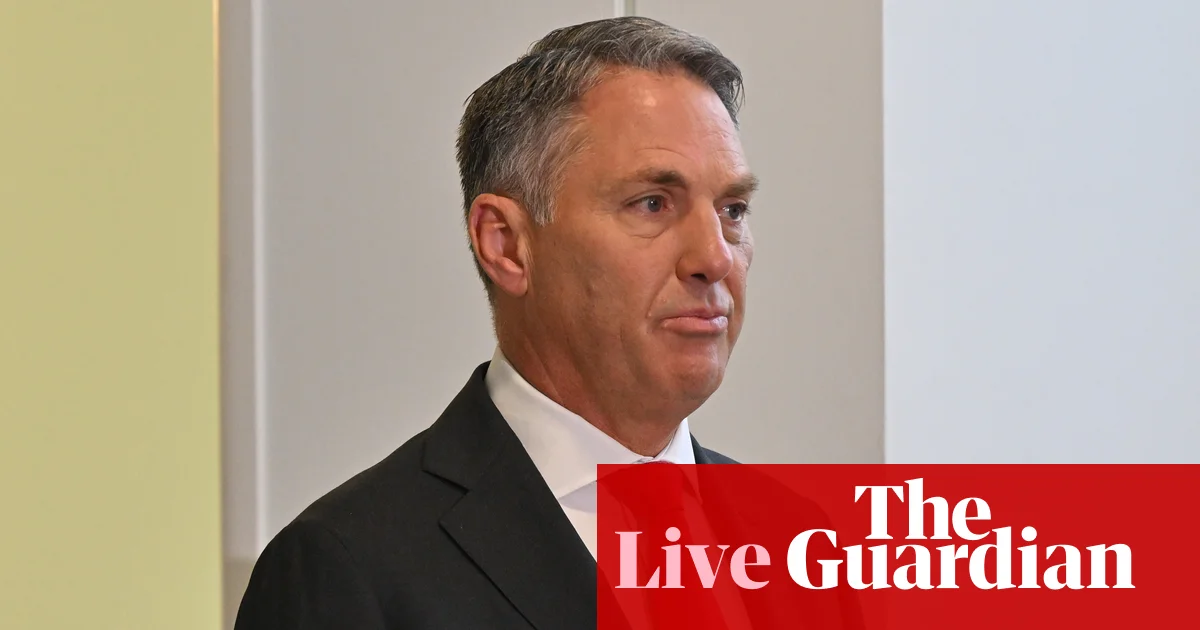
Politics LIVE: Marles Labs Down on Long Consular Waits for Aussies in Middle East, Promises Action on Contingency Plans | Australia News

Global Power Plays and Australia’s Strategic Dilemmas Amid Middle Eastern Turmoil

As the geopolitical landscape shifts rapidly, Australia finds itself caught in a web of regional conflicts and international diplomacy that could have lasting consequences. The recent escalation of violence in the Middle East, specifically the conflict ignited by US and Israeli airstrikes targeting Iran’s ballistic missile program, has thrust the region into a new era of instability. While countries like Canada and Australia denounce violence, they grapple with the reality of limited influence and the potential economic fallout stemming from these high-stakes tensions. The Australian government’s cautious approach, exemplified by minister Richard Marles’s guarded statements on military involvement, underscores a broader struggle to define Australia’s role on the global stage amidst rising superpower rivalries.

The conflict in Iran has invoked a complex mix of diplomatic sensitivity and strategic ambiguity. Australian Prime Minister Anthony Albanese has made clear that Australia is what he describes as a “long way” from the Middle East and thus not a direct participant. With no formal request from the United States for Australian military assistance, the government remains non-committal about intervening, emphasizing instead the importance of contingency planning and the safety of its citizens. International analysts observe that Australia’s stance is emblematic of a broader pattern seen among middle powers—avoiding direct confrontation while navigating an increasingly volatile geopolitical environment. The rising tension highlights the *qualitative change* in international norms surrounding regional conflicts—marking a new era where even distant powers must carefully calibrate their foreign policies.

Meanwhile, the international community watches with bated breath as Canada’s Mark Carney arrives in Australia for a rare parliamentary address, signaling the importance of middle-power diplomacy in this fractured geopolitical landscape. Carney’s discussions are set to touch on critical issues such as climate change, critical minerals, and collaborative defense strategies. His emphasis on the potential for middle powers to act as a unified bloc in addressing global security challenges aligns with recent calls by analysts for a reconfigured international order—one where the U.S. and China are no longer the sole arbiters of global stability. As Carney and Anthony Albanese explore avenues for enhanced cooperation, the message is clear: in an era of rising superpower tensions, regional alliances and shared interests hold the key to maintaining equilibrium.

Simultaneously, the Australian government is contending with controversial internal issues. Reports of memorials mourning Iran’s late Supreme Leader Ali Khamenei have sparked debate about the expression of political sentiments within Australia’s multicultural society. Prime Minister Albanese condemned such gatherings as “inappropriate,” reflecting a cautious stance amid growing tensions with Iran. Deputy Prime Minister Richard Marles explicitly refused to direct police action against mosques inviting mourners, emphasizing Australia’s respect for religious freedoms but also highlighting the delicate balance between liberty and national security. With domestic perspectives diverging sharply, policy-makers face the challenge of maintaining social cohesion during a period marked by international unrest and domestic controversy.

As the geopolitical chessboard becomes increasingly complex, the latest developments underscore a broader truth: the decisions taken today—whether in the corridors of Canberra, Westminster, or Davos—will shape the course of history. The persistent questions about how middle powers like Australia, Canada, and others will navigate this turbulent era evoke a sobering vision of a world teetering on the edge of a new Cold War or, worse, open conflict. With strategic calculations being made behind closed doors, the weight of history presses heavily, reminding us that the unfolding saga of the 21st century remains an unfinished story—we are all players and witnesses, standing at the crossroads of an uncertain future.

France plans to strengthen its nuclear forces and extend deterrence to tighten security across Europe

In a move that signals a shift in European and global security dynamics, France‘s President Emmanuel Macron announced that eight countries could soon benefit from Paris’s nuclear protection, a development that has sent ripples across international corridors of power. While the explicit intent is to bolster regional security—and potentially reposition France as a central player in nuclear diplomacy—the decision underscores a complex balancing act: extending protective umbrella without relinquishing sovereignty.

According to Macron, these nations will enjoy nuclear protection, yet all remains under the strict control of Paris. “France will retain sole decision-making power,” Macron asserted in a recent statement. This assurance emphasizes that, even as alliances and security commitments deepen, France seeks to maintain its strategic independence. This approach resonates with traditional Gaullist principles, framing nuclear security as a sovereign prerogative that cannot be shared or delegated. The European security landscape, historically dominated by NATO and the United States, is now witnessing a nuanced reconfiguration, with Paris positioning itself as a pivotal regional power.

International analysts suggest that this move may be aimed at countering the influence of Russia and China in Europe and beyond. By extending nuclear deterrence to select allies, France appears to be creating a layered security posture that could challenge the existing transatlantic dominance. Historian Pierre Lorrain, an expert on French military policy, notes that this move “reasserts France’s unique role as a nuclear power capable of independent influence, signaling a subtle but clear rejection of American hegemony in Europe.” The decision may also foster a sense of sovereignty among these nations, but how this impacts NATO cohesion remains uncertain.

From a geopolitical perspective, the nuclear sharing arrangement reveals broader strategic ambitions. The United States and European Union are closely watching how this development may recalibrate alliances. The shift could inspire other small or medium-sized states to push for independent deterrent options—thus complicating existing security architectures. Conversely, critics warn this could fragment collective defense, weakening established alliances, especially if nations begin to question their reliance on American nuclear umbrella. According to an analysis by the International Crisis Group, sustainable security depends on trust and shared sovereignty, which are challenged by unilateral decisions like Macron’s recent announcement.

As history unfolds, the international community watches with bated breath, aware that such decisions—though carefully couched in sovereignty and security—can have unforeseen consequences. The move by France could either fortify regional security or deepen divisions, depending on how the proposed alliances are maintained and if they evolve into competing power centers. One thing remains certain: the delicate balance of global diplomacy hinges on these choices, and the world’s future may soon be shaped by how these nations and their leaders navigate the treacherous waters of nuclear diplomacy, leaving an indelible mark on the fabric of international security. With history watching silently, the question lingers—who truly controls the ultimate defensive firepower, and at what cost to global stability?

Social Media Auto Publish Powered By : XYZScripts.com