
Matox News

Truth Over Trends, always!

15-Year-Old Pleads Guilty to 12-Year-Old Leo Ross’s Murder in Birmingham

The recent case involving the murder of Leo Ross, a 12-year-old boy from Birmingham, underscores a disturbing trend of rising youth violence that is transcending national borders and challenging the fabric of societies worldwide. On a quiet day in Shire Country Park, Hall Green, a 14-year-old, now 15, engaged in a random attack that would result in Leo’s tragic death. This senseless act, characterized by a stabbing and subsequent deception by the perpetrator, has shocked communities, ignited debates about juvenile justice, and highlighted the urgent need for international cooperation to combat youthful violence. As the investigation reveals the attacker’s prior violent behavior, the case becomes an ominous signal of the vulnerabilities that nations across the globe face in safeguarding their young populations from falling into cycles of violence.

Legal authorities confirmed that the offender had no prior connection with Leo, emphasizing the randomness of the attack—a pattern that resonates with larger global concerns about the increasing brutality of youth crime. The teenager’s guilty pleas on multiple charges—including causing grievous bodily harm with intent and possessing a bladed article—brought some relief to a grieving family and the wider community, but it also exposed the depth of societal failures. West Midlands police revealed disturbing details: the attacker’s actions included throwing the murder weapon into a nearby river after the crime, and previously hunting down women in local parks. These revelations have prompted international organizations such as INTERPOL to call for better youth intervention programs and stricter firearm and weapon control, especially as similar incidents have risen in different countries, evidencing a pattern that demands a collective response.

From a geopolitical perspective, this tragic event illuminates the fragile state of social cohesion in many nations. Countries grappling with rising youth violence often find themselves at a crossroads—torn between liberal approaches that emphasize rehabilitation and stricter security measures advocating for harsher punishments. Analysts warn that the decision to focus on juvenile justice reforms or increased law enforcement can significantly shape national trajectories. The case also underscores a broader challenge for international institutions, which are urged by scholars like Dr. Abigail Turner and UNSC officials to foster cross-border cooperation on youth crime prevention. The ripple effects of such tragedies threaten to undermine social stability and the rule of law—core pillars that support peaceful and prosperous societies.

Amidst the shadows cast by individual tragedies, a somber reflection on **how nations defend their future generations** emerges as an urgent call to action. With the echoes of Leo’s innocent life symbolizing the potential lost to violent unrest, the international community stands at a critical juncture. The unfolding aftermath of the Birmingham incident reveals the undeniable truth: decisions made today—and the collective resolve to prevent such heartache—will define the legacy left behind. As the world watches how countries respond to these dark chapters, the haunting question persists: Will justice prevail and guide a new path forward, or will society continue to grapple with these tragedies, powerless against a tide of youth violence that threatens to reshape their histories forever?
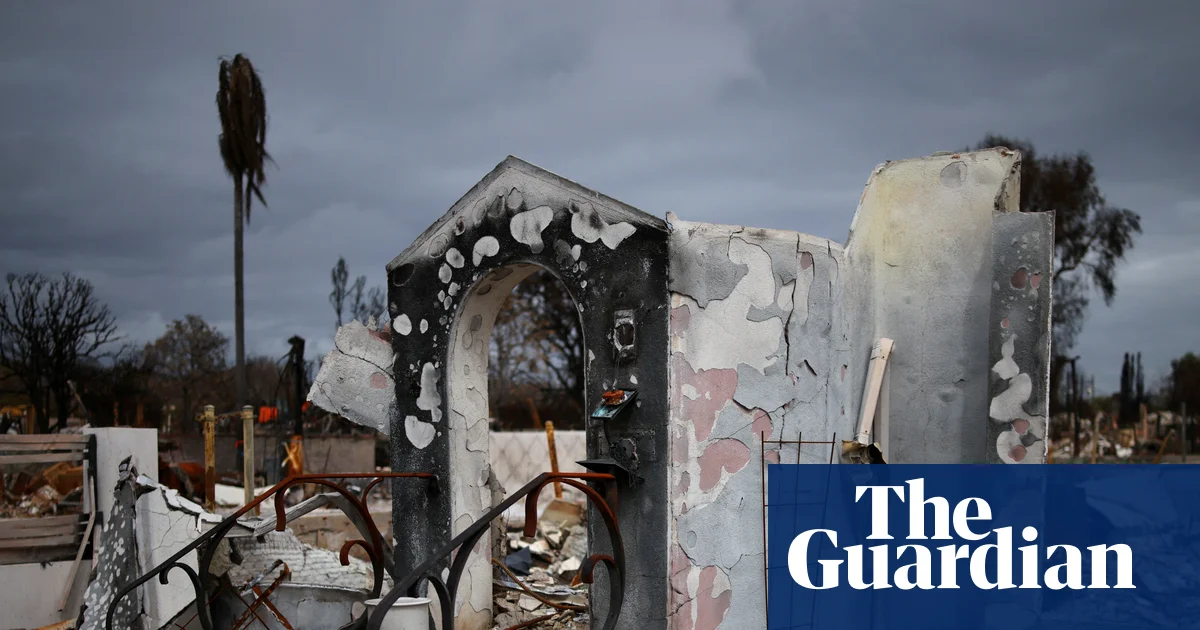

Man accused in Palisades wildfire charges pleads not guilty in LA court

The recent Palisades fire in California has reignited not only concerns about environmental management but also about the larger geopolitical and societal implications of local crises. The fire, which tragically claimed twelve lives and razed over 6,800 structures, underscores the unpredictable and destructive power of human and natural elements intertwined in the modern world. As authorities work to address the immediate aftermath, international observers and analysts are increasingly recognizing that such disasters have ripple effects beyond regional boundaries, influencing policies, economic stability, and even global security considerations.

Legal proceedings against Jonathan Rinderknecht highlight the complexities surrounding individual responsibility amidst larger environmental and civil crises. Charged with federal arson affecting interstate commerce, Rinderknecht’s case draws attention to how digital behavior—such as his interactions with AI and geolocation data—can be scrutinized as potential indicators of intent or involvement. Historians like Dr. Linda Carter have warned that the proliferation of AI-generated content and digital footprints complicate traditional notions of guilt and innocence, especially in emergencies driven by human actions. These developments reveal a new frontier in criminal investigation, where technological intricacies shape judicial outcomes, but also threaten to infringe on civil liberties, raising questions about the limits of surveillance in safeguarding communities.

The incident also offers a lens through which to view the broader geopolitical impact of climate-related crises. As climate change continues to intensify, fires like Palisades serve as stark reminders of how environmental catastrophes can destabilize societies, strain resources, and draw international attention. Experts from organizations such as the United Nations have warned that unchecked environmental disruptions could lead to increased migration, economic hardship, and regional conflicts, especially in areas ill-prepared for such events. The destruction of California’s landscapes epitomizes the fragile balance between economic growth and environmental resilience, and the need for international cooperation in developing sustainable policies.

Meanwhile, the timing of legal and environmental responses underscores a critical debate on sovereignty and responsibility. The response to local fires, driven by national policies and emergency protocols, often influences how nations perceive threats to their stability. U.S. authorities, under growing scrutiny, must demonstrate their capacity to protect citizens without overreach. At the same time, the international community watches as nations like Russia and China contend with their own climate-related disasters, seeking to project power amidst a shifting global landscape. As historian Dr. James Parker notes, “These crises aren’t isolated; they reflect a broader struggle for influence, resilience, and control across the world’s geopolitical stage.”

As the trial of Rinderknecht approaches, with proceedings set for December 16, the outcome will likely influence future approaches to both criminal justice and disaster management. His case may become a precedent for integrating AI analysis into legal processes and determining accountability in an increasingly digital world. But as history continues to unfold, the true scope of these localized tragedies extends beyond courtrooms and firefighting efforts—prompting a fundamental reckoning with how humanity navigates a planet under siege from its own innovations and neglect.

In the end, the story of Palisades is a chapter in a much larger narrative—one of peril, resilience, and the relentless pursuit of stability amid chaos. As nations grapple with their responsibilities and citizens confront the realities of environmental and technological change, the weight of history presses upon us all. The future remains uncertain, teetering on the edge of now and the ever-approaching echo of coming storms—both natural and human-made—challenging every society to stand firm or be swept away by the storm of its own making.

Social Media Auto Publish Powered By : XYZScripts.com


