Matox News

Truth Over Trends, always!

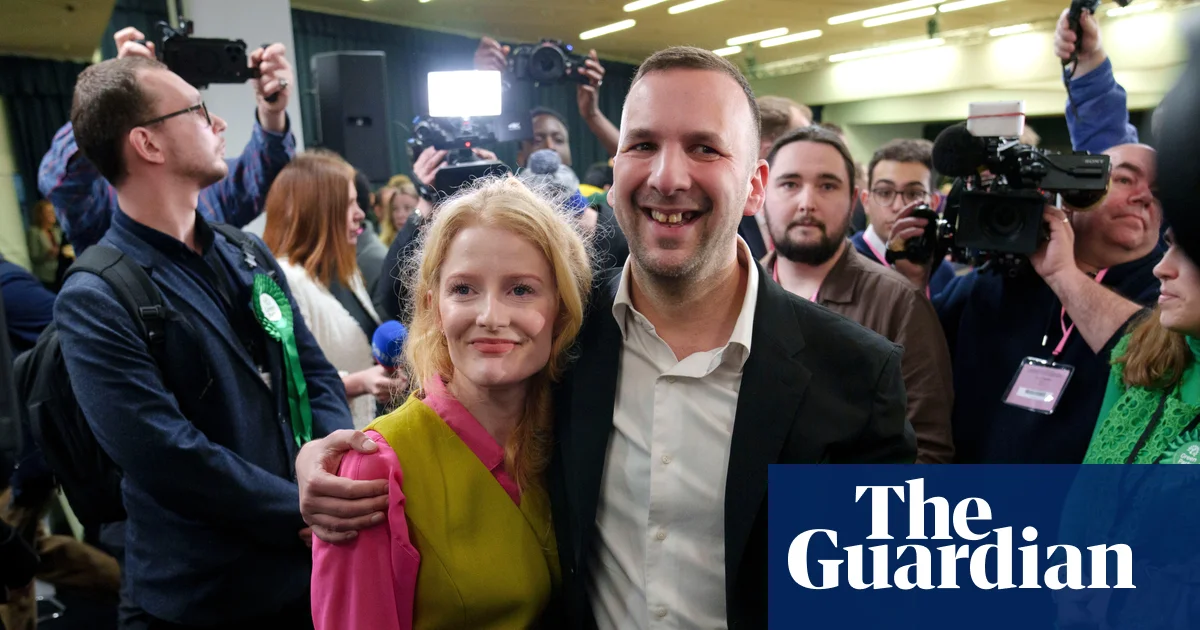
Greens shake up Gorton and Denton—no more safe seats, folks! | Politics Podcast

The recent byelection victories in Gorton and Denton, where the Green Party secured decisive wins, have sent shockwaves through British politics. Historically considered safe Labour seats, these results mark a significant departure from the political pattern that has persisted for decades. Analysts and political commentators are now questioning whether this upheaval signals a fundamental realignment of electoral loyalties within the UK, or if it simply reflects local discontent benefiting a rising protest vote.

At the core of this electoral shift is the resurgence of the Green Party, which convincingly overtook Labour in both constituencies, relegating the traditional Labour message to third place and positioning Reform UK as the runner-up. This outcome underscores a broader uprising of disaffected voters seeking alternatives to established parties. Such trends threaten the long-held political duopoly and pose critical questions for Keir Starmer’s Labour leadership, which has faced mounting scrutiny over its ability to connect with the working class and grassroots voters. Prominent political analysts suggest that this defeat could be a prelude to further upheaval within the Labour party and might spell trouble for Starmer’s tenure as the leader.

From a geopolitical perspective, this local upheaval echoes a broader pattern of societal unrest and political realignment across Western democracies, notably where traditional parties are losing touch with voters’ frustrations over economic policy, immigration, and national sovereignty. International institutions such as the European Union and United Nations have historically promoted liberal policies that often clash with national interests, further fueling nationalist and populist sentiments. In the UK, the rise of third parties like the Green Party and Reform UK signals a growing desire among young voters and working-class communities for policies that prioritize national resilience and environmental sovereignty over globalist agendas.

  • Key takeaway from the byelections emphasizes the vulnerability of long-standing political strongholds, forcing parties across the spectrum to reconsider strategies that might resonate with an increasingly disillusioned electorate.
  • The results could accelerate debates on constitutional reform and decentralization, as regions demand greater autonomy in shaping local policies free from national party factions.
  • The geopolitical ramifications extend beyond national borders, with Western democracies grappling with internal dissent amid global shifts towards assertive nationalism and economic sovereignty.

Prominent voices from institutions such as the British Political Analysis Institute warn that such electoral anomalies serve as “precursors to larger geopolitical shifts,” which may influence diplomatic relations and internal stability. The rising influence of third-party movements reflects a societal swell against the perceived elitism of traditional parties—an evolution that risk destabilizing established political orders. The destiny of the UK’s political landscape hangs in the balance, with history awaiting the next chapter, imprinted by rising voices demanding change and challenging the status quo. As the dust settles, the world watches with bated breath, realizing that the unfolding story of Britain’s democracy may very well carve a new path through the tumult of global politics.

Undercover Cop Stops IS Plot to Kill British Jews – Podcast

In a stark reminder of the ongoing threat posed by radical extremism within Western societies, the recent convictions in Great Britain have underscored the persistent danger of homegrown terrorism. Walid Saadaoui, a man with a seemingly ordinary background—once a holiday entertainer in Tunisia before relocating to the UK—harbored a deadly secret: allegiance to Islamic State. His story, now publicly condemned, exemplifies how deceptive appearances can mask dangerous intentions, challenging policymakers and security agencies alike to adapt to evolving threats.

Saadaoui, alongside accomplice Amar Hussein, was sentenced to life imprisonment after authorities uncovered a well-coordinated plot to attack Greater Manchester’s Jewish community—a demographic historically targeted by extremist factions. The plot reveals the deep layers of ISIS’s clandestine operations penetrating Western neighborhoods and exploiting communities’ vulnerabilities. An undercover police officer, known by the codename ‘Farouk’, was embedded within their network—an operation exposing the delicate and dangerous balance between civil liberties and security efforts.

Analysts from various international think tanks highlight that the geopolitical ramifications of such conspiracies extend beyond national borders. Britain, as a cornerstone of the Western alliance, faces pressure to toughen counter-terrorism strategies while grappling with questions about integration and community resilience. These trials have sparked debates about how societal divisions and radicalization enable extremist ideologies to take root even in multicultural strongholds. The conviction of Saadaoui’s brother, Bilel Saadaoui, for failing to disclose critical information, underscores the complex web of supposition and betrayal that often accompanies these plots, serving as a stark warning that extremist networks operate on multiple levels of concealment and complicity.

International institutions and security analysts warn that the fight against radical extremism is far from over. The case echoes a broader pattern identified by experts from organizations such as Interpol and Europol, which emphasize persistent threats on domestic frontiers fueled by social alienation and geopolitical conflicts elsewhere. As histories from the Middle East and North Africa continue to influence European security landscapes, the question remains: how long can nations withstand the rising tide of ideological warfare? With each thwarted attack, history inches forward, yet the risk of a devastating strike persists—an ominous reminder that in the battle for societal stability, the threats lurking in shadows are often hardest to detect, and the cost of complacency can be measured in bloodshed.

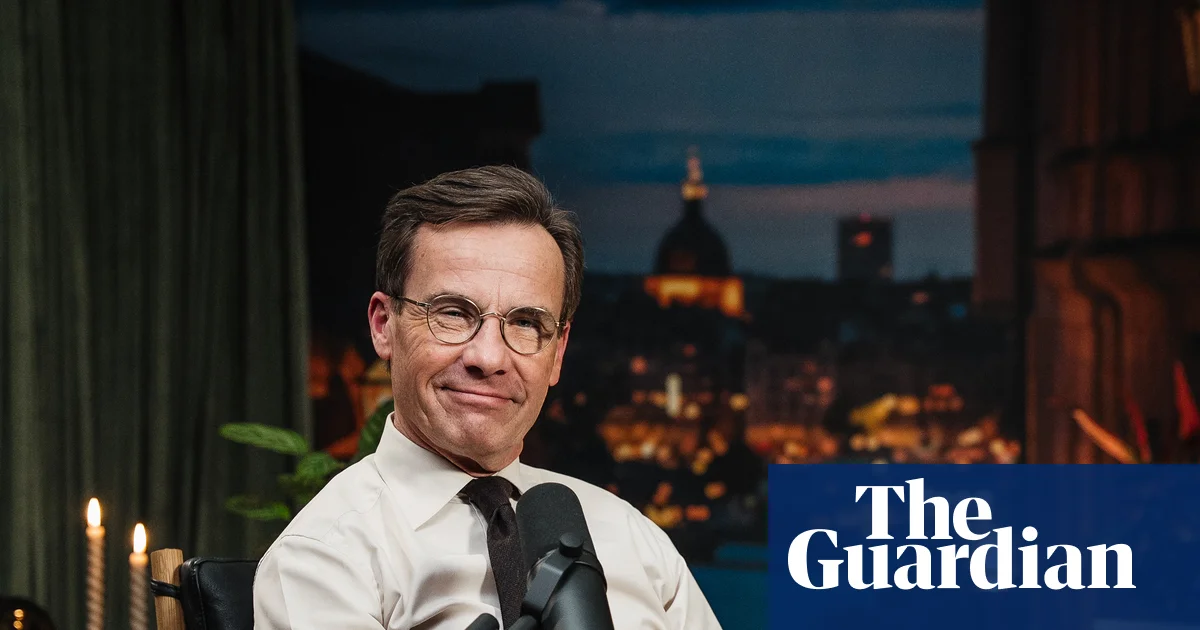
Can the Swedish PM’s new podcast turn the tide in this year’s election? | Sweden

Swedish Politics in Flux: A New Media Strategy Meets Geopolitical Realities

In Sweden, a nation historically seen as a bastion of social democracy and progressive policies, political tides are shifting rapidly amidst a landscape of burgeoning populism and shifting alliances. Prime Minister Ulf Kristersson, leading a fragile minority government, has launched an unconventional initiative—his own podcast Ring statsministern!—aiming to connect with voters in a more relaxed, conversational format. While this approach temporarily garners public attention, political analysts warn that it underscores a deeper power struggle which extends beyond domestic borders. Critics suggest that surface-level “friendliness” cannot mask the tangible challenges Kristersson faces, especially with the rising influence of the Sweden Democrats, a party rooted in far-right nationalism and increasingly decisive at the ballot box.

The geopolitical impact of this internal Swedish shift becomes evident when considering the broader European context. The Sweden Democrats’ rise signals growing discontent among the electorate regarding issues such as migration, law and order, and national sovereignty. As historian Lars Truedson notes, this ideological pivot echoes similar trends across northern Europe, where traditional liberal democracies grapple with populist surges. The moderation or radicalization of these regimes will inevitably influence EU policies on border security, economic integration, and diplomatic strategy. The Swedish government’s reliance on a party with roots in extremism raises questions about the nation’s ability to maintain its longstanding reputation as a pillar of stability amid mounting international pressure.

Within the international arena, organizations like NATO and the EU are watching Sweden’s political realignment with keen interest. The country’s proximity to the Arctic and its strategic position in the Baltic Sea make it a critical theater for geopolitical negotiations involving Russia, the United States, and China. As Sweden balances internal political pressures and external threats, the decisions made today could redefine its alliances and security posture for decades to come. The decision of the Kristersson government to maintain a hard stance on migration and law enforcement aligns with international security policies aimed at curbing extremism, but also risks alienating segments of society and fracturing national consensus.

Political commentators emphasize the importance of understanding the wider international implications of Sweden’s internal politics. The nuanced tactics of Kristersson’s government—such as launching a friendly podcast—are viewed by many as a strategic move to shape the narrative and deflect scrutiny, especially ahead of elections that will decide whether populist forces continue to dominate. As Parisa Höglund, a renowned analyst, remarks, “This is more than just a media stunt; it’s a reflection of the larger geopolitical game in which Sweden remains a critical pivot point.” With voters’ trust diminishing and the shadow of the Europe-wide populist surge growing darker, Kristersson’s fragile leadership underscores a critical juncture in Swedish and global politics. His efforts to appear accessible and relatable are, perhaps, a desperate attempt to fend off history’s relentless march—an uncertain chapter where the fate of nations hangs in delicate balance, caught between the tides of populism and the imperatives of sovereignty.

Undertone Review: A Lackluster Podcast Horror Fails to Impress — Skip It at Sundance 2026

In an era where pop culture often seems inundated with shock tactics and superficial novelty, the enduring importance of culture as the fabric of identity and tradition remains paramount. The recent release of Ian Tuason’s indie horror Undertone exemplifies this truth, not merely as a low-budget experiment but as a reflection of the ongoing cultural dialogue—one that resonates beyond the immediate scares. Though critics point to its familiar tropes—drawing from The Exorcist and Hereditary—the film underscores a deeper, almost philosophical truth: that our stories and myths, whether in horror or history, serve as echoes of our societal values, fears, and hopes.

Philosopher Ortega y Gasset famously observed that culture is both a radar and a mirror—a navigation system built from the collective memory of a civilization, guiding its future while reflecting its past. In this light, popular culture becomes a vessel for ancestral archetypes, modern anxieties, and the moral lessons embedded in our shared narratives. The horror genre, in particular, functions as an almost prophetic tool, warning us against moral failings, societal decay, or the chaos lurking just beneath the veneer of civility. Tuason’s film, with its voyeuristic podcast and spectral recordings, is less about shock for shock’s sake and more about a subconscious dialogue with centuries of folklore, superstition, and cultural fears about evil, innocence, and the unknown.

Moreover, cultural critics like G.K. Chesterton remind us that tradition is the foundation upon which modern identity is built—an innate connection to timeless stories that bind communities through shared symbols and morals. Even in its fragmented, strained narrative, Undertone subtly underscores how our response to darkness—be it in stories or in the real world—draws from this deep well of cultural inheritance. Like the great myths or the heroic epics that challenged societies throughout history, horror, as a cultural genre, becomes a mirror to societal archetypes and the moral boundaries we uphold or break. In the end, the film’s failure to fully connect these elements reminds us that culture must evolve, but not at the expense of its core.

This perspective aligns with the insights of T.S. Eliot, who argued that true cultural renewal emerges from a conscious engagement with the past—its symbols, stories, and moral frameworks—allowing tradition to inspire prophecy. As the world around us seemingly races toward sensation and superficiality, it is vital to remember that culture is the slow, deliberate weaving of memory into the fabric of society. Whether through the ancient myths that warned of hubris or contemporary narratives that grapple with the chaos of modernity, our storytelling preserves the essence of what it means to be human. These stories are not static—they are living, breathing testimonies of our collective triumphs and failures, guiding the youth and the wise alike toward future horizons.

In this ongoing dance between memory and prophecy, culture remains the enduring vessel of identity—a testament to the resilience of human tradition amidst the shifting sands of time. As we face the uncertainties of tomorrow, let us cherish the stories that have shaped us, knowing they are both the echoes of a past that informs our present and the whispers of a future yet unwritten. For in the grand symphony of human history, culture is both the memory that sustains us and the prophecy that beckons us onward—an indelible mark of what we have inherited and a beacon of what we might yet become.

“Forget the Runway: How This Podcast Is Changing How Young Trendsetters See Fashion”

In a world captivated by fleeting trends and viral influencers, a new wave of curiosity is emerging—one that digs beneath the surface of our everyday wardrobe to uncover the profound cultural and social significance of clothing. At the forefront of this movement is Avery Trufelman, a sharp and engaging podcast host whose show, Articles of Interest, offers a fresh, insightful perspective on fashion’s history, symbolism, and societal impact. Her approach is a reminder that what we wear isn’t just about aesthetics; it’s a mirror reflecting profound societal shifts and hidden histories. As her episodes navigate topics from the evolution of pockets to military-inspired gear, Trufelman redefines fashion as a form of cultural expression with enduring social relevance.

Her explorations reveal how clothing connects to pivotal societal developments. For example, she highlights how the seemingly mundane zipper was actually born out of personal passion—a love story involving Swedish-American engineer Gideon Sundback—illuminating that even the most ordinary objects have rich histories intertwined with innovation and romance. Similarly, her podcast delves into the history of military uniforms, exposing the unexpected links between civilian fashion and warfare. Today, American civilians and the military are more interconnected than ever, with military-grade fabrics and camouflage becoming staples in everyday wardrobes. Trufelman’s narrative suggests that our clothing often embodies the echoes of national conflict, societal shifts, and technological progress, making it a potent indicator of broader social dynamics.

This cultural lens elevates fashion from superficial trends to a form of social commentary. Influencers, sociologists, and industry analysts increasingly recognize that clothing choices reflect and influence societal values. The phenomenon of gorpcore, for instance, emerges not just as an aesthetic trend but as a response to the desire for practicality and resilience in uncertain times. Likewise, debates about gender privilege in pockets expose ongoing conversations about gender roles and societal expectations. Trufelman’s ability to connect these dots demonstrates that today’s youth aren’t merely chasing styles—they’re engaging in a dialogue with history, power, and identity through what they wear. Her work encourages a generation to view everyday garments as symbols of collective memory and societal resilience.

As her podcast gains traction, it’s clear that Gear—her deep dive into the relationship between clothing and war—exposes uncomfortable truths about how military and civilian clothing are intertwined in ways that often escape notice. With each episode, Trufelman underscores that fashion’s real power lies in its capacity to embody cultural narratives, challenge stereotypes, and reflect societal tensions. But perhaps the most compelling question her work raises is: what will the next chapter in this story look like? As military influence continues to shape civilian fashion, and as societal values evolve, the next big question is whether clothing will remain a silent reflection of history or become an active tool in shaping social change. The future of fashion, it seems, is not merely about what’s on the surface, but about how what we wear might help us navigate and redefine our societal landscape in a rapidly changing world.

Why Labour's Turning Danish on Immigration — Podcast
Why Labour’s Turning Danish on Immigration — Podcast

The United Kingdom appears poised to follow the controversial footsteps of Denmark in overhauling its immigration and asylum policies. The imminent announcement by Home Secretary Shabana Mahmood signals a shift towards stringent measures reflecting recent Danish reforms, which have sparked intense debate across Europe. Since 2019, Denmark‘s government, under a center-left banner, has devolved from traditional social democratic ideals to adopt radically restrictive policies, aiming to diminish what they perceive as burdens on their social fabric. This includes not only tightening border controls but also, controversially, bulldozing settlements with high concentrations of residents of “non-western” descent—a move that has polarized both domestic and international opinion.

Major dialogues surrounding Denmark’s approach, as explored in interviews between Helen Pidd and Nilas Heinskou of Politiken, reveal that these policies are rooted in a desire to curb what some officials describe as cultural and social strain. However, critics, including Syrian refugee Agob Yacoub, highlight a disturbing climate of rising racism and Islamophobia embedded within Danish politics since these measures took hold. Analysts warn that such policies risk undermining principles of human rights, prompting international organizations like the European Union to scrutinize these shifts, raising questions about their compatibility with fundamental freedoms and the EU’s commitment to humane treatment and diversity.

The geopolitical impact of these developments extends far beyond Scandinavia. As the UK considers adopting similar approaches, the ramifications could ripple through Europe’s social, political, and security frameworks. Experts such as historians and political analysts argue that these policies reflect a broader trend of nationalist resurgence across Western nations, driven by fears of demographic change and economic strain. The move signifies a potent reset—one that challenges not only international law but also the long-held European values of multiculturalism and integration. As Britain navigates its post-Brexit identity, decisions on immigration policy will inevitably influence the country’s position on the world stage, shaping alliances and adversaries alike.

Ultimately, the story unfolding in London and Copenhagen is more than domestic policy—it is a harbinger of a changing global order. As nations grapple with internal pressures and external threats, the choices made today will linger in history’s chronicles. Will they forge resilient societies built on inclusion, or will they fracture along lines of ethnicity and ideology? History quietly watches, waiting to record whether these policies will serve as catalysts for renewal or catalysts of division—the weight of this unprecedented chapter on the global stage remaining poised on the precipice of the future.

Why 'Chronic' Lyme Disease Sparks Debate: What Society Needs to Know | Podcast
Why ‘Chronic’ Lyme Disease Sparks Debate: What Society Needs to Know | Podcast

Lyme Disease: A Growing Public Health Challenge Affecting Families and Communities

In recent years, the rising incidence of Lyme disease has shifted from isolated cases to a broader public health concern, with social and economic repercussions that ripple through families, schools, and communities. Despite increased awareness, the illness remains poorly understood and often misdiagnosed, as prominent figures from the entertainment industry have publicly shared their long struggles with its debilitating effects. From Bella Hadid to Justin Bieber, these stories have cast a spotlight on how Lyme disease can profoundly alter not just individual lives, but entire social fabric, revealing a glaring gap in our healthcare and educational systems.

The impact on families is especially grave when children and young adults are affected. As historians and social commentators warn, chronic illnesses such as Lyme disease can destabilize households, hinder educational attainment, and diminish future opportunities. Madeleine Finlay’s interviews with families dealing with the disease highlight a disturbing trend: many are trapped in a cycle of misdiagnosis, treatment delays, and emotional strain. Such difficulties underline the urgent need for

  • improved medical training
  • expanded research funding
  • greater community awareness

to ensure early detection and proper intervention, especially in school-aged children.

Experts like Prof. John Aucott, director of the Johns Hopkins Lyme Disease Research Center, emphasize that this insidious disease, often transmitted via tick bites, can cause long-term health consequences that ripple beyond the individual. These impacts {intersect} with educational environments, where children suffering from chronic symptoms face difficulty concentrating, missing school, and falling behind their peers. Such disruptions threaten the stability of local communities and jeopardize the future of the next generation. As social scientist Dr. Elizabeth Cohen articulates, the social fabric frays when health crises go unaddressed, exposing underlying inequalities where marginalized groups often lack access to resources and timely care.

Addressing this pressing social issue requires a multifaceted approach that goes beyond medical treatment. It demands a societal commitment to safeguarding the well-being of families and empowering communities. Proposed solutions include increasing funding for research and public health initiatives, fostering community-based awareness campaigns, and integrating comprehensive health education into school curricula. These steps are vital in overcoming the silent burden many families now carry, often in isolation and without the necessary support.

As society grapples with the consequences of emerging health threats, the narrative of Lyme disease underscores a profound moral challenge: the need to heal not only individual bodies but also the fractured social networks affected by this disease. Yet, amid these difficulties, there remains a flicker of hope– a collective opportunity to build resilience, foster understanding, and transform societal neglect into action. When we confront these challenges head-on, we begin to see that the true strength of a society lies in its capacity to uplift those burdened by invisible wounds, ensuring that no family faces their fight alone. Perhaps, in facing this silence and uncertainty, society will discover that hope and renewal are the most enduring remedies of all.

Unveiled Triumphs: Uncloaked Dominates at the British Podcast Awards

In an era where popular culture becomes both a mirror and a moulder of societal values, the triumphs of modern media forms—particularly podcasts and television—highlight a vital truth: the cultural fabric of a nation is intertwined with its narratives, symbols, and collective memory. The recent accolades garnered by shows like The Traitors and podcasts such as Pod Save the UK underscore the enduring power of storytelling to shape national identity and reinforce social cohesion. As Ortega y Gasset observed, “A nation’s culture is the outward expression of its soul,” and these cultural phenomena serve as modern conduits of that collective consciousness, embedding traditions and shared histories into the digital age.

The success of The Traitors—a BBC series that continues to captivate viewers with its blend of psychological intrigue and social strategy—illustrates more than entertainment; it exemplifies the resurgence of trust and suspicion in a fractured society. Its record-breaking viewership of over seven million during the finale, alongside the associated podcast Uncloaked, shows an appetite for narratives that explore human nature, allegiance, and deception. This echoes Tocqueville’s insights on democracy’s paradox: that in the pursuit of equality, societies often become engrossed in the stratagems of power and virtue. The show’s popularity signals a collective yearning to understand ourselves—our instincts, our loyalties, our fears—in a civilization increasingly defined by its fragmented yet interconnected stories.

Similarly, the rise of Pod Save the UK and its recognition as a Podcast Champion encapsulates the role of media in fortifying community and cultivating a sense of authentic identity. In a landscape where superficiality often threatens to erode tradition, such platforms stand as bastions of discourse—channels of culture that communicate the nuances, struggles, and humor of everyday life. Coco Khan’s reflection that their podcast “about being different, unique, authentic and funny” resonates with Chesterton’s notion that “The true artist is inspired not by a desire for fame but by a duty to capture the spirit of his age.” The emphasis on authenticity acts as a counterbalance to the relentless homogenization driven by global trends, reaffirming that cultural identity is rooted in our collective history and moral convictions.

  • Milestones in media recognition—awards for BBC True Crime series and podcasts exploring social justice—highlight that culture remains a dynamic vessel for societal reflection and change.
  • The emergence of the cultural critic’s voice as a guide in navigating the moral and philosophical questions of our time, exemplified by shows that delve into historical injustices and the human condition.
  • The enduring significance of storytelling as both memory and prophecy, linking past traditions with future aspirations in the continuous evolution of a national narrative.

Indeed, in this relentless pursuit of entertainment and information, the cultural landscape reveals itself as both a sanctuary and a forge—as Chesterton might suggest—where the collective memory of society is preserved and shaped anew. It is within these stories, both real and imagined, that we forge our understanding of who we are; and in doing so, we also glimpse who we might become. The culture of an age is its prophecy; its memory whispers the truths of generations past, while its stories forge the path ahead. As the poet T.S. Eliot warned, “The only wisdom we will ever have is the wisdom of remembrance.” With each narrative, each tribute to our shared experience, humanity affirms that it is both a monument and a prophecy—a testament that reminds us that in the tapestry of tradition, the future is woven.”

Social Media Auto Publish Powered By : XYZScripts.com