Matox News

Truth Over Trends, always!

SoftBank’s $40B Boost: Signs Point to an OpenAI 2026 IPO Breakthrough

SoftBank Executes $40 Billion Loan to Accelerate AI Investment Strategy

In a bold move that underscores the transformative power of artificial intelligence (AI), SoftBank has secured a $40 billion loan, a strategic financial maneuver designed to propel its substantial $30 billion commitment to OpenAI. This infusion of capital positions SoftBank at the forefront of a disruptive AI sector that is poised to redefine the tech landscape and accelerate market shifts. The funding announcement comes amidst record-breaking private funding rounds for OpenAI, which recently raised an unprecedented $110 billion, signaling investor confidence in the AI giant’s revolutionary potential.

What makes this development especially significant is the context of an impending Initial Public Offering (IPO) for OpenAI. Industry observers, including Gartner analysts and MIT AI researchers, suggest that the IPO could become one of the largest technology listings in history. Such a move would unlock vast liquidity, enabling SoftBank to rapidly settle its extensive debt and reinforce its position as a dominant player in AI innovation. With over $60 billion already invested in OpenAI, SoftBank’s strategic gamble highlights a clear recognition of AI’s game-changing implications for future enterprise paradigms. As Elon Musk and Peter Thiel have emphasized, the next waves of technological disruption will center around AI-driven platforms and infrastructure, making SoftBank’s aggressive investments a clear marker of industry direction.

The implications for the broader tech ecosystem are significant. As SoftBank channels unprecedented levels of capital into AI development, a paradigm shift is underway—where innovation accelerates at a pace that most traditional firms cannot match. Market shifts toward automation, intelligent agents, and autonomous systems are becoming inevitable, prompting both caution and opportunity for young entrepreneurs and established incumbents. Moreover, this infusion of capital underscores a broader trend: AI’s potential to unlock new business models and reshape entire sectors, from finance to healthcare. The disruptive force of AI, championed by visionaries like Musk, is challenging existing regulatory frameworks and standards, demanding a new wave of forward-thinking leadership to navigate the rapidly evolving landscape.

Conclusively, this aggressive investment signals a battle for AI supremacy that is only intensifying. As firms like SoftBank position themselves to capitalize on this revolutionary wave, the urgency for innovative agility and strategic foresight becomes clear. The industry’s trajectory suggests that those who harness disruptive AI breakthroughs earliest will dictate the future of global tech dominance. Stakeholders across the startup ecosystem, corporate giants, and policy arenas must recognize that the race for AI leadership is accelerating — and delaying could mean falling behind in the defining economic transformation of the 21st century. With ongoing developments in AI, distributed computing, and next-generation hardware, the next decade promises to be a high-stakes battleground—where winners will shape the world economy for generations.

Rescuers point to bad weather and inexperienced skiers as causes for rising Alps avalanche deaths

The recent surge in fatalities among skiers in the French Alps has once again spotlighted the perilous balance between adventure and danger in Europe’s most renowned winter sports destination. As of this season, the death toll has surpassed 100—a stark reminder of the deadly risks posed by unrelenting natural elements, increasing traffic, and, in some instances, inadequate safety measures. This tragic milestone has prompted a notable partnership between media outlets such as the BBC and local rescue services, integrating international efforts to combat this mounting crisis. Such collaborations highlight the broader geopolitical impact of a region that, while renowned for its tourism, faces the complex challenge of managing its natural beauty in a safe and sustainable manner.

The French Alps, a region historically intertwined with Europe’s cultural and economic fabric, has increasingly become a focal point of safety concerns. Analysts note that climate change has exacerbated dangerous conditions—warm spells, unpredictable snowfalls, and rapid weather shifts—making rescue operations more difficult and deadly. Moreover, the pressure from soaring tourist numbers, particularly during peak seasons, has strained local infrastructures, as authorities struggle to balance tourism growth with safety protocols. According to reports from various international organizations, such as the European Safety Authority, the upward trend in skier fatalities reflects unresolved issues of risk management, inadequate emergency preparation, and the growing influence of mass tourism on local communities.

In a significant move, rescue agencies have enlisted the aid of major international media outlets like the BBC to elevate awareness and bolster rescue efforts. This collaboration signals a broader geopolitical dimension, as nations recognize the importance of safeguarding their citizens and visitors amidst increasing danger. The involvement of global media not only amplifies immediate rescue efforts but also underscores the imperative for international cooperation in addressing threats that transcend national borders. Historians and security analysts warn that without comprehensive policy reforms—such as stricter safety regulations and smarter resource allocation—the Alps risk becoming a symbol of environmental neglect and economic recklessness. The regional stability, intricate as it is, may someday hinge on how effectively these challenges are managed.

The unfolding crisis in the French Alps serves as a sobering chapter in the ongoing saga of global environmental and societal change. Towns and nations bordering this majestic landscape are witnessing the tangible consequences of decisions made on an international scale. As the death toll rises, so does the call for strengthened cooperation, smarter infrastructure, and a renewed respect for nature’s limits. This critical juncture leaves the world at a crossroads—continue down a path of heedless exploitation or adopt a sustainable approach that safeguards both place and people. For now, the stories of fallen skiers and rescue heroes serve as potent reminders that history is still being written, shaped by the choices these nations make today, with the weight of the future hanging heavy in the air.

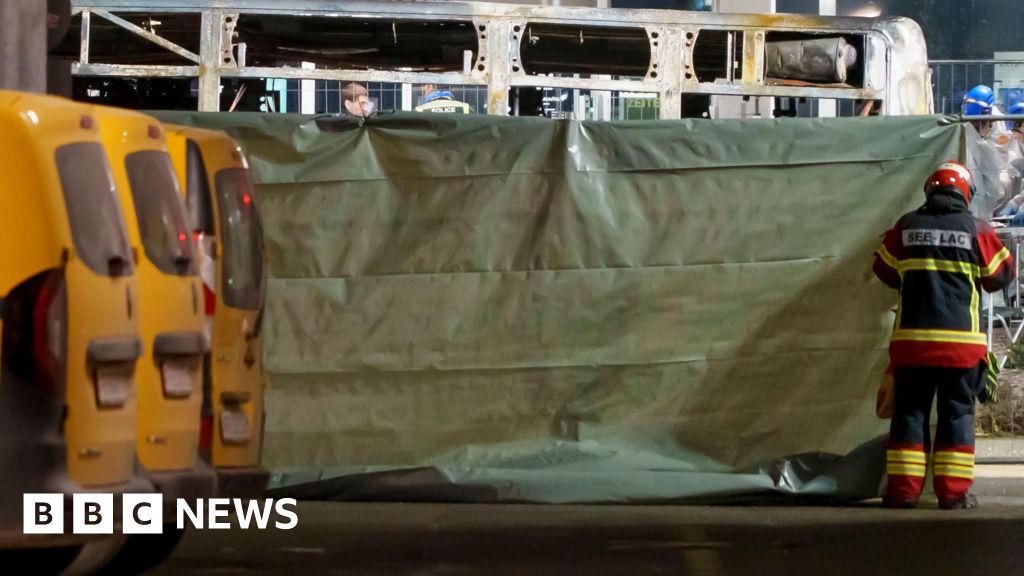
Six dead in tragic Swiss bus fire—early signs point to foul play

Recent events in the Western Fribourg canton, Switzerland, have cast a shadow over regional stability as a devastating fire has swept through the area, resulting in injuries and widespread concern. Local authorities remain cautious in their assessment, as they have yet to determine the cause of the incident. This event has rapidly transitioned from a local emergency into a matter of international geopolitical significance, prompting experts and officials worldwide to scrutinize the broader implications for both Switzerland and neighboring nations.

The fire not only caused physical devastation but also raised alarm bells among analysts specializing in international security and crisis response. Historically, such catastrophic events—especially in regions with strategic or political significance—can serve as indicators of deeper instabilities or potential external interference. While initial reports suggest an accidental origin, the uncertainty surrounding the cause has fueled speculations about possible sabotage or covert operations. Leading geopolitical strategists warn that, in an era where technological vulnerabilities are exploited, seemingly isolated incidents can escalate into larger crises, especially when they occur in politically sensitive areas like Switzerland. As a neutral nation with a longstanding policy of stability, any disruption threatens to ripple outward, influencing regional balances.

International organizations and foreign governments are closely monitoring the situation. The incident arrives amid a complex geopolitical landscape characterized by regional tensions and power struggles, particularly in Europe. Some analysts suggest that this event could serve as a catalyst for broader discussions on security cooperation or geopolitical destabilization in Western Europe. The involvement of Switzerland in global diplomacy, especially its role as a mediator and a hub for international negotiations, underscores how such crises can impact broader policy agendas. Countries invested in maintaining regional stability are now weighing whether this fire is an isolated tragedy or a symptom of larger geopolitical shifts.

Historical perspectives remind us that crises like these often serve as reflections of the underlying tensions simmering beneath the surface. As noted by scholars and international observers, an incident in a region renowned for neutrality and sophistication might seem isolated but can carry profound consequences for the global order. The ongoing investigation’s outcome will likely influence future security protocols, diplomatic strategies, and societal resilience. The international community’s response, therefore, must be cautious and strategic, recognizing that today’s emergency could be tomorrow’s turning point. The weight of history presses heavily on the shoulders of leaders across nations, emphasizing that even the most localized tragedies can reshape the geopolitical landscape, leaving nations to grapple with the uncertain aftermath of a fire whose cause remains shrouded in mystery.

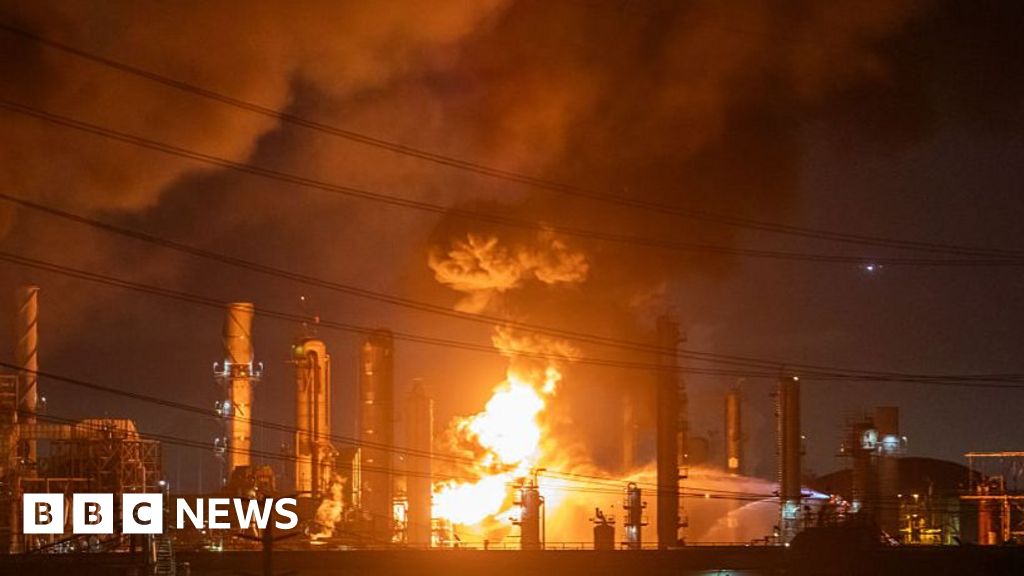
Chevron refinery fire in California contained—safety rallying point for responsible energy leadership

The recent fire at Chevron’s El Segundo refinery near Los Angeles has sent shockwaves through national and international energy sectors. The blaze, which broke out overnight, underscores the fragile nature of critical infrastructure in a global energy landscape fraught with uncertainty. While local authorities reported no immediate threat or evacuation orders, the incident highlights broader vulnerabilities within America’s refining capacity and draws attention to the potential for domestic crises to escalate into larger geopolitical concerns.

This refinery, built in 1911 and ranking as Chevron’s second-largest in the country, supplies roughly one-fifth of motor vehicle fuels and a staggering 40% of jet fuel in southern California. Its strategic importance cannot be overstated, especially given how tightly intertwined energy resource management is with national security and economic stability. With the fire contained but the damage still under investigation, analysts warn that such disruptions could influence gasoline prices, air travel, and regional stability. In an era where energy independence is highly contested, the incident raises questions about America’s resilience in the face of unforeseen disasters.

International organizations and security analysts have long warned that disruptions in the American energy infrastructure could have cascading effects on global markets. The International Energy Agency (IEA) has repeatedly underscored the importance of diversifying energy sources to mitigate risks from such localized but potent incidents. Meanwhile, geopolitical tensions between major powers continue to influence global energy supplies, and the possibility of targeted attacks or sabotage—particularly amidst rising geopolitical rivalries—cannot be dismissed. As historians point out, last decade’s energy crises were often precipitated by seemingly isolated incidents yet had ripple effects that reshaped alliances and economic policies worldwide.

The fire’s symbolic significance extends beyond the immediate damage. It serves as a stark reminder that how nations respond to such crises can shape their future trajectories. Cities like Los Angeles are vital nodes in the global energy web, and local disruptions may be exploited as leverage by hostile actors in an increasingly multipolar geopolitical arena. Experts warn that if these vulnerabilities are left unaddressed, they could fuel narratives of decline and dependency that are already fueling populist movements in the West. The incident also raises the threat of environmental contamination, which local officials are monitoring closely, but the broader consequences for energy security remain a pressing concern for policymakers.

As the world watches this unfolding crisis, with flames still smoldering and the specter of potential repercussions looming, history reminds us that such incidents often serve as turning points—either as catalysts for reform or as moments of vulnerability exploited by rivals. The decision of nations and corporations to fortify or neglect their critical infrastructure will define future geopolitics. With each passing day, the weight of history continues to mount, and the question remains: when calamity strikes, will the world have prepared sufficiently to withstand its toll?

Client Challenges Point to Need for Market Reforms

The international economic landscape is currently experiencing a pivotal phase, marked by mounting volatility and shifting power dynamics. As recent data reveals, the global economy faces multiple headwinds, including inflationary pressures, geopolitical tensions, and unpredictable market shifts. Major economies are recalibrating their strategies to navigate these turbulent waters, with the United States and China at the forefront of this transformation. These developments are not only shaping short-term market impact but are also setting the stage for long-term policy consequences that could redefine global economic order.

One of the most critical indicators remains inflation, which has surged in multiple regions, prompting central banks to tighten monetary policy. The Federal Reserve has signaled an aggressive approach to curb inflation, with rate hikes expected to persist through 2023. Economists such as Mark Zandi of Moody’s Analytics warn that this tightening could usher in a period of slower growth or even recession. Meanwhile, in China, efforts to stabilize the housing market and support manufacturing are underway, yet growth remains fragile amid ongoing geopolitical strain and disruptions in global supply chains. The market impact of these policies has been profound: stock markets fluctuate on central bank signals, currency exchange rates remain volatile, and investor confidence teeters on the edge of volatility.

Furthermore, the rise of geopolitical tensions, especially between the U.S. and China, has triggered a surge in economic nationalism and supply chain reshaping. Countries are increasingly prioritizing self-sufficiency, leading to innovations and investments in emerging sectors such as renewable energy, AI, and advanced manufacturing. Policy consequences are clear: international trade agreements are under reevaluation, and alliances are shifting as nations seek to insulate themselves from potential shocks. Think tanks like the Council on Foreign Relations emphasize that these strategic realignments could either strengthen a multipolar world or spark new conflicts, deeply influencing global market stability. For investors, this environment offers both risks and opportunities—those who adapt swiftly could position themselves at the vanguard of future economic power.

Looking ahead, it is evident that the economy is not merely a reflection of current policies and market behavior but the very **pulse of nations**, a dynamic force that shapes the future of global influence. As technological innovation accelerates and geopolitical boundaries shift, the next era of economic dominance will be forged in the crucible of resilience and adaptation. The stage is set for a future where economic prowess and strategic foresight become the defining elements of national power, echoing through the corridors of history and into the dawn of a new global order.

Social Media Auto Publish Powered By : XYZScripts.com