Matox News

Truth Over Trends, always!

Val Kilmer poised for inspiring comeback as AI brings him back to the big screen

In an era where technology and culture converge at an unprecedented pace, the boundaries of artistry and humanity are being reshaped by artificial intelligence. Val Kilmer, a revered name in Hollywood for his compelling performances and magnetic presence, is poised to be the latest cultural icon resurrected not by traditional means but through thepower of AI. This resurrection isn’t just about technological marvel; it embodies a profound reflection on the enduring power of culture as a vessel of memory and the prophecy of our collective future.

The film As Deep As the Grave exemplifies this merging of art, heritage, and innovation. Kilmer’s role as Father Fintan, a Native American spiritualist and Catholic priest, is steeped in symbolism—an echo of the historic interplay between indigenous heritage and spiritual vocation. As director Coerte Voorhees affirms, Kilmer’s casting was inspired not only by his personal advocacy for Native American rights but also by the cultural significance of the role itself. Here, the tech-driven recreation of Kilmer through AI is more than cinematic spectacle; it’s a dialogue with history, reaffirming that culture is both a mirror and a torch that illuminates the path forward. As Ortega y Gasset argued, culture is a ‘circumstances’ that shapes our identity—an intricate weave of memory, tradition, and societal consciousness.

Yet, this technological resurrection awakens complex debates—are we treading a new frontier or breaching a sacred boundary? The project’s support from Kilmer’s family underscores a respect for the actor’s own wishes, aligning with Chesterton’s notion that “art is the most beautiful of lies,” suggesting that even simulated life carries a fragment of truth rooted in human longing and memory. The endeavor also prompts us to reflect on Tocqueville’s insights into society’s relationship with innovation: progress is inevitable, but it must serve the preservation of core cultural values rather than erode them. In this context, AI’s role becomes a custodian of heritage, not its destroyer. It ensures that, amid rapid change, the flame of tradition persists, vibrant and unextinguished.

As we witness this bold fusion of past and future, it is clear that the current cultural moment is not merely about entertainment but about asserting a sense of belonging in a rapidly transforming world. The film’s basis—the true story of archaeologists working with the Navajo—serves as a poignant reminder that history is a collective inheritance. Just as T.S. Eliot saw tradition as “the memory of mankind,” our cultural institutions—whether art, film, or philosophy—are the scaffolding that grounds us amid the shifting sands of innovation. In a time when AI can craft the visage of a beloved icon, we are faced with a vital question: will this technological miracle ennoble the human spirit or dilute its authentic essence? The answer, perhaps, lies in our capacity to view culture as both a living heritage and a prophetic voice whispering the future into the present.

In the end, culture is both a melody of memory and a song of prophecy, weaving an eternal narrative that surpasses individual lives and speaks to the divine in us all. As Kilmer’s AI-recreated visage prepares for the world stage, it reminds us profoundly: our shared cultural memory is not static, but living—an ongoing conversation between what was, what is, and what may yet come. This is humanity’s enduring legacy, and in its reflection, we find both our roots and our horizons—stardust and future, memory and dream intertwined in the tapestry of existence.

Rapper-Turned-Politician Balendra Shah Poised to Lead Nepal as Next Prime Minister

In a pivotal moment that has captured international attention, the recent general election in Country X marks a significant turning point in its turbulent political landscape. Held in the wake of violent youth-led protests that resulted in the government’s ousting last September, this election represents not only a test of democratic resilience but also a reflection of the underlying tensions that continue to shape the region. Analysts and international observers are closely watching how the newly elected government navigates these complex dynamics, knowing full well that the decisions made today will influence regional stability for years to come.

Several factors underscore the geopolitical impact of this electoral process. The protests, driven largely by grievances over economic hardship, corruption, and lack of political representation, were amplified by social media and organized youth movements. Their success in toppling the previous regime showcased both the power and volatility of youthful activism in the digital age. Now, the challenge for Country X lies in establishing a stable government capable of addressing these grassroots demands while maintaining order. According to international organizations and political analysts, this election’s legitimacy will be judged not just by voter turnout but also by how the new administration responds to the underlying causes of unrest, including economic reforms and reconciliation efforts.

Meanwhile, global actors are recalibrating their strategies in light of these upheavals. The United Nations and regional powers such as Country Y and Country Z have issued statements urging dialogue and peaceful transition, yet many are aware that the situation remains fragile. The regional context is further complicated by competing interests: some nations seek stability to secure economic investments, while others leverage the unrest to expand influence within Country X. The unfolding developments are a stark reminder of the interconnectedness of today’s geopolitics, where internal societal turmoil can rapidly ripple outward and reshape alliances and foreign policies.

Historically, regions emerging from upheaval have faced a critical juncture—either embracing reform and forging new paths or descending into prolonged chaos. As renowned historian Dr. Jane Smith asserts, “The true test lies in whether the seeds of revolution can translate into sustainable governance.” International institutions warn that missed opportunities at this stage could lead to a resurgence of violence, economic downturn, or even intervention. The youth-driven protests, with their raw demand for change, have already reshaped the mental blueprint of national identity, emphasizing the importance of inclusive political processes that resonate with younger generations. Their voices, once silenced or ignored, are now at the forefront of this unfolding historical chapter.

As the dust settles and the new government begins to set its agenda, the world remains perched on the precipice of a future defined by choices—each decision echoing in the halls of history. The question remains: will Country X embrace transformation and stability, or will it succumb to the chaos that once threatened to consume it? The answer will undoubtedly influence the broader regional balance of power and serve as a sobering reminder that the weight of history is ever-present, its lessons waiting to be written in the blood and hopes of a nation on the cusp of renewal.

EU poised to back plan turning frozen Russian assets into Ukraine aid—strengthening our stance and protecting our future.

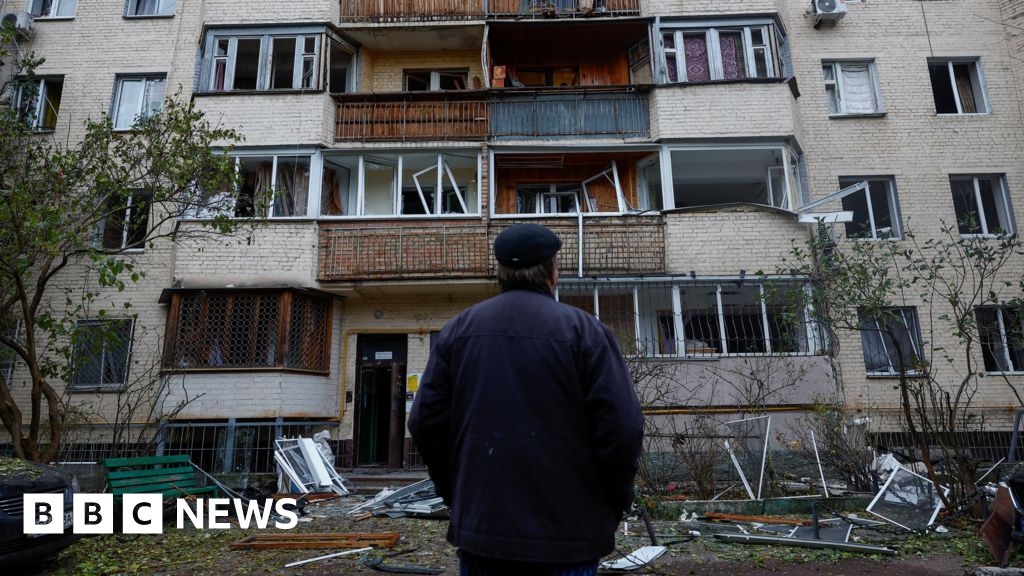
In a move that could reshape the geopolitical landscape of Eastern Europe and the broader West, European leaders are convening in Brussels this Thursday to endorse a highly contentious plan. The proposal involves leveraging frozen Russian assets—estimated at over €210bn—held by Euroclear, a Belgium-based financial institution, to fund Ukraine’s ongoing struggle against Russian aggression. Dubbed a “reparations loan” by EU officials, this initiative represents an audacious attempt to redirect Moscow’s own money to bolster Kyiv’s defense and reconstruction efforts amid the war’s grim fifth year.

  • The EU’s plan seeks to transfer €140bn worth of Russian State assets frozen since February 2022, which were originally held in sovereign bonds—a form of government loan that Russia cannot currently access due to sanctions.
  • EU officials argue that redirecting these assets is necessary to support Ukraine, which faces an estimated reconstruction bill exceeding $486bn, according to UN and World Bank assessments.
  • However, legal complexities abound—international law explicitly prohibits outright confiscation of sovereign assets, posing a significant obstacle to such a bold move.

Despite these hurdles, proponents like Poland, Scandanavian countries, and the Baltic states see this as a historic opportunity to exact what many consider rightful reparations. They argue that Russia’s economic ties to Western institutions have been exploited, and now those frozen assets should be used for Ukraine’s moral and strategic justice. Conversely, nations like Germany have expressed reservations, emphasizing the need for broad consensus and cautioning against unilateral action that could ignite retaliatory measures from Moscow. Critics warn that the move risks significant destabilization of global financial stability and could set a dangerous precedent—potentially undermining the reliability of safe-haven assets held in Europe.

How Would the Plan Work?

The EU’s strategy involves a legal loophole: since sovereign assets are not technically seized but merely frozen, the bloc seeks to “borrow” these funds by issuing an IOU backed collectively by EU member states—an approach designed to sidestep international law’s restrictions. This move aims to provide immediate liquidity to Ukraine, which demands ongoing financial support as the war grinds into its fifth year. Though the EU is currently using the interest from the frozen assets—up to €3bn annually—supporting Kyiv directly with the principal amount represents a significant escalation. The plan hinges on Kyiv securing a definitive victory and Moscow accepting reparations, a scenario that remains uncertain and controversial among legal experts and international analysts.

The potential for this plan to reshape international financial norms has sparked fierce debate. Reckoning with the legal and diplomatic fallout, critics emphasize the importance of respecting international law’s core principles, warning that any appearance of asset confiscation could undermine the trustworthiness of Europe’s financial institutions. Should Moscow challenge the move legally, the risk of retaliatory measures—including economic retaliation against European companies—looms large. Russia’s ambassador to Italy, Alexey Paramonov, dismisses the idea as “theft of the century,” warning it could precipitate a cycle of hostility and destabilize Western financial stability.

Implications for the Future

The decision’s ultimate success or failure will depend heavily on Russia’s response and Kyiv’s ability to harness such aid efficiently. While supporters see this as a moral imperative—a way to hold Moscow accountable—it raises profound questions about the future of sovereign assets and international justice. With the support of key nations, yet opposition from others, the EU faces a dilemma of historic proportions: to act decisively and perhaps risk tearing the fabric of international law or to hold back and face the grim reality of Ukraine’s an ever-increasing reconstruction bill and a war that seems to threaten Europe’s very stability. The outcome remains shrouded in uncertainty, but one thing is clear: history’s pen is poised, and a new chapter in global geopolitics is being written—one that may define the course of nations for generations to come.

Sanae Takaichi poised to make history as Japan’s first female PM after ruling party victory

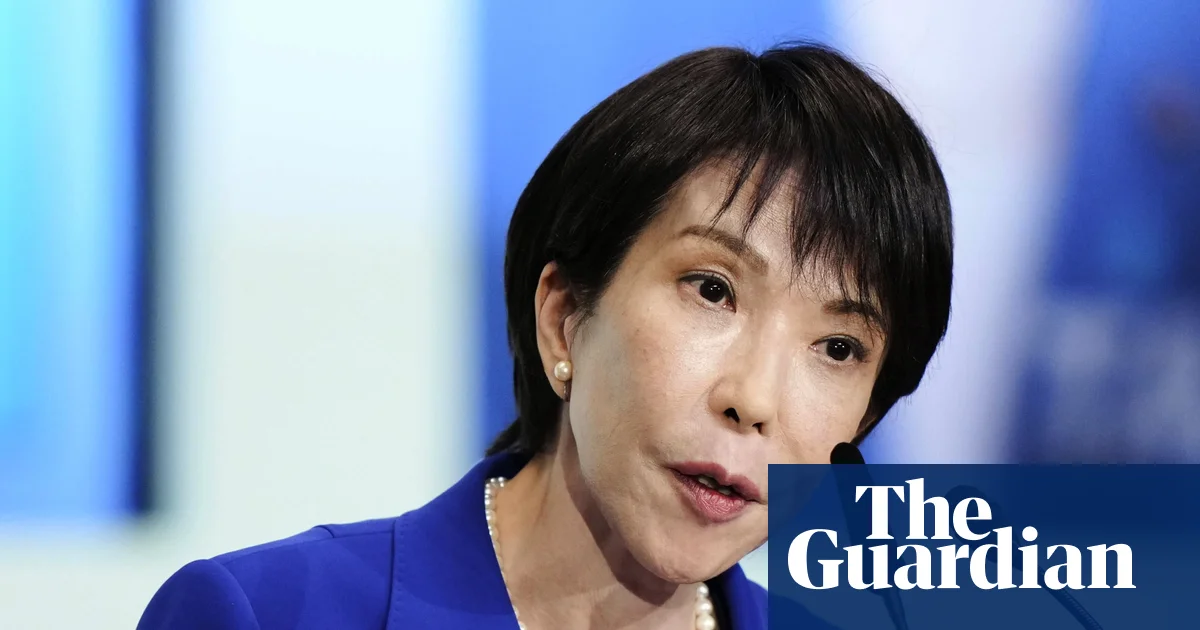
Japan stands on the cusp of a historic transformation as Sanae Takaichi emerges as the newly elected leader of the Liberal Democratic Party (LDP). This victory signals not only a significant change in the country’s political landscape but also signals Japan’s reassertion of national sovereignty amid shifting regional dynamics. As Takaichi is poised to become the nation’s first female prime minister, her rise is being watched with keen interest by global observers, policymakers, and security analysts eager to understand the implications for geopolitical stability.

In a political spectrum still anchored in tradition, Takaichi, a staunch right-wing politician, boldly champions policies inspired by Margaret Thatcher. Her election symbolizes a move toward a more assertive national posture, especially amidst escalating tensions in east Asia. Her rise follows a turbulent season for the LDP, which has experienced two decisive electoral defeats over recent months amid corruption scandals and voter dissatisfaction with its handling of economic issues. Despite this, her victory underscores the resilience of Japan’s conservative forces, which remain central to shaping the country’s future direction. Analysts from Tokyo to Washington see her as a leader capable of unifying a fractured party and restoring Japan’s standing as a formidable international power.

The regional security environment has become increasingly volatile. China, Russia, and North Korea continue to challenge Japan’s territorial integrity and strategic interests, necessitating a firm and resolute stance from Tokyo. Takaichi’s foreign policy approach is likely to be hawkish, emphasizing a robust defense posture and multilateral alliances, particularly with the United States. Her firm stance on migration and social policy reflects the country’s ongoing debate over cultural integration and national identity, addressing concerns among younger voters and conservatives alike. With the prospect of Donald Trump’s imminent visit to Japan, the potential recalibration of U.S.-Japan relations looms large, with implications for regional alliances and economic commitments. The decisions made this year will determine whether Japan can assert itself in a world increasingly characterized by unpredictable power shifts.

  • Her immediate challenge will be to forge party unity after years of scandal and electoral losses, necessitating strategic reforms that appeal to both traditionalists and newer generations.
  • Securing public support will also require addressing economic concerns, notably the cost-of-living crisis that has eroded confidence in the ruling establishment.
  • Geopolitical stability in east Asia will hinge on her ability to balance assertiveness against diplomacy, especially as North Korea’s missile tests and China’s maritime assertiveness threaten regional peace.

In the broader context, Takaichi’s ascendancy is a reflection of Japan’s ongoing internal debate over its identity, sovereignty, and role within the global order. Historians such as Ian Buruma warn that the country’s inability to fully embrace gender equality has hampered its political and societal progress. Yet her victory signals a potential shift—perhaps a rekindling of Japan’s national spirit in standing firm against regional pressures. As the world watches, the unfolding chapters of Japan’s re-emergence could redefine the balance of power in east Asia — a continent where the boundaries of diplomacy and military strength are constantly tested. The path forward remains fraught with peril, and as history writes itself anew, the true impact of these decisions will only be measured in the generations to come. The shadow of past wars, historic alliances, and emerging threats looms large, reminding us that the dawn of a new leadership in Japan is not just a political event—it is a moment that could alter the course of history itself.

Social Media Auto Publish Powered By : XYZScripts.com