Matox News

Truth Over Trends, always!

San Diego Settles for $30M in Police Shooting Death of 16-Year-Old Boy

San Diego Reaches $30 Million Settlement in Police Shooting of Teenager

In a landmark decision, the city of San Diego has agreed to pay $30 million in a settlement to the family of Konoa Wilson, a 16-year-old who was fatally shot by a police officer while fleeing dangerous circumstances at a local train station. This settlement, one of the largest civil payouts in the United States concerning a police shooting, underscores the ongoing crisis of police use of deadly force and raises critical questions about race, accountability, and systemic bias within law enforcement agencies nationwide. As international observers watch, this incident exemplifies the complex intersection of justice and public safety, fueling debates that resonate well beyond American borders.

Wilson’s tragic death occurred during a chaotic shootout at the Santa Fe station, where a youth had opened fire and injured another individual. Exiting the scene in fear, Wilson ran past officer Daniel Gold, who, according to police footage, immediately drew his weapon and fired multiple shots at the fleeing teen’s back—even as Wilson did not threaten or brandish a weapon at the moment of the shooting. Body camera footage reveals that Gold identified himself only after initiating the gunfire, further fueling allegations of excessive use of force. The civil lawsuit filed on behalf of Wilson’s family accused the officer of racial violence, emphasizing the racial dynamics at play and portraying the shooting as rooted in systemic biases.

By accepting this settlement, San Diego tacitly acknowledged the gravity of the incident—though city officials maintained it was a *business decision* rather than an admission of liability. Critics argue that police officers operating within a framework of systemic racism often perceive Black youth as threats, leading to tragedies like Wilson’s death. Historians and human rights advocates point out that such incidents are not isolated; they reflect a broader pattern of racial profiling that persistently undermines community trust and endangers vulnerable populations. International organizations, including the United Nations, have repeatedly voiced concern about racial disparities in police violence, urging reforms to ensure more just and equitable law enforcement practices worldwide.

This incident marks a significant turning point—highlighting the urgent need for comprehensive reforms and better accountability mechanisms within police forces across the globe. As governments grapple with these issues, the fallout from such tragedies shapes international discourse on state violence and human rights. How nations respond to this mounting pressure will influence the delicate balance between security and liberty, potentially redefining the role of law enforcement in societies seeking justice and fairness.

The saga of Wilson’s death remains a stark reminder that the weight of history and the pursuit of justice continue to unfold, forging a path that nations worldwide are watching with cautious anticipation. As the ripple effects of this settlement echo through the corridors of power, one fact remains clear: the fight for meaningful reform is far from over, and its outcome will shape generations to come. With each decision, policymakers stand at a crossroads—either advancing toward genuine justice or retreating behind the barriers of systemic inertia, risking the further erosion of public trust and the moral fabric of society.


Police Catch Suspect in DC Pipe Bomb Case, Wrap Up Long Search

The recent arrest of Brian Cole Jr, a 30-year-old man from Virginia, marks a pivotal breakthrough in the ongoing quest for justice surrounding the infamous 2021 Capitol riot. The FBI’s airtight investigation, stretching over two years, underscores both unwavering law enforcement resolve and the dangerous undercurrents of political violence seeping into the corridors of American power. Authorities confirmed that Cole was apprehended without incident early on Thursday, yet the case’s implications ripple beyond the borders of the United States, signaling a decisive moment in the global fight against domestic extremism.

While the details of Cole’s motives remain under seal, the evidence assembled paints a stark picture of premeditated sabotage. Court documents detail that he purchased components for constructing the pipe bombs—metal end caps, wires, timers, and steel wool—supplied from retail giants such as Home Depot, Lowes, and Walmart. Using sophisticated data analysis, investigators traced his movements and purchases, revealing that he was in the vicinity of both bombs during their placement on the night of 5 January 2021. Such meticulous law enforcement work highlights the importance of data-driven investigations, especially in a climate where threats of violence against democratic institutions remain high. As FBI officials emphasized, the effort to locate Cole was relentless, exemplified by the processing of three million lines of data, the analysis of cellphone movements, and surveillance footage that captured the suspect close to the scene.

Authorities and analysts argue that the case demonstrated the seriousness with which U.S. law enforcement treats threats to its constitutional order. FBI Director Kash Patel declared that “when you attack American citizens, when you attack our nation’s capital, you attack the very being of our way of life.” This framing echoes broader concerns about the rise of political violence within the context of internal divisions and misinformation. The incident also prompted discussions on how domestic radicals can pose a threat comparable to foreign adversaries, necessitating international cooperation and intelligence sharing. Moreover, the case’s resolution serves as a stark warning to those who believe they can evade justice by blending into the political fabric—a lesson reinforced by the FBI’s determination to “track you down to the end of the earth,” as Deputy Director Dan Bongino stated.

Historically, incidents like these have underscored the fragility of democratic institutions, especially in turbulent times marked by political polarization and social upheaval. Many analysts, including reputable historians and security experts, point to the need for vigilant safeguarding of constitutional norms. At the same time, this case reveals how global institutions must remain agile, adapting laws and tactical responses to the evolving nature of threats—domestic or foreign. The public, meanwhile, must grapple with the reality that the fight against extremism is ongoing, with no room for complacency. As the story unfolds, the weight of history continues to press down—reminding each generation that the resilience of a nation depends on relentless justice and the unyielding defense of its core values. The battle lines are drawn anew, and the outcome remains unwritten, left to the actions and resolve of those entrusted to safeguard the future amidst the chaos of an uncertain world.

Hertfordshire Police Admit Wrongful Arrest Over WhatsApp Message, Payout £20K to Victim

Recent events in Hertfordshire have underscored a troubling shift in societal trust and community cohesion. A couple, Rosalind Levine and Maxie Allen, experienced a wrongful arrest that has cast a shadow over their family life and the broader social fabric. The incident unfolded after the couple expressed concerns about their daughter’s primary school, including questioning staff recruitment practices and criticizing school leadership via a WhatsApp group. This digital dissent, seemingly dismissed as malicious communications by authorities, resulted in their being detained for 11 hours, an ordeal that has ignited debates about the boundaries of parental rights and police intervention.

Such cases reveal a disturbing connection between social tensions and institutional overreach. Sociologists like Dr. Emily Watson warn that when community members feel silenced or wrongly accused, it fosters an atmosphere of mistrust and alienation. Levine and Allen’s case illustrates how the misapplication of law enforcement can devastate families and diminish confidence in local institutions. The couple’s experience was marked not just by the wrongful arrest but also by the emotional toll of seeing their privacy violated, their reputation questioned, and their sense of security fractured—elements that ripple through every facet of family life. When public institutions fail to balance authority with accountability, the result is a fragmented society where conflicts become open wounds rather than opportunities for community growth.

The impact extends beyond individual families to the very heart of education and community relationships. The couple’s ban from Cowley Hill Primary School after raising legitimate concerns about their child’s well-being highlights a dangerous trend of authoritarian silencing of parental advocacy. Critics argue that such suppression not only dampens community input but also hampers the collaborative effort necessary for nurturing inclusive, adaptive learning environments. Social commentators, including historian Dr. Richard A. Lewis, emphasize that family engagement in schools is a cornerstone of social stability. When that engagement is met with punitive measures or misunderstood as threatening, it weakens the societal bonds that foster resilience and shared responsibility.

  • The police justified their actions by citing the unwarranted nature of the arrest, but the broader social issue remains unresolved: the erosion of trust between law enforcement and communities.
  • The school’s response to the protests reveals a prioritization of control over dialogue, risking deepening social tensions.
  • Families affected by these incidents face increased emotional distress, leading to long-term impacts on mental and physical health, and potentially, future generations’ perceptions of authority.

As social commentators and sociologists call for reform, the question remains: how can society rebuild trust and ensure that families are protected rather than persecuted when exercising their rights? It is essential to recognize that the core challenge lies in cultivating a culture of accountability, transparency, and empathy. Policymakers and educational leaders must acknowledge the human impact of their decisions and foster a community environment aligned with democratic ideals—one that respects diverse voices and promotes genuine dialogue. The tale of Levine and Allen leaves us with a haunting reminder that societal harmony depends on our collective capacity to confront injustice and to nurture the bonds that hold communities together.

In this era of social upheaval, where the lines between authority and community are blurred, hope resides in the very act of reflection and renewal. Society’s greatest strength lies in its resilience—the ability to transform adversity into a new foundation of understanding, fairness, and shared purpose. As families like Levine and Allen’s confront the shadows of injustice, they also become symbols of a society yearning for ethical integrity—a society that, if it dares to listen and learn, can build the future anew.

Tanzania police suppress election protests with deadly force

Geopolitical Turmoil in Tanzania: A Nation at Crossroads

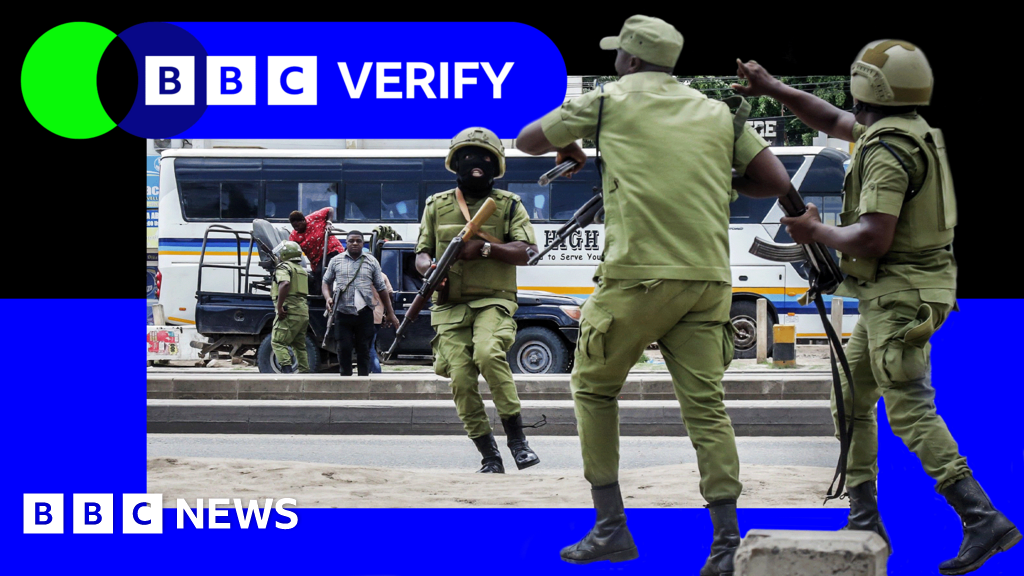
In a sharply escalating crisis, Tanzania finds itself caught in a maelstrom of violence and international warning. Recent reports, verified by BBC and multiple sources, reveal a brutal suppression of protests that erupted amidst contested presidential and parliamentary elections. The scenes emerging from cities like Dar es Salaam, Mwanza, and Arusha depict a nation grappling with deeply rooted political unrest and a government willing to marshal lethal force. The aftermath—hundreds of casualties, detained opposition figures, and a near-total internet blackout—illuminates a troubling chapter in Africa’s ideological landscape, casting long shadows over regional stability.

The elections that sparked these protests were marked by allegations of systematic suppression. Incumbent President Samia Suluhu Hassan secured an overwhelming 98% of the vote, in a result viewed with skepticism by opposition leaders and international observers. Opposition figures faced arrests, bans, and restrictions, raising significant questions about the nation’s democratic trajectory. The OHCHR warned that at least 500 lives have been lost, with many more injured or detained—harsh indicators of a government cracking down on dissent with indiscriminate violence.

The violence peaked on the streets of Dar es Salaam, where heavily armed police units confronted young protesters, firing tear gas, live rounds, and pursuing fleeing crowds in a display of force reminiscent of authoritarian regimes. Eyewitness videos depict harrowing scenes: bodies lying beside main roads, bloodstains marking streets, and hospitals overwhelmed with casualties. Analysts specializing in African geopolitics suggest that this brutal repression is a deliberate effort to silence the younger generation, a movement frustrated by economic stagnation and entrenched political leadership. The international community faces a critical test—whether to condemn these actions or accept them as the new normal, thereby emboldening tyranny across the continent.

As the UN calls for investigations into the killings and violations, the Tanzanian government remains defiant, refusing to release detainees and refusing to admit fault. The region’s stability hangs in the balance; a failure to address these widespread abuses threatens to destabilize a vital corridor in eastern Africa. Historically, analysts have warned that unchecked power and suppression often lead to long-term chaos, reminiscent of past coups and civil conflicts. Tanzania’s current path could either become a cautionary tale or a testament to resilience, depending on the course of events in the coming weeks.

In this unfolding story of loss and resilience, every gunshot, every life lost, becomes a part of the broader narrative in Africa’s ongoing struggle for real democracy and national sovereignty. The world watches as a nation’s future hangs on a knife’s edge, with history waiting to record whether Tanzania’s currents of repression will ultimately lead to reform or further turmoil. Humanity must grapple with the weight of this moment, knowing that the choices made today will echo through generations to come—a stark reminder that some chapters of history are written in blood, and the struggle for freedom remains as urgent as ever.

Parents Exonerated After Hertfordshire Police Admit Unlawful Arrest Over WhatsApp Dispute

Unlawful Police Action in United Kingdom Raises Global Concerns on Civil Liberties and Governance

In a recent incident that has galvanized public opinion and drawn international scrutiny, Hertfordshire police admitted that the arrest of Rosalind Levine and Maxie Allen was unlawful after they complained about their daughter’s primary school on WhatsApp. The incident, which resulted in the detention of the couple for 11 hours, underscores potential overreach in law enforcement practices under the guise of maintaining order and public safety. Their case exposes a troubling pattern of government institutions, notably law enforcement agencies, overstepping boundaries—an issue resonant across democracies striving to balance security with personal freedoms.

The couple’s ordeal began with allegations of harassment, malicious communications, and causing a nuisance, but the authorities later conceded that the criteria for their arrest, as outlined in the Police and Criminal Evidence Act 1984, were not met. Consequently, the police force acknowledged the arrest was unlawful and agreed to a payout of £20,000—a figure seen by legal analysts as both an apology and a stark reminder of the force’s misjudgments. Such admissions serve as a catalyst for wider debates: how many similar cases are ongoing silently, and how many citizens are being unjustly targeted for exercising their rights to free expression and scrutiny of local authorities?

Global Implications: When State Power Meets Civil Disobedience

This incident in Britain echoes a broader trend observed in various nations where governments confront dissent through administrative and sometimes aggressive law enforcement actions. International institutions like The United Nations and Amnesty International have repeatedly warned against the erosion of civil liberties, emphasizing the importance of safeguarding free speech—especially when directed at public institutions such as schools and local authorities. Historian Mary Beard and political analysts have cautioned that, as governments tighten control amid societal tensions, the risk of authoritarian drift increases, threatening the foundational values of democracy itself.

Moreover, the case reveals how social media, often heralded as a tool for empowerment, can inadvertently become a battleground where public officials view criticism as a threat rather than constructive feedback. The school’s response—banning Levine and Allen after their social media comments—fits a disturbing pattern of institutions attempting to silence critics, even at the cost of unsettling democratic principles. These actions have broader geopolitical impact; they reinforce a narrative of government overreach, surreptitiously narrowing the space for civic engagement and public accountability across nations.

The Shadows of Legitimacy and the Fight for Civil Rights

Analyzing this case from a geopolitical perspective, it becomes clear that how nations handle internal dissent has repercussions far beyond local borders. The incident signals a need for robust legal protections that prevent abuse of authority. International watchdogs insist that reforms in law enforcement practices are crucial to defending individual rights, especially for vulnerable populations like children with disabilities. The case unearths a critical divergence: on one side, democratic societies cherish free expression, while on the other, authoritarian-leaning regimes seek to control narratives and suppress dissent—sometimes through illegal actions.

Global organizations and political analysts warn that unchecked government power—if left unchallenged—may accelerate shifts toward authoritarianism, undermining the prospects for vibrant, free societies. The British government‘s admission of fault in such a straightforward case could serve as a warning or a blueprint for reform in other countries where legal overreach burdens citizens and causes societal fractures. As history’s long arc bends, the unresolved question remains: will governments learn to balance security with liberty, or will they continue to trample the rights they sworn to protect?

As the weight of history presses forward, the case of Levine and Allen leaves us pondering a profound truth—every decision, every law, every police act is a thread in the vast tapestry of a nation’s legacy. Future generations will look back at these moments, questioning whether we defended justice and freedom or allowed darkness to seep into their bedrock. The pages of history are still being written, and the outcome depends on what citizens and leaders choose in the moments of crisis—before the fabric of society is forever torn.

Australia News Live: ACT Shuts 71 Schools Over Sand Scare, NSW Police Crack Down on Domestic Violence—Protecting Our Communities

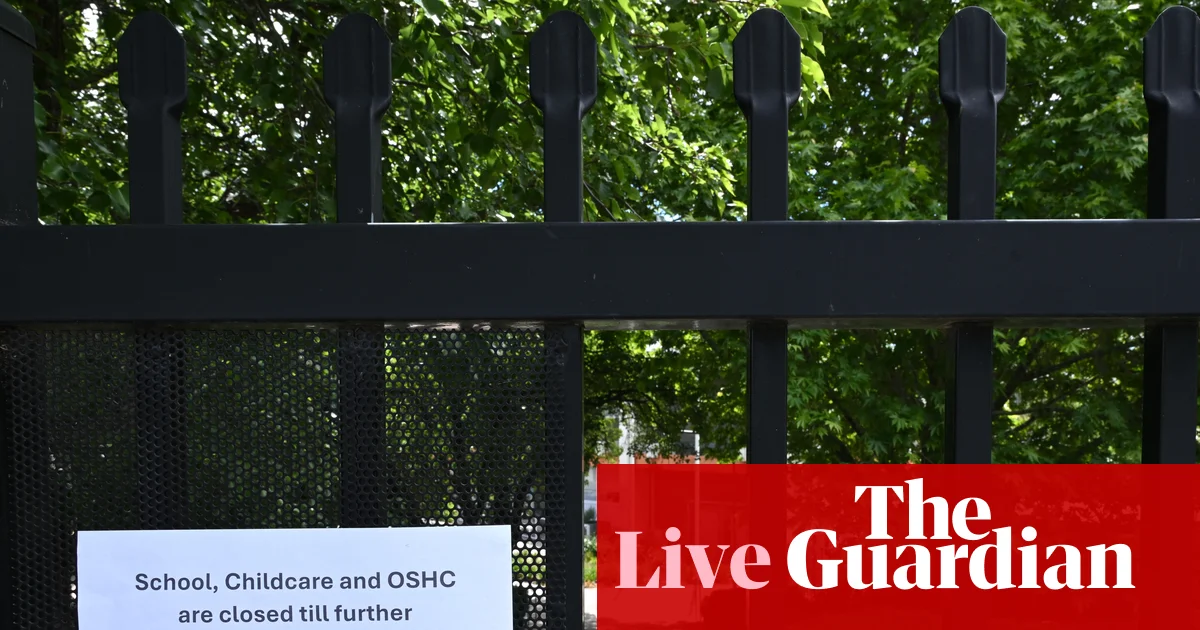
The geopolitical landscape is perpetually shifting, often influenced by key domestic decisions made within sovereign nations. Recently, Australia exemplifies this pattern through a series of dramatic developments that signal both internal challenges and external strategic recalibrations. The recent closure of 71 public schools in the ACT over fears of asbestos-laden children’s sand, alongside ongoing debates over immigration and energy policies, underscore how internal domestic issues can ripple outward, affecting international perceptions and alliances.

Meanwhile, in the wider global arena, significant shifts have occurred, notably with U.S. President Donald Trump signing an executive order easing tariffs on food imports, including beef and bananas. This move reflects a nuanced strategy aimed at addressing inflationary pressures domestically, but it also signals a broader tendency towards protectionism that could strain international trade networks. Patrolling these trade corridors, Australia’s Prime Minister Anthony Albanese reasserts the importance of global trade, framing it as a “bulwark against conflict”. Analysts from think tanks suggest that such rhetoric not only emphasizes economic cooperation but also highlights how trust in international partners can serve as a foundation for diplomacy, promising a buffer in times of crises.

Yet, Australia’s internal struggles — from the asbestos fears leading to school closures to contentious debates over immigration levels—a clear reflection of how decisions at home wield profound consequences for societal stability and international standing. Sussan Ley, the opposition leader, openly advocates for a reduction in immigration, citing community challenges such as transportation and infrastructure strains. Their stance, though controversial, reveals a broader tension on the alliance between open borders and national security, echoing concerns raised by historians and policy analysts who warn that unchecked demographic shifts can challenge social cohesion and political stability. Meanwhile, government funding for climate resilience projects across Australian states underscores a dual narrative: managing environmental threats while navigating economic constraints, as seen in the proposed $200 million investment in weather-resistant infrastructure.

Externally, unresolved conflicts and international economic policies intertwine with national strategies. With Australia poised at the crossroads—balancing energy independence, climate commitments, and economic revival—its path forward will inevitably influence regional stability and global alliances. The decision to support, or oppose, transitioning toward renewable energy sources and industrial resilience could determine whether Australia becomes a reliable partner or an unpredictable actor on the world stage. Historic analysts warn that in a world where “trust” is becoming a scarce commodity, the decisions of now will shape the geopolitical order of decades to come, a story still being written with each policy choice and international shift.

Nine Dead in Mishap at Kashmir Police Station—Authorities Confirm

Tragedy at Nowgam Police Station Sparks Broader Concerns in Indian-Administered Kashmir

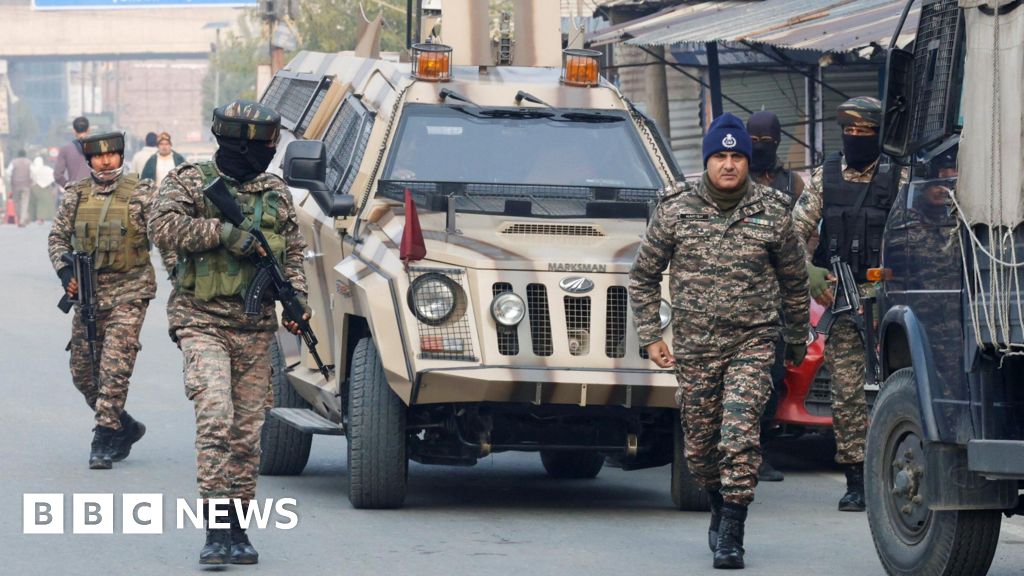
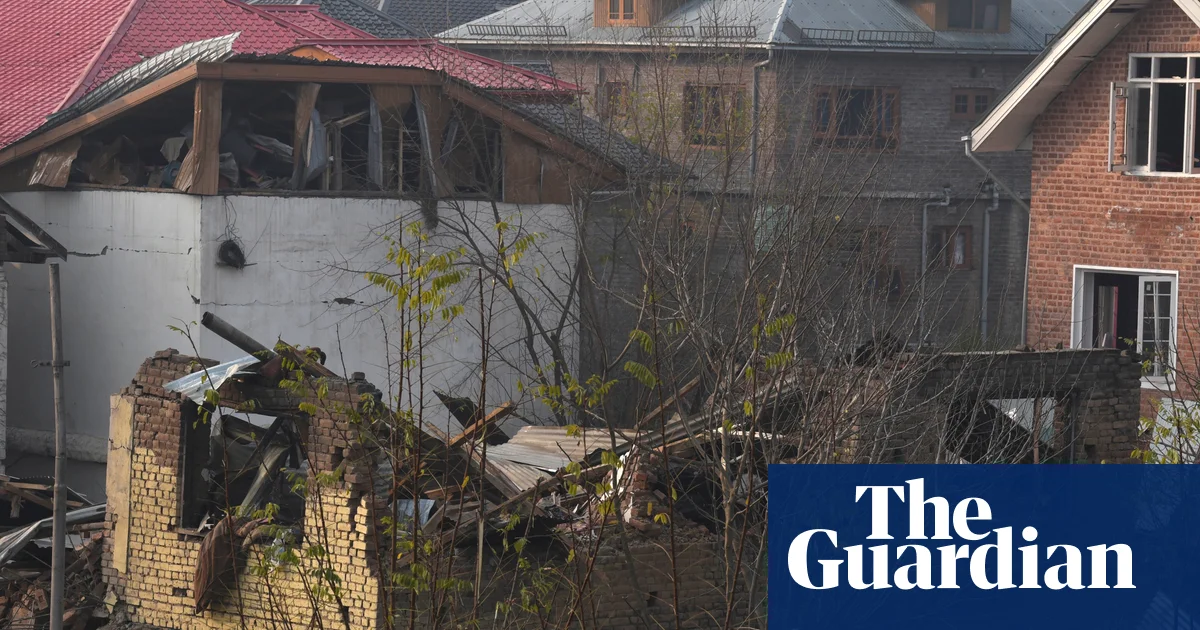
The recent explosive accident at the Nowgam police station in Indian-administered Kashmir has sent shockwaves through a region already steeped in complex, often violent, geopolitical tensions. Official reports confirm that nine lives were lost and 32 others injured after a stockpile of confiscated explosives detonated during handling. Authorities insist this was a tragic accident, not a terrorist act—yet the incident underscores how fragile peace remains in this highly contested territory. The region, long a flashpoint between India and local independence aspirations, often bears the brunt of violence, and this latest mishap adds yet another layer to the ongoing chaos that analysts warn could escalate if not carefully managed.

The explosion’s timing closely follows a recent deadly terror incident in Delhi, where a car blast claimed multiple lives. Such events highlight a disturbing pattern: a region where clandestine conflicts, terrorism, and political unrest intermingle with tragic regularity. The Indian government, under the scrutiny of international organizations like the United Nations and global watchdogs, continues to grapple with balancing security and civil liberties. Experts like Indian historian Dr. Ranjit Verma emphasize that these incidents—whether accidents or acts of violence—are deeply interconnected with the unresolved tensions over the region’s future and sovereignty. Governments and analysts must acknowledge that the more unstable the status quo, the greater the risk of this volatile situation spilling into broader regional conflicts.

The geopolitical impact of these incidents extends beyond Kashmir’s borders, resonating with neighboring countries and global powers. China, with its own interests and territorial claims concerning India and neighboring Pakistan, watches these developments with concern. Meanwhile, Pakistan continues to accuse Delhi of escalating military presence and oppressive policies in Kashmir—factors that significantly contribute to regional instability. The incident at Nowgam serves as a stark reminder of the dangerous heat generated by unresolved territorial disputes, nuclear-armed nations, and extremist factions vying for influence. The international community, especially organizations like the United Nations, faces mounting pressure to facilitate dialogue, but historical skepticism remains. Past failures to broker lasting peace reveal how deeply entrenched these conflicts are and how quickly accidents can spiral into broader crises.

As the dust settles on the Nowgam explosion, the larger narrative of history continues to unfold—one driven by decisions that ripple across nations and societies. The handling of this tragedy will be a crucial test for Indian authorities and international mediators alike. The stakes are high; an escalation in violence could threaten regional stability and undermine decades of diplomatic efforts aimed at peace. As analysts warn, “if miscalculations persist, it could open a new chapter of relentless cycle of violence and mistrust.” In the shadows of this tragedy, the future of Kashmir hangs in the balance, a stark reflection of unresolved conflicts that remain painfully unresolved, yet continue to define the geopolitical landscape of South Asia. The pages of history are turning, and the world watches, knowing full well that in this silent yet deadly arena, the next blow could find echoes far beyond these mountains — forever shifting the course of nations.

Explosive stash inside Kashmir police station detonates, killing nine—authorities scramble to contain chaos

Explosive Tensions Rise in India-Controlled Kashmir

The recent deadly blast at a police station in Kashmir‘s main city, Srinagar, underscores the fragile security situation in this disputed region. The explosion, which claimed at least nine lives—primarily police and forensic officials—and injured 32 others, has sent shockwaves through international geopolitical circles. As authorities initially framed the incident as an accidental explosion during forensic sampling, its timing amid ongoing counter-militant operations raises significant questions about underlying tensions and the prevailing atmosphere of instability.

Recent Events and International Reactions

  • The blast followed a series of high-profile British Indian and other foreign nationals’ arrests in Faridabad, revealing efforts to dismantle a suspected militant cell reportedly involved in planning or executing terror activities across India. Authorities seized large quantities of bomb-making material, signaling a potentially dangerous escalation in the region’s militant activity. This operation, coupled with the dismantling of the cell, fuels fears of increased violence, primarily aimed at destabilizing Indian-controlled Kashmir.
  • Just days prior, India experienced a deadly car explosion near the historic Red Fort in New Delhi, which the government swiftly labeled a “heinous terror incident” perpetrated by “anti-national forces.” This chain of violent episodes exemplifies the ongoing security challenges that threaten regional stability and complicate diplomatic efforts in resolving the Kashmir conflict. International analysts, including those from the United Nations and various think tanks, warn that such violence could escalate further if political solutions are not prioritized over brute-force operations.
  • Meanwhile, Pakistan has issued cautious statements, condemning violence on both sides while refusing to comment directly on India’s internal security measures. This strategic ambiguity maintains the status quo, but international observers argue that this delicate balance risks unraveling if violence continues unabated — especially with both nations wielding nuclear arsenals amid rising nationalist sentiments.

Geopolitical Impact and Future Implications

The geopolitical impact of these events reaches beyond South Asia. India‘s resolve to fight militant threats within Kashmir aligns with its broader goal to project strength and maintain sovereignty over the region. However, critics argue that excessive force and controversial security practices may only deepen local resentment and provide ammunition for militant recruitment. International organizations, including the World Security Council, repeatedly emphasize the importance of diplomatic engagement and respect for human rights as vital components to sustainable peace.

Furthermore, the incident at Srinagar—initially dismissed as an accidental explosion—serves as a stark warning of how unresolved conflicts and clandestine militant networks can turn deadly without decisive political intervention. Historians such as Benedict Rogers warn that history shows violent flare-ups in Kashmir often serve as catalysts for wider regional destabilization, impacting neighboring Pakistan, China, and even drawing in external powers like the United States and Russia.

The unfolding scenario exemplifies how decisions made behind closed doors—whether in military raids, diplomatic negotiations, or international aid—vibrate through the social and political fabric of the region. As history continues to be written in blood and resilience, the weight of unresolved disputes, ideological clashes, and external interests threaten to plunge South Asia into persistent turmoil, with global consequences that echo far beyond the mountains and deserts of Kashmir.

DHS Hid Chicago Police Data for Months, Flouting Espionage Laws

US Government Accelerates Digital Surveillance Infrastructure, Signaling Major Disruption for Tech and Security Sectors

The recent revelations about the Department of Homeland Security’s (DHS) expanding ambitions highlight an aggressive push towards integrating public safety and commercial data through groundbreaking technological innovations. As DHS’s budget nears $191 billion, its focus on eliminating information silos signals a new era of *disruptive* government-driven data fusion, setting a precedent that could reshape both security operations and industry standards. The March 2025 executive order that urges federal agencies to streamline and consolidate data repositories indicates a strategic move to leverage cutting-edge AI capabilities for enhanced surveillance and enforcement, marking a significant shift in how national security apparatuses operate.

At the heart of these initiatives lies the FBI’s watch-listing system, including the Terrorist Screening Dataset and the Threat Screening Center’s TADP list, which, according to newly obtained records, is evolving beyond its initial scope. While explicitly excluding U.S. citizens and lawful residents, authorities are broadening definitions of threat-related entities—sometimes blurring lines to include individuals with *vague associations* with groups like Latin Kings or drug cartels. This approach harnesses *innovation* in data analytics and AI to connect seemingly disparate information sources—ranging from border crossings to social support networks—creating a comprehensive digital footprint that could revolutionize enforcement strategies but raises serious privacy and civil liberties concerns.

Disrupting Traditional Boundaries in Security and Business

The recent decision by the FBI to expand its TADP list to include the Latin Kings exemplifies the shifting *industry landscape*. The move illustrates a departure from traditional law enforcement boundaries, integrating commercial and public data to facilitate broader targeting mechanisms. This is compounded by the DHS’s ongoing efforts to merge domestic and international data sources, effectively creating a unified, real-time monitoring ecosystem. Such integration not only disrupts legacy security models but also opens new avenues for innovative *private sector* technologies, including advanced AI, real-time analytics, and large-scale data management systems. Industry leaders like Palantir or Darktrace are already positioning themselves as critical enablers of this new intelligence paradigm—offering tools capable of processing vast datasets with unprecedented speed and accuracy.

  • Key features of this digital overhaul:
  • Fusion of sensitive public and commercial data streams for comprehensive surveillance.
  • Implementation of AI-driven watch-list algorithms, with real-time updates and alerts.
  • Expanding scope to include broader definitions of threat entities, blurring conventional lines of suspicion.

This technological disruption signals a potentially **transformative** period for national security, but it also presents *significant risks*. Critics warn that the expansion of surveillance and data aggregation without sufficient oversight may lead to *overreach*—targeting innocent individuals, infringing privacy rights, and undermining constitutional protections. As MIT’s Digital Intelligence Lab advocates for balance, industry giants and policymakers must navigate the fine line between innovation and civil liberties — a challenge that will define the future of American security policy.

Looking Ahead: The Future of Surveillance Innovation and Industry Impact

The rapid integration of AI and big data into federal security efforts underscores an urgent call for strategic adaptation across sectors. With *industry disruptors* poised to capitalize on government contracts and technological advancements, competitive pressure will intensify to develop more sophisticated, yet ethical, data management tools. Inspired by visionaries like Elon Musk and Peter Thiel, the outlook suggests a future where *disruption* becomes an essential element of national security, fostering a high-stakes race to build the next-generation surveillance ecosystem.

As the government accelerates its digital transformation, stakeholders across industry and civil society are compelled to stay vigilant. The path forward involves harnessing *innovation* to bolster security, while safeguarding fundamental freedoms. The stakes have never been higher—timing and strategic foresight will determine whether these technological leaps serve as instruments of protection or tools of unchecked surveillance. The question remains: in this new frontier, who will shape the future, and how quickly will industry adapt to meet the challenge?

NSW Police Under Fire for Double Standard at Neo-Nazi Rally Amid Jewish Groups’ Call for Justice

Global Wake-Up Call: Neo-Nazi Rally in Australia Ignites Widespread Criticism

The recent approval of a neo-Nazi rally outside the New South Wales parliament by authorities has sent shockwaves across the international community, exposing troubling cracks in the global fight against extremism and hate speech. Despite the existence of controversial hate-incitement laws, decision-makers in Australia allowed a gathering of about 60 individuals clad in black—calling openly for the abolition of the Jewish lobby—raising questions about the consistency and effectiveness of anti-hate legislation worldwide.

Double Standards and Political Fallout

In an unprecedented move, NSW police authorized the rally under the so-called form 1 process, a procedural step that allows authorities to approve protests unless explicitly objected to. However, police commissioner Mal Lanyon claimed ignorance of the rally’s approval until after it was underway, citing a “communication error”. The event’s approval sparked widespread condemnation from Jewish advocacy groups, human rights organizations, and political leaders alike. Premier Chris Minns publicly acknowledged that the rally should not have been authorized and announced a review into the police’s decision-making processes, highlighting a troubling inconsistency in law enforcement response: similar processes had previously been applied to pro-Palestinian protests, which faced swift challenges, yet far-right demonstrations such as this neo-Nazi rally were seemingly given a pass.

Societal and Geopolitical Ramifications

Analysts warn that this glaring double standard has broader underpinnings impacting geopolitical stability. As global institutions like the United Nations call for stronger measures against hate speech, national governments face mounting pressure to reconcile civil liberties with the imperative to curb rising far-right extremism. The incident raises questions about the effectiveness of existing hate laws and their enforcement in democratic societies that value free protest yet struggle to contain dangerous rhetoric. While authorities debate expanding police powers, the world watches tightly—concerned that Australia’s failure to prevent this rally could embolden similar acts of hate elsewhere.

Calls for meaningful action

Prominent figures such as Sarah Schwartz, CEO of the Jewish Council of Australia, have accused police of inconsistency, emphasizing that neo-Nazi acts—though dressed as protests—are unmistakably acts of hate speech. Meanwhile, Alon Cassuto, head of the Zionist Federation of Australia, condemned the rally as a breach of democracy, urging a comprehensive investigation into how such a rally could be permitted in a nation that recently adopted strict laws against inciting racial hatred.

In response, Premier Minns expressed regret and contemplated granting police additional powers to shut down racist and hateful events—yet critics argue that existing laws are sufficient, demanding a concerted effort to implement and enforce them effectively. Global voices like the Human Rights Law Centre suggest that Australia’s failure reflects a broader cultural struggle: how to balance freedom of expression with the urgent need to combat renewed white supremacist violence.

As the dust settles, the question remains whether this incident serves as a turning point or mere headline in the ongoing battle against international hate. History watches silently as a nation grapples with its own divided conscience—trying to root out hatred without trampling on the civil liberties that define its democracy. The outcome will resonate far beyond Australian borders, shaping the future of how societies confront the darkest currents of history still swirling beneath modern veneer.

Social Media Auto Publish Powered By : XYZScripts.com