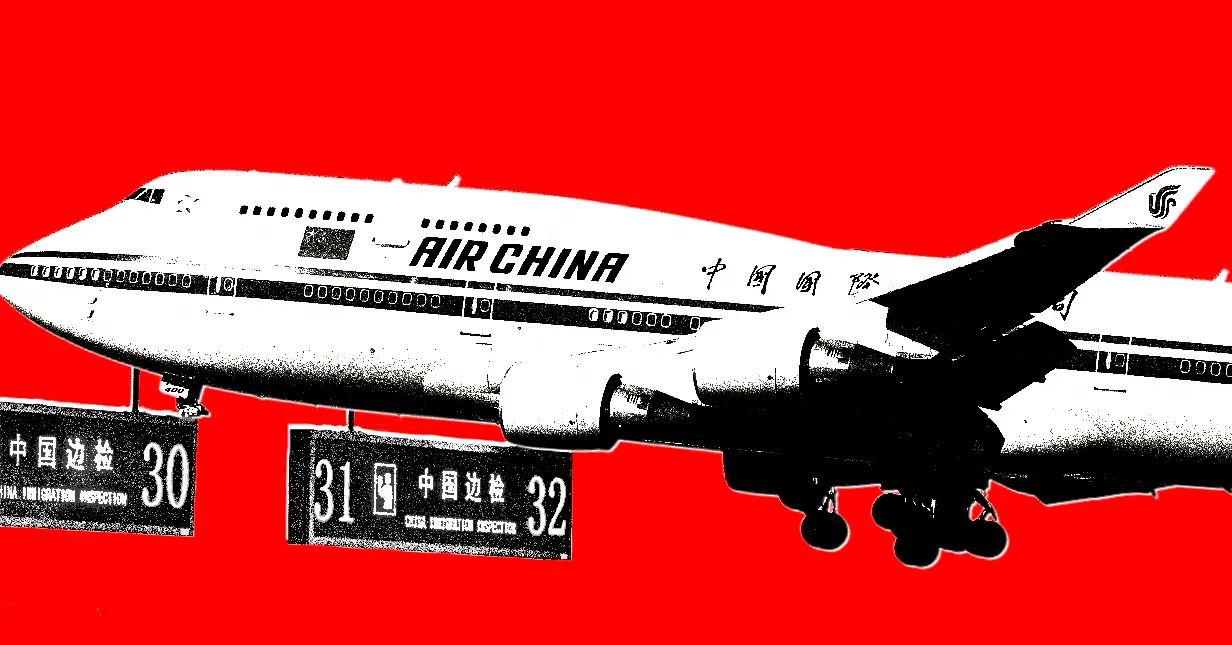

China’s New Visa Program Signals Strategic Push for Global Tech Talent
In a bold move demonstrating disruption and modernization, China has launched the K visa initiative, explicitly designed to attract young STEM professionals from top universities worldwide. The policy, unveiled amid rising youth unemployment and mounting international competition for technical talent, marks a strategic shift in China’s approach to fostering innovation-driven growth. While it echoes the US’s H-1B system on the surface, China underscores that its program primarily aims to facilitate international exchange and cooperation rather than simply staffing its industries.
The launch of the K visa signifies more than just a talent acquisition effort; it symbolizes a broader industry disruption—particularly in the global race for next-generation technologies. Industry analysts suggest this move could recalibrate the balance of technological innovation, positioning China as an increasingly attractive hub for scientific research and development. Experts like Gartner and MIT researchers warn that this could accelerate China’s ascent as a dominant player in AI, biotech, and quantum computing—areas crucial for future economic dominance. The implications for business leaders are clear: companies aiming to stay ahead must now consider China not just as a manufacturing powerhouse but as a key innovator and partner in STEM collaborations.
Disruption and Industry Shifts
The K visa’s arrival has generated a complex landscape of competitive disruption and geopolitical tension. While President Trump’s policies have tightened visa restrictions in the US, China’s more open stance is reshaping the global talent pipeline, creating a market shift that could favor Chinese innovation hubs over traditional Western centers. This move is part of a broader agenda to diminish reliance on foreign talent—yet paradoxically, it leverages international expertise to bolster domestic capabilities. It signals a paradigm shift: nations are now competing not just through tariffs or economic sanctions but via **human capital and technological collaboration**.
- Enhanced pathways for foreign STEM professionals to study, work, and innovate in China
- Potential acceleration of China’s leadership in emerging tech sectors
- Intensified competition with Western nations for top-tier talent pools
- Risks of social backlash and nationalistic resistance, indicating complex political undercurrents
However, industry insiders warn that the program’s success hinges on carefully balancing international openness with nationalism, as social media buzz reveals resistance rooted in fears of job displacement and cultural marginalization. Critics highlight that the backlash, often tinged with nationalist rhetoric, could hamper China’s efforts to establish a sustainable innovative ecosystem. Still, the Chinese government remains committed to this strategic push, signaling a clear message to the global tech community: the quest for technological supremacy is now fought on human resource fronts.
Looking Ahead: Urgency in the Tech Race
This evolving scenario places the global tech landscape at a tipping point. As Peter Thiel and other visionary investors emphasize, the future belongs to those who can attract and mobilize talent at scale. Countries that succeed in doing so—whether through policies like China’s K visa or similar initiatives—will set the tone for decades to come. The window for Western nations to innovate proactively and foster open yet strategic talent pipelines is closing fast. The pursuit of disruption and frontier innovation demands action now, as the fusion of talent and technology becomes the defining arena of global power.
In this high-stakes environment, staying ahead requires not only technological breakthroughs but also innovation in talent acquisition and mobility strategies. The race for supremacy in the tech economy is accelerating, and the nations that recognize this shift earliest will shape the future landscape of global influence and prosperity. The time to act is now—disrupt or be left behind.