Matox News

Truth Over Trends, always!

Over 30 Dead in Tamil Nadu Political Rally Attack—Security Must Do More

Deadly Crush at Tamil Nadu Political Rally Sparks International Concern over Safety and Governance

The recent crush at a political rally in Tamil Nadu, India, resulting in at least 36 fatalities, underscores deeper issues related to crowd control, governance, and public safety that reverberate far beyond the Indian subcontinent. The incident, which unfolded during a campaign event for actor-turned-politician Vijay, reflects an alarming pattern of preventable tragedies that have plagued India’s mass gatherings. As tens of thousands of spectators packed into the Karur district, the delayed start and inadequate safety measures culminated in chaos, leaving families shattered and authorities under scrutiny. Analysts and international organizations are now raising questions about the capacity of Indian institutional frameworks to safeguard both public and political assemblies.

Global stakeholders and security experts warn that such tragedies are symptomatic of broader governance failures. In recent years, India’s reputation has been tarnished by repeated incidents where poor crowd management, insufficient emergency preparedness, and lax regulatory oversight have contributed to avoidable loss of life. The incident echoes past calamities at the Kumbh Mela festival and stadium crushes, which have triggered calls for urgent reforms. Organizations like Amnesty International and Human Rights Watch have criticized Indian authorities for neglecting critical safety audits and emergency infrastructure, with some analysts emphasizing that political appeasement often outweighs practical safety considerations in such mass events.

The geopolitical impact of these recurring tragedies extends beyond domestic borders, influencing India’s international image amid an increasingly tense global environment. India’s leadership under Prime Minister Narendra Modi has faced mounting pressure to demonstrate competence and responsiveness, especially as the nation seeks to assert its regional dominance and attract foreign investment. The incident has drawn condemnations from various international bodies, with some voices warning that neglecting public safety erodes the foundation of social trust needed for nation-building. Historians like Ramachandra Guha note that such failures threaten to undermine India’s reputation as a burgeoning global power, emphasizing that persistent safety lapses risk long-term international credibility.

In the wake of this tragedy, India’s government has promised an inquiry into the event and announced compensation to the victims’ families. Yet, many experts contend that these gestures, while necessary, are merely stopgaps in a larger systemic failure. Emergency response teams are often strained, and the regulatory environment remains fraught with loopholes that allow unsafe practices to persist. How nations respond to such incidents is a litmus test of their governance resilience and commitment to human life. Meanwhile, voices from the international community warn against complacency — highlighting that the longevity of India’s democratic institutions depends on their ability to prevent such preventable tragedies, rather than merely reacting to their aftermath.

As the dust settles and the world watches, the tragic toll at Tamil Nadu serves as a haunting reminder that history’s pages are still being written. This incident is not merely a story of loss but a stark call for accountability and reform. The questions of safety, governance, and societal responsibility loom large — as the weight of history presses upon the present, urging nations and leaders alike to confront the urgent need for systemic change. In the shadows of this tragedy, the future remains uncertain, yet unmistakably tense, awaiting the decisive actions that could prevent the next bloodstained chapter from unfolding in the annals of international history.
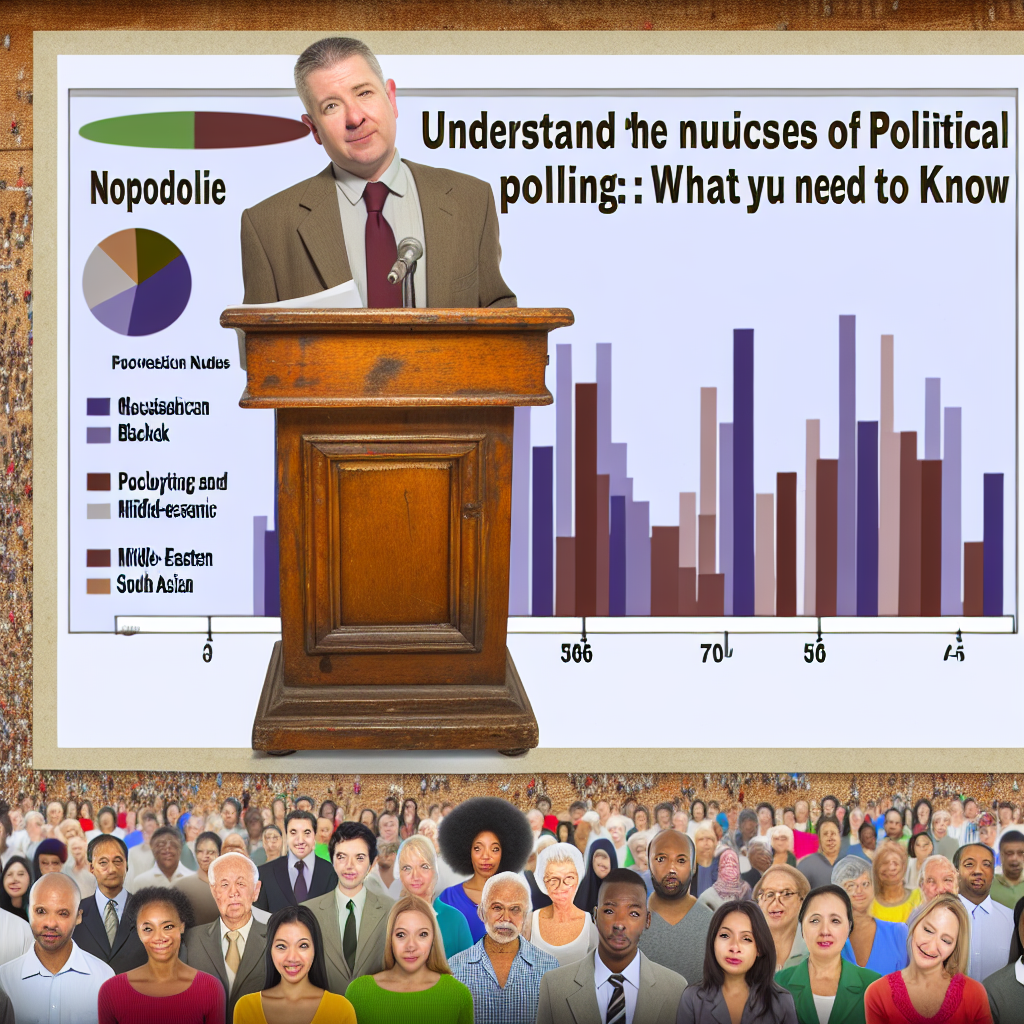
Understanding the Nuances of Political Polling: What You Need to Know

In today’s world, data is everywhere, influencing our perspectives and shaping our beliefs. It’s not just about numbers; it’s about understanding what those numbers reveal about our society. Enter Harry Enten, a keen observer of trends and statistics, who is committed to unpacking the layers of information that define us. With his unique approach, he seeks to highlight how data reflects our values, interests, and identity.

Enten’s mission doesn’t just stop at analyzing data; he aims to connect the dots between numbers and real-life implications. For young people navigating the complexities of modern life, gaining insight into data-driven narratives can empower them to view issues more critically and make informed decisions. Understanding the story behind the stats is crucial for the proactive youth of today, who want to engage with the world around them meaningfully.

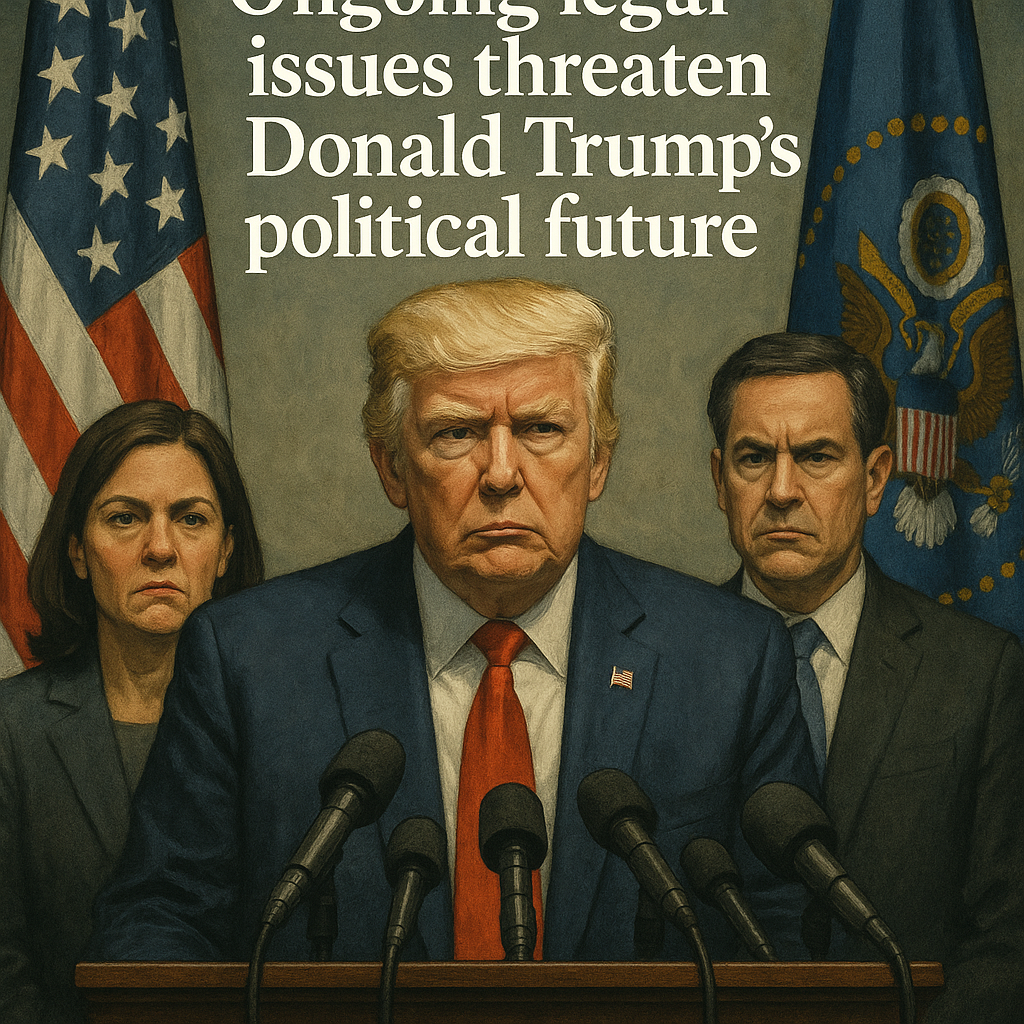
Ongoing legal issues threaten Donald Trump’s political future

In the ever-evolving theater of American politics, former President Donald Trump once again emerges as a central figure, announcing his bid for the White House amid a landscape rife with power struggles, ideological clashes, and constitutional debates. This move signals a potential reset of the Republican Party’s trajectory, emphasizing a return to core conservative principles that have galvanized his base. Yet, it also underscores an intense competition for influence within the party’s future, where who controls the narrative could determine the electoral outcomes and policy directions of the nation.

This renewed campaign-place has starkly illuminated intra-party tensions, highlighting the ideological cleavages among conservatives and libertarians, and the influence of populist rhetoric. Navigating this terrain demands an understanding of the power dynamics at play. Critics argue Trump’s return signals a resistance to the political establishment, a drive to reclaim populist sovereignty rooted in traditionalist values, and an unwavering belief in the notion that the government’s role is to serve the people, not bureaucrats. However, entrenched party elites and mainstream media outlets push back, framing his bid as disruptive — a challenge to the bipartisan consensus that often blurs patriotic priorities with entrenched interests.

Historically, political power struggles have always centered on who controls the levers of influence and how decisions impact the populace. The current landscape echoes the volatile shifts seen during the Gilded Age or the tumultuous 1960s, where the contest for American identity was fought on the battlegrounds of policy, culture, and constitutional authority. Critics of Trump’s campaign highlight the constitutional tension surrounding executive authority, free speech, and election integrity, with some legal scholars raising concerns about the implications of his rhetoric for democratic stability. Yet, his supporters argue that he embodies an authentic voice of frustration among the American electorate—an agent challenging the status quo and reaffirming their belief that politics is about shaping the destiny of a nation.

Echoing the words of political philosopher Lord Acton—“Power tends to corrupt, and absolute power corrupts absolutely”—these battles over influence are not merely about personalities or policies but are strategic chess moves that determine the contours of American sovereignty. Whether Trump’s bid will alter the balance of power, or whether new trajectories emerge from within the party itself, remains uncertain. However, what is clear is that the stage is set for a decisive clash—where every decision, every rally, and every legislative push rewrites the very narrative of the nation’s future. Political destiny, after all, is written in the crucible of conflict, where the true power lies not in the office held, but in the vision for the country’s soul.

Social Media Auto Publish Powered By : XYZScripts.com