Matox News

Truth Over Trends, always!

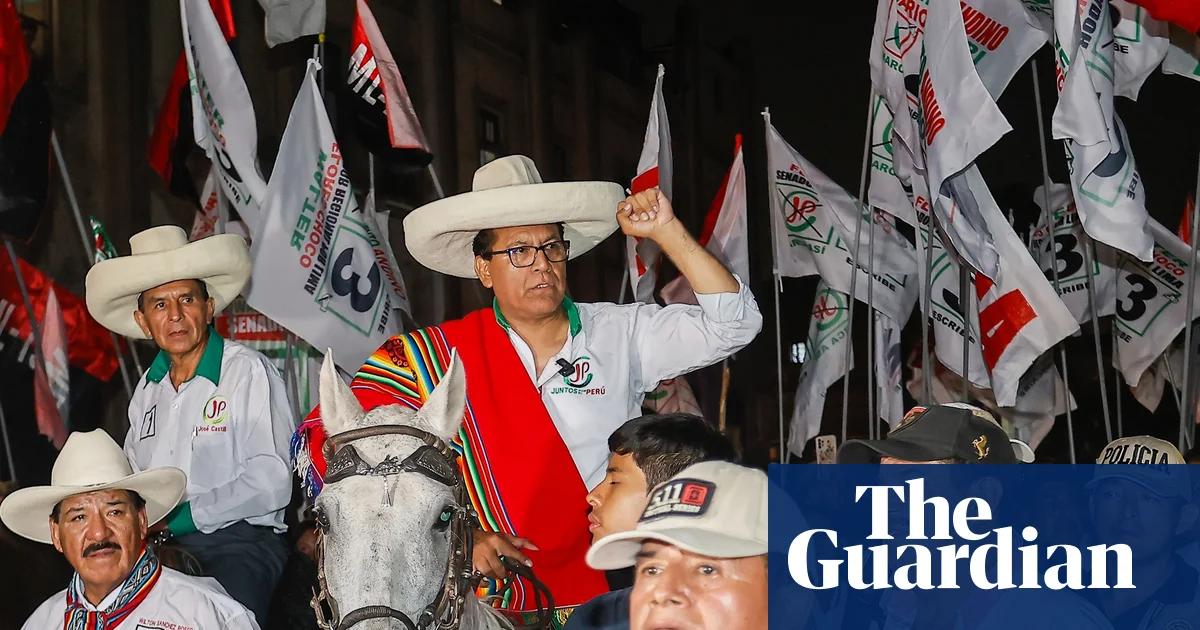
Peruvians Vote to End Year of Political Turmoil

As Peru heads to the polls on Sunday, the nation stands on the brink of what could be a defining moment in its turbulent political history. The country, suffering from deep-rooted systemic instability, is grappling with a record 35 presidential candidates vying for power amidst a landscape rife with corruption, surging crime, and waning trust in institutions. The recent upheavals have created a perfect storm where the long-standing crisis of governance threatens to reshape the country’s future while exposing the vulnerabilities in Peru’s fragile political fabric.

  • The upcoming election is a reflection of the country’s frustration with corruption, with four former presidents currently jailed, most linked to bribes involving the multinational construction giant Odebrecht.
  • Record homicide and extortion rates highlight the urgent need for effective leadership, yet none of the candidates currently polls above 15%, suggesting a turbulent path to a clear outcome.
  • Analysts warn that the election’s unpredictability could lead to a runoff on 7 June, with surprises possibly emerging at the last minute, highlighting the volatile nature of Peru’s political landscape.

Among the contenders, Keiko Fujimori, the daughter of the former autocrat Alberto Fujimori, continues to hold a narrow lead in polls. Her repeated bids for the presidency, marked by a legacy tied to a controversial past, symbolize Peru’s ongoing struggle with its collective memory and the enduring influence of political dynasties. Meanwhile, populist figures such as Lima’s former mayor Ricardo Belmont have gained ground with promises of “hugs not bullets,” appealing to the youth and marginalized voters disillusioned with traditional politics. Analyst Gonzalo Banda remarks that Belmont’s anti-establishment stance indicates a broader dissatisfaction, capturing votes across the ideological spectrum, even as his rhetoric sometimes veers into xenophobia and sexism, further complicating the nation’s path forward.

The election also features candidates with more radical platforms, such as Jorge Nieto, a former defense minister promoting centrist policies, and Álvarez, a comedian turned political outsider who advocates for tough-on-crime measures reminiscent of Nayib Bukele in El Salvador. The emergence of a celebrity candidate who employs humor as a form of political critique underscores a broader frustration—many Peruvians feel alienated from the traditional political elite, perceiving their leaders as disconnected from the country’s urgent needs. This landscape of fractured trust signifies a deep crisis in the social contract, with nobody currently representing a renaissance capable of restoring hope or stability.

International observers, including scholars from University College London and organizations like the United Nations, warn that Peru’s choice in this election will have profound geopolitical impact. A government viewed as driftless or susceptible to populist demagoguery could embolden similar movements across the region, destabilizing a vital corridor of South America. Furthermore, the international community’s response to Peru’s political chaos will test the resilience of democratic institutions amidst a tide of discontent that threatens to spill beyond national borders. History’s pen is poised to write a chapter of upheaval and renewal—yet the outcome remains shrouded in uncertainty, leaving the world to witness the unfolding drama of a nation fighting to find its voice once more.

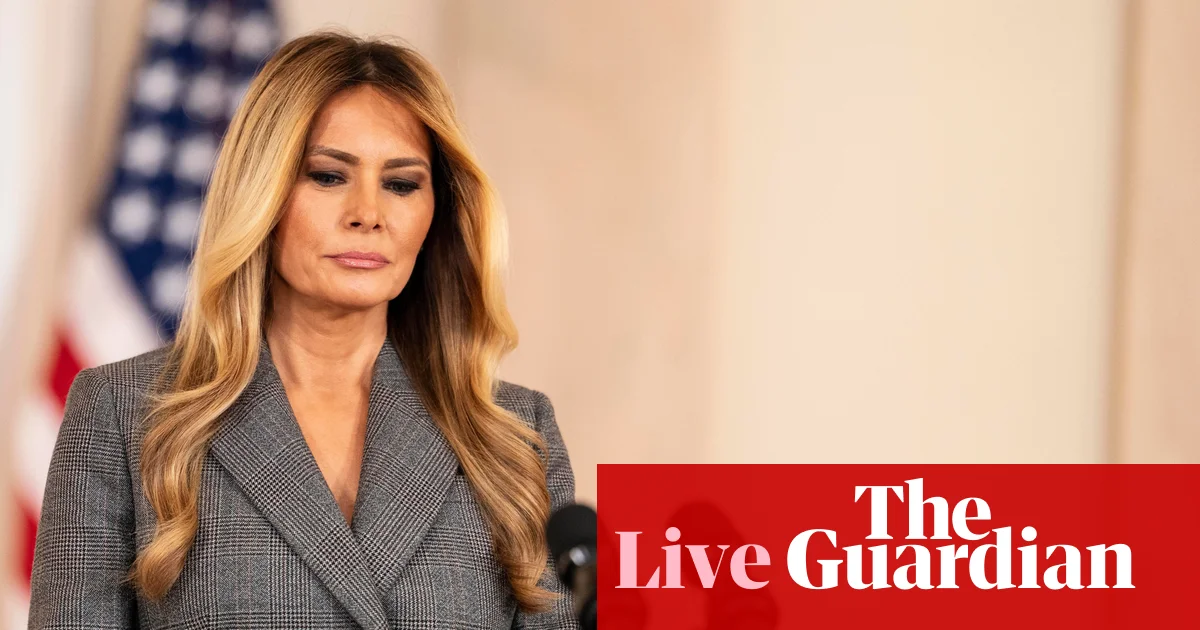
Epstein survivors hit back at Melania Trump’s unexpected remarks—US political drama heats up

Global Geopolitics in Flux: The Power Struggles and International Turning Points of 2026

As the world enters a tumultuous year, a series of high-stakes developments across the globe underscore how pivotal decisions made today will shape the geopolitical landscape for decades to come. From contentious diplomatic negotiations and ideological conflicts to economic upheavals fueled by war, nations are confronting crises that threaten stability and order. The shifting alliances, tense negotiations, and regional tensions highlight the fragile balance of power, with emerging narratives that could rewrite the history books.

In the Middle East, diplomacy is at a crossroads. Israel and Lebanon, two historically adversarial neighbors, are preparing for a first round of talks brokered in Washington. These discussions, primarily aimed at disarming Hezbollah and establishing peace, are complicated by Lebanon’s demand for a ceasefire prior to negotiations, a demand that reflects ongoing Israeli bombardments. The involvement of international mediators, including Yechiel Leiter and Nada Hamadeh Moawad, signals a renewed effort to contain regional escalation. However, with Iran’s role as a key influencer in Lebanon and Israel’s persistent military posturing, the U.S.-led talks serve as a reminder of the inherently volatile nature of Middle East geopolitics. Such negotiations, though lauded as steps toward peace, carry the risk of further destabilization if demands are unmet or if military action resumes.

Meanwhile, in Washington, internal political battles unfold amid rising economic tensions. The latest consumer price index (CPI) reveals a surge in inflation—3.3% over the past year— fueled largely by the ongoing war on Iran and soaring energy prices. Senior Democratic leaders like Elizabeth Warren and Chuck Schumer condemn the Trump administration’s approach, linking aggressive foreign policy shifts to economic destabilization at home. This economic unrest, analysts warn, reflects a broader trend: global conflicts increasingly imperil not only regional stability but also the economic fabric of superpowers. The potential for widespread inflation and market instability raises questions about the resilience of Western economies and the strategic priorities shaping U.S. foreign policy.

Adding to the global theater, Iran remains a focal point of tension. President Donald Trump has publicly declared that Iran’s regime “has no cards” and only survives by virtue of negotiations that favor the U.S. interests. As diplomatic talks in Pakistan loom, Trump’s comments on loading warships with unprecedented firepower underscore a readiness to escalate military confrontations if diplomacy fails. The threat—paired with Iran’s diplomatic ambiguity—illustrates how military threats and negotiations are entwined in a complex dance of power and deterrence. The potential for miscalculation remains high, with regional destabilization possibly igniting wider conflict, as seasoned military analysts warn that a single misstep could spiral into a larger regional war.

On the spiritual front, voices like Pope Leo caution against the destructive power of militarism, preaching that “God does not bless any conflict” and emphasizing dialogue over violence. This spiritual call echoes across religious and secular spheres, highlighting the moral dilemmas inherent in how nations pursue power. As conflicts ripple and alliances shift, the world is increasingly urged to reflect on the true cost of war. The clash of military, diplomatic, and moral imperatives creates a fog of uncertainty, where the future of peace remains precariously balanced against the relentless pursuit of national interests. As history continues to unfold, accumulating crises test the resolve of international institutions and the moral fabric of civilization itself, reminding us that the next chapter remains unwritten—fraught with peril, yet also filled with the possibility for redemption or catastrophe.

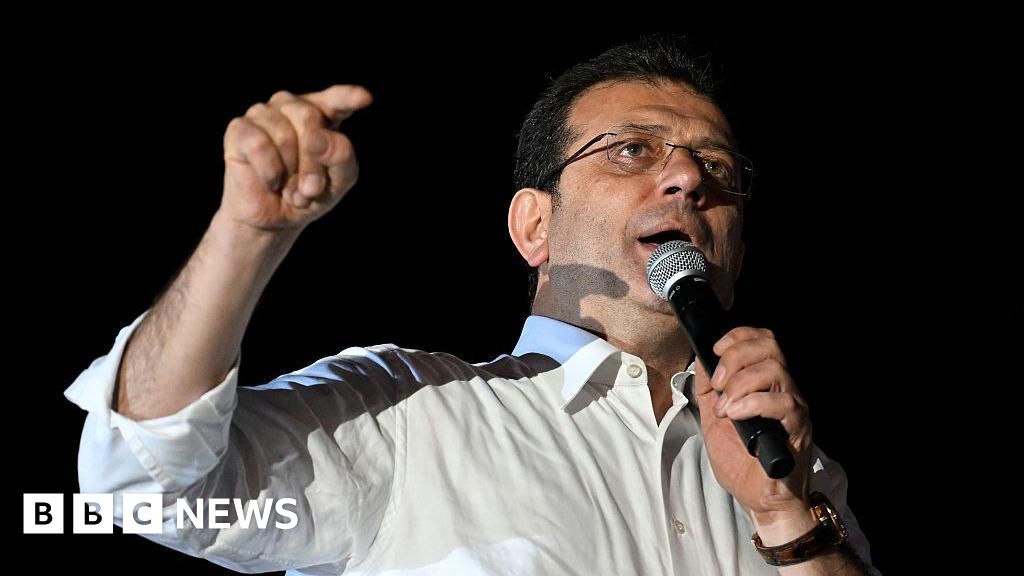
Istanbul’s Former Mayor Imamoglu Faces Corruption Charges Amid Political Challenges

In recent weeks, the international landscape has been sharply affected by high-profile prosecutions driven by political motives, which threaten the foundational principles of justice and sovereignty across nations. Dinushika Dissanayake, Amnesty International’s deputy director for Europe, voiced a stark warning, asserting that certain legal proceedings are “riddled with serious international fair trial and rule of law issues.” Her remarks highlight a disturbing trend whereby governments leverage judicial systems not merely to uphold law, but to politically target opponents or dissidents, thereby destabilizing regional stability and undermining democratic values.

This trend is particularly alarming given its potential to distort international relations. When a country’s judicial system is weaponized for political ends, it creates ripple effects across borders, encouraging other nations to adopt similar tactics to suppress dissent or consolidate power. Analysts warn that this erosion of legal integrity can lead to increased international tensions and defy diplomatic norms. The use of secret witness testimony—often unreliable and opaque—further complicates the issue, making it difficult for international watchdogs and organizations like the United Nations to ensure accountability or provide fair oversight. Such actions threaten the sovereignty of affected nations by subverting the rule of law, which is an essential pillar of democratic governance and international stability.

Experts note that these developments bear significant geopolitical impact. Countries now face the repercussions of these politically driven prosecutions on their global standing. Western nations, particularly those of a more youthful, dynamic demographic, are increasingly scrutinizing their alliances and diplomatic engagements with regimes accused of abusing legal systems for political ends. Conversely, authoritarian powers see such prosecutions as examples to follow, further cementing their grip on power at home while challenging the legitimacy of liberal democratic paradigms abroad. The international order must grapple with this new reality, where legal systems are no longer sanctuaries of justice but tools for political survival.

Leading historians and political analysts affirm that this moment will be recorded as a pivotal point in history—when the veneer of legality was used to disguise political repression, challenging the very fabric of international rule-based systems. How major powers respond, and whether they prioritize upholding universal principles over short-term geopolitical gains, remains uncertain. But what is clear is that the weight of history now rests heavily on the shoulders of nations and their leaders to navigate these turbulent waters with integrity and resolve. As the world watches, the unfolding saga of justice and authority continues—on a stage where the fates of societies and the integrity of the rule of law hang precariously in the balance, waiting to be etched into the chronicles of history.

Nepal's Gen-Z Battle: Can Ex-Rapper Balen Topple Political Veteran?
Nepal’s Gen-Z Battle: Can Ex-Rapper Balen Topple Political Veteran?

Nepal’s Tumultuous Path: Youths Challenge the Old Guard Amid Uncertain Geopolitics

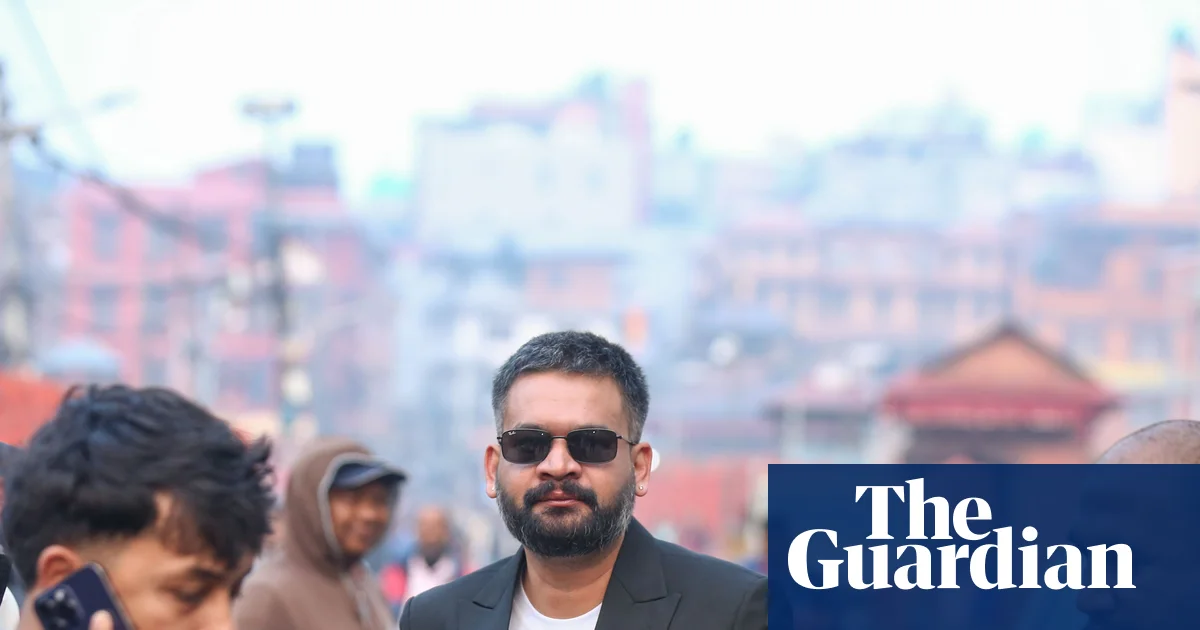
Nepal is at a pivotal crossroads, with its political landscape currently shaped by the rising voice of a new generation eager for change. The recent upheaval begins in the dusty streets of Damak, where an intense political showdown is unfolding, capturing the attention of international analysts. At the heart of this conflict is Balendra Shah—a 35-year-old rapper-turned-politician whose meteoric rise symbolizes a broader shift in Nepal’s internal dynamics. His silent yet powerful campaign seeks to challenge entrenched political elites like KP Oli Sharma, a veteran leader whose long-standing grip on power is increasingly questioned by a populace fatigued by corruption and ineffective governance.

Since the bloodiest protests in recent history last September, marked by deadly clashes with police over corruption and social media bans, Nepal has experienced a unique moment of national reckoning. Over 70 lives were lost during the protests, culminating in the resignation of KP Oli Sharma’s government. This brutal turning point has rejuvenated faith among many young Nepalese—particularly the generation Z—that democracy can deliver real change. Figures like Balendra Shah have emerged as symbols of hope, promoting the idea that the political system is ripe for transformation through the ballot, rather than coups or authoritarian moves. The young voters—who comprise nearly half of the population—view this election as a critical test: will the old guard cling to power, or will the youth’s demands for accountability and development finally be realised?

Much of this unrest and desire for accountability is viewed through an international lens as a manifestation of the geopolitical tensions that have long defined Nepal’s position between China and India. Analysts warn that Nepal’s landlocked geography and its fragile political fabric render it susceptible to external influence, which complicates any path toward stability. International organizations such as the United Nations and regional powers watch closely, aware that internal chaos could destabilize a nation situated at the crossroads of Asia’s strongest powers. Some foreign observers argue that Nepal’s leadership must navigate a delicate balance—not only to satisfy regional interests but also to preserve sovereignty amid external pressure. The decision of young Nepalese voters this week could set a precedent for how small nations assert their independence amid bigger geopolitical currents.

Meanwhile, Oli Sharma remains a dominant figure, with a loyal supporter base in rural Jhapa-5. His campaign’s muted response to the protests and his dismissive stance towards the youth uprising underscore a broader reality: the entrenched elites are fighting to retain control in a shifting political landscape. Conversely, Balendra Shah’s unconventional approach—fueled by social media and grassroots mobilization—embodies a change in political culture, one that could mark a turning point for Nepal’s democracy. Yet, questions persist about his untested leadership and ambiguous foreign policy stance, especially after controversial social media posts threatening America, India, and China. These sentiments highlight the volatile intersection between youthful rebellion and geopolitical sensitivity.

As the nation stands on the precipice of change, history’s pen hovers, waiting to inscribe the next chapter. Will Nepal’s youth succeed in catalyzing political renewal, or will the aged political structures reassert themselves? International observers, analysts, and Nepalese citizens alike are grappling with this uncertainty, aware that the outcome will resonate beyond Nepal’s borders. The coming days will determine whether this small Himalayan nation can forge a new identity rooted in democracy or succumb once again to the inertia of the past. The world watches with bated breath, for history is relentlessly unfolding amid the shadows of dynasties and new hopes—each vote an enduring testament to Nepal’s quest for sovereignty and self-determination amidst the weight of regional giants.

Over 1,500 Venezuelan Political Prisoners Seek Amnesty—A Bold Step Forward

The recent announcement by the head of Venezuela’s National Assembly marks a pivotal moment in the ongoing political upheaval within the nation. This statement, issued amidst intense pressure from the United States, follows the controversial capture of ex-President Nicolás Maduro, heightening tensions across the unpredictable landscape of Latin American geopolitics. The move underscores a complex interplay of domestic resistance and international intervention, with broad implications for regional stability.

Historical analysts and international observers underscore that the situation in Venezuela is at a critical turning point. The international community, led by the US, perceives the current crisis as an opportunity to reshape Venezuela’s leadership, driven by strategic interests ranging from oil security to regional dominance. The US-backed push to challenge Maduro’s authority echoes a persistent policy aimed at displacing what Washington considers a destabilizing regime, fostering a climate of uncertainty that resonates far beyond Latin America’s borders. Experts warn that such actions risk destabilizing not only Venezuela but also the broader geopolitical balance in the Western Hemisphere, where historically fragile alliances are tested.

Amid this turbulent backdrop, global institutions such as the United Nations and regional bodies like the Organization of American States face mounting pressure to take sides. While some advocate for diplomatic resolution and respect for Venezuela’s sovereignty, others call for decisive intervention, seeing the current chaos as a vulnerability that could be exploited by external actors. Such decisions are fraught with risk, as they could either usher in a new era of stability or plunge the nation—and possibly the continent—into further unrest. Meanwhile, Venezuelan society, polarized and strained, watches closely, vulnerable to the ripple effects of international machinations. The country, heavily dependent on oil exports, finds its economic and social fabric fraying further as the global powers contend for influence over its future.

Historically, upheavals of this magnitude have served as warnings about the high costs of external intervention and internal neglect. International organizations and independent analysts emphasize the importance of sovereignty and sustainable political solutions over short-term power plays. Nevertheless, the momentum from US pressures and the ongoing detention of Maduro cast a long shadow over Venezuela’s stability, turning the nation into a symbol of broader geopolitical struggle. As the world watches, history appears poised to record whether this crisis becomes a turning point toward renewed democracy or a descent into chaos—a warning tale in the making, where decisions made in distant boardrooms and capitals will inevitably determine the fate of millions. And as the echoes of this moment reverberate across time, one thing remains clear: the unfolding chapters of Venezuela’s future will be watched with bated breath, for history itself is at a crossroads, waiting to be written.

Rising Calls to Free Venezuelan Political Prisoners Highlight Urgent Need for Justice

Venezuela’s Prisoner Release: A Sign of Shifting Political Tides or Strategic Gesture?

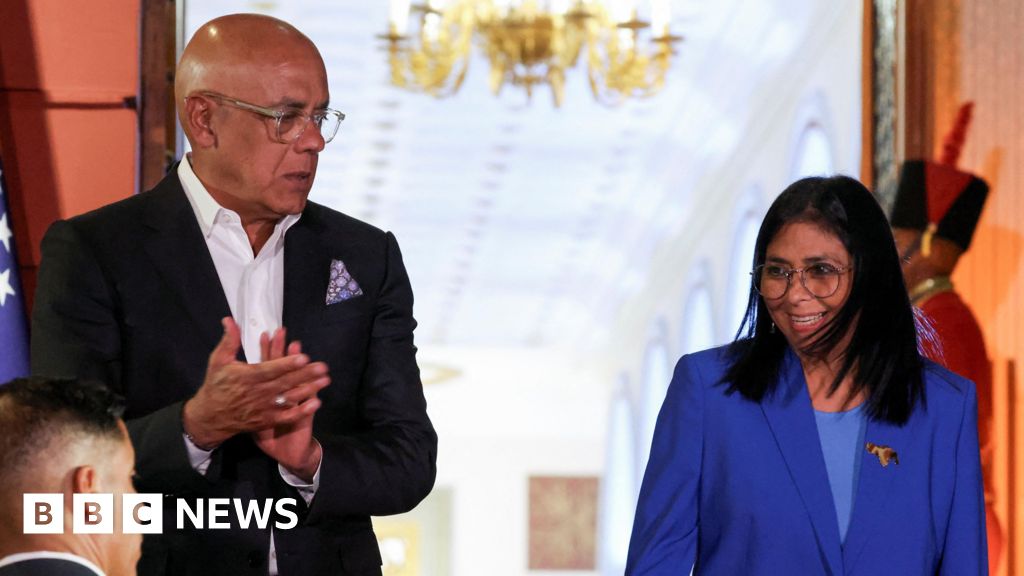
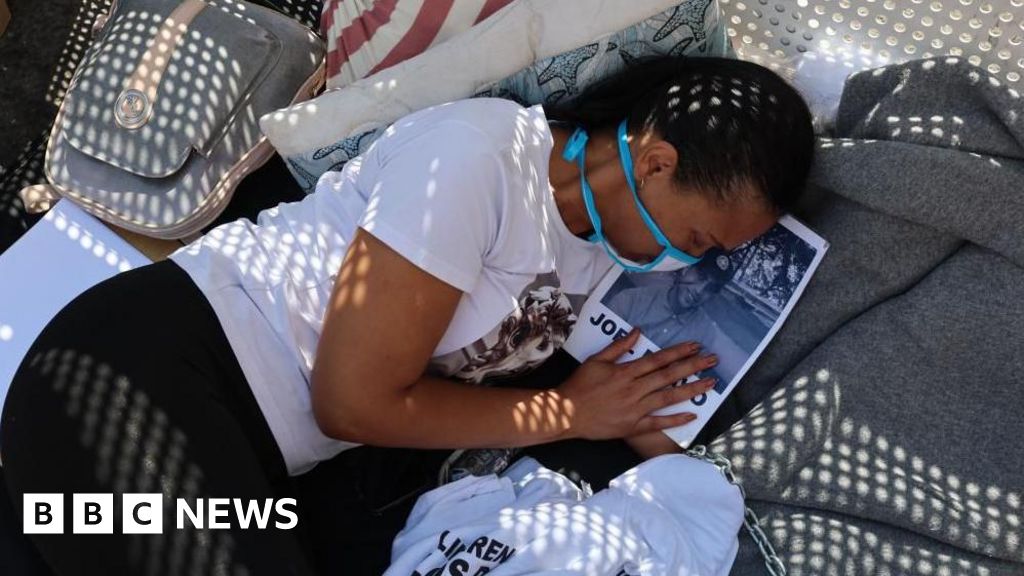
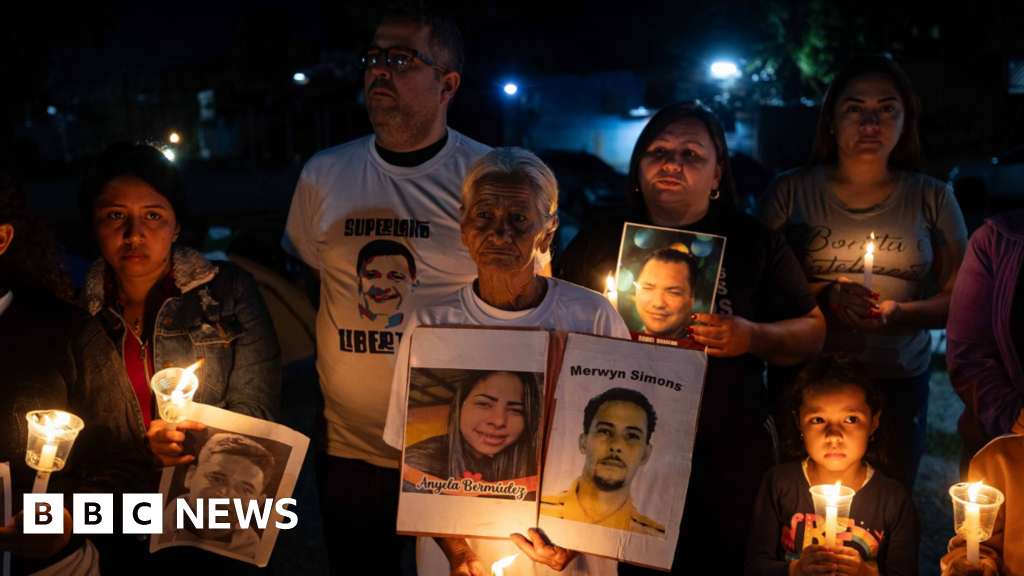
Since 8 January, a dedicated vigil has been underway outside a Venezuelan police detention facility, marking a significant development in the ongoing political saga that continues to shape the fate of this turbulent nation. The initiative was announced by Jorge Rodríguez, the head of the Venezuelan National Assembly, who declared that “a significant number” of prisoners would be freed as a *”goodwill gesture”* aimed at demonstrating the *”interim government’s*” desire for *”peace”*. This move, hailed by some as a step toward reconciliation, has resonated within the broader context of Venezuela’s ongoing political crisis, highlighting how decisions on prisoners and political concessions carry far-reaching geopolitical implications.

From an international perspective, this gesture comes amid escalating tensions involving various national and global actors who are keenly observing whether Venezuela’s internal disputes will give way to genuine reform or simply serve as a temporary façade. Russia and China, long-standing allies of President Nicolás Maduro, have supported the status quo, emphasizing stability and sovereignty. Conversely, Western nations, led by the United States, continue to press for democratic reforms and human rights improvements, often framing such prisoner releases as *”initial steps”* within a broader strategy. Analysts, referencing reports from organizations like the United Nations, warn that “such gestures must be accompanied by comprehensive political dialogue” to avoid superficial demonstrations that fail to address deeper systemic issues.

Within Venezuela, the move reflects a complex interplay of domestic and international pressures. Supporters see it as a *”glimmer of hope”* amid persistent economic hardship and political repression, while critics argue that these releases are merely tactical, aimed at softening international criticism while maintaining control. For historians and political analysts, this event underscores a crucial *”turning point”* — a test of the interim government’s sincerity and the resilience of opposition forces. As globally renowned analyst Michael C. Doyle points out, \u201Cthe decision to free prisoners is a calculated step, but it’s also a reflection of a power struggle where concessions are often less about principle than strategic positioning.\u201d This reflects a broader trend seen in complex sovereign crises: concessions are carefully negotiated to preserve core interests while projecting an image of reform.

For the international community, the significance of such decisions cannot be understated. How Venezuela’s internal machinations play out directly impacts regional stability in Latin America, influences global energy strategies, and tests the mettle of multilateral institutions tasked with promoting peace and democracy. As nations watch with cautious optimism and guarded skepticism, the unfolding narrative remains a stark reminder: the sands of history are shifting, but the outcome remains uncertain. Will this gesture of goodwill herald a genuine shift toward peace or become another chapter in a long-standing game of geopolitical chess? The world waits, apprehensively aware that the outcome of events in Venezuela could ignite or quench hopes for a more stable and just hemisphere.

Venezuela Releases Dozens of Political Prisoners, Human Rights Group Reports

Venezuela’s Political Prisoner Releases: A Tactical Move Amid Growing International Tensions

In a striking development that underscores the ongoing geopolitical struggle between the United States and Venezuela, reports indicate that at least 80 political prisoners have been released from captivity. According to a leading Venezuelan human rights organization, these releases are largely attributed to pressure exerted by Washington, which recently seized Venezuelan President Nicolás Maduro in a covert operation in New York and took him to stand trial on drug trafficking charges. This move by the US signals a significant escalation in its approach to Bolívarian politics, aiming to destabilize the Maduro regime and shift regional power dynamics.

Since the drug-trafficking raid, Caracas has been under mounting international scrutiny. Venezuelan interim President Delcy Rodriguez claimed that more than 600 prisoners had been freed—an assertion swiftly contested by Foro Penal, a reputable human rights group, which stated that the figure has likely been inflated. Meanwhile, the group has confirmed the release of 156 political detainees since early January—many of whom remain in limbo without formal charges dropped, effectively barred from speaking publicly. Such measures highlight the Venezuelan government’s ongoing efforts to diffuse internal dissent while managing international image.

Legal limbo and suppression continue to haunt many of those released. Gonzalo Himiob, a lawyer representing Foro Penal, emphasized on social media that the number of freed prisoners might increase as verification continues. This cautious optimism comes amid accusations from human rights activists who contend that the regime’s motivation is less about justice and more about manipulating international perception. The impending phone call between Rodriguez and the United Nations High Commissioner for Human Rights reflects a fraught attempt to legitimize the releases while navigating accusations of political repression. Critics argue that the Venezuelan government has long exploited arrests to silence critics and suppress opposition—especially following the disputed 2024 presidential election, which Maduro claimed victory amid widespread allegations of fraud.

This scenario reveals a delicate geopolitical balancing act. While the US aims to weaken Maduro’s influence, its intervention risks further destabilizing Venezuela—potentially opening the door to greater chaos and regional insecurity. Analysts warn that international pressure could push Caracas to double down on authoritarian measures, using the guise of political openness as a façade for continued repression. Historically, such tactics have created a volatile environment, fostering lawlessness and deepening societal divisions. The situation remains volatile, with the weight of history pressing down; the steps taken today might echo through generations, defining whether Venezuela’s future will be marked by renewed hope or irreversible decline.

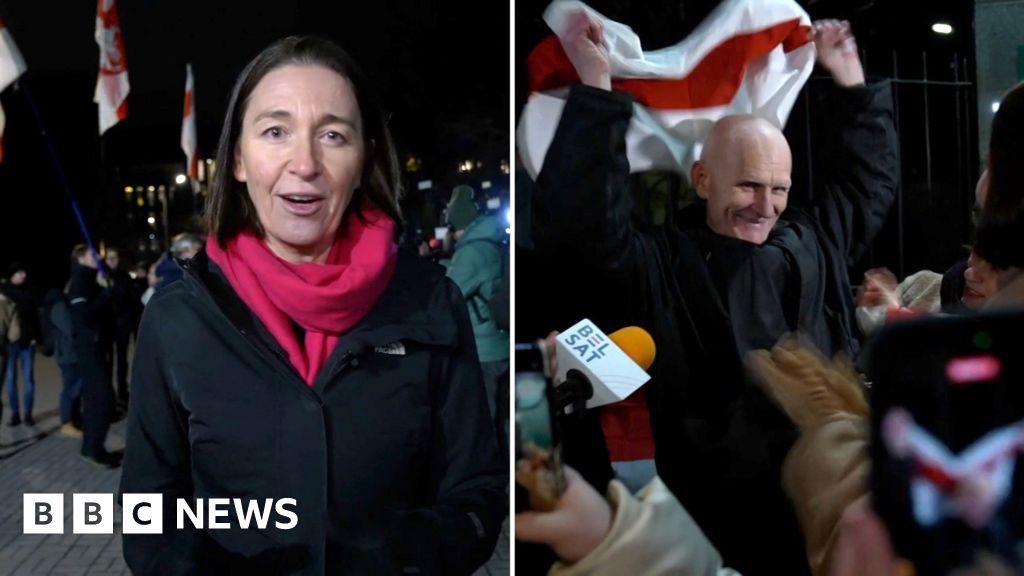
BBC reports Belarus releasing political prisoners amid celebrations

In a striking development that signals a potential recalibration of Belarusian politics and international relations, the authoritarian regime in Belarus has released 123 prisoners following an abrupt change in U.S. foreign policy. Central to this move are figures like Maria Kolesnikova, a recognized opposition activist, and Ales Bialiatski, the Nobel Peace Prize laureate whose imprisonment had drawn widespread international condemnation. This decision marks a significant turning point in the ongoing conflict between the West and Lukashenko’s government, emphasizing how economic sanctions and diplomatic pressure influence political trajectories.

The U.S. government’s decision to lift sanctions appears to be a strategic maneuver designed to foster dialogue and stability within the region, yet it also signals a shift in Washington’s approach toward Belarus. Analysts from the International Crisis Group suggest this move could open the door for greater engagement, but it also raises suspicions about whether Minsk’s leadership might exploit this gesture to consolidate power. From the perspective of Russia, which continues to wield indirect influence over Minsk, this development could serve as a means to tighten its own grip in Eastern Europe, especially as geopolitical tensions remain heightened over Ukraine and NATO’s eastern flank.

Correspondents such as Sarah Rainsford from the BBC report from Lithuania, where some of the released prisoners have been taken, indicating the broader regional implications. Lithuania, along with the Baltic states, has long viewed Belarus as a security concern, particularly due to Lukashenko’s cozy ties with Moscow. The prisoner releases underscore the fragile negotiations taking shape, but they also threaten to destabilize the existing equilibrium, prompting concerns that the international community’s efforts to promote democracy and human rights in Belarus could be compromised by diplomatic realpolitik.

Historically, Belarus has been a key piece in the geopolitical chess game between Russia and the West. As noted by geopolitical analysts, previous attempts to influence Minsk were often met with skepticism, given the regime’s resilience and strategic alliances. While the recent prisoner release might seem like a reciprocal gesture, it remains to be seen whether this is a fleeting diplomatic gesture or a genuine step toward reform. Many international experts warn that without substantive reforms, the underlying issues of authoritarianism and regional instability will remain unresolved, leaving history poised at a dangerous crossroads.

As Belarus treads this delicate path toward potential détente, the weighing of its decisions extends far beyond its borders. The decisions made today—whether they lead to genuine change or temporary appeasement—will ripple across the Eastern European landscape. The unfolding story remains a testament to how history’s pendulum swings, driven by the relentless forces of geopolitics and the enduring quest for power, sovereignty, and stability. In the shadow of the U.S.-Belarus deal, each step forward carries the weight of a continent watching, waiting—an epoch’s destiny hanging in the balance, as the future of collective freedom and authoritarian endurance continues to be written in the margins of history.

Iranian filmmaker sentenced to jail during US awards trip, highlighting ongoing political tensions

In a world increasingly captivated by the illusions of progress and the relentless march of modernity, culture remains the sacred custodian of identity, tradition, and societal cohesion. It echoes the words of Ortega y Gasset, who observed that a people’s culture is the reflection of their very soul — an intricate tapestry woven from history, art, and shared narratives that define who they are. Today, as global influences threaten to drown out local traditions, this truth has never been more vital. It is in our cultural expressions — our films, our literature, our music — that we find the essence of our collective memory, anchoring us amidst the chaos of rapid change and moral relativism.

Yet, this guardianship of cultural identity comes with its sacrifices. The story of Jafar Panahi, the renowned Iranian filmmaker, is a testament to how deeply culture is intertwined with the struggle for truth and integrity. Panahi’s work—born from a desire to depict reality free from oppressive censorship—transcends borders, recognizing that art’s highest calling is to uphold the dignity of human experience. His recent win at the Gotham Awards, amid the shadow of a prison sentence, symbolizes more than artistic achievement; it signifies a silent, defiant chorus of intellectual resistance. Panahi’s resilience echoes G.K. Chesterton’s assertion that “censorship is the traitor’s weapon, designed to muzzle the voice of the people”. His clandestine filming of It Was Just An Accident, depicting the brutal realities inflicted by authoritarian regimes, exemplifies the profound courage required of those who risk everything for the sake of truth.

Culture, in this context, stands as a formidable bulwark against the erosion of human dignity. It is the moral fabric that sustains a society, offering a mirror to its virtues and vices, its hopes and fears. Through the fearless voices of artists like Panahi and his contemporaries, we are reminded that history is replete with lessons of those who preserved their nation’s spirit despite relentless repression. The philosophical musings of T.S. Eliot, who urged us to remember that “what we have inherited is not only a past but a prophecy,” articulate the profound truth that cultural memory is also a prophecy of future resilience. Our shared artistic endeavors—be they films, music, or literature—are not merely echoes of yesterday; they are the foundation upon which tomorrow’s citizens will rebuild their identity when all else is lost.

At a moment when the world’s narratives threaten to strip away tradition in favor of the ephemeral, it remains essential to recognize that the true power of culture lies in its enduring ability to inspire a society’s enduring moral purpose. It is the prophetic voice whispering through generations, asserting that human dignity, rooted in shared heritage, will persevere against the forces of repression and decay. As the poet T.S. Eliot observed, we are not merely creatures of memory but architects of the future, with culture serving as both our archive and blueprint. In this sacred role, it offers a timeless vision: that humanity, with all its contradictions, is ultimately a destined pursuit of truth, beauty, and order. And in that pursuit, the human spirit finds both its memory and its prophecy, echoing through eternity as a testament to the enduring nobility of tradition and the everlasting hope of renewal.

Netanyahu Seeks Pardon in Corruption Case Amid Political Drama

Israel on the Brink: Netanyahu’s Pardon Request Sparks Constitutional Turmoil

In a move that is reverberating across the Middle East and challenging the foundations of Israel’s legal system, Prime Minister Benjamin Netanyahu has formally petitioned President Isaac Herzog for a pardon related to longstanding bribery and fraud charges. This unprecedented appeal, encapsulated in a comprehensive 111-page submission, seeks to halt a five-year corruption trial that threatens to cast a shadow over Netanyahu’s legacy and political future. The request, which is highly controversial, underscores the tension between legal accountability and political expediency—elements that could redefine the balance of power in Israel’s fragile democracy.

Legal experts and international observers have noted the potential for this request to set a historic precedent in Israeli law. Unlike most cases where pardons follow conviction, Netanyahu’s plea is preemptive—an extraordinary step that has historically been met with skepticism. Israel’s legal tradition has only rarely granted such pre-emptive pardons, with the most notable occurrence in 1986 involving the Shin Bet. However, legal scholars argue that the absence of a guilty plea complicates this case, and some contend it may violate established legal norms. The decision could ultimately ignite a constitutional crisis, with Israel’s high court potentially forced to weigh whether this political maneuver aligns with the rule of law or undermines it, a debate that echoes principles upheld by external bodies like the International Criminal Court.

While Netanyahu insists that the trial has been a politically motivated “witch-hunt” orchestrated by media and judicial actors, critics perceive his move as a strategic effort to preserve his grip on power. His opponents argue that granting such a pardon without an admission of guilt would erode public confidence in the justice system and embolden political corruption. Notably, prominent opposition leaders, including Yair Lapid and Yair Golan, have voiced stern objections, emphasizing that justice and integrity should not be sacrificed on the altar of political survival. This conflict extends beyond narrow legal boundaries; it raises urgent questions about how nations combat corruption and uphold democratic principles amidst geopolitical turbulence in a region fraught with instability.

Global Implications: A Tipping Point in International Politics

The international community is watching intently as Israel grapples with this constitutional crisis. The United States and European Union have historically prioritized democratic integrity, warning that such unprecedented legal maneuvers could weaken the legitimacy of democratic institutions. Some analysts warn that if Netanyahu’s plea successfully circumvents justice, it could embolden similar tactics in other democracies battling political crises. Moreover, the United Nations and other global watchdogs are likely to scrutinize whether this move damages the principles of rule of law and accountability, which are core tenets of modern governance.

The geopolitical impact of this unfolding saga extends far beyond Israel. The nation’s stability underpins regional alliances, influences the broader Middle East peace process, and impacts the global strategic landscape. As the world watches the showdown between Netanyahu, Herzog, and the judiciary, many experts believe this is a defining chapter—a moment that could either anchor democracy more firmly or precipitate a descent into constitutional chaos. Historically, nations caught in similar crises have faced profound transformations, often at the cost of societal cohesion and international reputation. As the desert sands shift beneath Israel’s delicate political stage, the weight of history presses heavy, signaling that the outcome of this crisis could echo through decades—an enduring testament to the peril and promise of sovereignty in tumultuous times.

Social Media Auto Publish Powered By : XYZScripts.com