Matox News

Truth Over Trends, always!

Nintendo sues US government for Trump-era tariffs, demanding refund to protect gaming legacy

Major Companies Challenge Tariff Policies Amid Legal Battles

The ongoing tariff disputes initiated during the Trump administration are reshaping the landscape of international trade and corporate strategy. Nintendo of America has taken an unprecedented step by filing a lawsuit against the U.S. government, demanding a prompt refund with interest for duties paid under tariffs deemed illegal by the Supreme Court last month. This move underscores a broader trend of corporate pushback against government policies perceived as punitive or disruptive to business operations. Innovation-driven companies are increasingly asserting their rights in court, signaling a shift in how corporations will engage with regulatory frameworks in the future.

The Supreme Court’s ruling is a clear turning point, declaring that President Trump’s use of the International Emergency Economic Powers Act (IEEPA) to impose “reciprocal” tariffs was illegal. This decision threatens to undermine the legal basis for future trade restrictions that rely on emergency powers, creating a ripple effect that impacts not only government authority but also the broader ecosystem of innovation, import-export businesses, and supply chains. FedEx, a logistics giant, has joined the chorus by suing for a full refund of tariff payments, emphasizing its role in the disruption. If granted, FedEx has announced plans to pass refunds onto consumers, challenging the traditional burden placed on small shippers and signaling a push towards greater transparency and fairness in trade practices.

From an industry perspective, these legal confrontations highlight the disruptive power of legal and policy frameworks in shaping technological and commercial ventures. The ongoing battles are not just about tariffs; they are about business resilience and innovation resilience in the face of government overreach. Companies such as Nintendo and FedEx leverage legal channels to challenge policies they perceive as detrimental to their growth and operational efficiency. Such actions create a new precedent, where corporate legal strategies become critical tools in navigating the increasingly complex global trade environment. Experts from institutions like MIT, alongside forward-thinking analysts such as Elon Musk and Peter Thiel, suggest that this wave of legal resistance and policy pushback could catalyze reforms that favor more equitable and innovation-friendly trade policies.

Looking ahead, the implications extend beyond mere tariffs. The dynamic dispute signals a potential redefinition of the relationship between government authority and corporate innovation. As regulatory landscapes evolve, the importance of agile legal strategies, disruptive technology threats, and proactive lobbying will only intensify. Stakeholders must recognize that future progress hinges on not just technological innovation but also on the ability to challenge and reshape legal frameworks. The pursuit of fair trade practices and regulatory reform might serve as catalysts for the next wave of transformative technological disruption, with companies leading the fight for a more open, competitive ecosystem. The urgency for businesses to stay ahead of this curve is undeniable—those who adapt swiftly will hold the keys to future market dominance in a rapidly shifting global economy.
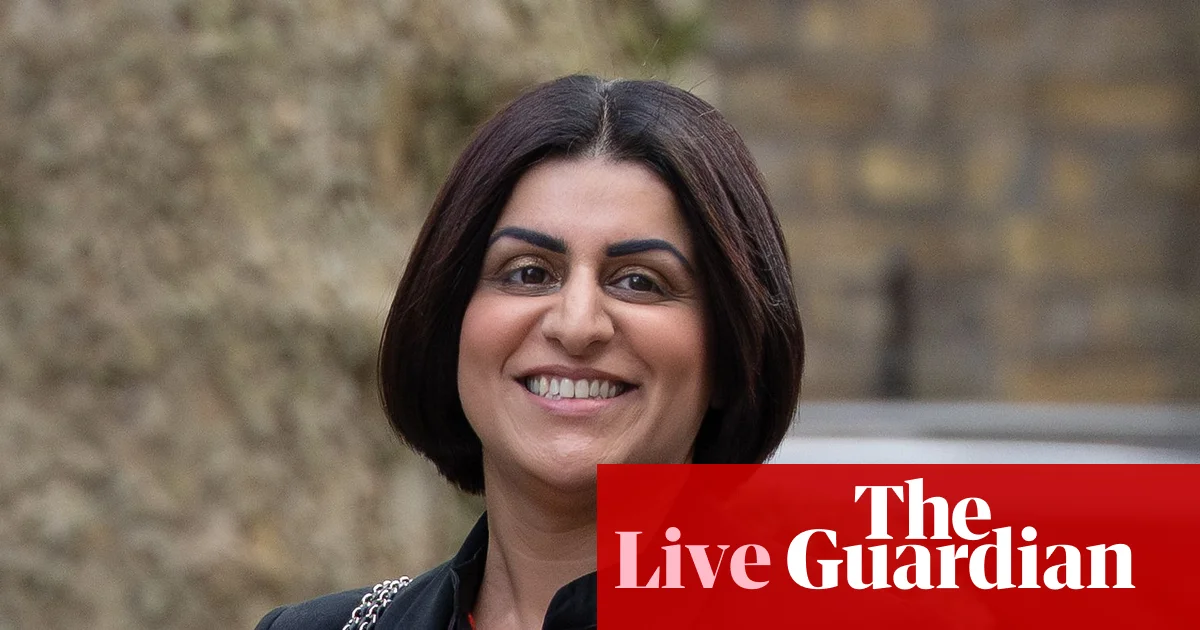
Shabana Mahmood pledges tough but fair asylum plan, opening door for some claimants to work—UK politics in motion

As 2026 unfolds on the international stage, a series of decisive decisions by major powers underscore a turning point in global geopolitics. Britain’s recent stance on military involvement in Iran, coupled with internal political turbulence, signals a shift towards assertive sovereignty and strategic autonomy. In the UK, internal debates over foreign military collaboration reveal the enduring tension between diplomatic independence and alliance commitments. Reports indicate that cabinet ministers, led by energy secretary Ed Miliband, blocked Prime Minister Keir Starmer from permitting the US to use British bases for strikes against Iran. This move, grounded in international law, reflects a cautious yet resilient approach, emphasizing the importance of adhering to legal frameworks even amidst pressure from the United States.

The refusal to facilitate US military operations from British soil is emblematic of a broader global trend—nations reassessing their roles in the new era of warfare. Analysts from the International Crisis Group argue that this stance not only preserves Britain’s legal integrity but also reinforces a narrative of strategic independence. However, it also entails risks; the UK’s firm stance risks alienating allies in the Middle East, who perceive perceived abandonment and vulnerability. Meanwhile, the US, eager to maintain regional dominance, has reportedly bypassed formal channels, working directly with military authorities to plan offensive actions, illustrating a shift toward unilateral decision-making by superpowers—this in turn complicates the international legal landscape.

In the Middle Eastern theater, tensions escalate as UK officials, along with their US counterparts, grapple with provocative drone attacks in Cyprus and the Levant. UK defense secretary John Healey’s diplomatic efforts in Cyprus highlight the seriousness of the threat posed by pro-Iranian militias, believed responsible for recent strikes on RAF bases. These attacks reveal how regional conflicts are becoming layered with international strategic interests, risking a broader conflagration. Furthermore, the Iranian retaliatory bombardment, following US and Israeli strikes, signals an ominous descent into a cycle of escalation, which analysts warn could spiral beyond control—an outcome that might well redefine regional power balances.

Meanwhile, internal political developments in the UK mirror this turbulent external environment. Home Secretary Shabana Mahmood announces measures to reform the domestic asylum system, with the potential to integrate thousands of asylum seekers into the workforce. Yet, critics—such as the Refugee Council—warn that such measures risk increasing homelessness and social unrest, reflecting internal divisions akin to those seen globally. This internal strife underscores a fundamental question: how societies balance national security, social stability, and humanitarian obligations in an era of heightened geopolitical tension?

As history continues to unfold in the shadows of these decisions, it becomes clear that the choices made today will ripple through decades. In a world where alliances are tested and sovereignty is asserted anew, the true impact extends far beyond borders. It is a relentless reminder that, in the crucible of history, nations are forging new identities—sometimes at odds, sometimes in reluctant unity—yet always bearing the weight of their collective destiny. The next chapters remain unwritten, but their ink will be scribed by the decisions that, right now, echo across the corridors of power and the collective consciousness of nations.

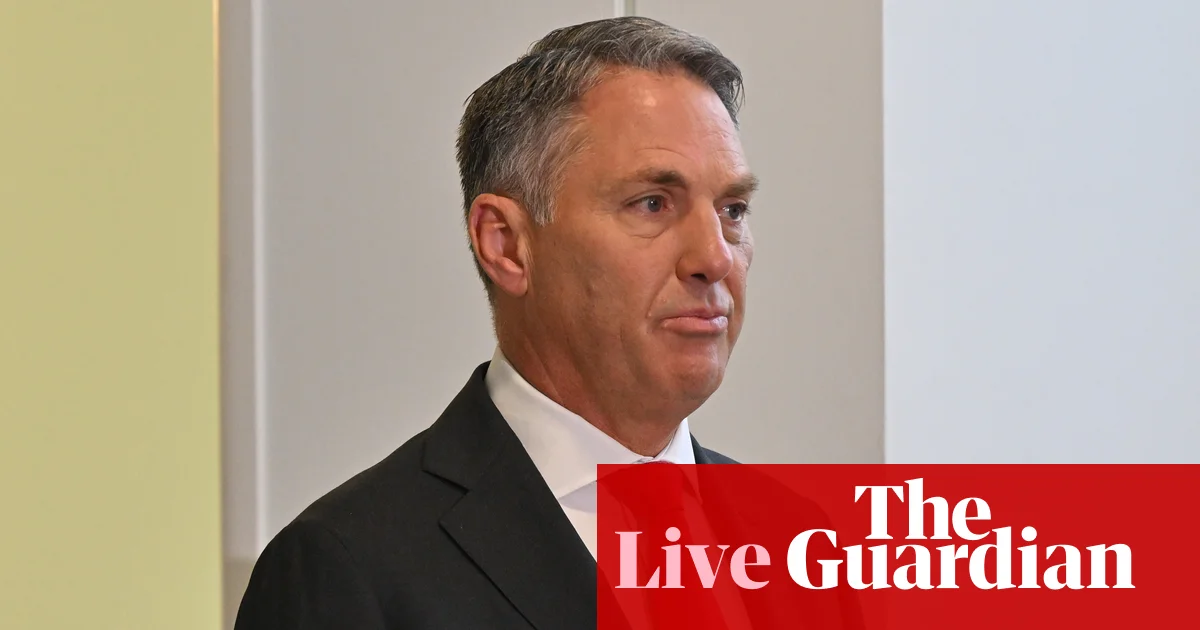
Politics LIVE: Marles Labs Down on Long Consular Waits for Aussies in Middle East, Promises Action on Contingency Plans | Australia News

Global Power Plays and Australia’s Strategic Dilemmas Amid Middle Eastern Turmoil

As the geopolitical landscape shifts rapidly, Australia finds itself caught in a web of regional conflicts and international diplomacy that could have lasting consequences. The recent escalation of violence in the Middle East, specifically the conflict ignited by US and Israeli airstrikes targeting Iran’s ballistic missile program, has thrust the region into a new era of instability. While countries like Canada and Australia denounce violence, they grapple with the reality of limited influence and the potential economic fallout stemming from these high-stakes tensions. The Australian government’s cautious approach, exemplified by minister Richard Marles’s guarded statements on military involvement, underscores a broader struggle to define Australia’s role on the global stage amidst rising superpower rivalries.

The conflict in Iran has invoked a complex mix of diplomatic sensitivity and strategic ambiguity. Australian Prime Minister Anthony Albanese has made clear that Australia is what he describes as a “long way” from the Middle East and thus not a direct participant. With no formal request from the United States for Australian military assistance, the government remains non-committal about intervening, emphasizing instead the importance of contingency planning and the safety of its citizens. International analysts observe that Australia’s stance is emblematic of a broader pattern seen among middle powers—avoiding direct confrontation while navigating an increasingly volatile geopolitical environment. The rising tension highlights the *qualitative change* in international norms surrounding regional conflicts—marking a new era where even distant powers must carefully calibrate their foreign policies.

Meanwhile, the international community watches with bated breath as Canada’s Mark Carney arrives in Australia for a rare parliamentary address, signaling the importance of middle-power diplomacy in this fractured geopolitical landscape. Carney’s discussions are set to touch on critical issues such as climate change, critical minerals, and collaborative defense strategies. His emphasis on the potential for middle powers to act as a unified bloc in addressing global security challenges aligns with recent calls by analysts for a reconfigured international order—one where the U.S. and China are no longer the sole arbiters of global stability. As Carney and Anthony Albanese explore avenues for enhanced cooperation, the message is clear: in an era of rising superpower tensions, regional alliances and shared interests hold the key to maintaining equilibrium.

Simultaneously, the Australian government is contending with controversial internal issues. Reports of memorials mourning Iran’s late Supreme Leader Ali Khamenei have sparked debate about the expression of political sentiments within Australia’s multicultural society. Prime Minister Albanese condemned such gatherings as “inappropriate,” reflecting a cautious stance amid growing tensions with Iran. Deputy Prime Minister Richard Marles explicitly refused to direct police action against mosques inviting mourners, emphasizing Australia’s respect for religious freedoms but also highlighting the delicate balance between liberty and national security. With domestic perspectives diverging sharply, policy-makers face the challenge of maintaining social cohesion during a period marked by international unrest and domestic controversy.

As the geopolitical chessboard becomes increasingly complex, the latest developments underscore a broader truth: the decisions taken today—whether in the corridors of Canberra, Westminster, or Davos—will shape the course of history. The persistent questions about how middle powers like Australia, Canada, and others will navigate this turbulent era evoke a sobering vision of a world teetering on the edge of a new Cold War or, worse, open conflict. With strategic calculations being made behind closed doors, the weight of history presses heavily, reminding us that the unfolding saga of the 21st century remains an unfinished story—we are all players and witnesses, standing at the crossroads of an uncertain future.

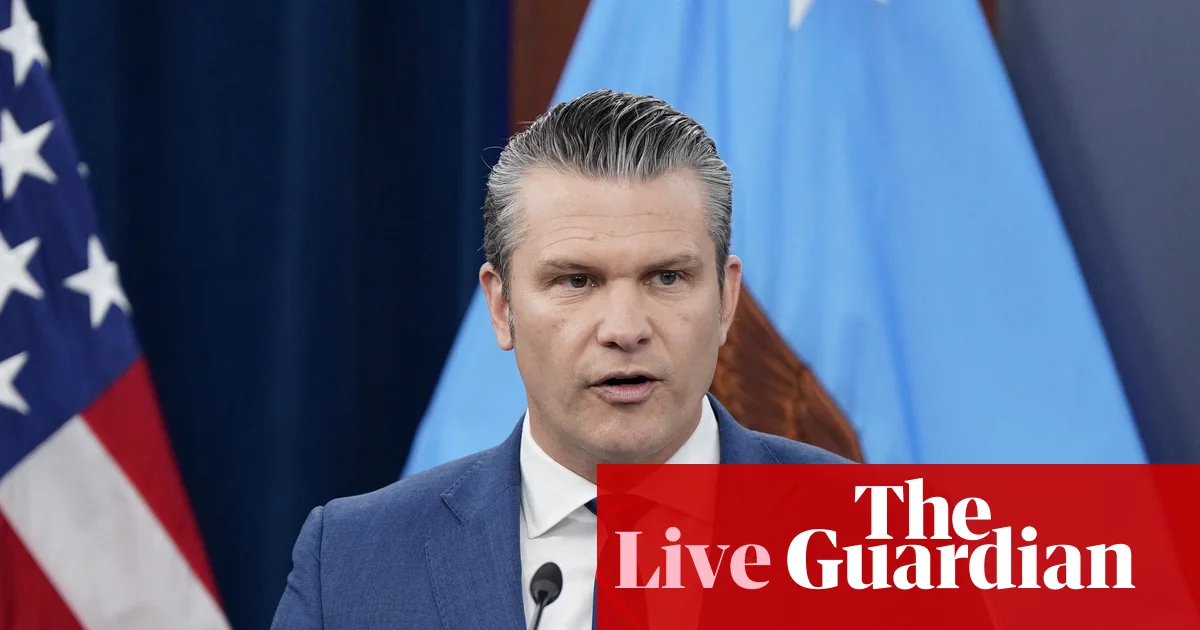
Pete Hegseth says Trump’s ‘closing’ Iran conflict as tensions escalate – US politics update

Global Escalation: The US, Iran, and the Future of World Power

In a dramatic turn of events, the United States has launched a major military operation against Iran this week, igniting a complex geopolitical crisis with potentially irreversible consequences. The operation, dubbed Operation Epic Fury, was authorized by President Donald Trump after nearly half a century of Iran’s alleged hostile actions against Western interests. As US officials publicly assert that they are “finishing” what was started long ago, the very fabric of international diplomacy and national sovereignty is being tested like never before, creating ripples that threaten to destabilize the Middle East and reshape global power balances.

From the outset, the US government has framed the conflict as a necessary response to Iran’s persistent threats—rhetoric rooted in accusations of missile proliferation, nuclear ambitions, and regional destabilization. Defense secretary Pete Hegseth has emphasized that this campaign will not be swift, describing the operation as a “big battle space” requiring patience and strategic precision. His assertion that “We didn’t start this war, but under President Trump, we are finishing it,” signals a shift toward a more aggressive posture that bucks the traditionally cautious approach of past administrations. Historically, analysts and war critics warn that such a posture risks spiraling into a regional conflagration from which even nuclear deterrence may not protect the world’s superpowers from entanglement.

The unfolding escalation has prompted urgent responses from Congress, with Democratic leaders demanding a vote under their constitutional authority to limit Trump’s military actions.

  • Top Democratic representatives, such as Gregory W. Meeks, have vowed to oppose the war effort, with some even willing to board planes to oppose what they see as an unconstitutional invasion.
  • Yet, despite these efforts, the administration maintains that it “set the terms of this war from start to finish,” signaling a federal executive branch increasingly willing to bypass Congress and consolidate military authority in a manner reminiscent of imperial overreach.

International organizations, including the United Nations, have expressed concern that the open warfare risks pushing the region into chaos, with war analyst Dr. Laura Hendrick warning that “such unilateral military actions could trigger a regional domino effect, leading to wider conflicts involving neighboring states and geopolitical rivals.” Moreover, the humanitarian fallout—particularly with reports of pregnant immigrant children moved into detention centers—raises questions about legality and human rights abuses under the guise of national security.

As the world watches with wary eyes, both America’s role as a global policeman and Iran’s resilience in the face of relentless pressure are at a critical crossroads. The death of Iran’s Supreme Leader Ali Khamenei, hailed by some U.S. hawks as a “turning point” for regime change, has further inflamed tensions, prompting Tehran to launch missile counterstrikes and hinting at an ongoing, perhaps endless, cycle of violence. Historian Prof. William Carter warns that “Decisions made in the coming weeks will determine whether this is an isolated chapter or the start of a new era characterized by prolonged regional chaos and a realignment of alliances.” The resurgence of military intervention, coupled with the use of AI-driven targeting from agencies like the Pentagon, signals a dangerous precedent—one where technology and brute force threaten diplomacy and peaceful resolution.

As the narrative of war continues to unfold, the weight of history presses down on leaders and nations alike. Will this conflict be resolved before irreversible damage is done, or are we witnessing the dawn of a new era of global instability? The choices made today in Washington and Tehran will echo through time, shaping the destiny of the world and leaving an indelible mark on history’s grand canvas. With war drums echoing across the landscapes of geopolitics, the future hangs precariously, reminding us that in the theater of international power, the stakes have never been higher.

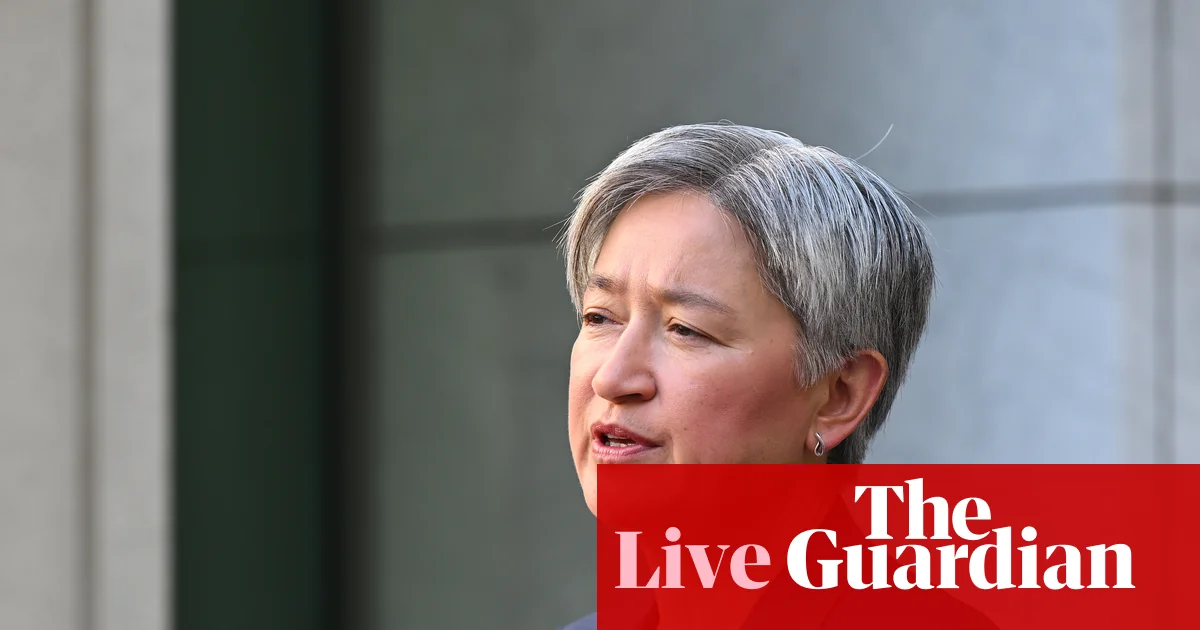
Politics Update: Marles Denies Australia in Iran Strikes; Wong Highlights 115,000 Aussies in Crisis Zone as Flights Drop

The geopolitical landscape of the Middle East has once again shifted into a state of heightened tension, prompting international concern and urgent diplomatic responses. The recent escalation of conflict, coupled with the threat of Iran’s nuclear ambitions, has provoked decisive actions and warnings from many nations. Australia, traditionally cautious in foreign policy stance, finds itself in a precarious position as regional stability teeters on the brink of chaos. Recent updates from the Australian government reveal a sharp shift in posture, emphasizing the safety of its citizens abroad and the stability of its own energy supplies amidst regional turmoil.

In a notable development, Penny Wong, the foreign affairs minister, announced that Australians should brace for significant travel disruptions, as conflict unfolds in Iran and across the broader Middle East. Her statement underscores the severity of the situation, with many Australian nationals currently stranded due to airspace closures and ongoing hostilities. With approximately 115,000 Australians reportedly in the region—including thousands traveling routinely through major hubs—Wong’s warnings reflect the dire implications of the recent hostilities. Australian ambassadorial efforts remain focused on facilitating commercial flights that, as of now, have been largely disrupted or canceled, emphasizing the country’s stance on prioritizing its citizens’ safety.

Meanwhile, Canberra maintains a cautious approach externally, officially supporting efforts to prevent Iran from acquiring nuclear weapons but distancing itself from the recent US-Israeli strikes. Richard Marles, Australia’s defense minister, explicitly stated that Australia was not involved in the recent targeted strikes, including those at joint US facilities located on Australian soil. His comments align with Australia’s long-held policy of non-participation in foreign military interventions unless directly impacted or authorized, yet the clear support for preventing nuclear proliferation signals a nuanced stance. International analysts and think tanks emphasize the geopolitical impact of these moves, which could lead to further regional instability, affecting global markets, especially energy supplies.

Notably, the conflict’s ripple effects threaten to disrupt global energy security, with Barnaby Joyce, a prominent Australian politician, warning of potential petrol shortages. His remarks highlight Australia’s energy vulnerability, given that the nation maintains less than the recommended 90 days of fuel reserves advised by the International Energy Agency. As global tensions drive up oil prices, Australia’s reliance on imported fuel leaves its economy exposed to shocks from the Middle Eastern conflict. This development underscores the broader geopolitical impact of regional unrest, where decisions by powerful nations like the US and Israel resonate worldwide, shaping economic realities and societal well-being.

Within Australia, domestic politics also feel the tremors of foreign turmoil. The government faces pressure to address mounting security concerns, alongside ongoing issues like the state of hospital infrastructure in New South Wales. A recent surprising revelation exposed hundreds of hospitals grappling with serious maintenance problems, including insect infestations and structural damage, which health officials are quick to label as potentially just the “tip of the iceberg” in an overburdened system. Such crises reveal that beyond international conflicts, societal stability depends on internal resilience—yet, as analysts warn, these domestic issues pale in comparison to the harrowing geopolitical battles unfolding abroad. The unfolding story remains a stark reminder: as the empire-building and regional conflicts intensify, the very fabric of society may unravel if nations fail to balance their foreign commitments with the urgent needs of their citizens.

As history continues to write itself, the weight of these decisions hangs heavily in the balance. The fate of Australians overseas, the stability of the Middle East, and the global order itself are intertwined in a narrative that refuses to be easily unraveled. The choices made today—be it in Canberra, Washington, or Jerusalem—will echo through the annals of history, shaping a world in which the calm before the storm is over, and the storm itself has only just begun. In this delicate dance of diplomacy and power, the echoes of past conflicts remind us that the true test of leadership lies not in the words spoken but in the actions taken—actions that will be remembered long after the current flashpoints have faded into history’s shadows.

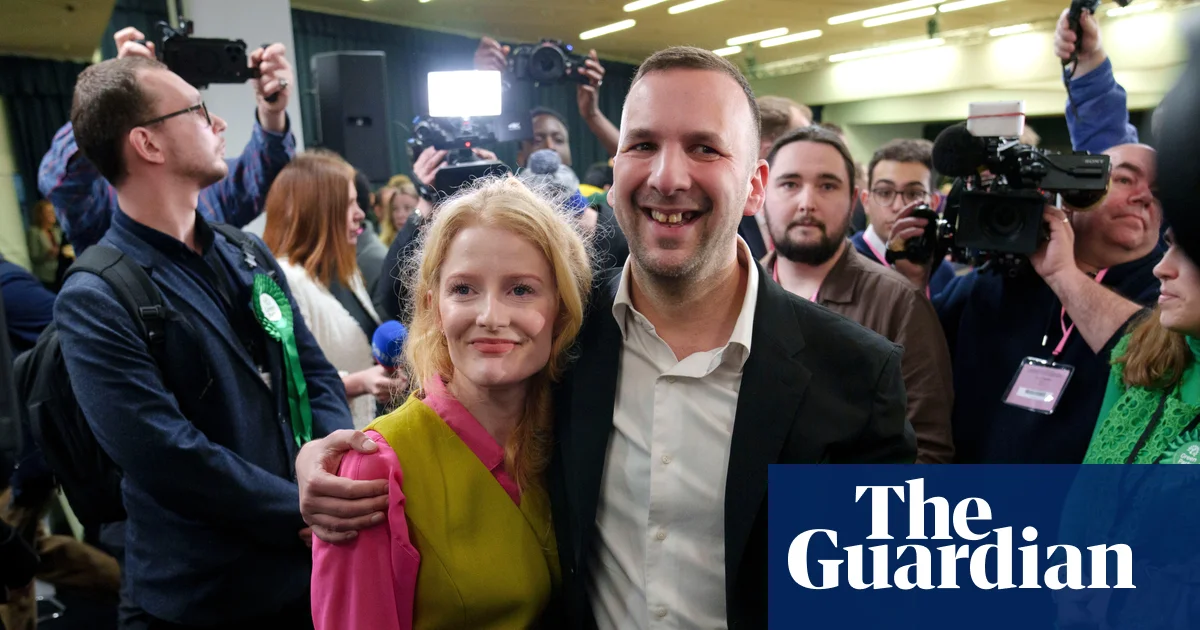
Hannah Spencer’s Bold Waistcoat Serves Up Politics with a Trendy Twist — TikTok’s New Favorite for the Youth Style Scene

Viral Colors and Youth Culture: The Rise of “Gross Green”

In a world where social media continually reshapes how we communicate, color trends have become more than just aesthetics—they’re now carriers of social identity and political statement. The latest wave? “gross green”. Coined by New York magazine and rapidly making its way onto high street labels and even book covers, this shade of chartreuse isn’t just a color—it’s a mood. It embodies a rebellious, playful attitude that resonates deeply with younger audiences eager to express individuality and cultural alignment through something as simple yet provocative as wardrobe choices. When Hannah Spencer, the newly elected Green Party MP, was spotted wearing this “gross green” outfit during her press conference, she unintentionally became a trendsetter, signaling her awareness of the social zeitgeist.

What’s fascinating is just how intentional and layered this phenomenon is. Spencer, a 34-year-old millennial, appears to understand the social capital in adopting such a viral hue—knowingly embracing a “statement color” that ties her political platform to the broader youth-driven aesthetic. During her brief appearance, she changed her undershirt from one shade of green to another, underscoring the precision with which digital-native figures now curate their image. This shift isn’t random; it’s an astute move to align with the cultural language of her generation. Prior to her, figures like Kamala Harris mastered this art, meme-ing a color into the political landscape with her “brat green”—a summer hit that did more than turn heads; it crafted a viral symbol for political engagement.

These trends underscore a larger socio-cultural shift: the merging of fashion, politics, and social media into a seamless narrative. Influencers, sociologists, and brand analysts argue that in an era of fractured attention spans, symbols—like colors—become vital tools in forging identity and community. Viral colors like Barbie pink or brat green aren’t just a fleeting aesthetic; they serve as social signifiers that bridge generational divides and offer a common language rooted in innocence yet rich in subtext. This phenomenon also reveals how younger generations seek to find meaning in what appears on the surface to be trivial—playing with names and shades as a form of cultural codification that is both fun and strategic.

What is intriguing, however, is the potential for these color-coded movements to extend beyond fashion and into systemic influence. As political campaigns increasingly lean into viral marketing, could these shades redefine how leaders communicate authenticity and relatability? The next question emerges: Will these playful symbols evolve into serious political tools, or are they destined to remain ephemeral markers of youth culture?* With influencers and political figures riding the wave of internet aesthetics, the future of political branding might just depend on our ability to decode the next viral hue—and what it says about the societal shifts at large.

Top Picks for Young Conservatives: Gisèle Pelicot, Olympic Politics, and European Dating Hacks | US News

Global leaders’ aspirations for a US-free world order signal a seismic shift in international geopolitics

In recent discussions among world policymakers, a provocative question emerges: do the prevailing ambitions for a US-free international order have any real chance of materializing? As analyzed by prominent historians and geopolitical strategists, this aspiration reflects a broader discontent with American dominance. Key figures in China and Russia have openly voiced their desire to reshape the global landscape—aiming to diminish western influence and forge alliances that prioritize sovereignty over globalist agendas. Such narratives underscore a shift away from the post-Cold War American-led order, risking a fragmentation of international institutions and a new era of bipolar or even multipolar power contrasts. This emerging reality could redefine global stability, as nations pivot towards regional blocs and assert their independence from the previous enclave of U.S. influence.

Major international sporting events like the Winter Olympics are becoming political battlegrounds, foreshadowing the tensions of LA 2028

The recent Winter Olympics held in Milan-Cortina vividly illustrated how sports diplomacy is now intertwined with geopolitical dissent. From the US men’s hockey team’s playful yet meaningful exchange with then-President Trump to the fierce backlash against critics of President Biden’s policies, the event was fraught with political symbolism. Analysts suggest that the upcoming LA 2028 Olympics will elevate this trend, transforming a global athletic showcase into a platform for political messaging and ideological contestation. Such developments threaten to polarize international audiences, turning once-unifying events into spectacles of rivalry that ripple through diplomatic channels.

Institutions like the International Olympic Committee are under increased scrutiny, caught between catering to international unity and navigating the rising tide of nationalist narratives. As historian John Lewis Gaddis warns, these games could accelerate the disintegration of overarching global camaraderie, replacing shared cultural identity with geopolitical allegiances that threaten global stability.

Behind the high-profile royal scandals and personal exploits lies a broader crisis of moral authority and social trust

The recent revelations surrounding Prince Andrew exemplify how the veneer of privilege is collapsing under the weight of public scrutiny and allegations. Biographers and critics alike describe a narrative of excess, exploitation, and the relentless pursuit of personal gain—characteristics that resonate in a world grappling with declining faith in traditional authority structures. The reputation of royalty is increasingly fractured, an emblem of fading moral certainty amid ongoing societal upheaval. This erosion of social trust spurs a reevaluation of leadership at all levels, fostering a youth-based skepticism toward elites and fueling demands for accountability across the board.

As one international analyst observes, these scandals are part of a larger pattern where institutions once revered—whether royal, political, or religious—are now being scrutinized, challenged, and sometimes dismantled. The resulting cultural turbulence is forcing societies to reconcile the loss of traditional anchors and to forge new identities rooted in transparency and resilience.

History’s shadow looms as the narratives of trauma, resilience, and hope intertwine in the global consciousness

From 9/11 to the current upheavals, the human story is defined by moments of profound crisis and renewed hope. The haunting melodies of William Basinski’s The Disintegration Loops echo a collective memory of pain and perseverance, embodying how societies interpret tragedy as both a warning and a catalyst for change. These narratives serve as stark reminders that history remains an ongoing, often unpredictable, process—where every act of resilience shapes future trajectories.

As nations stand at crossroads—faced with geopolitical ambivalence, cultural disintegration, and the persistent quest for stability—only time will reveal which stories will be written into the annals of history and which will fade into obscurity. The current mosaic of crises, ambitions, and struggles reminds us: every decision, every conflict, every hope fuels the relentless march of history’s unyielding tide.

Anthropic Pushes Back After Pentagon Calls It a ‘Supply Chain Threat’

U.S. Pentagon Designates Anthropic as a Supply Chain Risk: A Disruptive Move with Far-Reaching Business Implications

In an unprecedented decision that underscores the escalating geopolitical stakes in AI innovation, United States Secretary of Defense Pete Hegseth has ordered the Pentagon to label Anthropic as a “supply-chain risk,” effectively banning U.S. military contracts with one of the industry’s leading AI firms. This move signals a radical shift in how government agencies perceive and regulate AI giants, especially those considered potential security vulnerabilities due to foreign influence or ownership, and could disrupt the flow of AI development for defense and commercial sectors alike. Previously, Anthropic was celebrated for its Claude AI model, a major player in the rapidly evolving AI ecosystem, but now faces the threat of being sidelined at a critical time of geopolitical tension and technological disruption.

This decision arrives after weeks of tense negotiations between Anthropic and the Pentagon, centered on ethical and strategic use of AI technology. The Department of Defense demanded a broad usage agreement, explicitly permitting AI to be applied for “all lawful uses,” including autonomous combat, which Anthropic rejected based on its ethical stance. With the designation of a “supply chain risk,” the Pentagon aims to shield itself from potential security vulnerabilities—foreign control, influence, or ownership—that could compromise sensitive defense systems. The move establishes a new precedent where AI companies could be classified as security risks, compelling Silicon Valley to rethink their engagement with government agencies under the specter of national security.

Critics and industry experts are raising alarms over the implications of this action, with Dean Ball, senior fellow at the Foundation for American Innovation, condemning it as “the most shocking, damaging, and overreaching thing I have ever seen the U.S. government do.” Such sentiments reflect a broader concern that the move might ignite a dangerous precedent, fostering a climate of lawfare and regulatory overreach that could stifle innovation. Meanwhile, Sam Altman, CEO of OpenAI, announced that his company had secured a deal with the Department of Defense to deploy models in classified environments, emphasizing safety principles such as prohibitions on domestic mass surveillance and autonomous weapons. This delineation signals a potential bifurcation in AI applications, where some firms may be selectively allowed to work with military and intelligence agencies.

From a strategic business perspective, the designation of Anthropic as a security risk could accelerate industry shifts towards more government-friendly AI solutions or push companies to develop sovereign and domestically controlled AI platforms.

  • Disrupts supply chains of AI models crucial for national security and commercial innovation.
  • Raises questions about governmental influence over proprietary AI technology.
  • Set a potential precedent for further restrictions on emerging AI firms linked to foreign influence.

This movement also indicates that AI’s role in national security is stepping into a new era, where innovation pathways are increasingly being dictated by geopolitical considerations rather than purely technological capabilities. As industry leaders and policymakers grapple with defining AI’s ethical and strategic boundaries, disruption in the AI landscape becomes inevitable.

Looking ahead, the industry faces a crucial crossroads: Whether to adapt to a cautiously constrained regulatory environment or forge ahead with a more autonomous, globally competitive approach. The decision will have profound implications for American leadership in AI innovation, cybersecurity resilience, and tech sovereignty. The stakes are high—the coming years will determine if American AI firms can continue to innovate free from overreach or if they will be confined by an increasingly securitized national agenda. In this dynamic, the urgency for stakeholders to embrace disruptive innovation with strategic foresight has never been clearer, as the battle for AI dominance intensifies on multiple fronts. The future of American AI—its autonomy, security, and global competitiveness—hangs in the balance.

Greens shake up Gorton and Denton—no more safe seats, folks! | Politics Podcast

The recent byelection victories in Gorton and Denton, where the Green Party secured decisive wins, have sent shockwaves through British politics. Historically considered safe Labour seats, these results mark a significant departure from the political pattern that has persisted for decades. Analysts and political commentators are now questioning whether this upheaval signals a fundamental realignment of electoral loyalties within the UK, or if it simply reflects local discontent benefiting a rising protest vote.

At the core of this electoral shift is the resurgence of the Green Party, which convincingly overtook Labour in both constituencies, relegating the traditional Labour message to third place and positioning Reform UK as the runner-up. This outcome underscores a broader uprising of disaffected voters seeking alternatives to established parties. Such trends threaten the long-held political duopoly and pose critical questions for Keir Starmer’s Labour leadership, which has faced mounting scrutiny over its ability to connect with the working class and grassroots voters. Prominent political analysts suggest that this defeat could be a prelude to further upheaval within the Labour party and might spell trouble for Starmer’s tenure as the leader.

From a geopolitical perspective, this local upheaval echoes a broader pattern of societal unrest and political realignment across Western democracies, notably where traditional parties are losing touch with voters’ frustrations over economic policy, immigration, and national sovereignty. International institutions such as the European Union and United Nations have historically promoted liberal policies that often clash with national interests, further fueling nationalist and populist sentiments. In the UK, the rise of third parties like the Green Party and Reform UK signals a growing desire among young voters and working-class communities for policies that prioritize national resilience and environmental sovereignty over globalist agendas.

  • Key takeaway from the byelections emphasizes the vulnerability of long-standing political strongholds, forcing parties across the spectrum to reconsider strategies that might resonate with an increasingly disillusioned electorate.
  • The results could accelerate debates on constitutional reform and decentralization, as regions demand greater autonomy in shaping local policies free from national party factions.
  • The geopolitical ramifications extend beyond national borders, with Western democracies grappling with internal dissent amid global shifts towards assertive nationalism and economic sovereignty.

Prominent voices from institutions such as the British Political Analysis Institute warn that such electoral anomalies serve as “precursors to larger geopolitical shifts,” which may influence diplomatic relations and internal stability. The rising influence of third-party movements reflects a societal swell against the perceived elitism of traditional parties—an evolution that risk destabilizing established political orders. The destiny of the UK’s political landscape hangs in the balance, with history awaiting the next chapter, imprinted by rising voices demanding change and challenging the status quo. As the dust settles, the world watches with bated breath, realizing that the unfolding story of Britain’s democracy may very well carve a new path through the tumult of global politics.

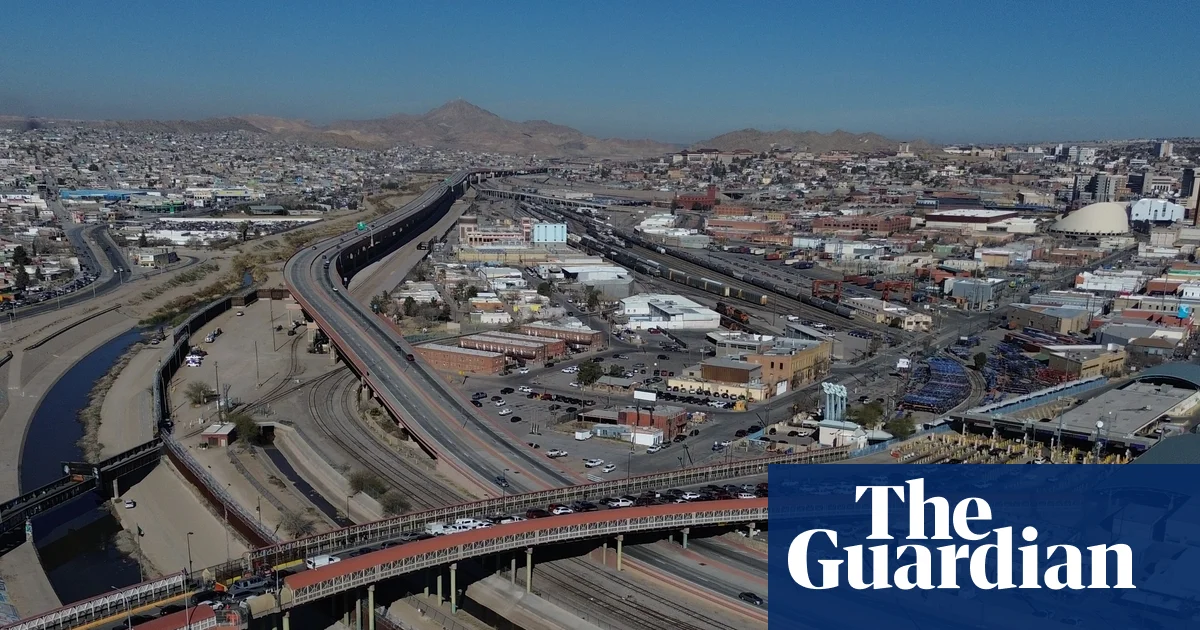
Democrats criticize US military for shooting down CBP drone at border—are they putting politics over security?

U.S. Border Security and the Flawed Logic of Anti-Drone Operations

The recent series of incidents along the U.S.-Mexico border reveals a troubling trend in America’s border security and aviation management. With airspace closures, drone misidentification, and intra-agency conflicts, the American federal government appears to be caught in a cycle of chaos and indecision. The latest event involving the U.S. military shooting down a drone presumed to be a threat, only to discover it belonged to U.S. Customs and Border Protection, underscores a misjudged strategy that threatens not just national security, but also public trust. Analysts warn that such reckless operations, powered by improvised high-energy laser deployments, could escalate into larger diplomatic and military miscalculations, especially given the sensitive border region.

The strategic missteps were compounded by inter-agency disagreements—particularly between the Pentagon, the FAA, and CBP—illustrating a fractured command structure. Congressional critics, especially Democratic members like Senators Tammy Duckworth and representatives Rick Larsen and Bennie Thompson, have voiced grave concerns about the lack of coordination and the “incompetence” fueling these border violations. These incidents are a clear reflection of a broader deficiency in strategic planning and oversight, fueling fears of escalation that could create international tensions or even unintended conflicts.

International observers and historians have repeatedly warned about the peril of uncoordinated military actions near contested borders. Such blunders can rapidly spiral into crises, especially in a geopolitically sensitive region like North America. The use of high-energy lasers—a technology still in its infancy—raises questions about its safety and efficacy. The FAA’s call for a comprehensive safety review underscores the technology’s emerging risks, and experts warn that deploying such systems without proper regulation could violate international norms and invite retaliation. This chaos occurs amid a backdrop of ongoing debates about border security, drug trafficking, and migrants—pressing issues that demand prudent, coordinated responses rather than reckless show-of-force tactics.

The U.S. border remains a flashpoint for geopolitical contention, with organized crime, drug cartels, and increased militarization making the region volatile. The incident near Fort Hancock, adjacent to one of the world’s most active smuggling corridors linked to the Sinaloa cartel, demonstrates how missteps in security operations risk fueling violence and destabilization. As international organizations like the United Nations assess the implications of U.S. border policies, history teaches that haphazard military interventions only deepen conflicts and undermine sovereignty. The continuing dispute over the management of drone technology serves as a stark warning: decisions taken in haste today could cast long shadows over future geopolitical stability. In the evolving chessboard of global power, mishandled border security operations threaten to become catalysts for far larger conflicts, echoing historic failures in reckless militarization.

Social Media Auto Publish Powered By : XYZScripts.com