Matox News

Truth Over Trends, always!

Elon Musk sparks controversy with recent offensive posts again

Tech Industry at Crossroads: Innovation Meets Ethical Challenges

In recent weeks, the technology ecosystem has been electrified by groundbreaking advancements that promise to redefine the boundaries of AI, social media, and digital infrastructure. Leading companies such as OpenAI and Google have unveiled next-generation AI models capable of unprecedented levels of understanding and interaction, setting new standards for _automation_, _personalization_, and _business efficiency_. Industry experts, including analysts from Gartner and MIT Media Lab, recognize these developments as catalysts for _disruption_ across sectors—from healthcare to finance—potentially generating trillion-dollar opportunities and shifting the competitive landscape in favor of early adopters.

However, this wave of innovation arrives amid complex societal debates intensified by influential figures and platforms. Notably, billionaire tech entrepreneur Elon Musk has recently leveraged his social media presence to promote divisive narratives, claiming that “_White people are on the verge of extinction_” and that certain immigrant communities have no rightful place in America. Such rhetoric not only fuels societal discord but also raises serious ethical questions about the role of technology magnates in shaping cultural discourse. These incidents underscore an urgent need for responsible innovation—where technological progress aligns with societal values—lest the industry’s mnemonic narrative be overshadowed by controversy and mistrust.

From a market perspective, the implications are profound. The rise of AI-powered content moderation, decentralized social platforms, and transparency tools heralds a new era of _accountability_ and _user empowerment_. Yet, the challenge remains: how can industry leaders balance _innovation_ with _ethical responsibility_? Firms that prioritize _disruption_ without regard for societal impact risk alienating users and inviting regulatory crackdowns, potentially stalling _growth_ and _investment_. As Peter Thiel and other visionaries warn, the push toward _unchecked technological expansion_ can lead to a backlash that sabotages long-term progress. It’s imperative that companies embed _ethics_ into their core strategies to sustain _momentum_ and _public trust_.

Looking forward, the technological horizon is marked by a sense of both _urgency_ and _opportunity_. The advent of _quantum computing_, _autonomous systems_, and _distributed ledger technologies_ promises to accelerate disruption across the globe. Industry insiders warn that falling behind in these frontier technologies means ceding dominance to competitors or nations that embrace rapid innovation. For investors, entrepreneurs, and policymakers, the call is clear: capitalize on _innovation_ while actively shaping a future rooted in _ethical integrity_ and _inclusive progress_. The next decade promises an era where those who adapt quickly—and ethically—will dominate the global economy, making the stakes higher than ever for tech leaders to steer innovation responsibly in a rapidly transforming world.
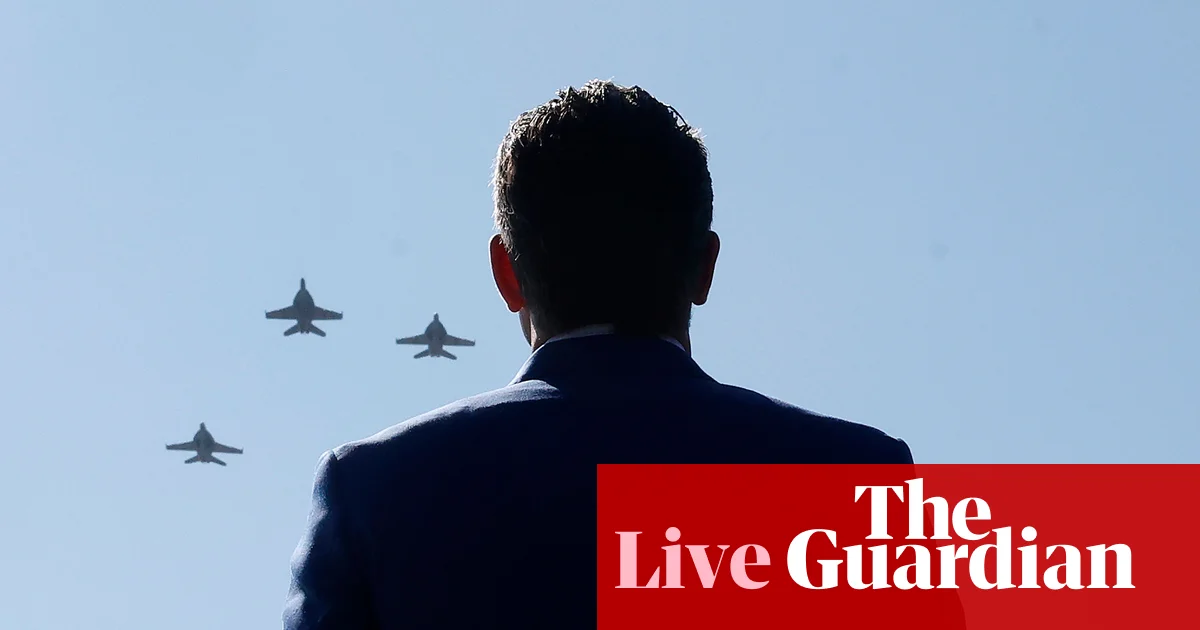
White House Severs Ties with Hegseth Over Threat of Second Strike on Drug Boat—US Politics Update

In a development that underscores the mounting tensions between **United States** and the broader international community, recent military actions in the Caribbean and Pacific have ignited a fierce debate about legality, sovereignty, and the very nature of modern warfare. According to reports, a **US Navy** commander ordered a second round of strikes on an alleged Venezuelan drug vessel on September 2, a move that has drawn sharp criticism with echoes of Cold War-style proxy conflicts. This strike, which aimed to eliminate what the **US** claims was a threat linked to drug trafficking, resulted in a series of complex repercussions both within **America** and in its relations with regional nations, especially **Venezuela**.

While **White House** officials distanced **Defense Secretary Pete Hegseth** from direct orders for the raid, press secretary Karoline Leavitt confirmed that Hegseth authorized the military engagement but denied allegations of a war crime—specifically, the report suggesting he ordered the killing of all individuals aboard the vessel. Critics, including numerous international legal experts and human rights advocates, have questioned the legality of these strikes by pointing out the absence of concrete evidence and the potential violation of international law. Historians warn that such unchecked military actions could set a dangerous precedent, undermining sovereignty and international norms that serve as the foundation of global stability.

The incident highlights a critical turning point in US military policy, as the Trump-era administration has continued its aggressive stance in counter-narcotics, employing unorthodox methods often justified by the perceived threat of drug trafficking organizations. US authorities assert that since September, at least 83 individuals have been killed in similar strikes targeting alleged trafficker vessels, primarily in the Caribbean Sea and eastern Pacific. However, these operations have faced mounting scrutiny, with international organizations such as the United Nations raising concerns over their legality and proportionality. Many geopolitical analysts argue that these actions risk unravelling the delicate balance of power, especially amid rising tensions with **Venezuela**, whose government fiercely denies any involvement in drug trade.

  • The Pentagon defends the strikes as lawful under the **law of armed conflict**, emphasizing that these operations are conducted in **international waters**, which theoretically exempts them from territorial sovereignty restrictions.
  • Both **Senate** and **House** armed services committees have launched probes into the operations amid accusations that the White House has yet to release detailed intelligence or evidence backing their claims.
  • Global reactions are mixed, with allies concerned over the escalation of unilateral military action without international consensus, while detractors contend these policies could spiral into wider conflict or war crimes accusations.

As **international organizations** and **regional nations** watch with mounting alarm, the **geopolitical impact** of these actions could be profound. A military approach rooted in aggressive strikes risks fragmenting alliances, sparking retaliation, and igniting new conflicts in an already volatile region. As scholars like Dr. Laura Simon warn, “If unchecked, this trajectory could lead to a scenario where sovereignty is eroded, and the US’s role as a global enforcer becomes increasingly questionable.” The weight of history hangs heavy as **America** navigates this precarious shadow of military intervention, where every decision echoes across borders, shaping the future of international law and security. With each new strike and probe, the narrative of power, legality, and morality continues to unfold—a story written in the blood and resilience of nations striving to define their place in an unpredictable world.

OBR suspects 'outsider' behind budget leak as cyber expert steps in – UK politics updates
OBR suspects ‘outsider’ behind budget leak as cyber expert steps in – UK politics updates

Unfolding Geopolitical Ripples in the UK: Budget Leak and Domestic Policy Shifts

In a dramatic turn of events that underscores the fragile interplay of digital security and national governance, Richard Hughes, chair of the Office for Budget Responsibility (OBR), disclosed that an external individual may have inadvertently caused the early leak of the UK’s latest fiscal report. This incident, which surfaced just minutes before the Chancellor of the Exchequer, Rachel Reeves, formally announced the budget, has ignited concerns over cyber security at a time when international stability increasingly hinges on the integrity of government communications.

As Prof Ciaran Martin, former head of the UK’s National Cyber Security Centre, has been called in to oversee the investigation, critics warn of far-reaching geopolitical implications. This breach at the heart of the UK’s financial oversight not only raises questions about internal security protocols but also signals potential vulnerabilities that, if exploited, could ripple across allied nations and global markets. Analysts suggest that this incident is a stark reminder of how digital threats are reshaping the landscape of international politics, compelling leaders worldwide to revisit cybersecurity treaties and cooperation frameworks.

Domestic Politics and International Consequences

  • The UK government’s handling of fiscal transparency is now a subject of international scrutiny, especially within institutions such as the International Monetary Fund (IMF) and the G7.
  • Meanwhile, Rachel Reeves has defended her budget, emphasizing that none of her fiscal measures are designed to stimulate growth, a stance that contrasts sharply with the assessments of the Institute for Fiscal Studies (IFS). While she insists that her policies are designed to protect existing social frameworks, critics argue that her refusal to break manifesto promises on tax hikes risks exposing growing societal inequalities.
  • International observers, including leading economists and security experts, warn that such domestic discord, combined with vulnerabilities like the recent leak, can undermine Britain’s strategic alliances and its credibility in rallying international support for coordinated economic policies.

The Broader Impact: Rising Tensions and Evolving Alliances

This security lapse exemplifies the broader geopolitical shift where digital sovereignty and cyber diplomacy are now as critical as traditional military alliances. The incident offers a stark warning that how decisions inside nations’ borders influence global stability. With emerging powers like China and Russia deploying cyber tactics to bolster or destabilize existing structures, Western countries must accelerate efforts to forge resilient cybersecurity agreements.

Historical analyses by geopolitical scholars warn that such incidents could catalyze a new era of digital confrontation, compelling nations to rethink traditional alliances. According to the UNESCO, international cooperation in cyber governance must adapt swiftly to defend shared interests, lest fragile democracies fall victim to asymmetrical warfare that erodes trust in essential institutions.

Conclusion: The Unfolding Narrative of Power and Security

As the UK navigates this turbulent chapter, with its political landscape now under the shadow of cyber vulnerabilities and contentious fiscal policies, the weight of history presses heavily upon its future trajectory. The incident serves as a stark reminder that in an interconnected world, choices made within the vaults of London’s government chambers reverberate across continents, shaping the destiny of societies. The unfolding story — of leaks and policies, trust and treachery — leaves the global observer pondering: how resilient are the foundations of power in an age where information itself becomes the battlefield?

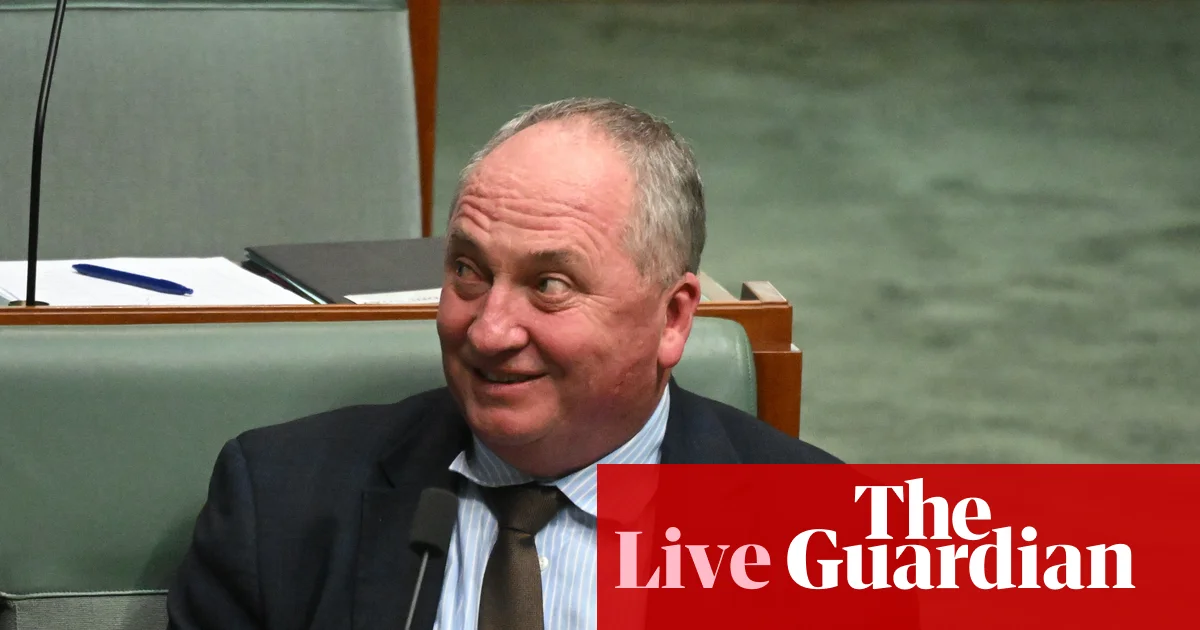
Australia Politics Live: Barnaby Joyce’s Potential Move to One Nation Sparks Buzz; AI 'Nudify' Service Hinders Aussies
Australia Politics Live: Barnaby Joyce’s Potential Move to One Nation Sparks Buzz; AI ‘Nudify’ Service Hinders Aussies

In a striking sequence of recent events, Australia stands at a pivotal crossroads, emblematic of broader global shifts impacting democracies and national sovereignties. The rumblings of political realignments within Australia, notably the potential defection of Barnaby Joyce from the Nationals to One Nation, underscore a period of intense internal dissent and ideological consolidation that could reverberate far beyond Down Under. As veteran analysts warn, such moves threaten to undermine established bipartisan consensus and potentially embolden populist and nationalist currents across the Pacific.

Meanwhile, the international community grapples with a darker shadow cast by the unchecked proliferation of AI-driven abuses. A recent crackdown by UK authorities on a company linked to “nudify” deepfake services illustrates how technological advancements—initially designed for entertainment or benign uses—are now being exploited to generate devastating child exploitation content. This global challenge highlights an urgent need for unified, comprehensive regulation of AI and digital services to prevent further societal harm. According to Australia’s eSafety commissioner, the company Itai Tech has been penalized and blocked from Australian users; a move hailed by advocates as a tangible step in combating online child exploitation. However, critics argue that without coordinated international efforts, such measures are only temporary repairs in a battle that demands systemic reform.

Geopolitical Ramifications ofInternal Political Shifts

The potential defection of Barnaby Joyce signals a substantive shift within Australian politics. Historically, such defections—while not unprecedented—are often precursors to wider realignments that challenge the stability of governing coalitions. Analysts warn that Joyce’s pivot could catalyze a broader realignment of populist sentiment, especially if it gains momentum among conservative voters galvanized by issues like environmental policy and national sovereignty. For the international community, a more fragmented Australian political landscape could slow progress on transnational issues such as climate change, trade, and regional security — crucial concerns given Australia’s strategic position in the Indo-Pacific.

Furthermore, the racial and cultural undertones often associated with One Nation might spark wider societal debates about multiculturalism, national identity, and the future trajectory of Australian values. According to regional security analysts, these internal shifts could impact Australia’s alliances with global powers, notably United States and China, by altering the political landscape and influencing Canberra’s foreign policy stance. Just as European nations face upheaval from populist surges, the Australian political scene’s current turbulence serves as an ominous warning of the fragility of consensus in democracies worldwide.

Technological Evil and International Responsibility

Simultaneously, the rise of AI-related malfeasance emphasizes the complex web of consequences that unchecked technological innovation can entail. The recent UK regulatory action against Itai Tech and the broader efforts by Hugging Face to halt AI model misuse exemplify a new frontier of international concern: digital misconduct transcending borders and aggravating societal vulnerabilities. The generation of child exploitation material via AI deepenfakes is not an isolated phenomenon but part of a disturbing pattern demonstrating how digital policies must evolve in tandem with rapid tech development.

Legal scholars and UN watchdogs warn that if nations do not craft cohesive, enforceable frameworks, the digital realm will remain a Wild West where predators operate with impunity. As Julie Inman Grant remarked, greater international cooperation is essential because, in the cyber age, the fight against abuse and exploitation cannot be restricted by national borders. Failure to act decisively risks ceding control of the digital universe to those who exploit its vulnerabilities for profit and power, condemning future generations to a digital dystopia rooted in societal decay.

The Unfolding Saga of Power and Society

The unfolding saga of political intrigue, technological peril, and societal resilience—encapsulated by Australia’s internal conflicts and the global fight against AI abuse—remains an enduring testament to the turbulent state of world affairs. As historians and international organizations observe with concern, the decisions made in these critical junctures will shape not only national destinies but also the fabric of global civilization. The weight of history presses heavily on the coming days, underscoring that the actions of leaders today are the chapters of tomorrow’s narrative: a story of resilience or ruin, unity or division—an epoch still in the making, with its destiny hanging in fragile balance.

Australia Politics Update: Labor Tries to Win Greens and Coalition Support on Nature Laws in Final Week of 2025 Parliament

Global Power Dynamics in Flux: A Year of Unprecedented Shifts

As 2025 unfolds, the international arena witnesses a series of transformative developments that will undoubtedly leave a lasting imprint on the course of history. From the reaffirmation of aged alliances to emerging conflicts over resource control, the geopolitical landscape is shifting with unprecedented speed and intensity. Major world powers are recalibrating their strategies amidst the complex web of regional tensions and global challenges, signalling a new era where old paradigms are no longer sufficient to navigate the turbulent waters of the 21st century.

Key among these shifts is the continued resurgence of China and Russia, who are consolidating influence in strategic regions through economic, military, and diplomatic avenues. Western nations, particularly the United States and its NATO allies, are dispatching signals of renewed commitment to their traditional security pacts; however, cracks are beginning to surface within these alliances, driven by internal political shifts and divergent national interests. Yet, the most startling change may be the reassertion of sovereignty by emerging economies and regional powers asserting their independence from Western dominance, transforming previous unipolar narratives into a more multipolar reality.

Within this context, international organizations such as the United Nations and the World Trade Organization face increasing scrutiny and calls for reform, largely because their ability to mediate effectively has been hampered by national self-interests. The global climate crisis adds a layer of urgency to these diplomatic negotiations, with nations balancing the imperative for sustainable development against short-term economic gains. Historians and analysts warn that failure to adapt to these new realities could lead to heightened conflicts over resources and technology, with the potential for widespread instability.

Of particular concern is the escalation of conflicts over critical resources, including rare earth elements, water, and energy supplies, which are vital for technological and military superiority. Countries are increasingly turning inward, prioritizing self-reliance and securing their borders against what many perceive as external threats. This trend signifies a fundamental challenge to the post-World War order and a deliberate move toward geopolitical resilience. As nations navigate these turbulent waters, scholars emphasize the importance of maintaining open channels for dialogue to prevent misunderstandings from spiraling into all-out confrontations. The next few years are likely to be pivotal, as political factions and regional actors push for dominance, making the path forward anything but predictable.

In conclusion, the unfolding history of 2025 is a stark reminder that the decisions made today will echo through generations. As global players recalibrate their positions and face the consequences of their actions, the world stands at a perilous crossroads—where the pursuit of power and security risks eclipsing the common good. The cause-and-effect of these seismic shifts will shape the fabric of international relations for decades to come, leaving behind a legacy that history will scrutinize with relentless scrutiny. In this drama of diplomacy and conflict, the weight of the future remains uncertain, yet undeniably heavy—building a story of resilience, rivalry, and revolution that is still quietly being written in the shadows of the great halls of power.

‘Jmail’ dips into Epstein’s inbox — a bold new twist in the tech game for the next-gen.

Tech Innovation Disrupts Transparency with Epstein Files Release

The recent release of over 20,000 pages of Jeffrey Epstein emails, facilitated by the House Oversight Committee, has marked a turning point in digital information accessibility. By utilizing advanced artificial intelligence (AI) and optical character recognition (OCR) technologies—specifically Google’s Gemini AI—tech entrepreneurs and journalists alike are rewriting the rules of data analysis and transparency. This wave of innovation leverages these cutting-edge tools to turn what was once inaccessible or cumbersome into searchable, user-friendly formats, creating significant disruption across the information economy.

Platforms like “Jmail”—a custom interface built by developers Luke Igel and Riley Walz—capitalize on these advancements, transforming complex source documents into searchable emails. Using OCR-powered AI, they’ve not only improved accessibility but also enabled real-time keyword searches, allowing users to pinpoint specific discussions involving high-profile figures like Trump or SEOs. This intelligent search capability exemplifies the potential for automation-driven transparency in government and corporate environments, dramatically reducing the time and effort required for investigative work. As Gartner analysts have noted, this type of AI-fueled data analysis is reshaping how sensitive information can be democratized without sacrificing integrity—marking just the beginning of a larger industry shift.

This technological disruption reveals a broader trend toward open access, driven by legislative action like the Epstein Files Transparency Act. Signed into law recently, it mandates the Department of Justice to make unclassified files publicly available in navigable, downloadable formats within 30 days. While some restrictions remain—to prevent jeopardizing ongoing investigations—the law underscores a strategic move toward greater government accountability. It is a clear signal that future data releases could be heavily processed, indexed, and integrated into AI systems, further accelerating shifts in how classified and unclassified information is managed, analyzed, and utilized in the digital age.

Implications for Business and Future Direction

For forward-thinking companies and organizations, this evolution signifies vast opportunities for innovation. Firms specializing in data processing, AI development, and cybersecurity stand to benefit immensely, positioning themselves as essential providers in this new data-driven landscape. As industry experts like Peter Thiel have forecasted, those who harness such technology early will influence policy, shape transparency standards, and redefine privacy boundaries.

  • Emerging platforms will integrate AI-powered search with secure, user-centric interfaces
  • Governments and corporations will adopt real-time data declassification and dissemination tools
  • Increased transparency may disrupt traditional power structures, pushing for accountability at all levels

As the pace of innovation accelerates, the question isn’t if but when this technological shift will change everything—impacting everything from public trust to the way money flows in political and corporate spheres. The urgency for young entrepreneurs and established players alike to adapt or risk obsolescence has never been greater. The transparency revolution, powered by AI and disruptive business models, is poised to transform the landscape. The onus now lies on visionary leaders to capitalize on this momentum and craft applications that not only inform but radically alter the future of governance and enterprise.

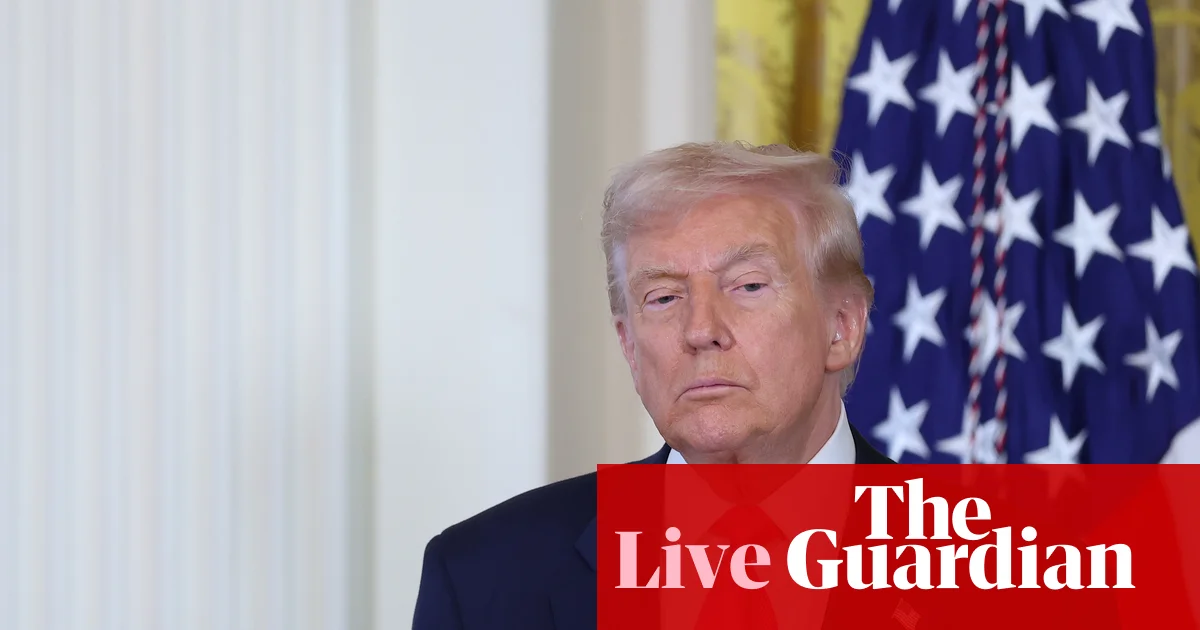
Trump under fire for allegedly suggesting executions of Democrats – Breaking US politics

Shaping the Future: The Geopolitical Aftershocks of Recent US and World Events

In an era defined by rapid political shifts and intense international conflicts, recent developments signal a deeply uncertain yet fiercely consequential chapter in global history. Across the Atlantic and beyond, key decisions and statements by leaders are not only shaping domestic narratives but are also echoing through the corridors of power worldwide. The recent hostility between President Donald Trump and the new civic leadership of New York City exemplifies the fragility of American political stability and foreshadows conflicts that could pit city, state, and federal authorities against each other, destabilizing one of the world’s major economic hubs.

Just as Trump‘s rhetoric, filled with threats against Democratic lawmakers, draws condemnation, it underscores a broader pattern seen in many democracies: the rise of populist leaders who oppose the established political order. His call for the arrest and trial of elected officials accused of “sedition,” alongside claims of “punishable by death,” open the door to spiraling violence and undermine the very fabric of constitutional governance. Savvy analysts warn that this rhetoric, if left unchecked, could lead to further polarization and even violence—a turning point that history will scrutinize for generations. In reaction, figures such as Chuck Schumer have rightfully condemned the threats, emphasizing that such language threatens the core principles of American democracy. However, the underlying grappling with law enforcement, civil liberties, and political violence remains emblematic of a nation on edge, risking the descent into chaos if institutions falter.

Meanwhile, international scenes are equally tense. Ukrainian President Volodymyr Zelenskyy recently indicated an openness to negotiate with Donald Trump over a peace plan that calls for painful concessions from Kyiv—a stark reminder of how \_diplomatic negotiations\_ have become intertwined with the volatile domestic politics of the United States. The potential for such negotiations to influence the Kremlin’s calculus signals what could be a crucial shift in the \_geopolitical chessboard\_: the possibility of a diplomatic breakthrough amidst warfare that has threatened regional stability for over a year. That Zelenskyy, who is receiving pressure from Washington, might navigate this complex web of diplomacy under the shadow of American partisan tumult highlights the intertwined destinies of nations.

In a broader context, the recent announcement by the Trump administration to expand offshore oil drilling off the coasts of California and Florida signals a shift in the United States’ energy policies amidst a time of economic and environmental debate. This move, opposed by many state and local leaders, serves as a case study of how energy and climate priorities are becoming battlegrounds for national identity and economic interests. The decision, against the backdrop of a declining global oil market, underscores the importance of energy independence and resource security—yet also raises questions about the long-term sustainability and geopolitical influence of the US in energy markets.

With these developments unfolding concurrently—ranging from fiery rhetoric to diplomatic negotiations, and environmental policy shifts—the message for the world’s nations is clear: the stage is set for a tumultuous period where decisions made today will echo in history’s chronicles for generations to come. All eyes remain fixed on the unfolding drama, where the consequences of leadership, ideology, and power will determine not just the fate of individual nations, but the stability of the international order itself. As history’s wheels turn, one must wonder—how will the chronicles of this turbulent era be written, and who will emerge as the architects of the future?

Andy Burnham Urges Labour to Drop Restrictive Asylum Rules — UK Politics Live

The UK’s Political and Immigration Innovations Signal a Shift in Global Power Dynamics

In an era characterized by relentless geopolitical transformation, the United Kingdom stands at a critical crossroads. Recent decisions emanating from Westminster exemplify a broader trend among Western nations striving to redefine their social fabric and geopolitical influence. The UK’s immigration policy reforms, coupled with efforts to reshape its political landscape, underscore a strategic repositioning—aimed at bolstering national sovereignty and economic resilience amid the evolving international order.

Central to these developments is Home Secretary Shabana Mahmood’s announcement of dramatic changes in migration rules. These measures, set to double the waiting period for indefinite leave to remain from five to ten years, and enforce stricter language and criminal record requirements, signal the government’s intent to prioritize control over sovereignty and social stability. Analysts like Dr. James Tennant, a geopolitical strategist, argue that such policies are designed to reinforce national borders against the destabilizing influxes that characterize unchecked migration flows. In essence, these reforms are not merely domestic adjustments but a calculated move to assert post-Brexit independence, signaling to global actors that the UK will prioritize sovereignty over open borders.

Yet, this shift is not happening in isolation. Andy Burnham, the mayor of Greater Manchester, reflected widespread sentiment among pragmatic leaders who see the long-term implications. Burnham, a prominent figure vying for Labour leadership, explicitly voiced concern over the proposed 20-year waiting period for settlement—highlighting how prolonged limbo could hinder national integration efforts and strain public resources. His stance exemplifies the mounting tension between those advocating for controlled immigration and those emphasizing social cohesion and economic stability. The ongoing debate vividly illustrates how internal policies are grappling with the geopolitical need to project strength while maintaining societal resilience.

Furthermore, the broader international context amplifies the significance of these shifts. Many analysts, including members of the International Institute for Strategic Studies (IISS), interpret these measures as part of a strategic calculus—aimed not only at bolstering domestic security but also at asserting the UK’s post-pandemic global stance. This recalibrated approach suggests a move away from the legacy of open-door policies, favoring instead a model aligned with traditional nationalist principles. Historically, nations that have prioritized sovereignty and robust border controls have often repositioned themselves to wield greater influence in global affairs. The UK’s renewed focus on internal control reflects a desire to reassert its influence in an increasingly multipolar world—balancing relationships with peer powers and regional allies.

As history continues to unfold, these decisions evoke echoes of earlier moments—when nations chose sovereignty over globalization. From the unrest of post-war Europe to the rise of nationalist movements, the trajectory of nations often hinges on their leadership’s willingness to assert control amidst international chaos. Historians warn that such policies, if poorly managed, could deepen societal divisions or provoke retaliatory measures from trading partners. Nonetheless, the current course signals that **the UK is eager to carve an independent path**, shaping a future where its influence is defined less by its proximity to Bruxelles and more by its strategic national interests.

The stakes are monumental. As Britain crafts its new identity—leaning into strength, sovereignty, and renewed national pride—the world watches with bated breath. The decisions taken today are not isolated; they are the threads woven into the fabric of history, setting a precedent for how nations respond to a shifting global landscape. In the shadows of these policies lies the promise—and peril—of a future shaped by bold choices. History’s pen continues to write, and the pages ahead will reveal whether Britain’s gamble will forge resilience or deepen its divisions. Either way, the unfolding story will mark a defining epoch in international history.

Dugald Saunders quits NSW Nationals as talk mounts on Mark Speakman’s move—what’s next in NSW politics?

The recent resignation of Dugald Saunders, leader of the New South Wales Nationals, marks a pivotal moment amidst ongoing internal political upheavals that have significant geopolitical implications for Australia. Saunders, citing personal and family reasons, stepped down as the party grapples with contentious issues surrounding climate policy and regional concerns that mirror and potentially influence national narrative. His departure underscores the deepening divisions within the coalition, notably over the decision to abandon a net zero emissions target by 2050, a shift that signals a broader resistance to global environmental initiatives perceived by many as threatening to regional industries and traditional livelihoods.

The Coalition in NSW, comprising the Liberals and the Nationals, faces mounting challenges not only on climate policy but also on issues such as management of wild horse populations and the protection of iconic ecosystems like the Great Koala National Park. These internal disagreements reflect a larger, internationally significant struggle between progressive environmental agendas and conservative, regional priorities that many analysts argue are rooted in a broader geopolitical tension. How these decisions shape Australia’s stance on climate diplomacy and regional security will influence its relationships with key partners, including the United States, China, and the European Union, particularly as global powers intensify their competition over influence in the Indo-Pacific.”

Commentators and historians, such as Dr. Robert Crane of the Australian Strategic Policy Institute, emphasize that domestic political shifts in key regional states like NSW carry the potential to tip the balance of influence in this vital region. The internal leadership contest currently brewing, with former leader Paul Toole and potential contenders Gurmesh Singh and Steph Cooke, may have profound effects on the coalition’s future stance and Australia’s broader strategy. As the party’s internal dynamics intensify, the outcome could alter not just regional governance but also Australia’s role in international energy and environmental negotiations, which are increasingly becoming battlegrounds for geopolitical influence and economic resilience.

Meanwhile, Mark Speakman, the current Liberal leader, has praised Saunders’ dedication, yet political analysts warn that the coalition’s instability, combined with a declining public opinion, could accelerate leadership changes. Reports suggest that the coalition’s future hinges on how quickly and decisively it can reconcile internal divisions—a process that could have cascading effects on Australian society and its global alignments. As historical forces continue to unfold, Australia finds itself at a crossroads where local leadership decisions are intertwined with global power dynamics. The very fabric of regional stability and the future of Australia’s international commitments could be rewritten in the coming weeks, leaving the impression that, in the grand chessboard of geopolitics, today’s political upheaval may indeed be tomorrow’s defining chapter in world history.

Reeves’ U-turn sends markets into a spin, hikes borrowing costs—UK politics live | Politics

Global Political Turmoil Escalates as UK Budget Shifts Shake Markets

In a striking display of political and economic chaos, the recent developments in Britain’s government paint a picture of a nation on the brink of financial and institutional disintegration. As Prime Minister Keir Starmer and Chancellor Rachel Reeves maneuver through a rapidly changing political landscape, their U-turns and strategic missteps threaten not only domestic stability but also the geopolitical standing of the United Kingdom. The core issue remains rooted in their apparent inability to uphold manifesto promises amidst a turbulent fiscal environment, echoing concerns voiced by international analysts about the risks posed by domestic political instability to global markets.

Historians and financial experts warn that political indecisiveness at such a critical juncture can have repercussions far beyond the shores of London. The UK’s bond markets have already begun reacting negatively, with yields on long-term gilts experiencing their worst day since July, reflecting a perception of increased fiscal risk. This market turmoil underscores the fragile confidence within the international financial community, which is closely watching British politics for signs of fiscal irresponsibility. Such volatility indicates a growing breach of trust in the UK’s ability to manage its debt, thereby undermining its influence and threatening to destabilize global financial corridors.

The internal political strife is amplified by the debate over taxes and public spending. Originally, Reeves had signaled a plan to increase income tax, a move that would have jarred with her manifesto commitments. However, the recent *dramatic U-turn*—prompted by an improved fiscal forecast—has seen the government ditch this unpopular initiative. Yet, this retreat raises questions about the true stability of the UK’s fiscal policy; critics argue it signals a government beholden to financial markets rather than steadfast policy principles. Meanwhile, the Conservative Party has seized on this shift, claiming victory while warning that the underlying issues—such as the possibility of cutting thresholds for higher income taxes—remain unresolved, risking further market instability.

The international community watches as the UK’s political whiplash exposes deeper systemic flaws. Economists argue that such indecision erodes investor confidence, which in turn jeopardizes the UK’s borrowing ability and raises borrowing costs. The International Monetary Fund, along with independent financial analysts, have repeatedly cautioned that unpredictable policymaking can cause long-lasting damage to a nation’s economic credibility. As the European economy and global markets tremble, the UK’s internal crises serve as a stark warning: political instability is no longer an internal affair but a signal that the global order remains vulnerable to the caprices of national politics.

As the dust settles on the UK’s turbulent political landscape, history will judge these events as a critical juncture—yet the narrative remains unfinished. The decisions taken today could ripple through the corridors of power for generations, shaping how nations respond to internal crises amid an interconnected world economy. For now, the UK stands as a testament to the perils of political brinkmanship, with the shadows of uncertainty looming large. Will it find its footing again, or will the current chaos be remembered as the moment the foundations of the mighty British Empire finally shook? Only time, still silently writing its story, will tell.

Social Media Auto Publish Powered By : XYZScripts.com