Matox News

Truth Over Trends, always!

Iranian women Trump ‘saved’: Real women, AI-created narratives?

Disinformation & AI-Generated Propaganda Reshape Global Narratives Amid Innovation Surge

The recent controversy surrounding former President Donald Trump and allegations about Iranian women’s executions demonstrates an evolving battlefield where technology, misinformation, and geopolitics collide. As social media becomes the primary conduit for real-time information, disruption in information authenticity is transforming how narratives are constructed, weaponized, and contested across the globe. Industry insiders and analysts like Gartner warn that AI-driven content manipulation is at the core of these modern propaganda wars, blurring the line between fact and fiction in unprecedented ways.

At the heart of this technological upheaval lies a surge in AI-powered tools capable of generating hyper-realistic images, videos, and narratives at scale. The controversy over a collage supposedly depicting “AI-generated women” facing execution in Iran exemplifies this shift. Mahsa Alimardani of WITNESS confirms that while the images may be AI-altered, the women depicted — including Bita Hemmati — are real, and many are victims of Iran’s brutal crackdown on dissent. This incident underscores a critical business implication: technologies that enhance content realism can be exploited for political gains, creating a new class of false narratives that threaten truth itself.

Innovation in Content Manipulation Fuels Geopolitical Disinformation

Industry leaders like Elon Musk and Peter Thiel have expressed concern about disruptive AI innovations that could overwhelm information ecosystems. Platforms laden with misinformation, such as the Iranian embassy’s social accounts, now leverage AI to craft content that is virtually indistinguishable from reality. Such tools enable actors to generate disinformation campaigns with increased sophistication and scale, giving rise to a dangerous landscape where fact-checking alone becomes insufficient.

More troubling is the proliferation of misleading political narratives. For instance, a South Korean president’s misquoted video, falsely attributed to a deceptive account, demonstrates how misinformation can escalate international tensions. This underscores a pressing need for robust verification mechanisms—an area where industry standards, like those promoted by MIT and other tech research institutions, are desperately needed but often lag behind rapidly evolving AI capabilities. The consequences are clear: if unchecked, disruptive AI content could undermine democratic institutions, intensify conflicts, and destabilize global peace.

The Business Implications & The Urgent Need for Strategic Response

From a business perspective, the rise of disruptive AI tools is both a challenge and an opportunity. Companies invested in blockchain, biometric verification, and AI content authentication are racing to develop solutions that can detect and counteract AI-mediated misinformation. According to Gartner, next-generation verification platforms will become essential infrastructure for social media platforms, governments, and corporations to safeguard trust in digital content. Failure to innovate at scale could result in losing consumer confidence and regulatory crackdowns, echoing the importance of strategic foresight in a landscape fraught with emerging threats and market shifts.

Furthermore, industry analysts warn that the pace of AI innovation necessitates bold leadership and proactive regulation. Like the groundbreaking developments in autonomous systems and neural interfaces, AI content creation is poised to redefine the information economy. Yet, as industry experts note, without robust guardrails—founded on transparency, accountability, and technological innovation—these systems risk unleashing chaos rather than progress. Fast-moving startups and global tech giants must collaborate to develop standards that ensure fact-based content remains dominant and trusted in the digital age.

Looking Forward: The Urgency of Strategic Innovation

The unfolding landscape of AI-driven disinformation presents a make-or-break moment for industry and policymakers alike. The stakes are high: failure to keep pace with disruptive technologies may lead to irreparable damage to the fabric of truth and societal stability. Whether through advanced verification systems, AI content filters, or international cooperation, the imperative remains clear: innovation must be matched with strategic foresight and unwavering commitment to integrity. As tomorrow’s technological landscape continues to evolve rapidly, those who act decisively today will determine the future of truth in the digital age—and the future of free discourse itself.

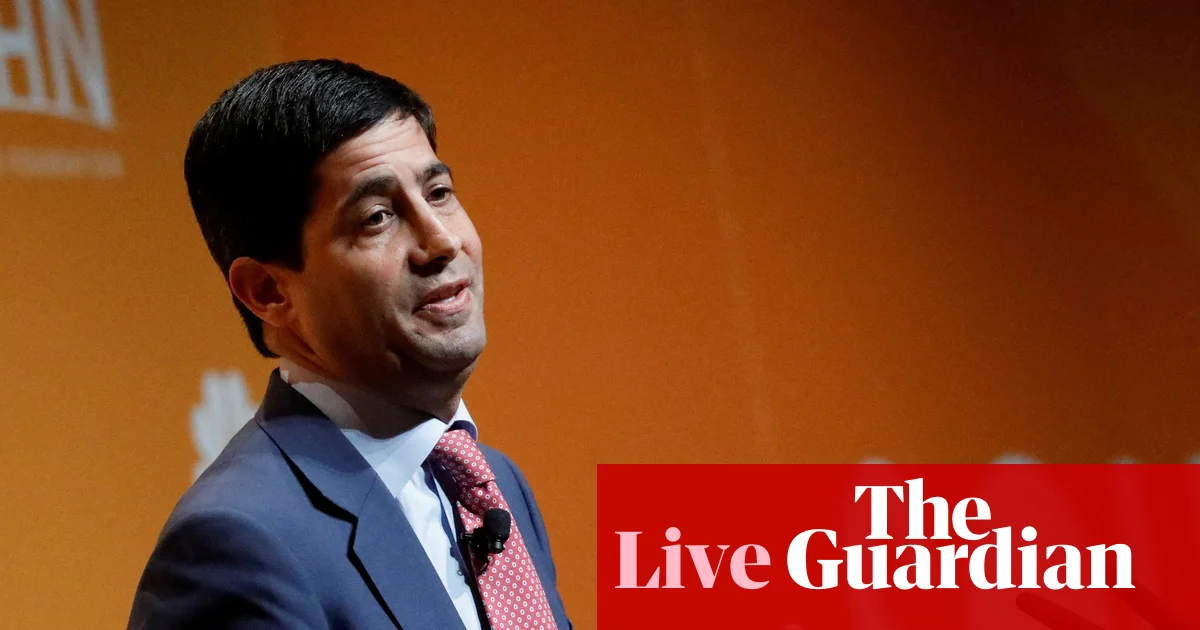
Kevin Warsh vows Fed independence despite Trump’s pressure, signaling firm stance in US politics

As President Donald Trump faces mounting scrutiny over his influence on the Federal Reserve and its leadership, recent developments signal a profound shift in the geopolitical landscape. At a pivotal confirmation hearing, Kevin Warsh, Trump’s nominee for Fed Chair, publicly committed to maintaining the institution’s independence amid pressures from the White House. Nevertheless, the tense atmosphere painted a stark picture of potential instability at the heart of U.S. economic policy, with echoes reverberating across global markets. Notably, Elizabeth Warren—a leading voice in Congress—warned that Trump’s interference threatens the very fabric of American monetary autonomy, citing ongoing attempts to sway Fed appointments and influence rate decisions.

  • The hearing unveiled a deeper struggle: Trump’s explicit desire for lower interest rates, fueling fears of political weaponization of the federal monetary system.
  • Powerful Republican figures, including Thom Tillis, signaled a readiness to hinder Warsh’s appointment until federal investigations into the Fed’s recent renovations are resolved, risking a period of unparalleled turbulence for the central bank.
  • Simultaneously, Trump’s foreign policy sparked chaos, with the president explicitly refusing to extend a fragile ceasefire with **Iran**, while maintaining that military action remains a strong possibility. In striking contrast to his previous diplomatic tone, Trump’s raw rhetoric signals a readiness to escalate conflict, hinging on a “better attitude to go in with”—a clear warning to allies and adversaries alike.

Global institutions and analysts warn that such domestic instability in the United States portends broader geopolitical consequences. The potential for a divided Fed—undermined by political interference—could lead to currency volatility and increased borrowing costs worldwide. Historians and financial experts, like Dr. Samuel R. Hughes, argue that this turbulence threatens the foundation of the Bretton Woods system’s legacy of monetary stability. Meanwhile, regional dynamics are heating up as Pakistan leads last-ditch negotiations with Iran and the U.S., a move that could either stabilize or further destabilize the Middle East—an area already fraught with tension. The world’s eyes are watching—uncertainty grows as the US’s internal struggles threaten to rewrite the balance of power.

In a parallel political saga, Trump’s other actions—such as endorsing energy expansion policies invoking the Defense Production Act—highlight a bold push for economic nationalism. From a turning point in energy independence to battles over congressional districts in Virginia, the moves reflect a deliberate strategy to tighten control over economic and political leverage both domestically and internationally. The implications for America’s societal fabric are stark: a country polarized further, with political elites questioning the legitimacy of institutions and the loyalty of their leaders. As the nation teeters on the edge of upheaval, the narrative threads of power, influence, and history are being woven anew—possibly forever.

In the words of historian Prof. Alexander Reeve, “This is a defining moment. The choices made today will echo through generations, shaping the future of freedom and sovereignty. The unfolding story isn’t just about policy; it’s about the soul of a nation—its resilience or vulnerability—yet history remains stubborn, waiting to be written by those who dare to shape it.”

Tim Cook remains Apple’s quiet influencer amid shifting tech tides

Apple’s Leadership Transition Signals Strategic Shifts Amid Global Policy Challenges

In a move that underscores ongoing innovation and disruption in the tech sector, Tim Cook has transitioned from CEO to the role of Apple’s executive chairman, while John Ternus, senior vice president of hardware engineering, takes the helm as CEO. This leadership shakeup arrives at a critical juncture for the industry, as Apple braces for mounting regulatory pressures and geopolitical tensions shaping the tech landscape. With Cook remaining actively involved in high-stakes policy negotiations—particularly with U.S. policymakers—Apple continues to navigate complex global economic dynamics, emphasizing business resilience in an era marked by technological disruption and policy upheaval.

The strategic retention of Cook’s influence highlights the importance of political diplomacy in maintaining Silicon Valley’s competitiveness. Historically, Cook has balanced Apple’s interests across contentious markets, notably China and the U.S., exemplifying how industry leaders must adapt to evolving policy climates. This is especially relevant as worldwide regulators, led by institutions like Gartner and MIT, pursue aggressive measures to regulate emerging AI technologies. These efforts aim to create a safer, more accountable ecosystem—yet pose significant hurdles for companies aiming to innovate without stifling growth.

Meanwhile, the industry faces disruptive shifts in market structures, driven by innovations in AI, 5G, and edge computing. Experts suggest that the next decade could define the battleground between regulatory constraints and technological breakthroughs. Apple’s pivot towards advanced hardware and AI integration exemplifies the company’s strategic focus on disruption. Despite the leadership change, Cook’s ongoing influence on policy and corporate strategy ensures Apple remains agile, capable of tackling complex issues like AI regulation, app store oversight, and international trade tensions.

Looking ahead, the industry’s trajectory hinges on adapting to a rapidly shifting geopolitical landscape and embracing cutting-edge innovation. Companies that effectively leverage disruption while navigating policy constraints will be best positioned for sustained growth. As Elon Musk and other visionaries push the frontiers of electric vehicles, space exploration, and AI, the urgency for young tech leaders to adopt a proactive stance intensifies. The coming years promise a fierce contest at the intersection of tech innovation and regulatory power, underscoring the necessity for strategic foresight in the face of relentless change.

Trump’s new tariff refund plan kicks off way to pay back billions—US Politics Update

The United States continues to exert profound influence on the global stage through its evolving policies, particularly under the recent actions of the Trump administration. The administration’s decision to establish a portal for tariff refunds represents a significant legal and economic shift, following the Supreme Court’s ruling that questioned the constitutional authority of the government to impose over $166 billion in tariffs. This move, aimed at reimbursing American importers who paid tariffs later invalidated, signals a contentious redefinition of trade and fiscal policy that resonates far beyond U.S. borders. International observers, including analysts from the International Monetary Fund and seasoned historians, warn that such unilateral policy adjustments could unsettle global trade networks and diplomatic relations, especially in volatile regions like the Middle East and Asia.

In an era punctuated by rising geopolitical tensions, the recent U.S. seizure of an Iranian cargo ship near the Strait of Hormuz sent ripples through worldwide markets. Oil prices surged by 4.8%, reaching nearly $95 a barrel, as markets responded to the U.S. assertion of authority in the strategically vital shipping lane. This move, compounded by escalating U.S.-Iranian hostilities, has cast shadows over the prospects of a lasting ceasefire and encouraged countries dependent on Middle Eastern energy supplies to reconsider their energy strategies. European stock markets faltered as traders grappled with the unstable outlook, illustrating a direct geopolitical impact caused by the U.S. demonstration of military and economic resolve. The decision underscores how power struggles and strategic military acts in the Middle East are driving global economic volatility, further destabilizing a fragile world economy seeking equilibrium amid the wave of new alliances and fractures.

Meanwhile, domestic U.S. political debates regarding Section 702 of the Foreign Intelligence Surveillance Act (Fisa) highlight ongoing concerns about privacy and national security. Both chambers of Congress faced a tight deadline to negotiate reforms on this contentious provision, which permits the collection of foreign communications without warrants. Such debates are reflective of broader geopolitical tensions: American lawmakers grapple with balancing civil liberties in an era of aggressive foreign surveillance, especially as impacts ripple into international relations. The inability of leaders like John Thune and Mike Johnson to reach consensus indicates a polarized environment, with implications that extend well beyond U.S. borders. As commentators like analysts from the Council on Foreign Relations suggest, these internal policy disputes could influence global perceptions of U.S. stability and strategic consistency, thus shaping alliances and deterrence capabilities for years to come. The narrative unfolding in Washington and beyond leaves the world perched on the edge of further upheaval, as the history of this era remains unwritten but profoundly consequential.

How China Tried to Hack Alysa Liu and Her Family: The Shocking Spy Story

Tech Innovation Meets Global Geopolitics: A New Era of Disruption

In the rapidly evolving landscape of technological innovation, recent revelations surrounding Chinese-connected figures operating within the United States underscore a shifting paradigm—who controls technology, and at what cost? The arrest of Frank Liu and Matthew Ziburis on charges related to illicit foreign influence highlights significant challenges to national security and sovereignty. Their alleged activities, including harassment and stalking of dissidents—a tool for political manipulation—serve as a wake-up call, revealing how complex and intertwined disruptive technologies are becoming with geopolitical agendas.

Meanwhile, the story of Liu—who founded the World Harmony Foundation—illustrates an era where **soft power** becomes intertwined with effective brand building and influence operations. His use of symbolic gestures like the ‘Harmony Bell,’ a seemingly benign peace initiative, masks deeper strategic ambitions that leverage cultural diplomacy for clandestine ends. This merging of soft power with cyber-enabled influence campaigns foreshadows a landscape where digital diplomacy and hybrid warfare are increasingly central in global power competition. Industry analysts from Gartner and MIT warn that such tactics represent a broader trend of opaque influence operations that threaten the foundation of open, democratic institutions.

Disruption Driven by Innovation in Cyber and AI Domains

As these geopolitical maneuvers unfold, cutting-edge innovations in AI, blockchain, and cybersecurity are reshaping how nations and corporations defend against covert influence and data breaches. The push towards decentralized digital currencies and secure communication platforms reflects an urgent response to authoritarian attempts at control. Disruption in these fields is not just about technological progress but fundamentally alters the business implications for global players. Companies investing heavily in AI-powered threat detection, cryptographic resilience, and automated counterintelligence are positioning themselves as critical pillars of national and economic security.

  • Leading firms such as Microsoft and Palantir are pioneering tools that auto-detect and counteract influence campaigns.
  • Startups and established industry giants are exploring blockchain for transparent transaction auditing to curb illicit funding flows.
  • Developments in AI are increasingly used for surveillance, identity verification, and real-time response to cyber threats.

In this context, industry giants and governments alike recognize that the next epoch belongs to those who can harness disruptive technology with precision and strategic foresight. Influential voices from Elon Musk to Peter Thiel emphasize that **technological supremacy** will dictate future geopolitical and economic dominance.

The Road Ahead: Innovation as the Ultimate Battlefield

Looking toward the future, the convergence of disruptive tech, cyber capabilities, and international influence operations signals a pivotal shift in global power dynamics. Speed is of the essence; the race to dominate these emerging domains will define the winners of the 21st century. As figures like Liu demonstrate, soft power will be complemented—and sometimes overshadowed—by hard-edged technology in shaping narratives and controlling influence. For entrepreneurs and policymakers, embracing this dynamism is vital; those who innovate boldly and respond swiftly will secure their footing in an increasingly uncertain world.

In conclusion, the unfolding interplay of disruptive technology and geopolitical strategy demands an urgent recalibration of priorities. The integration of AI, blockchain, and cybersecurity into the fabric of national defense and economic stability will determine who leads in this new era of digital dominance. The time to innovate is now—away from complacency and toward a future where control of technology equates to control of global influence.

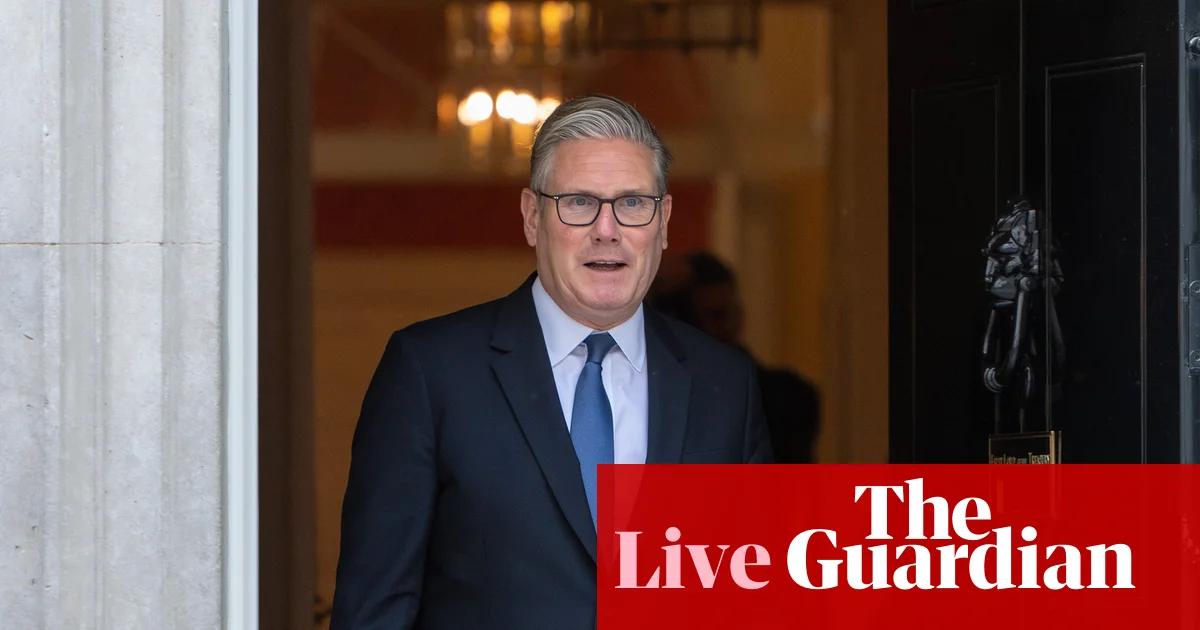
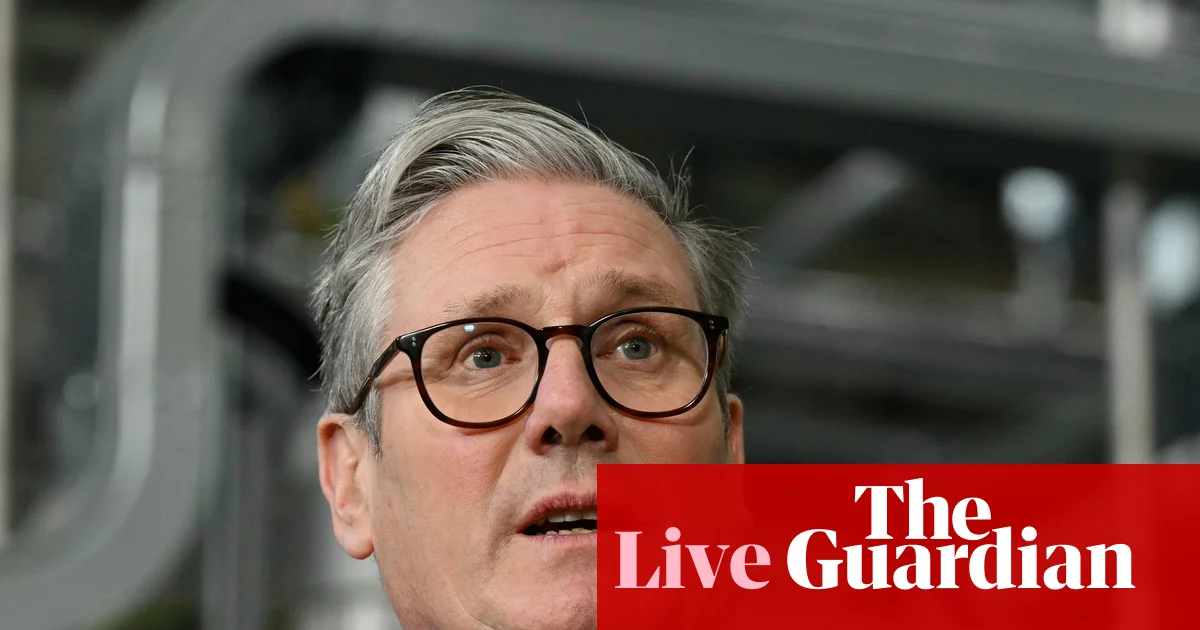
Ministers back Starmer amid rising doubts over Mandelson scandal – UK Politics Live

In a development that rattles the core of UK politics, Keir Starmer is facing mounting scrutiny as questions about his leadership intensify amidst the controversial appointment of Peter Mandelson as ambassador to the United States. The saga has exposed fissures within his government, with critics highlighting potential lapses in judgment and national security concerns. This episode underscores the geopolitical undercurrents shaping British policy and raises questions about the vetting process for diplomatic appointments, which can have long-lasting consequences for global standing and national security. As the fallout continues, many international analysts warn that internal political instability can weaken the UK’s position on global stage, especially at a time when geopolitical tensions are escalating across Europe, Asia, and the Atlantic.

The controversy centers around Mandelson’s failed security vetting, reportedly linked to the Chinese military through his lobbying firm, Global Counsel. Reports from The Sunday Times indicate that this connection played a role in his disqualification, igniting a firestorm of opposition and raises of accountability. Critics argue that the decision reveals deeper issues in how the UK manages international relations and foreign influence. This revelation significantly complicates British foreign policy, especially as China’s military expansion and diplomatic influence continue to challenge Western interests in Asia and beyond. Former historians and foreign policy experts have underscored that these diplomatic missteps can allow inimical actors greater influence, potentially undermining national sovereignty in subtle but profound ways.

Within UK politics, prominent figures like Liz Kendall and David Lammy have publicly defended Starmer, asserting that he has made the “right calls” on wider issues such as international relations, defense, and domestic social reforms. Kendall emphasized his integrity, arguing that the real failure lies not with Starmer but with Mandelson himself. However, the broader political landscape remains volatile. Opponents, including members of Reform UK and Conservative shadow ministers, are leveraging this crisis to pressure Starmer into resignation, suspecting that compromised judgements threaten the UK’s diplomatic credibility. In this volatile climate, how Britain navigates its international alliances will determine its role in the emerging multipolar world order, where alliances are fragile, and influence is currency for power.

Global organizations and seasoned analysts warn that decisions rooted in internal political strife ripple outward, affecting alliances and perceptions. As EU nations and NATO allies scrutinize Britain’s stability and intent, the nation’s internal discord presents a cautionary tale about the interconnected nature of security, diplomacy, and political leadership. The enduring question remains: will Britain overcome this internal fracture and project strength, or will the reckoning over Mandelson’s appointment serve as a prelude to further decline in a world where power is shifting rapidly? The stage is set in a geopolitical theater where every move echoes across continents, and history waits silently, a judge presiding over the tumult of a nation’s integrity. As the narrative unfolds, the weight of past choices presses down, reminding all observers that the story of Britain’s resilience or vulnerability is still being written—an empire’s legacy, caught amid the currents of global upheaval.

Google claims Polymarket bets appearing in News was just a glitch—tech transparency in action

Google News Removal Sparks Debate Over Disruption and Regulatory Implications

In a recent turn of events, Google News has retracted listings of Polymarket – a rapidly emerging player in the prediction markets space – highlighting the ongoing turbulence in tech’s pursuit of innovation and market disruption. Initially, Polymarket’s results appeared in Google News alongside reputable outlets, raising questions about the company’s legitimacy and influence potential. However, a spokesperson from Google clarified that the appearance was inadvertent, emphasizing that the platform was never intended to surface in such contexts. This move underscores the strict policies and cautious approach tech giants maintain towards emerging, potentially disruptive platforms that could challenge regulatory and content standards.

Polymarket, along with Kalshi, has aggressively cultivated partnerships with journalists and various news outlets—sometimes reaching into less reputable circles—aiming to embed itself deeply into the informational ecosystem. Reports suggest that these betting platforms are not only disrupting traditional media narratives but are also raising significant concerns about market manipulation, fake news, and regulatory accountability. Critics, including industry analysts like those from Gartner, warn that such platforms could destabilize conventional financial and information sectors if left unchecked. Meanwhile, industry insiders observe that these efforts are part of a broader trend where decentralized and peer-to-peer betting platforms are blurring the lines between speculation, news, and influence campaigning.

The partnership between Google and these prediction platforms extends into data integration efforts via services like Google Finance, raising questions about the future scope of AI-driven data dissemination. The timing of Polymarket’s appearance in Google News—initially flagged by social media reports as early as January—suggests possible testing or early-stage integration. Despite Google’s denials, the incident exposes a critical risk for the tech giant: endorsing or unwittingly promoting loosely regulated betting markets could lead to unforeseen legal and reputational repercussions, especially as regulatory scrutiny intensifies across jurisdictions.

Looking ahead, the disruptive potential of these prediction platforms is unmistakable. They exemplify a new wave of innovation challenging legacy systems, with the capacity to revolutionize how information influences markets and policy decisions. Yet, this innovation comes with a rising sense of urgency for regulators, technologists, and business leaders to establish clear standards—balancing freedom of innovation against the need for accountability and legitimacy. As Elon Musk and Peter Thiel have emphasized in recent interviews, embracing disruptive technologies is vital for maintaining global competitive advantage, but such progress must be paired with proactive governance. The future of this dynamic intersection between information, influence, and tech-driven disruption hinges on swift, deliberate actions—affirming that the digital economy remains resilient, transparent, and primed for the challenges ahead.

India’s New Digital Rules Target Social Media Posts, Shaping Online News and Politics

In the rapidly evolving landscape of international digital policy, India’s recent regulatory developments signal a turning point with significant geopolitical implications. As global platforms grapple with compliance in India, a nation boasting over a billion citizens, the balance of power in digital sovereignty is shifting decisively. Critics argue that pressing market access has driven platforms to conform, but at what cost to freedom of speech and legal accountability? This strategic move by New Delhi underscores the broader direction of state control over global online spaces, positioning India as both a burgeoning digital frontier and a case study in authoritarian-leaning regulation.

According to digital policy analyst Pahwa, “Keen to preserve market access in India, platforms comply. Citizens whose speech is restricted receive no notice, no hearings, no reasons, and neither government nor platforms can be held to account by a legal system that is increasingly outpaced by regulatory agility.” This stark commentary exposes a critical conflict between corporate interests and individual rights within the world’s most populous democracy. As India’s authorities tighten their grip, international observers warn that the erosion of due process and transparency could set a dangerous precedent, intensifying global tensions around digital governance.

The geopolitical impact extends far beyond India’s borders. Major technology firms face a dilemma: to align with national directives risking foreign brand integrity, or to push back against policies seen as infringing on fundamental freedoms. International agencies like The United Nations have expressed concern over the rise of unilateral regulatory measures. Historian O’Connor warns that such trends might catalyze a fragmentation of the global internet, threatening interoperability and cross-border cooperation. Furthermore, analysts suggest that India’s approach might inspire other nations with similar ambitions to prioritize state control over a free digital arena, thereby reshaping the core principles upon which the internet was built.

As these developments unfold, the world stands at a crossroads. With domestic policies tightening and international repercussions mounting, the future of global digital landscapes remains precarious. The decisions made today in India will influence markets, societies, and the very fabric of international relations. The weight of history presses down, and how India’s government balances sovereignty, economic growth, and civil liberties will determine whether the global order will remain united or fracture into isolated spheres of control. As the digital age advances, the core question endures: will this new wave of regulation become a catalyst for authoritarian consolidation, or a step toward more accountable governance? Only time will judge if the choices taken now will forge a future of liberty and openness, or usher in a new era of digital dominance wielded by increasingly powerful states.

OpenAI’s economic ideas spark debate in D.C.—what young innovators need to know

In the rapidly evolving landscape of artificial intelligence, OpenAI has recently taken a notable stance with the release of a comprehensive 13-page policy paper outlining its vision for AI’s impact on the American workforce. Touted as a blueprint for responsible progress, OpenAI proposes a series of disruptive innovations designed to reshape the economic framework and accelerate the integration of AI into society. Among the proposed initiatives are a public wealth fund, a four-day workweek financed through “efficiency dividends,” and government-led transitional programs focused on shifting human labor into “human-centered” domains. These measures, theoretically, aim to harness the abundance brought by AI, fostering a future of prosperity and resilience. However, industry insiders and critics alike question whether such proposals are actionable or merely aspirational—highlighting the vital importance of innovation that disrupts traditional business models while aligning with a pragmatic regulatory landscape.

The timing and credibility of OpenAI’s policy initiatives, however, are under scrutiny. The very day the document was published, a meticulous New Yorker investigative report exposed a pattern of deception by Sam Altman and his leadership team, casting doubt on their sincerity in promoting responsible AI governance. The article details how Altman’s public advocacy for federal oversight has often clashed with hidden efforts to suppress legislation that would impose necessary safety standards. Critics point to a history of clandestine lobbying and legal tactics aimed at diluting regulatory efforts—further fueling fears of business-driven disingenuousness.

  • While the policy paper features forward-thinking ideas—such as reliance on AI-generated abundance and government-supported worker transition programs—its viability remains uncertain amidst past corporate behaviors.
  • Experts like Malo Bourgon of MIRI warn that visionary statements risk becoming “just a piece of paper” unless actual political and corporate influence aligns with these promises.
  • Additional skepticism stems from OpenAI’s complex history with regulatory engagement—initial advocacy for oversight contrasted by clandestine efforts to weaken legislation once political winds shifted.

The broader implications for business disruption are immense. Industry giants and startups alike are racing to harness AI’s potential, but regulatory mooring is more critical than ever. The disruption of established work paradigms—from automation to universal income ideas—demands entrepreneurs to move swiftly. As renowned analysts from Gartner and MIT emphasize, the next decade will be crucial for deploying AI ethically and effectively, lest global markets become destabilized by a lack of coordinated governance. Underpinning this urgency is a field characterized by relentless innovation, where firms like OpenAI threaten to redefine sector boundaries, yet are often hindered by political treachery and corporate greed.

Looking ahead, the trajectory of AI regulation and business integration will define the coming era. The window of opportunity to harness AI’s disruptive power — without succumbing to unchecked corporate or political machinations — is narrowing. For visionary entrepreneurs and resilient policymakers, the challenge remains to translate aspirational policy into tangible results amid the chaos of conflicting interests. Accelerating innovation, demanding transparency, and fighting for pragmatic regulation will be pivotal. The tech world stands at a crossroads: the decision made today will echo through the decades, determining whether AI becomes America’s ultimate toolkit for prosperity or its most potent source of instability. Time is of the essence, and urgency is essential — the future belongs to those who act decisively to seize AI’s disruptive promise while safeguarding societal integrity.

Minister hints at support package as energy prices expected to climb in July—UK Politics Update

As the 21st century unfolds, geopolitical landscapes are rapidly transforming, driven by pivotal decisions that redefine alliances, influence societies, and shift global power dynamics. Recent developments highlight an international stage where traditional alignments are being challenged, and emerging powers are asserting new claims—most notably through strategic energy policies and diplomatic realignments. The significance of these shifts is not only in their immediate geopolitical impact but also in how they resonate across economies and societies, setting the stage for future conflicts and cooperation.

One of the most striking indicators of this transformation is the ongoing energy policy debate that echoes across Western and Eastern nations alike. The recent forecast by Cornwall Insight predicts an 18% rise in the energy price cap for UK households in July, indicating a looming escalation in domestic energy costs. This increase—anticipated to reach £1,929—comes amidst growing tensions over energy security and resource dependence. As analyst Craig Lowrey underscores, “how high prices go remains uncertain,” but the timing provides a temporary relief, given the reduction of demand during summer. Yet, the very debate reveals deeper geopolitical undercurrents, where control over energy supplies and access to resources are at the core of national security strategies, especially as regional conflicts threaten supply lines and increase volatility.

Alongside energy conflicts, diplomatic measures are reshaping international alliances. The UK’s decision to review its internal security policies, such as instructing police to cease recording non-crime hate incidents, illustrates a broader trend of governments recalibrating their social policies amid geopolitical pressures. The move, justified by the Home Office as a means to streamline police focus, sparks a debate about balancing societal cohesion with security interests. Empowered by recent reviews from Police Chiefs and policy analysts, this shift could influence how societies respond to internal threats, possibly reflecting a broader move by states to prioritize domestic security over social liberalization—an approach that aligns with a global pattern of assertive national sovereignty.

Priority shifts extend to the internal political arena as well. Keir Starmer chairs a Cobra emergency committee amid escalating tensions over the Iran war. Simultaneously, the Labour leader confronts a critical strike threat from resident doctors, with Prime Minister Rishi Sunak threatening to withdraw NHS training offers within a tight 48-hour window. Such domestic challenges underscore the intertwined nature of global and national crises, where foreign conflicts and economic stability directly impact social cohesion, workforce morale, and public trust. Experts warn that these decisions—particularly in healthcare and national security—can have long-term consequences, influencing societal attitudes and the stability of policy frameworks.

Global repercussions ripple through these domestic and diplomatic shifts, shaping a new international order where cooperation is often overshadowed by strategic competition. International organizations voice concern over the unpredictable energy market and the mounting internal tensions within and between nations. Historians like **Paul Kennedy** highlight that “the current era resembles past moments when resource scarcities and strategic rivalries precipitated prolonged conflicts.” As nations navigate a complex web of alliances, disputes, and internal challenges, the balance of power remains fragile. The unfolding narrative suggests that the decisions taken today—be it energy policies, security reforms, or diplomatic engagements—will not only determine geopolitical trajectories but also define the societal fabric of future generations.

In the shadow of these profound shifts, the world teeters on a precipice where the weight of history presses down. Every treaty, policy amendment, and diplomatic handshake becomes a chapter in a larger story—one of resilience, rivalry, and the persistent pursuit of national sovereignty amidst a volatile tapestry of global change. As history continues to be written, the question remains: which nations will emerge as the true architects of the future, and which will become mere footnotes in the ongoing saga of international power?

Social Media Auto Publish Powered By : XYZScripts.com