Matox News

Truth Over Trends, always!

Australia Politics: NSW Targets Illegal E-Bikes; Kate Chaney Demands Action After 1,000 Days of Gambling Ad Ban Delay

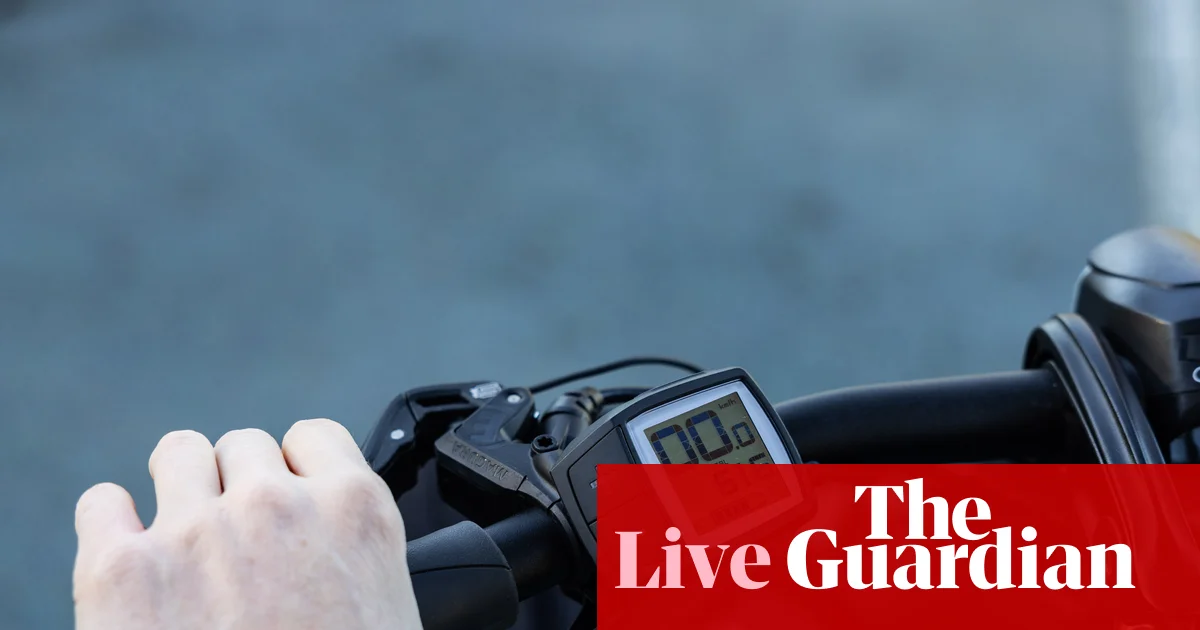
As the world navigates an era of rapid technological and geopolitical change, recent developments underscore the escalating tension between national sovereignty and international influence. Australia’s internal debates about the regulation of emerging technologies and societal issues serve as a microcosm of broader global dynamics. Key actions taken by the NSW government to crush illegal e-motorbikes, including seizing and crushing high-powered ebikes, reflect not merely a local safety initiative but also a cautious pushback against the unchecked proliferation of autonomous and potentially hazardous personal transport devices. This legislative move exemplifies a conservative approach aiming to safeguard public safety and societal order amid surging injuries and chaotic incidents, like the swarm of bikes on the Sydney Harbour Bridge.

Meanwhile, Australia’s domestic policy debates extend into the digital realm and societal health, revealing a nation grappling with the consequences of technological innovation and unchecked commercial influence. The Australian Medical Association has boldly warned that online gambling is causing “immeasurable harm” to Australian families, highlighting a troubling gap in governmental action. Despite a landmark report from late Labor MP Peta Murphy calling for a comprehensive ban on gambling advertisements, over 1,000 days have passed without meaningful legislative response, fueling frustration among progressive advocates and policymakers like independent MP Kate Chaney. Her push for a progressive bill to ban online gambling ads on all platforms over three years underscores the urgency for decisive action, reflecting a broader societal demand for protecting vulnerable populations—especially children—from predatory practices that profit from harm.

Internationally, this internal discord and regulatory inertia resonate across geopolitical borders, as the European Union inches closer to finalizing a landmark free-trade agreement with Australia. The EU’s engagement, led by Ursula von der Leyen, signals a rapprochement that could reshape economic alliances, but not without the strategic and political pressures all nations face. Simultaneously, the global energy crisis, described by Fatih Birol, head of the International Energy Agency, as “the greatest threat in history,” highlights a universe where energy security and access to affordable fuel become central battlegrounds. Australia’s military and foreign policy actors are feeling the heat as regional tensions with the Middle East escalate, adding fuel to an already tense international climate that demands firm national policies and strategic foresight.

In this ongoing saga of national resilience and international influence, the weight of history presses heavily. Leaders and citizens alike find themselves cast adrift in a sea of emerging threats and opportunities, with decisions made today echoing through generations. Will they stand firm in defending sovereignty, safety, and social cohesion? Or will economic interests and global pressures erode their resolve? As Australia and other nations chart their courses, the unfolding story remains one of profound consequence—one that defines the very fabric of their societies and the legacy they leave behind. The nexus of policies on AI, public health, safety, and international diplomacy paints a complex tableau; one, perhaps, where the true battle is for the soul of the nation.
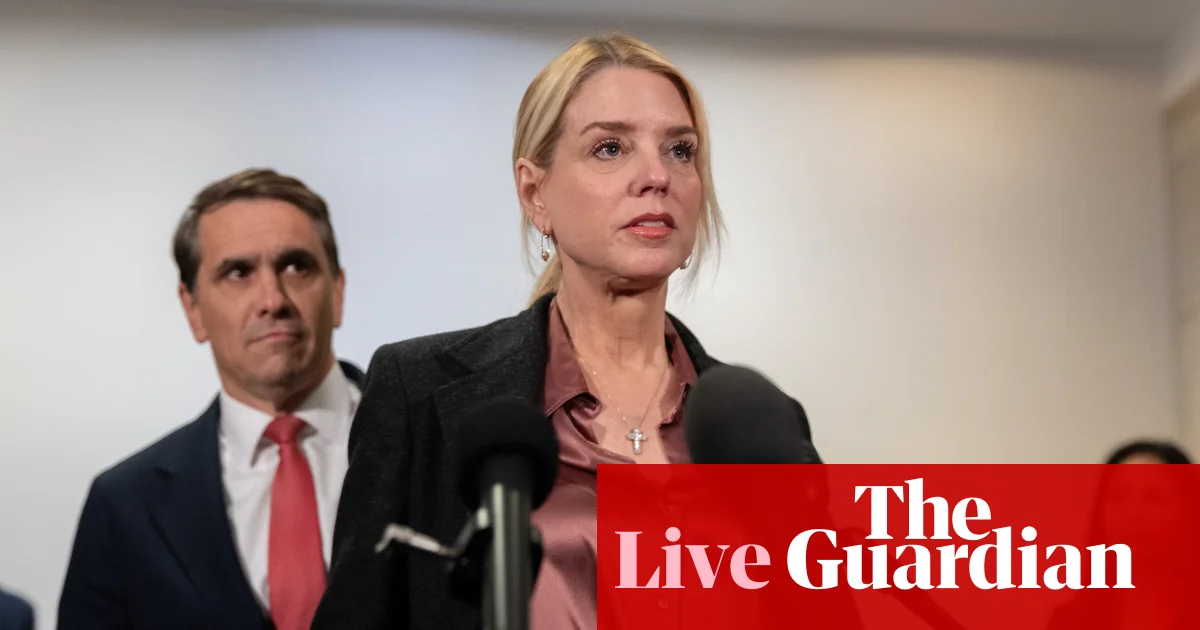
Democrats push to impeach Bondi over ‘fake’ Epstein briefing—US politics heat up

As the 21st century continues to unfold, the world witnesses a tectonic shift in geopolitical balance that could redefine international power dynamics. China and Russia are consolidating influence across Eurasia, challenging the remnants of Western dominance, while U.S. policymakers grapple with domestic upheavals that threaten to undermine their global standing. Recent events demonstrate how internal political strife and decisions within the United States may have repercussions extending far beyond its borders, affecting alliances, economic stability, and regional security.

In recent weeks, European nations have faced increasing pressure from both China and Russia to shift away from traditional alliances. Historically, NATO has been the backbone of Western security, but cracks are appearing. Analysts from the International Institute for Strategic Studies warn that the U.S. internal divisions over foreign policy could embolden adversarial powers. The ongoing political chaos surrounding issues like corruption, executive authority, and judicial accountability indicates a leadership crisis that diminishes America’s leverage in international negotiations, thereby creating a vacuum that other powers are eager to fill.

Within the United States, the recent tumult involving the Department of Justice and the impeachment efforts against Attorney General Pam Bondi illustrate a domestic political climate increasingly hostile to transparency. Democratic lawmakers, furious over what they describe as a “fake hearing” regarding the Epstein investigation, have escalated efforts to impeach Bondi after she refused to testify under oath about the federal files. The fallout exposes a broader fissure across the American political landscape, with bipartisan frustration erupting into accusations of obstruction and cover-ups. The unfolding drama underscores how internal conflicts—amplified by partisan mistrust—can weaken America’s moral authority on the global stage, where perceptions of justice and stability are paramount.

Classified by many political commentators as more than mere partisan disputes, these events threaten to keep the U.S. mired in self-inflicted divisions while other nations forge their paths ahead. The United Nations and other institutions observe with concern that America’s waning dominance could accelerate a multipolar world order, where emerging powers set their own terms. As historians warn, such as Dr. Laura Schmidt of Harvard, this internal chaos at a pivotal moment could set a precedent — fostering skepticism about American leadership globally, with long-term consequences for democracy and security worldwide.

In the shadows of these confrontations and shifting alliances, history continues to be written in real time. The weight of each decision, each controversy, and each diplomatic shift bears heavily on the future geopolitical landscape. What remains clear is that the internal struggles of the American political system not only threaten to diminish its influence but also transform the global order into a fragile mosaic of competing centers of power. As nations respond to America’s retreat or internal discord, the unfolding narrative remains a stark reminder: history is relentless in its march, and the next chapters are yet to be written, with the very fabric of our interconnected world hanging in the balance.

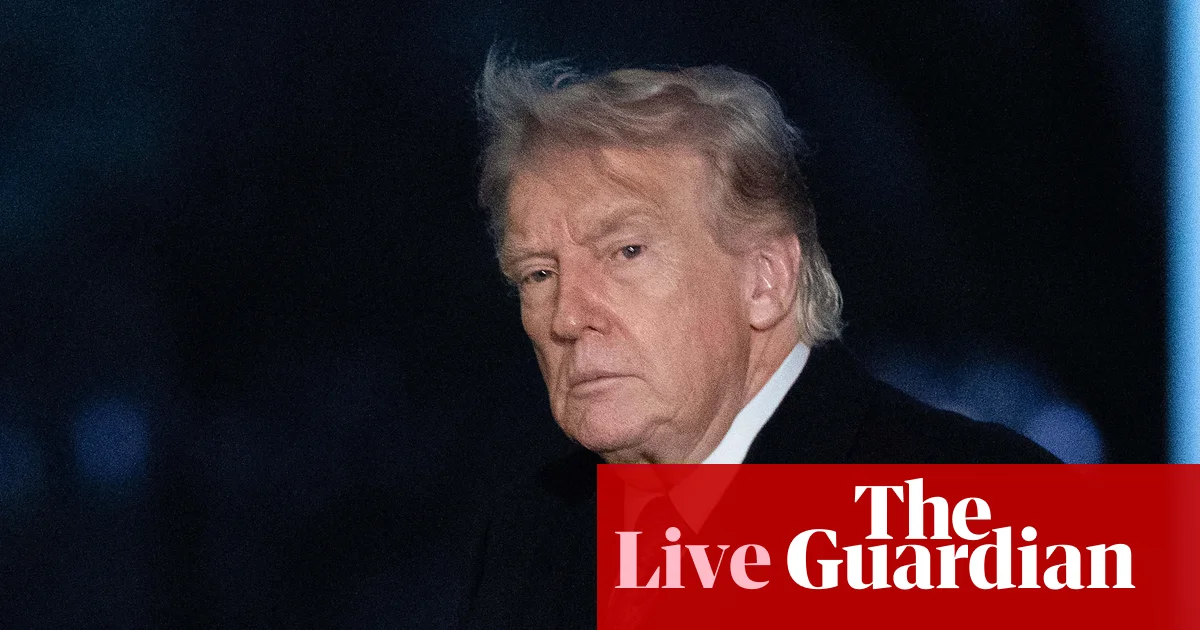
Trump slams Supreme Court on tariffs in late-night social media blast—US politics update

Global Implications Unfold as Donald Trump Challenges Judicial Limits on Tariffs

In an aggressive display of executive assertion, Donald Trump publicly decried the recent Supreme Court ruling which deemed many tariffs imposed during his administration illegal. This confrontation inside the United States highlights a broader geopolitical struggle over economic sovereignty and international trade authority. Trump’s declaration that he possesses the “absolute right” to impose tariffs by alternative legal means underscores a potent assertion of presidential power, capable of unsettling the delicate balance of American constitutional and international law.

Historically, these disputes trace back to vital debates on the limits of executive authority in commerce and crises. Experts like constitutional law scholars note that Trump’s accusations—claiming the judiciary has “unnecessarily RANSACKED” the nation—are more than personal grievances; they reflect a rising trend among nationalists advocating for unrestricted economic sovereignty. International organizations such as the World Trade Organization have warned that such bold assertions could threaten the global trade order, especially in the context of ongoing contentions with China and European countries. As analysts argue, the independent judiciary has acted as a crucial check on presidential overreach, yet Trump’s rhetoric signals a potential shift toward executive dominance over international trade rules.

Recent U.S. government responses—including reinstating tariffs under different statutes—signal an intent to preserve leverage in global markets. The administration’s swift implementation of 10% tariffs under *Section 122 of the 1974 Trade Act* reveals an effort to navigate around judicial setbacks, yet these are only temporary, set to expire in July. Meanwhile, US officials are investigating for new, permanent tariffs, signaling that economic warfare remains a central aspect of America’s geopolitical tactics. The strategic resonance of these moves is felt across continents: as the U.S. flexes its economic muscles, allies and rivals alike brace for the ripple effects of a nation reasserting its tariff sovereignty amidst rising international tensions.

Adding to the global stakes is the Trump administration’s posture toward China and Iran. His hinted delay of a summit with Xi Jinping over the Iran conflict illustrates how domestic legal challenges ripple outward, potentially delaying diplomatic initiatives with major powers. International observers, including European diplomats and think tanks like the International Crisis Group, note that such delays complicate ongoing efforts to stabilize the Middle East and confront regional threats. The intertwining of domestic legal disputes with international diplomacy illuminates the profound turning point in how national leaders exercise power—posing questions about the future of international legality versus unilateral executive action. As the weight of history presses upon this moment, the world watches, knowing that these decisions will echo in geopolitics for decades, shaping alliances, sovereignty, and stability in uncertain times.

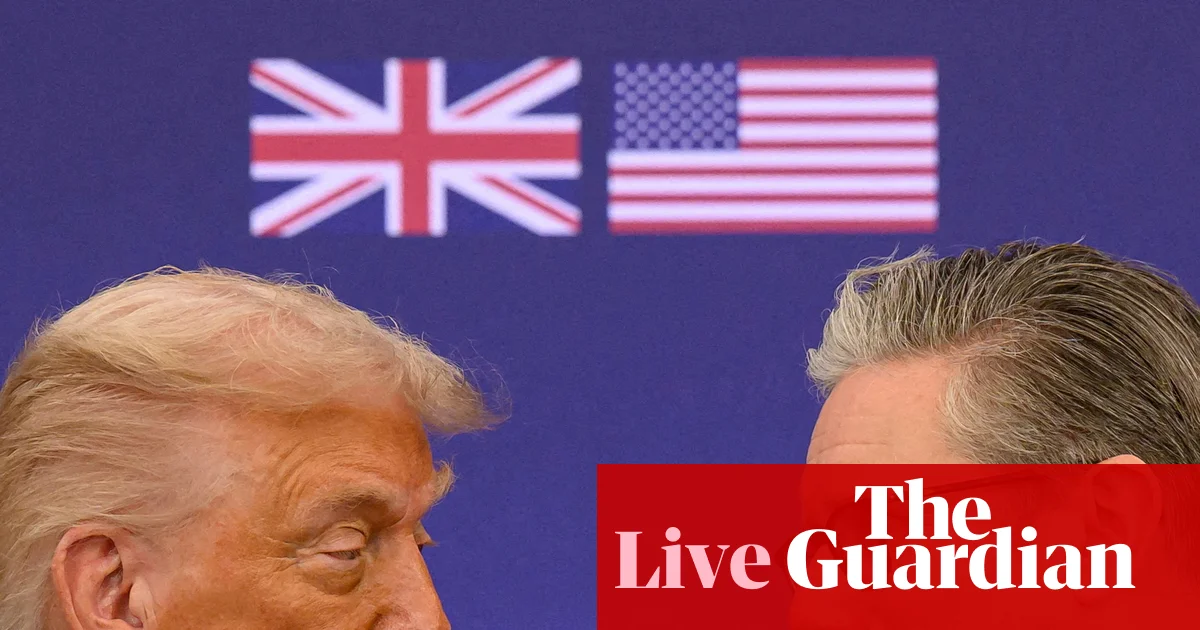
UK Minister dismisses Trump’s Nato threat, vows alliance can endure current challenges — UK Politics Live

Global Power Dynamics Shaken by US and UK Tensions Amidst Trump’s Provocations

As Donald Trump continues to flirt dangerously with the edge of diplomatic conflict, America and Britain find themselves at a pivotal juncture. During a revealing interview with the Financial Times, Trump implicitly threatened to withdraw US support for NATO if allies like the UK failed to step up militarily in the Gulf. The provocative rhetoric underscores a broader pattern of transactional diplomacy that threatens to unravel the fragile foundation of international alliances built over decades of shared interests. Subtle signals of a potential rollback of NATO’s mutual defense pact could plunge the West into a period of uncertainty and strategic vulnerability.

This come amid escalating tensions over Iran, particularly concerning the Strait of Hormuz—an essential global choke point for oil shipments. Despite dismissing the UK’s recent stance dismissively—asserting that the US does not need British naval support—Trump’s recent call for NATO to deploy minesweeping drones and even military units to counter Iran’s influence indicates a disparity between rhetorical bravado and pragmatic policy. Analysts from the European Security Council warn that such mixed signals threaten to weaken NATO’s cohesive deterrence, crucial for maintaining stability in an increasingly unpredictable geopolitical landscape. How the UK and allied nations respond now could determine the future of Western influence in the Middle East and beyond.

Strained Ties and Strategic Calculations

Within Britain, Pat McFadden, the work and pensions secretary, has played down Trump’s threats, emphasizing that the US-UK alliance remains “strong enough to outlast” this period of uncertainty. This reassurance underscores a classic posture among Western allies: reaffirming enduring bonds despite tumultuous leadership. Yet, international commentators like historian John Mearsheimer argue that such rhetoric, combined with Trump’s transactional approach, risks eroding the very foundation of collective security agreements. Meanwhile, Mark Rutte, NATO’s secretary general, pointed out that America’s mutual defense clause, Article 5, which has only been invoked once—after 9/11—can hardly be taken for granted in an era marked by unpredictable US policy shifts.

Additionally, Trump’s call for NATO to send military units to patrol the Iranian shoreline, and for European countries to lend minesweepers, reveals a deeper underlying threat: that of a fractured alliance where mutual commitments may no longer be as dependable. The concerns resonate strongly with military strategists who worry that NATO’s cohesion is under unprecedented strain. How these decisions will ripple across society—affecting energy security, trade routes, and military preparedness—remains very much a question with global stakes.

Implications for International Stability

Amidst the diplomatic turmoil, Keir Starmer of the UK Labour Party is expected to respond later this morning, promising to support households hit hardest by rising energy prices—measures worth millions aimed at alleviating economic strains. However, the broader geopolitical narrative appears rooted in a deeper contest: whether the West can maintain a united front or whether internal divisions and unpredictable leadership will give way to greater instability. International analysts emphasize that Trump’s unpredictable tactics are a warning sign, yet the response from Britain and Europe will reveal if they can safeguard their strategic interests in this new era.

As history unfolds daily, decisions made in the coming weeks will echo through generations. Will NATO adapt swiftly, preserving transatlantic strength? Or will the fractures widened by Trump’s unpredictable rhetoric cause the alliance to splinter, ushering in a new era of geopolitical chaos? The weight of history presses heavily on the present, a reminder that in global diplomacy, today’s choices are the foundations of tomorrow’s legacy. The unfolding drama leaves the world watching anxiously, as the aims of power, security, and influence collide in a theater where the stakes could not be higher.

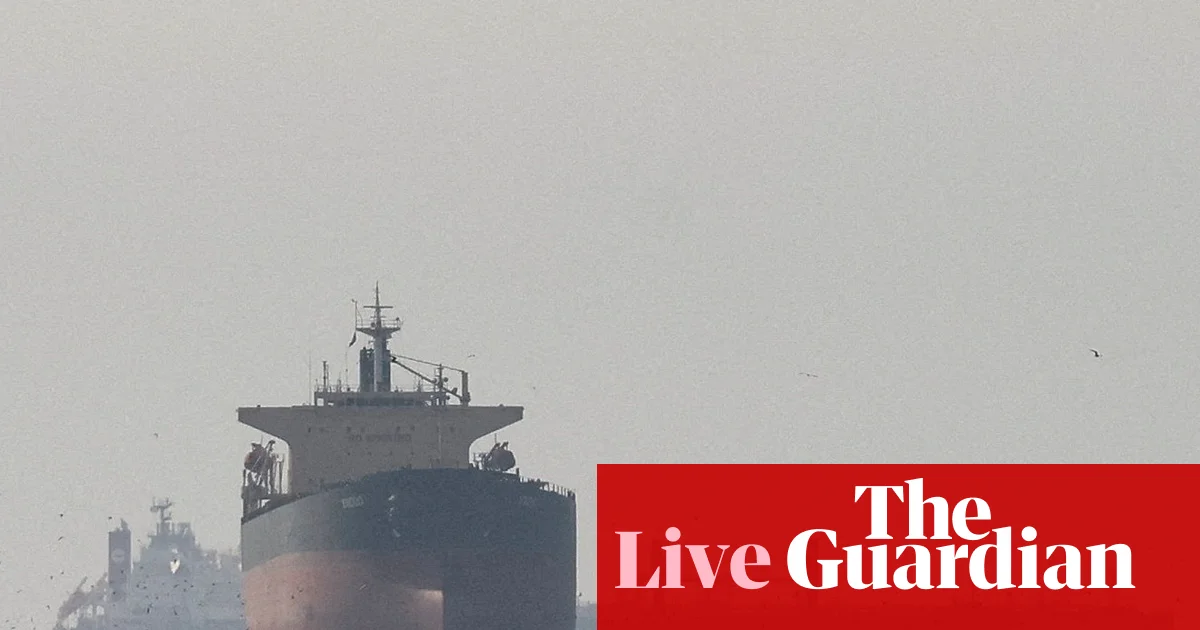
Pete Hegseth dismisses Straits of Hormuz risks: ‘No need to worry’ – US Politics Live | Trump

Global Tensions Soar as U.S. Military Challenges Iran’s Naval Offensive in the Strait of Hormuz

In a dramatic escalation of Middle Eastern conflict, the United States has openly declared its military efforts to secure the vital Strait of Hormuz, a critical choke point for global oil supplies. With over 1,000 cargo ships held hostage after Iran’s self-initiated blockade, the U.S. has responded with a decisive military campaign targeting Iran’s navy—claiming to have destroyed 28 Iranian mine-laying vessels in recent days. Defense Secretary Pete Hegseth has asserted that the U.S. is “decimating” Iran’s military capacity “in a way the world has never seen before”, emphasizing that the U.S. has strategically planned for every possible action to ensure the flow of commerce through this crucial waterway remains uninterrupted.

Historian and international security analysts recognize this as a turning point with profound geopolitical impact. The U.S. has long sought to dominate control over Middle Eastern waterways, but Iran’s recent attempt to blockade the Strait has ignited open conflict. American officials, citing intelligence reports, affirm that Iran’s strategy includes laying more underwater mines, complicating efforts to re-establish free navigation. While Donald Trump has boasted about the heavy-handed destruction of Iranian naval capabilities, many experts warn that this aggressive stance could intensify the ongoing regional chaos, setting the stage for wider confrontation.

Within Iran, questions are mounting regarding the competency and legitimacy of the country’s new supreme leader, Mojtaba Khamenei. U.S. officials, including Hegseth, cast doubt on whether he effectively commands the fractured Iranian regime, describing him as “scared” and “injured” following the U.S.-Israeli covert operations that targeted his family. Such internal instability potentially stimulates unpredictable Iranian responses, analysts say, which could include renewed missile and drone attacks against Gulf Arab states. The repeated warnings from Iran’s leadership about American presence in the region signal a dangerously volatile phase, with the possibility of regional war spiraling beyond control.

Amid this turmoil, the geopolitical landscape is shifting dramatically. U.S. President Donald Trump has threatened “major retaliation” against Iran following Friday’s attacks on Gulf Arab states, including widespread drone assaults at Saudi Arabia. His rhetoric underscores a narrative of decisive U.S. dominance; however, critics from both sides of the political spectrum warn that such provocations threaten to destabilize an already fragile Middle East. Meanwhile, economic repercussions are rapidly emerging—gas prices have surged by more than 60 cents per gallon in key areas like Michigan, with prices at some stations already exceeding $4.30 per gallon. This inflationary shock not only affects consumers but has strategic consequences in swing states like Michigan, where economic stability often influences U.S. national elections. Political analysts warn that the rising energy costs coupled with ongoing military conflicts could significantly impact the forthcoming U.S. midterm elections.

As history unfolds in real time, the eyes of the world remain fixed on the Persian Gulf, where the mighty currents of geopolitics threaten to drown nations in chaos. With each military strike and diplomatic warning, the weight of history’s decisive chapter bears down, forcing nations to grapple with the legacy they forge in a region teetering on the edge of full-scale war. The question remains: will this be a calculated move towards stability or the spark that ignites a broader, multidimensional conflict that reshapes the world order?

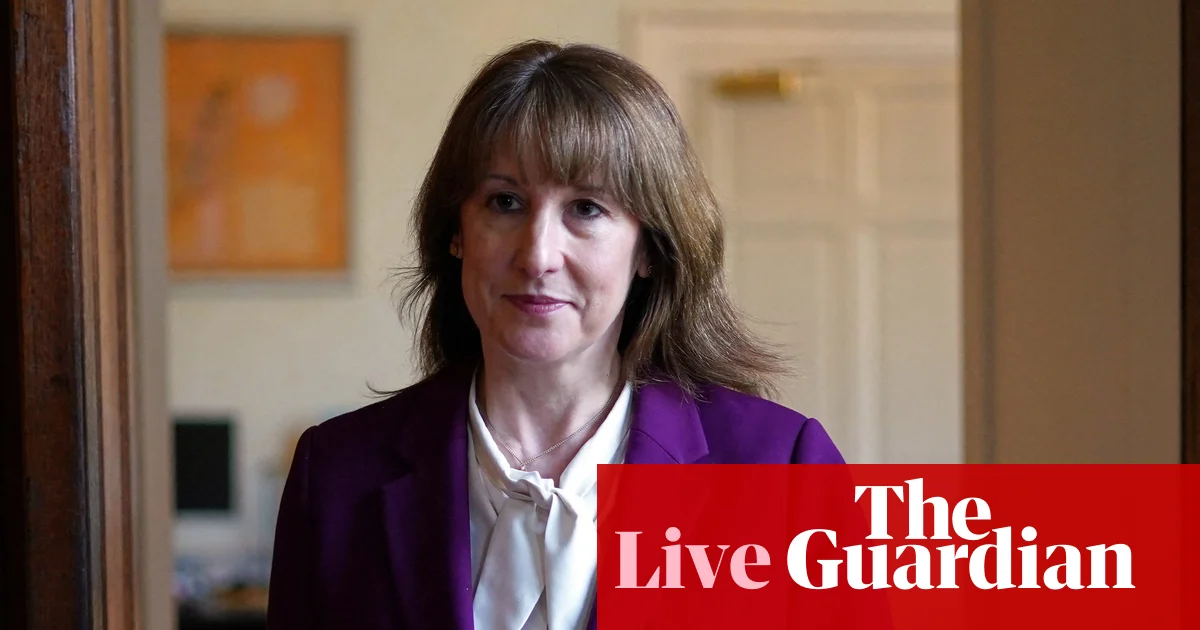
Reeves promises tough action on energy bosses gouging Brits with high prices – UK Politics

In a remarkable display of political resolve amidst an escalating Middle East conflict, UK Prime Minister Keir Starmer has announced that RAF Typhoon jets are extending their operations to Bahrain, marking a significant shift in the UK’s military posture in the region. Starmer stated that these jets are now patrolling for Iranian drones heading toward Bahraini airspace, amid heightened tensions following Iran’s retaliatory attacks on energy and transport infrastructure across Bahrain, Oman, and Iraq. This development signals a notable intensification of UK defense commitments in the Gulf, aligning with broader Western efforts to contain Iran’s military influence and safeguard strategic allies such as Bahrain.

This military escalation comes at a time when global oil markets are in upheaval, with oil prices again soaring beyond $100 per barrel. The conflict’s spillover effects threaten to plunge the UK’s fragile economy into recession, as warned by analysts like Tomasz Wieladek of T. Rowe Price, who emphasized that “the war in the Middle East and subsequent oil price rise will raise inflation and reduce consumer spending.” Official UK figures reveal that the economy has already been vulnerable, with flatlining GDP in January—highlighting the nation’s weak start to the year amid uncertainty surrounding the government’s fiscal policies and the energy crisis. Such geopolitical turbulence underscores how international conflicts can swiftly ripple through domestic economies, highlighting the critical nature of national security and energy independence in these times.

Amid diplomatic and economic turbulence, the UK government under Rachel Reeves is taking a firm stance against what it calls profiteering by energy firms exploiting the crisis. Reeves instructed the Competition and Markets Authority (CMA) to scrutinize fuel price hikes, explicitly warning companies that “she will not tolerate any company exploiting the current crisis to make excess profits at customers’ expense.” Simultaneously, Energy Secretary Ed Miliband has vowed to fight “price gouging,” emphasizing that the government is prioritizing the “cost of living” crisis, particularly impacting households relying on heating oil—whose prices have nearly trebled since the Iran war began. These actions aim to shield consumers from the fallout of geopolitical conflicts, but they also reflect a broader struggle over energy policy—particularly whether the UK should pursue more independence from volatile fossil fuels or continue aligning with international markets fraught with instability.

Adding to the geopolitical complexity, Prime Minister Starmer has announced the UK will *not* follow the US in temporarily waiving sanctions on Russian oil—an unequivocal stance that keeps Britain locked into a harder line against Moscow’s economic influence. Energy Minister Michael Shanks made it clear that the UK cannot afford to give Putin’s regime a free rein, warning that “what we absolutely can’t have is [Vladimir] Putin seeing this as a chance to invest in the war machine.” This divergence from the US approach signals a deliberate effort by Britain to assert its own strategic autonomy, even as global markets respond unpredictably. As Russia claims that lifting sanctions is “inevitable,” the balance of power and economic influence in the energy sector remains sharply contested, foreshadowing a period when nations must choose between cooperation and confrontation, the path to peace and the risk of open conflict unresolved.

With the UK facing economic stagnation, soaring energy prices, and an active military footprint in the Gulf, the international community watches with bated breath as the decisions made today could shape the trajectory of global stability for decades. As the fog of war thickens, the weight of history presses ever heavier—marking a pivotal chapter where every alliance, intention, and strategic move could determine whether nations find themselves—at last—standing on the edge of a new era or stepping into the abyss of prolonged chaos. The story remains unwritten, but the consequences of these choices will echo through generations yet unborn.

Shutdown delays airports, but ICE stays operational—what it means for travelers

Disruption in U.S. Homeland Security Signals Transition: Tech and Policy Implications

Recent turmoil across U.S. airports, marked by hours-long security lines and staffing shortages, underlines a broader challenge confronting government infrastructure. The Transportation Security Administration (TSA), the primary agent responsible for airport security, has been hamstrung by underfunding, revealing vulnerabilities in legacy systems that rely heavily on traditional manpower. In a rapidly evolving tech landscape, this crisis underscores the imperative for disruption-driven solutions capable of streamlining operations amidst political gridlock. As the Biden administration faces a partial shutdown stemming from a deadlock over immigration enforcement, the industry is witnessing a wake-up call for integrating innovative technology to ensure resilience and efficiency.

At the core of this debate is ICE (Immigration and Customs Enforcement) and CBP (Customs and Border Protection), which currently operate with unprecedented, multiyear federal funding insulated from political pressures—more than $170 billion allocated by the controversial One Big Beautiful Bill Act. While these agencies boast cutting-edge infrastructure, the ongoing funding stalemate exposes a critical industry dissonance: the reliance on traditional enforcement paradigms and slow adaptation to technological disruption. Experts from MIT and Gartner warn that such heavy investment in physical infrastructure—like detention centers and border check-points—must be complemented with AI-powered, analytics-driven tools to preempt threats and manage resources in real-time. Firms innovating in AI, facial recognition, and distributed ledger technology stand poised to redefine enforcement, putting traditional models at risk of obsolescence.

Meanwhile, Democrat-driven reforms seek to introduce transparency and accountability measures, such as body cameras and uniform standardization, to mitigate abuses and improve public trust. However, critics argue that these policy adjustments are merely superficial fixings compared to the rapid disruptive potential of next-gen security tech. As Elon Musk and leading Silicon Valley thinkers accelerate AI development, government agencies face a binary choice: embrace disruptive innovation or remain vulnerable to operational collapse. The 2025-2026 shutdown elucidates a strategic window for integrating autonomous systems, edge computing, and blockchain-based accountability solutions into homeland security, transforming rigid bureaucracies into agile, tech-enabled entities.

The business implications of this tectonic shift are profound. Legacy government agencies, often seen as bureaucratic and slow-moving, are approaching a pivotal moment where disruption could render old processes obsolete, fostering a competitive advantage for private sector partners pushing advanced security tech. According to analyst reports from Gartner, agencies adopting a forward-looking technology strategy will not only reduce operational costs but also elevate national resilience. Waiting too long risks falling behind, leaving critical infrastructure exposed to cyber threats and operational failures. As the political climate intensifies, the urgency to blend policy reform with technological innovation signals a new era—one where the old guard must adapt or face marginalization in the face of disruption.

Future Outlook: A Call for Urgent Innovation

In the current wave of governmental upheaval, the message to industry leaders and policymakers is clear: disruption is no longer optional. The crisis at DHS exemplifies a broader evolution—where the integration of AI, blockchain, and autonomous systems will be vital for safeguarding national interests. Governments that leverage pioneering technologies now stand to redefine the landscape of security and enforcement, securing their position in the 21st-century digital economy. The clock is ticking: the choices made today will determine whether legacy agencies become relics of the past or pioneers of the future. The trajectory is unmistakable—embrace innovation boldly or risk catastrophic operational failure in the face of next-generation threats.

Nintendo sues US government for Trump-era tariffs, demanding refund to protect gaming legacy

Major Companies Challenge Tariff Policies Amid Legal Battles

The ongoing tariff disputes initiated during the Trump administration are reshaping the landscape of international trade and corporate strategy. Nintendo of America has taken an unprecedented step by filing a lawsuit against the U.S. government, demanding a prompt refund with interest for duties paid under tariffs deemed illegal by the Supreme Court last month. This move underscores a broader trend of corporate pushback against government policies perceived as punitive or disruptive to business operations. Innovation-driven companies are increasingly asserting their rights in court, signaling a shift in how corporations will engage with regulatory frameworks in the future.

The Supreme Court’s ruling is a clear turning point, declaring that President Trump’s use of the International Emergency Economic Powers Act (IEEPA) to impose “reciprocal” tariffs was illegal. This decision threatens to undermine the legal basis for future trade restrictions that rely on emergency powers, creating a ripple effect that impacts not only government authority but also the broader ecosystem of innovation, import-export businesses, and supply chains. FedEx, a logistics giant, has joined the chorus by suing for a full refund of tariff payments, emphasizing its role in the disruption. If granted, FedEx has announced plans to pass refunds onto consumers, challenging the traditional burden placed on small shippers and signaling a push towards greater transparency and fairness in trade practices.

From an industry perspective, these legal confrontations highlight the disruptive power of legal and policy frameworks in shaping technological and commercial ventures. The ongoing battles are not just about tariffs; they are about business resilience and innovation resilience in the face of government overreach. Companies such as Nintendo and FedEx leverage legal channels to challenge policies they perceive as detrimental to their growth and operational efficiency. Such actions create a new precedent, where corporate legal strategies become critical tools in navigating the increasingly complex global trade environment. Experts from institutions like MIT, alongside forward-thinking analysts such as Elon Musk and Peter Thiel, suggest that this wave of legal resistance and policy pushback could catalyze reforms that favor more equitable and innovation-friendly trade policies.

Looking ahead, the implications extend beyond mere tariffs. The dynamic dispute signals a potential redefinition of the relationship between government authority and corporate innovation. As regulatory landscapes evolve, the importance of agile legal strategies, disruptive technology threats, and proactive lobbying will only intensify. Stakeholders must recognize that future progress hinges on not just technological innovation but also on the ability to challenge and reshape legal frameworks. The pursuit of fair trade practices and regulatory reform might serve as catalysts for the next wave of transformative technological disruption, with companies leading the fight for a more open, competitive ecosystem. The urgency for businesses to stay ahead of this curve is undeniable—those who adapt swiftly will hold the keys to future market dominance in a rapidly shifting global economy.

Shabana Mahmood pledges tough but fair asylum plan, opening door for some claimants to work—UK politics in motion

As 2026 unfolds on the international stage, a series of decisive decisions by major powers underscore a turning point in global geopolitics. Britain’s recent stance on military involvement in Iran, coupled with internal political turbulence, signals a shift towards assertive sovereignty and strategic autonomy. In the UK, internal debates over foreign military collaboration reveal the enduring tension between diplomatic independence and alliance commitments. Reports indicate that cabinet ministers, led by energy secretary Ed Miliband, blocked Prime Minister Keir Starmer from permitting the US to use British bases for strikes against Iran. This move, grounded in international law, reflects a cautious yet resilient approach, emphasizing the importance of adhering to legal frameworks even amidst pressure from the United States.

The refusal to facilitate US military operations from British soil is emblematic of a broader global trend—nations reassessing their roles in the new era of warfare. Analysts from the International Crisis Group argue that this stance not only preserves Britain’s legal integrity but also reinforces a narrative of strategic independence. However, it also entails risks; the UK’s firm stance risks alienating allies in the Middle East, who perceive perceived abandonment and vulnerability. Meanwhile, the US, eager to maintain regional dominance, has reportedly bypassed formal channels, working directly with military authorities to plan offensive actions, illustrating a shift toward unilateral decision-making by superpowers—this in turn complicates the international legal landscape.

In the Middle Eastern theater, tensions escalate as UK officials, along with their US counterparts, grapple with provocative drone attacks in Cyprus and the Levant. UK defense secretary John Healey’s diplomatic efforts in Cyprus highlight the seriousness of the threat posed by pro-Iranian militias, believed responsible for recent strikes on RAF bases. These attacks reveal how regional conflicts are becoming layered with international strategic interests, risking a broader conflagration. Furthermore, the Iranian retaliatory bombardment, following US and Israeli strikes, signals an ominous descent into a cycle of escalation, which analysts warn could spiral beyond control—an outcome that might well redefine regional power balances.

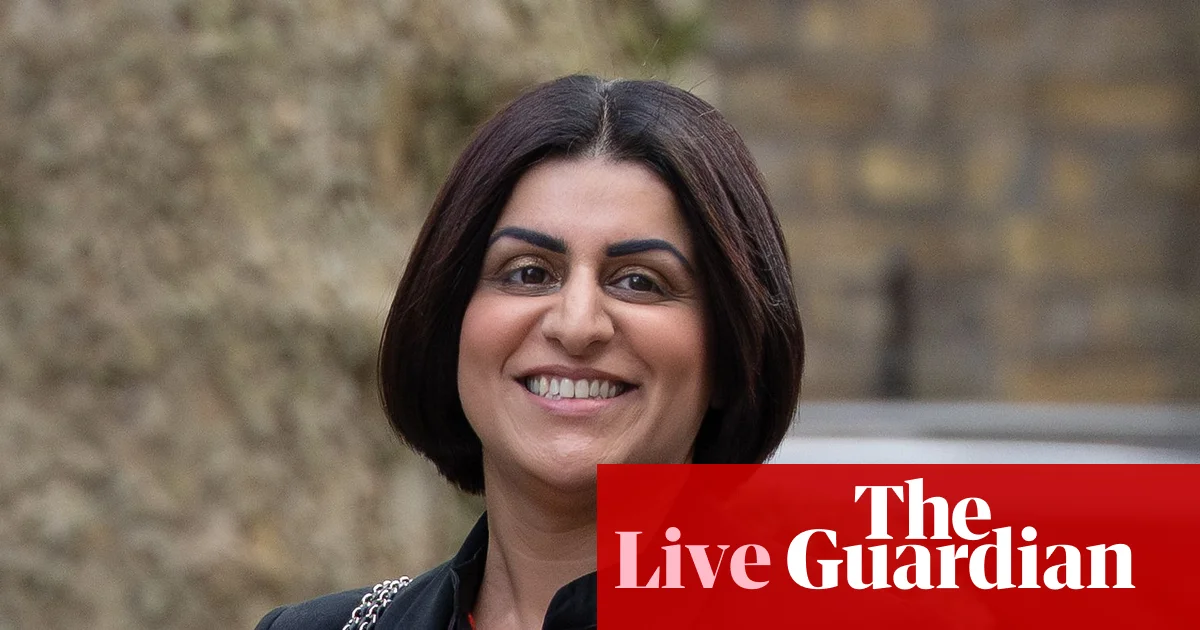
Meanwhile, internal political developments in the UK mirror this turbulent external environment. Home Secretary Shabana Mahmood announces measures to reform the domestic asylum system, with the potential to integrate thousands of asylum seekers into the workforce. Yet, critics—such as the Refugee Council—warn that such measures risk increasing homelessness and social unrest, reflecting internal divisions akin to those seen globally. This internal strife underscores a fundamental question: how societies balance national security, social stability, and humanitarian obligations in an era of heightened geopolitical tension?

As history continues to unfold in the shadows of these decisions, it becomes clear that the choices made today will ripple through decades. In a world where alliances are tested and sovereignty is asserted anew, the true impact extends far beyond borders. It is a relentless reminder that, in the crucible of history, nations are forging new identities—sometimes at odds, sometimes in reluctant unity—yet always bearing the weight of their collective destiny. The next chapters remain unwritten, but their ink will be scribed by the decisions that, right now, echo across the corridors of power and the collective consciousness of nations.

Politics LIVE: Marles Labs Down on Long Consular Waits for Aussies in Middle East, Promises Action on Contingency Plans | Australia News

Global Power Plays and Australia’s Strategic Dilemmas Amid Middle Eastern Turmoil

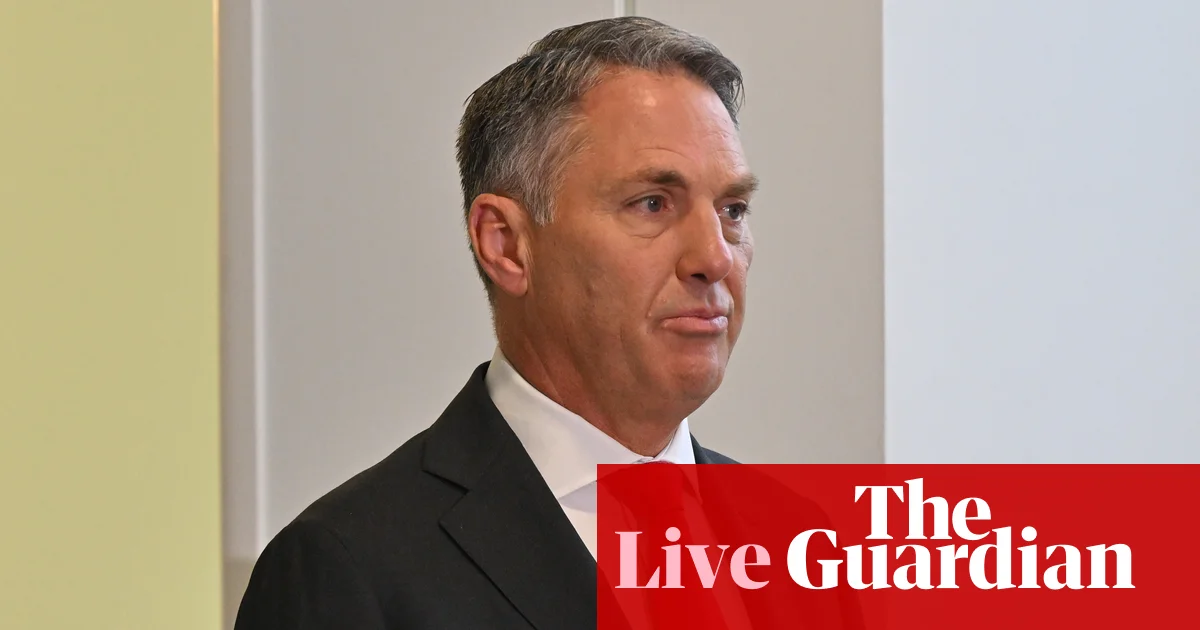
As the geopolitical landscape shifts rapidly, Australia finds itself caught in a web of regional conflicts and international diplomacy that could have lasting consequences. The recent escalation of violence in the Middle East, specifically the conflict ignited by US and Israeli airstrikes targeting Iran’s ballistic missile program, has thrust the region into a new era of instability. While countries like Canada and Australia denounce violence, they grapple with the reality of limited influence and the potential economic fallout stemming from these high-stakes tensions. The Australian government’s cautious approach, exemplified by minister Richard Marles’s guarded statements on military involvement, underscores a broader struggle to define Australia’s role on the global stage amidst rising superpower rivalries.

The conflict in Iran has invoked a complex mix of diplomatic sensitivity and strategic ambiguity. Australian Prime Minister Anthony Albanese has made clear that Australia is what he describes as a “long way” from the Middle East and thus not a direct participant. With no formal request from the United States for Australian military assistance, the government remains non-committal about intervening, emphasizing instead the importance of contingency planning and the safety of its citizens. International analysts observe that Australia’s stance is emblematic of a broader pattern seen among middle powers—avoiding direct confrontation while navigating an increasingly volatile geopolitical environment. The rising tension highlights the *qualitative change* in international norms surrounding regional conflicts—marking a new era where even distant powers must carefully calibrate their foreign policies.

Meanwhile, the international community watches with bated breath as Canada’s Mark Carney arrives in Australia for a rare parliamentary address, signaling the importance of middle-power diplomacy in this fractured geopolitical landscape. Carney’s discussions are set to touch on critical issues such as climate change, critical minerals, and collaborative defense strategies. His emphasis on the potential for middle powers to act as a unified bloc in addressing global security challenges aligns with recent calls by analysts for a reconfigured international order—one where the U.S. and China are no longer the sole arbiters of global stability. As Carney and Anthony Albanese explore avenues for enhanced cooperation, the message is clear: in an era of rising superpower tensions, regional alliances and shared interests hold the key to maintaining equilibrium.

Simultaneously, the Australian government is contending with controversial internal issues. Reports of memorials mourning Iran’s late Supreme Leader Ali Khamenei have sparked debate about the expression of political sentiments within Australia’s multicultural society. Prime Minister Albanese condemned such gatherings as “inappropriate,” reflecting a cautious stance amid growing tensions with Iran. Deputy Prime Minister Richard Marles explicitly refused to direct police action against mosques inviting mourners, emphasizing Australia’s respect for religious freedoms but also highlighting the delicate balance between liberty and national security. With domestic perspectives diverging sharply, policy-makers face the challenge of maintaining social cohesion during a period marked by international unrest and domestic controversy.

As the geopolitical chessboard becomes increasingly complex, the latest developments underscore a broader truth: the decisions taken today—whether in the corridors of Canberra, Westminster, or Davos—will shape the course of history. The persistent questions about how middle powers like Australia, Canada, and others will navigate this turbulent era evoke a sobering vision of a world teetering on the edge of a new Cold War or, worse, open conflict. With strategic calculations being made behind closed doors, the weight of history presses heavily, reminding us that the unfolding saga of the 21st century remains an unfinished story—we are all players and witnesses, standing at the crossroads of an uncertain future.

Social Media Auto Publish Powered By : XYZScripts.com