Matox News

Truth Over Trends, always!

Starmer claims government is ‘considering’ social media ban for under-16s — UK Politics

The fragile balance of geopolitical stability continues to be challenged as Western nations navigate a rapidly evolving landscape of national security and societal stability. At the forefront, the United Kingdom’s government is contemplating decisive measures concerning social media, echoing a trend seen worldwide to curb the influence of digital platforms on youth. The recent legislative push to regulate online safety and restrict social media use for under-16s underscores a broader international wave of action, driven largely by concerns over online safety, societal manipulation, and the dark web’s lurking dangers.

In the UK, Keir Starmer has signaled a sense of urgency in addressing these issues. Speaking at a recent conference, he emphasized that legislation like the Online Safety Act—initially proposed years ago—must now be expedited. Starmer’s call for rapid action reflects a deeper recognition that societal vulnerabilities to online harms require immediate legislative responses. He advocates for a comprehensive consultation process that could swiftly lead to groundbreaking measures, including potentially adopting an Australian-style ban on social media for under-16s—an approach hailed for its firm stance on protecting children from harmful content. Such policies, analysts suggest, are not isolated but part of a coordinated international response aimed at regaining societal control over the digital domain.

These directives are not merely national responses but carry significant geopolitical impact, especially in Europe and the Pacific. Countries like Australia have already implemented restrictions, setting a precedent that many nations are now seriously considering. Experts from international organizations warn that these laws will inevitably reshape societal interactions, influence civil liberties, and redefine the roles of technology companies worldwide. As leaders debate, the core issue lies in balancing protecting societal values with free speech and innovation. Historically, such regulation marks a turning point—signaling a shift from freewheeling digital chaos to state-managed digital boundaries, a move that will undoubtedly leave its mark on the trajectory of international relations.

Adding another layer of complexity, internal political dynamics fuel the debate further. Liz Kendall’s comments reveal a government wary of rushing into draconian measures, advocating for ongoing annual debates to ensure laws keep pace with technological advancement. Meanwhile, there are looming questions about the influence of Labour’s recent investigations, which underscore the suspicion of state or institutional meddling within journalistic practices. Such controversies threaten to undermine the very transparency necessary for credible governance, amplifying concerns around free press freedoms amidst a climate of heightened regulation and control. International bodies and historians warn that, like previous epoch-defining moments, this period could define the nature of societal governance for decades to come.

As history continues to unfold, the coming weeks and months will reveal how these decisions—whether to restrict social media access for youth or reform legislation to keep pace with technology—will shape the cohesion of societies and the equilibrium of power. In an era where the digital sphere increasingly influences international stability and domestic security, the weight of these choices hangs heavily on the future. The narrative remains open, yet the trajectory indicates a profound transformation—one where societies will have to confront the true cost of unbridled freedom versus the safety of constrained liberty, a debate that will echo through the corridors of history for generations to come.
Cooper Clings to Palestine Action Ban After Court Declares It Unlawful – UK Politics Live

In a nation where United Kingdom politics remains a mirror to the turbulent realities shaping the international landscape, recent legal decisions and diplomatic claims underscore a resurgent era of uncertainty and strategic recalibration. The High Court’s ruling that the government’s ban on Palestine Action was unlawful and disproportionate signals a critical juncture in domestic security policy—one that resonates across global geopolitics. As the UK’s legal system pushes back against government overreach, analysts highlight a wider geopolitical impact—foreshadowing a shift where advocacy, protest, and national security are increasingly entangled in a web of conflicting interests and international pressures.

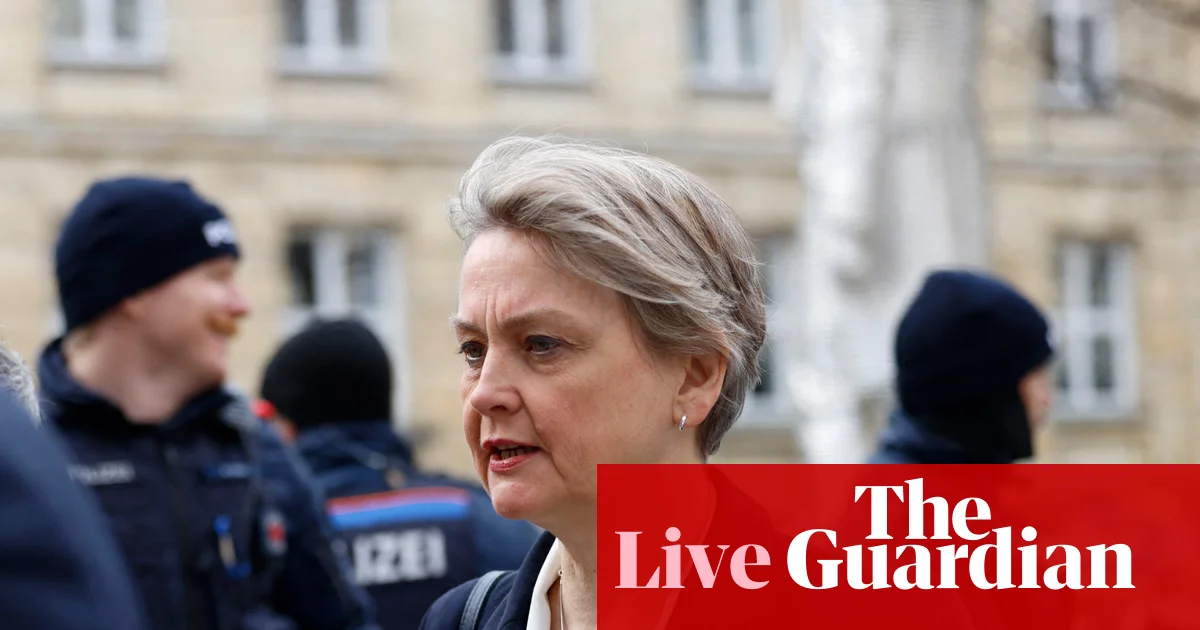
This legal rebuke forms part of a broader pattern where Western powers are facing complex threats that challenge traditional notions of sovereignty and security. The UK’s foreign secretary, Yvette Cooper, publicly defended her decision to proscribe Palestine Action despite unequivocal evidence suggesting most of their activities did not meet the threshold of terrorism. She relayed that advice had been taken from police and intelligence sources indicating risks of violence, yet the courts concluded the government had failed to follow its own policies, raising compelling questions about the transparency and consistency of security measures. Such a legal setback might embolden other protest groups and civil liberties advocates, but it also sends a message to hostile regimes—highlighting the fragile balance Western democracies must maintain between security and freedom.

The international ramifications extend further into the realm of intelligence and diplomatic disputes. Yvette Cooper has been vocal about the assessment that Russia targeted the opposition figure Alexei Navalny with a deadly toxin derived from frog poison, a claim backed by a coalition of European nations. These countries have reported Russia to the Organization for the Prohibition of Chemical Weapons for breaching the Chemical Weapons Convention. The UK’s narrative frames Putin’s regime as a threat not only to Russian politicians but to global security—exposing a ruthlessness that analysts like Patrick Wintour of The Guardian argue is emblematic of a broader “barbaric Kremlin plot” designed to eliminate dissent with lethal precision. This exchange of diplomatic accusations underscores a larger conflict, reaffirming that the contest for influence and morality is increasingly fought through shadows of poison and the courtrooms of justice.

Amidst these tumultuous developments, the rising influence of China and the shifting priorities of the United States further complicate the global chessboard. Cooper’s comments about Europe’s need to “step up” as U.S. funding diminishes reflect a European-wide strategic awareness—an acknowledgment that the days of unipolar dominance are waning. As international organizations and military alliances struggle to adapt to this chaotic environment, youth and future leaders are called upon to navigate a world where sovereignty is often tested and global order remains fragile. The unfolding drama involving Navalny’s poisoning, the UK’s internal security debates, and Russia’s brazen denial are merely chapters in a larger saga of power, resistance, and the relentless pursuit of truth that history warns will define the 21st century’s geopolitical landscape.

In the shadowed corridors of geopolitics, the echoes of these conflicts spell a sobering message to all observers—history is still unwritten and the verdict of this epoch hinges on the choices made today. The specter of poisons, legal battles, and diplomatic indictments serves as a reminder: the unfolding story of nations will be etched not just in treaties or victories, but in the testimony of justice, the courage of dissent, and the echoes of a world still struggling to find its moral compass amidst chaos. As the dust settles on legal rulings and international accusations, the question remains—who will rise, who will fall, and what legacy will we leave in the shadow of these tumultuous times?

Jikipedia exposes Epstein’s elite network through leaked emails

Emerging Tech Disruption: Digital Reconstructions of Epstein’s Secrets Spark Industry Shake-up

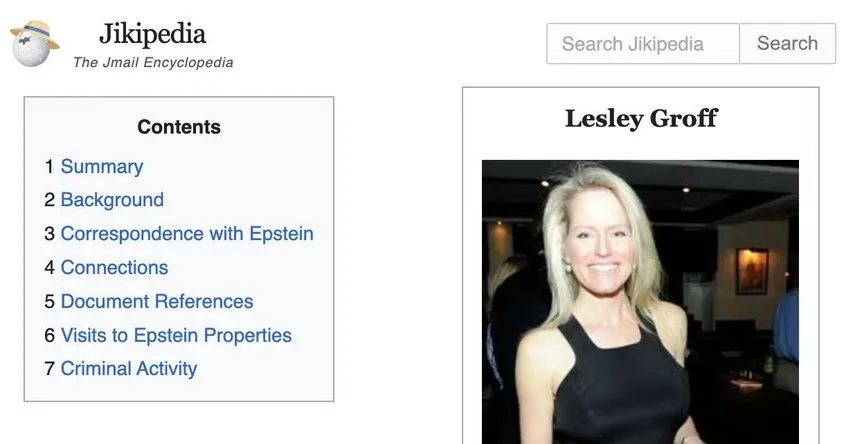
The tech landscape is witnessing a groundbreaking development as a controversial project, led by the team behind Jmail, emerges on the scene with a powerful new tool: a clone of Wikipedia that compiles and analyzes vast amounts of data from Jeffrey Epstein’s emails. This innovative platform transforms raw, encrypted communication into highly detailed dossiers—mapping connections, transactions, and locations—potentially rewriting how sensitive data is harnessed for investigative or business purposes. According to insiders, these detailed entries include Epstein’s associations, his property holdings, and links to major financial institutions like JPMorgan Chase. This technological leap demonstrates both the capacity for disruption in data analysis and the profound implications for compliance, security, and privacy in the digital age.

This project exemplifies the frontier of what AI-driven data mining and visualization tools can achieve, signaling a seismic shift for industries reliant on intelligence gathering and corporate transparency. The platform’s ability to compile multi-layered profiles from email exchanges, property records, and financial dealings introduces a new level of depth to open-source intelligence (OSINT). Industry analysts from Gartner and MIT’s cybersecurity research labs are already praising the innovation, noting its potential to outperform traditional investigative methods. Yet, critics warn of the darker side: the ethical and legal dilemmas associated with such detailed, granular data reconstructions could spark a wave of regulatory scrutiny and societal debates about privacy rights.

The broader business implications are equally profound. Companies and governments are increasingly relying on such disruptive technologies to gain strategic advantages—whether for uncovering illicit activity, safeguarding assets, or competitive intelligence. The Jmail platform’s ability to automatically generate profiles that include detailed biographical data, property acquisitions, and law enforcement-related activities underscores how disruption of traditional investigative processes could lead to quicker, more comprehensive insights. In this context, established institutions like JPMorgan are already under scrutiny for their historical dealings with Epstein, emphasizing how data-driven transparency may expose hidden risks and influence policy reforms.

Looking ahead, this wave of technological innovation invites a sense of urgency for industry stakeholders. Leaders like Elon Musk and Peter Thiel have long predicted the revolutionary potential of AI and decentralized data systems, yet they warn that without careful regulation and ethical frameworks, such tools could be misused or lead to societal harm. The emerging platform’s power to reconstruct complex networks from digital footprints signals a future where information sovereignty is fragile and the distinction between investigative tool and weapon is razor-thin. As these advancements accelerate, the key question remains: how will industries, regulators, and society balance the immense potential of disruptive data technologies with the imperative to safeguard fundamental rights? The future belongs to those who act swiftly—igniting a new era where speed, innovation, and responsibility determine technological supremacy.

Sussan Ley and the Glass Cliff: Is Australian Politics Still Failing Women?

In an era marked by global upheaval and shifting alliances, the political landscape of the liberal democracies continues to evolve in unpredictable ways. Recently, the Liberal Party in a notable nation elected its first female leader, a historic milestone meant to symbolize progress and renewal amid mounting crises. However, this historic appointment proved short-lived, as she lasted less than a year at the helm, raising questions about internal party dynamics, leadership stability, and the broader implications for the nation’s future amid rising ideological tensions.

The election of the first female leader within the party was seen by many analysts as the start of a new chapter — a move toward greater gender inclusion in high-level political decision-making. Yet, critics warn that the timing could not be worse. The nation faces external pressures from regional adversaries, economic destabilization, and an increasingly divided electorate. The rapid turnover in leadership reflects not only internal party conflicts but also the broader discontent that pervades society. This brief tenure coincides with a period of intense international realignment, as alliances shift and global institutions grapple with new challenges.

International observers, including renowned political scientists and institutions like the International Crisis Group and the Council on Foreign Relations, emphasize that such leadership turmoil has significant geostrategic consequences. The geopolitical impact extends beyond national borders. It influences regional stability, trade routes, and security pacts. As nations vie for influence and strategic dominance, internal political fragility can weaken the capacity to navigate these complex international waters effectively. Historians warn that fleeting leadership in volatile times often precedes larger political upheavals, potentially opening the door for authoritarian forces or destabilizing populist movements.

Within this fragile context, the Liberal Party’s rapid leadership change underscores a critical inflection point for the political status quo. The nation, considered a key player in global affairs, now faces questions about the impact of such instability on long-term foreign policy, economic resilience, and citizen trust. While party insiders might argue that new leadership could reinvigorate the political apparatus, others see it as a symptom of deeper ideological divides and mounting societal unrest. With international treaties, regional alliances, and economic partnerships at stake, the question remains: how will this turbulence shape the course of the nation’s future?

As history unfolds, the world watches with bated breath. The ephemeral nature of leadership amid global chaos serves as a stark reminder: in the arena of geopolitics, stability is fragile, and every decision bears the weight of history — not just in defining nations but in shaping the destiny of civilization itself. The story of the Liberal Party’s brief moment in the sun is still being written, its conclusion yet unwritten, leaving a legacy of lessons — and warnings — for generations to come.

Australia Politics Live: Tim Wilson Snubs Deputy Role as Taylor and Ley Eye Liberal Leadership Spill

Unfolding Geopolitical Shifts and Domestic Turmoil: Australia’s Political Landscape and International Ripple Effects

In recent days, Australia has been engulfed in a tumultuous political saga that underscores the broader geopolitical ramifications of internal party conflicts and leadership disputes. The Liberal Party’s leadership spill — culminating in the contest between Angus Taylor and Sussan Ley — exemplifies the fragility of political allegiances amid global instability. As the world watches, these disputes are more than domestic skirmishes; they are manifestations of wider ideological battles that could reshape regional alliances and influence Australia’s posture on the international stage.

Numerous analysts, including prominent historians and global institutions, highlight how leadership crises like this ripple beyond national borders. The United Nations and wise geopolitical observers warn that such upheavals weaken a nation’s ability to project strength, particularly in the Indo-Pacific, a region increasingly vital amid the shift of global power dynamics toward China and the United States. The outcome of this spill could determine Australia’s future role — whether as a steadfast ally of Western democracies or an errant actor caught in internal discord. Importantly, the internal disunity, vividly illustrated by the backroom dealings and public statements of figures like Jane Hume and Tim Wilson, signals a nation at a crossroads, whose domestic stability directly influences regional security.

  • The leadership ballot, scheduled to commence at 9 am, reflects a deeper contest within the ruling party—one emblematic of the ideological battles shaping the global conservative movement.
  • Figures such as Jacinta Nampijinpa Price and Sarah Henderson show heightened interest in repositioning conservative policies, signaling internal struggles over Australia’s strategic direction.
  • The broader international implications include intensified concerns over freedom of speech and foreign influence, especially as protests unfold over the Israeli president’s visit, symbolizing heightened geopolitical tensions that resonate globally.

Indeed, as Australian leaders grapple with their party’s consolidation or disintegration, global sentiments also hang in the balance. The International Monetary Fund and World Bank have issued cautions about regional stability, emphasizing that internal political crises can impair economic resilience and diplomatic credibility. This week’s events serve as a stark reminder that internal division can undermine a nation’s capacity to navigate the complex currents of international diplomacy and economic competition. The appointment of Bruce Preston to the Reserve Bank’s interest rate committee signals a pivot toward technical expertise, yet the chaos within the Liberal ranks underscores the volatility that continues to define Australian politics. As the nation votes to determine its future leadership, historians caution that today’s decisions are shaping a history where internal upheavals are the harbingers of larger shifts.

In a world where national sovereignty is increasingly tested by external forces, Australia’s internal crises echo broader themes of resilience and vulnerability. The protests by the Jewish community and others against Herzog’s visit exemplify the societal fractures—a microcosm of the geopolitical turbulence that characterizes this era. As the dust settles and new leaders emerge, the shadow of history reminds us that these moments of political turbulence are but chapters in a larger narrative—one where the decisions made today will influence the global balance of power for generations to come. The unfolding story of Australia’s leadership contest, intertwined with regional tensions, serves as a stark reminder: in an interconnected world, internal discord can become the catalyst for profound, lasting change.

Elon Musk’s X Under Fire for Selling Premium Accounts to Iranian Elites Amid Sanctions

Social Media’s Hidden Power: State-Backed Accounts and Global Disruption

Recent investigative reports highlight a troubling trend within the rapidly evolving landscape of social media, particularly under the platform known as X. Technology watchdog Threatened Transparency Project (TTP) uncovered a network of more than two dozen accounts allegedly operated by Iranian government officials, state agencies, and affiliated news outlets, all of which displayed a verified blue check mark associated with X’s Premium subscription service. These accounts were strategically disseminating state-sponsored propaganda, often despite a lack of access to credible information and amidst widespread domestic unrest. Such manipulation of platform features exemplifies a critical phase in how disruption within social media ecosystems can be exploited for geopolitical advantages.

This revelation underscores a broader concern about the robustness of X’s verification process and the efficacy of premium features designed to enhance user engagement. Priced at $8 monthly for basic verification and up to $40 for Premium+—which touts ad removal and reach boosting—these features are now being exploited to artificially amplify propaganda efforts. Industry experts from Gartner warn that these monetization models risk converting vital platforms into weaponized tools for state actors, all while eroding trust among genuine users. Elon Musk’s commitment to what he terms “free speech innovation” is now questioned, as critics argue these policies inadvertently provide a lucrative avenue for disinformation campaigns and covert influence operations, especially during tense geopolitical conflicts.

This pattern of state-backed disinformation coincides with intensifying international tensions, notably the Trump administration’s threats against Iran over its nuclear program. As the US increases sanctions and diplomatic pressure, platforms like X are emerging as inadvertent facilitators of influence campaigns—amplifying messages from the Iranian regime that could undermine diplomatic efforts. Prominent analysts like Peter Thiel have long emphasized the transformative power of technology for disruption; however, they also warn that without rigorous oversight, such tools can facilitate destabilization and undermine strategic initiatives. Katie Paul, director of TTP, asserts that Elon Musk’s platform policies are “undermining international sanctions” by allowing sanctioned figures to remain active and influential via paid subscriptions.

The geopolitical implications are compounded by ongoing unrest within Iran, where protests fueled by economic hardship have been met with brutal government crackdowns. As the regime has been accused of mass arrests and violence—figures estimated to surpass 30,000 deaths—the ability for external actors to influence internal dissent through social media becomes a game-changer. Supporters of regime change, including former President Trump and Musk, have publicly expressed solidarity, demonstrating the interconnectedness of tech innovation and global politics. Moving forward, the capacity for social media to serve as a battleground for influence and information warfare will only intensify, raising urgent questions about regulation, platform accountability, and the future of free speech in an increasingly digitized world.

In conclusion, this unfolding scenario reflects the dangerous confluence of disruptive technology, concerted geopolitical strategies, and business models that reward rapid monetization over security. As platforms like X become critical tools in the global arena, the tech industry must confront the reality that innovation alone is insufficient without stringent oversight and ethical standards. The coming years will determine whether these digital weapons can be corralled or whether unchecked disruption will continue fueling instability. The stakes are high for both the future of free speech and the integrity of international diplomacy—making it imperative for industry leaders, policymakers, and technologists to act swiftly and decisively, lest the digital battleground spiral further out of control.

Minister clashes with Ratcliffe over claim UK built by immigrants – Politics Update

UK Politics in Turmoil as Immigration Debate Sparks Government Backlash

Recent developments in London’s political landscape indicate a notable shift in governmental response to contentious issues surrounding immigration and national identity. The controversy erupted when Jim Ratcliffe, a prominent billionaire and co-owner of Manchester United, made inflammatory remarks claiming that the UK is being “colonised” by immigrants. Such statements, especially from a figure known for his financial influence and subsequent relocation to Monaco to optimize his tax obligations, have ignited a fierce debate within political corridors. The UK government, led by Prime Minister Rishi Sunak, swiftly condemned Ratcliffe’s comments, a departure from previous approaches where officials often downplayed or tacitly supported concerns about immigration.

Revelations from Downing Street suggest a strategic recalibration in the government’s stance on immigration discourse. According to sources close to the administration, the rapid rebuttal signals an emerging desire to distance the government from populist inflammatory rhetoric and to avoid alienating moderate voters. Starmer’s Labour opposition has seized the moment, criticizing the government’s perceived reluctance to confront divisive narratives openly. Meanwhile, New Prime Minister Keir Starmer gains confidence to articulate his progressive instincts more boldly, especially as key figures such as Morgan McSweeney, a former chief of staff of Downing Street, have stepped back from the spotlight, providing space for a shift toward more explicit policy debates on migration. The unfolding scenario underscores a broader geopolitical impact: how national narratives around immigration influence international perceptions and negotiations.

Furthermore, senior officials like Justice Minister Jake Richards escalated the rhetoric against Ratcliffe’s comments, asserting that while everyone has a right to their opinion, inflammatory language like “colonised” is offensive and inaccurate. Richards highlighted the hypocrisy of Ratcliffe, pointing out that the billionaire’s personal move to Monaco—primarily to dodge billions in taxes—renders his critique of immigration hypocritical and tone-deaf to common societal concerns. International analysts warn that such internal political maneuvers have broader geopolitical implications, especially as the UK seeks to maintain its global standing amidst shifting alliances and domestic upheaval. Historically, experts like Dr. Eleanor Clarke, a scholar of British politics, emphasize that the British identity remains malleable, but recent verbal battles threaten to deepen societal divides and challenge the country’s international image.

The domestic agenda remains packed, with key moments planned for the day, including healthcare performance data, local political debates, and visits from ministers to regions hit hard by socio-economic challenges. Yet, the real story is transpiring in the corridors of power—where decisions on how to frame national questions about immigration, sovereignty, and economic fairness are setting the stage for future geopolitical positioning. The weight of history presses down on these fleeting moments of political spectacle, as the UK’s internal divisions threaten to redefine its role on the world stage. How leaders navigate these turbulent waters will determine whether the country emerges united or fractured, shaping the narrative for generations to come.

Live Nation’s Monopoly Battle Spurs Friction in Trump’s DOJ

Live Nation’s Antitrust Saga Signals Disruption in the Live Entertainment Sector

The ongoing legal confrontation between Live Nation and the U.S. Department of Justice (DOJ) underscores a critical turning point for the entertainment industry, where technological innovation and market power are increasingly under scrutiny. The DOJ’s May 2024 lawsuit aims to break up Live Nation-Ticketmaster, alleging that its dominant position in ticket distribution stifles competition and limits consumer choice. This case is viewed as a significant test for how antitrust regulations will evolve amidst a landscape increasingly shaped by digital platforms and market consolidation.

Interestingly, reports suggest that Live Nation executives have attempted to bypass the traditional antitrust channels, opting instead to negotiate directly with sympathetic senior officials—an indication of the high stakes involved. According to Semafor, some of these negotiations have excluded antitrust chief Gail Slater, who advocates for a trial scheduled for March—a move that highlights ongoing internal disagreements within the DOJ on how aggressively to pursue the case. Such intra-agency debates reflect broader industry tensions, where industry giants’ influence clashes with regulatory efforts to preserve competitive dynamics. Market observers note that this discord signals a potential shift towards a more cautious approach to antitrust enforcement, driven in part by a pro-business administration that favors technological innovation and free-market principles.

The implications for business are profound. Disruption in the ticketing domain exemplifies how consolidated power can threaten market innovation and consumer access. Some analysts argue that the case could set a precedent for breaking up other dominant tech-enabled enterprises—potentially transforming how digital ecosystems operate. As MIT economists point out, the intersection of market dominance and technological innovation will require regulatory frameworks that balance preventing monopolistic practices and encouraging disruptive business models. The industry is on edge, as a court ruling against Live Nation could herald a new era of market decentralization—or further entrench existing giants, depending on the outcome.

Industry leaders like Elon Musk and Peter Thiel have long championed disruption-driven innovation, emphasizing the importance of competitive markets for technological progress. Today’s legal battles indicate a pivotal moment where government intervention may either curb monopoly power or inadvertently hinder innovation by overly restricting large-scale corporate consolidation. With Gartner forecasting a rapid rise in industry shifts driven by AI and digital platforms, the stakes are higher than ever.

The future of the live entertainment industry hinges on how regulators navigate this complex landscape. Will they champion a broken-up, more competitive marketplace conducive to innovation? Or will they uphold the status quo, empowering incumbent giants and risking further stifling of disruptive startups? The outcome of the Live Nation case could redefine the industry’s trajectory, with repercussions extending into how digital platforms influence market dynamics across sectors. As technology continues its relentless march forward, stakeholders must act swiftly to adapt—recognizing that in the arena of innovation and disruption, the clock is ticking, and the future belongs to those who grasp the opportunities now emerging from the chaos.

Australian Politics: Israeli President Visits Sydney; Ley Boosts Support Amid Coalition Reboot

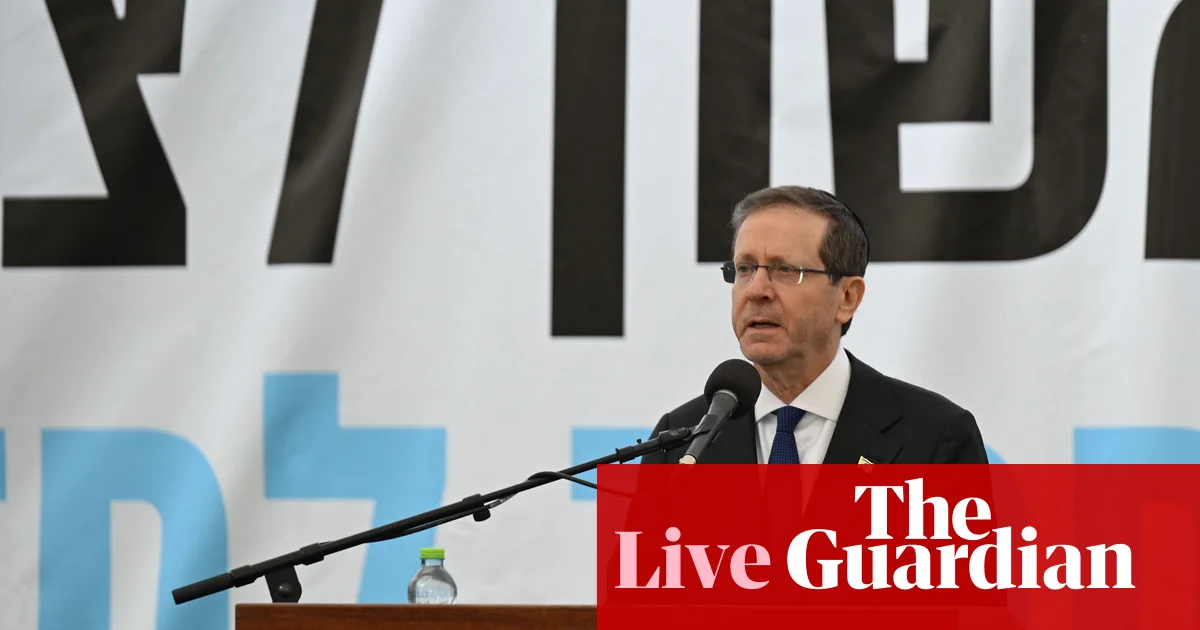
In a climate marked by mounting international conflicts and shifting alliances, recent events highlight the profound geopolitical impact that decisions on the global stage are exerting on nations and societies worldwide. Israeli President Isaac Herzog‘s arrival in Sydney underscores both diplomatic outreach and the contentious atmosphere surrounding Israel’s latest regional and international engagements. His visit aims to address survivors of the Bondi terror attack but has ignited a wave of protests and legal challenges, exemplifying the deep divisions that recent international lines of conflict have fostered.

  • Herzog’s four-day tour includes meetings with Australian officials and gatherings with local communities, emphasizing Israel’s intent to bolster its international relations amid ongoing tensions.
  • Controversy has erupted globally—demonstrations and legal disputes threaten to overshadow diplomatic efforts, reflecting how decisions made by leaders influence societal perceptions and domestic harmony.
  • Within Australia, the political landscape is also turbulent, with the ruling Labor government navigating its own internal and external challenges—highlighted by recent defense pacts with Indonesia and consequential shifts in foreign policy focus.

Analysts like Dr. Miriam Cohen from the International Institute of Geopolitical Studies suggest that Herzog’s Australian visit is more than ceremonial; it is a strategic move amidst broader regional destabilization. Meanwhile, domestic politics are shadowed by electoral despair, with the Coalition facing dire polling results—an 18% primary vote—embodying a broader decline in conservative influence. This collapse indicates not just a political crisis but a societal one, where citizens’ disillusionment is fueled by perceived internal disunity and policymaking.

Back home, Australia’s political arena mirrors global chaos. The Liberal-National coalition’s recent reunification comes amidst a wave of internal splitting and leadership speculation. Sussan Ley and David Littleproud are under pressure to craft a resonant message that can reverse dwindling fortunes, but polling indicates they remain in an increasingly untenable position. As former officials like Jane Hume articulate, a need for a comprehensive reset looms—a phrase that echoes across many nations facing political drift. Historians warn that such internal instability can have *long-term ramifications* on the societal fabric.

Simultaneously, the ongoing debate over Herzog’s visit exemplifies the complex intersection of international diplomacy and domestic activism. The anticipated protests and court challenges highlight how policy decisions echo within communities, often igniting fierce debates about morality, sovereignty, and national identity. These protests aren’t mere disruptions; they are visceral symbols of society’s struggle to reconcile international realities with domestic values, marking a moment in history where global conflict isn’t just a matter of policy but an intensely personal battleground.

As the world stands at this multipolar crossroads, the weight of history presses down—each diplomatic gesture, each political maneuver, shaping the future amidst uncertainty. Will nations find common ground in this storm, or will internal discord turn to open conflict? The answers remain unwritten, but the unfolding story of international alliances, domestic upheaval, and international conflicts continues to cast its shadow. The stage is set for a tense chapter of history—one where the choices of today could determine the destiny of nations and the very fabric of global society.

Foreign Office to probe Peter Mandelson’s controversial ambassador payoff – UK politics in focus

International Power Play and the Political Aftermath of Mandelson’s US Payoff

In a move that underscores how geopolitical decisions are increasingly intertwined with domestic controversies, the case of Peter Mandelson has taken center stage in British political discourse. Once a leading figure in UK politics, Mandelson’s recent fallout over a taxpayer-funded payoff—reportedly up to £55,000—after being sacked as ambassador to the United States has sent shockwaves through Westminster. The controversy hinges on his association with Jeffrey Epstein, the late accused child sex offender, raising serious questions about judgment and integrity within the ruling circles. This incident is not just a domestic scandal but a test case for how international relations and internal political stability are now dangerously linked in an era of shifting global alliances and transparency demands.

While the Foreign Office claims proper procedures were followed in Mandelson’s termination, the revelation of his sizeable payoff—whose details are still to be fully disclosed—poses a critical question of cost and morality for government transparency. Analysts warn that such payouts, especially in high-profile diplomatic posts, can undermine public trust and usher in a wave of political instability. The incident also casts a shadow over Keir Starmer’s leadership, as he struggles to navigate a political landscape riddled with ongoing scandals. The international community watches with keen interest, knowing that in the ripples of this controversy lie repercussions for alliances, trade negotiations, and diplomatic reputation.

Prominent voices—including Pat McFadden, the Work and Pensions Secretary,—have called for Mandelson to return or donate the payoff to charity, emphasizing the moral duty in these turbulent times. European and transatlantic analysts suggest that this domestic scandal comes at a concomitant moment of geopolitical realignment. With Rising Powers like China and Russia recalibrating influence, Western nations are under increasing pressure to demonstrate strength and integrity. The question remains: Will such incidents weaken Western diplomacy or serve as a catalyst for tougher scrutiny of government officials’ conduct in the age of international transparency?

Historians like Sir John Bew and geopolitical analysts argue that how Western democracies handle scandals of this nature will define their global standing for decades to come. The ongoing review by the Foreign Office, which aims to reassess Mandelson’s pay and conduct, signals an understanding that the failure to uphold standards can embolden competitors. In a world where public opinion is increasingly shaped by scandals and transparency, the weight of history presses down on leaders who must decide whether to embrace accountability or risk history’s verdict of corruption and ethical failure. As the case unfolds, the question remains: Will this be a moment of reflection and reform or a harbinger of more unrest as international affairs grow ever more complex and unforgiving?

Social Media Auto Publish Powered By : XYZScripts.com