Matox News

Truth Over Trends, always!

Andrej Babis’ populist party secures victory in parliamentary election

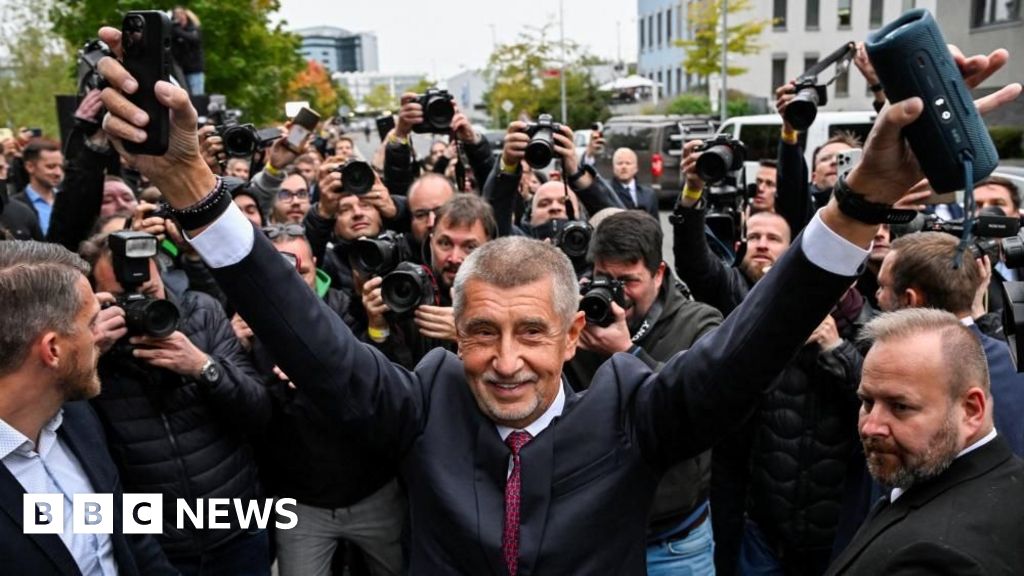
The recent parliamentary elections in the Czech Republic mark a pivotal moment in Central European geopolitics, driven by the resurgence of billionaire businessman Andrej Babis. With his populist ANO party securing almost 35% of the vote, Babis’s political comeback underscores a shifting tide within Europe’s heartland. While his party gained seats—rising from 72 to 80 out of 200—it still falls short of an outright majority, positioning Babis to lead coalition negotiations with smaller, fringe libertarian and nationalist parties.

In a political scene characterized by uncertainty, Babis’s alliance with right-wing, Eurosceptic parties, such as the Motors for Themselves and Freedom and Direct Democracy (SPD), shifts the Czech Republic towards a more skeptical stance on EU and NATO. Historically, analysts warn that such alliances could jeopardize Prague’s commitments to Western defense and cooperation, especially amid a broader uprising of populist nationalism across Europe. Babis’s rhetoric, which included opposition to the EU’s ban on petrol and diesel cars after 2035, signals a pushback against EU environmental mandates, which many see as an expression of sovereignty versus supranational oversight. This approach resonates with leaders like Hungary’s Viktor Orban, with whom Babis aligns through the Patriots for Europe parliamentary group, often criticized by international organizations for promoting nationalist agendas at the expense of broader European unity.

Adding further complexity, Babis’s stance on Ukraine and his plan to dismantle the Czech ammunition initiative—responsible for supplying Ukraine with millions of shells—highlight a potential realignment away from unwavering Western support. By proposing to place the arms scheme under NATO control and criticizing Western aid, Babis echoes the emerging geopolitical tension characterized by skepticism of Ukraine’s Western allies. Historians note that such shifts could weaken the collective resolve of NATO amid ongoing conflicts, and international organizations such as the EU warn of the long-term instability that could result from the decline of Czech commitment to Eastern European defense efforts.

While Babis claims to uphold a firm stance on regional sovereignty and a history of robust international relations—mentioning past interactions with President Trump, the FBI, and the CIA—his domestic policies raise questions about the durability of the Western alliance. Yet, with his overt anti-Ukrainian rhetoric and opposition to EU and NATO policies, his victory potentially heralds a new chapter of navigating the thin line between national interests and international obligations. As Babis prepares to forge alliances, the broader European security landscape teeters on a knife’s edge—an unfolding saga that history will judge for the heavy hand it wields in shaping the future of freedom, sovereignty, and global stability. In this moment of profound change, the weight of history presses down, leaving nations to wonder: How will the Czech Republic’s choices echo through the corridors of power for generations to come?
Andrej Babiš’s Populist Win: A New Direction for Czech Politics

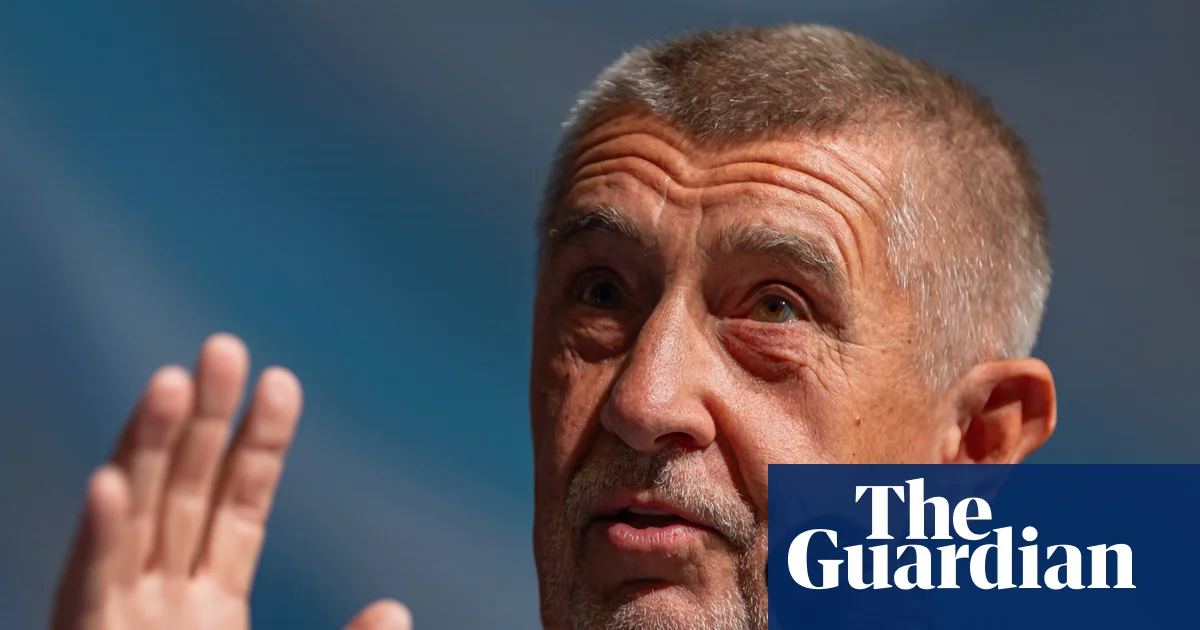
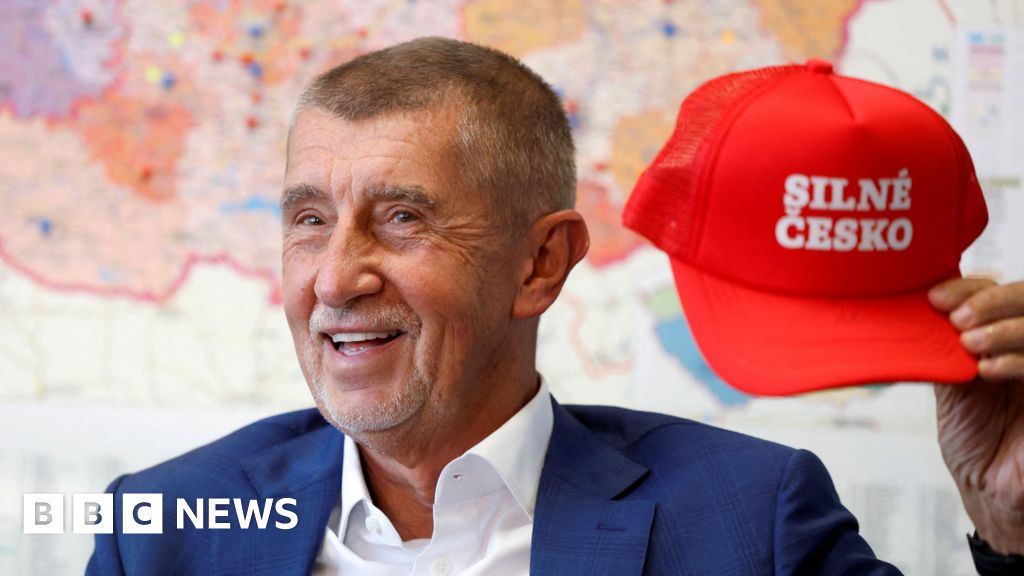
The recent parliamentary elections in the Czech Republic have signaled a pivotal moment in European geopolitics. Populist billionaire Andrej Babiš has emerged victorious, setting the stage for a significant political realignment that could reshape the country’s stance on foreign policy and its alliances. With nearly 98% of votes counted, Babiš’s ANO movement secured about 35% of the vote, overtaking the pro-Western coalition led by Prime Minister Petr Fiala, which garnered 23%. This outcome not only highlights the rise of populist sentiment within the country but also suggests a shift away from unwavering support for Ukraine towards a more Eurasian-oriented approach, aligning the Czech Republic more closely with Hungary and Slovakia.

Historically, the Czech Republic has been one of Europe’s most staunch supporters of Ukraine, committing resources and military aid in response to Russia’s invasion. Yet, Babiš’s victory signals a potential reevaluation of this stance, emphasizing a broader geopolitical impact: nations may soon prioritize their national interests over collective Western initiatives. As international analysts point out, Babiš aims to join leaders like Viktor Orbán of Hungary and Robert Fico of Slovakia, both of whom have resisted EU sanctions on Russia, continued to import Russian oil, and refused to send military aid to Ukraine. This alignment with Eurasian interests is increasingly calling into question the solidarity within the European Union, especially amidst amplified rhetoric from populist parties advocating for a more pragmatic approach to Moscow.

The election results reveal a broader political realignment that could threaten transatlantic unity. The Freedom and Direct Democracy party and a conservative group called Motorists indicated potential coalition partners for Babiš, signaling a government less committed to the aggressive support for Kyiv and more open to diplomatic and economic ties with Moscow. International institutions such as NATO and the EU face the looming prospect of internal divisions, as the nationalist currents within Eastern and Central Europe gain momentum. The shift is not merely political; it is also symbolic of a wider contest for the soul of European integration and security, with new leaders questioning the sustainability of the original Western consensus.

Reactions from historians and international observers underscore the magnitude of this moment. Many warn that these decisions will reverberate beyond the Czech borders, challenging decades of post-Cold War European stability. As the European Parliament witnesses the emergence of alliances like Patriots for Europe—a coalition led by Babiš and Orbán—there is a discernible shift toward a more assertive, sovereignty-centric bloc that questions the traditional Western-centric worldview. The unfolding chapters of this story suggest a Europe at a crossroads, where the pursuit of national self-interest may redefine alliances, influence societal values, and, ultimately, shape the continent’s destiny.

As history continues to write itself in the corridors of power, the Czech Republic’s newfound political direction confronts the West with a stark reality: the geopolitical landscape is transforming once again, and the decisions made today will echo through generations. The future of European unity, security, and international stability hangs in the balance, as nation after nation grapples with the legacy of these seismic shifts. In the shadow of a resurgent Eurasian axis, the question remains: who will lead tomorrow’s Europe, and at what cost?

Czech Populist Babis Seeks Power, Could Rely on Extremes to Win

The upcoming Czech Republic elections have become a focal point for geopolitical tensions roiling across Europe, amid fears of a shift towards far-right nationalism and pro-Russian sentiments. As voters prepare to go to the polls, analysts warn that the election results could significantly reshape the country’s foreign policy stance and regional security commitments, especially in the context of a Europe still grappling with the aftermath of Russia’s invasion of Ukraine. The rise of populist Andrej Babis, a billionaire with openly nationalist rhetoric, signals a potential departure from the established pro-Western consensus that has underpinned EU and NATO solidarity for decades. Many security experts pronounce this election as a *turning point*—a moment that could determine whether the Czech Republic deepens its cooperation with Western allies or drifts closer to Moscow-friendly factions, with far-reaching consequences for European stability.

During his campaign, Babis has explicitly rejected any possibility of “dragging the Czech Republic to the East,” positioning himself as a defender of traditional Western alliances. In rallies outside Prague, he asserted, “We’ll never drag the Czech Republic to the East. I can absolutely rule that out,” referencing the Czech government’s previous actions, such as expelling Russian diplomats after revelations of Russian intelligence operations in 2014. His rhetoric echoes a broader populist wave across Central Europe, where parties inspired by alternative nationalism and skepticism of the EU’s reformist agenda seek to reshape the continent’s geopolitical trajectory. These parties, including potential coalition partners like the ultra-nationalist SPD and anti-green groups, signal a possible reorientation away from collective security and toward individual nationalist agendas that threaten to destabilize the European project. As historian Dr. Helena Novak explains, these developments risk echoing the divisive politics that have unsettled Hungary and Slovakia, where recent governments have questioned alliances with NATO and shown sympathies to Moscow.

Meanwhile, the European Union and NATO are closely monitoring these political shifts, recognizing the undeniable geopolitical impact of a Czech government that veers towards *melded* alliances with Russia. Security experts warn that a tilt away from commitment to Ukraine might embolden Kremlin disinformation campaigns and cyberattacks aimed at destabilizing Western democracies. Roman Maca, a security analyst, emphasizes that “Russia is waging a massive campaign of disinformation against the Czech Republic,” with suspected cyber-operations and even cases of arson linked to pro-Russian factions. The presence of Russia-friendly parties within any future government could serve as a critical lever for Moscow to undermine NATO’s eastern flank and diminish Western unity. Such shifts threaten not only European security but also the credibility of international institutions that have long relied on the Czech Republic as a steadfast member.

Finally, the election presents a moral dilemma for the country’s younger generation, with students and civic activists voicing fears over how the **decision** to lean towards Moscow or remain aligned with the West will determine their future. As 19-year-old Ondrej Kapralek articulates, “Russia is waging a massive campaign of disinformation,” raising alarms about the potential erosion of democracy and sovereignty. Meanwhile, veteran politicians and international observers fear that under the sway of populist leaders, the Czech Republic could follow the path of Slovakia or Hungary, both EU and NATO members increasingly under illiberal influences. The political landscape remains precariously balanced—yet the real question is whether this election will forge a new chapter of resilience or open the floodgates to history’s darker forces, threatening to rewrite the security architecture of an entire continent. As this story unfolds, one thing remains clear: the weight of history is not on pause; it is gathering force, and every vote will echo in the corridors of future power.”

Social Media Auto Publish Powered By : XYZScripts.com



